
Codelco Tender Adds Local Battery Swap Requirement





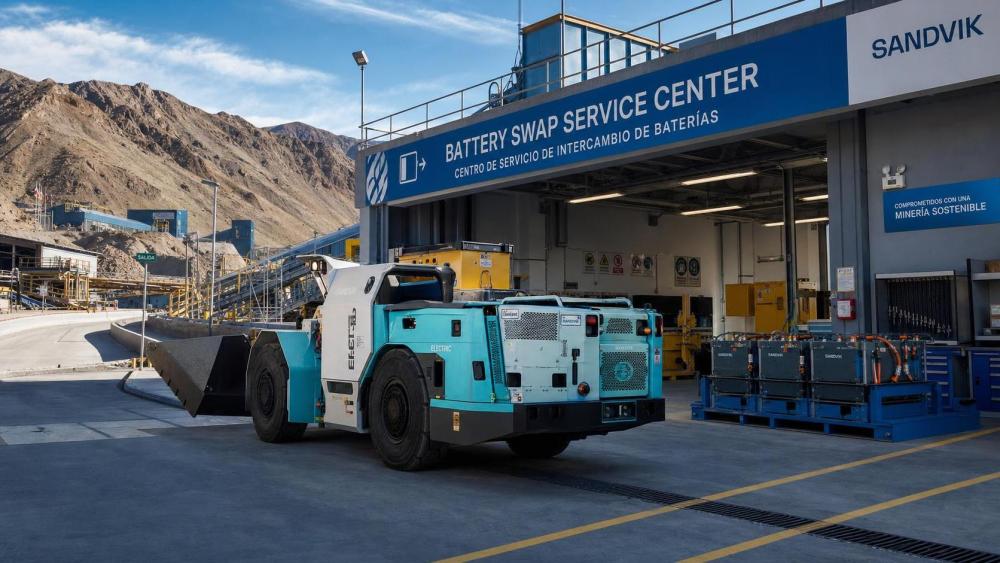
On June 25, 2026, Codelco released a global tender for Battery LHDs and made local battery swap capability in Chile a mandatory part of supplier access rather than a secondary service option. For equipment manufacturers, battery system providers, after-sales teams, procurement participants, and cross-border supply chain operators, this is notable because the bidding condition links ESG alignment, operating continuity, and local service capacity directly to market entry and delivery readiness.
A procurement rule change with operational conditions attached
The confirmed information is limited but clear. Codelco formally issued the Battery LHDs global tender on June 25, 2026. The tender requires the winning supplier to establish a battery quick-swap service center within Chile and to provide localized operation and maintenance support. The event indicates that Codelco is tying equipment procurement more closely to ESG compliance, sustainable equipment operation, and local industrial support capabilities. It also sets a new entry requirement for overseas manufacturers in terms of delivery capacity, technical adaptation, and local service network readiness.
Where the new requirement may be felt first
Equipment bidders now face a broader delivery scope
From an industry perspective, manufacturers bidding for Battery LHDs may be affected first because the requirement no longer appears limited to supplying the machine itself. The practical impact may fall on bid preparation, technical specification alignment, delivery planning, and post-award service commitments. What deserves closer attention is whether bidders can present documentation and implementation arrangements that show local battery swap support and localized maintenance capability in Chile.
Battery and service partners may move closer to the tender core
Analysis shows that companies involved in battery support, field maintenance, and service execution may become more relevant to procurement competitiveness. The change may affect how service responsibilities are allocated, how support capacity is evidenced in tender materials, and how operating continuity is addressed in commercial proposals. For these participants, compliance is likely to be judged not only by product suitability but also by the ability to support local service performance.
Cross-border supply chains may need stronger local coordination
Observably, supply chain and trade participants connected to export delivery may need to pay closer attention to handover conditions, service readiness, technical documentation, and operational support interfaces. The new requirement may influence delivery sequencing, local partner coordination, and the completeness of tender-related documentation. Even without additional confirmed rules in the input, the direction is clear: procurement access is becoming more dependent on local execution arrangements.
What companies should watch in the tender response stage
Review whether service localization is treated as a qualifying condition
Analysis shows that companies should first focus on how the tender language frames the battery quick-swap center and localized maintenance support. If these are treated as mandatory qualification or award conditions, the compliance burden is different from a standard after-sales commitment. This distinction matters for bid structure, internal approvals, and partner selection.
Check technical files against local operating support needs
What deserves closer attention is the alignment between equipment configuration and service execution requirements. For bidders, technical files, maintenance descriptions, service procedures, and bid documents may all need to reflect how the Battery LHD solution can be supported through a Chile-based quick-swap model. The input does not provide detailed execution criteria, so this remains a point for continued document-level review rather than a confirmed compliance checklist.
Prepare for greater scrutiny on delivery and maintenance capability
From an industry perspective, the tender sends a signal that delivery is being evaluated together with lifecycle support. Companies may therefore need to examine whether their export, installation, after-sales, and traceability materials are sufficient for a procurement process that puts local operational continuity closer to the center. This is especially relevant for overseas suppliers whose local service footprint may be part of the access threshold.
Track any later clarification in wording or implementation
Observably, businesses should continue watching for any further official explanation, tender document refinement, or clarification of service expectations. The current input confirms the requirement itself, but it does not confirm detailed implementation standards, review methods, or timeline expectations. That means companies should treat follow-up wording as commercially important.
Why this looks like an execution signal, not just a tender headline
Analysis shows that this development is better understood as an execution-oriented procurement signal rather than a general statement of sustainability preference. The notable shift is that local battery swap service and localized maintenance support are presented as procurement conditions tied to supplier access. At the same time, it is still necessary to observe how consistently such requirements are defined and applied in subsequent tender documents, supplier communications, and market responses.
How the market may need to read this development
It is more appropriate to understand this event as a concrete tightening of entry requirements in a specific procurement context, with implications for equipment supply, service localization, and bid readiness. The confirmed facts do not yet establish broader market-wide rules beyond this tender, but they do provide a clear indication that local support capability can move from a commercial advantage to a practical access condition. For industry participants, the most rational approach is to read this as a live execution signal while continuing to monitor how the requirement is interpreted and applied.
Basis of this article and points still requiring verification
This article is generated from the user-provided news title, event date, and event summary. For events of this type, commonly relevant source categories may include official tender notices, regulatory or supervisory releases, trade authority information, industry association updates, standards documentation, and reporting by established industry media. A specific official source link was not provided in the input, so the underlying documents and later updates still require ongoing verification. Items that remain worth tracking include any detailed tender wording, compliance interpretation, service qualification criteria, technical documentation requirements, market feedback, and actual supplier execution arrangements.
Related News
Tunnel Boring Machine Costs: Budgeting for Purchase, Operation, and Project Risk
Tunnel Boring Machines cost more than purchase price. Learn how to budget lifecycle costs, downtime, logistics, wear, and project risk for smarter TBM decisions.

Open-Pit Haulage Cost Analysis: How Mine Managers Can Cut Cost per Tonne
Open pit haulage cost analysis: discover practical ways to reduce cost per tonne through payload control, cycle-time optimization, road performance, and smarter fleet decisions.
Tunnel Construction Innovations That Reduce Risk and Schedule Delays on Urban Projects
Tunnel construction innovation for urban projects: discover smarter TBMs, real-time monitoring, trenchless methods, and automation that reduce risk and protect schedules.

TBM Disc Cutter Design: Key Geometry and Load Factors for Hard Rock Tunnelling
TBM disc cutter design explained: explore geometry, spacing, load distribution and maintenance factors for reliable, efficient hard-rock tunnelling performance.
Hydraulic Tipping Stability Risks in Multi-Axle Dump Special Trailers
Dump special trailers: discover key hydraulic tipping stability risks, multi-axle load dynamics, and practical safety controls for safer, smarter bulk hauling.
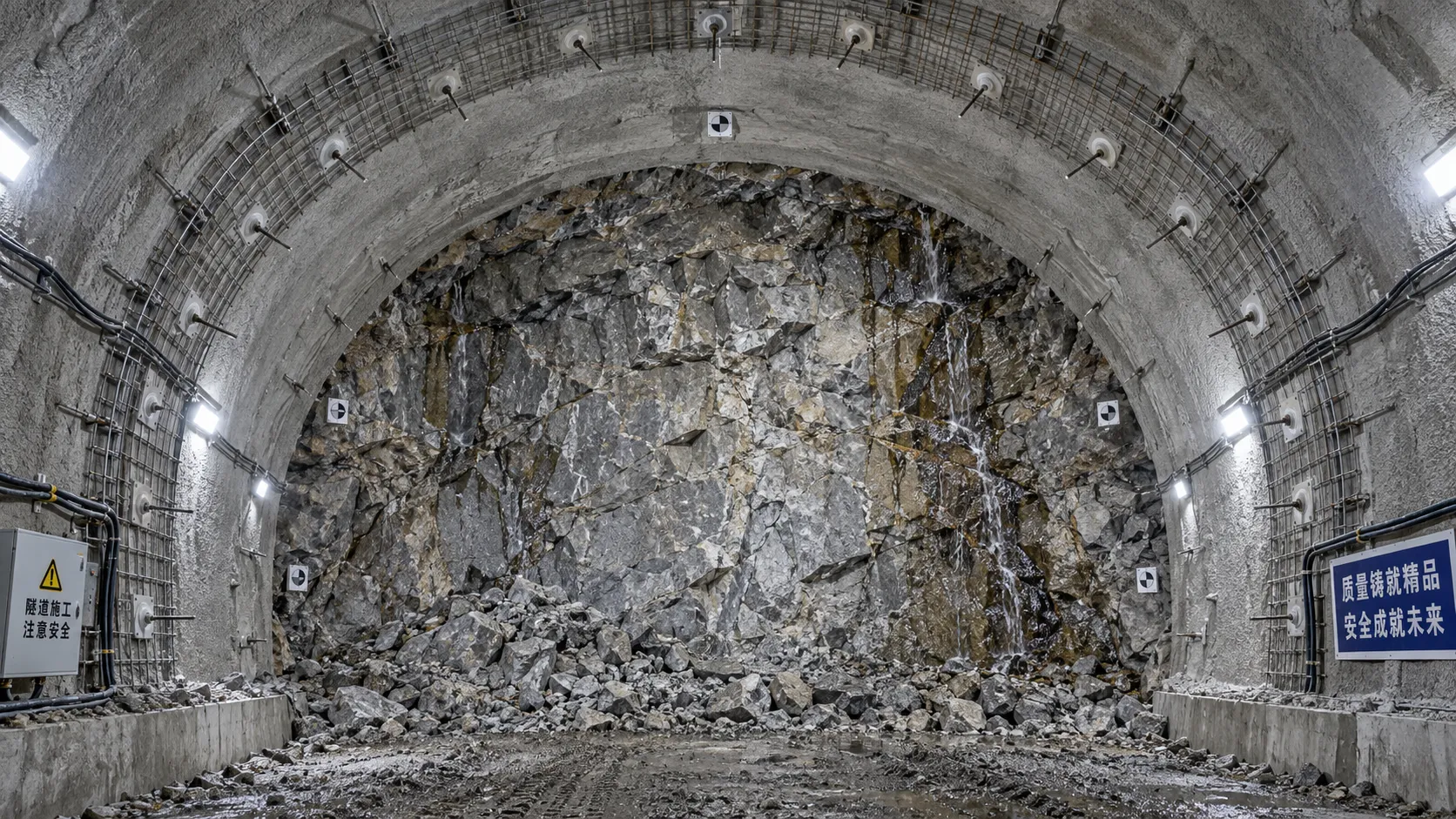
When rock reinforcement in tunnel construction must change after blasting
Rock reinforcement in tunnel construction must change when blasting reveals overbreak, weak joints, water inflow, or deformation. Discover key post-blast support decisions.
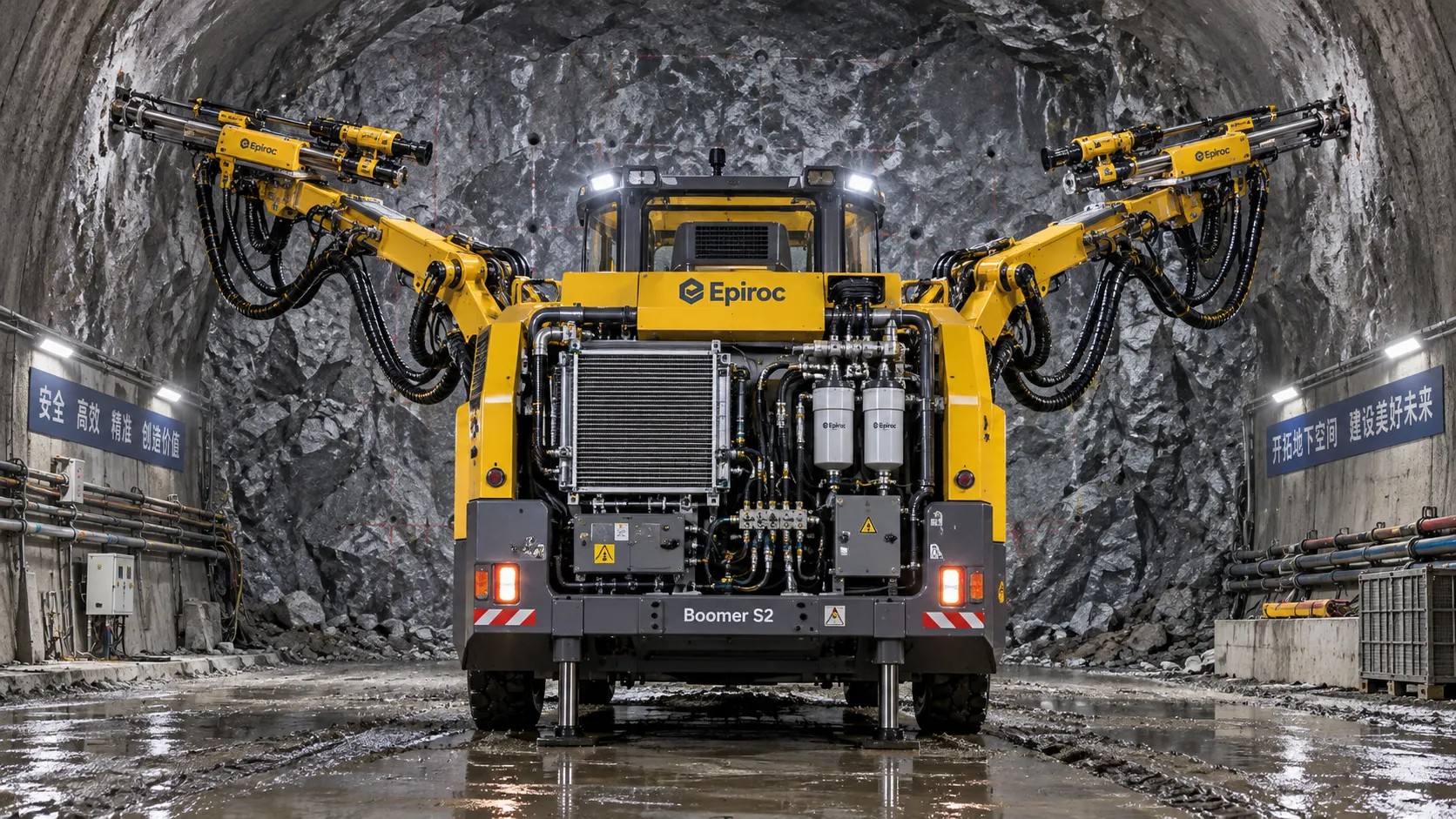
How tunnel hydraulic systems influence drill jumbo uptime underground
Tunnel hydraulic systems directly influence drill jumbo uptime. Explore how stable pressure, clean oil, cooling, and maintainable design reduce underground downtime.
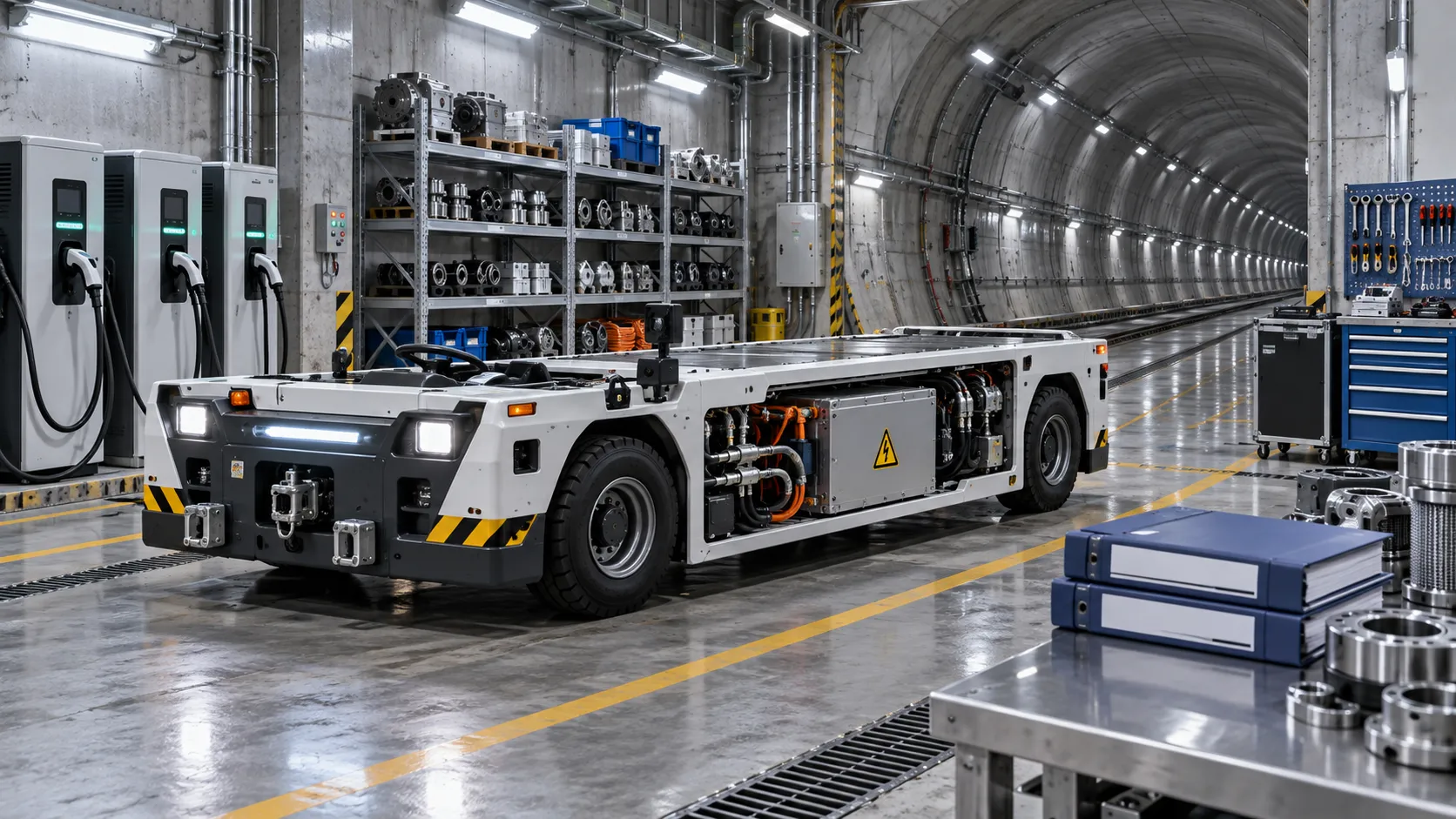
What to verify before appointing a tunneling vehicles manufacturer
Choosing a tunneling vehicles manufacturer? Verify application fit, reliability, compliance, parts support, training, and channel terms before appointing a partner.
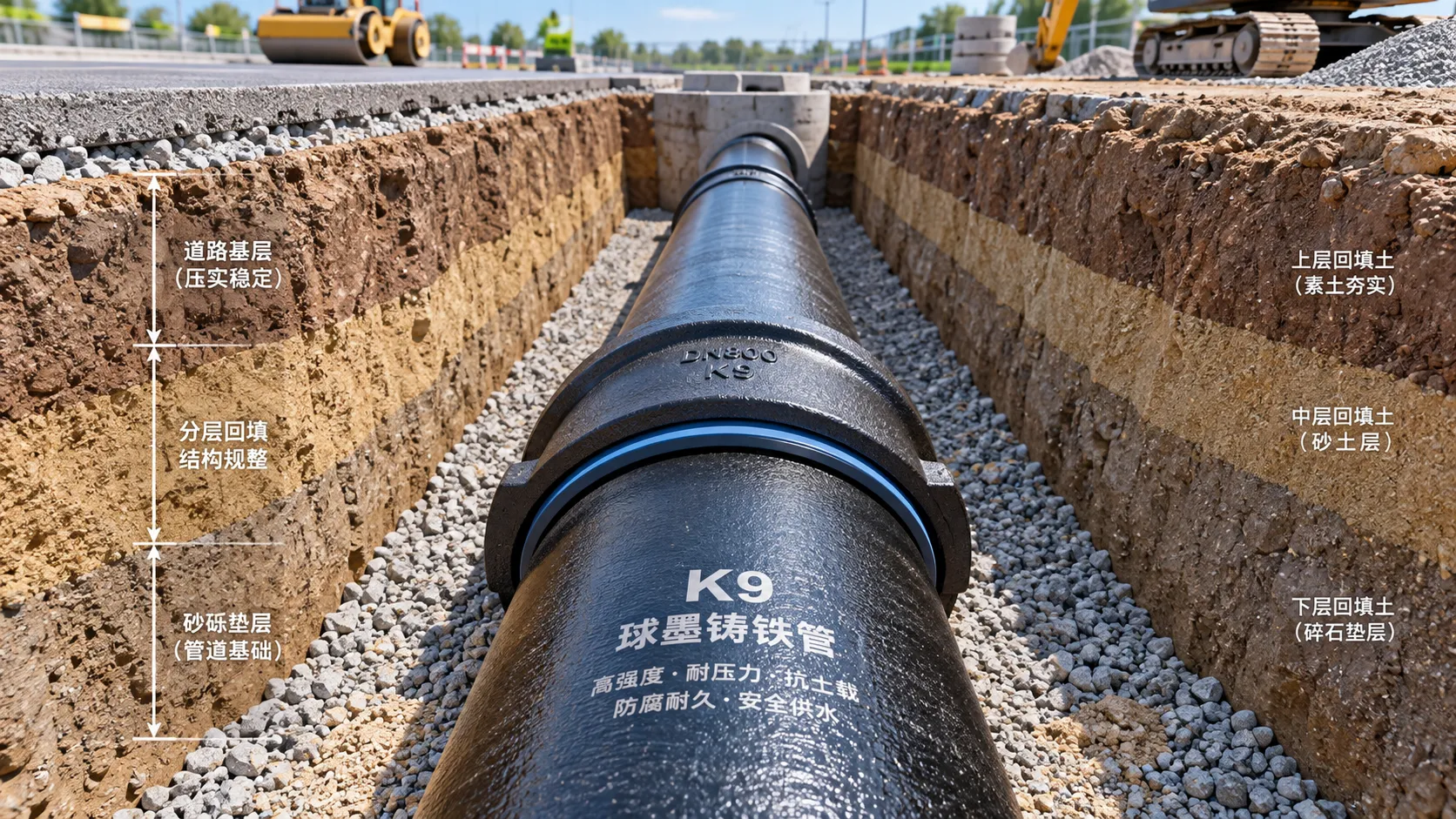
Selecting K9 Ductile Iron Pipe for Buried Water Pipeline Conditions
K9 ductile iron pipe selection for buried water pipelines: compare pressure duty, joints, soil loads, corrosion protection, and installation controls for reliable long-term performance.
Related News
- 00
0000-00
Tunnel Boring Machine Costs: Budgeting for Purchase, Operation, and Project Risk - 00
0000-00
Open-Pit Haulage Cost Analysis: How Mine Managers Can Cut Cost per Tonne - 00
0000-00
Tunnel Construction Innovations That Reduce Risk and Schedule Delays on Urban Projects - 00
0000-00
TBM Disc Cutter Design: Key Geometry and Load Factors for Hard Rock Tunnelling - 00
0000-00
Hydraulic Tipping Stability Risks in Multi-Axle Dump Special Trailers
Weekly Insights
Stay ahead with our curated technology reports delivered every Monday.