
EU Updates EMC Rules for EV and Hydrogen Mining Trucks





On August 6, 2026, the European Commission released amendment 2026/EC No. 142, setting a new compliance threshold for electric and hydrogen-fueled mining transport vehicles entering the EU market. From January 1, 2027, imported vehicles in this category, including EV and Hydrogen Mining Trucks, must meet EN IEC 63275:2026. For manufacturers, exporters, testing teams, procurement functions, and buyers involved in cross-border mining equipment business, this matters because the revised EMC requirements introduce new test items that can affect certification preparation, type-testing timelines, and market access planning.
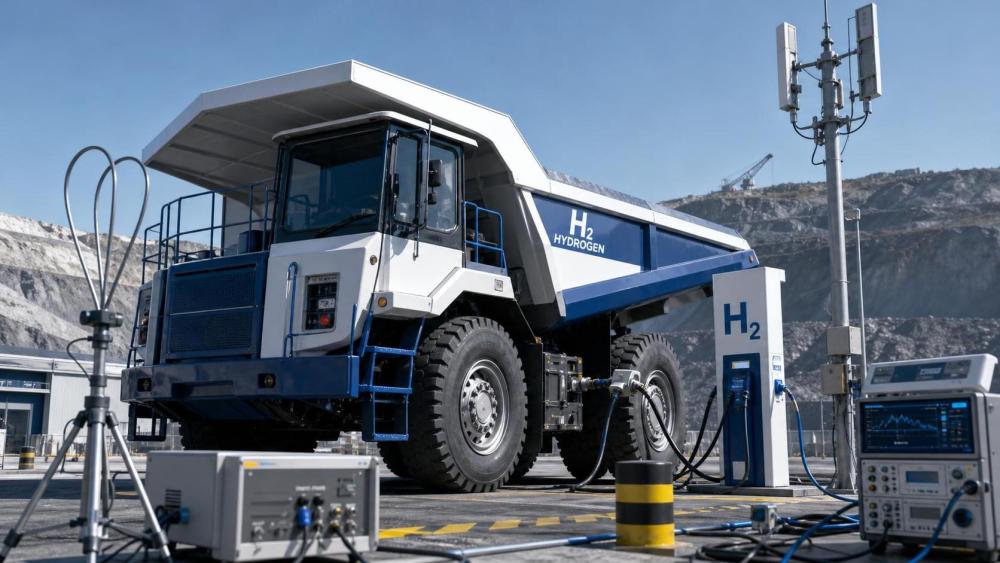
What the amendment now requires
The confirmed change is that the European Commission issued amendment 2026/EC No. 142 on August 6, 2026, and made compliance with EN IEC 63275:2026 mandatory from January 1, 2027 for all electric and hydrogen mining transport vehicles imported into the EU, including EV and Hydrogen Mining Trucks.
The updated standard adds three specific elements: high-frequency harmonic immunity testing for enclosed underground spaces, transient conducted emission limits for regenerative braking, and coexistence verification for 5G remote-control signals.
The information provided also indicates that these changes directly affect the export compliance route and type-testing cycle for Chinese manufacturers.
Where the pressure is likely to appear first
Export-oriented vehicle manufacturers
From an industry perspective, manufacturers shipping electric or hydrogen mining trucks to the EU are the most directly exposed. The impact is likely to be concentrated in product compliance review, test preparation, technical documentation, and shipment scheduling. What deserves closer attention is whether existing vehicle designs and validation plans already account for the newly added EMC scenarios, especially where remote-control functions or regenerative braking performance are involved.
Testing and certification workflows
Testing-related service providers and internal homologation teams may see the effect in sequencing and lead time rather than in headline policy language alone. Analysis shows that once a new mandatory standard adds specific test clauses, the practical issue for market participants is often whether current type-testing arrangements, laboratory readiness, and document packages match the new scope well enough to avoid delays.
EU importers and procurement-side stakeholders
For EU-facing importers, buyers, and procurement teams, the change may affect supplier screening, contract timing, and delivery confidence. The immediate concern is not only whether a vehicle can be supplied, but whether it can be supplied with the certification path required after January 1, 2027. In business terms, compliance status becomes part of purchasing risk assessment.
Supply-chain and delivery coordination
Supply-chain service providers and project delivery teams may also need to track the change closely. Observably, when a mandatory certification requirement is tied to a fixed future date, handover timing, customs planning, and acceptance milestones can become more sensitive to testing completion and document readiness.
What companies should track now
Separate the legal date from the preparation window
Analysis shows that the formal enforcement date is January 1, 2027, but the operational window for preparation begins much earlier. Companies involved in exports to the EU should pay attention to how the new EMC requirements affect internal development schedules, external testing bookings, and the timing of customer commitments.
Review whether key vehicle functions touch the new test items
What deserves closer attention is the connection between the new test clauses and the actual functions of the vehicle. The added requirements explicitly refer to underground enclosed-space harmonic immunity, regenerative braking conducted emissions, and 5G remote-control coexistence. For companies selling affected vehicle types, these are not abstract policy signals; they are concrete checkpoints for engineering validation and compliance documentation.
Prepare customer and supplier communication early
For exporters and project teams, commercial communication may need to be updated alongside technical preparation. This includes confirming what certification path is expected for EU-bound models, what documents may be needed in transactions, and how possible testing-cycle changes could influence promised delivery timing.
Keep watching for further official wording and implementation detail
Observably, the amendment sets the mandatory direction clearly, but companies should continue monitoring any subsequent official clarification, implementation wording, or supporting interpretation that could affect how the standard is applied in practice. This is especially relevant for firms managing multiple model variants or planning shipments close to the effective date.
Why this reads as more than a routine standards update
Analysis shows that this development should not be read only as a technical revision to EMC language. It also signals that EU market access for mining transport equipment is becoming more closely linked to operating scenarios associated with electrification, hydrogen powertrains, regenerative braking behavior, and connected control environments.
At the same time, it is more appropriate to understand this as a clear compliance signal rather than a fully measurable market outcome at this stage. The confirmed facts establish the new requirement and its scope. The broader commercial effect on lead times, order conversion, and supplier positioning still needs to be observed through actual implementation.
How the market may best interpret this stage
At this point, the amendment is best understood as a near-term compliance change with longer-term strategic implications. In the short term, it affects certification planning for vehicles headed to the EU from 2027 onward. In the longer view, it indicates that technical access requirements for mining trucks are becoming more closely tied to real operating environments and control-system compatibility. A neutral reading is that the rule change is already concrete, while the full extent of its business impact still requires continued observation.
Basis of this article and what still needs verification
This article is based on the user-provided news title, event date, and summary describing the August 6, 2026 release of amendment 2026/EC No. 142 and the mandatory EN IEC 63275:2026 requirement for relevant imported mining vehicles from January 1, 2027.
For this type of industry update, commonly relevant source categories include official government or regulatory notices, company disclosures, industry association updates, authoritative media reporting, and standardization documents. The specific official source link was not provided in the input, so it still requires continued verification. Follow-up attention should focus on any later official clarification, implementation detail, and practical interpretation related to testing scope and certification execution.
Related News
How Underground Equipment Control Systems Improve Safety and Productivity in Mining
Underground equipment control improves mining safety, visibility, and fleet coordination. Learn how smarter control systems reduce delays, lower risk, and boost underground productivity.
EU Rule Sets UN R155 Approval for EV Mining Trucks
UN R155 approval for EV mining trucks becomes mandatory in the EU from Aug 11, 2026. Learn how this rule reshapes compliance, market access, and delivery planning.
Is Mining Truck Electrification Worth It? TCO, Charging, and Fleet Fit Explained
Mining Truck Electrification explained: compare TCO, charging infrastructure, fleet fit, and payback risks to see when electric haul trucks truly outperform diesel.
Australia Requires AS/NZS 5139:2024 for Imported Battery LHDs
Australia requires AS/NZS 5139:2024 for imported battery LHDs. Learn how the new rule affects certification, customs clearance, delivery risk, and exporter compliance readiness.
How to Evaluate a Pipe Jacking Machine in Malaysia for Urban Utility Projects
Pipe Jacking Machine Malaysia guide for urban utility projects: learn how to assess geology fit, settlement control, support, and cost risk for smarter project decisions.
EU Requires R100-03 Rev.3 for Imported Battery LHDs
EU Requires R100-03 Rev.3 for Imported Battery LHDs: learn how the new EU rule impacts certification, exports, compliance planning, and delivery to UNECE-aligned markets.
Australia Enforces New Safety Rule for Imported Battery LHDs
Australia enforces new safety rule for imported battery LHDs. Learn how AS/NZS 62368-3:2026 impacts certification, shipment timelines, and market access in Australia and New Zealand.
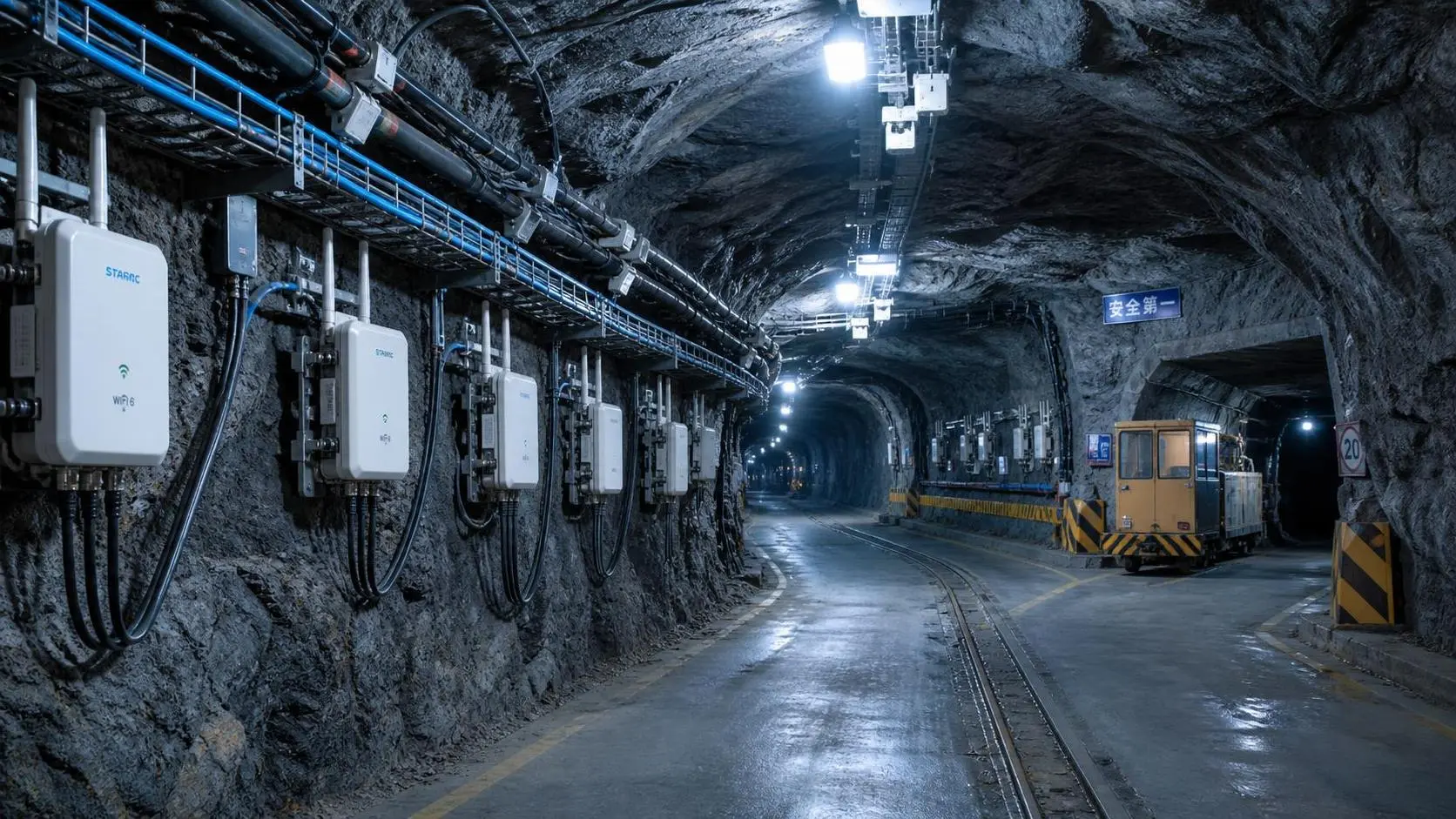
How to Evaluate Underground Mine WiFi Systems for Coverage, Roaming, and Safety
Underground mine WiFi systems: learn how to assess coverage, roaming, and safety for reliable mining connectivity, lower risk, and smarter network decisions.
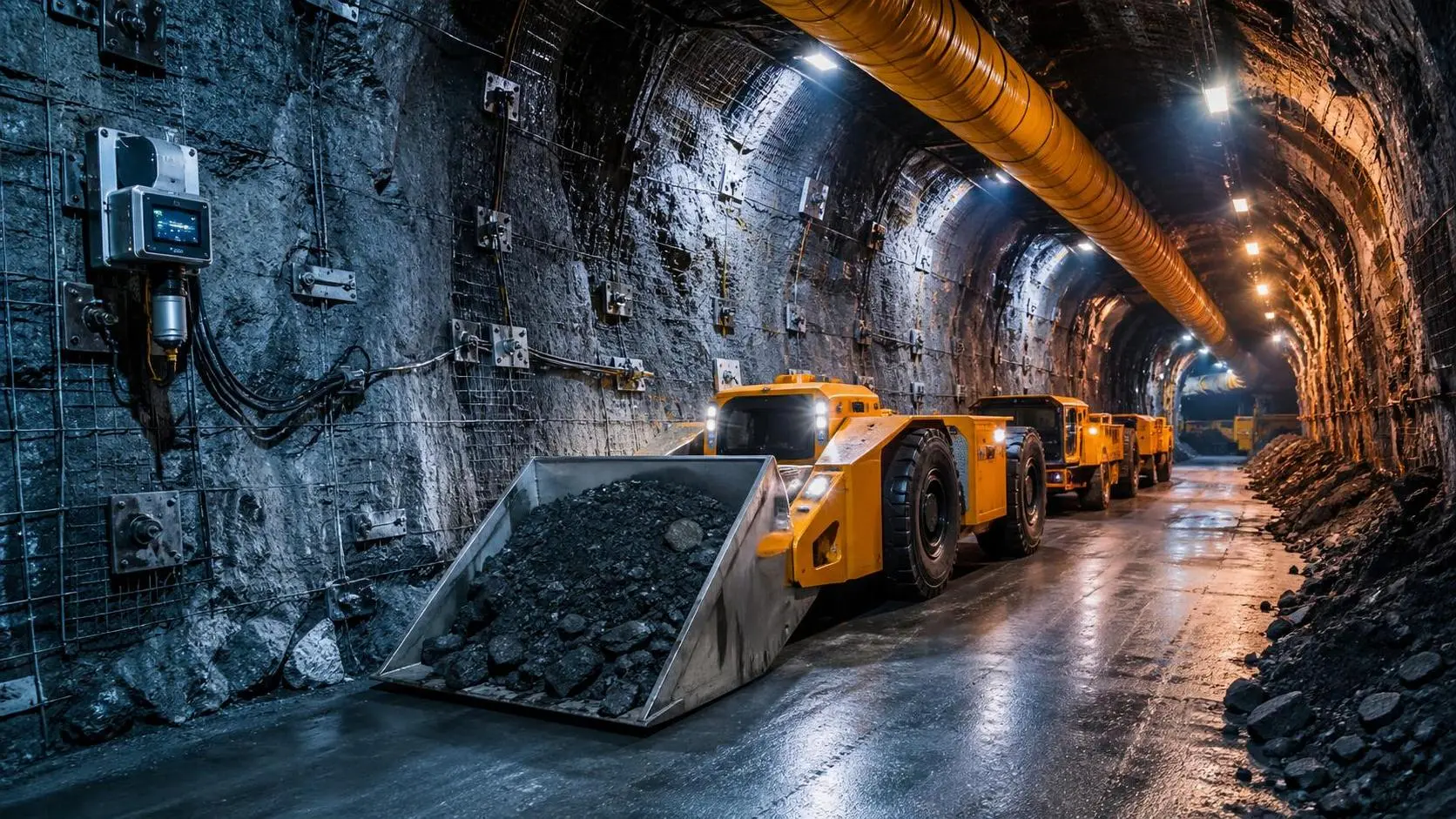
How Deep Underground Engineering Improves Safety and Ore Access in Modern Mining
Deep underground engineering mining improves safety, ventilation, automation, and ore access in modern mines. Discover practical strategies to extend mine life and reduce risk.
Related News
- 00
0000-00
How Underground Equipment Control Systems Improve Safety and Productivity in Mining - 00
0000-00
EU Rule Sets UN R155 Approval for EV Mining Trucks - 00
0000-00
Is Mining Truck Electrification Worth It? TCO, Charging, and Fleet Fit Explained - 00
0000-00
Australia Requires AS/NZS 5139:2024 for Imported Battery LHDs - 00
0000-00
How to Evaluate a Pipe Jacking Machine in Malaysia for Urban Utility Projects
Weekly Insights
Stay ahead with our curated technology reports delivered every Monday.