
EU Draft Sets Carbon Reporting Trial for Underground Machinery





On June 25, 2026, the European Commission released a draft Guide for Product Carbon Footprint Accounting for underground construction machinery, signaling a new compliance expectation for equipment shipped to the EU. The draft puts TBMs, LHDs, and Jumbos into the first pilot group and links market access in public infrastructure bidding to lifecycle carbon reporting under EN 15804+A2, making this a practical issue for manufacturers, exporters, procurement teams, bid managers, and supply-chain partners rather than a narrow policy update.
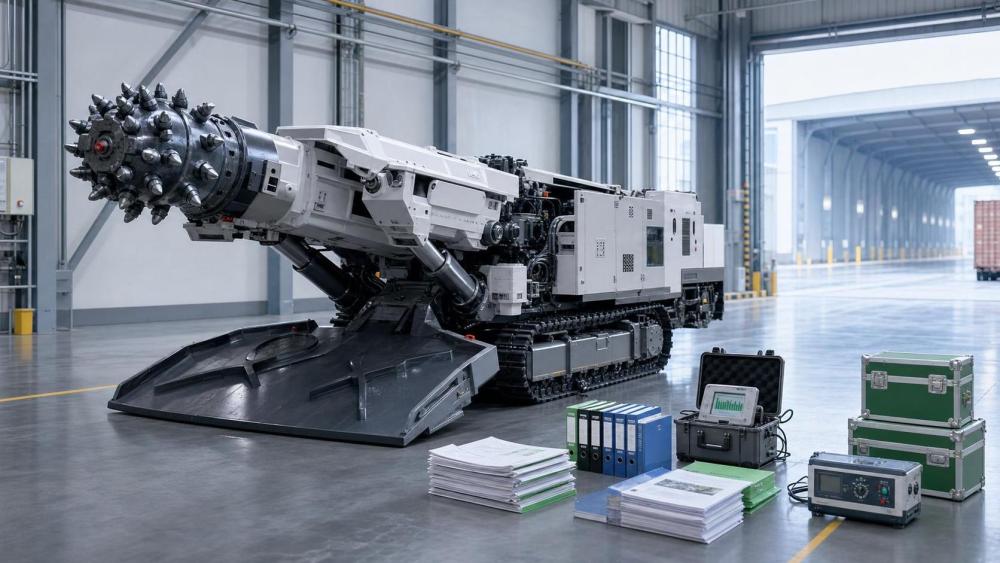
What the draft guide confirms at this stage
The confirmed facts are limited but commercially important. The European Commission issued the draft on June 25, 2026. It identifies TBMs, LHDs, and Jumbos as part of the first pilot scope. It also requires all manufacturers exporting relevant equipment to the EU to submit full lifecycle carbon reports based on EN 15804+A2 starting in July 2026. According to the information provided, products that do not meet the requirement will face restrictions in participating in public infrastructure project tenders.
Where the pressure is likely to appear first
Export-facing equipment manufacturers
These companies are the most directly affected because the reporting obligation is tied to equipment entering the EU market. The immediate pressure is likely to fall on product-level carbon data preparation, technical documentation alignment, and internal review of whether existing files can support an EN 15804+A2-based lifecycle report.
Teams responsible for bids and public project access
Because non-compliant products may be restricted from public infrastructure tenders, the impact is not limited to regulatory paperwork. Bid eligibility, tender documentation, and pre-qualification positioning may all become more sensitive to whether a compliant carbon report is available at the time of submission.
Procurement and supply-chain coordination
From an industry perspective, procurement teams and supply-chain partners may also feel the effect because lifecycle reporting usually depends on upstream data consistency. What deserves closer attention is whether suppliers can provide the supporting material needed for a complete carbon file, and whether delivery planning needs to account for extra document preparation before shipment or tender participation.
Service, documentation, and compliance support functions
Certification-related service providers, testing and documentation specialists, and after-sales teams may also face operational changes. The reason is not that a final enforcement outcome is already visible, but that exporters may need more structured traceability, product records, and technical file support once carbon reporting becomes part of market access and tender review.
What companies should watch before the pilot begins
Check the readiness of lifecycle carbon documentation
Analysis shows that companies shipping covered machinery to the EU should first review whether their current technical files can support a full lifecycle carbon report under EN 15804+A2. This is less about broad sustainability messaging and more about whether the required documentation can be assembled in a form usable for compliance and bidding.
Follow how the requirement is reflected in tenders
What deserves closer attention is how public infrastructure procurement documents may refer to the reporting obligation once the pilot starts in July 2026. Even where the draft is already clear on reporting, the practical effect on bidding may depend on how contracting documents, qualification checks, and submission requirements are worded.
Review supplier inputs and delivery timing
Observably, companies may need to pay closer attention to supplier qualifications, upstream data collection, and delivery scheduling. If carbon reporting becomes a precondition for shipment acceptance or tender participation in practice, delays may arise not only from manufacturing but from incomplete supporting records.
Keep watch on further official clarification
The current information does not provide full execution detail, so companies should not treat every operational question as settled. It is more appropriate to monitor later official wording, implementation guidance, and any clarification on submission format, review criteria, or the treatment of non-compliant files.
Why this reads as an execution signal, not only a draft text
As an editorial observation, this development is more meaningful than a general policy statement because it combines a defined equipment scope, a stated reporting basis, and a time reference for pilot implementation. At the same time, it is still more appropriate to understand it as a rule movement that sends a clear execution signal rather than a fully closed compliance framework, since the input provided does not include detailed enforcement procedures or review practice.
From an industry perspective, the key reason to keep watching is that carbon reporting here is connected to market participation, especially in public infrastructure bidding. That shifts the issue from long-term positioning to near-term commercial operability, even though the final compliance mechanics may still need confirmation.
How this update is best understood now
The practical significance of this draft lies in the fact that carbon accounting is being framed as a condition tied to access for certain underground construction machinery in the EU-facing market. A cautious reading is the most suitable one at this stage: the rule direction is clear, the affected equipment scope has been identified, and the reporting standard has been named, but the market still needs to watch how the requirement is implemented in official practice, procurement documents, and company-level execution.
Basis of this article and what still needs verification
This article is based on the user-provided news title, event date, and event summary. For developments of this type, commonly relevant source categories may include official announcements, regulatory publications, trade authority updates, industry association notices, standards documents, and reporting by established professional media. A specific official source link was not provided in the input, so the exact original publication path still needs to be verified. Further observation should focus on detailed implementation language, certification and reporting interpretation, tender document changes, industry feedback, and how affected companies carry out compliance in practice.
Related News
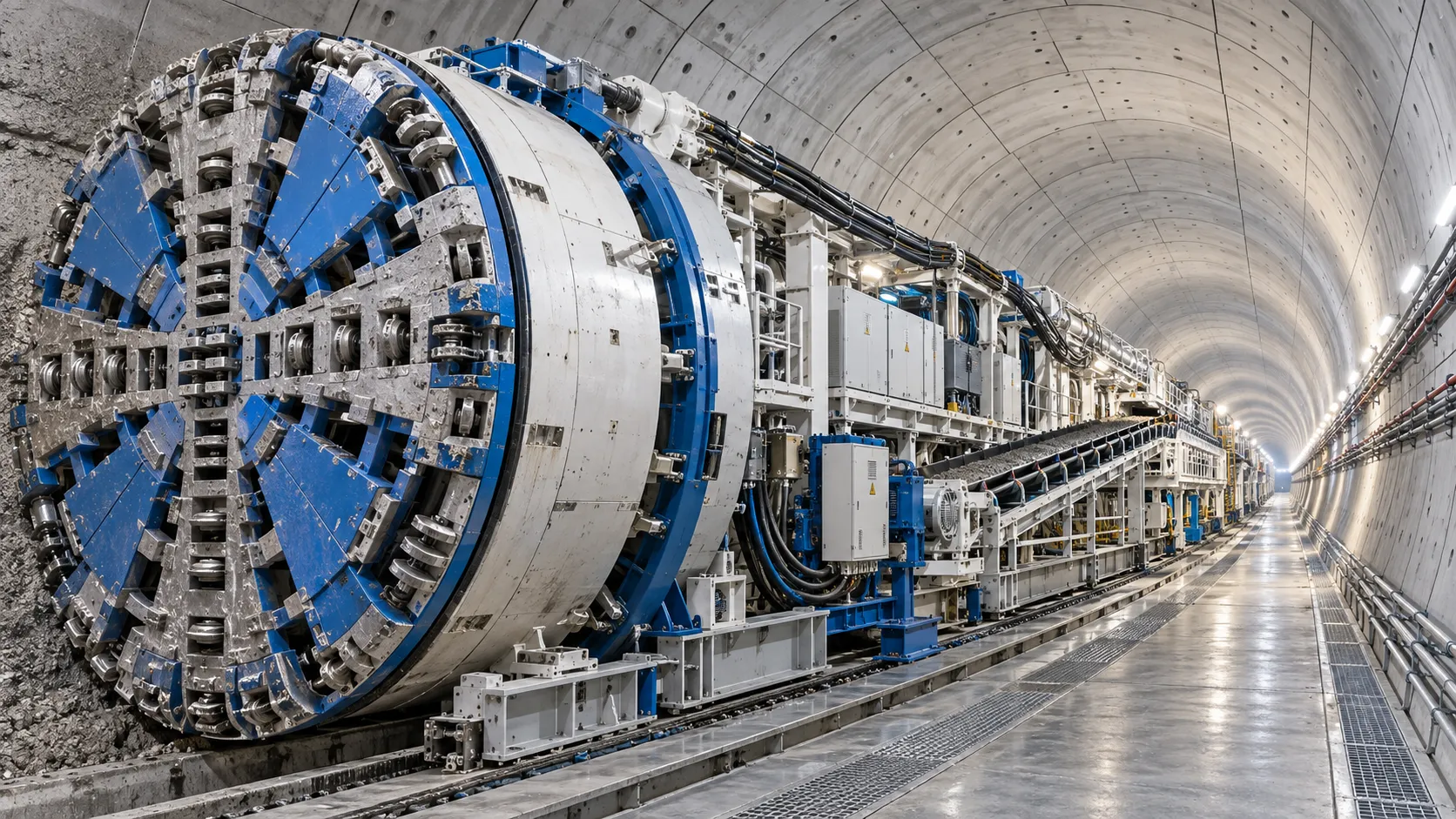
Tunnel Boring Machine Costs: Budgeting for Purchase, Operation, and Project Risk
Tunnel Boring Machines cost more than purchase price. Learn how to budget lifecycle costs, downtime, logistics, wear, and project risk for smarter TBM decisions.
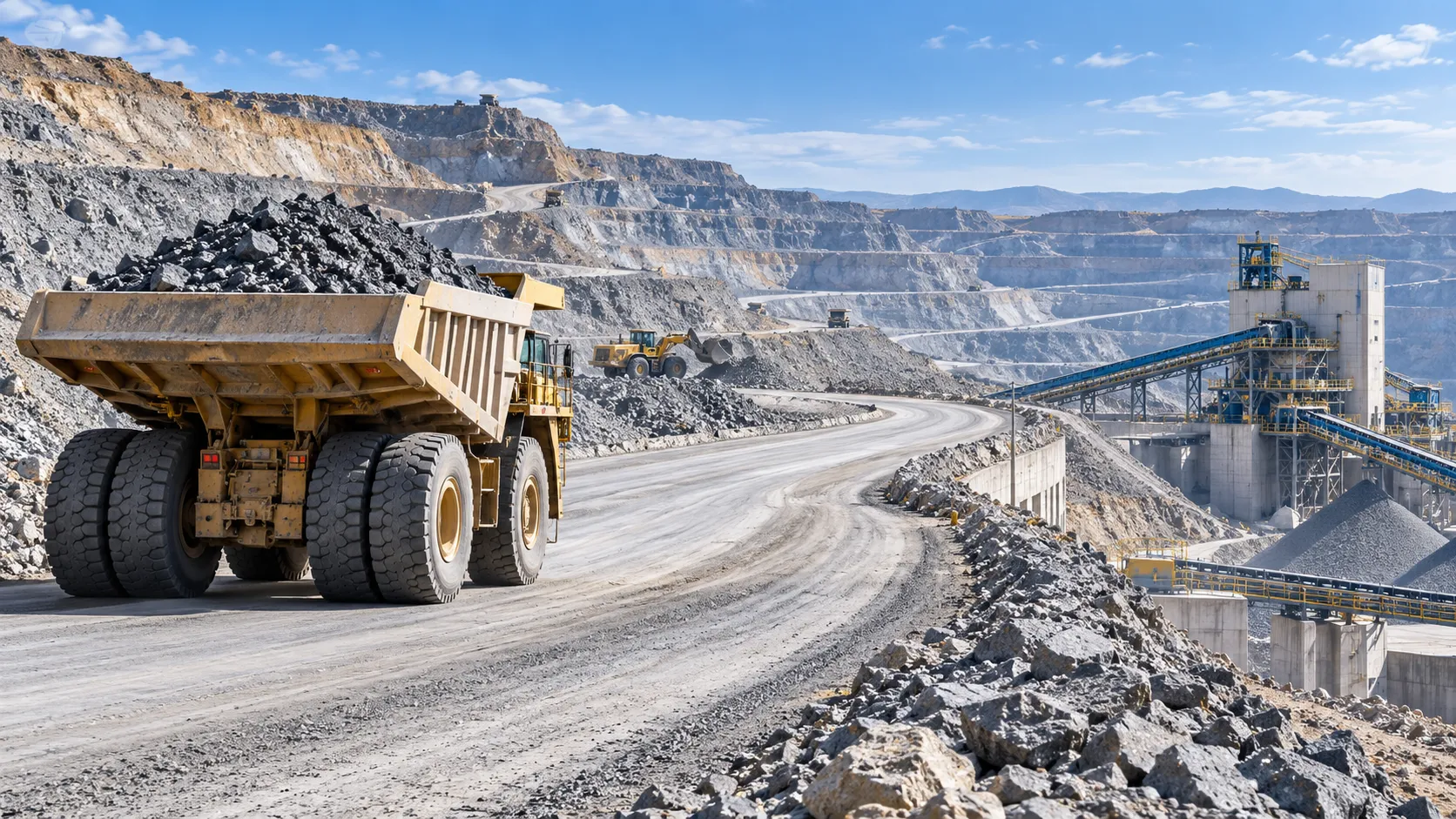
Open-Pit Haulage Cost Analysis: How Mine Managers Can Cut Cost per Tonne
Open pit haulage cost analysis: discover practical ways to reduce cost per tonne through payload control, cycle-time optimization, road performance, and smarter fleet decisions.
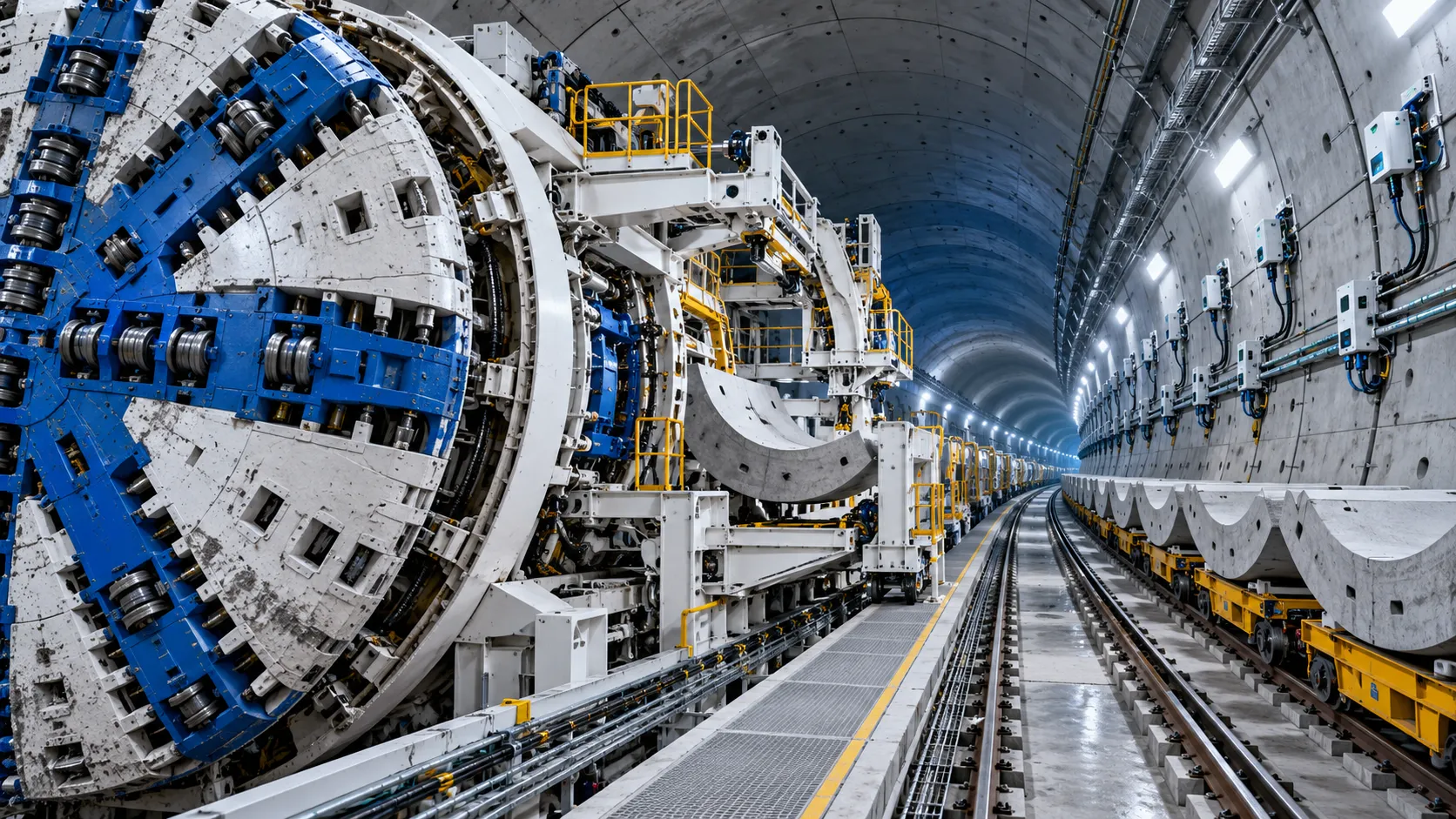
Tunnel Construction Innovations That Reduce Risk and Schedule Delays on Urban Projects
Tunnel construction innovation for urban projects: discover smarter TBMs, real-time monitoring, trenchless methods, and automation that reduce risk and protect schedules.
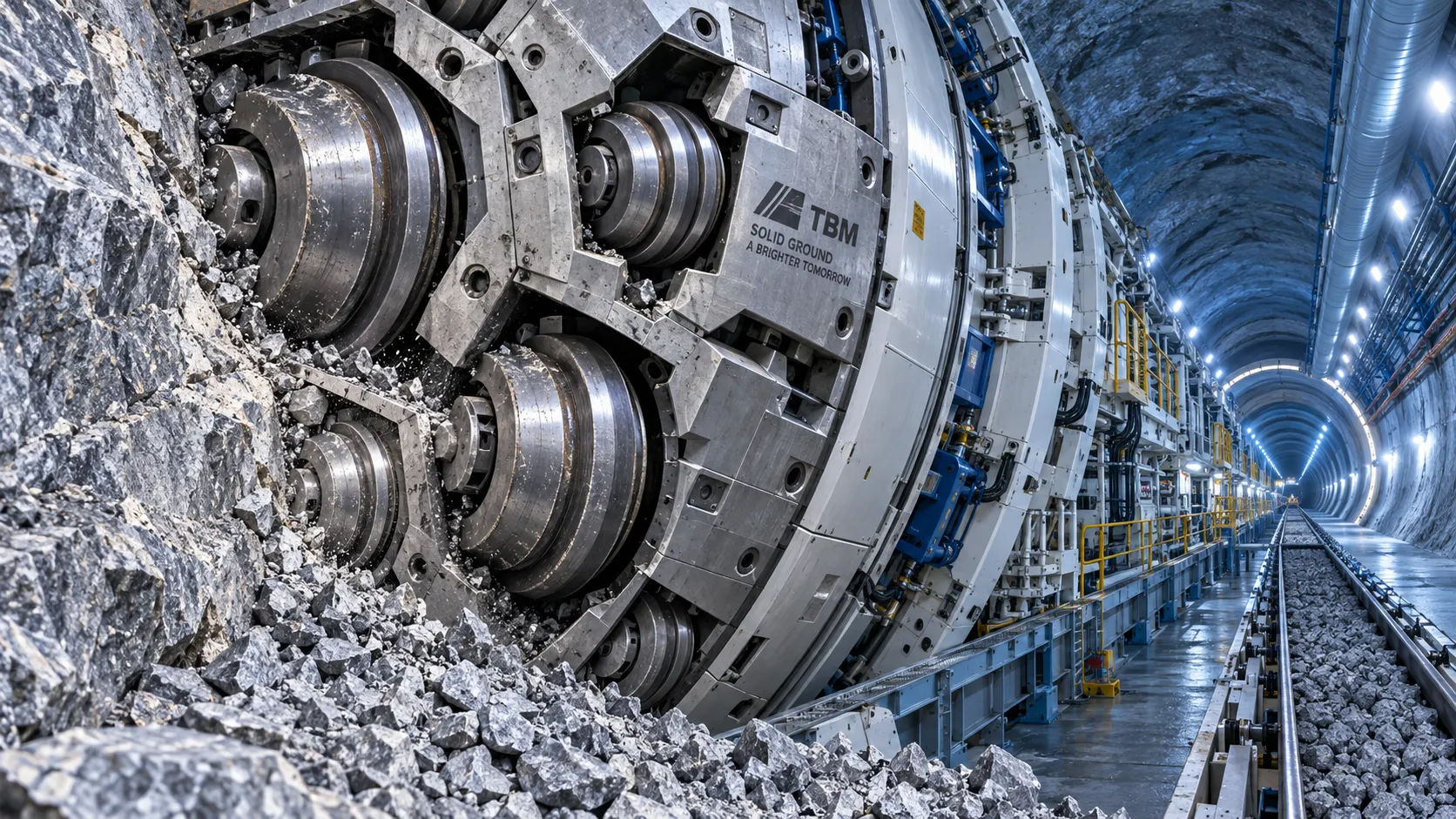
TBM Disc Cutter Design: Key Geometry and Load Factors for Hard Rock Tunnelling
TBM disc cutter design explained: explore geometry, spacing, load distribution and maintenance factors for reliable, efficient hard-rock tunnelling performance.
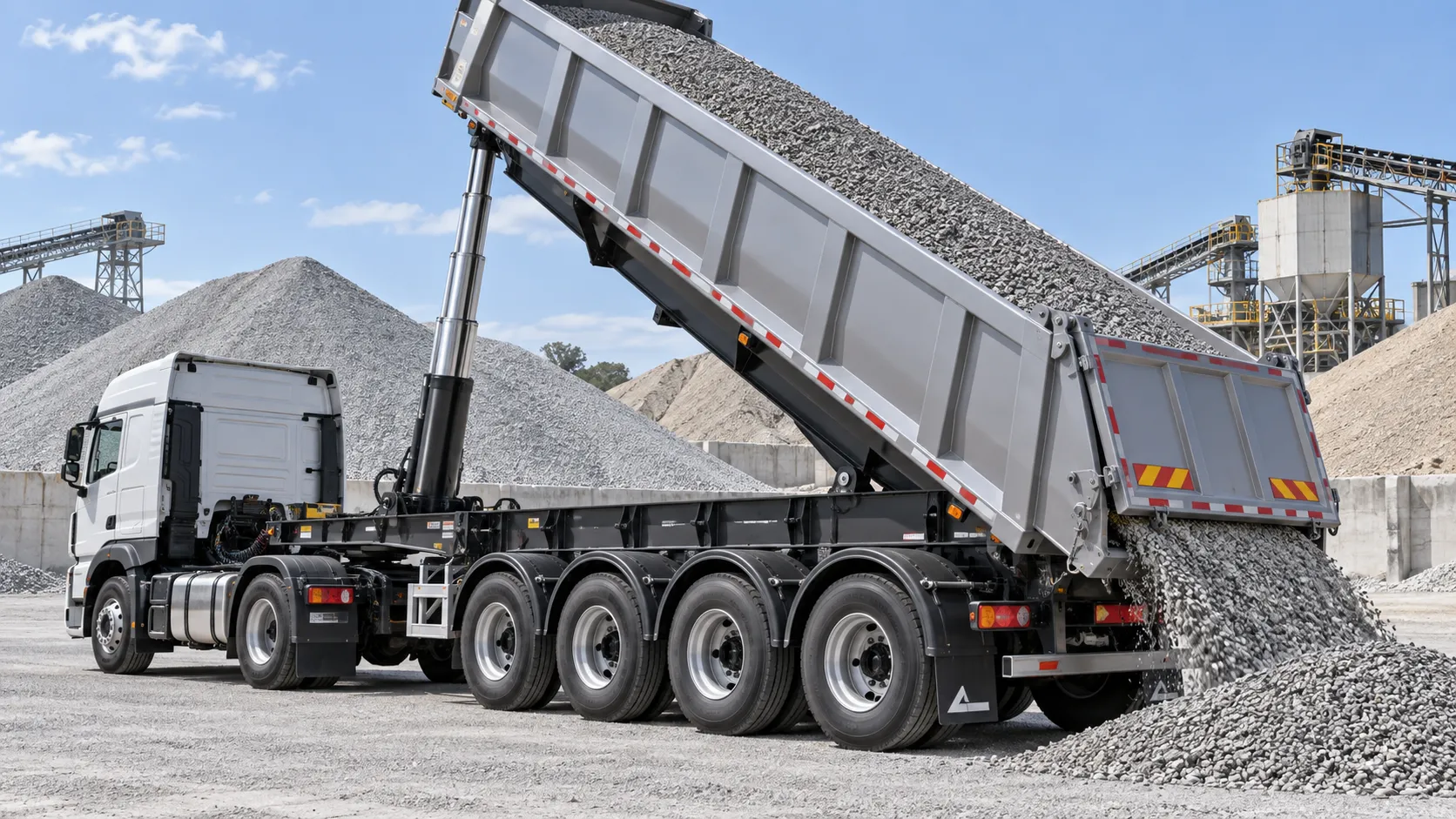
Hydraulic Tipping Stability Risks in Multi-Axle Dump Special Trailers
Dump special trailers: discover key hydraulic tipping stability risks, multi-axle load dynamics, and practical safety controls for safer, smarter bulk hauling.
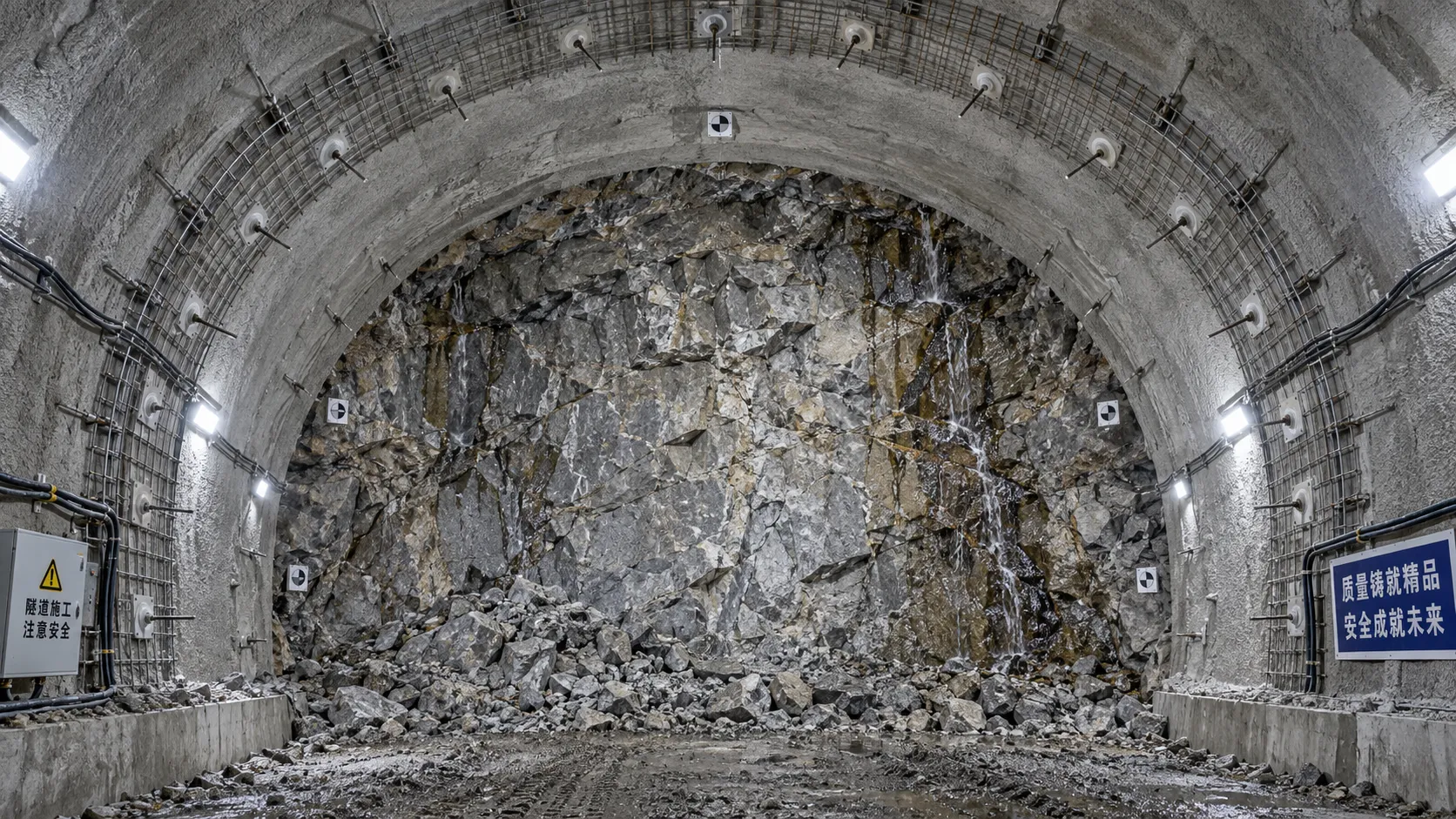
When rock reinforcement in tunnel construction must change after blasting
Rock reinforcement in tunnel construction must change when blasting reveals overbreak, weak joints, water inflow, or deformation. Discover key post-blast support decisions.
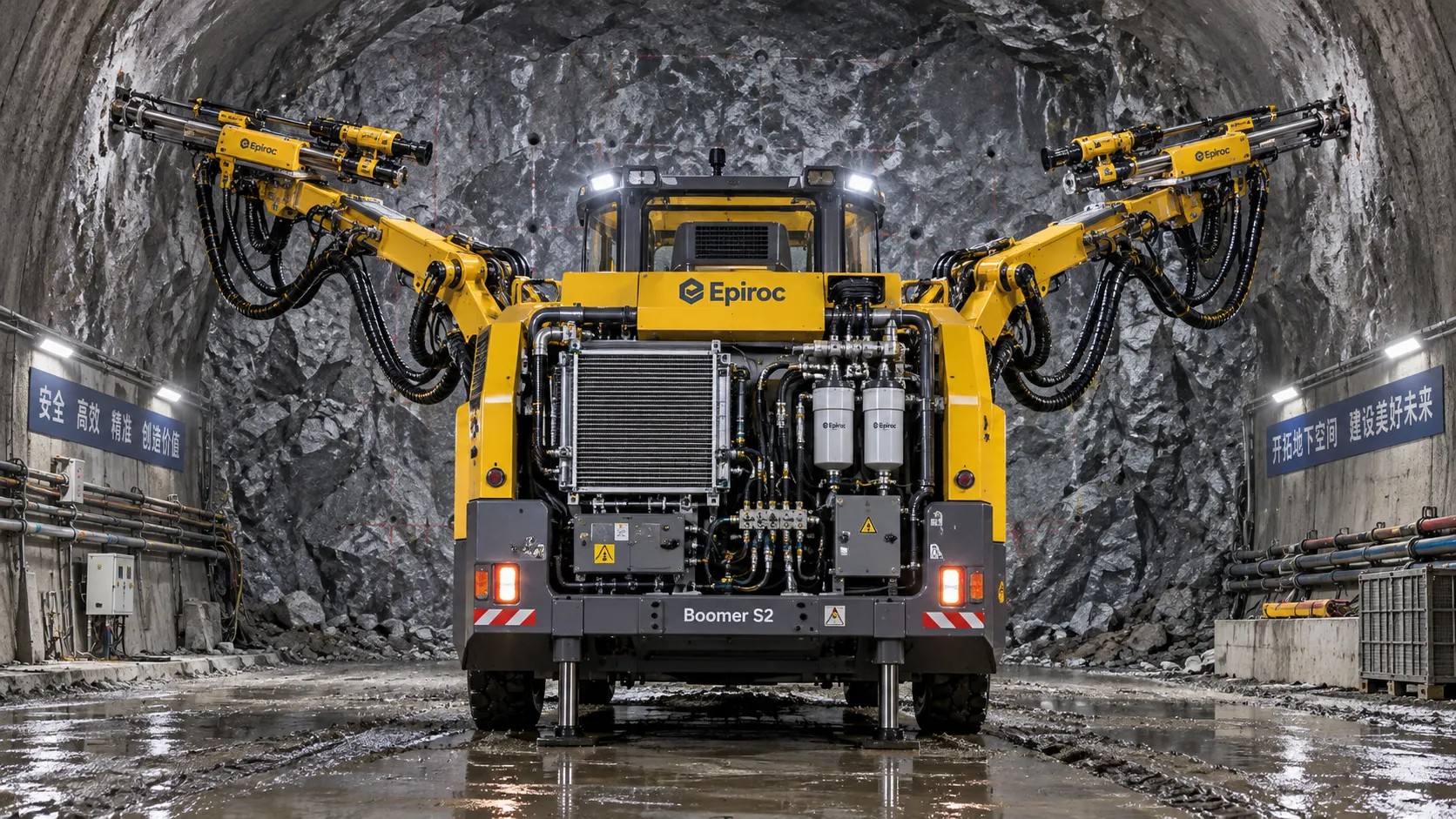
How tunnel hydraulic systems influence drill jumbo uptime underground
Tunnel hydraulic systems directly influence drill jumbo uptime. Explore how stable pressure, clean oil, cooling, and maintainable design reduce underground downtime.
What to verify before appointing a tunneling vehicles manufacturer
Choosing a tunneling vehicles manufacturer? Verify application fit, reliability, compliance, parts support, training, and channel terms before appointing a partner.
Selecting K9 Ductile Iron Pipe for Buried Water Pipeline Conditions
K9 ductile iron pipe selection for buried water pipelines: compare pressure duty, joints, soil loads, corrosion protection, and installation controls for reliable long-term performance.
Related News
- 00
0000-00
Tunnel Boring Machine Costs: Budgeting for Purchase, Operation, and Project Risk - 00
0000-00
Open-Pit Haulage Cost Analysis: How Mine Managers Can Cut Cost per Tonne - 00
0000-00
Tunnel Construction Innovations That Reduce Risk and Schedule Delays on Urban Projects - 00
0000-00
TBM Disc Cutter Design: Key Geometry and Load Factors for Hard Rock Tunnelling - 00
0000-00
Hydraulic Tipping Stability Risks in Multi-Axle Dump Special Trailers
Weekly Insights
Stay ahead with our curated technology reports delivered every Monday.