
Indonesia Requires TBM Geology Verification for Imports





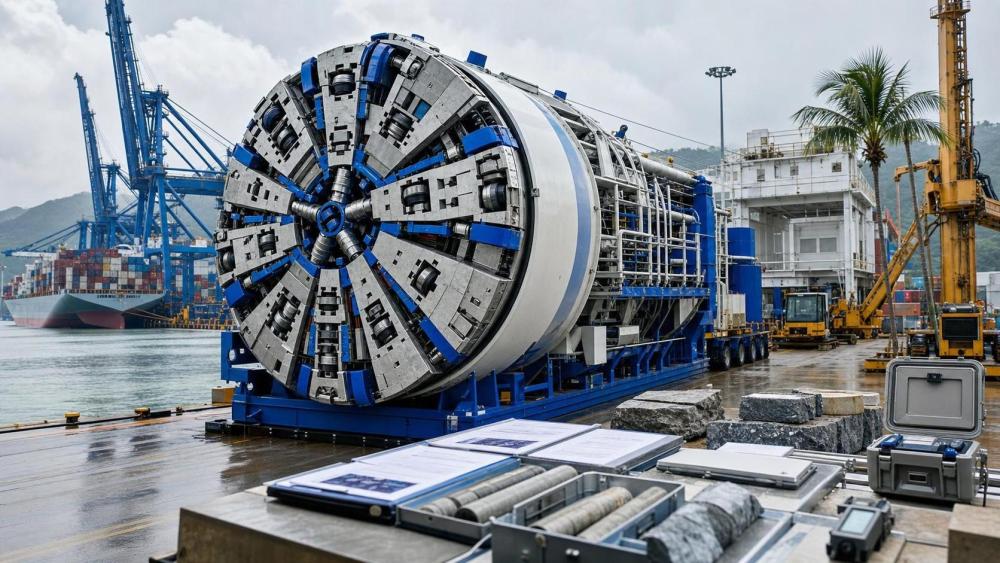
Effective June 24, 2026, Indonesia has put a new import requirement in place for full-face tunnel boring machines (TBMs): before customs clearance, importers must submit a destination-strata adaptability verification report issued by a laboratory recognized in Indonesia. For TBM manufacturers, exporters, import agents, project buyers, and technical service providers, this is worth close attention because the rule shifts compliance focus from general equipment entry to documented performance matching for local geological conditions.
What the new requirement formally covers
According to the provided information, the rule was implemented jointly by Indonesia’s Ministry of Trade and the Ministry of Energy and Mineral Resources on June 24, 2026.
The requirement applies to all imported full-face TBMs. Before customs clearance, the equipment must be accompanied by a “target strata adaptability verification report” issued by an Indonesian-recognized laboratory.
The report must cover six hard indicators, including cutterhead torque attenuation simulation and compatibility of face stability control algorithms.
The information provided also states that the measure is aimed at a measured performance gap seen in major Chinese export TBM models operating in tropical weathered rock strata.
Where the immediate pressure may appear
Export and import execution may tighten first
From an industry perspective, the most direct impact may fall on companies handling TBM cross-border transactions. The reason is straightforward: the new report becomes part of the pre-clearance path, so documentation readiness, laboratory recognition, and technical file completeness may now affect whether equipment can move through customs on schedule.
Manufacturing teams may face closer technical scrutiny
Analysis shows that TBM manufacturers selling into Indonesia may need to pay closer attention to how existing models are presented and validated against the target geology. The key issue is not only machine configuration itself, but whether its performance in tropical weathered rock conditions can be evidenced through the required verification framework.
Project buyers and downstream users may revisit delivery assumptions
For procurement teams and end users, the rule may affect equipment selection, import timing, and contract coordination. What deserves closer attention is whether a machine that is commercially available can also satisfy the new verification threshold within the expected delivery window.
Service providers may see higher demand for compliance coordination
Supply chain and technical service providers involved in documentation, testing coordination, and customs support may be affected because the new requirement introduces a more technical compliance layer. The practical focus may shift toward report preparation, document consistency, and communication between manufacturers, importers, and recognized laboratories.
What companies should watch now
Track any further official clarification
Analysis shows that the current rule is clear on the need for a verification report and on several required indicators, but companies should still monitor whether Indonesian authorities issue more detailed implementation language, interpretation guidance, or document standards.
Check model-by-model exposure
Companies active in Indonesia should review which TBM models are most exposed to the new requirement, especially where sales depend on proving suitability for tropical weathered rock conditions. This matters because the policy signal in the provided information is tied directly to an observed performance gap in some mainstream Chinese export models.
Prepare documentation and timing buffers
Observably, one practical risk area is the gap between policy wording and day-to-day execution. Importers and suppliers may need to prepare for longer documentation lead times, additional coordination with recognized laboratories, and more detailed customer communication before shipment and customs stages.
Align commercial and technical communication
What deserves closer attention is the distinction between a machine being marketable and a machine being verifiable under the new rule. Sales, compliance, and engineering teams may need to align more closely so that quotations, technical submissions, and delivery promises are based on the same compliance assumptions.
Why this looks like more than a paperwork change
As an editorial observation, this development is better understood as a technical market-access signal rather than a routine filing adjustment. The provided information points directly to geological adaptability and measured performance in tropical weathered rock, which suggests that regulatory attention is moving closer to operating suitability, not only import formality.
At the same time, it would be premature to treat this alone as a fully defined long-term market outcome. Observably, the current information confirms the rule and its direction, but the broader commercial effect will still depend on how strictly the verification process is applied in real transactions.
How to read this development at this stage
At this stage, it is more appropriate to understand the new Indonesian TBM rule as an immediate compliance change with a longer-term technical signal behind it. In the short term, it may affect customs preparation, document workflows, and project scheduling. In the longer view, it may indicate that geological-fit evidence is becoming more central to equipment access in this market. That makes it a development the industry should continue to watch, but not one that should be overstated beyond the confirmed facts.
Basis of this article and what still needs verification
This article is based on the user-provided news title, event date, and event summary. No specific official source link was provided in the input, so the exact official publication path still requires follow-up verification.
For this type of development, relevant source categories typically include official government notices, company disclosures, industry association updates, authoritative media reporting, and standard-setting or technical compliance documents. Continued attention should focus on whether further official clarification is released on implementation details, document interpretation, and practical customs handling.
Related News
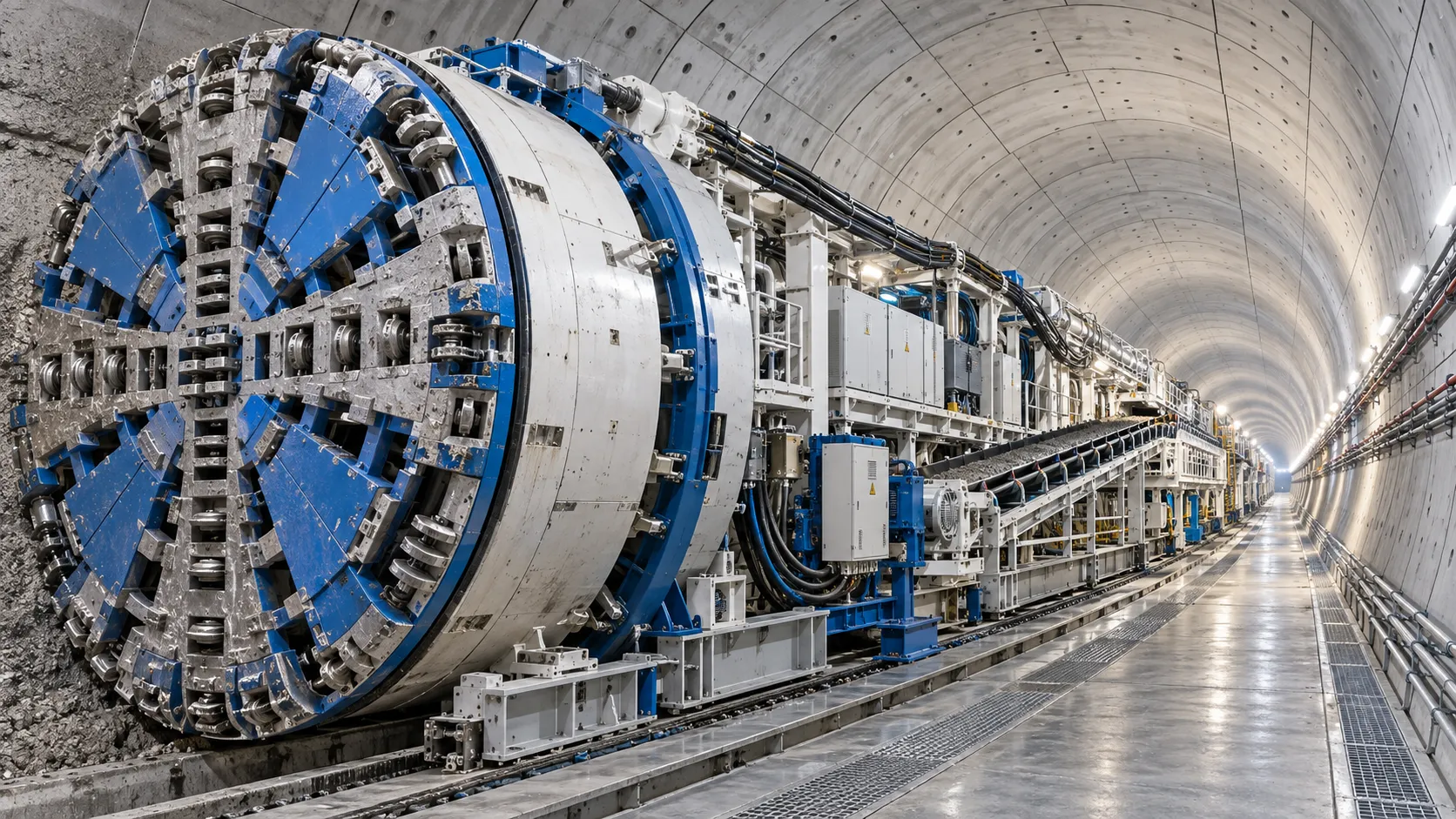
Tunnel Boring Machine Costs: Budgeting for Purchase, Operation, and Project Risk
Tunnel Boring Machines cost more than purchase price. Learn how to budget lifecycle costs, downtime, logistics, wear, and project risk for smarter TBM decisions.
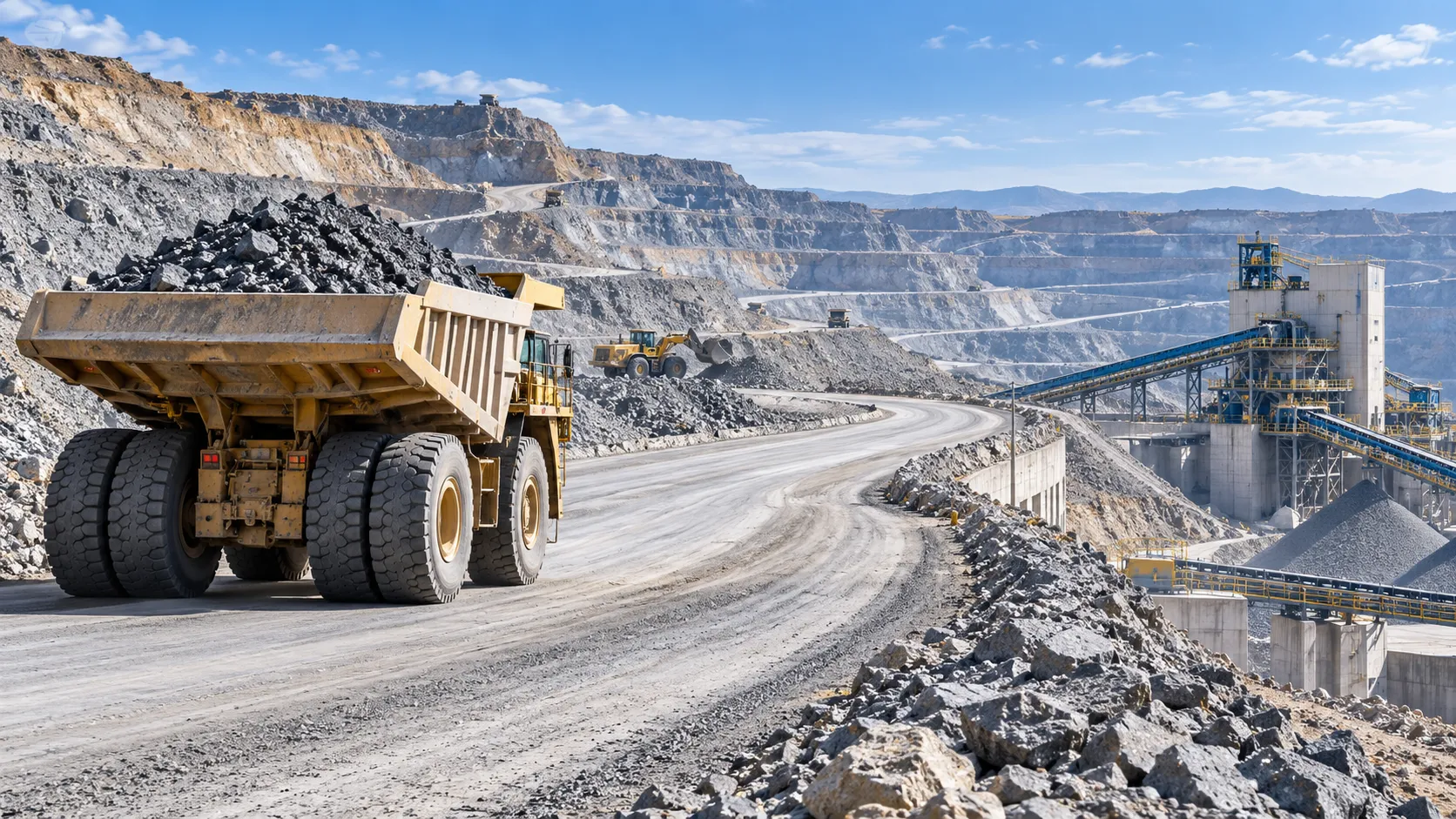
Open-Pit Haulage Cost Analysis: How Mine Managers Can Cut Cost per Tonne
Open pit haulage cost analysis: discover practical ways to reduce cost per tonne through payload control, cycle-time optimization, road performance, and smarter fleet decisions.
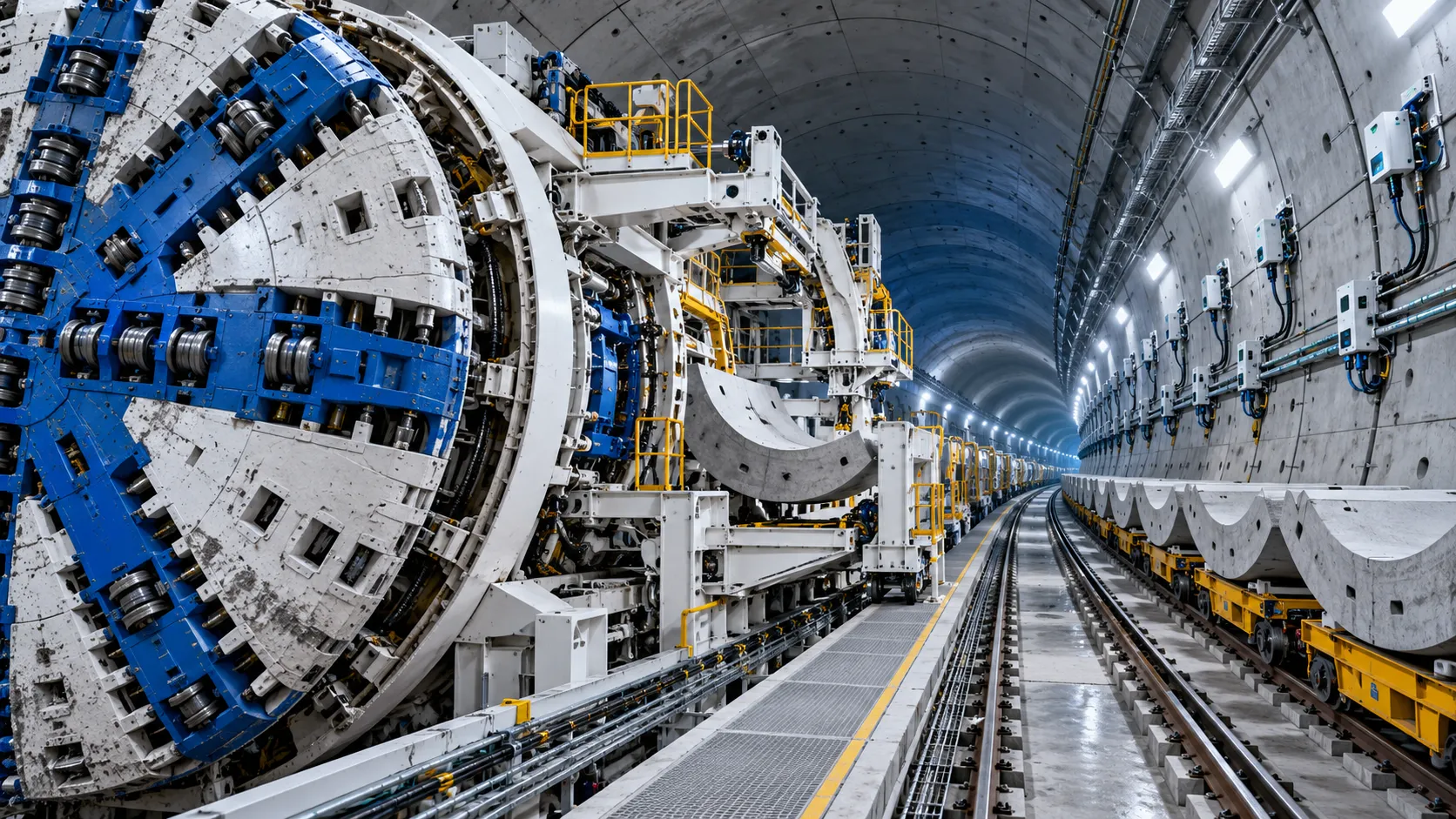
Tunnel Construction Innovations That Reduce Risk and Schedule Delays on Urban Projects
Tunnel construction innovation for urban projects: discover smarter TBMs, real-time monitoring, trenchless methods, and automation that reduce risk and protect schedules.
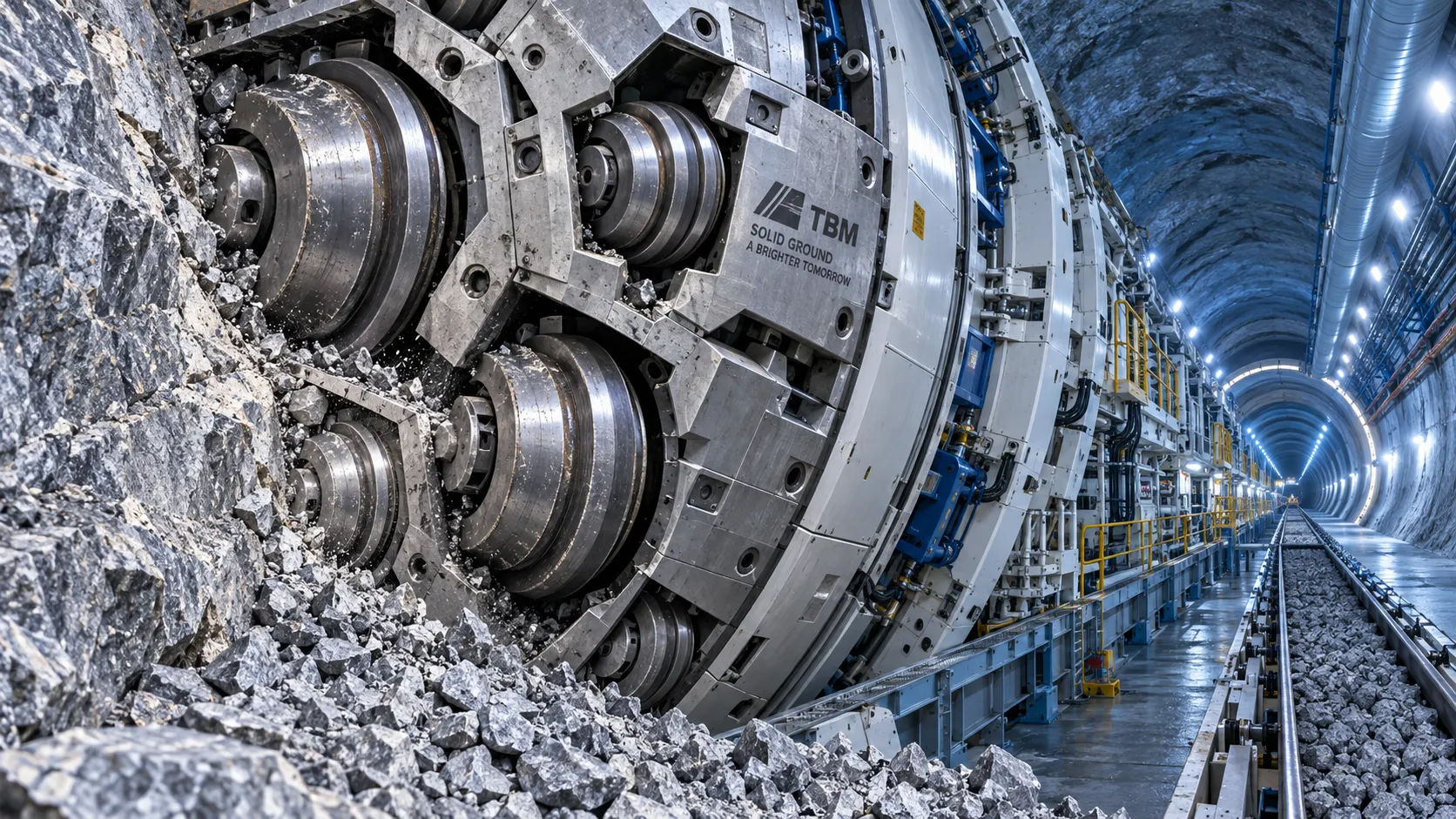
TBM Disc Cutter Design: Key Geometry and Load Factors for Hard Rock Tunnelling
TBM disc cutter design explained: explore geometry, spacing, load distribution and maintenance factors for reliable, efficient hard-rock tunnelling performance.
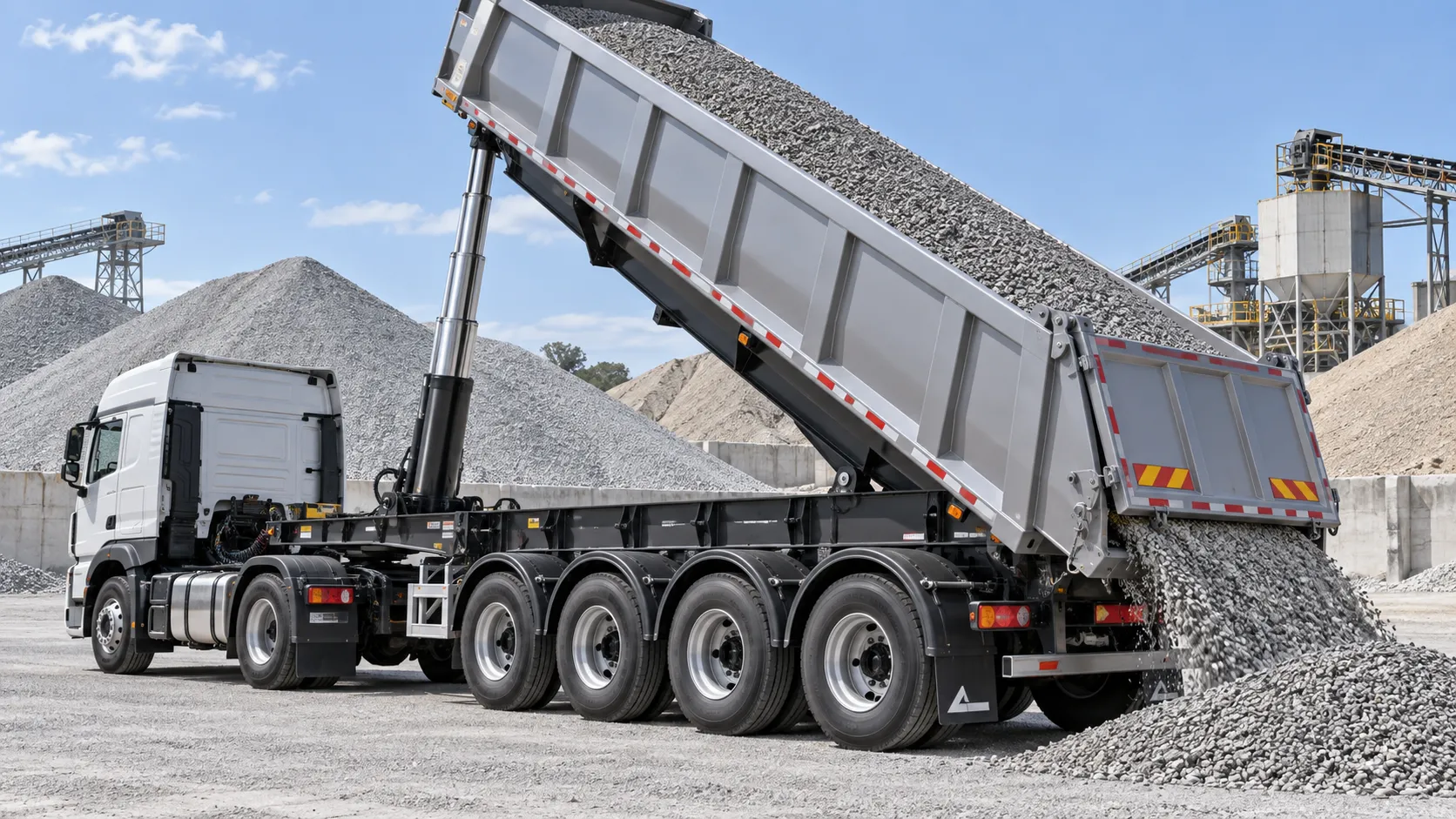
Hydraulic Tipping Stability Risks in Multi-Axle Dump Special Trailers
Dump special trailers: discover key hydraulic tipping stability risks, multi-axle load dynamics, and practical safety controls for safer, smarter bulk hauling.
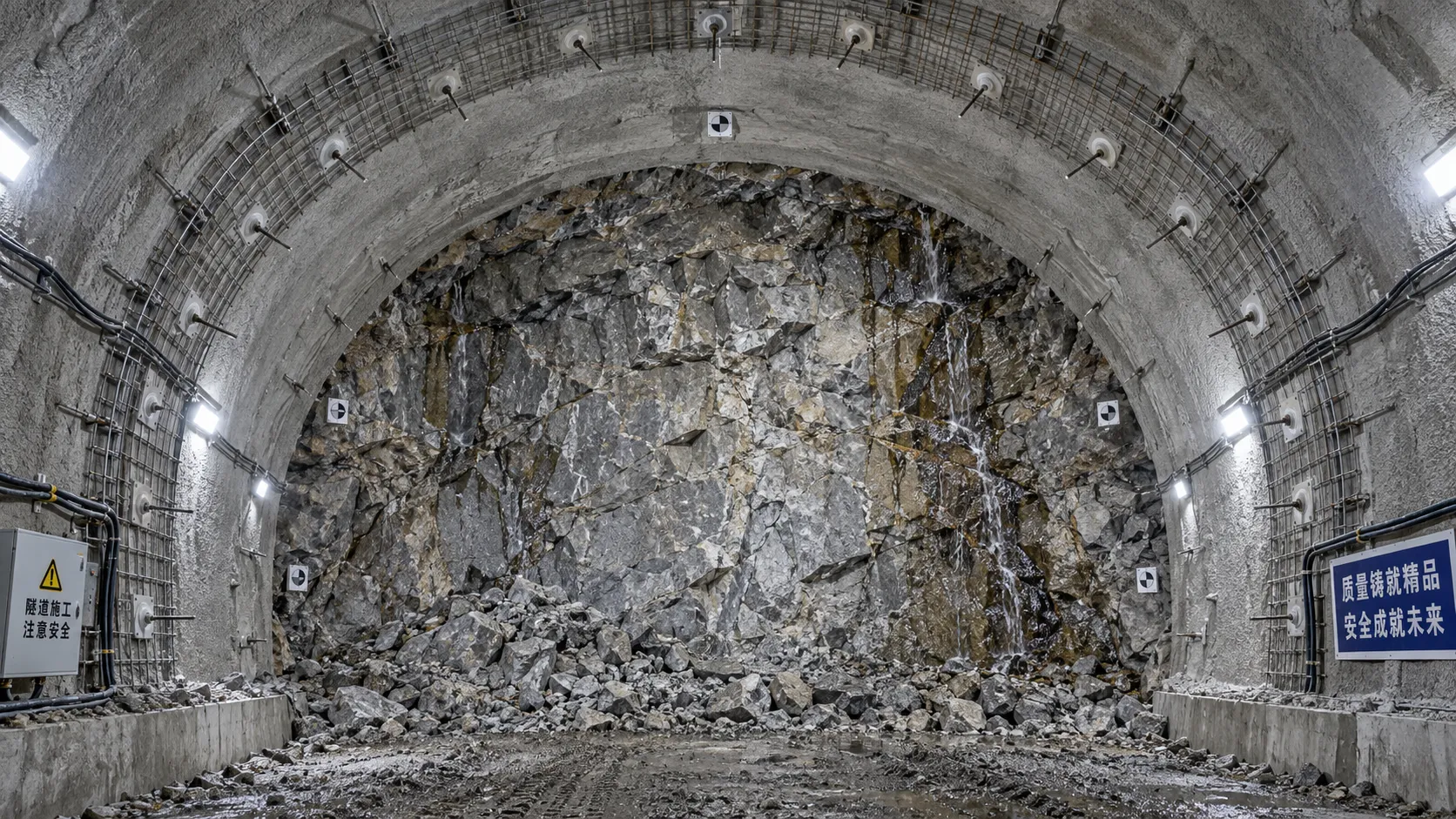
When rock reinforcement in tunnel construction must change after blasting
Rock reinforcement in tunnel construction must change when blasting reveals overbreak, weak joints, water inflow, or deformation. Discover key post-blast support decisions.
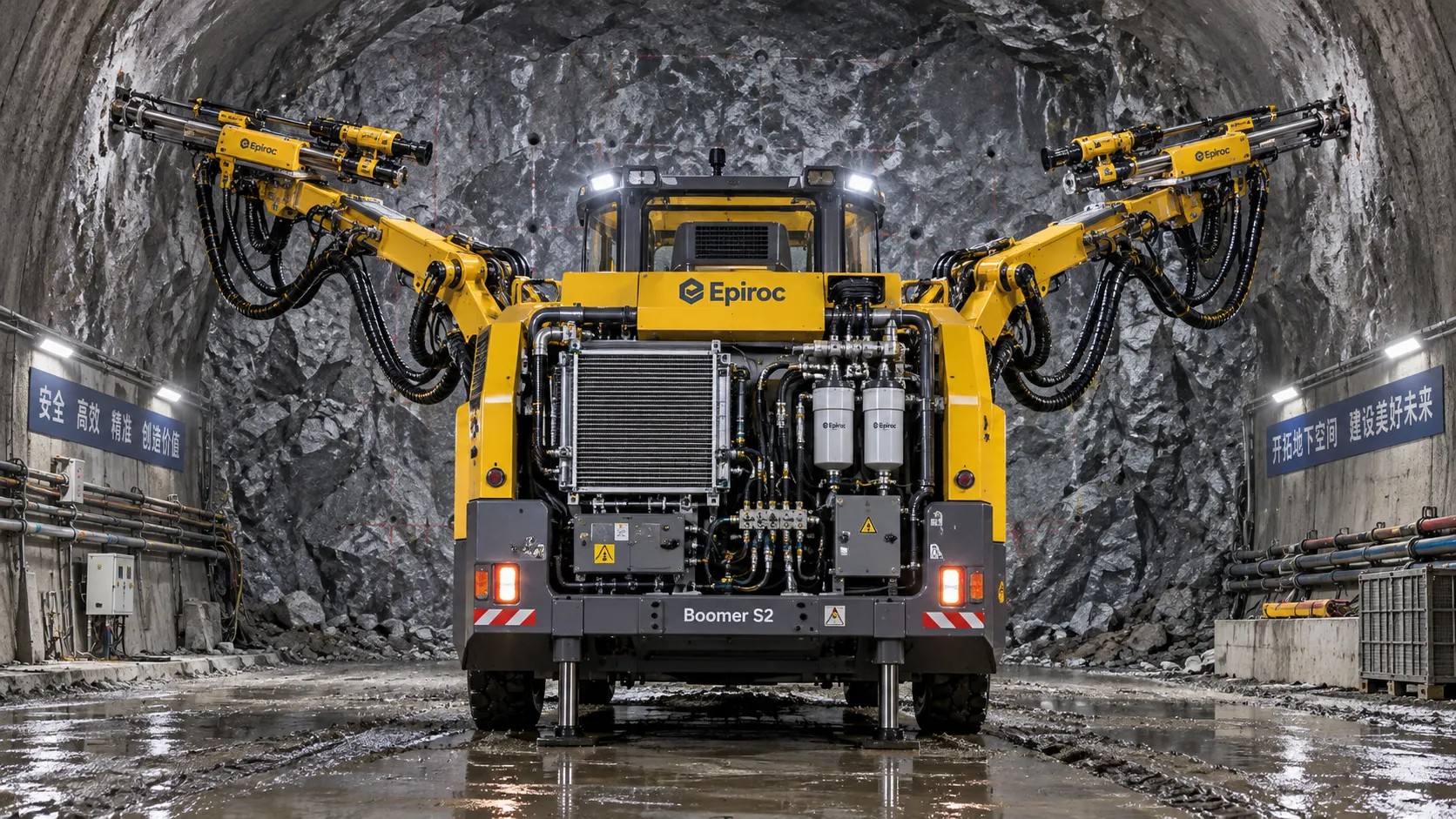
How tunnel hydraulic systems influence drill jumbo uptime underground
Tunnel hydraulic systems directly influence drill jumbo uptime. Explore how stable pressure, clean oil, cooling, and maintainable design reduce underground downtime.
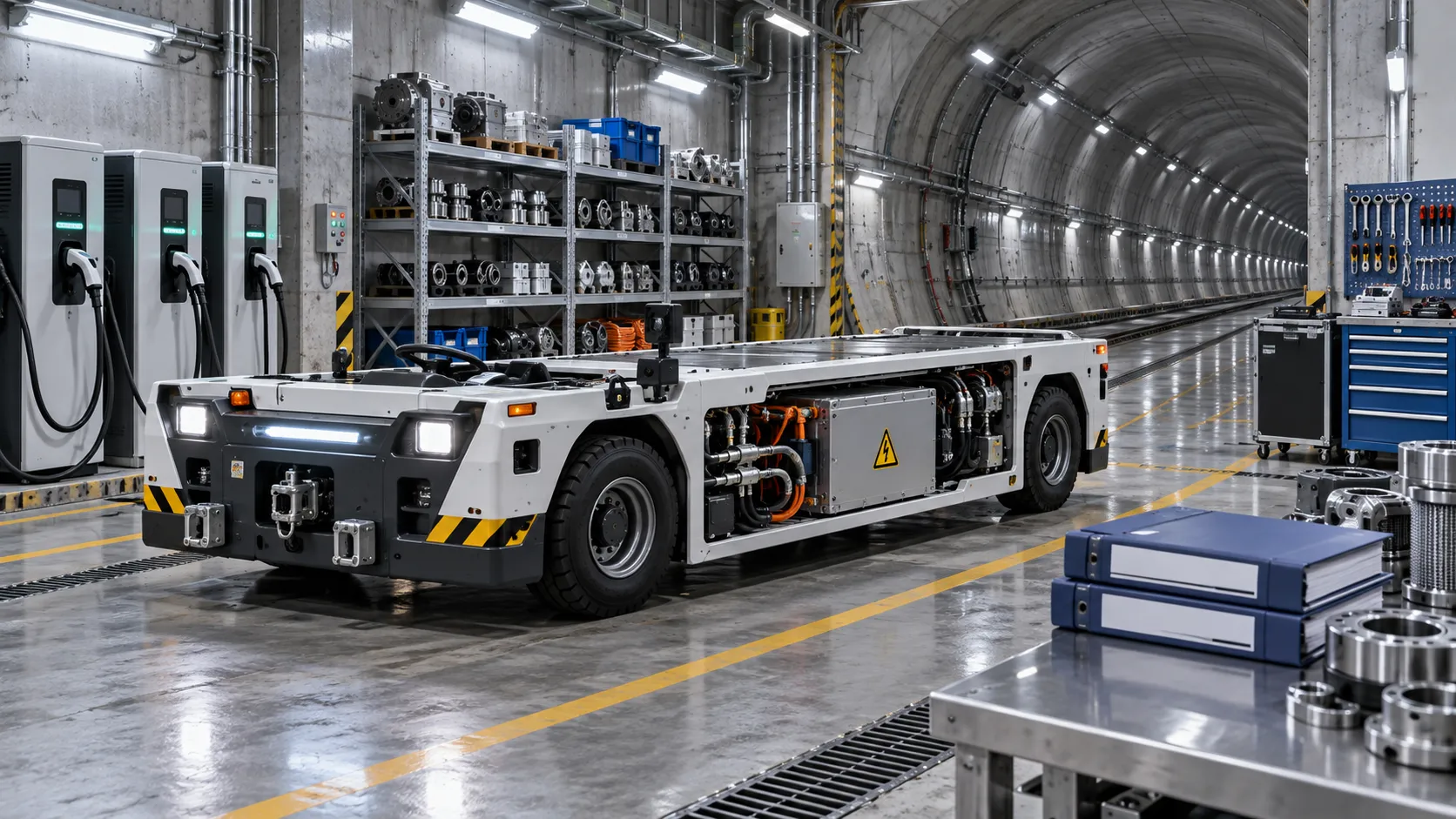
What to verify before appointing a tunneling vehicles manufacturer
Choosing a tunneling vehicles manufacturer? Verify application fit, reliability, compliance, parts support, training, and channel terms before appointing a partner.
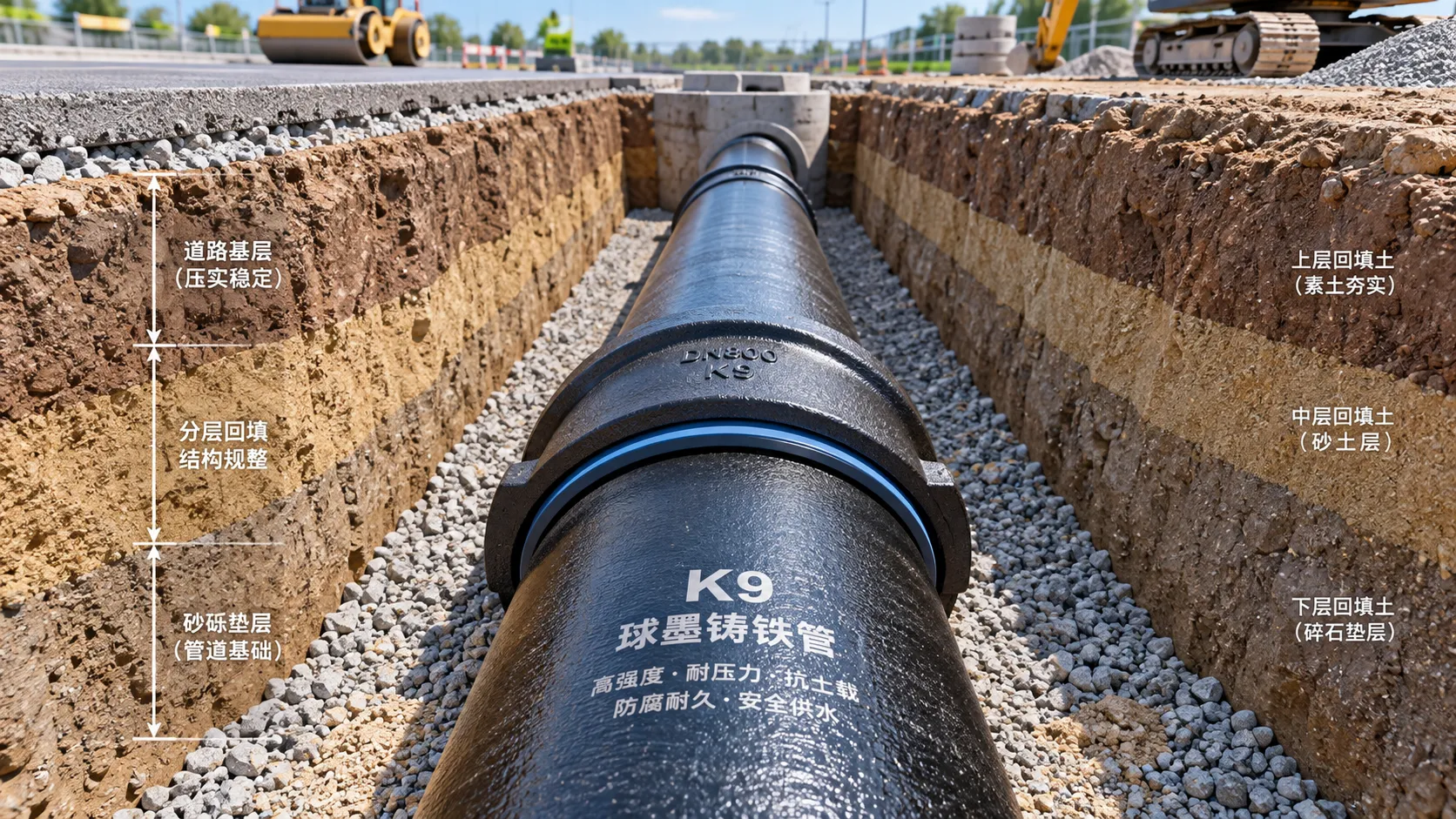
Selecting K9 Ductile Iron Pipe for Buried Water Pipeline Conditions
K9 ductile iron pipe selection for buried water pipelines: compare pressure duty, joints, soil loads, corrosion protection, and installation controls for reliable long-term performance.
Related News
- 00
0000-00
Tunnel Boring Machine Costs: Budgeting for Purchase, Operation, and Project Risk - 00
0000-00
Open-Pit Haulage Cost Analysis: How Mine Managers Can Cut Cost per Tonne - 00
0000-00
Tunnel Construction Innovations That Reduce Risk and Schedule Delays on Urban Projects - 00
0000-00
TBM Disc Cutter Design: Key Geometry and Load Factors for Hard Rock Tunnelling - 00
0000-00
Hydraulic Tipping Stability Risks in Multi-Axle Dump Special Trailers
Weekly Insights
Stay ahead with our curated technology reports delivered every Monday.