
How to Choose Drilling Jumbos Equipment for Tunnel Size, Rock Conditions, and Output





How to Choose Drilling Jumbos Equipment for Tunnel Size, Rock Conditions, and Output
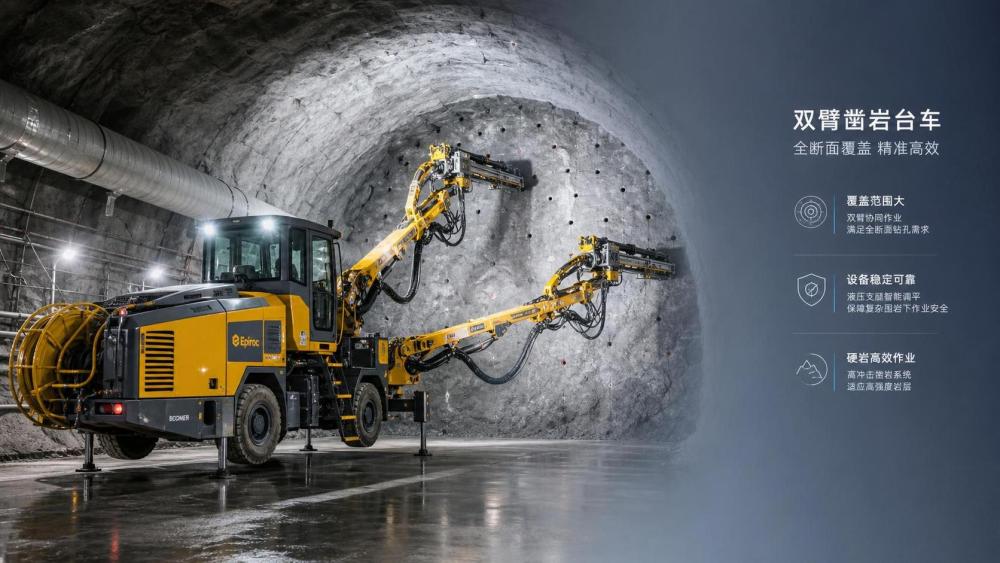
Choosing the right Drilling Jumbos equipment shapes schedule, safety, and unit cost from day one.
A machine that looks powerful on paper may still underperform underground.
That usually happens when tunnel geometry, rock behavior, and production targets are judged separately.
In practice, Drilling Jumbos equipment selection works best when those factors are evaluated together.
The goal is not simply to buy a bigger rig.
The goal is to match drilling coverage, boom reach, stability, and cycle efficiency to real site demands.
This is especially important in drill-and-blast tunnels, mine development headings, and hard-rock access ramps.
A smart decision improves advance rate, blast quality, consumable life, and operator confidence at the same time.
Start with tunnel size and profile
Tunnel size is the first filter when comparing Drilling Jumbos equipment.
It determines how many booms are needed, how much coverage is practical, and how easily the carrier can reposition.
Small headings often benefit from compact single-boom or narrow twin-boom units.
These machines reduce congestion and make setup easier in tight cross-sections.
Larger tunnels usually need twin-boom or three-boom Drilling Jumbos equipment for full-face coverage.
That becomes more critical when the face is wide, arched, or irregular.
The wrong boom configuration creates blind areas, awkward drilling angles, and longer cycle times.
Key geometry checks
- Face width and height against boom reach envelope
- Turning radius inside portals, caverns, and intersections
- Machine height during transport under ventilation ducts
- Space for hose handling, rod changes, and maintenance access
From a planning angle, coverage maps matter more than brochure dimensions.
Ask whether the machine can drill the full pattern without repeated repositioning.
If not, nominal speed will not translate into actual output.
Match Drilling Jumbos equipment to rock conditions
Rock conditions are the second major decision driver.
Hard, abrasive granite needs a different approach from fractured ground or mixed geology.
This affects drifter power, feed stability, hole accuracy, and tool wear.
In strong rock, higher impact energy may improve penetration.
But fractured zones can punish an overly aggressive setup.
There, controlled feed pressure and anti-jamming logic become more valuable than peak hammer power.
What to review in difficult ground
- Rock hardness and compressive strength variation
- Fracturing, joint spacing, and overbreak risk
- Water inflow that affects bit life and hole deviation
- Silica dust exposure and flushing performance requirements
More experienced teams also check automation functions under unstable ground.
Auto-positioning, drill plan guidance, and anti-collision tools reduce variability between shifts.
That consistency matters when geology changes every few rounds.
For long tunnels, this is often where better Drilling Jumbos equipment pays back fastest.
Define output before comparing machine speed
Output targets should guide selection earlier than many teams expect.
A high theoretical drilling rate does not guarantee higher daily advance.
Real output depends on the full cycle.
That includes scaling, marking, drilling, charging, blasting, ventilation, mucking, and support installation.
So the right Drilling Jumbos equipment should fit the bottleneck, not just the drilling stage.
If muck removal is slow, adding more drilling capacity may create idle time instead of gains.
Questions that clarify output needs
- How many rounds per shift are realistic?
- What hole depth is required for target advance?
- Will the jumbo also handle bolting or face support tasks?
- How often will the machine move between headings?
These details quickly separate suitable machines from oversized ones.
In multi-heading operations, mobility and setup speed may outweigh absolute drilling power.
In long straight drives, repeatability and automation usually matter more.
Focus on accuracy, not only penetration rate
Fast drilling is attractive, but hole quality drives downstream performance.
Poor alignment can cause uneven blasting, extra overbreak, and heavier scaling demand.
That raises explosive use, support costs, and cycle variation.
High-quality Drilling Jumbos equipment should therefore be judged by accuracy under field conditions.
Look closely at feed rigidity, boom stability, control responsiveness, and navigation support.
This becomes even more important in perimeter drilling and smooth blasting work.
Accuracy indicators worth comparing
When output pressure rises, many operations chase speed first.
A better strategy is to protect accuracy while lifting cycle efficiency.
Consider power, emissions, and underground constraints
Underground equipment decisions now involve energy and ventilation planning more than before.
That is a clearer signal across global tunnelling and mining projects.
Diesel-hydraulic units still suit many sites, especially remote projects with limited electrical infrastructure.
However, electric or lower-emission Drilling Jumbos equipment can reduce heat, fumes, and ventilation load.
This also influences working comfort, maintenance intervals, and compliance goals.
In confined headings, that benefit can be operationally significant, not just environmental.
Check the site support system
- Available electrical power and cable handling layout
- Ventilation capacity for heat and exhaust removal
- Water supply quality for flushing and dust control
- Workshop capability for hydraulic and electronic diagnostics
This is where lifecycle thinking becomes useful.
A lower purchase price can be misleading if ventilation, downtime, or spare parts costs are higher later.
Evaluate support, data, and long-term reliability
Reliable Drilling Jumbos equipment is not defined only by hardware strength.
It is also defined by parts availability, service response, training, and data visibility.
A technically advanced jumbo can become a weak asset if local support is thin.
This is especially true in remote mines or cross-border infrastructure projects.
More buyers now ask for machine data dashboards, consumable tracking, and remote diagnostics.
That shift makes sense because utilization gaps often hide in setup time and minor stoppages.
A practical supplier review list
- Confirm spare parts lead times for drifters, feeds, and hydraulics.
- Review local technician coverage and emergency response commitments.
- Ask for references in similar tunnel size and rock conditions.
- Compare training depth for operators, planners, and maintenance crews.
- Check whether production data can integrate with site reporting systems.
These points may look less exciting than drill power.
Still, they often decide whether planned output is actually sustainable.
Build a selection process that reflects site reality
The best Drilling Jumbos equipment decision usually comes from a structured shortlist, not a quick spec comparison.
Start with tunnel profile, then test rock response, then model the production cycle.
After that, compare support capability and total operating cost.
That order keeps the decision practical.
It also helps avoid buying a machine optimized for a problem the site does not actually have.
In real projects, balance beats extremes.
The right Drilling Jumbos equipment is the one that drills accurately, adapts to changing ground, and supports reliable output over time.
When that match is clear, schedule risk drops, blast quality improves, and the whole tunnel operation runs with more control.
Related News
Tunnel Boring Machine Costs: Budgeting for Purchase, Operation, and Project Risk
Tunnel Boring Machines cost more than purchase price. Learn how to budget lifecycle costs, downtime, logistics, wear, and project risk for smarter TBM decisions.
Open-Pit Haulage Cost Analysis: How Mine Managers Can Cut Cost per Tonne
Open pit haulage cost analysis: discover practical ways to reduce cost per tonne through payload control, cycle-time optimization, road performance, and smarter fleet decisions.
Tunnel Construction Innovations That Reduce Risk and Schedule Delays on Urban Projects
Tunnel construction innovation for urban projects: discover smarter TBMs, real-time monitoring, trenchless methods, and automation that reduce risk and protect schedules.
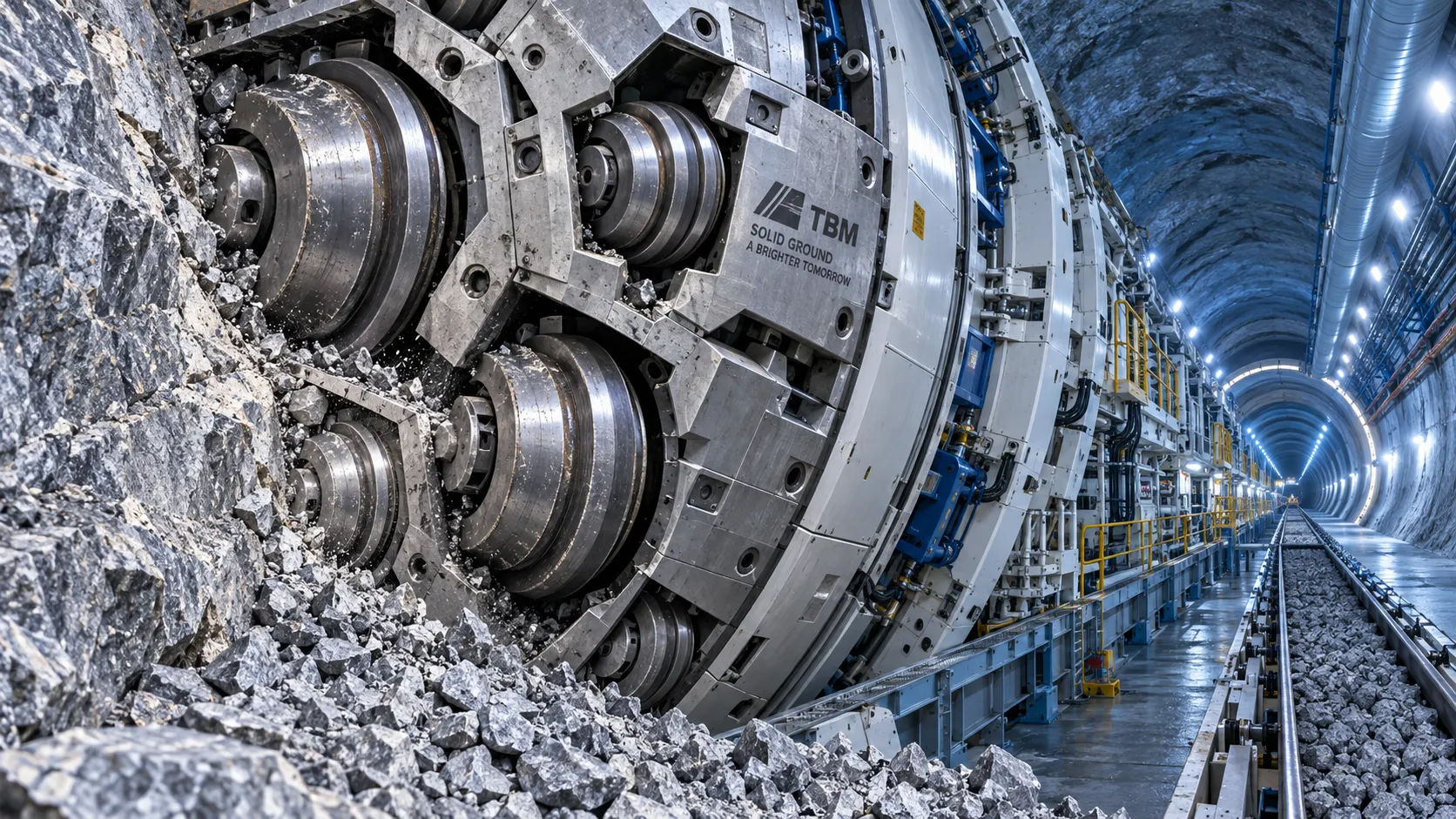
TBM Disc Cutter Design: Key Geometry and Load Factors for Hard Rock Tunnelling
TBM disc cutter design explained: explore geometry, spacing, load distribution and maintenance factors for reliable, efficient hard-rock tunnelling performance.
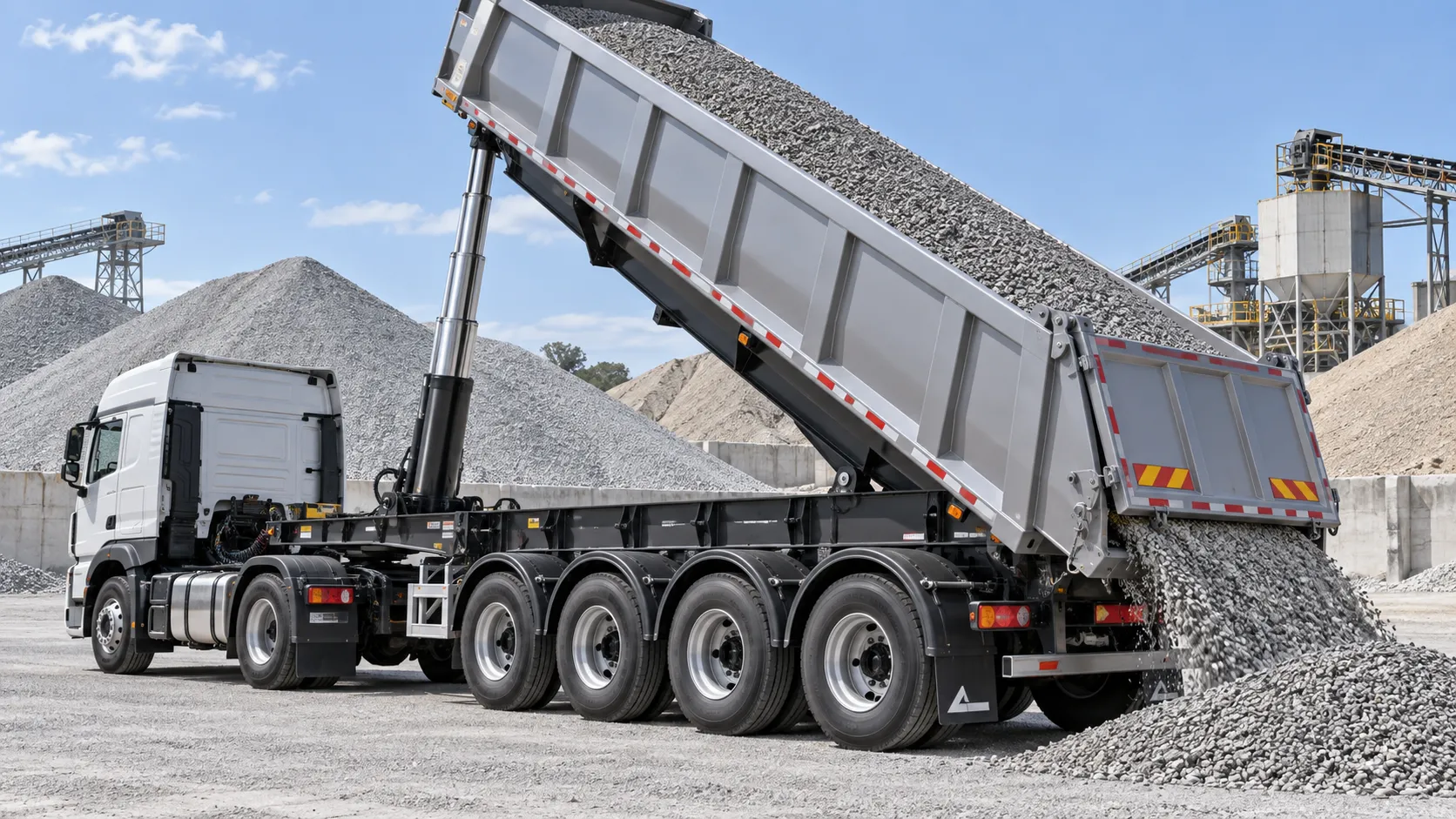
Hydraulic Tipping Stability Risks in Multi-Axle Dump Special Trailers
Dump special trailers: discover key hydraulic tipping stability risks, multi-axle load dynamics, and practical safety controls for safer, smarter bulk hauling.
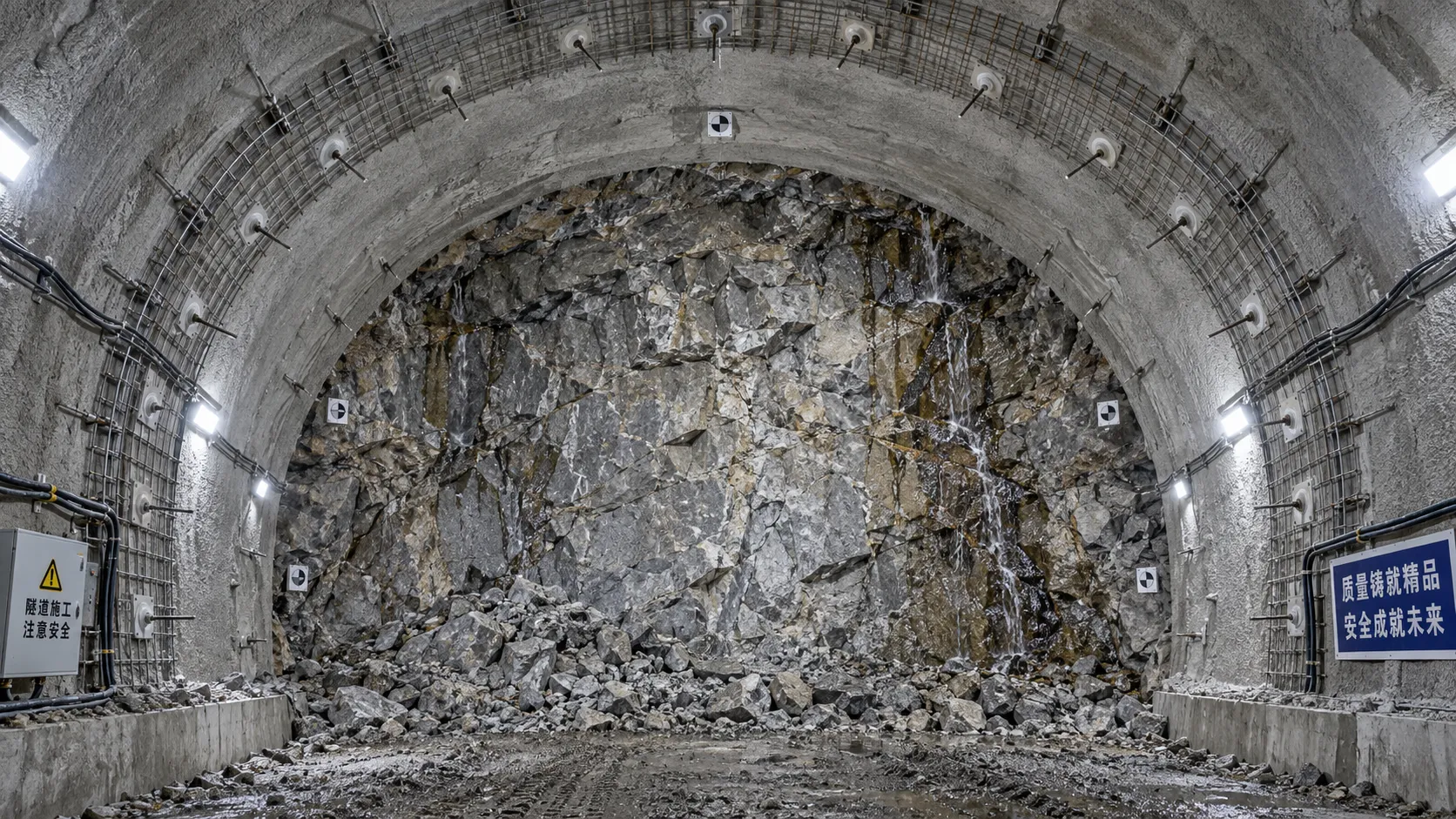
When rock reinforcement in tunnel construction must change after blasting
Rock reinforcement in tunnel construction must change when blasting reveals overbreak, weak joints, water inflow, or deformation. Discover key post-blast support decisions.
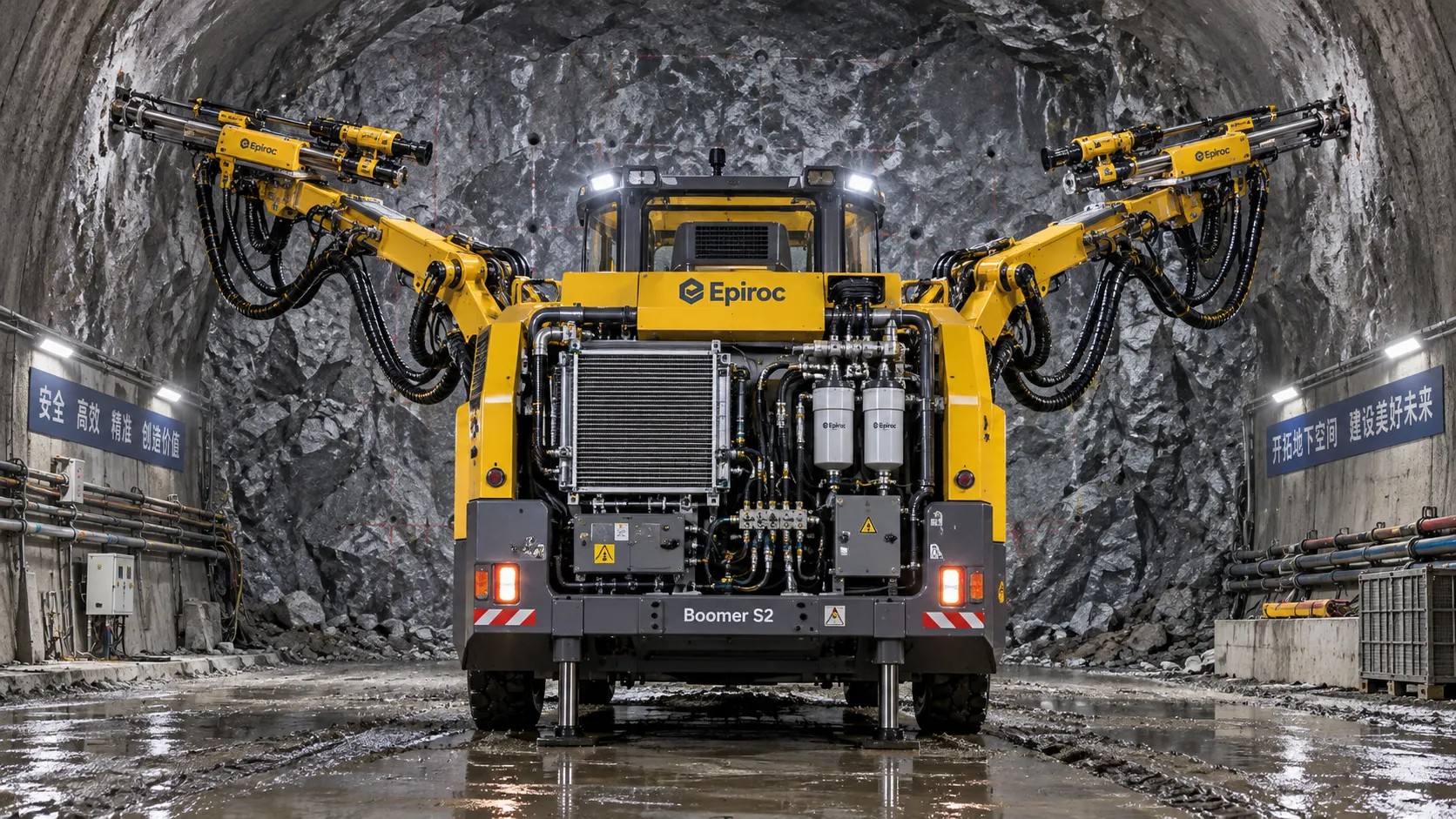
How tunnel hydraulic systems influence drill jumbo uptime underground
Tunnel hydraulic systems directly influence drill jumbo uptime. Explore how stable pressure, clean oil, cooling, and maintainable design reduce underground downtime.
What to verify before appointing a tunneling vehicles manufacturer
Choosing a tunneling vehicles manufacturer? Verify application fit, reliability, compliance, parts support, training, and channel terms before appointing a partner.
Selecting K9 Ductile Iron Pipe for Buried Water Pipeline Conditions
K9 ductile iron pipe selection for buried water pipelines: compare pressure duty, joints, soil loads, corrosion protection, and installation controls for reliable long-term performance.
Related News
- 00
0000-00
Tunnel Boring Machine Costs: Budgeting for Purchase, Operation, and Project Risk - 00
0000-00
Open-Pit Haulage Cost Analysis: How Mine Managers Can Cut Cost per Tonne - 00
0000-00
Tunnel Construction Innovations That Reduce Risk and Schedule Delays on Urban Projects - 00
0000-00
TBM Disc Cutter Design: Key Geometry and Load Factors for Hard Rock Tunnelling - 00
0000-00
Hydraulic Tipping Stability Risks in Multi-Axle Dump Special Trailers
Weekly Insights
Stay ahead with our curated technology reports delivered every Monday.