
How to Compare Drilling Jumbos for Blasting by Boom Coverage, Feed Length, and Automation





How to Compare Drilling Jumbos for Blasting by Boom Coverage, Feed Length, and Automation
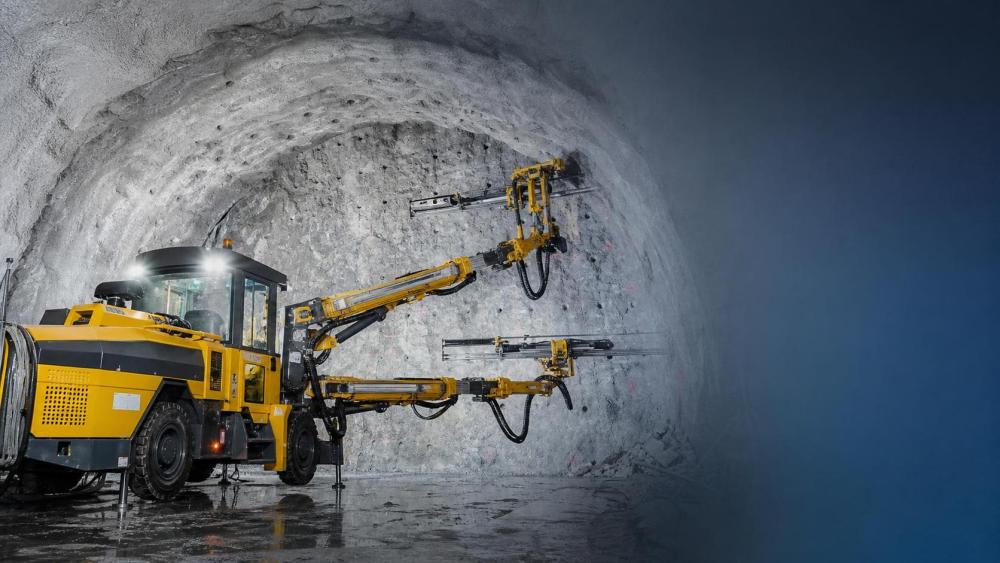
Choosing the right Drilling Jumbos for blasting can change more than drilling speed. It affects face coverage, overbreak risk, labor use, maintenance planning, and cost per meter.
In procurement work, the wrong jumbo often looks acceptable on paper. The mismatch usually appears later, when headings tighten, rounds slow down, or operators cannot reach the planned pattern.
That is why comparing Drilling Jumbos for blasting should start with jobsite reality. Three factors matter most in early screening: boom coverage, feed length, and automation level.
These three elements shape whether the machine fits the tunnel profile, supports the blast design, and stays productive across changing ground conditions.
For UTMD readers tracking underground equipment strategy, this comparison framework is useful because it links machine geometry with practical output, safety, and fleet value.
Start with the blasting task, not the brochure
Before comparing brands, define the actual drilling mission. Drilling Jumbos for blasting in a narrow mine drift need a different setup from tunnel development in a larger horseshoe profile.
A simple check helps. Review tunnel dimensions, face shape, planned round length, rock hardness, installed ventilation, and shift targets. Then compare machine specifications against those conditions.
This sounds obvious, but many buying decisions still focus too heavily on installed power or drill rate alone. In practice, drilling efficiency depends on how well the jumbo can position, reach, and repeat.
A faster drifter cannot recover time lost from awkward boom motion, poor basket access, or under-sized feed travel. The machine must match the blast pattern first.
How boom coverage affects drilling accuracy and cycle time
Boom coverage is often the first filter when comparing Drilling Jumbos for blasting. It defines how much of the face each boom can reach without repositioning the carrier.
Good coverage means more than maximum reach. It also includes usable angles, parallel holding ability, and smooth movement near the roof, walls, and cut area.
When boom geometry fits the face, operators place holes faster and maintain better spacing. That improves fragmentation, reduces misfires, and supports cleaner pull in each blast round.
When coverage is poor, the machine repositions more often. Each move adds time, increases alignment error, and creates a higher chance of inconsistent burden and spacing.
What to check in boom coverage
- Maximum and effective face coverage, not catalog reach alone.
- Ability to drill the cut, contour, and lifter holes without major repositioning.
- Parallelism control across the full drilling envelope.
- Clearance in low backs, uneven floors, and tight intersections.
- Boom stability while drilling at wider angles.
Recent project trends make this even more important. Many mines and tunnel contractors want one fleet to handle several headings. That increases the value of flexible boom geometry.
If one jumbo must serve multiple cross-sections, compare real coverage charts carefully. A machine that looks versatile may still leave blind zones in the contour area.
Why feed length should match the planned round length
Feed length is the second major decision point for Drilling Jumbos for blasting. It directly influences hole depth capability, setup space, and round advance potential.
The buying mistake here is common. Some teams choose the longest possible feed, assuming longer always means better productivity. Underground work is rarely that simple.
A longer feed can support longer rounds, fewer rod changes, and better drilling efficiency. But it also needs more working space and can reduce maneuverability in smaller headings.
In compact mine development, an oversized feed may slow setup and create positioning compromises. That can cancel out the theoretical gain from deeper holes.
Feed length selection questions
- What round length is realistic in the rock mass, not just desired in the plan?
- How much floor space is available for feed handling and boom positioning?
- Will longer feeds reduce visibility or access near the face?
- Can the drilling pattern still be executed cleanly in corners and contour zones?
A practical rule works well. Feed length should support the target round length with enough margin for drilling accuracy, but without forcing a larger carrier than the heading can comfortably handle.
This is especially relevant when comparing Drilling Jumbos for blasting across mining and civil tunnelling applications. The same feed configuration rarely performs equally well in both.
Automation level changes productivity in a different way
Automation is no longer a luxury feature in Drilling Jumbos for blasting. It has become a serious decision factor because labor availability, safety pressure, and consistency targets are rising.
Still, automation should be judged carefully. More software does not automatically mean more value. The right question is whether the automation solves a real operational bottleneck.
For some sites, semi-automatic positioning and drill plan guidance may deliver the best return. For others, full face drilling automation and data logging can materially improve cycle control.
Core automation features worth comparing
- Automatic boom positioning based on digital drill plans.
- Hole navigation and angle control for repeatable pattern accuracy.
- Drilling parameter adjustment by rock condition.
- Onboard reporting for meter drilled, deviation, and utilization.
- Remote diagnostics and integration with mine planning systems.
The clearest signal in the market is this: automation creates value when it reduces variation. That means fewer missed holes, more stable round outcomes, and better performance across different crews.
For procurement decisions, this also means looking beyond purchase price. Compare training demand, software support, sensor reliability, and how easily the system can be adopted at site level.
A simple comparison framework for Drilling Jumbos for blasting
To compare Drilling Jumbos for blasting in a structured way, use a shortlist matrix. It keeps the decision grounded in measurable fit instead of sales language.
This framework helps balance short-term production needs with long-term fleet strategy. It also makes supplier discussions more concrete and easier to validate.
Common buying mistakes and how to avoid them
Several repeat mistakes appear when evaluating Drilling Jumbos for blasting. Most come from judging isolated specifications instead of overall operating fit.
- Choosing maximum reach instead of useful coverage across the actual face.
- Selecting longer feeds without confirming heading space and drilling pattern access.
- Paying for advanced automation that crews cannot fully use.
- Ignoring service response, software updates, and spare parts availability.
- Failing to connect blast design targets with machine geometry.
A better approach is to request a site-based performance review. Ask suppliers to map the face, simulate drill coverage, and explain how the machine handles your target round.
That step often reveals more than a standard specification sheet. It also helps compare Drilling Jumbos for blasting on operational value, not only list price.
Final decision: match the jumbo to the heading and the future fleet
The best Drilling Jumbos for blasting are not simply the biggest or most automated units. They are the machines that fit the heading, support the blast plan, and stay productive over time.
Boom coverage tells you whether the jumbo can drill the pattern efficiently. Feed length shows whether the machine can deliver the planned advance without creating handling problems.
Automation shows whether performance can become more consistent, measurable, and safer across shifts. Together, these three factors form the real core of equipment selection.
In practical terms, the strongest purchase decisions come from combining geometry checks, round-length realism, and digital readiness with service support and lifecycle thinking.
If the goal is better advance, cleaner blasting, and lower operating risk, compare Drilling Jumbos for blasting where it matters most: at the face, in the cycle, and across the life of the fleet.
Related News
Underground Drilling for Mining: Selecting Methods for Rock Conditions and Mine Layout
Underground drilling for mining: learn how to match drilling methods to rock conditions, mine layout, accuracy needs, ground support, and cycle efficiency.
Underground Mine Electrification: How to Size Battery Fleets and Charging Capacity
Mining electrification for underground mines: learn how to size battery fleets, chargers, and power capacity to prevent queues, peak-load issues, and production downtime.

How to Evaluate European Drill-and-Blast Tunnelling Contractors for Complex Projects
Drill and blast tunnelling contractors Europe: learn how to assess geology expertise, blast control, equipment reliability, safety, and programme resilience for complex projects.

Which Trenchless Construction Technique Fits Your Utility Crossing Conditions?
Trenchless construction techniques compared for utility crossings: choose HDD, microtunnelling, pipe jacking, or auger boring based on ground, accuracy, access, and risk.

What Is Driving Metro Tunnelling Demand Across Southeast Asia’s Major Cities?
Metro tunnelling Southeast Asia is accelerating as major cities tackle congestion, flooding, and connectivity. Explore the market forces, technical risks, and opportunities shaping demand.

Hard Rock Tunnelling in Australia: Selecting Methods for Variable Ground Conditions
Hard rock tunnelling in Australia: compare TBM, drill-and-blast and hybrid methods to manage variable ground, reduce risk and protect project costs.

Hydropower Tunnel Excavation: Selecting Methods for Variable Rock Conditions
Hydropower tunnel excavation methods for variable rock conditions: compare TBM, drill-and-blast, and hybrid strategies to improve safety, progress, and project control.

How to Select Underground Safety Equipment for Tunnelling by Hazard and Work Zone
Underground Safety Equipment for tunnelling: match protection to hazards, work zones, compliance, and emergency needs with this practical selection guide.

EPB or Slurry Shield? Selecting Soft-Ground Tunnelling Equipment by Soil Conditions
Tunnel Excavation Equipment for soft ground: compare EPB and slurry shields by soil, groundwater, settlement risk, and project logistics to choose confidently.
Related News
- 00
0000-00
Underground Drilling for Mining: Selecting Methods for Rock Conditions and Mine Layout - 00
0000-00
Underground Mine Electrification: How to Size Battery Fleets and Charging Capacity - 00
0000-00
How to Evaluate European Drill-and-Blast Tunnelling Contractors for Complex Projects - 00
0000-00
Which Trenchless Construction Technique Fits Your Utility Crossing Conditions? - 00
0000-00
What Is Driving Metro Tunnelling Demand Across Southeast Asia’s Major Cities?
Weekly Insights
Stay ahead with our curated technology reports delivered every Monday.