
Drilling Jumbo for Underground Mining: How to Choose Boom, Coverage, and Drill Control





Drilling Jumbo for Underground Mining: How to Choose Boom, Coverage, and Drill Control
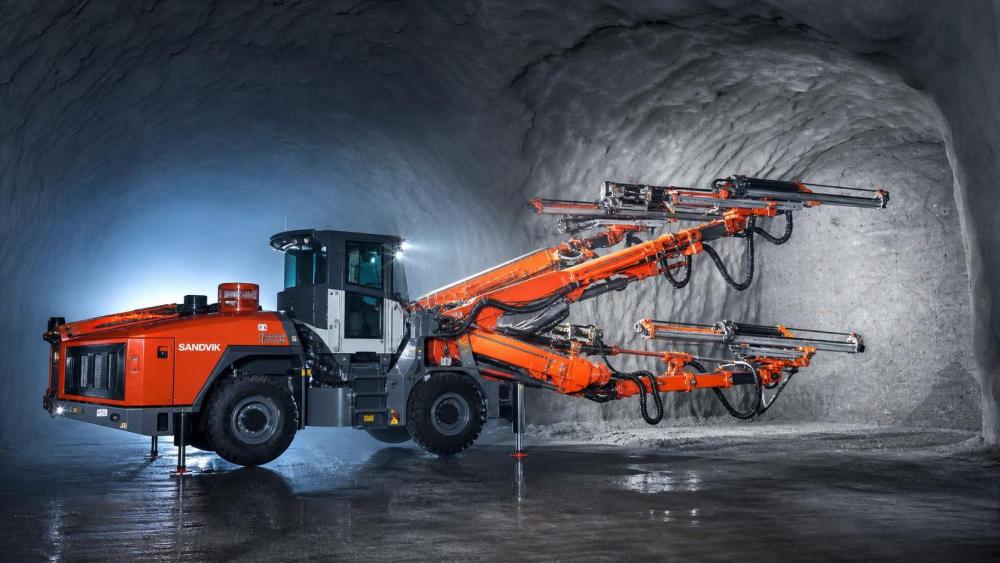
Choosing the right Drilling Jumbo for underground mining affects advance rate, hole quality, rework, safety, and total cost per meter.
The decision is rarely about machine size alone. It depends on boom reach, tunnel profile, drilling accuracy, and control logic.
In practice, the best fit is the unit that keeps the face fully covered without forcing awkward repositioning or overbuying capacity.
This matters even more in hard-rock headings, declines, and development drifts where every cycle delay multiplies across shifts.
A well-matched Drilling Jumbo for underground mining should support the blast design, suit the excavation geometry, and reduce operator variability.
That is the practical lens for selection: production fit first, specification sheet second.
Start with Tunnel Geometry and Production Targets
Before comparing brands or models, define the face dimensions, round length, support method, and expected monthly advance.
A Drilling Jumbo for underground mining works best when its kinematics match the actual working envelope, not a nominal tunnel class.
Key inputs usually include width, height, crown shape, crosscut frequency, gradient, turning radius, and ventilation restrictions.
Production targets also shape the choice. A high-capacity jumbo can still underperform if the cycle is constrained by scaling, charging, or mucking.
That is why selection should follow the full drill-and-blast sequence rather than drilling speed alone.
- Development drift or access ramp
- Ore drive, crosscut, or level extension
- Civil tunnel with fixed profile tolerance
- Face drilling only, or drilling plus bolting
Once these basics are clear, boom layout, coverage map, and drill control become easier to evaluate with less guesswork.
How to Choose the Right Boom Configuration
Boom count is often the first question, but boom geometry matters more than the raw number of booms.
A single-boom Drilling Jumbo for underground mining can be efficient in narrow headings, short rounds, or lower-volume development work.
A twin-boom machine suits most medium-section tunnels where parallel drilling improves cycle time without creating excessive machine bulk.
Three-boom units become more relevant in larger profiles, heavy advance programs, or multi-function faces with bolting demand.
Still, more booms do not automatically mean better output. Congestion near the face can reduce effective utilization.
What to check in boom design
- Lift, swing, and telescope range
- Parallel holding accuracy at the collar
- Ability to reach crown, shoulder, and low sidewalls
- Stability during angled drilling
- Collision risk between booms in tight headings
- Operator sightlines or camera support
Recent buying patterns show a stronger focus on practical reach maps instead of headline drilling rate claims.
That shift makes sense. Poor boom articulation creates blind zones, extra repositioning, and uneven hole spacing.
When comparing options, ask suppliers to demonstrate actual face coverage on your target tunnel section, including corner holes.
Coverage Range: The Most Overlooked Selection Factor
Coverage is where many selection errors start. On paper, the machine looks capable. Underground, the face tells a different story.
A Drilling Jumbo for underground mining needs full and efficient access across the drilling pattern with minimal tram adjustments.
If the carrier must move repeatedly to finish the perimeter, drilling time expands and alignment consistency drops.
Coverage should be checked against both the maximum face and the most common face. The second value usually drives real productivity.
Coverage questions worth asking
- Can the jumbo cover the full profile from one setup?
- How much overlap exists between booms?
- Does the machine lose accuracy at extreme reach?
- Can it drill perimeter, cut, and lifter holes without awkward boom angles?
- What happens when the floor is rough or the heading is not perfectly centered?
This is also where tunnel shape matters. Horseshoe, arched, and box-type headings create different reach demands near the crown and springline.
In actual operations, uneven floor conditions often reduce usable coverage more than brochures suggest.
For that reason, coverage should be validated with a working simulation or past site reference in similar geology.
Drill Control: Where Accuracy Turns into Cost Control
Drill control is no longer a premium extra. It is increasingly central to cost, repeatability, and blast quality.
A modern Drilling Jumbo for underground mining should provide stable feed control, accurate hole positioning, and reliable drilling data capture.
The bigger benefit is not just faster drilling. It is fewer deviations, cleaner break, lower overbreak, and more predictable downstream loading.
Core control features to evaluate
- Automatic hole positioning and angle guidance
- Percussion, rotation, and feed optimization
- Anti-jamming and adaptive drilling response
- Digital drill plan import and reporting
- Navigation support for repeatable setup
- Remote diagnostics and maintenance alerts
For harder rock and longer rounds, intelligent control becomes more valuable because deviation risk rises with depth and vibration.
This also supports workforce resilience. Good control systems reduce dependence on a small number of highly experienced operators.
In broader underground equipment trends, digital drilling data is becoming part of the mine’s planning and performance feedback loop.
Match the Jumbo to Rock Conditions and Ground Support Needs
A Drilling Jumbo for underground mining must fit the rock mass, not just the tunnel size.
Very hard abrasive rock increases wear on drill steels, consumables, and hydraulic components. Weak ground creates different control priorities.
If bolting is part of the cycle, the selection process should consider whether a dedicated bolter, combo rig, or extra boom is more efficient.
That decision depends on support density, resin or mechanical bolts, cycle timing, and available heading access.
More buyers now also consider electrification, especially where ventilation cost and zero-emission goals are becoming harder constraints.
Do Not Ignore Mobility, Serviceability, and Operator Environment
Selection often overweights drilling performance and underweights daily operating friction. That can be expensive over time.
A Drilling Jumbo for underground mining must move efficiently through ramps, intersections, and congested headings without constant compromise.
Carrier dimensions, articulation, and setup speed all affect usable shift hours.
Serviceability matters just as much. Easy access to drifters, hoses, filters, and diagnostics reduces downtime and maintenance exposure.
The operator environment also deserves attention. Better visibility, lower noise, intuitive controls, and safer access support consistent performance.
- Check transport height and width against mine standards
- Review setup time from tram to drilling position
- Ask for planned maintenance intervals and spare parts lead time
- Confirm local service support and technician availability
In real procurement decisions, lifecycle support often separates a productive fleet from a frustrating one.
A Practical Evaluation Framework for Final Selection
When the shortlist is close, use a weighted comparison built around operating reality instead of isolated specifications.
A practical framework for Drilling Jumbo for underground mining selection should compare the following categories.
- Face coverage and boom reach in the target profile
- Hole accuracy and drill control capability
- Cycle time impact across drilling, support, and repositioning
- Mobility in actual mine access conditions
- Maintenance burden and local parts support
- Energy, ventilation, and environmental fit
- Capital cost versus expected cost per meter advanced
A site trial or simulated drill plan is usually worth the effort. It reveals fit problems earlier, when they are still cheap to solve.
The most reliable buying decisions usually come from combining engineering data, operator feedback, and supplier support evidence.
In the end, the right Drilling Jumbo for underground mining is the one that delivers repeatable rounds, stable cost, and room for future automation.
Start with boom fit, verify coverage under real conditions, and treat drill control as a production tool rather than a feature list item.
Related News
Tunnel Boring Machine Costs: Budgeting for Purchase, Operation, and Project Risk
Tunnel Boring Machines cost more than purchase price. Learn how to budget lifecycle costs, downtime, logistics, wear, and project risk for smarter TBM decisions.
Open-Pit Haulage Cost Analysis: How Mine Managers Can Cut Cost per Tonne
Open pit haulage cost analysis: discover practical ways to reduce cost per tonne through payload control, cycle-time optimization, road performance, and smarter fleet decisions.
Tunnel Construction Innovations That Reduce Risk and Schedule Delays on Urban Projects
Tunnel construction innovation for urban projects: discover smarter TBMs, real-time monitoring, trenchless methods, and automation that reduce risk and protect schedules.
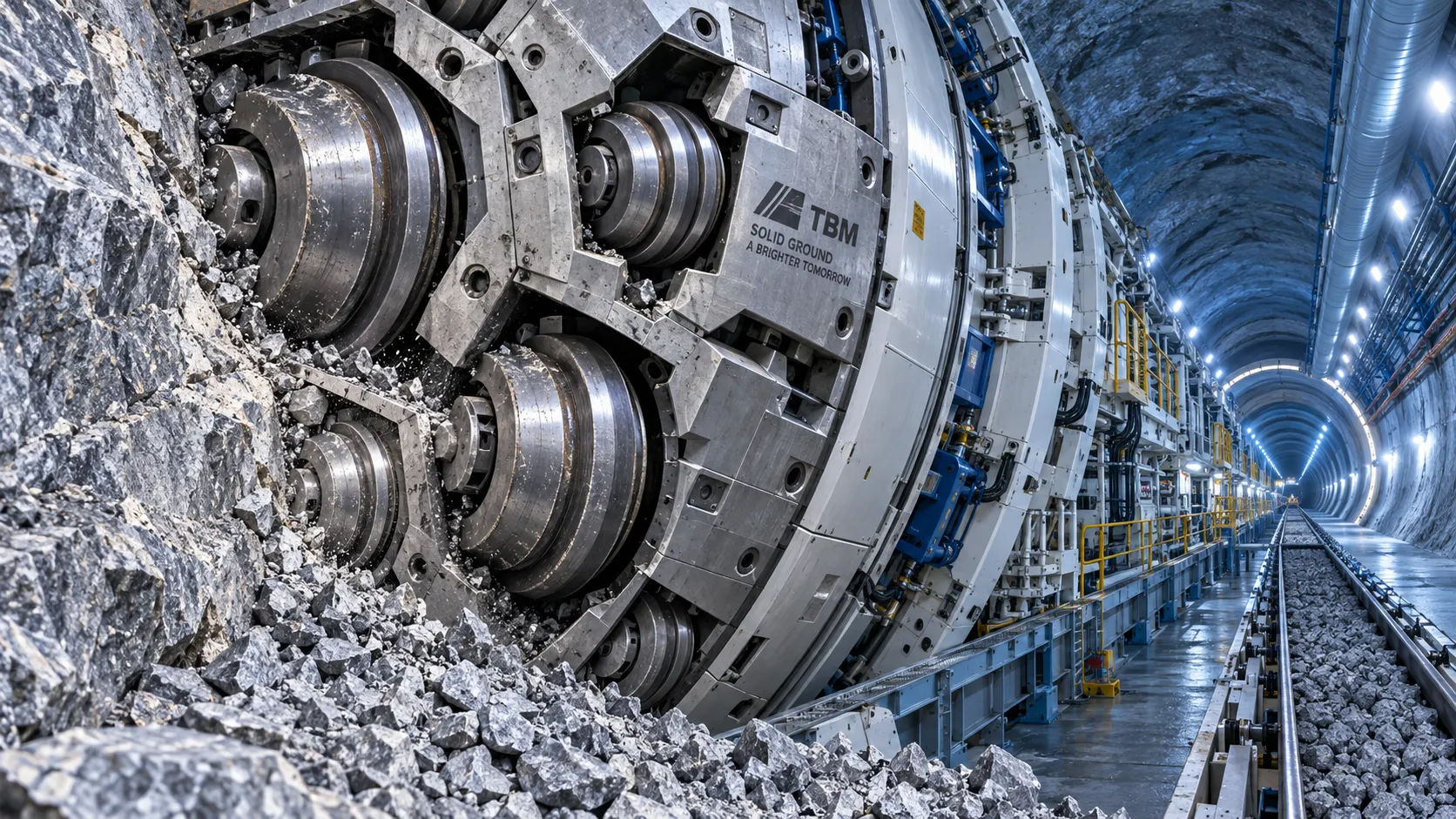
TBM Disc Cutter Design: Key Geometry and Load Factors for Hard Rock Tunnelling
TBM disc cutter design explained: explore geometry, spacing, load distribution and maintenance factors for reliable, efficient hard-rock tunnelling performance.
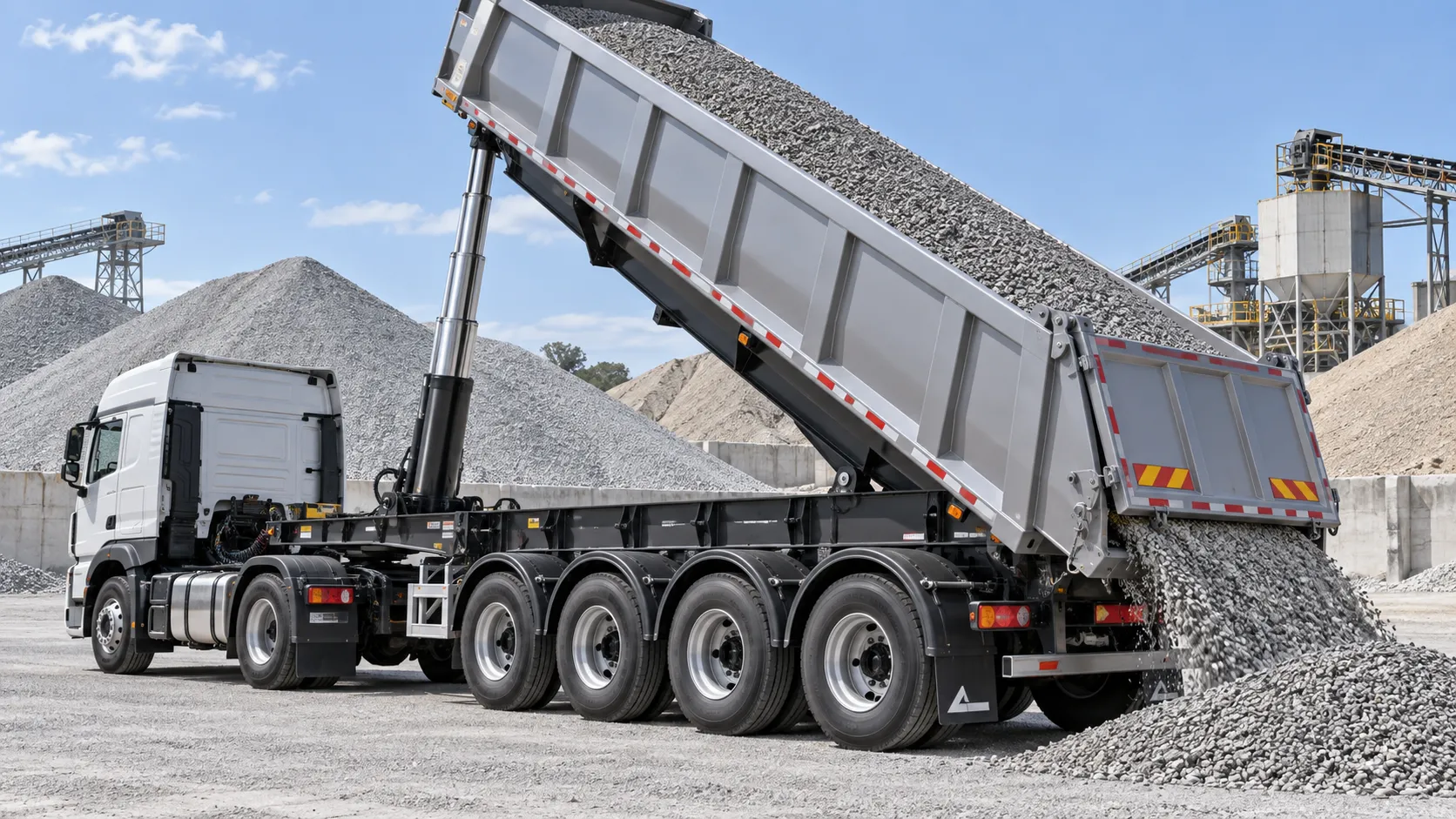
Hydraulic Tipping Stability Risks in Multi-Axle Dump Special Trailers
Dump special trailers: discover key hydraulic tipping stability risks, multi-axle load dynamics, and practical safety controls for safer, smarter bulk hauling.
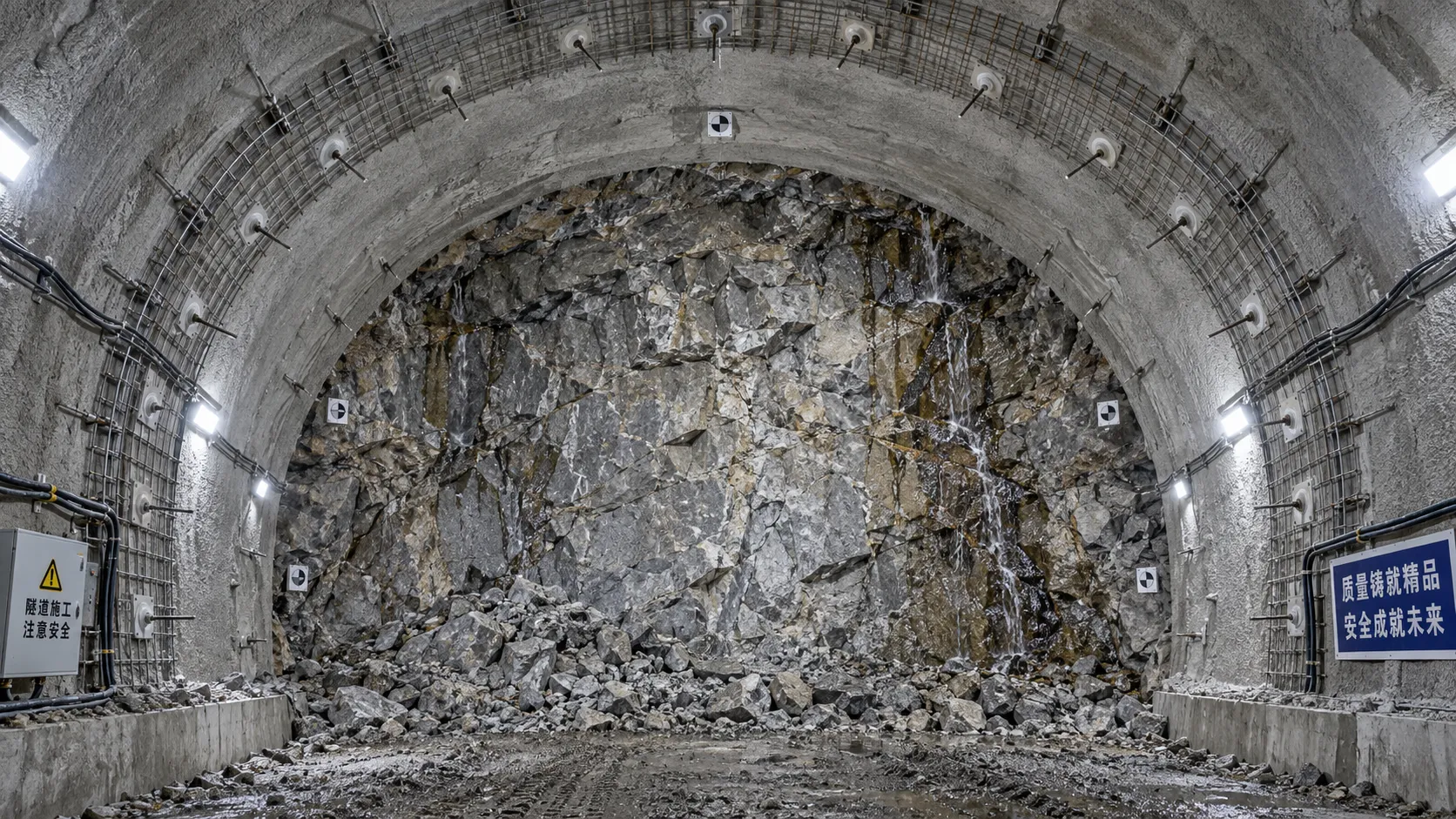
When rock reinforcement in tunnel construction must change after blasting
Rock reinforcement in tunnel construction must change when blasting reveals overbreak, weak joints, water inflow, or deformation. Discover key post-blast support decisions.
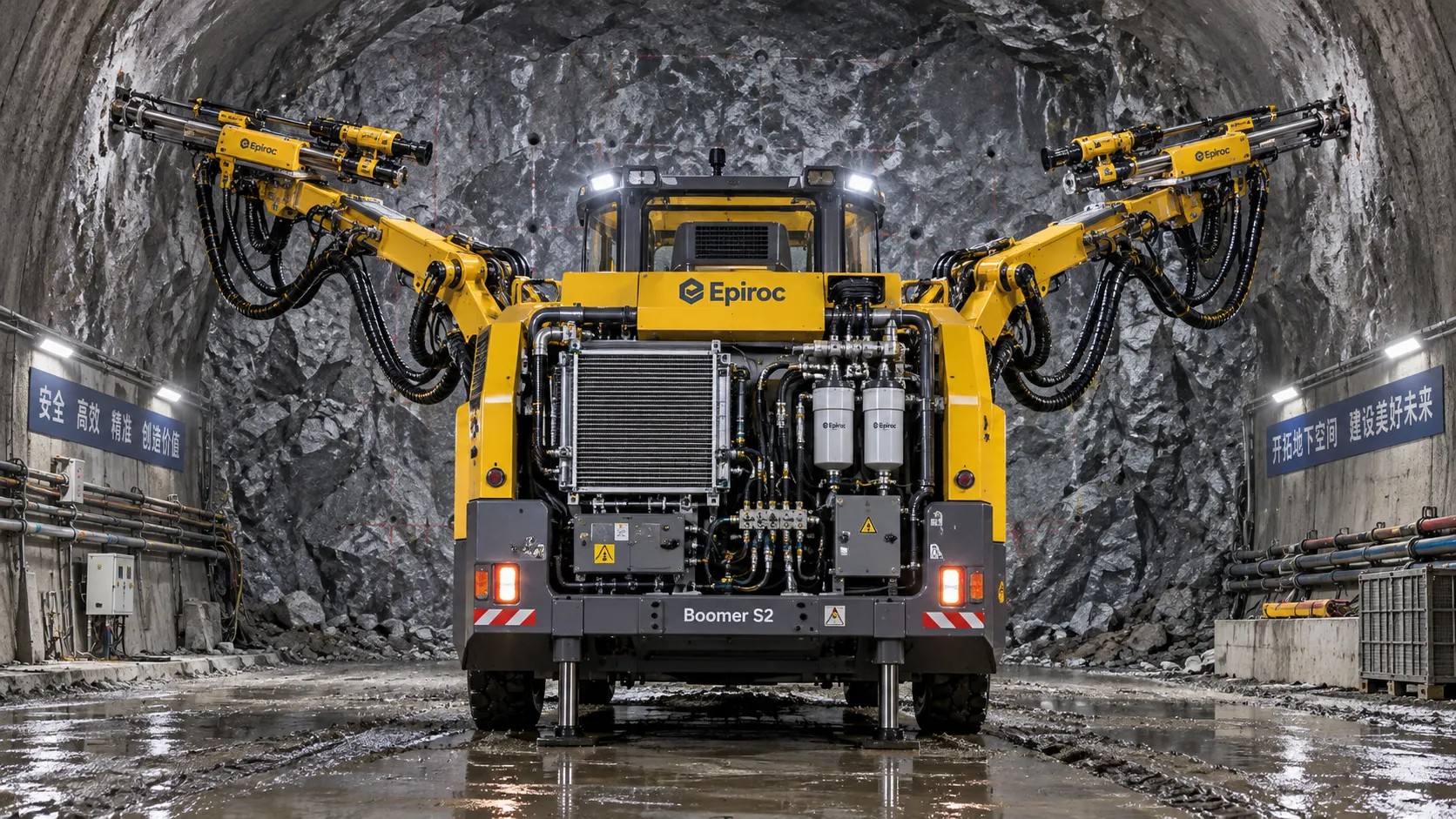
How tunnel hydraulic systems influence drill jumbo uptime underground
Tunnel hydraulic systems directly influence drill jumbo uptime. Explore how stable pressure, clean oil, cooling, and maintainable design reduce underground downtime.
What to verify before appointing a tunneling vehicles manufacturer
Choosing a tunneling vehicles manufacturer? Verify application fit, reliability, compliance, parts support, training, and channel terms before appointing a partner.
Selecting K9 Ductile Iron Pipe for Buried Water Pipeline Conditions
K9 ductile iron pipe selection for buried water pipelines: compare pressure duty, joints, soil loads, corrosion protection, and installation controls for reliable long-term performance.
Related News
- 00
0000-00
Tunnel Boring Machine Costs: Budgeting for Purchase, Operation, and Project Risk - 00
0000-00
Open-Pit Haulage Cost Analysis: How Mine Managers Can Cut Cost per Tonne - 00
0000-00
Tunnel Construction Innovations That Reduce Risk and Schedule Delays on Urban Projects - 00
0000-00
TBM Disc Cutter Design: Key Geometry and Load Factors for Hard Rock Tunnelling - 00
0000-00
Hydraulic Tipping Stability Risks in Multi-Axle Dump Special Trailers
Weekly Insights
Stay ahead with our curated technology reports delivered every Monday.