
TBM Disc Cutter Design Explained: Key Parameters for Rock Type, Wear, and Penetration





TBM Disc Cutter Design Explained: Key Parameters for Rock Type, Wear, and Penetration
For technical evaluations, tbm disc cutter design often decides whether a machine performs steadily or struggles underground.
A cutter may look simple from the outside. In practice, its geometry, material, and load path shape the whole excavation result.
That is why penetration rate, cutter consumption, vibration, and downtime are closely tied to cutter design choices.
In hard rock tunnelling, even small changes in edge profile or spacing can shift wear patterns and maintenance intervals.
This guide explains the main parameters behind tbm disc cutter design and how they affect field performance.
Why TBM Disc Cutter Design Matters in Real Rock Conditions
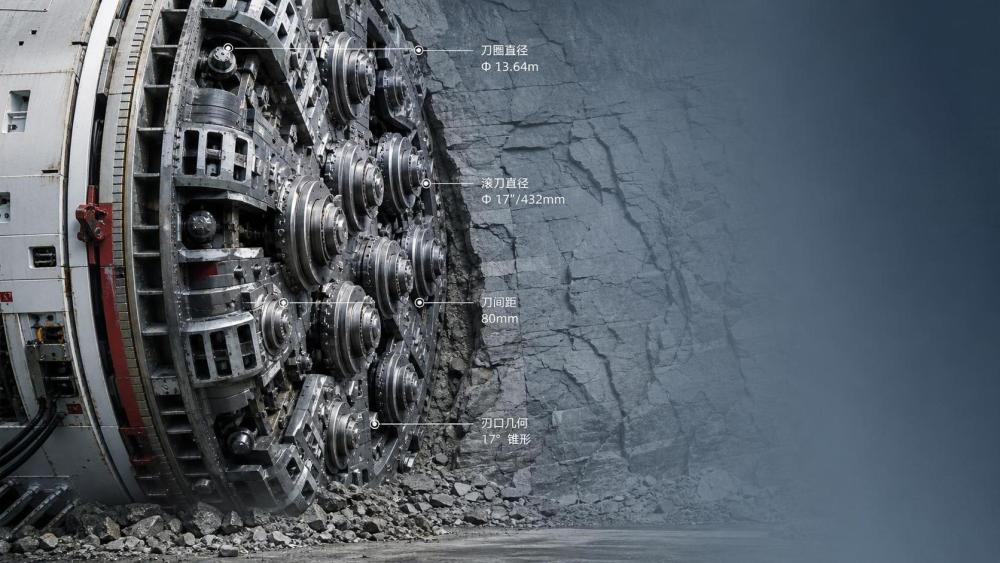
Good tbm disc cutter design is not only about cutting rock faster. It is about controlling the full excavation system.
The disc cutter breaks rock by inducing compressive stresses and creating cracks between adjacent cutter paths.
If the cutter design does not match the rock mass, the machine may need more thrust for less effective breakage.
That usually leads to higher ring wear, more bearing stress, and unstable penetration per revolution.
From recent project trends, the clearer signal is this: owners now judge cutter design by lifecycle economics, not only purchase price.
This means technical reviews should connect cutter specifications with geology, maintenance access, and expected shift productivity.
Core Parameters in TBM Disc Cutter Design
Several variables define tbm disc cutter design. Each one affects rock fragmentation, heat generation, and wear development.
1. Cutter Diameter
Common diameters include 17-inch, 19-inch, and larger units for demanding hard rock applications.
Larger cutters usually carry higher loads and offer longer wear life. They also improve rolling stability in abrasive formations.
However, they require matching hub space, structural support, and machine thrust capacity.
2. Ring Width and Edge Geometry
Ring width influences contact stress at the rock interface. Narrower rings can raise stress concentration and improve crack initiation.
Wider rings often provide better wear resistance in abrasive ground but may reduce penetration efficiency in some formations.
Edge shape matters too. Constant cross section rings behave differently from center-bevel or wedge-like profiles.
3. Cutter Spacing
Cutter spacing controls whether adjacent cracks join effectively. This is one of the most practical parts of tbm disc cutter design.
If spacing is too wide, the rock may crush locally without forming strong chip breakage between cuts.
If spacing is too tight, energy use increases and cutters may interfere without clear productivity gains.
4. Load Capacity and Bearing Design
A strong ring is not enough. The bearing system must survive heavy radial and shock loads under contamination risk.
Poor bearing reliability can end cutter life long before the ring is fully consumed.
This also means sealing quality is central to effective tbm disc cutter design, especially in wet or broken ground.
Matching TBM Disc Cutter Design to Rock Type
Rock type should guide every serious review of tbm disc cutter design. Strength alone is not enough for selection.
A robust assessment also considers brittleness, abrasivity, fracture spacing, quartz content, and groundwater exposure.
Hard and Brittle Rock
Granite and similar formations often respond well to high contact stress and effective crack interaction.
In these cases, cutter spacing and edge geometry strongly influence chip formation and net penetration.
Abrasive Rock
Quartz-rich rock creates fast ring wear, even if penetration remains acceptable at first.
Here, tbm disc cutter design should prioritize ring material quality, heat resistance, and predictable wear profiles.
Fractured or Mixed Ground
Mixed ground can cause impact loading, uneven rolling, and abnormal edge chipping.
That makes structural robustness and bearing protection more important than theoretical penetration alone.
How TBM Disc Cutter Design Affects Wear and Penetration
Wear and penetration are always linked. A design that cuts aggressively may also wear faster in the wrong geology.
The goal is not maximum penetration at any cost. The goal is stable excavation with controlled cutter consumption.
In practical terms, tbm disc cutter design influences three performance outcomes:
- penetration per revolution under available thrust,
- wear rate per cubic meter of excavated rock,
- service interval before cutter change becomes necessary.
More importantly, uneven wear often signals a system mismatch rather than a simple material issue.
For example, high shoulder wear may reflect poor alignment, unstable rolling, or non-ideal face contact conditions.
Common Wear Modes to Review
- uniform ring wear from abrasive contact,
- eccentric wear caused by uneven loading,
- edge chipping in fractured zones,
- bearing failure due to sealing breakdown,
- thermal damage under high friction and poor rotation.
A Practical Evaluation Framework for TBM Disc Cutter Design
In actual projects, a useful review method is to connect cutter design data with operating constraints and geology records.
This approach makes tbm disc cutter design easier to compare across suppliers or machine concepts.
Key Questions to Ask
- What rock strength and Cerchar Abrasivity Index were used for the cutter selection basis?
- What is the expected normal load per cutter at target penetration?
- How does spacing support crack coalescence at the intended thrust range?
- What wear life is predicted for the ring and for the bearing separately?
- How easily can cutters be replaced under limited intervention windows?
- What field data supports the proposed tbm disc cutter design in similar rock classes?
Useful Comparison Table
Where Technical Decisions Usually Go Wrong
One common mistake is treating tbm disc cutter design as a catalog issue instead of a system engineering issue.
Another is relying only on UCS values while ignoring abrasivity, jointing, and groundwater effects.
Some reviews also focus on ring hardness alone. That can hide larger risks in bearing durability or sealing performance.
A more reliable decision process compares design intent with real maintenance conditions inside the cutterhead.
This is especially important when interventions are expensive, access is difficult, or project schedules are tight.
Final Takeaway on TBM Disc Cutter Design
At its core, tbm disc cutter design is about matching rock-breaking mechanics with durable field performance.
The best solution is rarely the most aggressive on paper. It is the one that sustains penetration with manageable wear.
When reviewing a cutter concept, focus on diameter, ring geometry, spacing, and bearing reliability as one linked package.
That also means using geology data, wear records, and replacement logistics together, not in isolation.
A disciplined evaluation of tbm disc cutter design supports better penetration forecasts, lower downtime risk, and stronger lifecycle value.
For deeper underground equipment intelligence, this engineering mindset remains essential as rock conditions grow harder and project expectations rise.
Related News
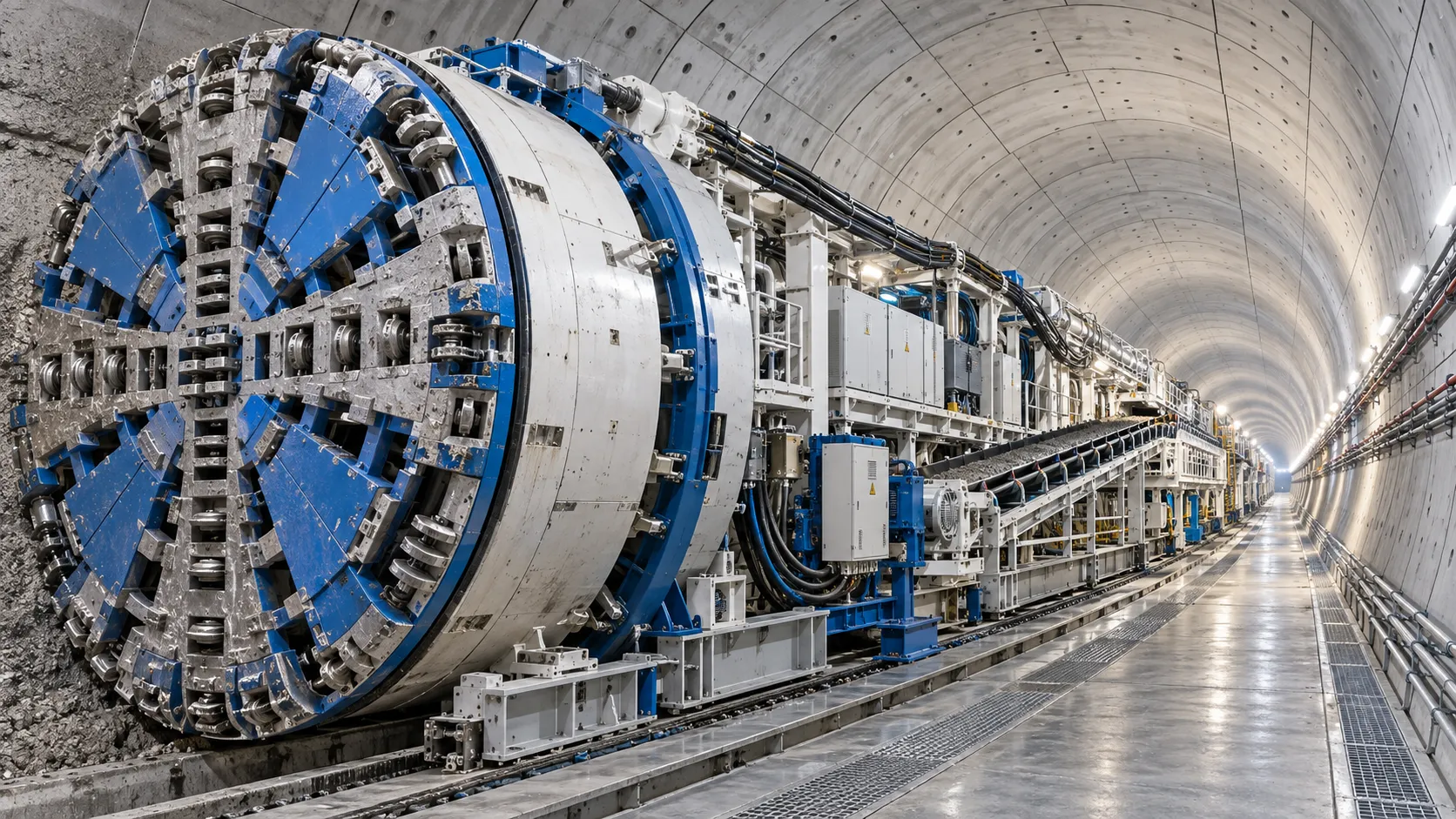
Tunnel Boring Machine Costs: Budgeting for Purchase, Operation, and Project Risk
Tunnel Boring Machines cost more than purchase price. Learn how to budget lifecycle costs, downtime, logistics, wear, and project risk for smarter TBM decisions.
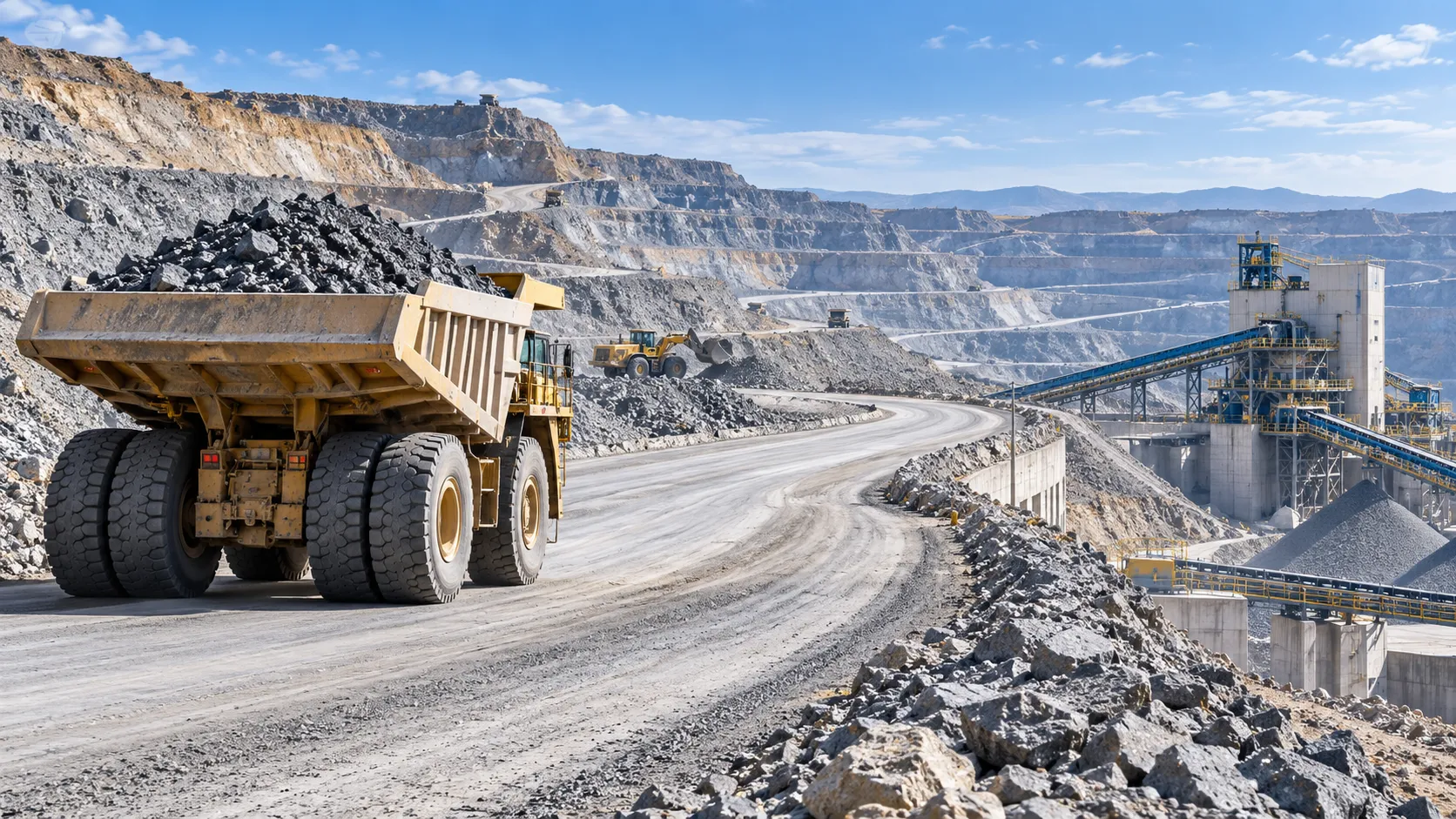
Open-Pit Haulage Cost Analysis: How Mine Managers Can Cut Cost per Tonne
Open pit haulage cost analysis: discover practical ways to reduce cost per tonne through payload control, cycle-time optimization, road performance, and smarter fleet decisions.
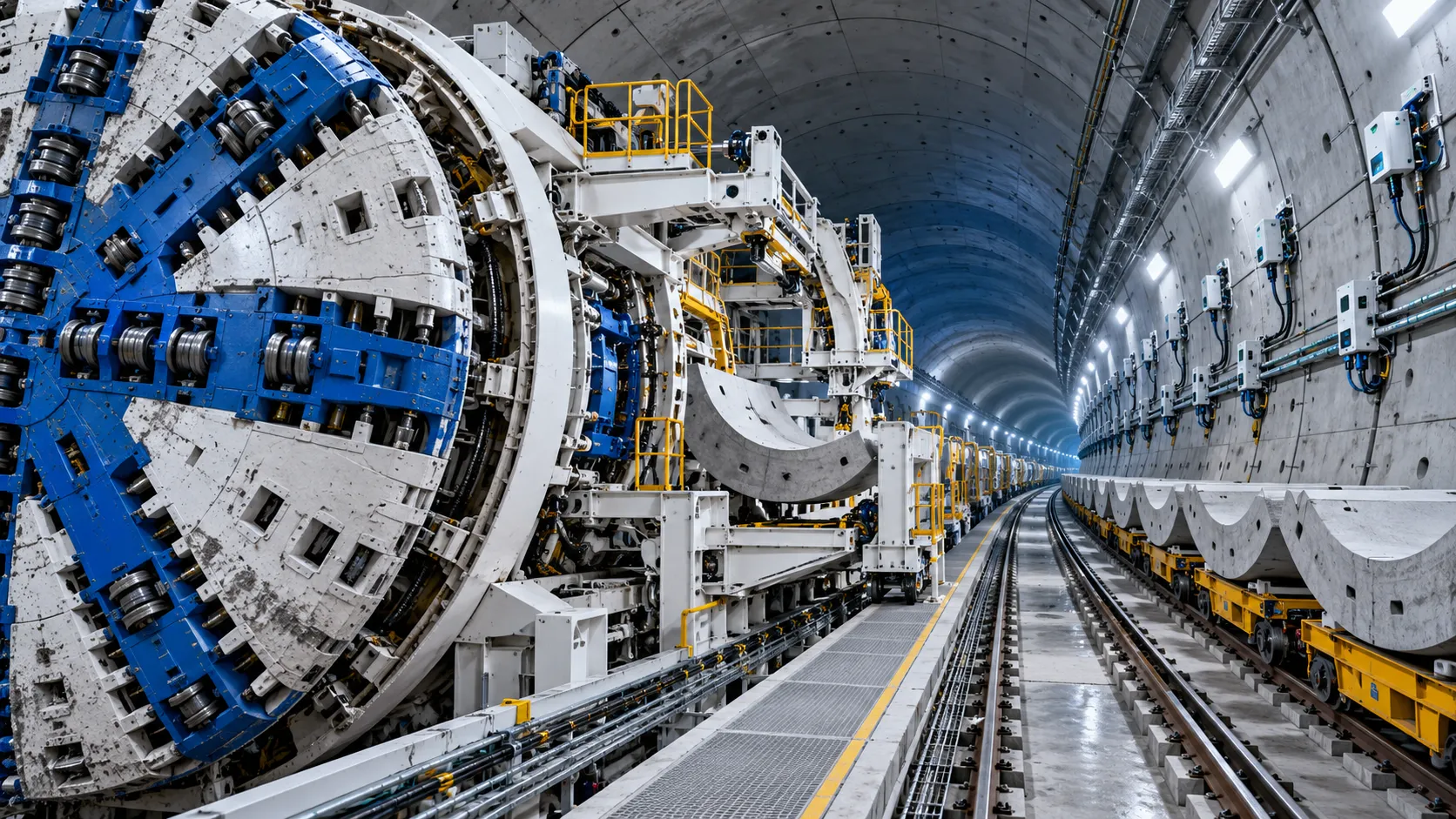
Tunnel Construction Innovations That Reduce Risk and Schedule Delays on Urban Projects
Tunnel construction innovation for urban projects: discover smarter TBMs, real-time monitoring, trenchless methods, and automation that reduce risk and protect schedules.
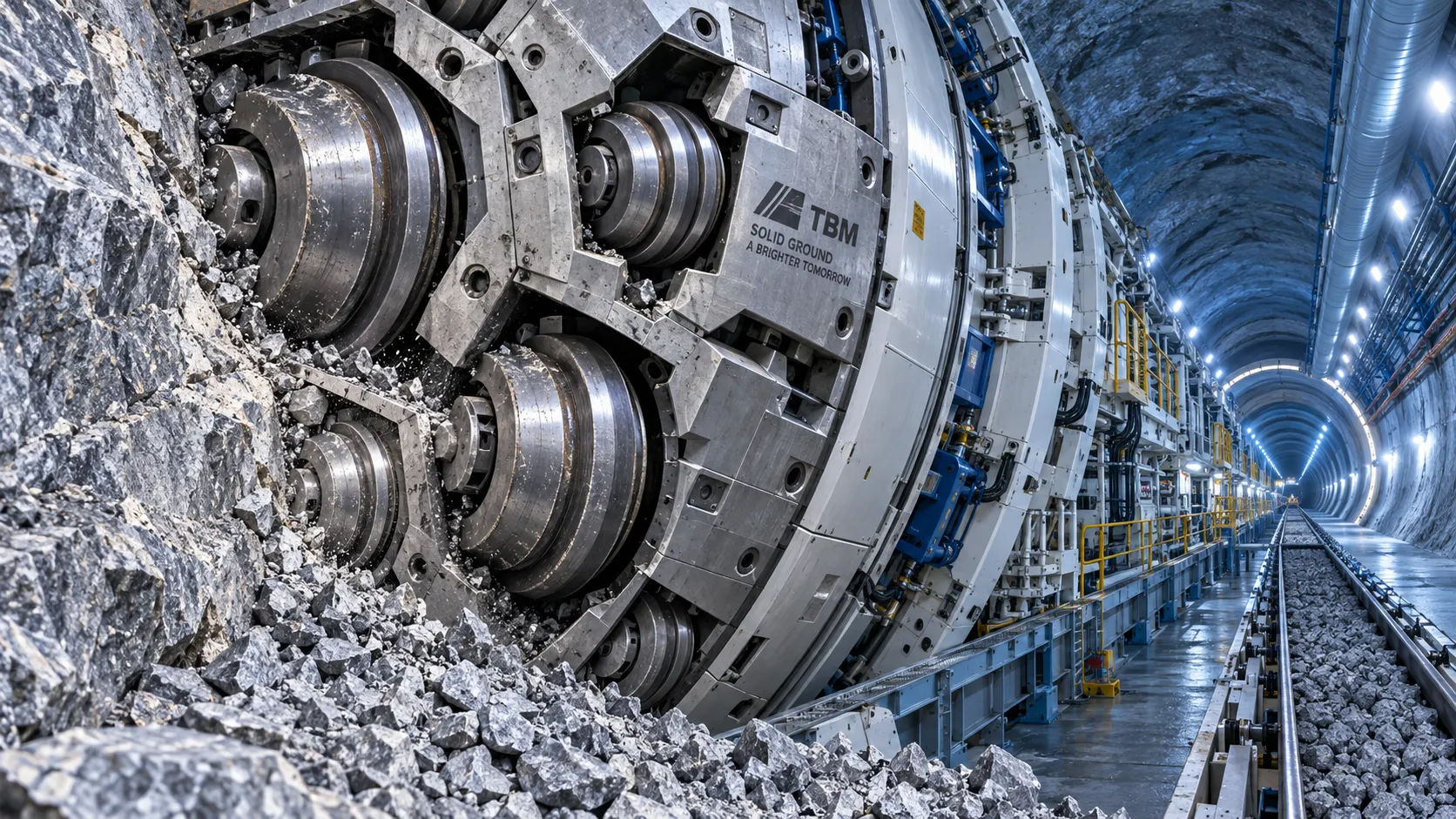
TBM Disc Cutter Design: Key Geometry and Load Factors for Hard Rock Tunnelling
TBM disc cutter design explained: explore geometry, spacing, load distribution and maintenance factors for reliable, efficient hard-rock tunnelling performance.
Hydraulic Tipping Stability Risks in Multi-Axle Dump Special Trailers
Dump special trailers: discover key hydraulic tipping stability risks, multi-axle load dynamics, and practical safety controls for safer, smarter bulk hauling.
When rock reinforcement in tunnel construction must change after blasting
Rock reinforcement in tunnel construction must change when blasting reveals overbreak, weak joints, water inflow, or deformation. Discover key post-blast support decisions.
How tunnel hydraulic systems influence drill jumbo uptime underground
Tunnel hydraulic systems directly influence drill jumbo uptime. Explore how stable pressure, clean oil, cooling, and maintainable design reduce underground downtime.
What to verify before appointing a tunneling vehicles manufacturer
Choosing a tunneling vehicles manufacturer? Verify application fit, reliability, compliance, parts support, training, and channel terms before appointing a partner.
Selecting K9 Ductile Iron Pipe for Buried Water Pipeline Conditions
K9 ductile iron pipe selection for buried water pipelines: compare pressure duty, joints, soil loads, corrosion protection, and installation controls for reliable long-term performance.
Related News
- 00
0000-00
Tunnel Boring Machine Costs: Budgeting for Purchase, Operation, and Project Risk - 00
0000-00
Open-Pit Haulage Cost Analysis: How Mine Managers Can Cut Cost per Tonne - 00
0000-00
Tunnel Construction Innovations That Reduce Risk and Schedule Delays on Urban Projects - 00
0000-00
TBM Disc Cutter Design: Key Geometry and Load Factors for Hard Rock Tunnelling - 00
0000-00
Hydraulic Tipping Stability Risks in Multi-Axle Dump Special Trailers
Weekly Insights
Stay ahead with our curated technology reports delivered every Monday.