
TBM Disc Cutter Supplier Selection: What to Check Beyond Price and Lead Time





Choosing a tbm disc cutter supplier is rarely a simple price exercise. In hard rock tunnelling, cutter performance shapes penetration rate, maintenance intervals, machine availability, and even contract risk. A low quotation can look attractive at bid stage, yet become expensive once premature wear, ring breakage, or inconsistent batches start slowing excavation.
That is why supplier selection now sits closer to strategic evaluation than routine purchasing. Across metro tunnels, hydropower drives, railway megaprojects, and mining access development, decision quality depends on how well a supplier can match metallurgy, manufacturing control, field service, and project-specific engineering to real ground conditions.
Why disc cutter supply deserves closer scrutiny
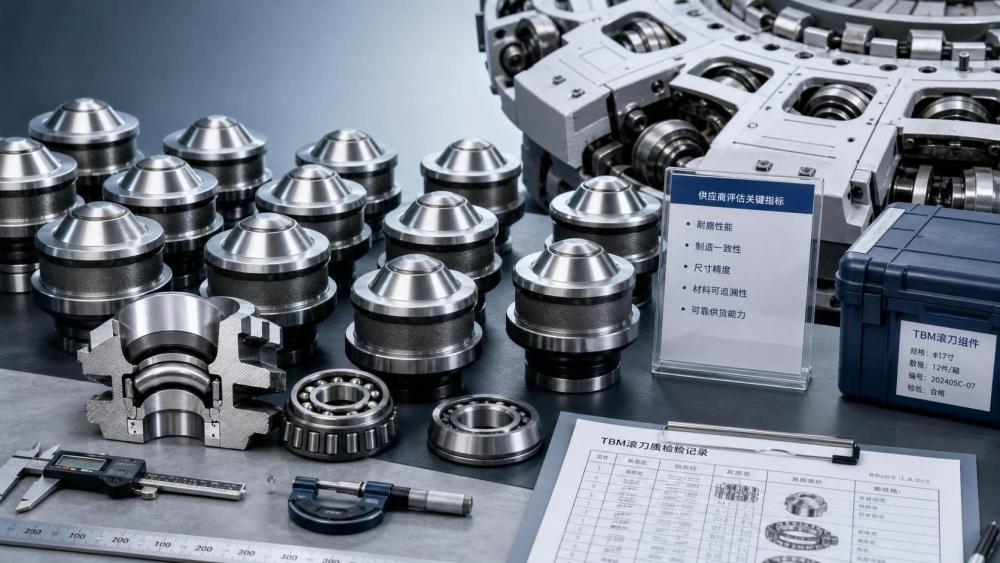
Disc cutters are consumables, but they behave like performance-critical assets. On a full-face TBM, each cutter works under concentrated loads, heat, vibration, and changing rock structures. Small differences in ring hardness, toughness, bearing reliability, or seal quality can create large differences in service life.
UTMD follows this closely because cutter wear is not an isolated component issue. It connects directly with rock-cutting mechanics, machine utilization, project scheduling, and the economics of underground construction. In large tunnel packages, disc cutter replacement strategy can influence downtime more than many buyers initially expect.
The market is also changing. Global tunnel tenders are growing in complexity, while mine and infrastructure operators are under pressure to improve reliability, energy efficiency, and data-backed maintenance decisions. In that environment, the right tbm disc cutter supplier should support a lifecycle view, not only shipment dates.
What a supplier is really being asked to deliver
A cutter ring may look straightforward on paper, yet the buying decision covers more than a part number. The supplier is effectively being asked to deliver stable cutting behavior in a specific geological and operational context.
That context can include abrasive granite, mixed-face strata, fault zones, high groundwater pressure, long cutterhead interventions, or remote sites with limited maintenance windows. A capable tbm disc cutter supplier should understand these constraints and explain how its design, materials, and support model respond to them.
In practice, the evaluation should move from “Can this supplier provide cutters?” to “Can this supplier reduce uncertainty in excavation performance?” That shift usually improves procurement outcomes.
The baseline technical checkpoints
Before comparing commercial offers, several technical areas deserve a hard look:
- Ring material design, including hardness range, fracture resistance, and heat treatment consistency.
- Bearing and seal system reliability under dust, slurry, vibration, and shock loading.
- Manufacturing tolerances affecting fit, rotation stability, and field replacement efficiency.
- Traceability of production batches, inspection records, and nonconformance handling.
- Compatibility with the TBM cutterhead layout, mounting interface, and operating parameters.
These points sound routine, but weak control in any one of them can cancel out a nominal cost advantage.
How to judge performance beyond catalog claims
Supplier brochures often highlight wear resistance, long life, or optimized steel grades. Those claims matter only when they are linked to evidence. A serious tbm disc cutter supplier should be able to show performance records under comparable geology, machine diameter, thrust levels, and cutterhead configurations.
The useful question is not whether a cutter performed well somewhere. The useful question is whether it performed well in conditions close to the current project. Basalt is not quartzite, and a metro tunnel is not a mountain hydropower drive.
Evidence worth requesting
Where possible, compare total cutter consumption per meter excavated rather than unit price per cutter. That metric gives a more realistic picture of commercial value.
The hidden cost of inconsistent quality
Many supply problems appear only after contract award. One batch performs normally, the next wears faster, and another shows edge chipping. These variations create planning noise, which is difficult to absorb on projects with strict advance targets.
For that reason, a tbm disc cutter supplier should be assessed for process discipline as much as product capability. Heat treatment repeatability, machining precision, inspection frequency, and root-cause handling are often stronger predictors than polished marketing language.
It is also worth checking whether the supplier can preserve consistency during volume expansion. Some vendors perform well on trial orders, then struggle when the project shifts to sustained monthly demand.
Questions that expose operational maturity
- How are raw materials qualified and requalified?
- What controls exist for hardness distribution and microstructure verification?
- How are failed cutters investigated and reported back?
- What is the response plan for urgent replacement lots?
- Can the supplier support performance reviews during excavation?
Service capability matters when geology changes
A tunnel rarely stays uniform for long. Abrasivity can rise, fractured zones may appear unexpectedly, and cutter consumption can move outside the original estimate. In those moments, supply support becomes a live project variable.
The more dependable tbm disc cutter supplier is usually the one that can interpret wear patterns, recommend design adjustments, and coordinate replacement logistics without delay. This becomes especially important on long drives where intervention windows are narrow and downtime is expensive.
UTMD’s broader view of underground equipment points to the same lesson across sectors: reliability in harsh environments depends on systems thinking. For cutters, that means linking spare parts planning, geology feedback, cutterhead inspections, and supplier response into one operating rhythm.
Where supplier fit differs by project type
Not every project should evaluate suppliers in the same way. The weighting changes with tunnel purpose, machine configuration, and maintenance constraints.
A supplier that looks strong in one segment may be less convincing in another. Comparison only becomes meaningful after the project context is clearly defined.
A practical way to compare offers
A disciplined evaluation matrix usually works better than informal scoring. The goal is to keep technical, operational, and commercial factors visible at the same time.
- Define geology, machine data, expected advance rate, and maintenance constraints first.
- Ask each tbm disc cutter supplier for evidence tied to similar conditions.
- Score lifecycle indicators, including cutter life, failure rate, stock risk, and support response.
- Model total cost using cutter consumption, intervention time, and production loss.
- Check whether trial supply and ongoing volume supply will follow the same quality controls.
This approach usually reveals whether a low-price offer is genuinely competitive or simply transferring risk into operations.
The more useful next step
Selecting a tbm disc cutter supplier should end with a better operating forecast, not just a lower purchase order value. The stronger decisions are built on geology alignment, proven wear behavior, consistent production quality, and a service model that can respond when field conditions change.
For upcoming evaluations, it makes sense to build a comparison sheet around performance evidence, failure history, batch stability, and support readiness. Once those checkpoints are visible, price and lead time still matter, but they stop being the only story.
Related News
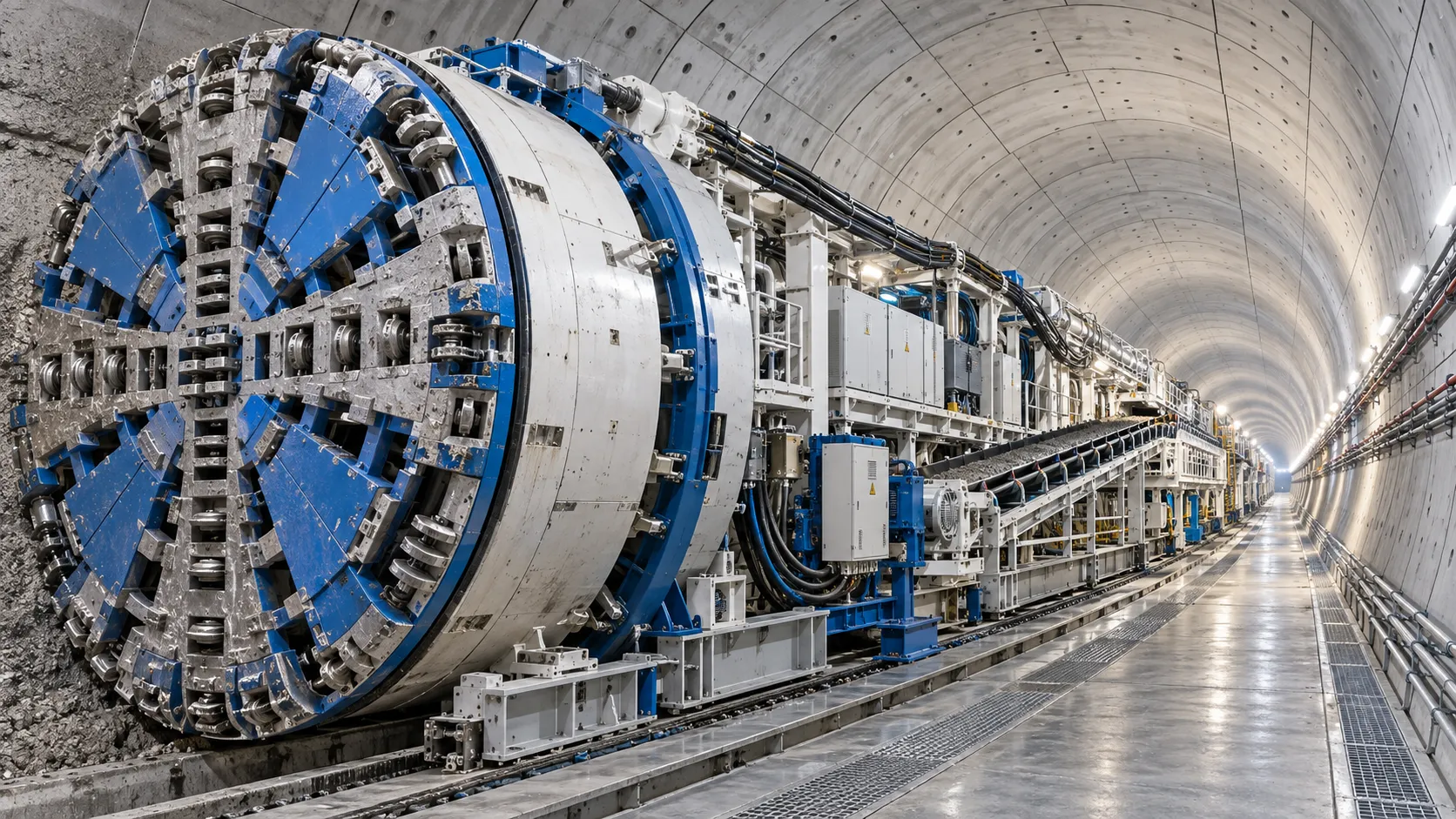
Tunnel Boring Machine Costs: Budgeting for Purchase, Operation, and Project Risk
Tunnel Boring Machines cost more than purchase price. Learn how to budget lifecycle costs, downtime, logistics, wear, and project risk for smarter TBM decisions.
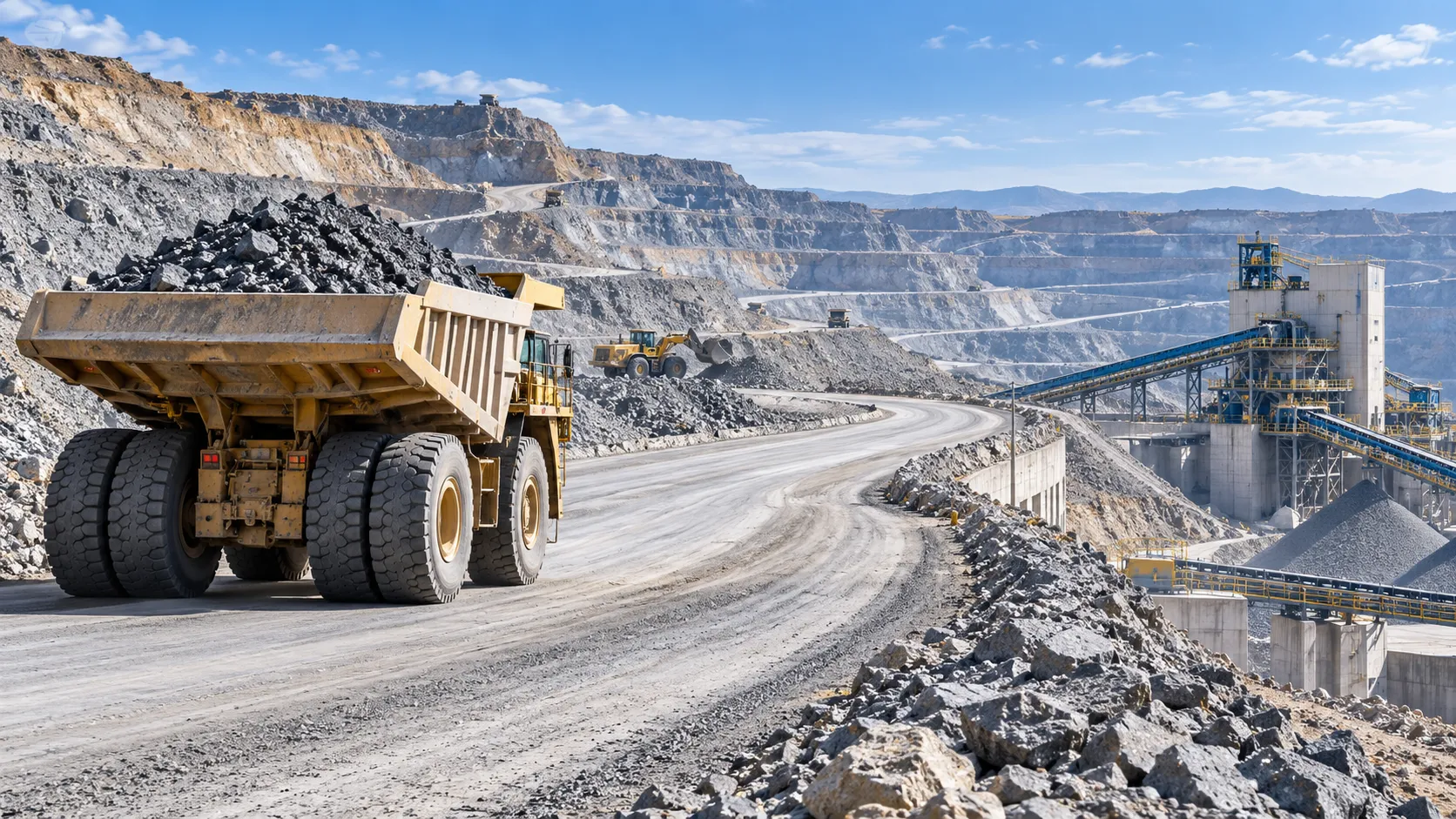
Open-Pit Haulage Cost Analysis: How Mine Managers Can Cut Cost per Tonne
Open pit haulage cost analysis: discover practical ways to reduce cost per tonne through payload control, cycle-time optimization, road performance, and smarter fleet decisions.
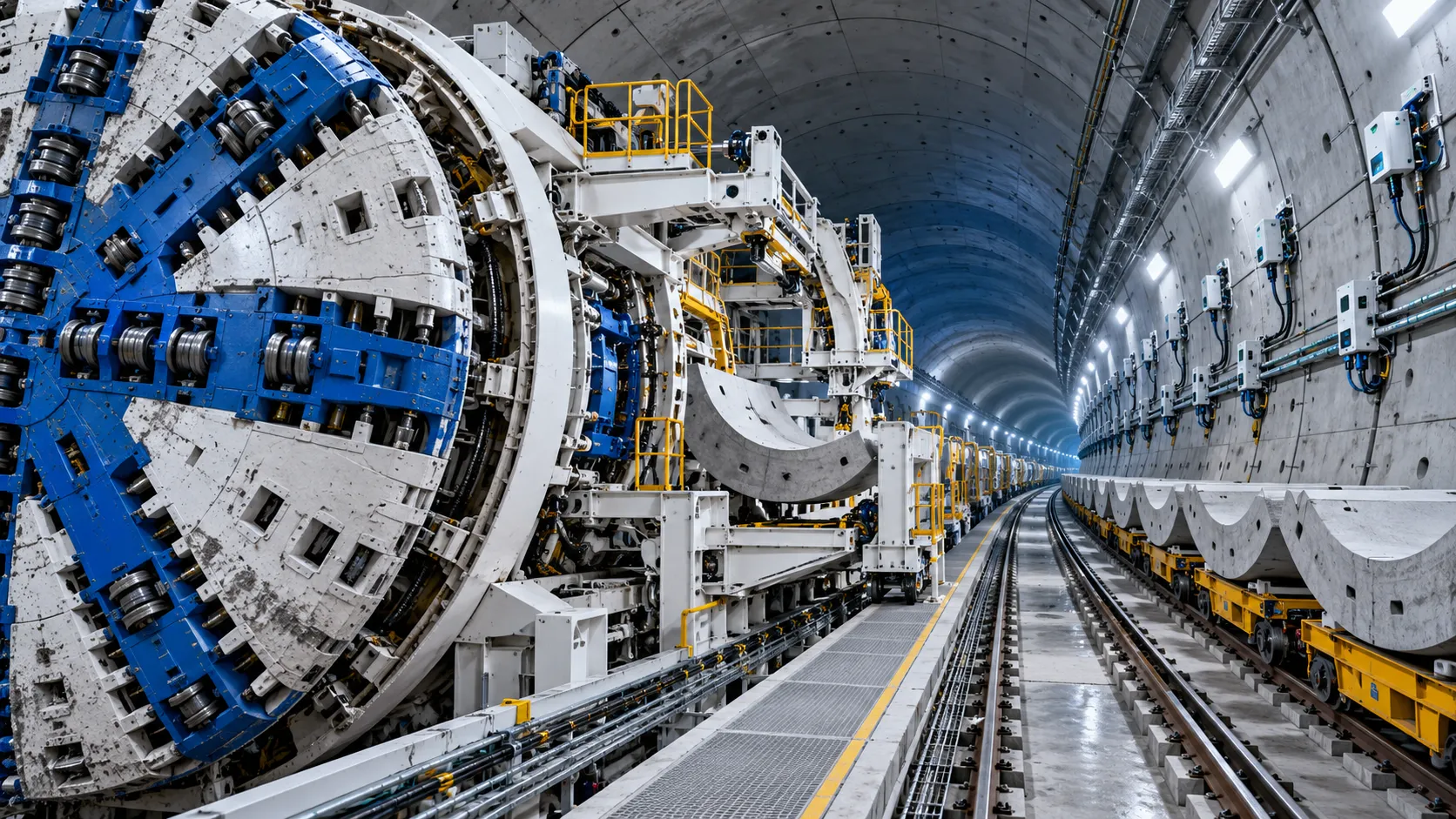
Tunnel Construction Innovations That Reduce Risk and Schedule Delays on Urban Projects
Tunnel construction innovation for urban projects: discover smarter TBMs, real-time monitoring, trenchless methods, and automation that reduce risk and protect schedules.
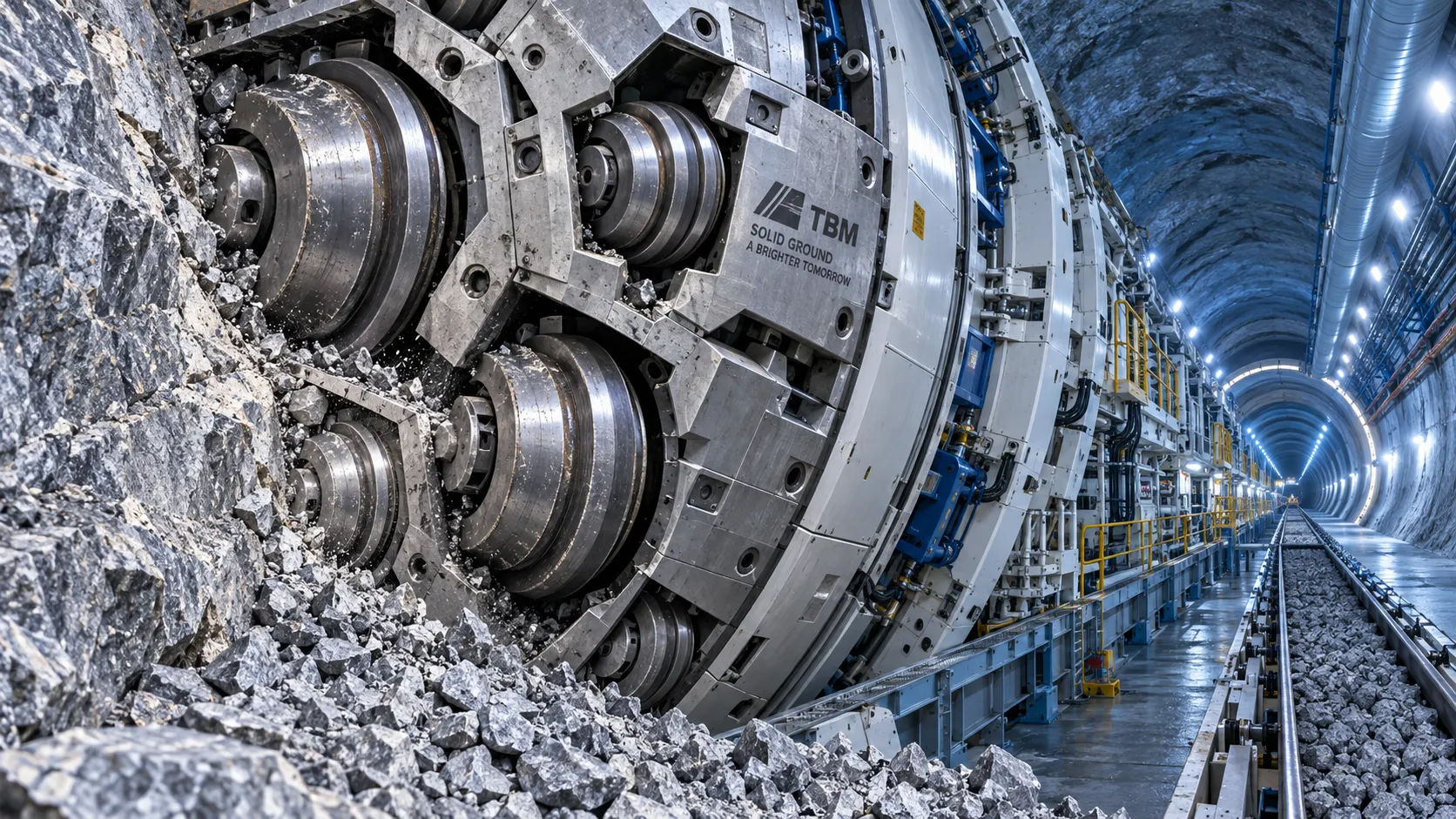
TBM Disc Cutter Design: Key Geometry and Load Factors for Hard Rock Tunnelling
TBM disc cutter design explained: explore geometry, spacing, load distribution and maintenance factors for reliable, efficient hard-rock tunnelling performance.
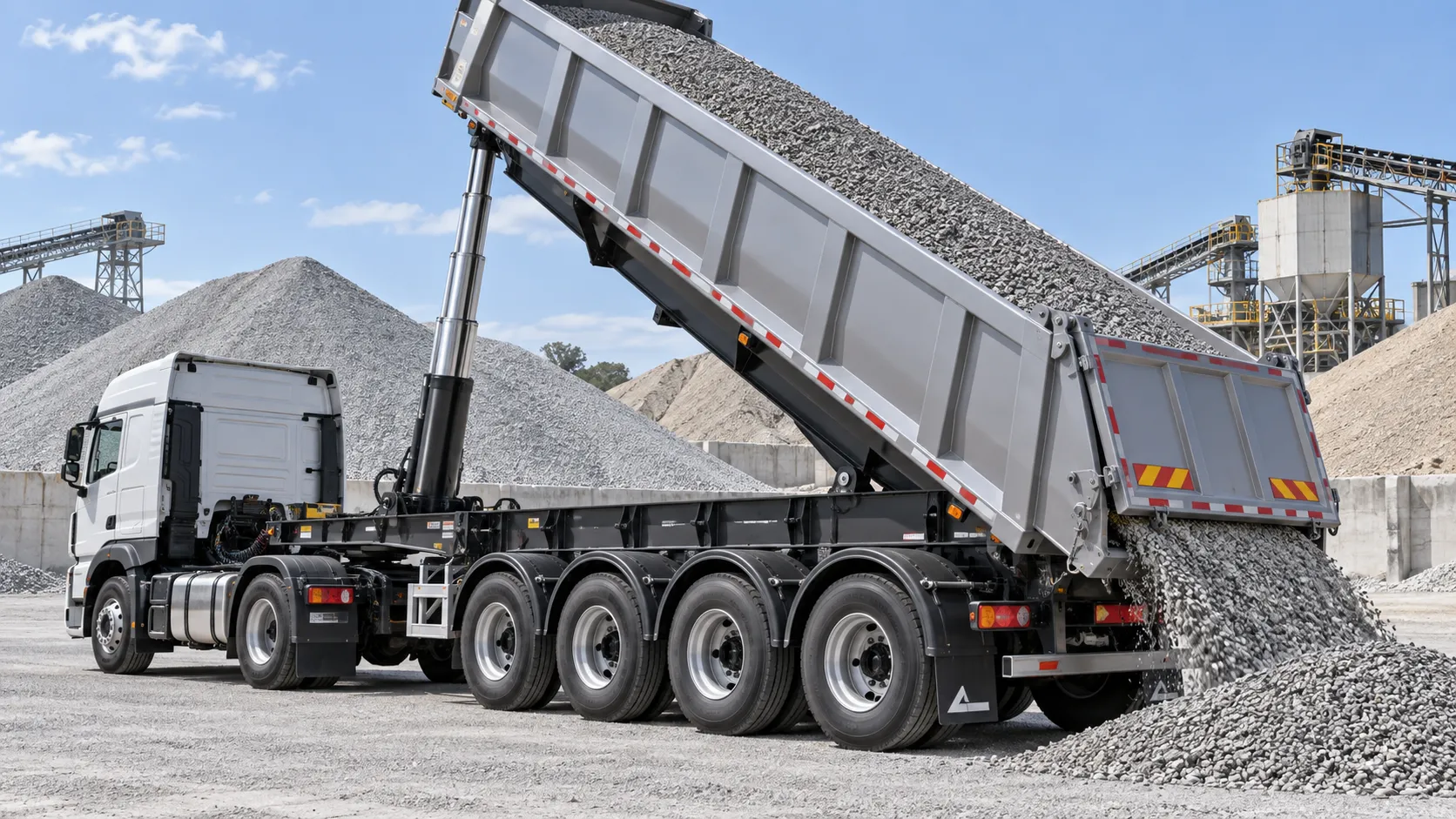
Hydraulic Tipping Stability Risks in Multi-Axle Dump Special Trailers
Dump special trailers: discover key hydraulic tipping stability risks, multi-axle load dynamics, and practical safety controls for safer, smarter bulk hauling.
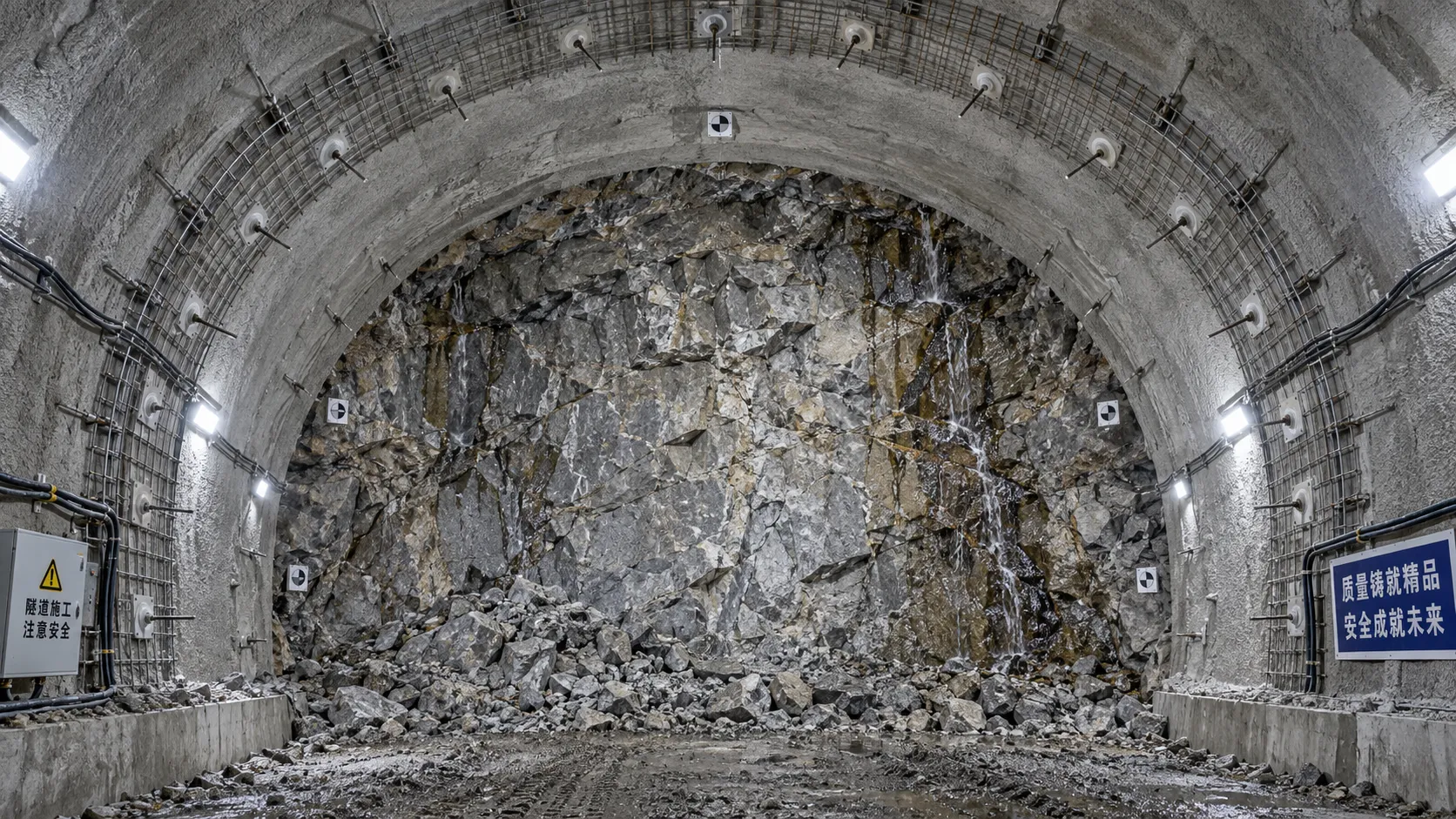
When rock reinforcement in tunnel construction must change after blasting
Rock reinforcement in tunnel construction must change when blasting reveals overbreak, weak joints, water inflow, or deformation. Discover key post-blast support decisions.
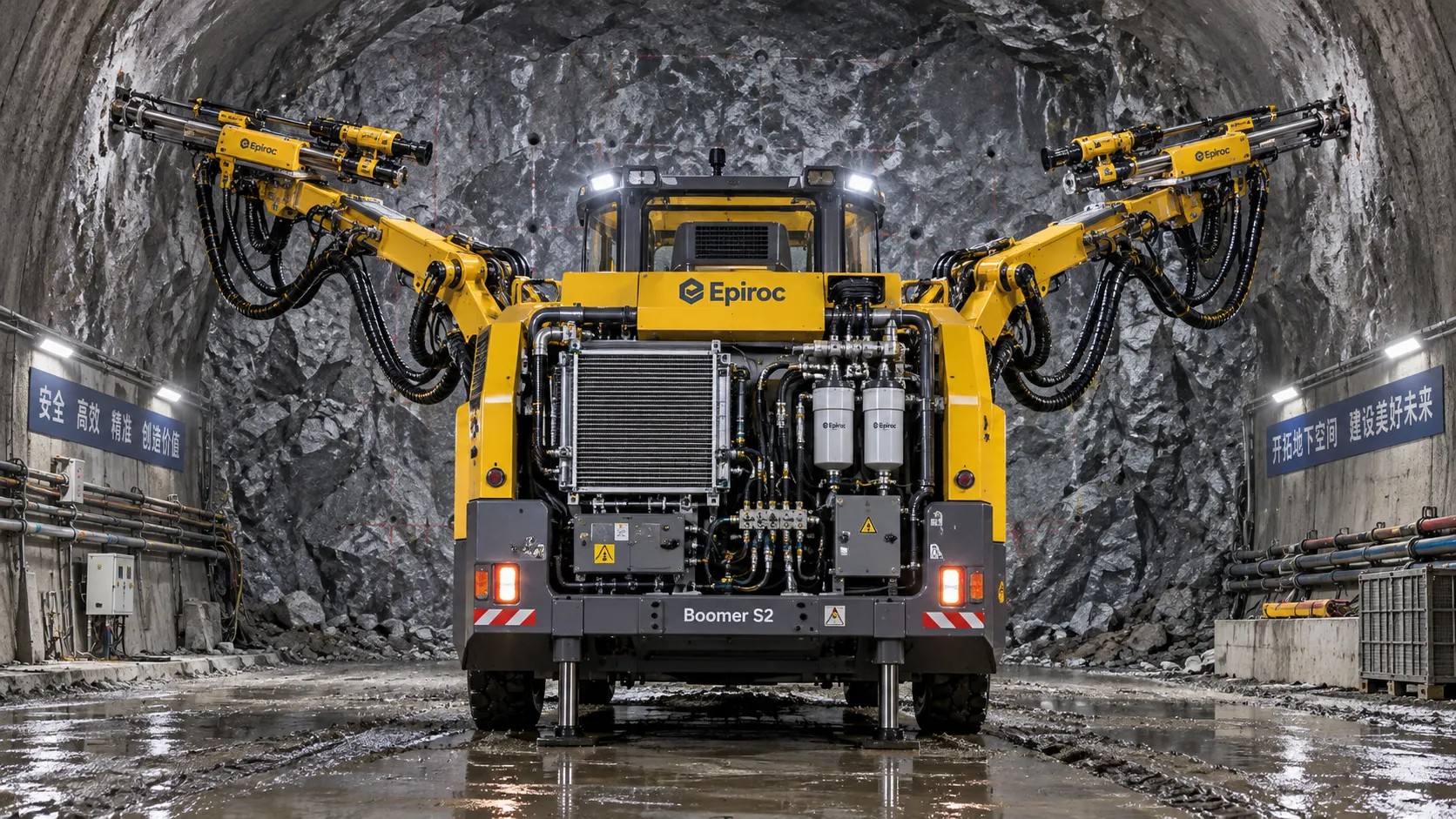
How tunnel hydraulic systems influence drill jumbo uptime underground
Tunnel hydraulic systems directly influence drill jumbo uptime. Explore how stable pressure, clean oil, cooling, and maintainable design reduce underground downtime.
What to verify before appointing a tunneling vehicles manufacturer
Choosing a tunneling vehicles manufacturer? Verify application fit, reliability, compliance, parts support, training, and channel terms before appointing a partner.
Selecting K9 Ductile Iron Pipe for Buried Water Pipeline Conditions
K9 ductile iron pipe selection for buried water pipelines: compare pressure duty, joints, soil loads, corrosion protection, and installation controls for reliable long-term performance.
Related News
- 00
0000-00
Tunnel Boring Machine Costs: Budgeting for Purchase, Operation, and Project Risk - 00
0000-00
Open-Pit Haulage Cost Analysis: How Mine Managers Can Cut Cost per Tonne - 00
0000-00
Tunnel Construction Innovations That Reduce Risk and Schedule Delays on Urban Projects - 00
0000-00
TBM Disc Cutter Design: Key Geometry and Load Factors for Hard Rock Tunnelling - 00
0000-00
Hydraulic Tipping Stability Risks in Multi-Axle Dump Special Trailers
Weekly Insights
Stay ahead with our curated technology reports delivered every Monday.