
Rock Cutting Mechanics: Key Parameters That Affect Penetration Rate and Tool Wear





Why Rock Cutting Mechanics Matters Underground
Rock Cutting Mechanics is not just a lab concept. It directly controls penetration rate, cutter temperature, vibration, and replacement frequency in real underground work.
For TBMs, drilling jumbos, and trenchless systems, small changes in rock response can quickly turn into slower advance, higher energy use, and unexpected tool loss.
UTMD follows this closely because modern underground projects now combine hard-rock excavation, zero-emission limits, automation, and strict uptime targets in the same operating space.
That means operators need a practical read on Rock Cutting Mechanics, not theory alone. The best decisions usually come from checking a few key parameters consistently.
[Image 01: TBM disc cutters engaging mixed hard rock face with labeled penetration, force, and wear zones]
The points below focus on what most often changes penetration rate and tool wear, and what to watch before productivity starts slipping.
Key Parameters That Usually Decide Performance
- Rock strength sets the basic cutting resistance. As UCS rises, penetration usually falls unless thrust, impact energy, or cutter condition is adjusted to maintain stable breakage.
- Rock brittleness often matters as much as strength. Brittle rock chips more cleanly, while tougher rock absorbs energy and pushes wear higher before visible penetration drops.
- Joint spacing changes everything at the face. Closely fractured ground may cut faster, but unstable block release can increase vibration, uneven loading, and sudden edge damage.
- Cutter thrust must match rock response. Too little force causes rubbing, heat, and glazing. Too much force can overload bearings, rings, and mounting structures.
- Penetration per revolution is a useful field signal. If it drops while power stays high, Rock Cutting Mechanics is shifting toward inefficient crushing or excessive friction.
- Tool spacing affects chip formation. Poor spacing creates overlapping stress zones or dead cutting areas, reducing excavation efficiency and accelerating localized wear.
- Rotation speed influences heat and contact time. Higher speed can improve output in some ground, but often increases thermal stress and shortens cutter life.
- Abrasivity is one of the biggest wear drivers. Quartz-rich formations, hard inclusions, and abrasive fines can consume cutters quickly even when penetration still looks acceptable.
- Face water and slurry conditions change friction behavior. Moisture may help cooling, but sticky fines can also pack around tools and distort the cutting response.
- Machine stability matters more than many expect. Frame vibration, boom deviation, or cutterhead imbalance can turn normal Rock Cutting Mechanics into irregular tool loading.
A quick field rule
If penetration rate falls, do not blame the cutter first. Check rock condition, thrust consistency, rotation, and chip formation together.
A worn tool is often the final symptom, not the original cause.
What to Check First When Advance Rate Starts Dropping
- Look at fresh chips and fines. Large, clean chips suggest efficient breakage. Powdery debris usually points to grinding, poor penetration, or an unfavorable contact angle.
- Compare cutter wear across the face. Uniform wear often indicates stable Rock Cutting Mechanics, while isolated heavy wear suggests alignment or geology-driven loading imbalance.
- Review power against net advance. Rising energy per meter is an early warning that the rock-tool interaction is degrading before severe tool failure appears.
- Watch vibration and noise changes closely. Sharp increases often mean interrupted cutting, fractured ground transitions, or a cutter that is no longer rolling correctly.
- Inspect cooling and muck removal conditions. Poor debris evacuation traps abrasive fines near the contact zone and speeds wear on rings, housings, and structural edges.
- Confirm actual ground matches the forecast. A small shift from massive rock to mixed, veined, or silica-rich sections can quickly reset expected penetration behavior.
How Different Underground Scenarios Change Rock Cutting Mechanics
TBM excavation in hard, massive rock
In full-face tunnelling, steady thrust and cutter spacing are usually the main control points. Hard, intact rock needs enough force to create real chip breakage, not surface polishing.
If the cutterhead keeps drawing power without matching advance, the Rock Cutting Mechanics may have shifted toward inefficient crushing. That is often where wear costs begin rising fast.
Drilling jumbo work on highly abrasive walls
With drilling jumbos, bit wear often climbs before operators feel a clear drop in hole progress. Abrasive minerals and poor flushing can hide the real source of reduced efficiency.
A simple check is to compare hole straightness, cuttings shape, and temperature around the tool. These signals often reveal changing Rock Cutting Mechanics earlier than production logs do.
Pipe jacking through mixed ground
Mixed faces are tricky because one side may cut freely while the other rubs or impacts harder inclusions. Wear then appears uneven, and steering corrections become more frequent.
In this situation, face mapping and wear pattern tracking are more useful than relying on average penetration alone.
Commonly Missed Risks Behind Faster Tool Wear
- Rubbing is easy to underestimate. When force is too low or tool rolling is poor, contact heat rises quietly and shortens service life before visible breakage starts.
- Mixed mineral bands can create sudden wear spikes. Average geology data may look safe while thin quartz seams destroy cutters much faster than expected.
- Uneven muck flow can recycle abrasive particles. That keeps sharp fines circulating around the cutting zone and increases wear on both tools and nearby components.
- Delayed tool replacement often increases total cost. A badly worn cutter can transfer damage into mounts, seals, and adjacent cutters in a short operating window.
- Automation does not remove the need for observation. Sensor data is powerful, but visible chip quality and sound changes still matter in Rock Cutting Mechanics decisions.
Useful Benchmarks for Daily Decisions
Practical Adjustments That Usually Help
- Adjust thrust in small steps, not big jumps. This makes it easier to see whether Rock Cutting Mechanics improves through better chip formation or only higher stress.
- Match rotation speed to real wear behavior. If temperature and abrasion rise faster than advance, slower cutting may actually deliver better daily output.
- Replace tools based on condition trends, not only fixed intervals. Wear progression in abrasive or mixed rock is rarely linear across the whole face.
- Record geology beside machine data. Penetration numbers mean much more when tied to joints, quartz bands, water inflow, and blockiness at the face.
- Use short inspection loops after transitions. Every change in lithology, depth, or moisture can reset the working balance between penetration rate and tool wear.
- Bring maintenance into cutting decisions early. Good Rock Cutting Mechanics depends as much on healthy seals, bearings, and alignment as on rock properties.
Why This Matters in Smarter Underground Operations
Across UTMD’s focus areas, from TBMs and pipe jacking systems to drilling jumbos and connected underground fleets, Rock Cutting Mechanics now links directly to energy efficiency and automation quality.
A machine that cuts cleanly uses power better, creates more predictable schedules, and reduces unplanned stoppages that disrupt the wider underground system.
That becomes even more important in electrified and semi-autonomous operations, where stable cutting behavior supports cleaner data, better maintenance timing, and safer production flow.
Where to Focus Next
Start with three things: penetration trend, wear pattern, and chip quality. Those usually give the fastest read on whether Rock Cutting Mechanics is working for or against the machine.
Then connect those observations to thrust, speed, abrasivity, and ground structure. That simple routine often prevents slow efficiency loss from turning into major cutter cost.
When the goal is better advance with lower wear, the smartest move is rarely one big change. It is a series of small, measured adjustments based on how the rock actually breaks.
Related News
How to Evaluate European Drill-and-Blast Tunnelling Contractors for Complex Projects
Drill and blast tunnelling contractors Europe: learn how to assess geology expertise, blast control, equipment reliability, safety, and programme resilience for complex projects.
Which Trenchless Construction Technique Fits Your Utility Crossing Conditions?
Trenchless construction techniques compared for utility crossings: choose HDD, microtunnelling, pipe jacking, or auger boring based on ground, accuracy, access, and risk.

What Is Driving Metro Tunnelling Demand Across Southeast Asia’s Major Cities?
Metro tunnelling Southeast Asia is accelerating as major cities tackle congestion, flooding, and connectivity. Explore the market forces, technical risks, and opportunities shaping demand.
Hard Rock Tunnelling in Australia: Selecting Methods for Variable Ground Conditions
Hard rock tunnelling in Australia: compare TBM, drill-and-blast and hybrid methods to manage variable ground, reduce risk and protect project costs.
Hydropower Tunnel Excavation: Selecting Methods for Variable Rock Conditions
Hydropower tunnel excavation methods for variable rock conditions: compare TBM, drill-and-blast, and hybrid strategies to improve safety, progress, and project control.
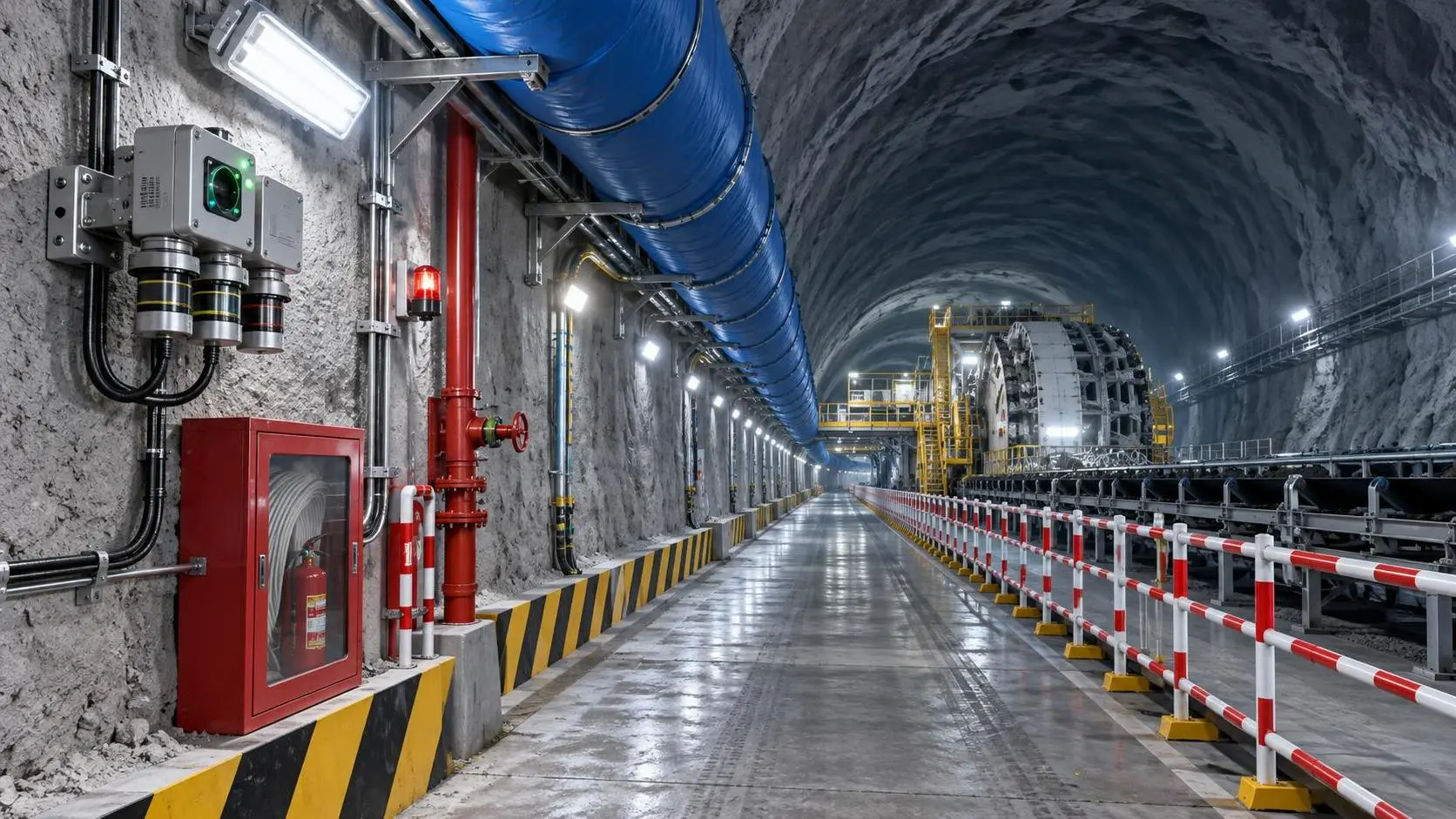
How to Select Underground Safety Equipment for Tunnelling by Hazard and Work Zone
Underground Safety Equipment for tunnelling: match protection to hazards, work zones, compliance, and emergency needs with this practical selection guide.
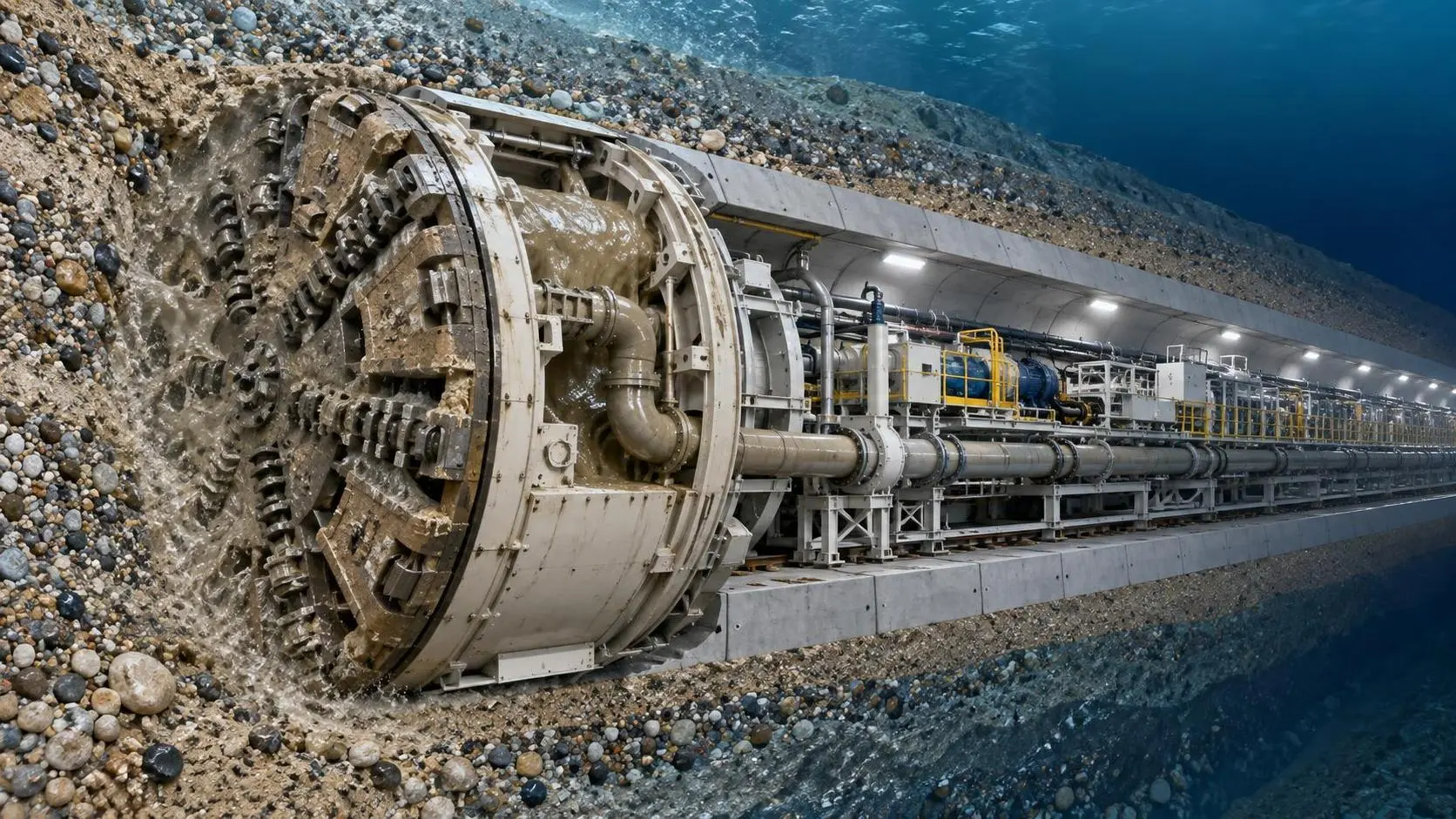
EPB or Slurry Shield? Selecting Soft-Ground Tunnelling Equipment by Soil Conditions
Tunnel Excavation Equipment for soft ground: compare EPB and slurry shields by soil, groundwater, settlement risk, and project logistics to choose confidently.
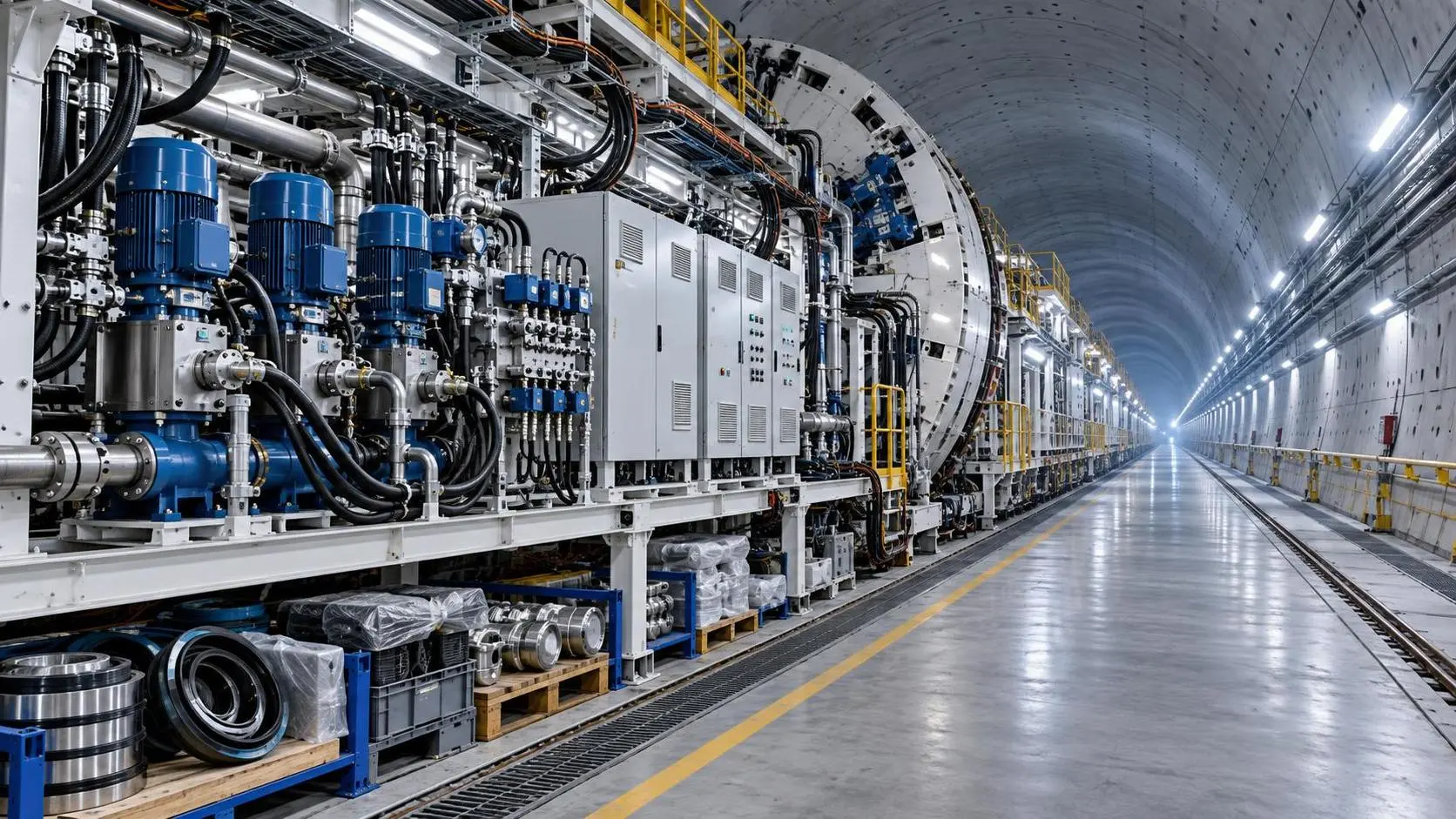
How to Specify TBM Backup System Parts for Reliable Long-Distance Tunnelling
TBM backup system parts: learn how to specify reliable spares for long-distance tunnelling, reduce downtime, ensure compatibility, and speed underground recovery.
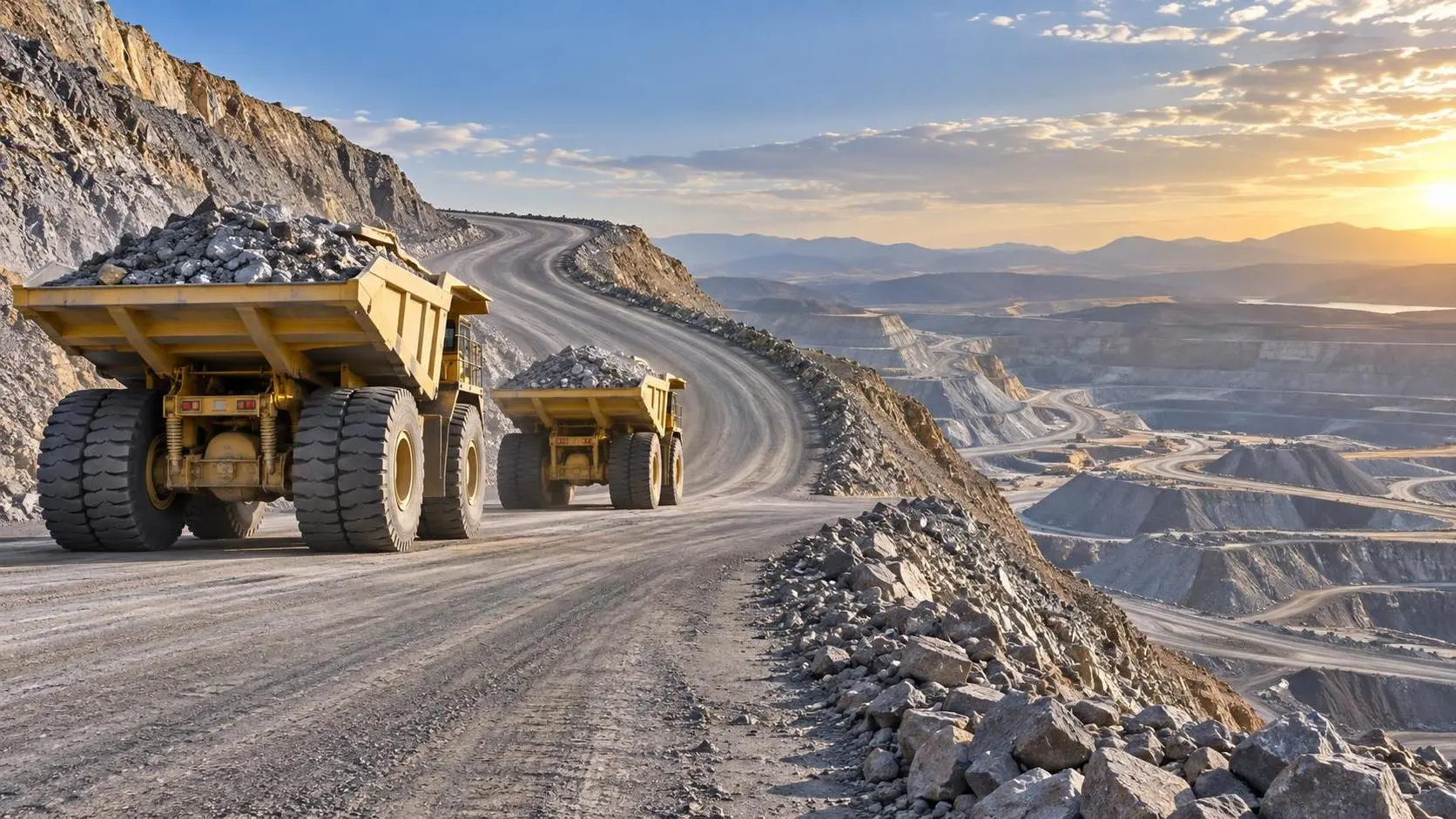
How to Size Open Pit Mining Trucks for Haul Distance, Grade, and Payload?
Open Pit Mining Trucks: learn how to match payload, haul distance, grade, road resistance, and loading capacity for safer, lower-cost mine operations.
Related News
- 00
0000-00
How to Evaluate European Drill-and-Blast Tunnelling Contractors for Complex Projects - 00
0000-00
Which Trenchless Construction Technique Fits Your Utility Crossing Conditions? - 00
0000-00
What Is Driving Metro Tunnelling Demand Across Southeast Asia’s Major Cities? - 00
0000-00
Hard Rock Tunnelling in Australia: Selecting Methods for Variable Ground Conditions - 00
0000-00
Hydropower Tunnel Excavation: Selecting Methods for Variable Rock Conditions
Weekly Insights
Stay ahead with our curated technology reports delivered every Monday.