
TBM Excavation in Europe: Key Project Factors, Ground Conditions, and Delivery Risks





Why TBM excavation Europe decisions change from one project to another
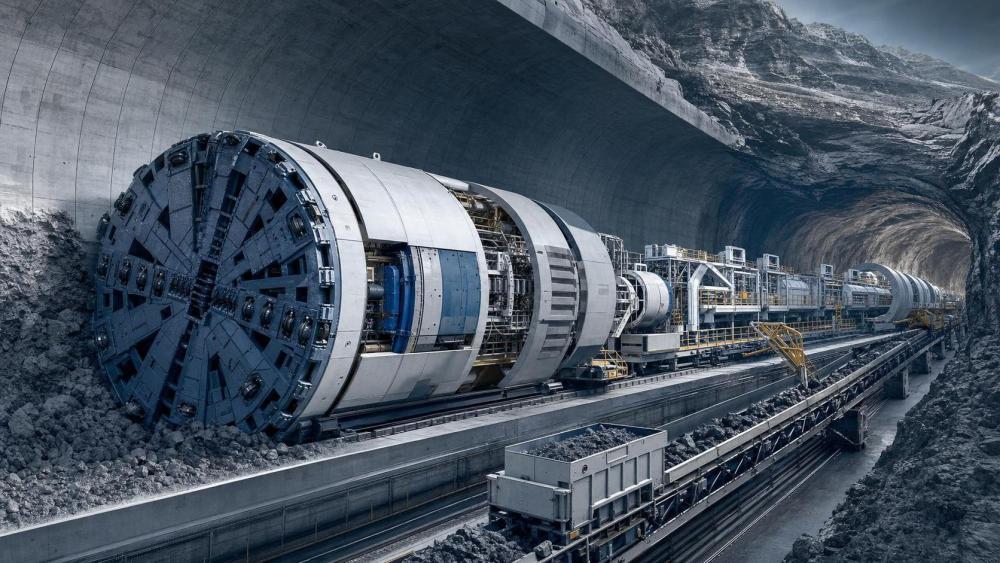
TBM excavation Europe work rarely succeeds through machine selection alone.
The real pressure comes from aligning geology, tunnel purpose, logistics, permitting, and delivery structure before excavation starts.
A metro drive under a historic city behaves differently from a base tunnel through alpine rock.
A utility tunnel near dense services raises different questions again.
That is why TBM excavation Europe planning often begins with scenario judgment rather than equipment branding.
UTMD follows this market through its wider underground intelligence lens.
Its coverage of TBMs, trenchless systems, drilling equipment, and zero-emission mining transport reflects a simple reality.
Underground performance depends on how systems interact inside constrained, high-risk spaces.
In practical terms, the strongest early decisions usually concern ground uncertainty, access strategy, spoil handling, segment logistics, and risk ownership.
When those factors are treated separately, even technically advanced TBM excavation Europe programs can lose schedule certainty.
Ground conditions shape the delivery model before they shape the cutterhead
European tunnelling routes often cross mixed formations over short distances.
Hard rock, faulted zones, swelling clay, glacial deposits, and high groundwater may all appear within one alignment.
That variation changes more than penetration rate.
It affects intervention frequency, conditioning demand, wear exposure, and the time needed for safe recovery from unstable sections.
In long mountain tunnels, the priority is often rock mass behavior over long distances.
Cutter consumption, fault response, probe drilling, and ventilation resilience become central.
In urban TBM excavation Europe projects, settlement control usually dominates early decisions.
Face pressure stability, groundwater management, and compatibility with nearby foundations can outweigh pure advance speed.
A frequent mistake is treating geotechnical baseline data as if it were a complete operational forecast.
In reality, baseline reports define a starting risk position.
They do not remove the need for contingency planning around intervention chambers, spare parts, and specialist crews.
Typical project settings require different judgment points
This is where tbm excavation Europe planning becomes less about a generic specification sheet and more about operational fit.
In cities, logistics and stakeholder pressure often become the hidden critical path
Urban TBM excavation Europe jobs are often judged by public disruption as much as engineering output.
Launch shafts may be tight.
Spoil transport may depend on night windows, rail sidings, or enclosed trucking plans.
Segment deliveries can be limited by city access regulations or noise thresholds.
In these settings, a technically suitable TBM can still underperform if surface logistics are underdesigned.
More experienced teams usually test several scenarios together.
They compare planned advance rates with actual mucking capacity, crane availability, and temporary storage limits.
They also map stakeholder sensitivity around schools, hospitals, heritage structures, and major transport corridors.
That wider view matches UTMD’s emphasis on intelligence stitching across machines, logistics, and underground operating environments.
The same logic seen in smart mining fleets applies here.
System reliability matters most when confined spaces leave little room for recovery.
Long tunnels demand a different balance between output, access, and resilience
For long cross-border or mountainous alignments, TBM excavation Europe decisions usually shift toward endurance.
Daily production still matters, but uninterrupted operation matters more.
A remote section with limited intervention access can turn a small failure into a major contractual event.
This is why cutterhead inspection philosophy, backup train reliability, and spare component positioning become commercial issues, not only engineering topics.
Hard rock sections especially require attention to disc cutter wear patterns and replacement cycles.
UTMD’s focus on wear models in extreme rock is relevant because cost overruns often begin with underestimated wear variability.
Where rock quality changes quickly, the right question is not whether the TBM can cut.
The right question is how fast the whole delivery chain can respond when cutting conditions change.
- Confirm recovery plans for damaged tools and unstable faces.
- Check whether probe drilling and grouting can keep pace with advance.
- Review segment, power, slurry, or conveyor systems as one linked package.
- Allow for cross-border standards, labor rules, and approval sequences.
Different contract structures change delivery risk more than many teams expect
Two TBM excavation Europe projects with similar geology can behave very differently under different contracts.
Risk transfer clauses, baseline definitions, and responsibility for changed ground conditions directly affect behavior on site.
When risk sits too heavily with one party, reporting can become defensive.
That usually delays response to emerging ground or equipment issues.
Design-build structures may improve coordination, yet they also require stronger early integration of geotechnical interpretation and machine strategy.
Alliance-style approaches can reduce dispute friction in complex alignments, especially where investigation data remains incomplete.
A common misjudgment is focusing only on procurement price and nominal advance capacity.
In practice, claims exposure, downtime responsibility, and intervention approval protocols often have greater cost impact.
That is why commercially mature TBM excavation Europe planning includes technical and legal scenario testing together.
Where project teams often misread the situation
- Assuming similar tunnel diameters mean similar risk profiles.
- Using average geology values instead of transition-zone planning.
- Treating logistics as a support function rather than a production constraint.
- Comparing CAPEX closely, while ignoring wear, intervention, and standby costs.
- Overlooking environmental and zero-emission expectations around support fleets and site power.
What a workable TBM excavation Europe review should include before launch
A useful review framework stays practical.
It should connect technical assumptions with delivery conditions that can actually slow or stabilize progress.
The first step is to separate predictable ground behavior from uncertain ground behavior along the alignment.
The second is to test whether the chosen TBM concept remains effective during those transitions, not only in ideal sections.
Then the review should move outward.
Check power supply stability, shaft interfaces, spoil evacuation, segment storage, maintenance access, and specialist crew availability.
Where ESG rules are tightening, confirm how site operations handle emissions, energy use, and underground ventilation loads.
That broader systems view is increasingly relevant across Europe, where infrastructure delivery is expected to be efficient, auditable, and environmentally disciplined.
If those checks are done early, tbm excavation Europe decisions become more resilient and less reactive.
The next step is not more data alone, but better scenario alignment
The strongest TBM excavation Europe outcomes usually come from disciplined alignment between route conditions, machine concept, logistics, and contract behavior.
That alignment looks different in dense cities, long alpine drives, and utility corridors with tight access.
What matters is not copying a previous project too closely.
It is defining where this project’s risk really sits.
A practical next move is to map the route into operating scenarios, compare each scenario against logistics and intervention capacity, and then test whether commercial assumptions still hold under adverse ground behavior.
That kind of structured review gives TBM excavation Europe programs a firmer basis for schedule certainty, cost control, and long-term underground performance.
Related News
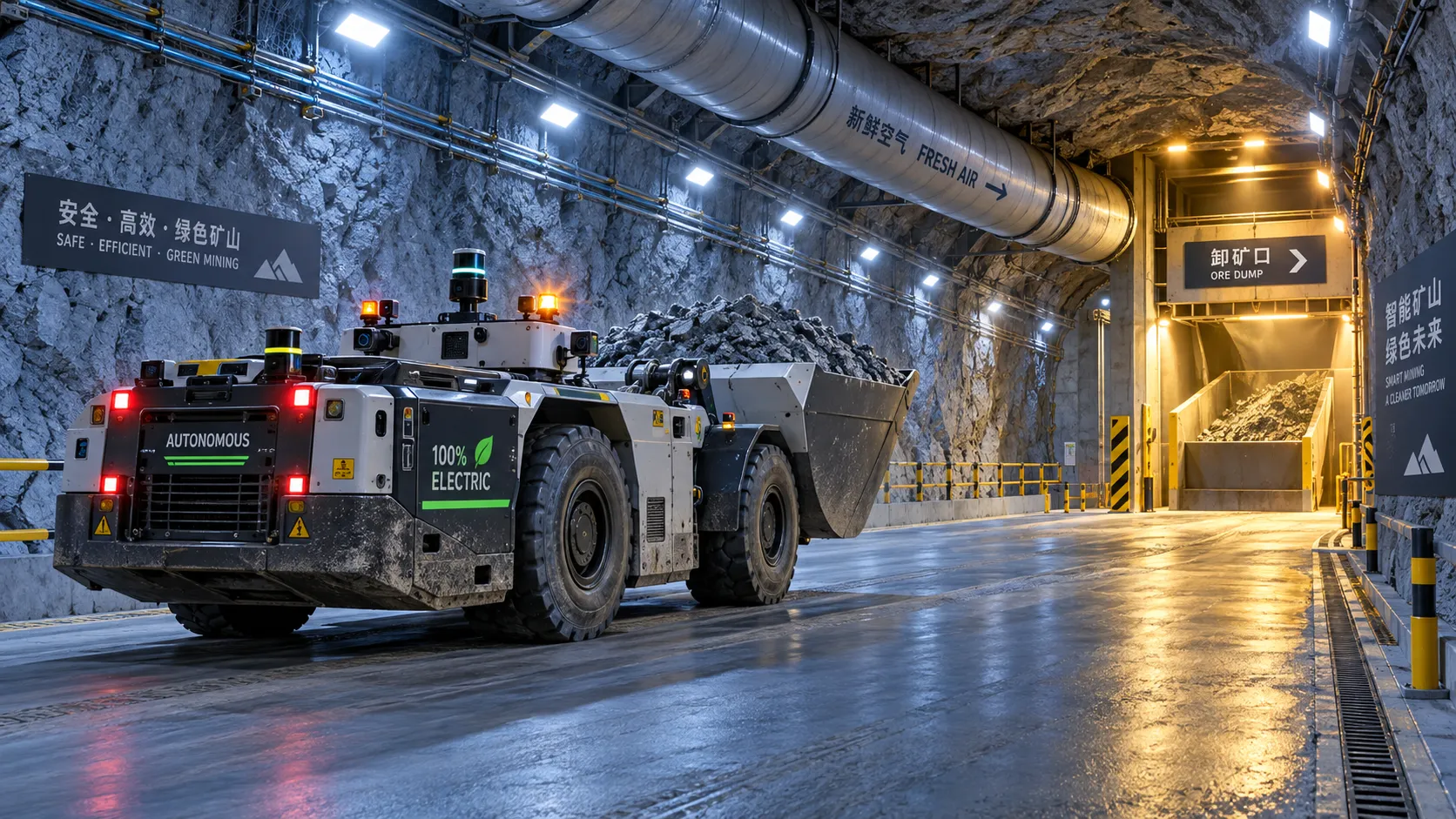
Where Autonomous Mining Loaders Deliver the Most Value in Underground Operations
Autonomous Mining Loaders deliver greater underground value through safer blast-zone work, repeatable haul cycles, and improved ventilation efficiency. Discover the best deployment zones.
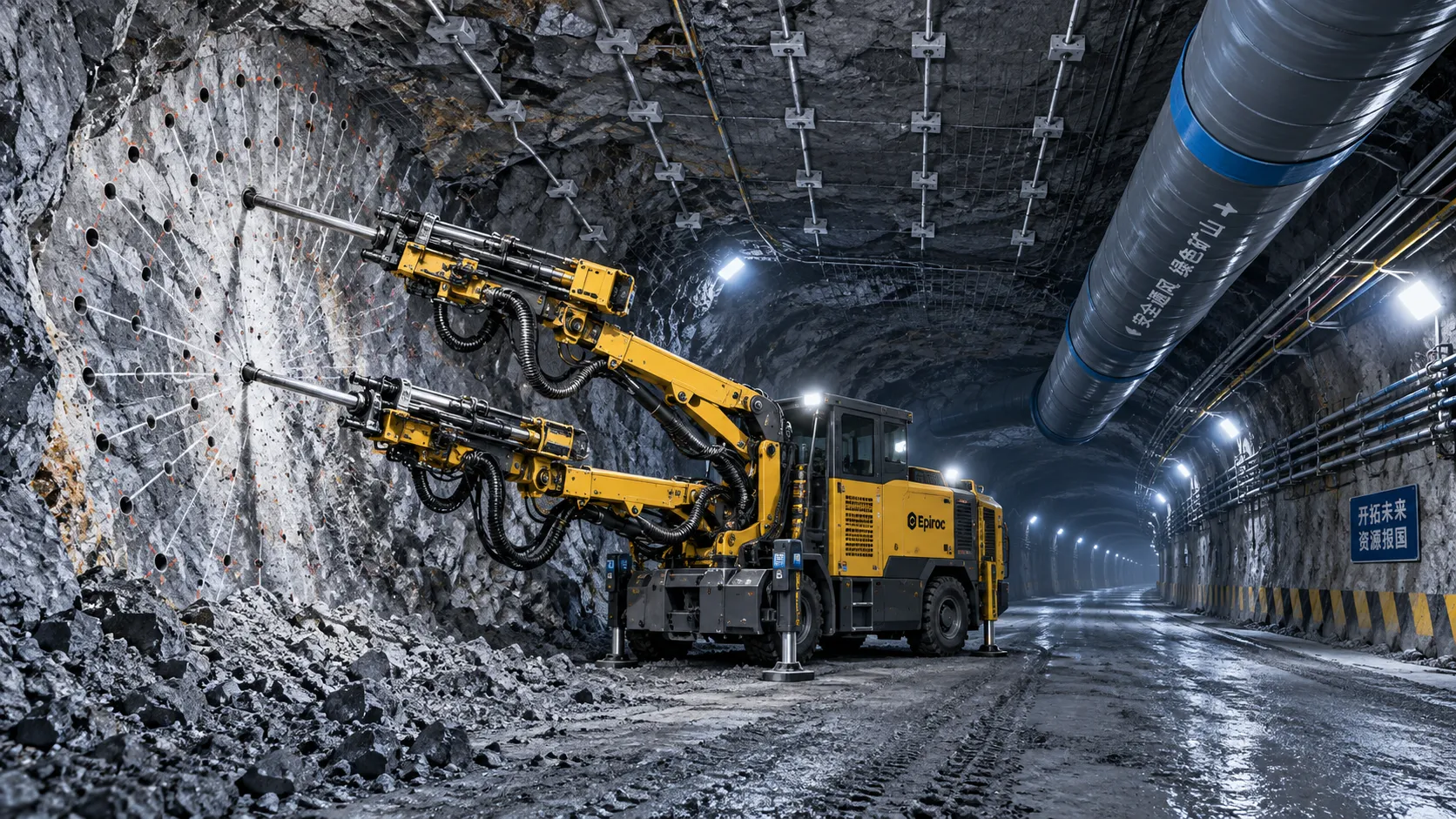
Underground Drilling for Mining: Selecting Methods for Rock Conditions and Mine Layout
Underground drilling for mining: learn how to match drilling methods to rock conditions, mine layout, accuracy needs, ground support, and cycle efficiency.
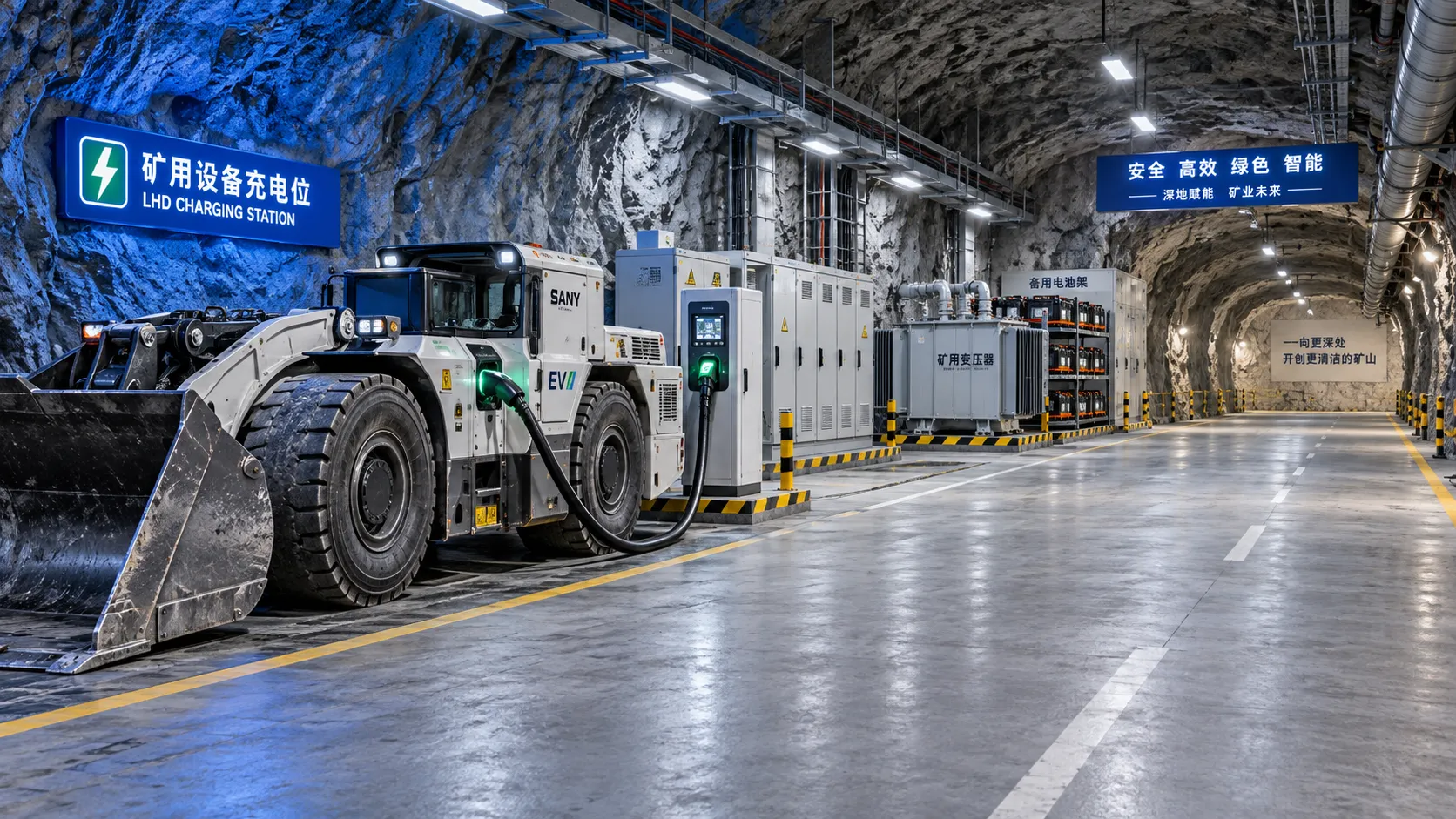
Underground Mine Electrification: How to Size Battery Fleets and Charging Capacity
Mining electrification for underground mines: learn how to size battery fleets, chargers, and power capacity to prevent queues, peak-load issues, and production downtime.

How to Evaluate European Drill-and-Blast Tunnelling Contractors for Complex Projects
Drill and blast tunnelling contractors Europe: learn how to assess geology expertise, blast control, equipment reliability, safety, and programme resilience for complex projects.

Which Trenchless Construction Technique Fits Your Utility Crossing Conditions?
Trenchless construction techniques compared for utility crossings: choose HDD, microtunnelling, pipe jacking, or auger boring based on ground, accuracy, access, and risk.

What Is Driving Metro Tunnelling Demand Across Southeast Asia’s Major Cities?
Metro tunnelling Southeast Asia is accelerating as major cities tackle congestion, flooding, and connectivity. Explore the market forces, technical risks, and opportunities shaping demand.

Hard Rock Tunnelling in Australia: Selecting Methods for Variable Ground Conditions
Hard rock tunnelling in Australia: compare TBM, drill-and-blast and hybrid methods to manage variable ground, reduce risk and protect project costs.

Hydropower Tunnel Excavation: Selecting Methods for Variable Rock Conditions
Hydropower tunnel excavation methods for variable rock conditions: compare TBM, drill-and-blast, and hybrid strategies to improve safety, progress, and project control.

How to Select Underground Safety Equipment for Tunnelling by Hazard and Work Zone
Underground Safety Equipment for tunnelling: match protection to hazards, work zones, compliance, and emergency needs with this practical selection guide.
Related News
- 00
0000-00
Where Autonomous Mining Loaders Deliver the Most Value in Underground Operations - 00
0000-00
Underground Drilling for Mining: Selecting Methods for Rock Conditions and Mine Layout - 00
0000-00
Underground Mine Electrification: How to Size Battery Fleets and Charging Capacity - 00
0000-00
How to Evaluate European Drill-and-Blast Tunnelling Contractors for Complex Projects - 00
0000-00
Which Trenchless Construction Technique Fits Your Utility Crossing Conditions?
Weekly Insights
Stay ahead with our curated technology reports delivered every Monday.