
Tunnel Automation Software: Which Features Matter for Drill, Haul, and Safety Workflows?





Tunnel Automation Software: Which Features Matter for Drill, Haul, and Safety Workflows?
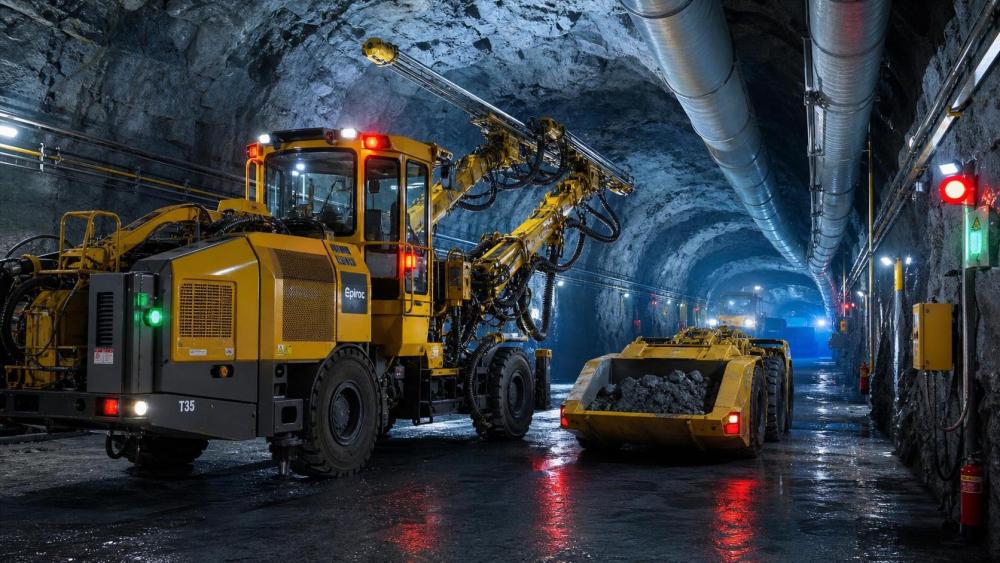
As underground projects grow more complex, tunnel automation software moves from optional to essential.
Teams now need tighter coordination between drilling, hauling, ventilation, and safety systems.
That pressure is stronger in hard rock tunnels, deep mines, and mixed fleets.
For technical evaluation, the real question is not whether to automate.
It is which software capabilities actually improve production, safety, and equipment utilization.
Good tunnel automation software should connect machine control, operator guidance, and site intelligence.
It should also stay reliable in dusty, humid, low-visibility, communication-constrained environments.
That is where many platforms look similar in demos but differ sharply in field performance.
Why tunnel automation software now sits at the center of underground operations
Recent changes make this shift easier to see.
Projects are expected to deliver more meters, fewer incidents, and lower emissions at the same time.
Meanwhile, fleets increasingly mix drilling jumbos, LHDs, dump trucks, fixed sensors, and remote control stations.
Without a software layer, those assets remain isolated and reactive.
With the right tunnel automation software, data becomes operational guidance rather than passive reporting.
This matters especially where drill-and-blast cycles depend on sequence discipline.
A delay in face mapping can affect drilling accuracy.
A delay in mucking can slow support work.
A missed safety alert can shut down the whole heading.
So the platform must support workflows, not just machines.
Core features for drill workflow control
Drilling is where tunnel automation software often proves its value first.
Poor hole placement, inconsistent penetration, and weak pattern compliance quickly create downstream cost.
That includes overbreak, underbreak, poor fragmentation, and longer scaling or support time.
What to look for
- Digital drill plan import with version control and clear revision history.
- Face alignment using laser, total station, or onboard navigation inputs.
- Automatic boom positioning and hole collaring guidance.
- Real-time deviation tracking for angle, depth, and spacing.
- Rock condition logging linked to exact hole coordinates.
- Shift-level reporting that compares planned versus drilled patterns.
The best tunnel automation software does more than automate booms.
It turns each round into structured data for continuous improvement.
That helps engineers refine patterns by geology zone, heading type, or support class.
In practice, that is far more useful than generic automation claims.
Features that improve haul cycle performance
Haulage looks simple on paper, but underground it is full of friction points.
Traffic conflicts, loader waiting time, battery constraints, and route changes can erode productivity quickly.
This is why tunnel automation software must support dynamic haul coordination.
High-value haul functions
- Fleet dispatching based on location, queue status, and task priority.
- Traffic management with exclusion zones and one-way control logic.
- Cycle-time analytics for loading, travel, dumping, and idle events.
- Integration with battery swapping or charging schedules.
- Remote or autonomous mode support for LHDs and haul trucks.
- Route optimization that adapts to closures, gradients, and ventilation limits.
A common evaluation mistake is focusing only on autonomous driving features.
The stronger signal is coordination quality across the whole haul loop.
If the software cannot synchronize LHD dispatch, ore pass status, and face readiness, gains stay limited.
Good tunnel automation software reduces waiting, not just driver workload.
Safety features that deserve the most attention
Safety claims are easy to market, but harder to validate.
In tunnel and underground mining settings, the software must react fast and fail safely.
That means linking people, machines, geotechnical signals, and environmental readings in real time.
Critical safety capabilities
- Personnel tracking with zone awareness and intrusion alerts.
- Proximity detection between machines, pedestrians, and restricted areas.
- Gas, dust, temperature, and ventilation monitoring with action thresholds.
- Automated event logging for near misses, stops, and overrides.
- Remote shutdown logic tied to verified hazard conditions.
- Digital permit and access control support for high-risk zones.
More importantly, alerts must be actionable.
Too many alarms, poor prioritization, or weak context can overwhelm control room teams.
So when comparing tunnel automation software, examine the escalation logic carefully.
Ask how alerts are filtered, acknowledged, investigated, and closed.
Integration, interoperability, and data quality
This is often where technical evaluations become decisive.
Even strong features lose value if the platform cannot exchange reliable data.
Underground sites rarely run a clean, single-vendor environment.
They usually combine legacy equipment, newer autonomous units, and separate planning systems.
Questions worth asking vendors
- Which machine protocols and OEM interfaces are already supported?
- How does the platform handle network loss and delayed synchronization?
- Can it merge sensor data, production data, and maintenance data in one timeline?
- What audit trail exists for manual edits and operator overrides?
- How are data ownership, export, and API access managed?
Reliable tunnel automation software should support edge processing and resilient offline behavior.
That matters because underground communications remain uneven in many headings.
If the system collapses during network gaps, it is not ready for production use.
How to judge usability, reliability, and rollout risk
A technically rich platform can still fail if crews resist it.
Usability matters because underground workflows depend on fast decisions and simple interfaces.
Operators do not need crowded dashboards during a live production shift.
They need clear prompts, stable controls, and visible exceptions.
Practical evaluation criteria
- Time required to train operators, supervisors, and maintenance teams.
- Recovery behavior after sensor faults, restarts, or communication drops.
- Clarity of role-based screens for drill, haul, and safety tasks.
- Cybersecurity controls for remote access and machine command functions.
- Vendor service depth for commissioning, tuning, and workflow adaptation.
A useful approach is to test tunnel automation software against one complete cycle.
Start with face survey and drill execution.
Then follow blasting clearance, mucking, hauling, and re-entry safety checks.
That full-cycle view exposes weak handoffs much faster than feature checklists.
A simple decision framework for technical selection
When comparing options, keep the evaluation grounded in site outcomes.
Tunnel automation software should be scored by operational effect, not presentation quality.
A strong platform will usually show balance across all five categories.
If one area is clearly weak, the whole automation chain may suffer later.
Final takeaway
The best tunnel automation software is not the one with the longest feature list.
It is the one that makes drill, haul, and safety workflows more predictable every shift.
For technical selection, focus on field reliability, workflow integration, and usable intelligence.
Then test those claims against real underground constraints, not showroom conditions.
That approach gives tunnel automation software a clear role in safer, faster, and more data-driven underground performance.
For teams building future-ready operations, that is the feature set that truly matters.
Related News
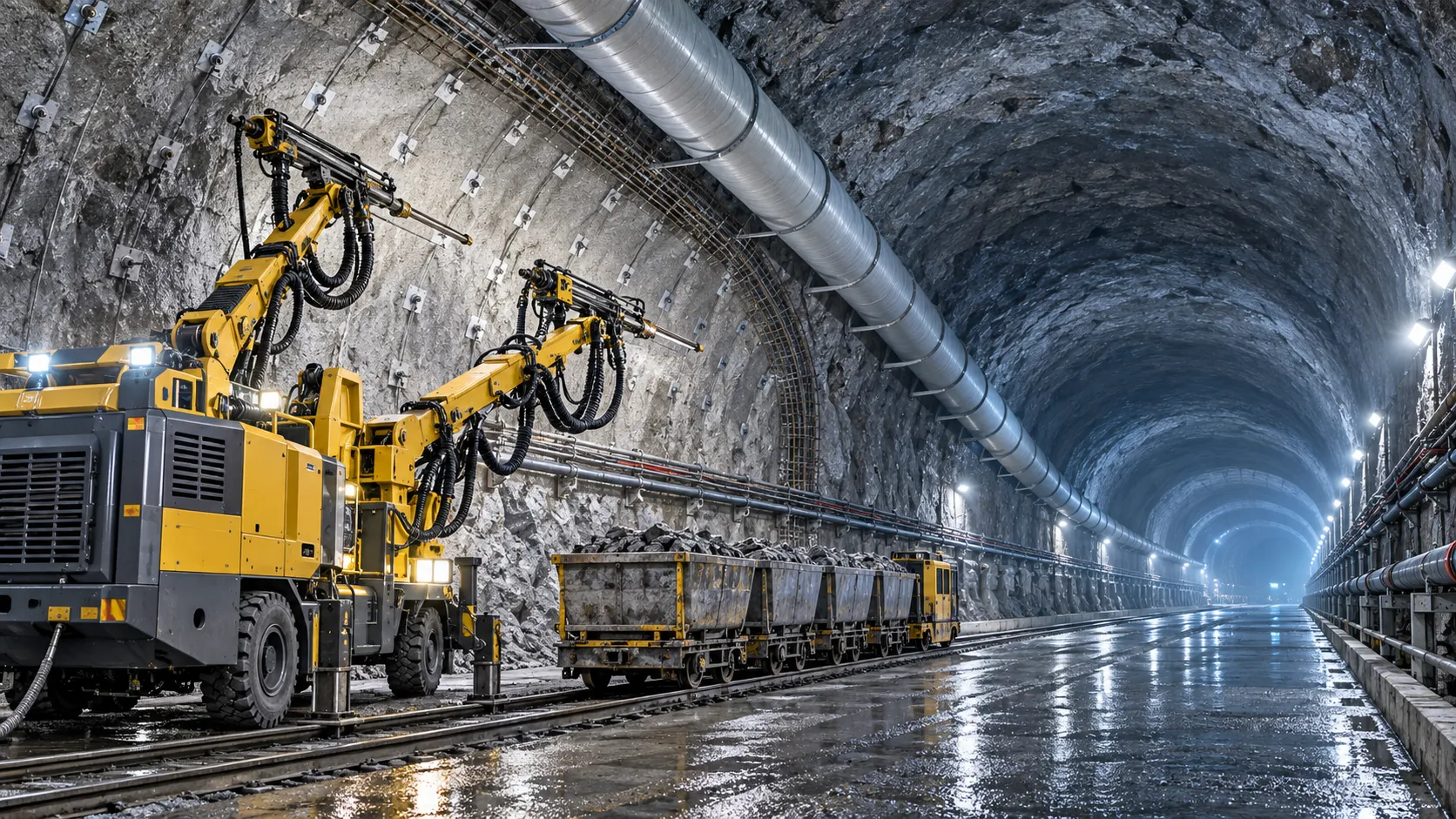
How to Evaluate European Drill-and-Blast Tunnelling Contractors for Complex Projects
Drill and blast tunnelling contractors Europe: learn how to assess geology expertise, blast control, equipment reliability, safety, and programme resilience for complex projects.
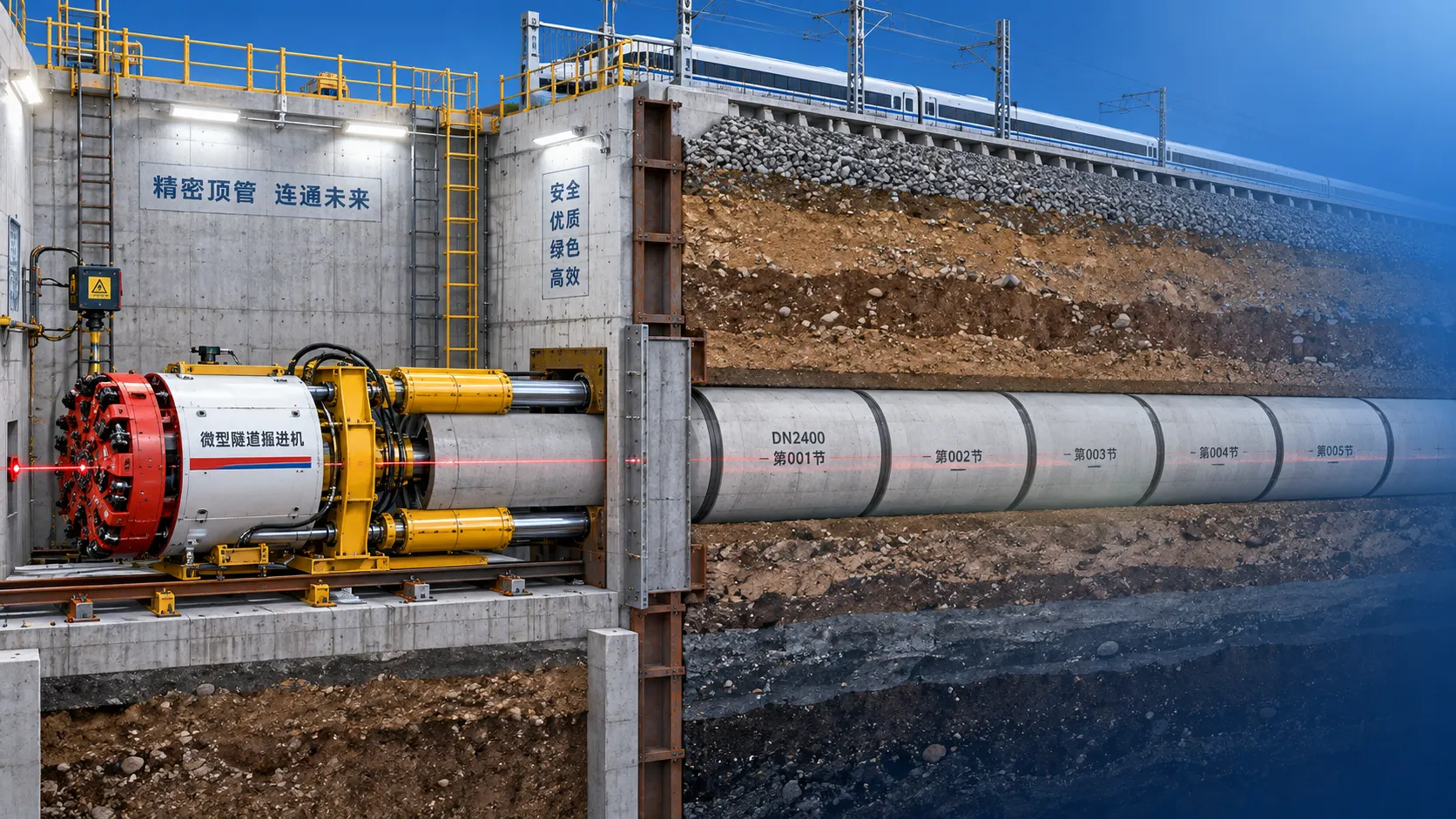
Which Trenchless Construction Technique Fits Your Utility Crossing Conditions?
Trenchless construction techniques compared for utility crossings: choose HDD, microtunnelling, pipe jacking, or auger boring based on ground, accuracy, access, and risk.
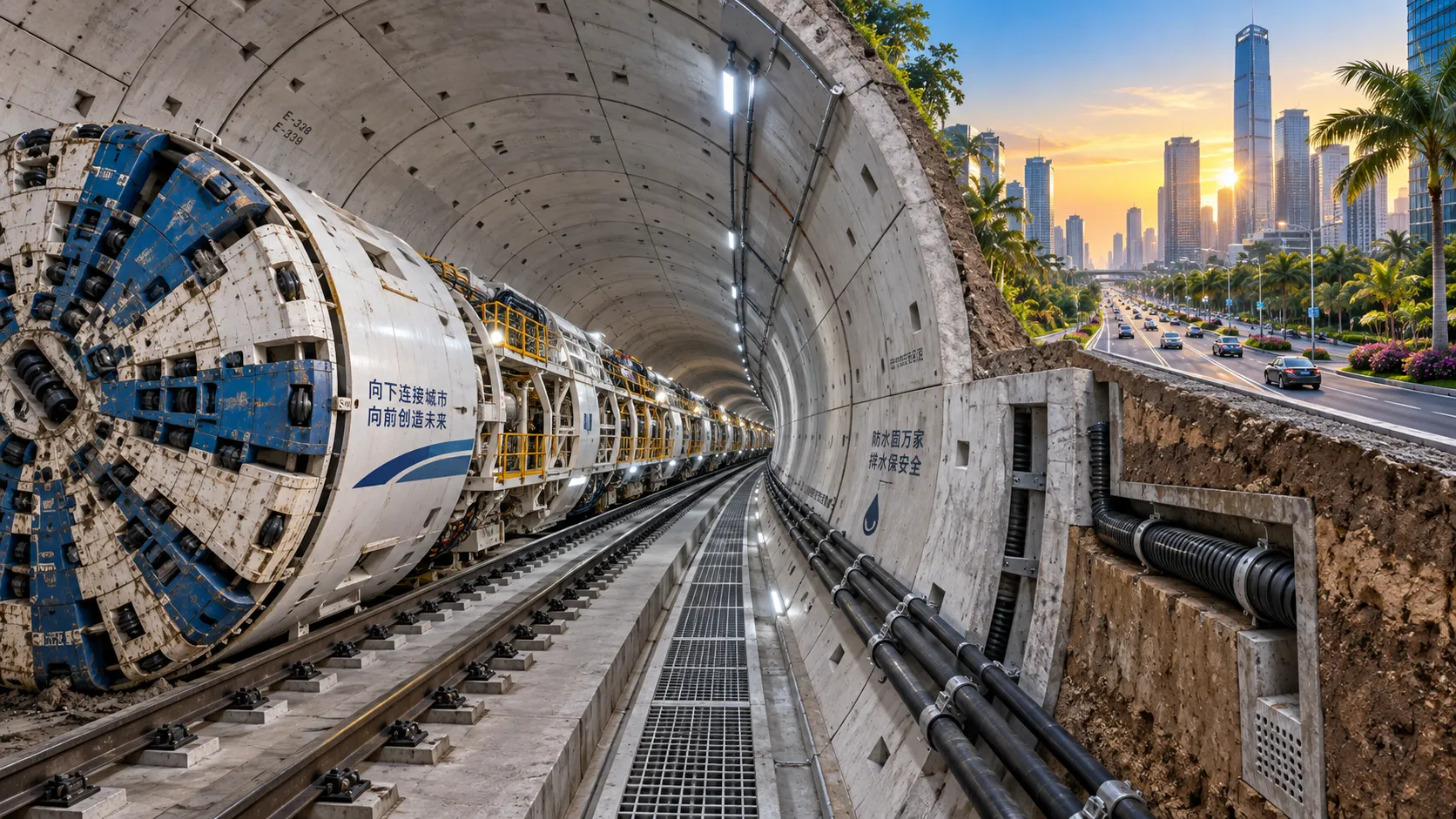
What Is Driving Metro Tunnelling Demand Across Southeast Asia’s Major Cities?
Metro tunnelling Southeast Asia is accelerating as major cities tackle congestion, flooding, and connectivity. Explore the market forces, technical risks, and opportunities shaping demand.
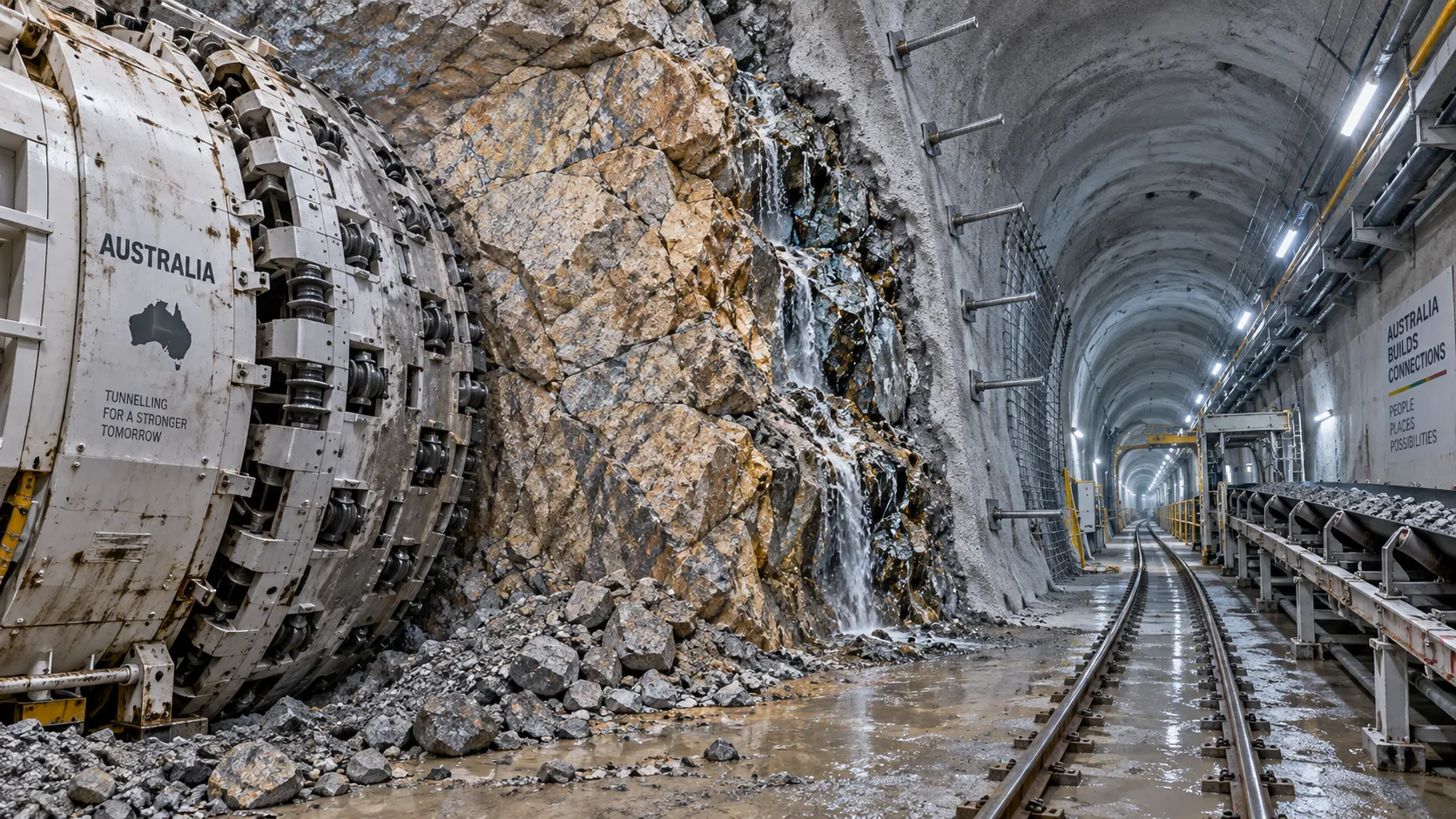
Hard Rock Tunnelling in Australia: Selecting Methods for Variable Ground Conditions
Hard rock tunnelling in Australia: compare TBM, drill-and-blast and hybrid methods to manage variable ground, reduce risk and protect project costs.
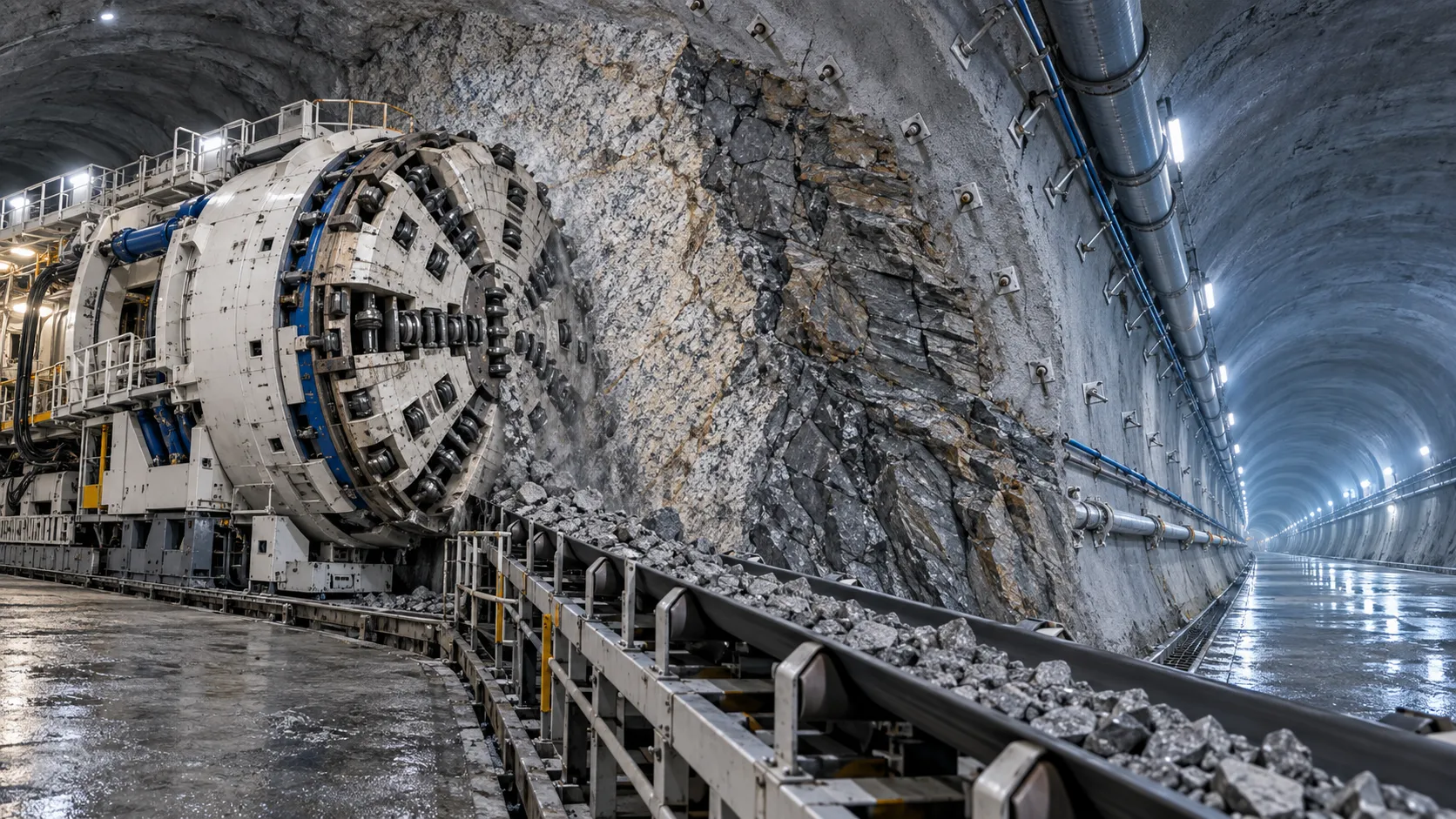
Hydropower Tunnel Excavation: Selecting Methods for Variable Rock Conditions
Hydropower tunnel excavation methods for variable rock conditions: compare TBM, drill-and-blast, and hybrid strategies to improve safety, progress, and project control.
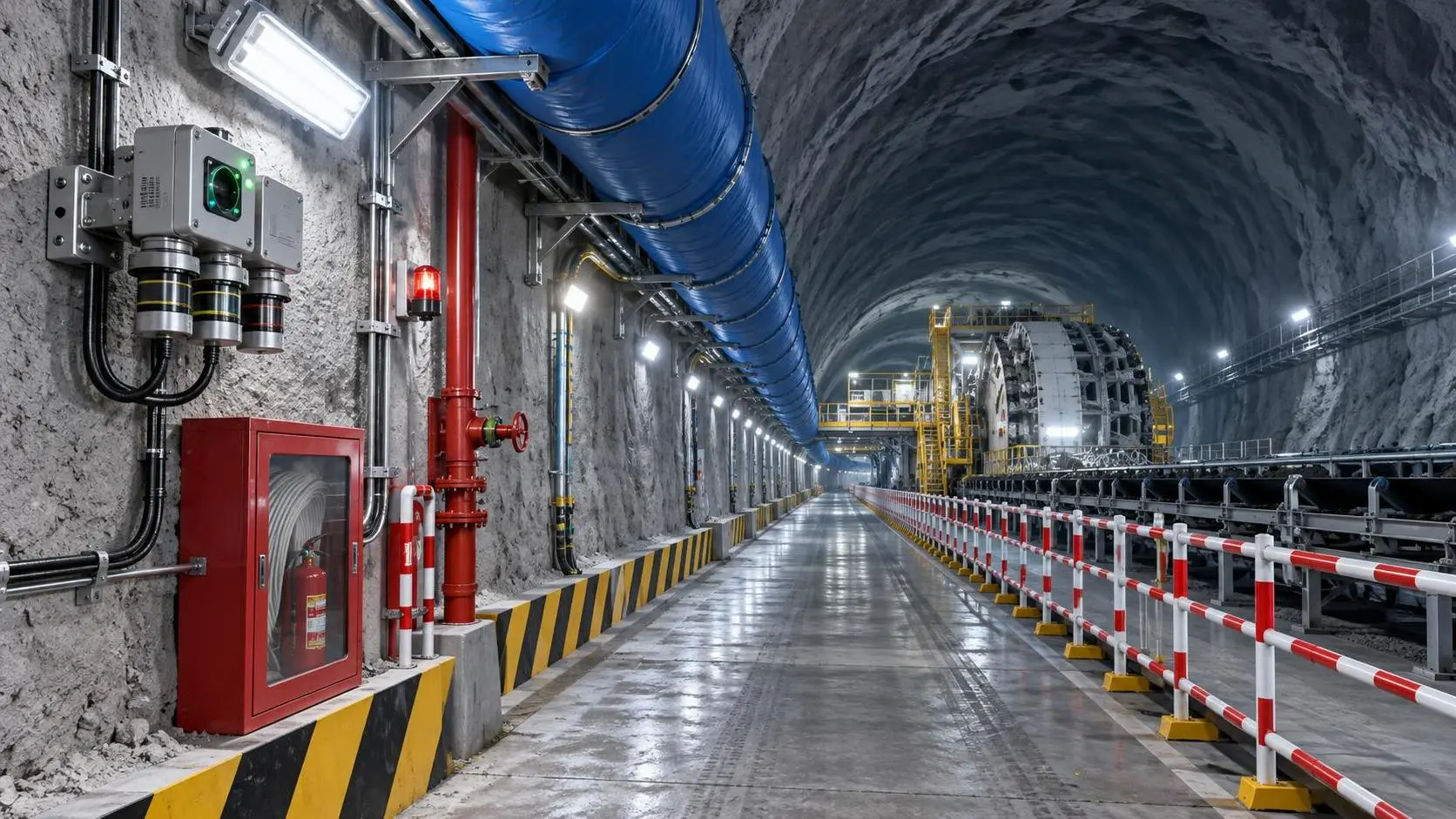
How to Select Underground Safety Equipment for Tunnelling by Hazard and Work Zone
Underground Safety Equipment for tunnelling: match protection to hazards, work zones, compliance, and emergency needs with this practical selection guide.
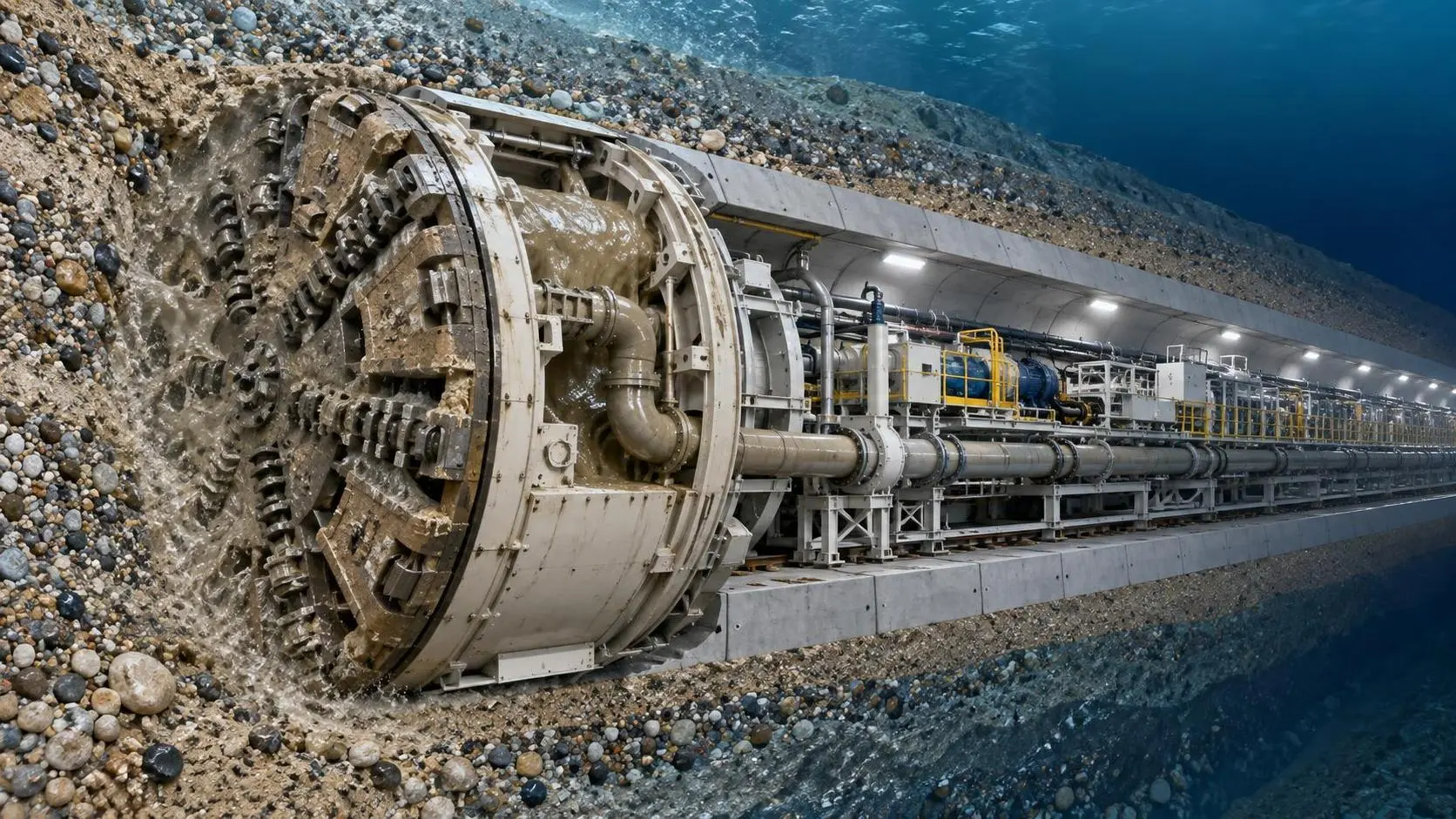
EPB or Slurry Shield? Selecting Soft-Ground Tunnelling Equipment by Soil Conditions
Tunnel Excavation Equipment for soft ground: compare EPB and slurry shields by soil, groundwater, settlement risk, and project logistics to choose confidently.
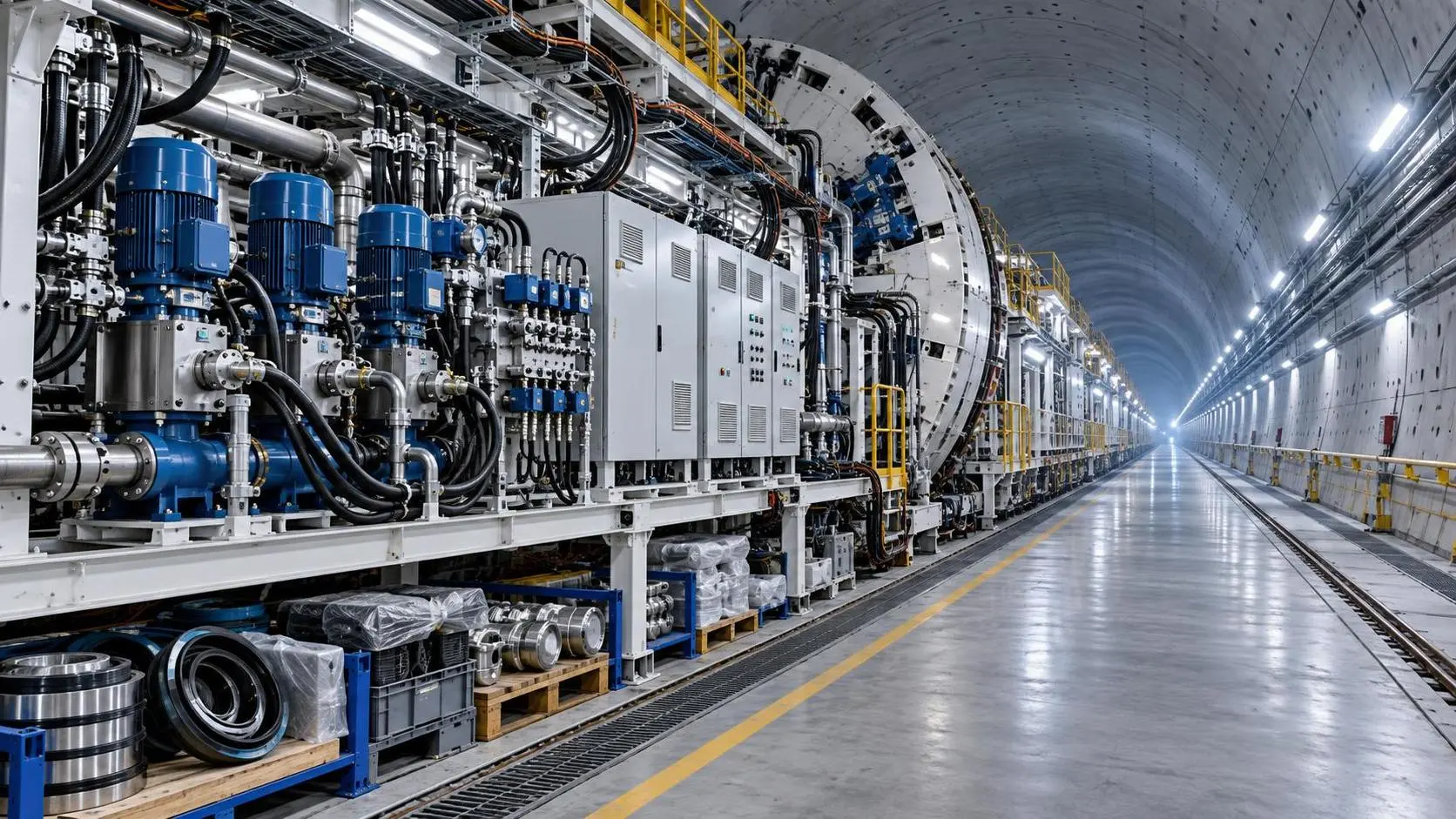
How to Specify TBM Backup System Parts for Reliable Long-Distance Tunnelling
TBM backup system parts: learn how to specify reliable spares for long-distance tunnelling, reduce downtime, ensure compatibility, and speed underground recovery.
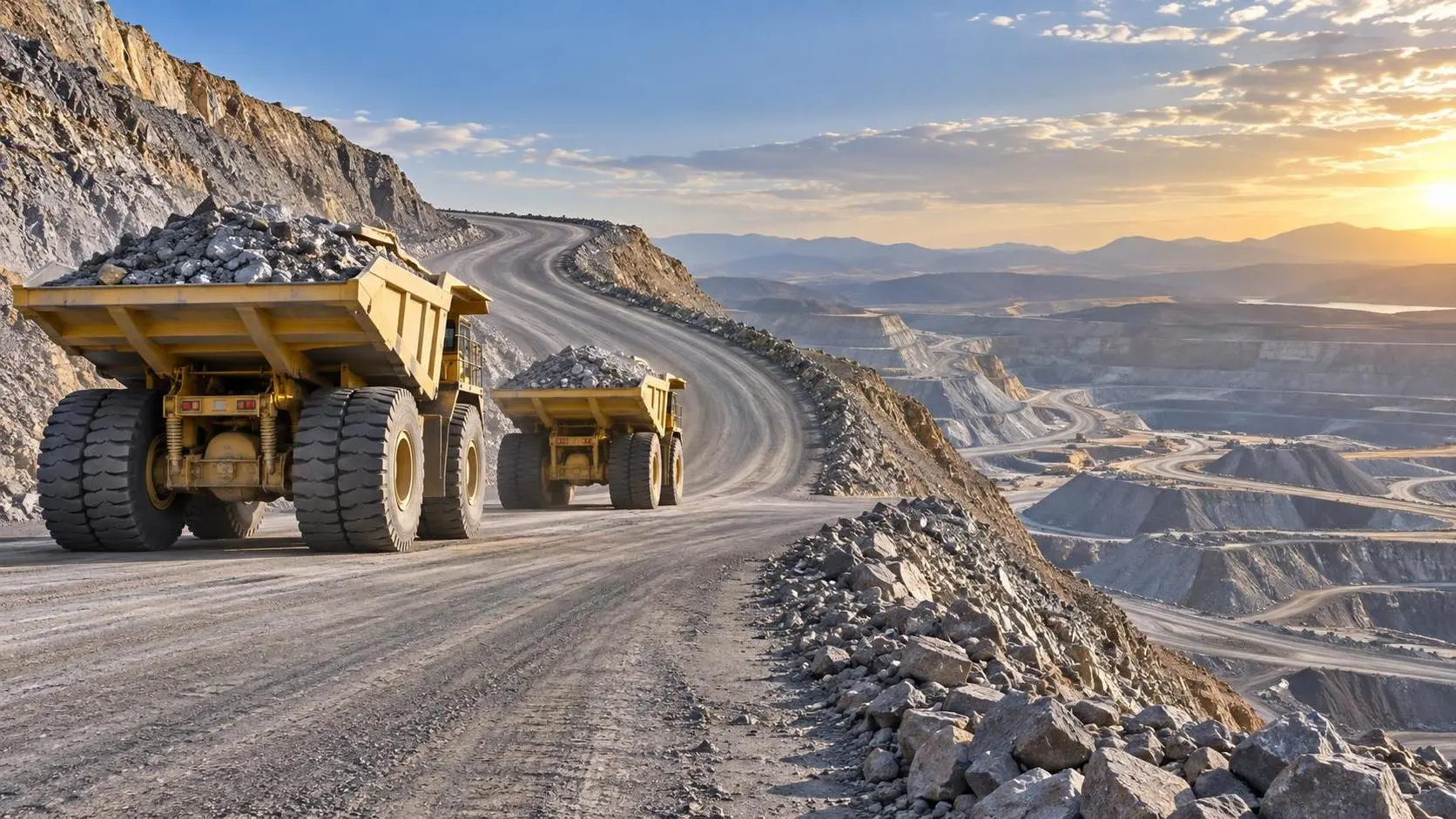
How to Size Open Pit Mining Trucks for Haul Distance, Grade, and Payload?
Open Pit Mining Trucks: learn how to match payload, haul distance, grade, road resistance, and loading capacity for safer, lower-cost mine operations.
Related News
- 00
0000-00
How to Evaluate European Drill-and-Blast Tunnelling Contractors for Complex Projects - 00
0000-00
Which Trenchless Construction Technique Fits Your Utility Crossing Conditions? - 00
0000-00
What Is Driving Metro Tunnelling Demand Across Southeast Asia’s Major Cities? - 00
0000-00
Hard Rock Tunnelling in Australia: Selecting Methods for Variable Ground Conditions - 00
0000-00
Hydropower Tunnel Excavation: Selecting Methods for Variable Rock Conditions
Weekly Insights
Stay ahead with our curated technology reports delivered every Monday.