
How to Select Shield Tunneling Equipment for Soft Ground Urban Projects





Selecting Shield Tunneling Equipment for soft ground is rarely a simple matter of diameter, thrust, or vendor reputation. In dense urban work, the machine has to fit the ground, the groundwater, the alignment, the segment design, and the settlement limits of whatever sits above the tunnel. A shield that performs well in one clay-and-silt corridor can become a source of stoppages and surface risk a few blocks later if mixed face conditions, abrasives, or inflow were underestimated.
For technical evaluators, the practical question is this: what must be checked before the machine is shortlisted, and what signals tell you the proposed setup is wrong for the job? The checklist below follows the way experienced teams usually review a soft ground urban drive before committing to a machine configuration.
Start with the ground model, not the machine brochure
A surprising number of selection mistakes begin when the equipment discussion starts before the ground model is stable enough. For soft ground projects, the first screen is not “Which shield is available?” but “What face conditions will the shield actually see along the alignment?”
Check whether the geotechnical interpretation separates the drive into meaningful zones rather than one averaged profile. Urban soft ground often includes transitions between clay, silt, sand, fill, weathered material, and local obstructions. Those transitions matter more than the average description. A machine selected for homogeneous clay can struggle badly when the face intermittently opens into water-bearing sand or man-made debris.
- Review borehole spacing against the tunnel alignment and shaft locations.
- Look for any indication of mixed-face conditions, cobbles, boulders, buried structures, or variable permeability.
- Check whether groundwater pressure has been assessed at tunnel axis and crown, not only at ground level.
- Ask whether the expected soil behavior supports stable conditioning and controlled spoil extraction.
If the answers are vague, equipment selection is premature. You do not need perfect geology to move forward, but you do need enough resolution to decide what kind of face support is credible.
Choose the shield type by face control demands
In soft ground urban drives, the main decision usually centers on how the machine will maintain face stability while controlling settlement and groundwater. That pushes the discussion toward the face support principle first, and the rest of the machine second.
For many soft ground city tunnels, teams are comparing variants of Earth Pressure Balance and slurry-supported shields. The right answer depends less on labels and more on whether the excavated material can reliably form and maintain the pressure regime the tunnel needs.
One common error is assuming an EPB shield is automatically the urban default. It often is a good fit, but only when conditioning, screw conveyor control, and spoil behavior can be managed consistently across the actual ground range. If the face support mechanism depends on ideal spoil properties that the route will not give you, that is a selection warning.
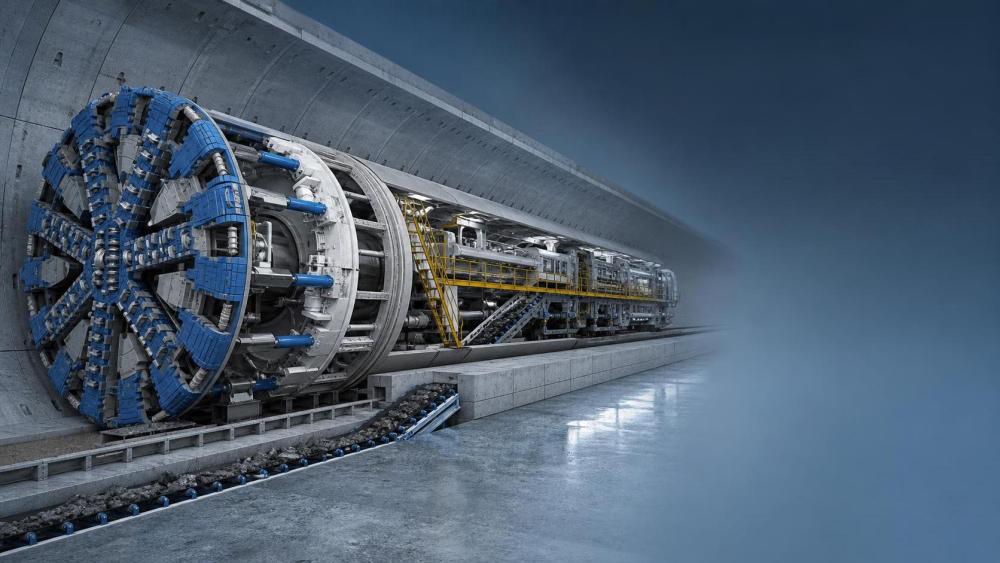
Check settlement control as a machine-system issue
In urban soft ground, settlement performance is not just a tunneling issue. It is often the job-defining issue. Technical evaluators should assess whether the proposed equipment package can keep excavation, face pressure, advance rate, tail void filling, and segment erection working as one controlled sequence.
Ask specific questions. How is face pressure measured and adjusted? How quickly can the machine respond to changing ground? What is the control logic during stoppages? How is over-excavation limited? What supports annular gap management at the tail?
A shield can look powerful on paper and still be poor at settlement control if the guidance, conditioning, and grouting systems are treated as secondary accessories. They are not secondary. In soft ground city work, they are part of the machine’s core capability.
Do not separate the cutterhead from the expected obstructions
Cutterhead selection gets oversimplified too often. For soft ground, evaluators sometimes focus only on opening ratio and forget what the machine may actually have to cut through on a real urban alignment: sheet piles, old foundations, timber, riprap, concrete remnants, or localized hard inclusions.
The right review is less about chasing a single “best” cutterhead design and more about checking whether the design matches the route’s risk profile. If obstruction risk is meaningful, the machine needs a credible plan for access, tool change philosophy, and recovery from blockage or abnormal wear. If mixed-face is likely, ask how the cutterhead and chamber design will behave when one side of the face drains or cuts differently from the other.
Another practical point: look beyond excavation and think about spoil removal. A machine that can break the face but cannot reliably pass conditioned material or mixed spoil through its extraction system will create avoidable stoppages.
Review groundwater control and intervention strategy together
Urban soft ground projects rarely give much room for improvisation once groundwater behavior becomes unstable. During selection, assess whether the shield concept includes a workable intervention philosophy for the expected pressure range and access constraints.
This matters when inspecting cutter tools, clearing blockages, handling wear, or recovering from unexpected inflow conditions. The evaluator should not stop at “Can intervention be done?” The real question is under what ground and pressure conditions, with what preparation, and with what operational penalty.
- Check the anticipated frequency of interventions against route geology.
- Review access arrangements to cutterhead and chamber areas.
- Confirm how the proposed system handles sudden water-bearing zones or unstable face material.
- Look for a practical interface between the machine design and planned ground treatment, if treatment is part of the risk strategy.
When this part of the review is weak, the project often pays later in downtime rather than in headline failure. That is still expensive, and in city projects it can quickly become a schedule problem with public consequences.
Match the shield to the segment and backup logistics
A shield does not work alone. It works with the lining system, the backup train, the shaft arrangement, and the site logistics available in a restricted urban footprint. Technical evaluation should include the whole production chain.
Check compatibility between the erector, segment geometry, ring build sequence, and expected alignment tolerances. Review whether the backup configuration fits launch and retrieval constraints, curve radii, and material handling routes. In cramped sites, an otherwise suitable shield can become inefficient simply because slurry treatment, spoil transfer, grout supply, segment storage, or maintenance access was not realistically planned.
This is also where utility restrictions and urban working hours start influencing equipment choice. If the selected system depends on a surface setup the site cannot support, it is not the right selection, regardless of machine performance underground.
Evaluate automation where it reduces variability, not where it just sounds advanced
Automation matters in modern shield tunneling, especially for maintaining repeatability in pressure control, guidance, data logging, and segment erection support. But the evaluation should stay practical. The useful question is whether the automation package helps operators keep the process stable in changing soft ground conditions.
Look for systems that improve trend visibility and response time: chamber pressure behavior, advance rate consistency, screw or slurry circuit stability, grout injection records, articulation control, and alarms tied to actual tunneling risk. Features that generate more screens without improving operator judgment are less valuable than vendors sometimes imply.
For technical evaluators, one sharp test is this: can the control system help the team identify developing loss of face support before settlement shows up on the surface? If not, the digital package may be impressive but not decisive.
Check maintainability, wear exposure, and parts support early
Urban projects often operate on less forgiving schedules than remote drives. That makes maintainability part of selection, not just an operations concern. Ask how accessible wear components are, how inspection is expected to be performed, and which systems are most likely to interrupt production in the forecast ground range.
This does not require inventing exact wear life. It does require identifying where wear, clogging, or abrasion will most likely appear and whether the proposed machine makes those issues manageable. Pay attention to the cutterhead area, spoil extraction system, seals, conditioning injection points, pumps where relevant, and instrumentation that the control strategy depends on.
A shortlist should also account for parts availability and field service structure in the project region. Not as a marketing claim, but as a project continuity issue.
Use a structured comparison before final selection
When the options are close, evaluators usually get better decisions by scoring risk fit rather than headline machine capability. A simple weighted review can prevent the team from being distracted by maximum values that will never define project success.
- Define the alignment zones that control risk: weak face stability, inflow, sensitive surface assets, obstructions, tight curves, restricted shafts.
- Test each shield concept against those zones, not against an average tunnel section.
- Compare complete systems: machine, conditioning, guidance, grouting, spoil handling, backup, and intervention method.
- Penalize options that depend on narrow operating windows or optimistic ground behavior.
- Keep a written record of the assumptions behind the preferred selection, because those assumptions will drive preconstruction checks later.
That last point matters. Many equipment disputes start because the machine was selected on one set of assumed conditions, while construction planning quietly drifted to another.
A workable decision sequence
If you need a practical order of work, use this one: lock down the ground zones, define allowable settlement and inflow risk, choose the face support principle, test cutterhead and spoil extraction against likely obstructions and soil behavior, then review logistics, automation, and maintainability as part of the same production system.
That is how Shield Tunneling Equipment for soft ground should be selected for urban projects: not by chasing the biggest machine or the most advanced feature set, but by verifying which configuration can stay stable when the ground changes, the site is constrained, and the consequences of settlement are unforgiving. In soft ground city tunneling, the best choice is usually the one with the widest controllable operating window and the fewest hidden assumptions.
Related News
How to Evaluate European Drill-and-Blast Tunnelling Contractors for Complex Projects
Drill and blast tunnelling contractors Europe: learn how to assess geology expertise, blast control, equipment reliability, safety, and programme resilience for complex projects.
Which Trenchless Construction Technique Fits Your Utility Crossing Conditions?
Trenchless construction techniques compared for utility crossings: choose HDD, microtunnelling, pipe jacking, or auger boring based on ground, accuracy, access, and risk.
What Is Driving Metro Tunnelling Demand Across Southeast Asia’s Major Cities?
Metro tunnelling Southeast Asia is accelerating as major cities tackle congestion, flooding, and connectivity. Explore the market forces, technical risks, and opportunities shaping demand.
Hard Rock Tunnelling in Australia: Selecting Methods for Variable Ground Conditions
Hard rock tunnelling in Australia: compare TBM, drill-and-blast and hybrid methods to manage variable ground, reduce risk and protect project costs.
Hydropower Tunnel Excavation: Selecting Methods for Variable Rock Conditions
Hydropower tunnel excavation methods for variable rock conditions: compare TBM, drill-and-blast, and hybrid strategies to improve safety, progress, and project control.
How to Select Underground Safety Equipment for Tunnelling by Hazard and Work Zone
Underground Safety Equipment for tunnelling: match protection to hazards, work zones, compliance, and emergency needs with this practical selection guide.
EPB or Slurry Shield? Selecting Soft-Ground Tunnelling Equipment by Soil Conditions
Tunnel Excavation Equipment for soft ground: compare EPB and slurry shields by soil, groundwater, settlement risk, and project logistics to choose confidently.
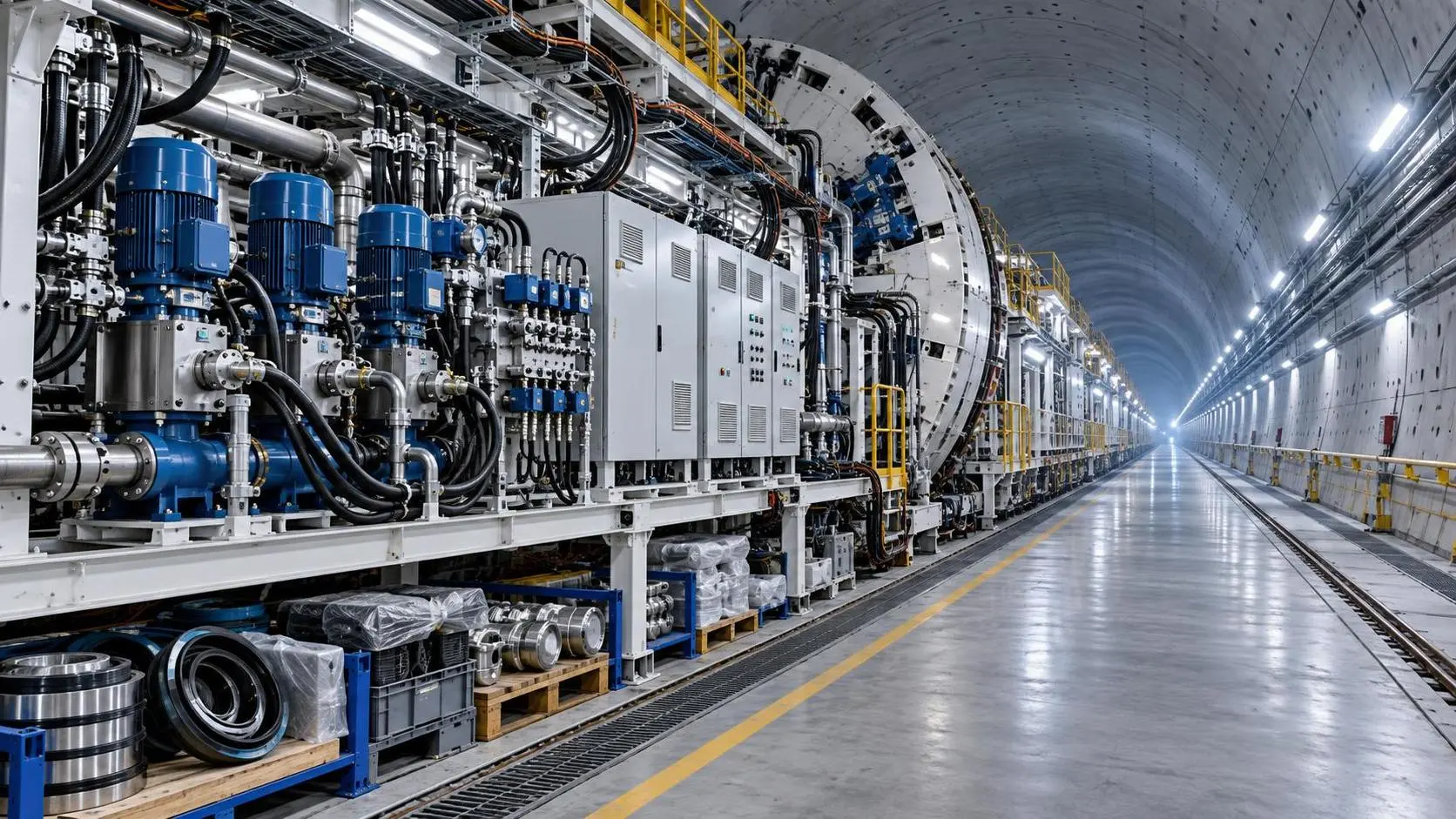
How to Specify TBM Backup System Parts for Reliable Long-Distance Tunnelling
TBM backup system parts: learn how to specify reliable spares for long-distance tunnelling, reduce downtime, ensure compatibility, and speed underground recovery.
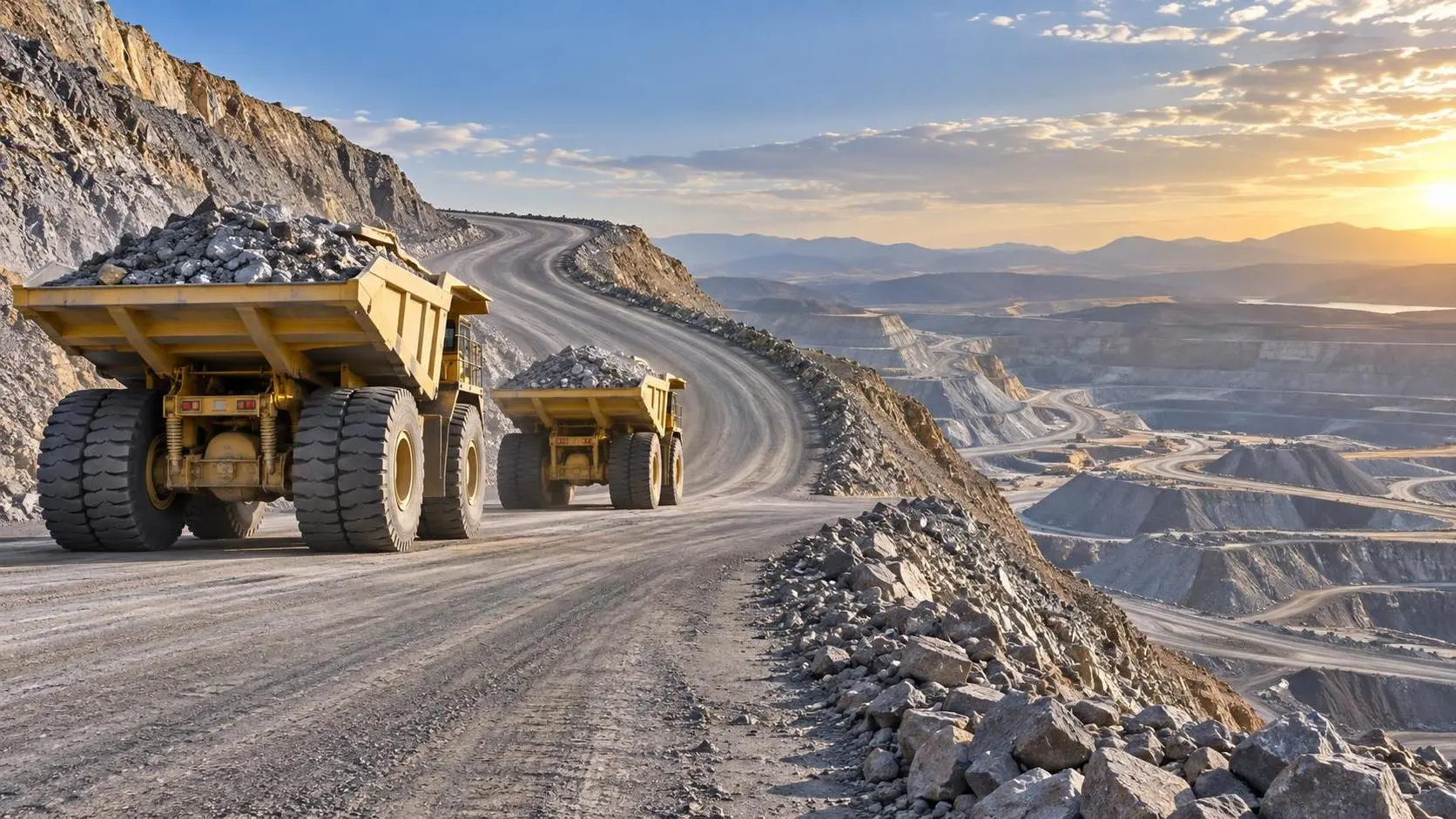
How to Size Open Pit Mining Trucks for Haul Distance, Grade, and Payload?
Open Pit Mining Trucks: learn how to match payload, haul distance, grade, road resistance, and loading capacity for safer, lower-cost mine operations.
Related News
- 00
0000-00
How to Evaluate European Drill-and-Blast Tunnelling Contractors for Complex Projects - 00
0000-00
Which Trenchless Construction Technique Fits Your Utility Crossing Conditions? - 00
0000-00
What Is Driving Metro Tunnelling Demand Across Southeast Asia’s Major Cities? - 00
0000-00
Hard Rock Tunnelling in Australia: Selecting Methods for Variable Ground Conditions - 00
0000-00
Hydropower Tunnel Excavation: Selecting Methods for Variable Rock Conditions
Weekly Insights
Stay ahead with our curated technology reports delivered every Monday.