How Deep Underground Engineering Improves Safety and Ore Access in Modern Mining





In modern resource development, deep underground engineering mining is reshaping how operators balance safety, productivity, and ore recovery. For project managers and engineering leaders, the challenge is no longer just reaching deeper deposits, but doing so with greater ground control, ventilation efficiency, automation, and equipment reliability. The practical question is simple: how do you extend mine life and access difficult ore without multiplying geotechnical risk and operating complexity?
The answer is not a single machine or method. It is the integration of excavation design, rock support, transport systems, ventilation strategy, digital monitoring, and increasingly, low-emission equipment. In other words, deep underground engineering mining works best when the mine is treated as a connected system rather than a sequence of isolated headings, levels, and haul routes.
Going deeper changes the risk profile
Near-surface assumptions often fail at depth. Higher stress regimes, more complex hydrogeology, hotter working environments, longer haul distances, and tighter development windows all change the economics and the safety envelope. A decline or shaft that looked efficient on paper can become a bottleneck if ore passes, loading points, refuge areas, ventilation raises, and maintenance access were not planned with the full mine sequence in mind.
This is why engineering choices made early in mine access design tend to have a disproportionate effect later. Tunnel profile, gradient, turning radius, support class, drainage arrangements, and equipment dimensions directly influence whether operators can safely move people, ore, air, water, and power at the required rate. Once development advances, correcting those decisions is expensive and slow.
For project leaders, the real value of deeper engineering is not “digging more.” It is creating a stable and predictable underground environment where production crews can work with fewer interruptions from rock falls, congestion, diesel fumes, heat build-up, or equipment conflict.
Safer ore access starts with excavation accuracy and ground control
If access openings are overbroken, poorly aligned, or inconsistently supported, every downstream activity gets harder. Ground support consumption rises. Scaling and rehabilitation increase. Ventilation leakage worsens. Mobile equipment faces narrower effective clearances, even if the original design section seemed adequate.
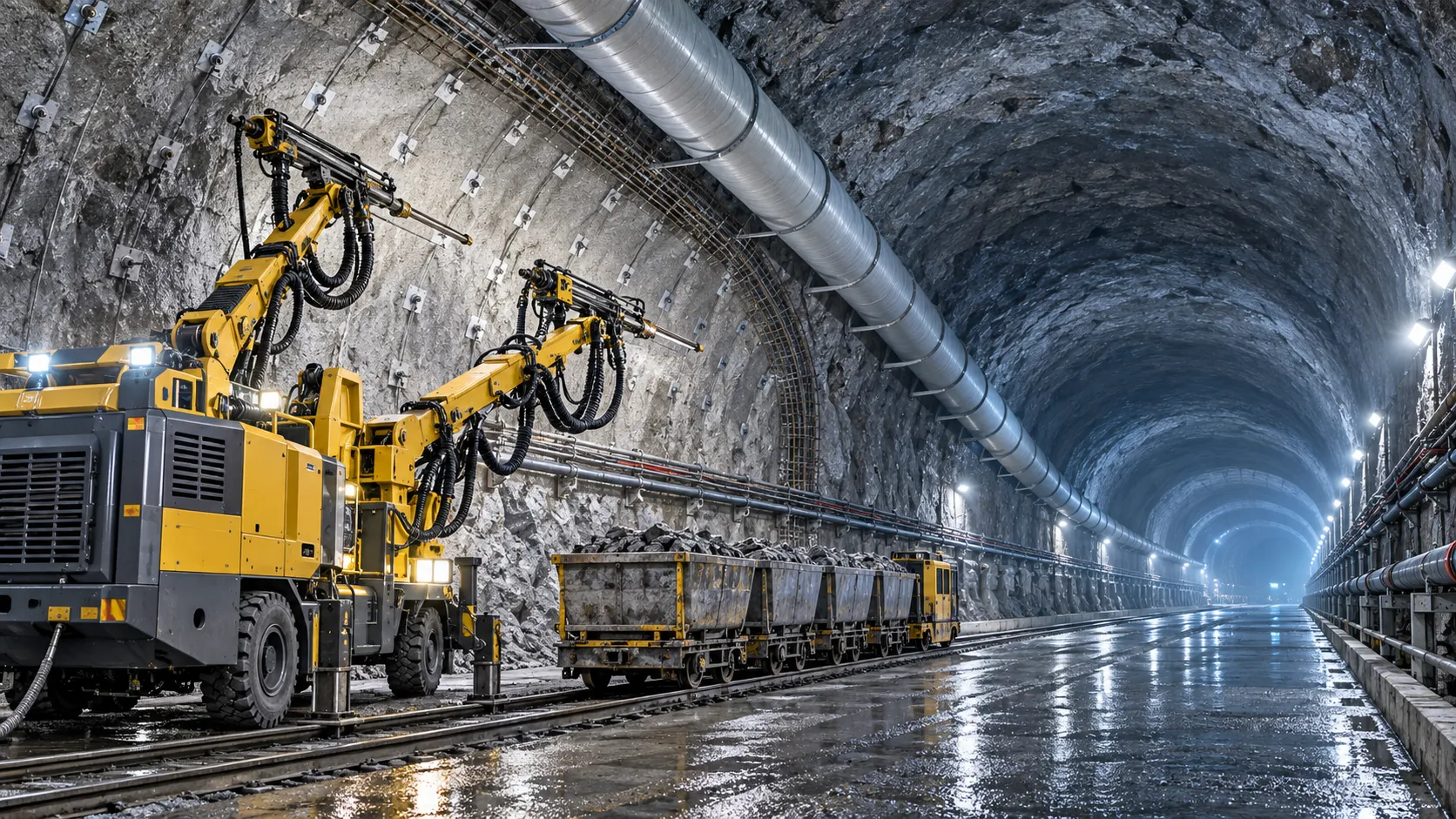
In hard rock mines, drilling jumbos remain central because blast quality still determines much of the excavation result. Accurate hole placement, burden control, and face mapping reduce unnecessary damage to the surrounding rock mass. That matters not only for immediate heading safety, but also for the long-term performance of haul drifts, crusher chambers, workshops, and ore transfer points. In very demanding rock conditions, support installation quality can be just as important as the support type itself.
Where continuous excavation methods are viable, full-face tunnelling concepts borrowed from civil underground works can also influence mining access strategies. The broader underground engineering sector has learned a great deal from tunnel boring machines about face stability, cutter wear in abrasive ground, alignment control, and machine-system coordination. Those lessons do not always transfer directly into mines, but they do shape better thinking around predictable excavation, machine utilization, and the interface between geology and equipment design.
This is one reason intelligence platforms such as UTMD have become useful beyond pure equipment news. By connecting TBM engineering, trenchless methods, drilling systems, and underground haulage trends, they help decision-makers see where technologies from one domain may solve persistent problems in another. For a mine project manager, that broader view can be more valuable than a narrow product comparison.
Ventilation and emissions are now engineering constraints, not secondary issues
At depth, ventilation is rarely just an operating department concern. It becomes a mine design issue. Longer air circuits, higher virgin rock temperatures, and more equipment power underground all increase the burden on fans, cooling, and airflow management. If the mine depends heavily on diesel equipment in confined headings, the cost of air can become one of the hidden limits on production expansion.
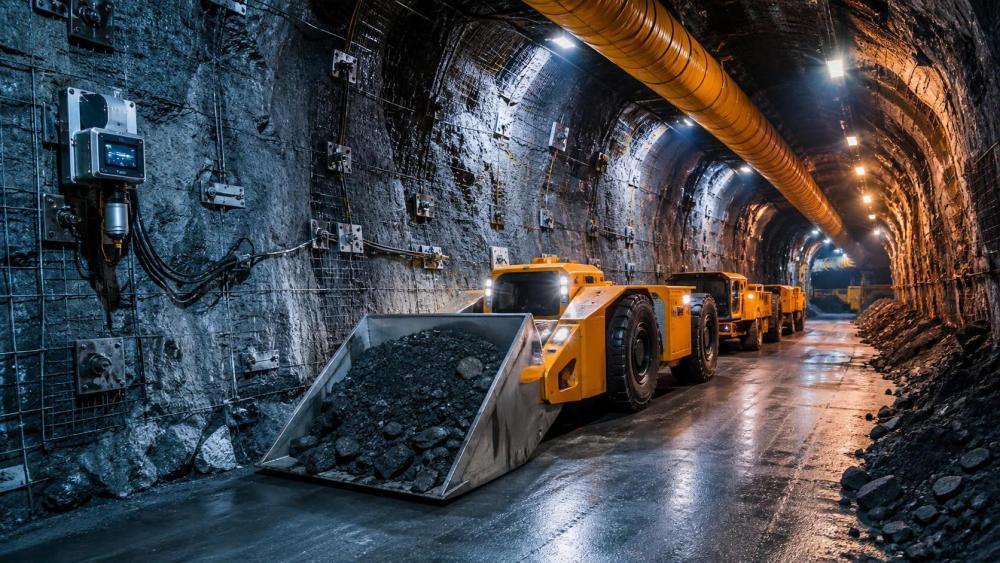
That is where battery-electric and zero-exhaust machines change the discussion. Underground LHD loaders with battery swapping or tether-free electric operation are particularly relevant in narrow or poorly ventilated zones because they reduce local heat and exhaust exposure at the working face. The benefit is not only environmental. It can affect heading re-entry timing, operator visibility, and the practical ability to open up stopes or remnant areas that were previously unattractive under a diesel-only model.
Still, electrification is not a magic shortcut. Charging logistics, battery exchange layouts, fire response procedures, power distribution, and maintenance competency all need to be considered at design stage. In some mines, hybrid fleets will remain the sensible transition path for years. The point is that deep underground engineering mining increasingly depends on matching ventilation strategy with equipment architecture, not treating them as separate procurement decisions.
Ore access improves when transport is designed around the mine geometry
A lot of ore becomes “difficult” not because it is geologically inaccessible, but because the transport chain to reach it is inefficient or unsafe. Long tramming distances, steep gradients, choke points at ore passes, poor turning envelopes, and mixed traffic between people and machines can turn a technically mineable zone into a marginal one.
This is where modern underground haulage engineering has become much more sophisticated. Remote-controlled and increasingly autonomous LHDs can work in drawpoints and extraction areas with reduced personnel exposure. Better fleet coordination can smooth ore flow instead of allowing surges that overload crushers or starve the mill. In some layouts, the difference between a productive lower level and a chronic bottleneck comes down to how loading pockets, dumping points, and ventilation connections were sequenced during development.
Autonomy also matters for safety in a very practical sense. Remote operation can remove people from unsupported brows, post-blast zones, or areas with poor visibility. But autonomy only performs well when the underground environment is engineered for it: stable walls, predictable floor conditions, reliable communications, accurate localization, and disciplined traffic rules. SLAM-based navigation and remote control systems are improving quickly, yet they still depend on physical conditions underground being managed well.
Digital visibility is becoming as important as physical access
Deep mines generate delays when teams are forced to work from outdated assumptions about heading condition, equipment availability, air quality, or ground movement. More operations are now building decision loops around telemetry, geotechnical monitoring, fleet health data, and production tracking. Done properly, that improves safety because anomalies are seen earlier: rising temperatures, declining airflow, abnormal vibration, water inflow changes, or support distress.
For engineering managers, the key is to avoid digital fragmentation. A monitoring system that cannot inform maintenance, planning, and production decisions in time is just another dashboard. The strongest implementations usually link geology, development progress, machine health, and haulage performance so teams can act before a constraint becomes a shutdown.
UTMD’s role in this landscape is less about selling a one-size-fits-all answer and more about helping the market interpret technical shifts. Its coverage of cutter wear models, underground localization, electric haulage efficiency, and equipment replacement trends reflects a broader reality: underground engineering decisions are becoming more interdisciplinary, and project teams need intelligence that crosses traditional equipment categories.
What project managers should evaluate before pushing access deeper
When a mine plans to open deeper levels or recover ore in more constrained zones, a few questions usually separate robust plans from optimistic ones.
- Is the selected excavation method appropriate for the actual rock mass behavior, not just the schedule target?
- Can the support design tolerate variability in geology, water, and stress, or was it optimized too tightly around average conditions?
- Will the ventilation network still perform after the next development phase, especially if fleet size or power changes?
- Are haulage dimensions, turning radii, and dumping arrangements compatible with the equipment fleet planned three to five years ahead?
- Does the automation plan account for communications, localization, maintenance skills, and fallback procedures?
- Have emergency egress, refuge strategy, and power-loss scenarios been checked against the deeper layout?
None of these questions are theoretical. They drive real cost and schedule outcomes. A project can meet its development advance target and still underperform because the mine was not engineered for maintainability, airflow flexibility, or traffic separation.
Why cross-sector engineering knowledge matters more now
Mining has traditionally borrowed selectively from civil tunnelling, heavy transport, and industrial automation. That exchange is accelerating. Full-face tunnelling experience informs excavation control. Trenchless methods sharpen thinking around minimal disruption and precise underground alignment. Electrified haulage from surface mining influences energy recovery and machine architecture. Underground loader automation feeds directly into safer production in confined headings.
That is also why a portal like UTMD has a practical place in strategic planning. Its focus on TBMs, pipe jacking machines, drilling jumbos, mining dump trucks, underground LHDs, and the Strategic Intelligence Center mirrors the way real projects are now evaluated: not by isolated machine categories, but by how excavation, transport, emissions, wear, control systems, and asset utilization interact underground.
Deep underground engineering improves safety and ore access when it reduces uncertainty. Better excavation accuracy reduces ground risk. Cleaner and smarter mobile fleets relieve ventilation pressure. Integrated haulage design turns stranded ore into reachable ore. Digital monitoring makes hidden failure modes visible earlier.
Before committing to a deeper access strategy, it is worth verifying the practical details that often decide success: rock support assumptions, ventilation margins, fleet compatibility, communications coverage, maintenance access, and the transition path toward electrified or autonomous equipment. In most mines, those are not side issues. They are the difference between reaching deeper ore and operating there with control.
Related News
How to Evaluate European Drill-and-Blast Tunnelling Contractors for Complex Projects
Drill and blast tunnelling contractors Europe: learn how to assess geology expertise, blast control, equipment reliability, safety, and programme resilience for complex projects.
Which Trenchless Construction Technique Fits Your Utility Crossing Conditions?
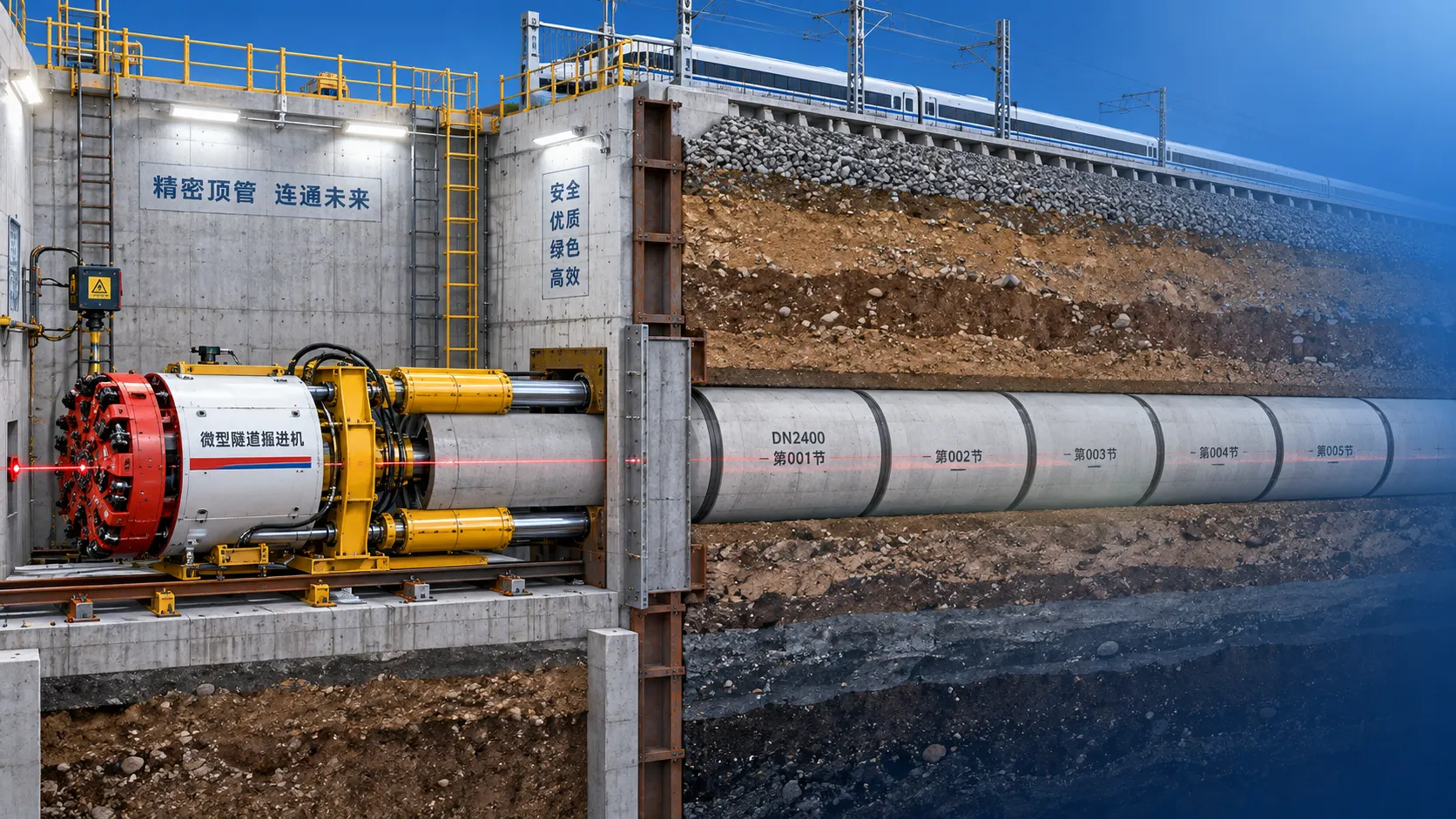
Trenchless construction techniques compared for utility crossings: choose HDD, microtunnelling, pipe jacking, or auger boring based on ground, accuracy, access, and risk.
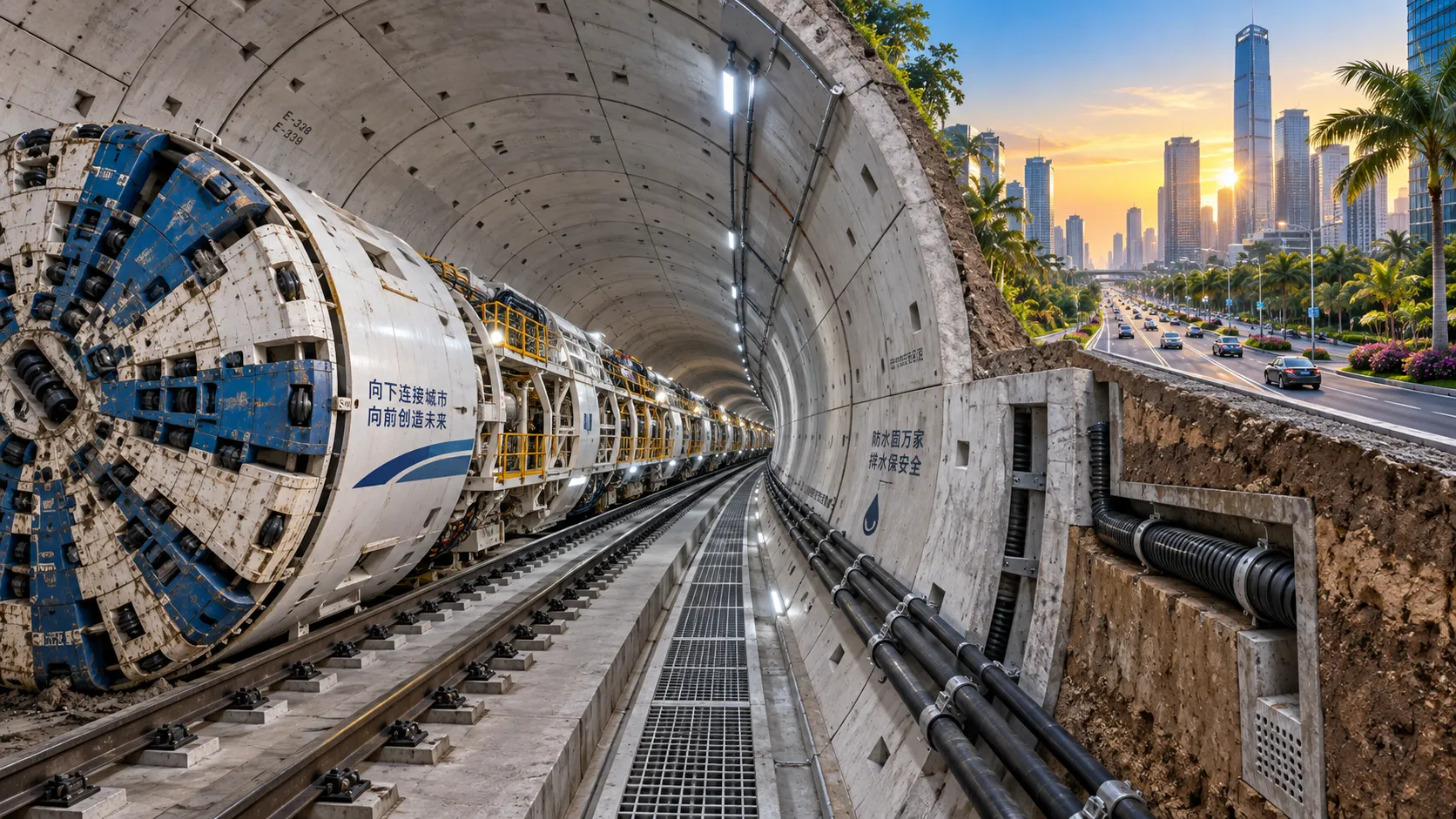
What Is Driving Metro Tunnelling Demand Across Southeast Asia’s Major Cities?
Metro tunnelling Southeast Asia is accelerating as major cities tackle congestion, flooding, and connectivity. Explore the market forces, technical risks, and opportunities shaping demand.
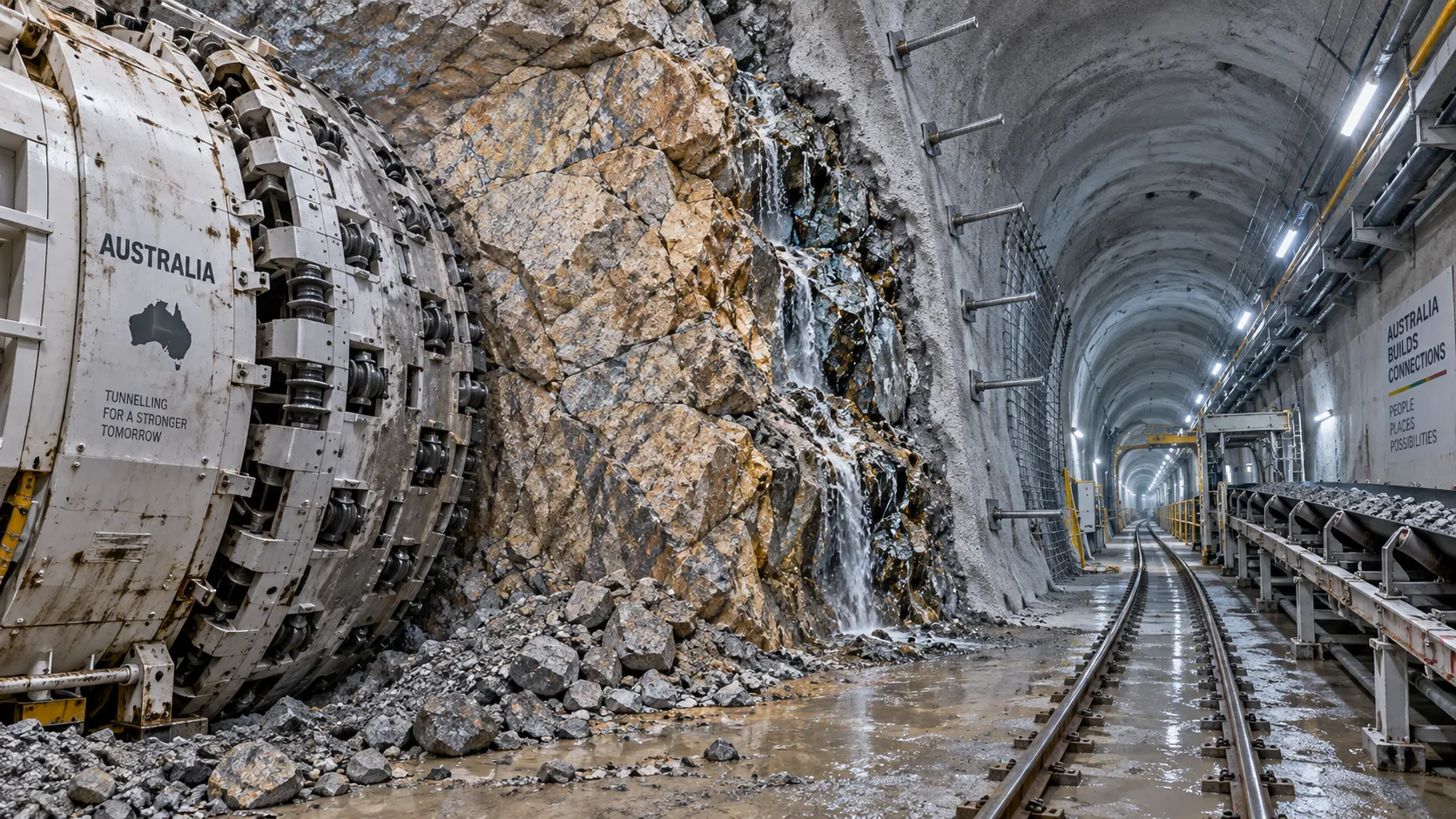
Hard Rock Tunnelling in Australia: Selecting Methods for Variable Ground Conditions
Hard rock tunnelling in Australia: compare TBM, drill-and-blast and hybrid methods to manage variable ground, reduce risk and protect project costs.
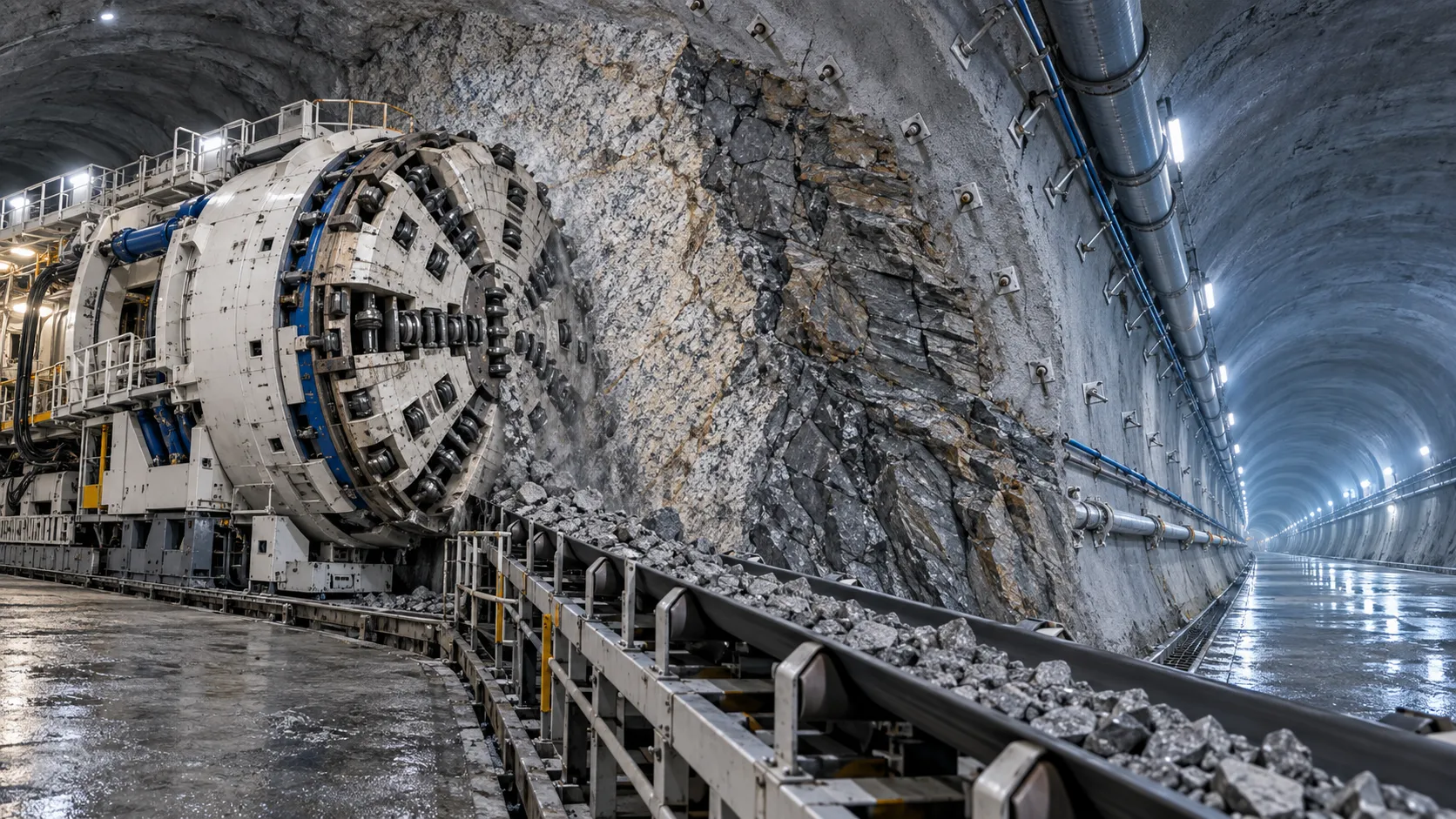
Hydropower Tunnel Excavation: Selecting Methods for Variable Rock Conditions
Hydropower tunnel excavation methods for variable rock conditions: compare TBM, drill-and-blast, and hybrid strategies to improve safety, progress, and project control.
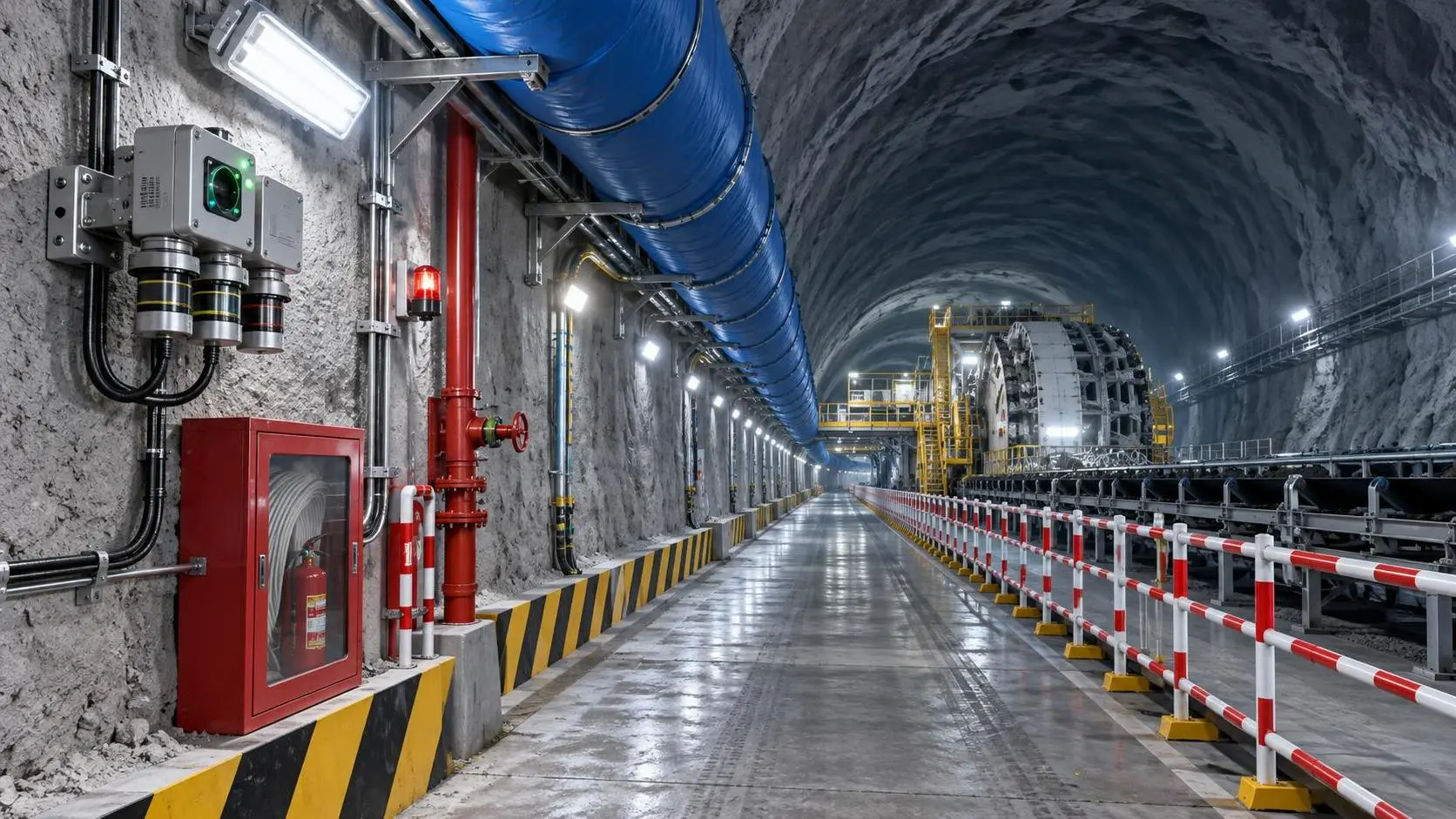
How to Select Underground Safety Equipment for Tunnelling by Hazard and Work Zone
Underground Safety Equipment for tunnelling: match protection to hazards, work zones, compliance, and emergency needs with this practical selection guide.
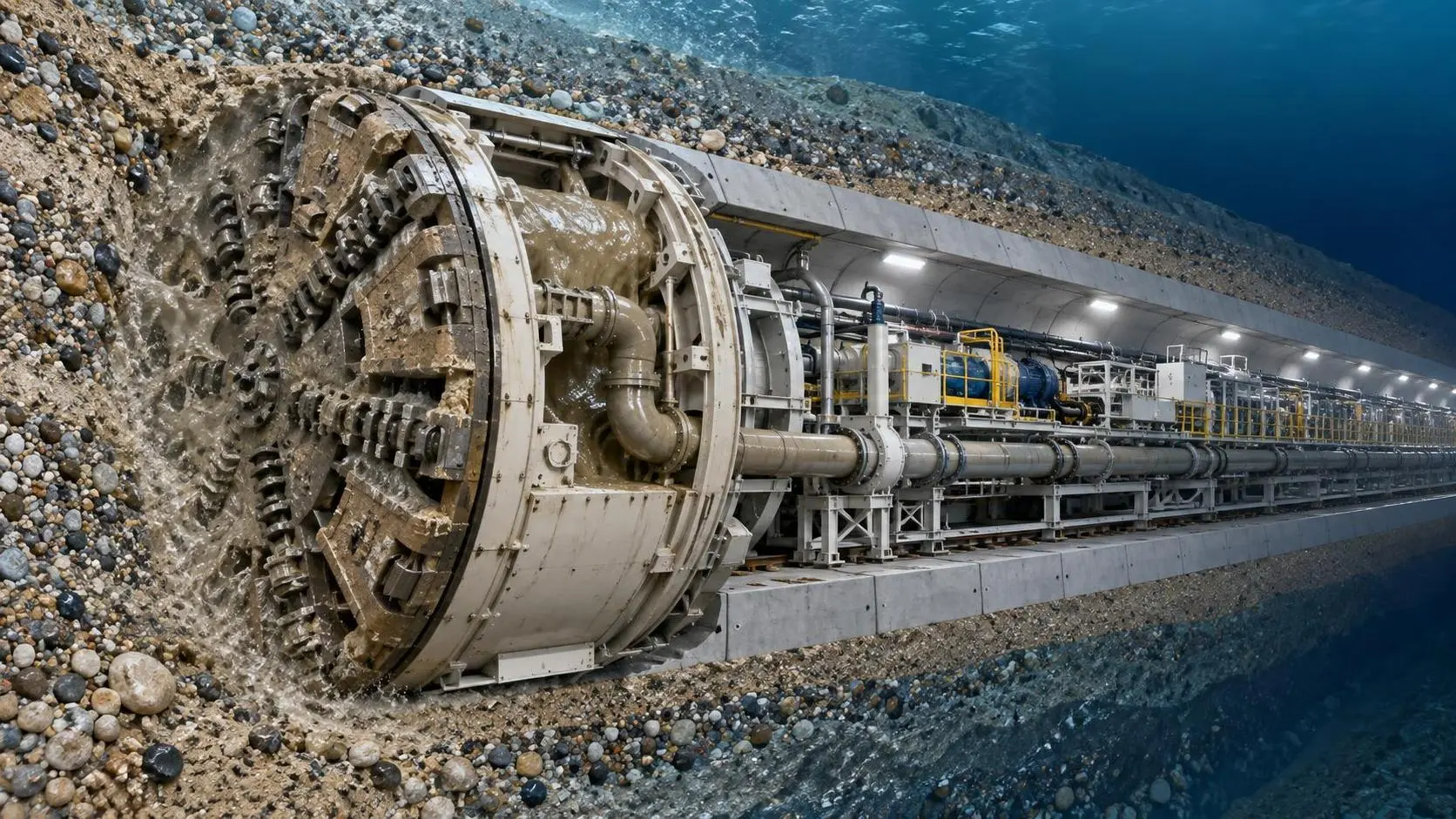
EPB or Slurry Shield? Selecting Soft-Ground Tunnelling Equipment by Soil Conditions
Tunnel Excavation Equipment for soft ground: compare EPB and slurry shields by soil, groundwater, settlement risk, and project logistics to choose confidently.
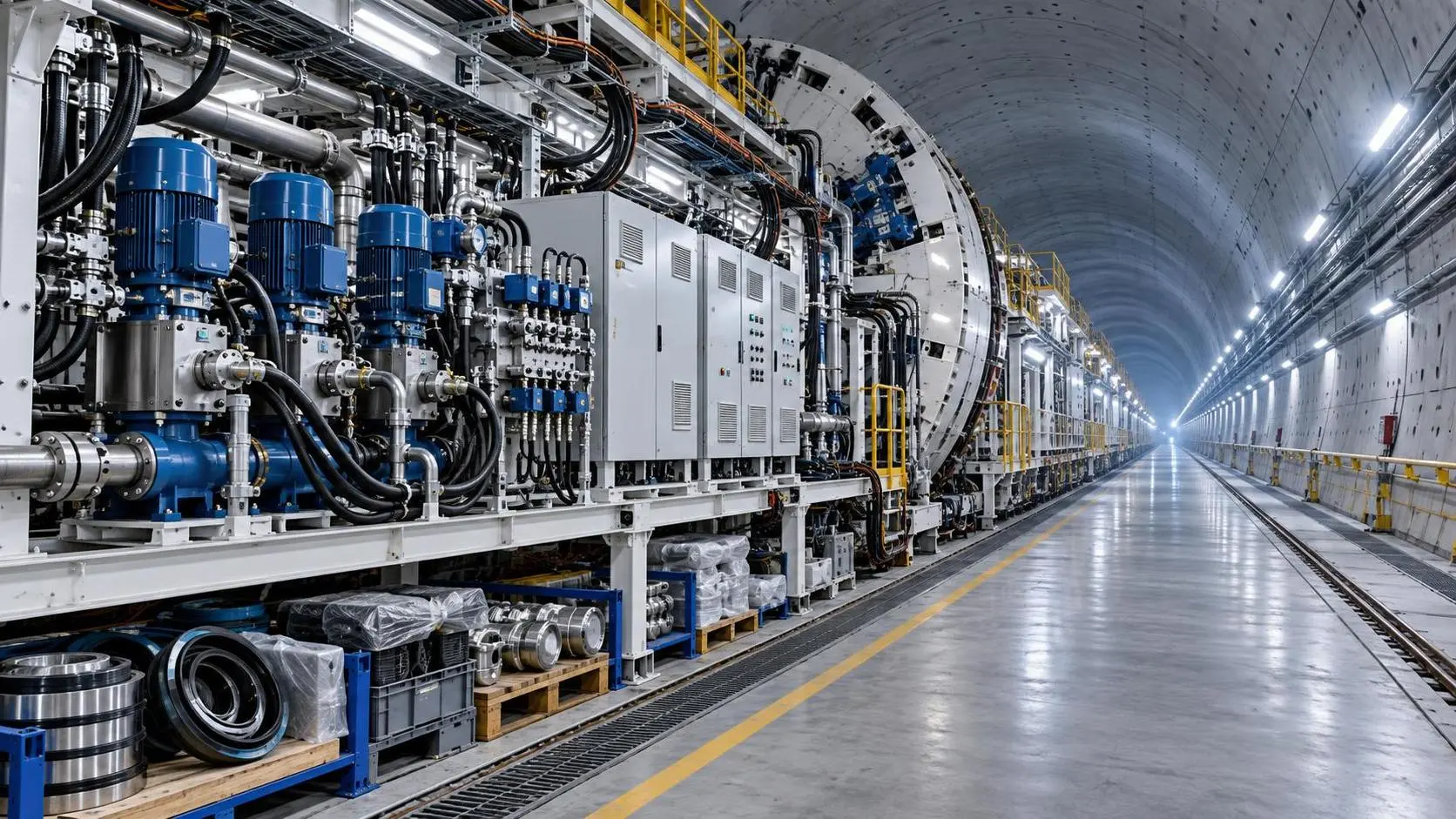
How to Specify TBM Backup System Parts for Reliable Long-Distance Tunnelling
TBM backup system parts: learn how to specify reliable spares for long-distance tunnelling, reduce downtime, ensure compatibility, and speed underground recovery.
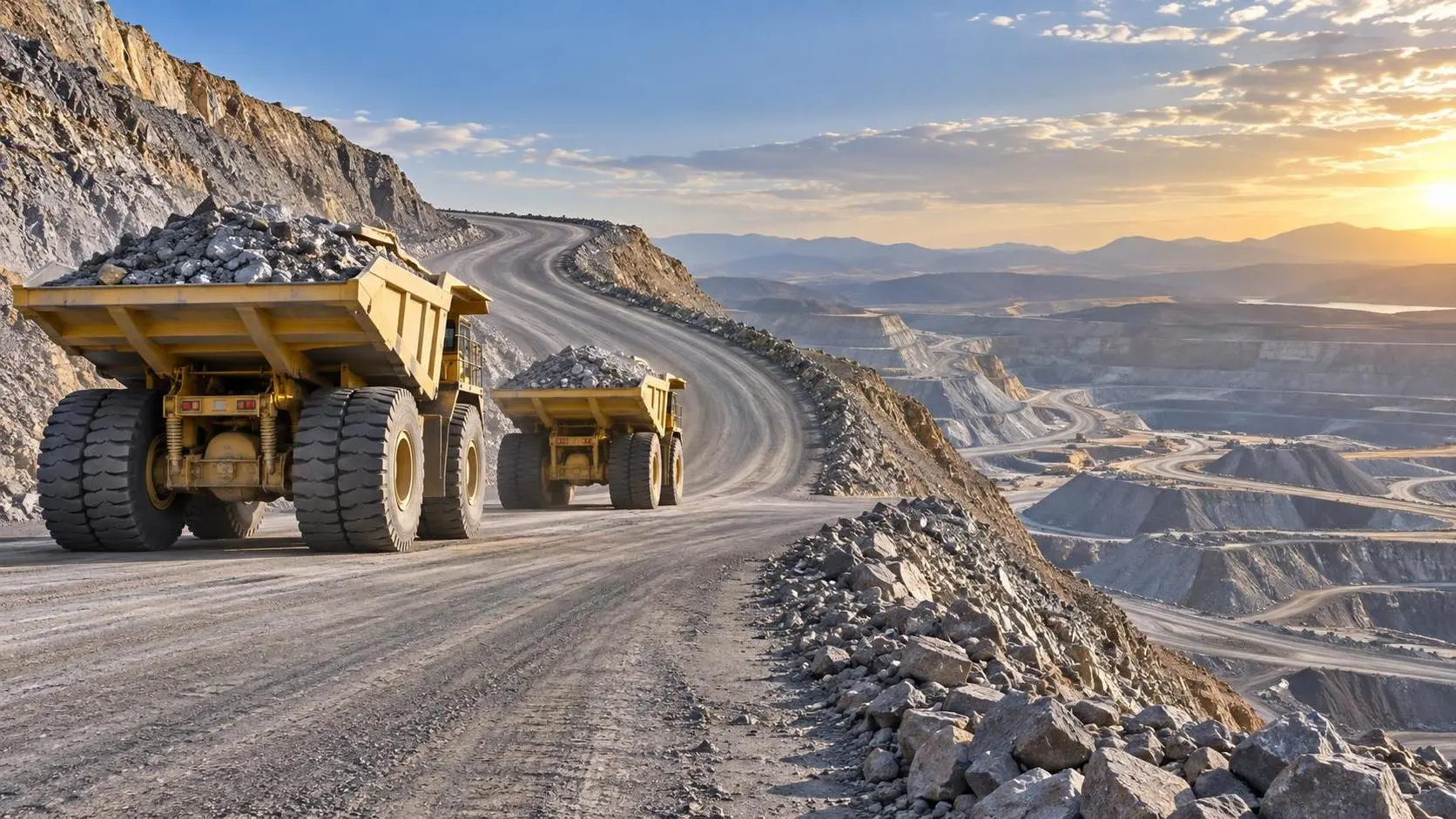
How to Size Open Pit Mining Trucks for Haul Distance, Grade, and Payload?
Open Pit Mining Trucks: learn how to match payload, haul distance, grade, road resistance, and loading capacity for safer, lower-cost mine operations.
Related News
- 00
0000-00
How to Evaluate European Drill-and-Blast Tunnelling Contractors for Complex Projects - 00
0000-00
Which Trenchless Construction Technique Fits Your Utility Crossing Conditions? - 00
0000-00
What Is Driving Metro Tunnelling Demand Across Southeast Asia’s Major Cities? - 00
0000-00
Hard Rock Tunnelling in Australia: Selecting Methods for Variable Ground Conditions - 00
0000-00
Hydropower Tunnel Excavation: Selecting Methods for Variable Rock Conditions
Weekly Insights
Stay ahead with our curated technology reports delivered every Monday.