
AS/NZS 4775:2026 Tightens Vibration Limits for Rock Drills





On June 5, 2026, AS/NZS 4775:2026 entered mandatory effect, turning hand-arm vibration control for Hydraulic Rock Drills from a technical specification into a direct compliance requirement for equipment supply and market access. The change matters not only to equipment manufacturers and importers, but also to buyers, testing-related service providers, and delivery teams because the tighter exposure limit and added documentation requirements can affect product configuration, procurement review, import readiness, and acceptance of shipped equipment.
What the new standard now requires
The confirmed change is that Standards Australia (SA) and Standards New Zealand (SNZ) jointly issued AS/NZS 4775:2026, titled the standard on hand-transmitted vibration safety limits for rock drilling equipment, and it became mandatory on June 5, 2026.
Under the new rule, the 8-hour equivalent vibration acceleration limit for operators of Hydraulic Rock Drills is reduced from 1.9 m/s² to 1.2 m/s², a 37% reduction. The rule also requires all imported equipment to be fitted with an active vibration-damping handle system certified to ISO 5349-1:2022 and to be accompanied by a third-party vibration spectrum analysis report.
Where the immediate pressure points may appear
For equipment manufacturers and exporters
From an industry perspective, this change may directly affect product design alignment and export readiness because compliance is no longer only about the drill body itself, but also about whether the active vibration-damping handle system and supporting certification materials are complete. What deserves closer attention is the need to align product specifications, technical files, and shipment documentation with the new threshold and the stated ISO 5349-1:2022 certification requirement.
For importers and distributors handling market entry
Analysis shows that import-side businesses may face higher document review pressure before goods are cleared for sale or delivery into projects. The practical issue is not just whether the equipment can be supplied, but whether each imported unit is supported by the required third-party vibration spectrum analysis report and whether the handle system certification can be presented in a form accepted during compliance review or customer procurement checks.
For buyers and project procurement teams
Observably, procurement teams may need to revisit technical specifications, bid documents, and incoming inspection criteria for Hydraulic Rock Drills. The tighter 8-hour vibration exposure limit can become a purchasing threshold, while the certified active vibration-damping handle system and supporting report may become mandatory submission items during supplier qualification, tender evaluation, or final delivery acceptance.
For testing and compliance service participants
It is more appropriate to understand this as a rule change that can expand the role of testing, certification, and document verification in transaction flow. Even where the standard text itself is the main confirmed fact, businesses involved in testing support, certification coordination, and compliance document preparation may see more demand for vibration data review, report matching, and technical dossier completeness.
What companies should check now
Review whether current models still meet the new threshold
Analysis shows that companies dealing in Hydraulic Rock Drills should first confirm whether existing models and configured handle systems can satisfy the new 1.2 m/s² 8-hour equivalent vibration acceleration limit. If product literature, technical submissions, or sales materials still reflect the previous threshold, those materials may need prompt review for consistency.
Verify certification and report readiness before shipment or purchase
What deserves closer attention is document readiness. The rule expressly refers to an active vibration-damping handle system certified under ISO 5349-1:2022 and a third-party vibration spectrum analysis report, so import, export, and procurement teams should pay close attention to whether these materials are complete, current, and matched to the delivered equipment configuration.
Watch for changes in tender language and acceptance documents
Observably, one practical impact may emerge in technical bid alignment and customer-side acceptance requirements. Companies should closely monitor whether tender documents, purchase specifications, supplier qualification forms, or delivery checklists begin to incorporate the new vibration limit and supporting document requirements more explicitly.
Prepare for follow-up questions in delivery and after-sales stages
From an industry perspective, compliance may not end at shipment. Businesses should be ready for follow-up review tied to installed configuration, report traceability, and consistency between supplied equipment and submitted technical documents, especially where customers or channel partners conduct their own compliance verification during delivery or after-sales support.
Why this looks like an execution signal rather than a distant policy trend
Analysis shows that this development is better understood as an implemented rule change rather than a preliminary consultation signal, because the standard is described as having entered mandatory effect on June 5, 2026. At the same time, it would be premature to treat every enforcement detail as settled fact based only on the input provided. Observably, the market still needs to watch how certification wording, report expectations, procurement language, and practical review standards are applied in transactions and project delivery.
How the market may need to frame this development
The core significance of this update is that vibration exposure control for Hydraulic Rock Drills now carries a stricter compliance threshold together with explicit supporting certification and reporting requirements for imported equipment. From an industry perspective, the immediate takeaway is not broad market speculation, but the need for closer attention to specification alignment, compliance documents, procurement conditions, and delivery readiness. It is more appropriate to understand this as a landed compliance change with further execution details still worth monitoring.
Basis of this article and what still needs verification
This article is generated based on the user-provided title, event date, and event summary. For events of this type, commonly relevant source categories may include official notices, regulator releases, trade or customs authority information, industry association updates, standards organization documents, and reporting by authoritative industry media. No specific official source link was provided in the input, so the exact official publication path still requires ongoing verification. Observably, the points that remain worth following include detailed implementation language, certification interpretation, changes in tender documentation, industry feedback, and how companies carry the new requirements into actual supply and delivery practice.
Related News
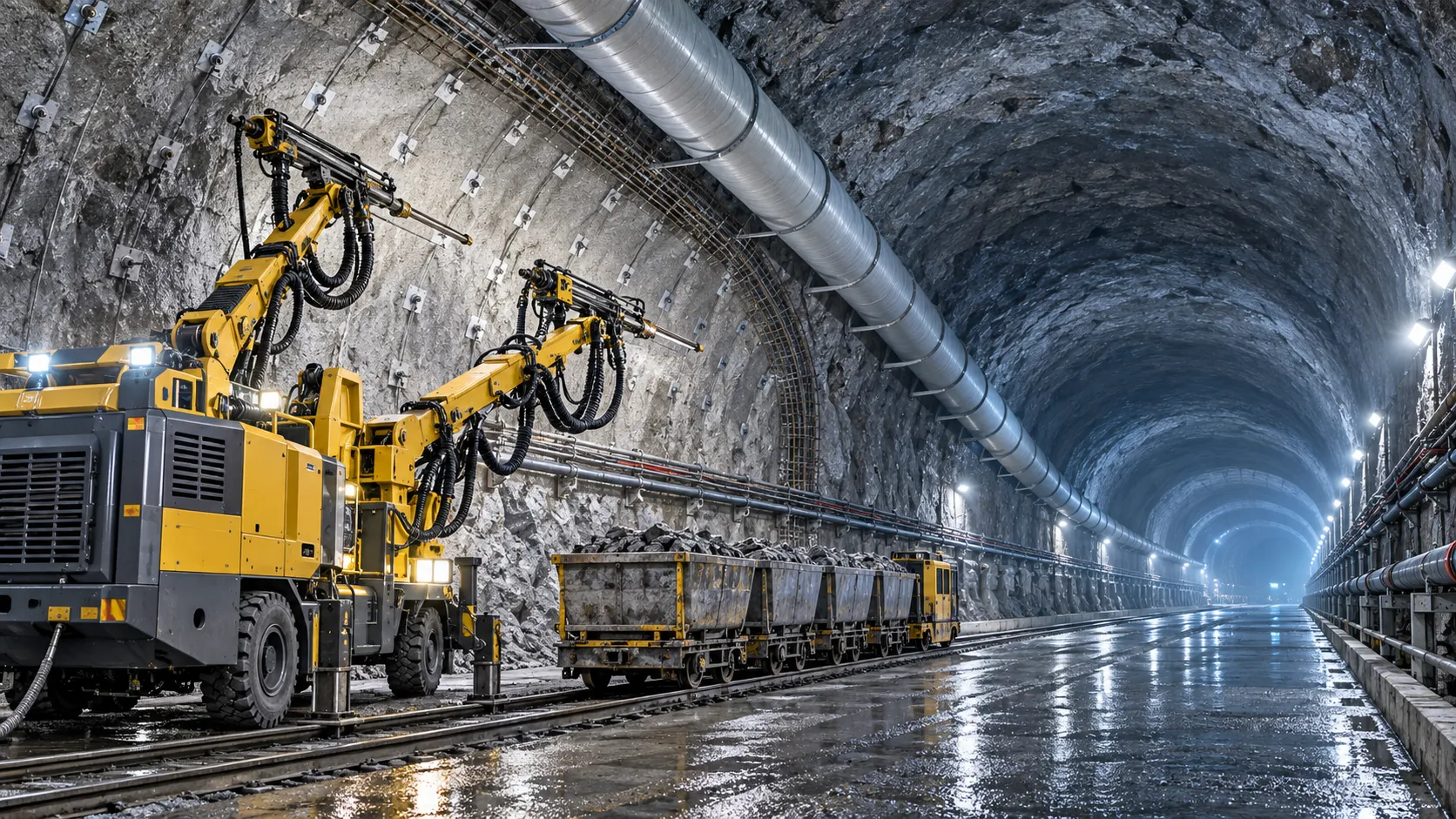
How to Evaluate European Drill-and-Blast Tunnelling Contractors for Complex Projects
Drill and blast tunnelling contractors Europe: learn how to assess geology expertise, blast control, equipment reliability, safety, and programme resilience for complex projects.
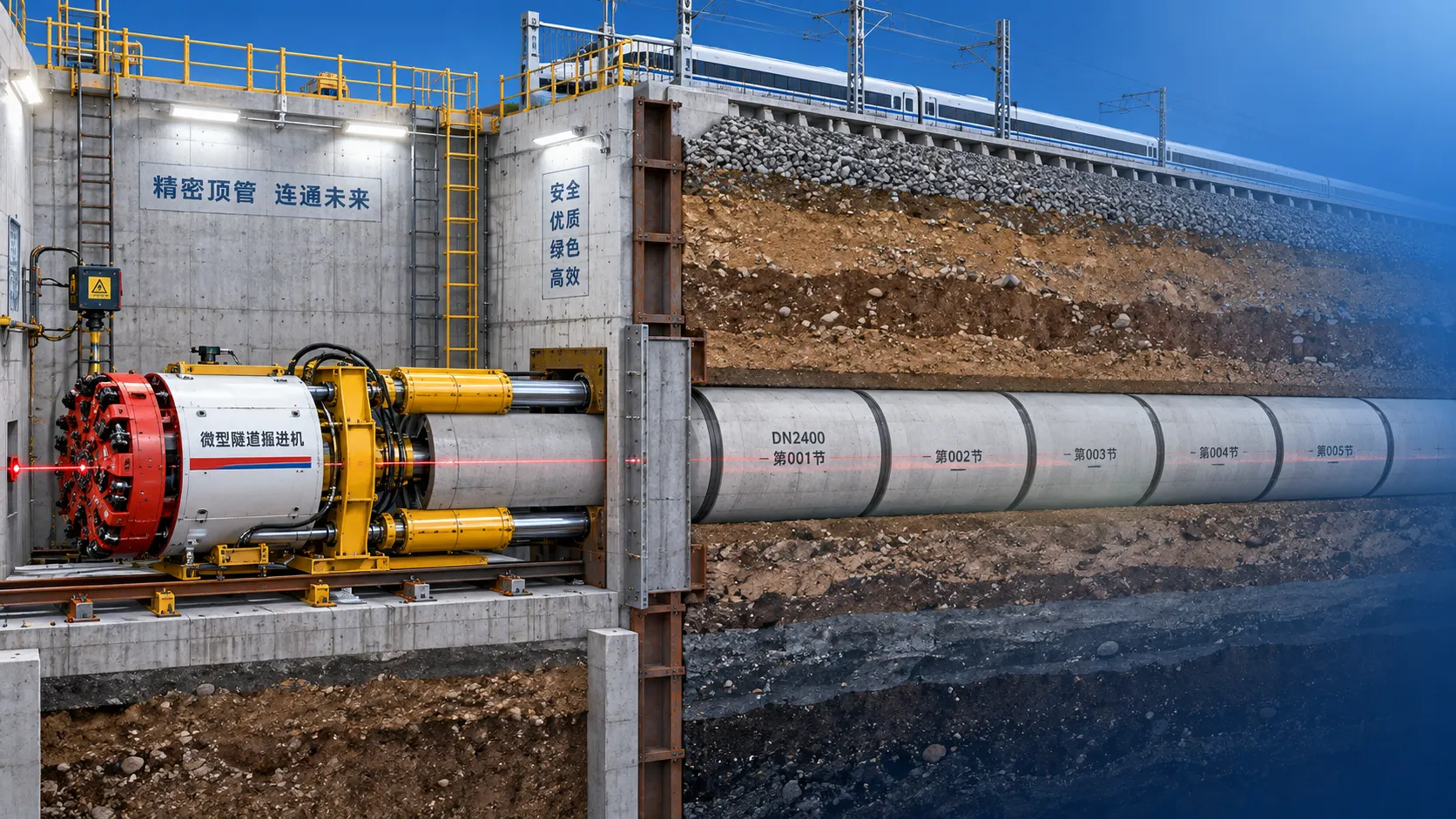
Which Trenchless Construction Technique Fits Your Utility Crossing Conditions?
Trenchless construction techniques compared for utility crossings: choose HDD, microtunnelling, pipe jacking, or auger boring based on ground, accuracy, access, and risk.
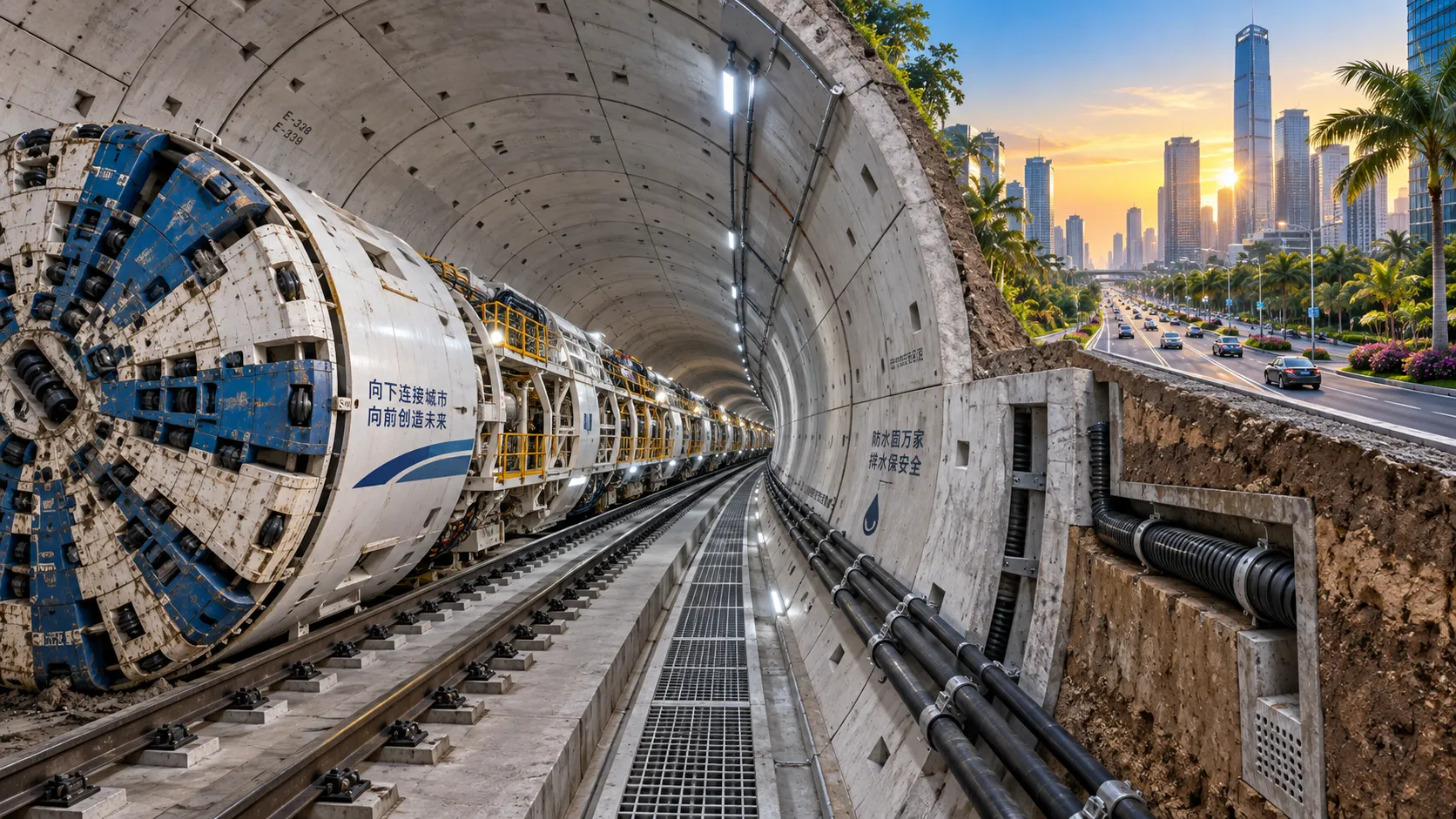
What Is Driving Metro Tunnelling Demand Across Southeast Asia’s Major Cities?
Metro tunnelling Southeast Asia is accelerating as major cities tackle congestion, flooding, and connectivity. Explore the market forces, technical risks, and opportunities shaping demand.
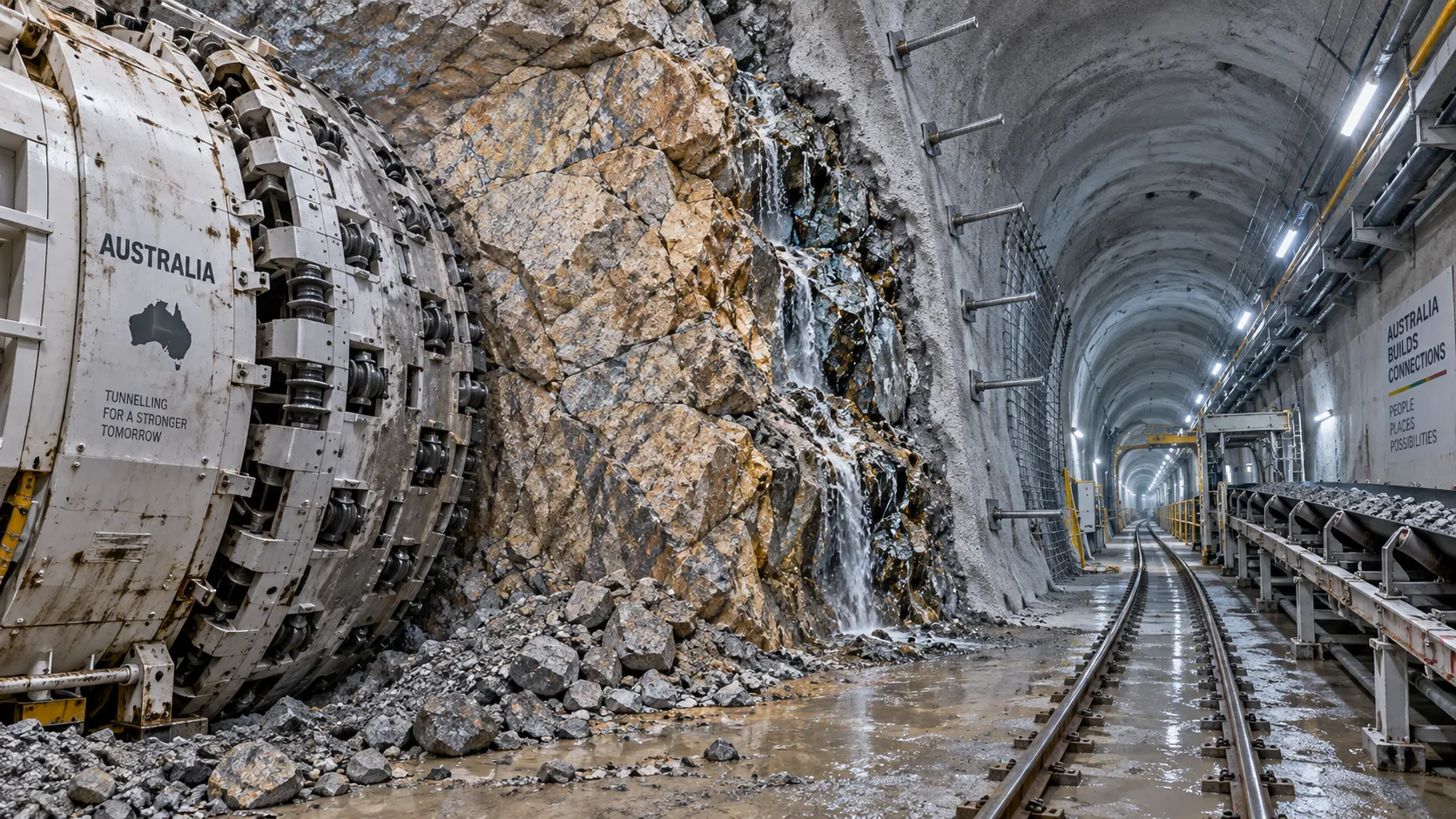
Hard Rock Tunnelling in Australia: Selecting Methods for Variable Ground Conditions
Hard rock tunnelling in Australia: compare TBM, drill-and-blast and hybrid methods to manage variable ground, reduce risk and protect project costs.
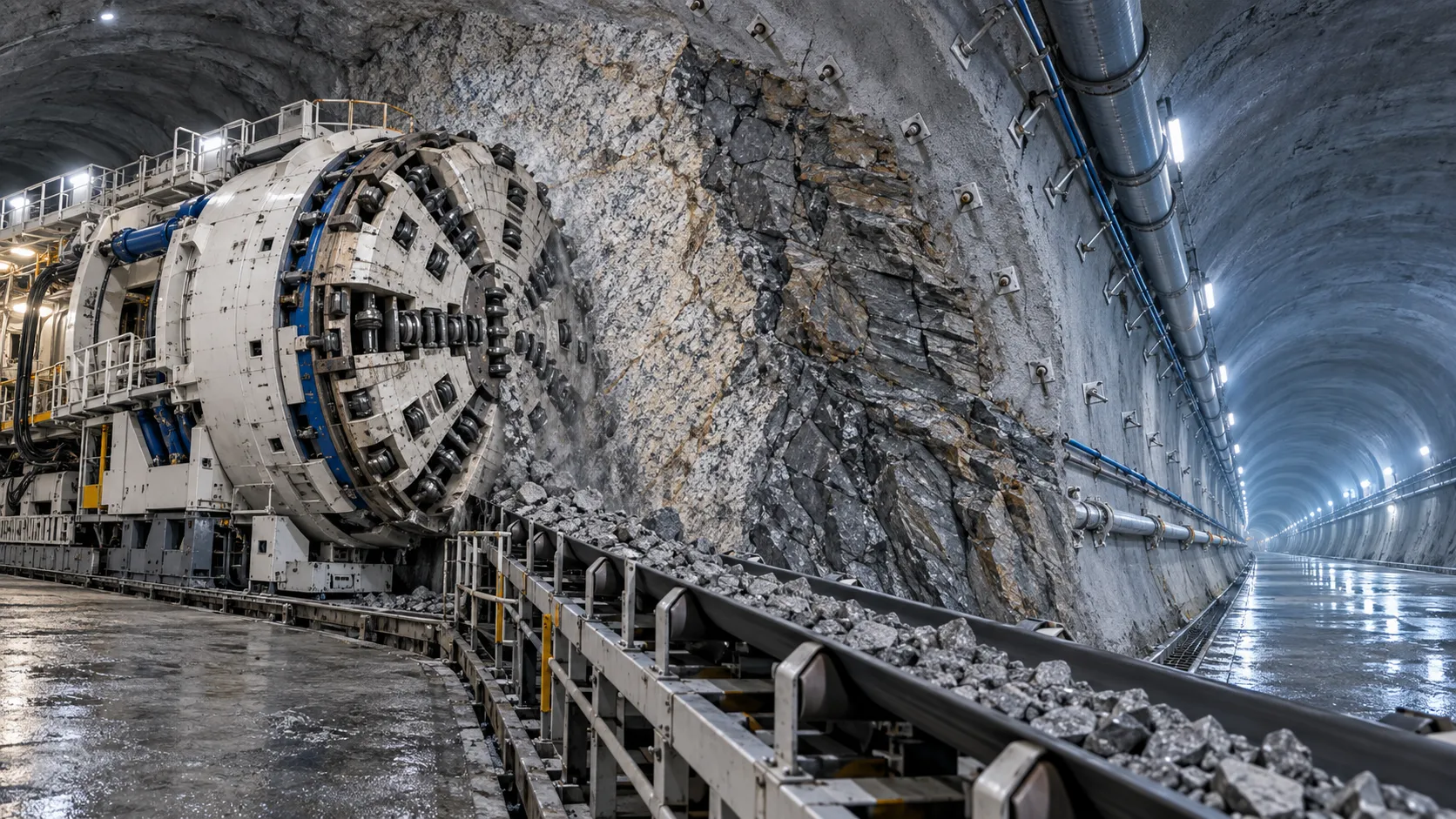
Hydropower Tunnel Excavation: Selecting Methods for Variable Rock Conditions
Hydropower tunnel excavation methods for variable rock conditions: compare TBM, drill-and-blast, and hybrid strategies to improve safety, progress, and project control.
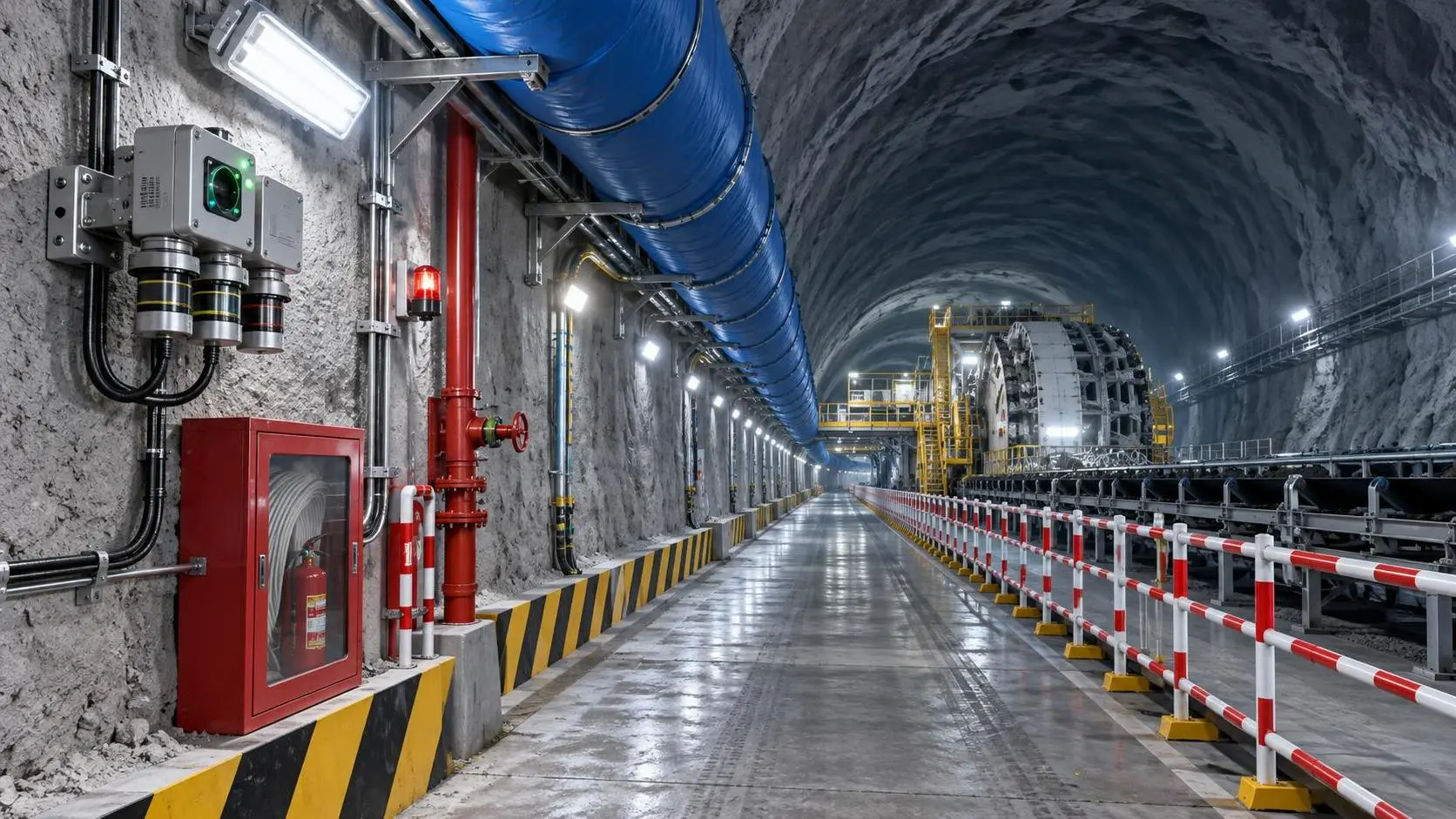
How to Select Underground Safety Equipment for Tunnelling by Hazard and Work Zone
Underground Safety Equipment for tunnelling: match protection to hazards, work zones, compliance, and emergency needs with this practical selection guide.
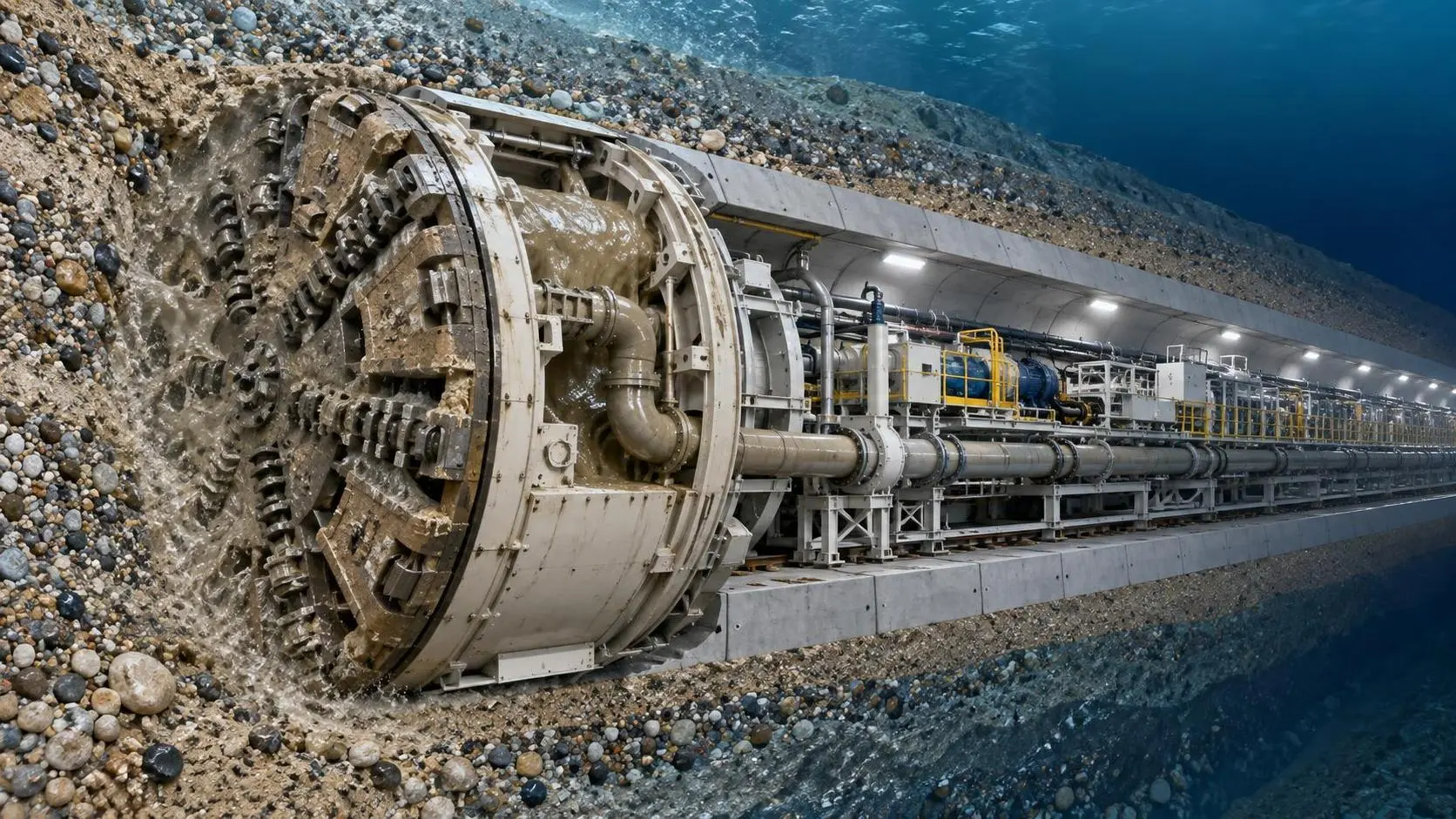
EPB or Slurry Shield? Selecting Soft-Ground Tunnelling Equipment by Soil Conditions
Tunnel Excavation Equipment for soft ground: compare EPB and slurry shields by soil, groundwater, settlement risk, and project logistics to choose confidently.
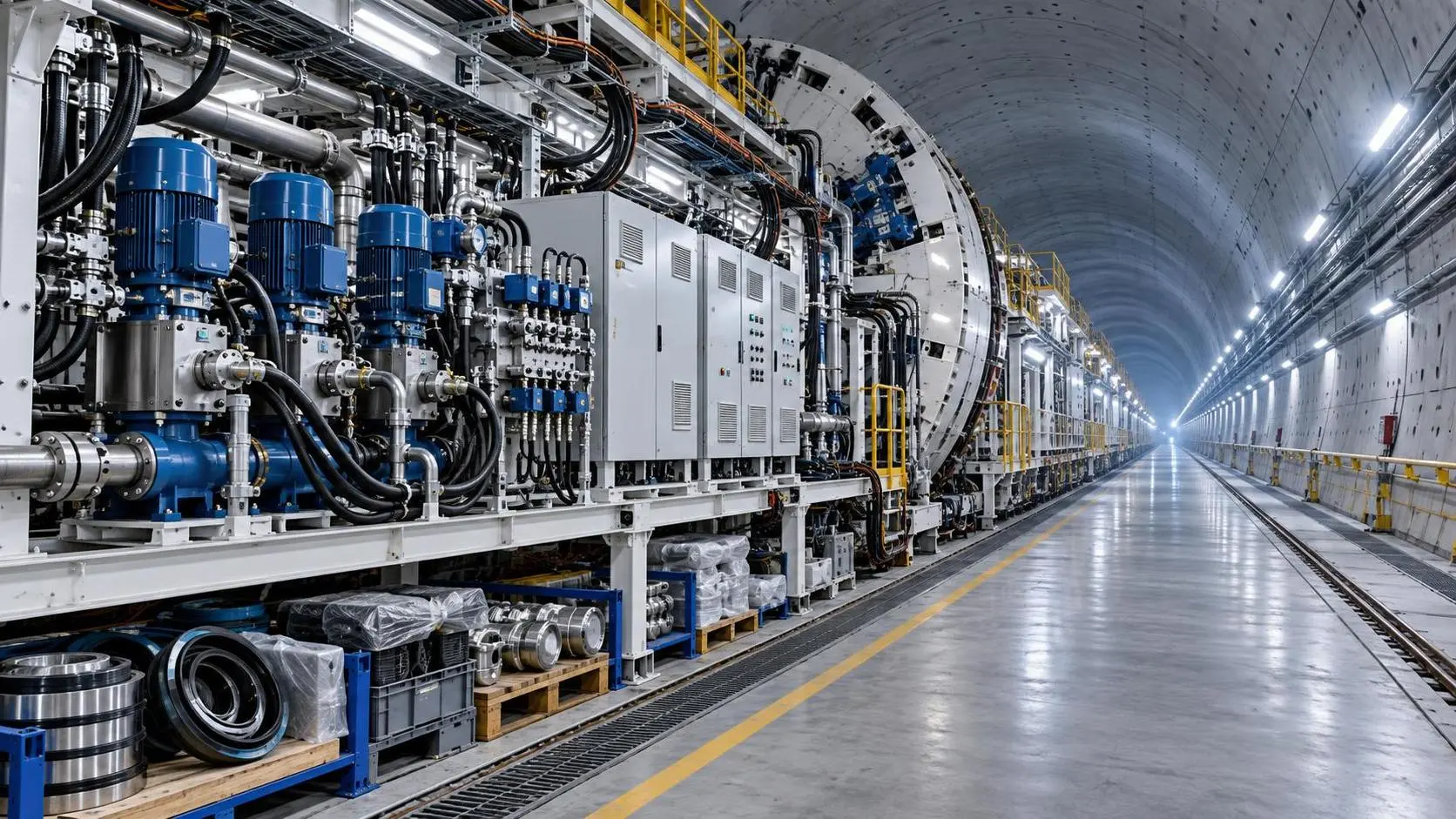
How to Specify TBM Backup System Parts for Reliable Long-Distance Tunnelling
TBM backup system parts: learn how to specify reliable spares for long-distance tunnelling, reduce downtime, ensure compatibility, and speed underground recovery.

How to Size Open Pit Mining Trucks for Haul Distance, Grade, and Payload?
Open Pit Mining Trucks: learn how to match payload, haul distance, grade, road resistance, and loading capacity for safer, lower-cost mine operations.
Related News
- 00
0000-00
How to Evaluate European Drill-and-Blast Tunnelling Contractors for Complex Projects - 00
0000-00
Which Trenchless Construction Technique Fits Your Utility Crossing Conditions? - 00
0000-00
What Is Driving Metro Tunnelling Demand Across Southeast Asia’s Major Cities? - 00
0000-00
Hard Rock Tunnelling in Australia: Selecting Methods for Variable Ground Conditions - 00
0000-00
Hydropower Tunnel Excavation: Selecting Methods for Variable Rock Conditions
Weekly Insights
Stay ahead with our curated technology reports delivered every Monday.