
EU Sets EN 474-7:2026 Rule for Underground Loaders





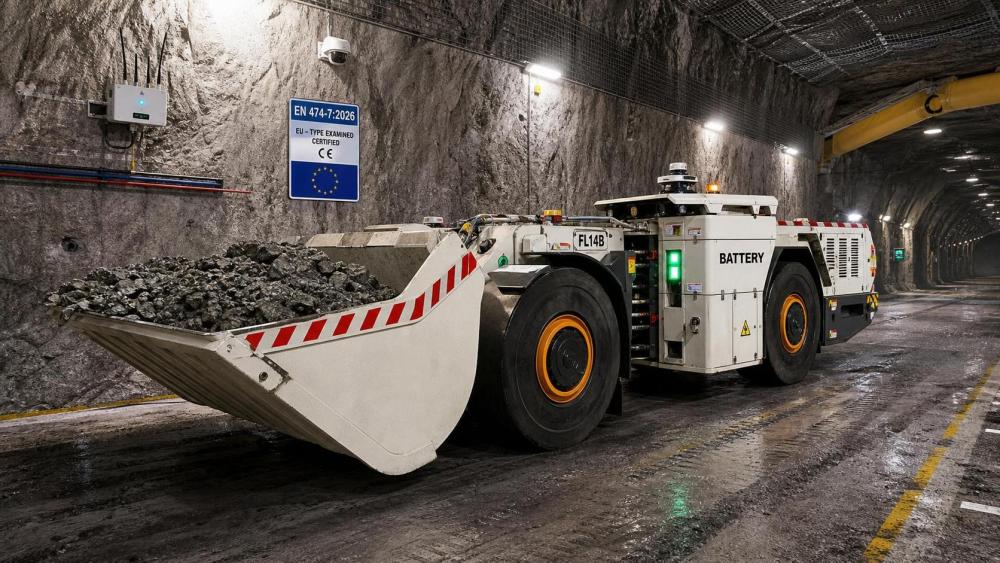
On October 1, 2026, a new compliance threshold takes effect for underground mining equipment entering the EU market. The updated CE certification guidance issued under the EU Machinery Directive framework brings EN 474-7:2026 into practical force for battery-powered and flameproof underground loading equipment, with direct relevance for manufacturers, exporters, certification planning, technical documentation, and delivery schedules. For companies supplying Battery LHDs, Autonomous LHDs, and Flameproof Loaders, the immediate issue is not only the rule change itself, but how it reshapes conformity assessment timing and export readiness.
What the updated EU guidance confirms
According to the provided event summary, the official gazette under the EU Machinery Directive published the CE Certification Application Guide for Underground Mining and Tunnelling Machinery (Rev.3) on July 21, 2026. The guide identifies EN 474-7:2026 as a harmonized standard for Battery LHDs, Autonomous LHDs, and Flameproof Loaders.
The same summary states that, from October 1, 2026, all battery-powered and flameproof underground loading equipment placed on the EU market must comply with three newly added mandatory provisions in that standard: thermal runaway monitoring, a 5G remote-control latency threshold of no more than 80 ms, and SLAM positioning accuracy in tunnels of plus or minus 15 cm.
The provided information also states that this update directly affects the export compliance pathway and type-testing cycle for Chinese manufacturers.
Where the rule change reaches into the supply chain
Export-facing equipment manufacturers
From an industry perspective, the most immediate impact falls on manufacturers shipping relevant underground loaders to the EU. They may be affected because the applicable conformity basis has been clarified and tightened for specific equipment categories. The pressure point is likely to appear in product design review, technical file preparation, type-testing arrangements, and shipment timing for models intended for EU entry on or after October 1, 2026.
What deserves closer attention is whether existing CE documentation, test plans, and model configurations fully reflect the three newly mandatory items named in the summary. For exporters, this is less about general CE labeling and more about whether the product evidence package can support compliance against the updated standard requirements.
Certification and testing workflows
Certification-related companies and testing service providers may also see a direct operational effect. Analysis shows that once thermal monitoring, 5G remote-control latency, and SLAM tunnel positioning accuracy become mandatory checkpoints, assessment workflows may need to focus more closely on how these functions are evidenced in reports and technical records.
For businesses relying on external conformity assessment support, the practical issue is preparation quality: incomplete test data, unclear functional descriptions, or outdated standard references could extend review cycles. The event summary explicitly notes an effect on type-testing timing, which makes scheduling and document completeness a near-term concern.
Procurement and project delivery coordination
Buyers, distributors, and supply chain service providers involved in underground equipment procurement may also be touched by the change because compliance status can affect order confirmation, acceptance criteria, and delivery sequencing. This is especially relevant where procurement specifications, tender documents, or delivery milestones reference CE conformity for entry into the EU market.
Observably, the rule change may matter not only at the point of import, but earlier in the commercial chain, when purchasers evaluate whether a machine can still be delivered under the original compliance assumptions. In that sense, contract documentation, technical specifications, and delivery planning deserve closer review.
Practical points companies should review now
Check whether the affected models fall within the clarified scope
Analysis shows that companies should first identify whether their products are Battery LHDs, Autonomous LHDs, or Flameproof Loaders covered by the updated guidance and harmonized standard reference. This is a threshold question for export planning, because scope uncertainty can delay both internal decision-making and external certification work.
Revisit technical files and test evidence
What deserves closer attention is whether existing technical documentation already addresses the three mandatory additions cited in the summary: thermal runaway monitoring, 5G remote-control latency at or below 80 ms, and tunnel SLAM positioning accuracy within plus or minus 15 cm. If the current file set was built to an earlier assumption, companies may need to review test reports, engineering descriptions, and conformity materials before shipment or market placement.
Watch the effect on delivery and bid documentation
From an industry perspective, another practical issue is alignment between compliance materials and commercial paperwork. Where EU-bound projects involve tenders, specification sheets, customer acceptance documents, or pre-delivery review packages, the updated standard reference may need to be reflected consistently. The provided information does not state how individual market participants will implement this in procurement documents, so this remains an area to monitor rather than a confirmed outcome.
Track execution language and market feedback
Observably, the summary confirms the rule change and effective date, but it does not provide detailed enforcement language beyond that. Companies should therefore continue tracking how certification practice, customer document requests, and market-facing compliance expectations develop after October 1, 2026. This is particularly relevant for firms managing export batches, after-sales obligations, or multi-stage delivery projects.
How this development is best understood at this stage
Analysis shows that this is more than a general policy signal. The information provided points to a rule that has moved into an applicable market-entry requirement from a defined date, with concrete technical compliance items attached. At the same time, it is also more appropriate to understand this as a change that still requires close observation in execution, because the summary does not provide full detail on how individual certification bodies, buyers, or project documents will operationalize the new standard reference.
For the industry, the key message is that the compliance burden is becoming more specific at the product-function level. That matters because technical performance points now sit closer to market-access readiness, especially for equipment categories named in the guidance.
What the market should take from this update
In practical terms, this development is best read as an implemented compliance change with immediate relevance for EU-bound underground loading equipment, rather than as a distant policy discussion. The confirmed effective date and the named mandatory provisions make it a live issue for certification planning, export scheduling, and technical document control.
At the same time, a measured reading is still necessary. The provided information supports the conclusion that the rule has landed, but not that all downstream execution questions have been settled. For that reason, the most rational approach is to treat this update as a clear compliance signal while continuing to watch certification practice, procurement language, and market feedback.
Basis of this article and points that still need verification
This article is generated from the user-provided news title, event date, and event summary. For this type of development, commonly relevant source categories may include official notices, regulatory publications, trade or customs authority information, industry association updates, standards organization documents, and reporting by authoritative media. A specific official source link was not provided in the input, so the underlying link and any subsequent official clarifications still need to be verified on an ongoing basis.
Further observation is still needed regarding detailed policy wording, certification execution practice, tender document updates, market feedback, and how affected companies implement the new requirements in actual export and delivery workflows.
Related News
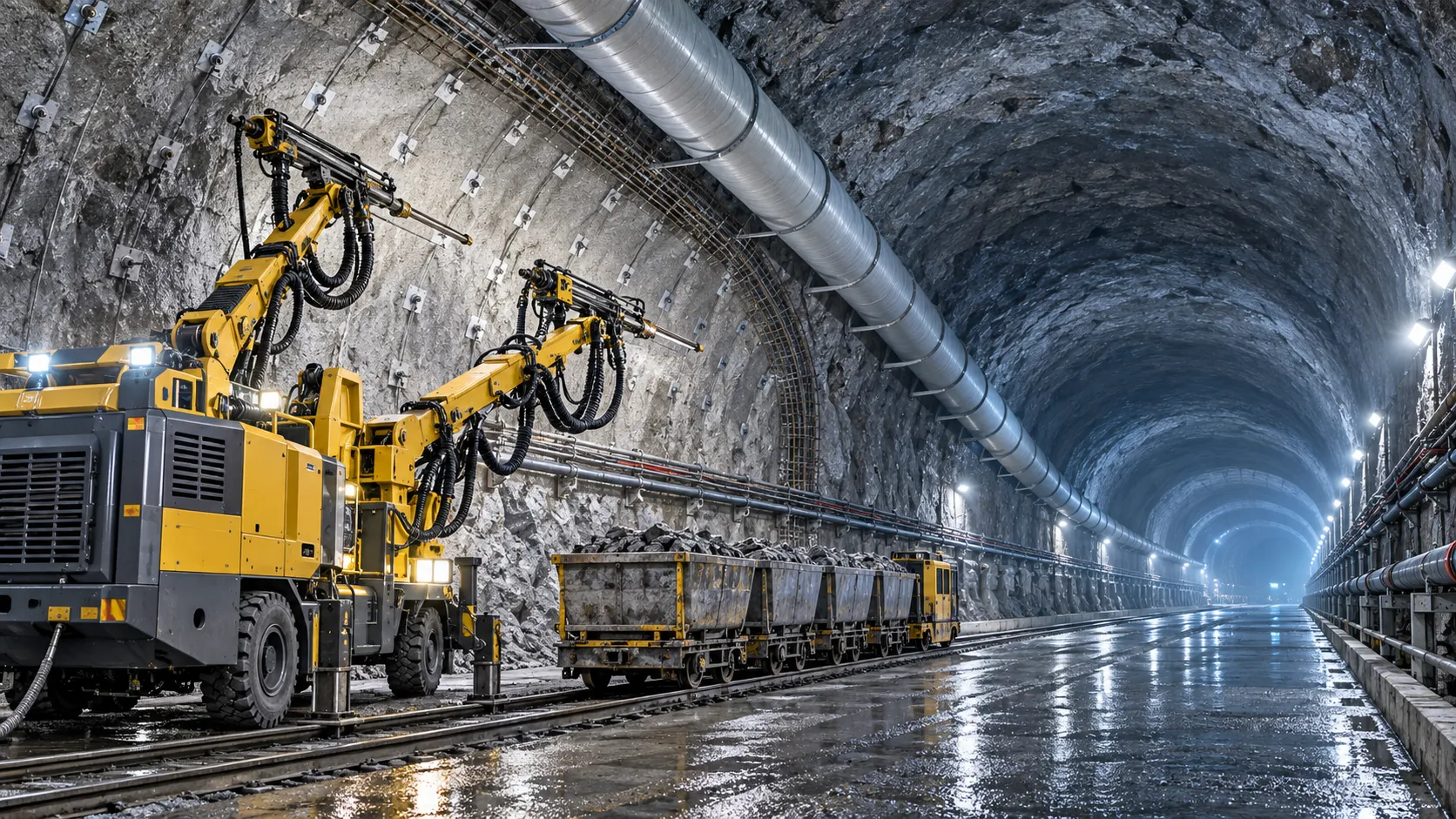
How to Evaluate European Drill-and-Blast Tunnelling Contractors for Complex Projects
Drill and blast tunnelling contractors Europe: learn how to assess geology expertise, blast control, equipment reliability, safety, and programme resilience for complex projects.
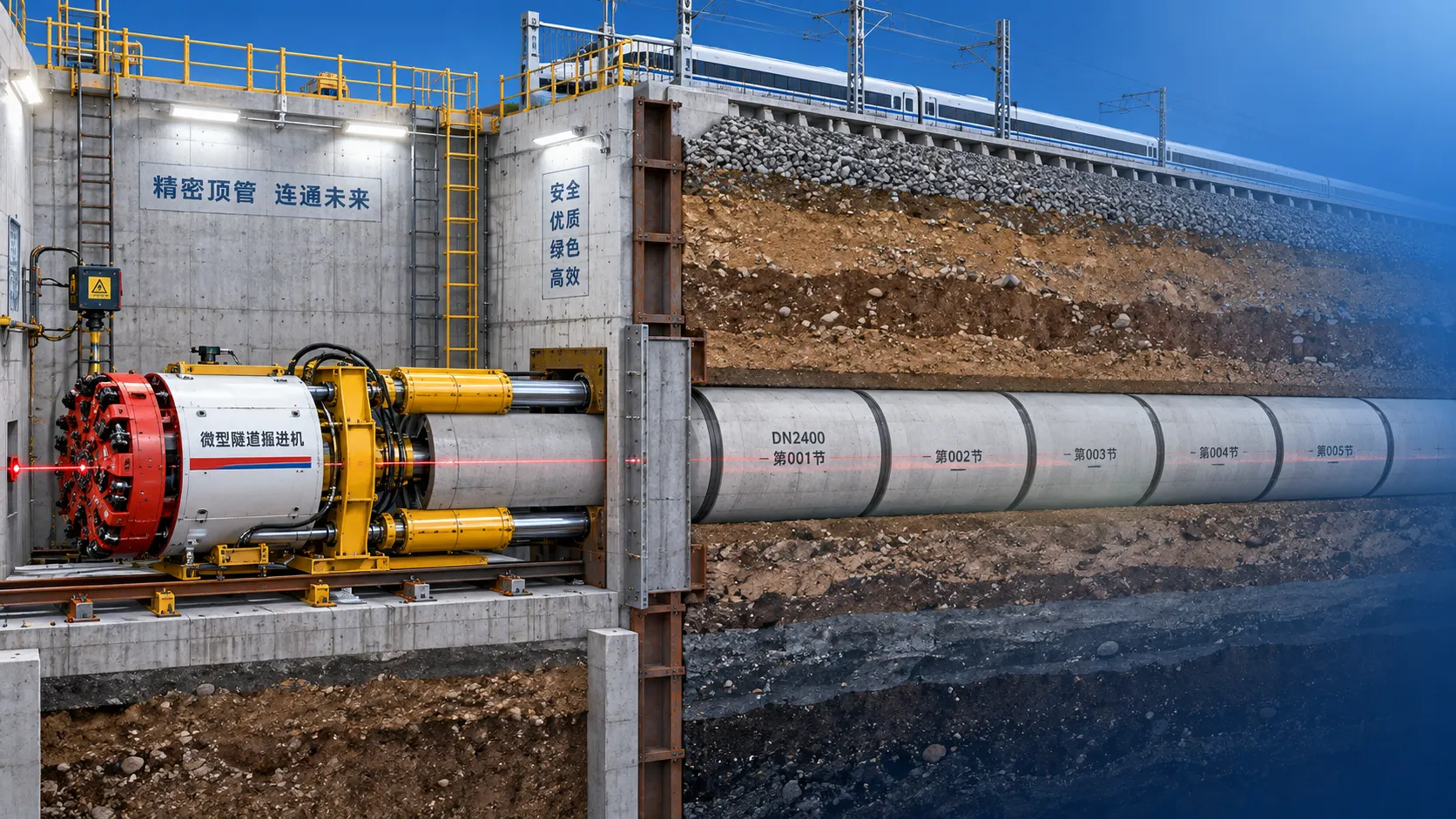
Which Trenchless Construction Technique Fits Your Utility Crossing Conditions?
Trenchless construction techniques compared for utility crossings: choose HDD, microtunnelling, pipe jacking, or auger boring based on ground, accuracy, access, and risk.
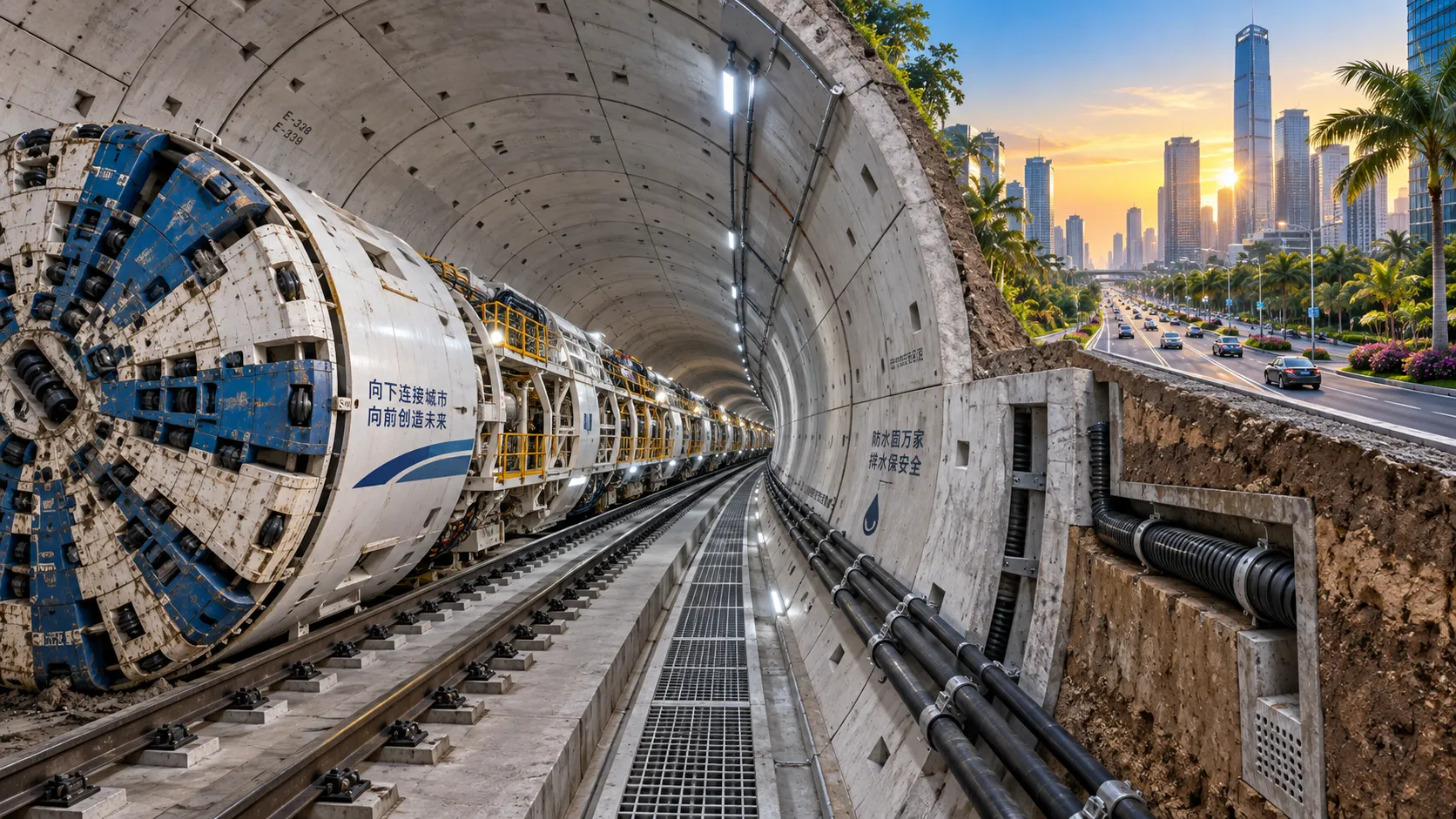
What Is Driving Metro Tunnelling Demand Across Southeast Asia’s Major Cities?
Metro tunnelling Southeast Asia is accelerating as major cities tackle congestion, flooding, and connectivity. Explore the market forces, technical risks, and opportunities shaping demand.
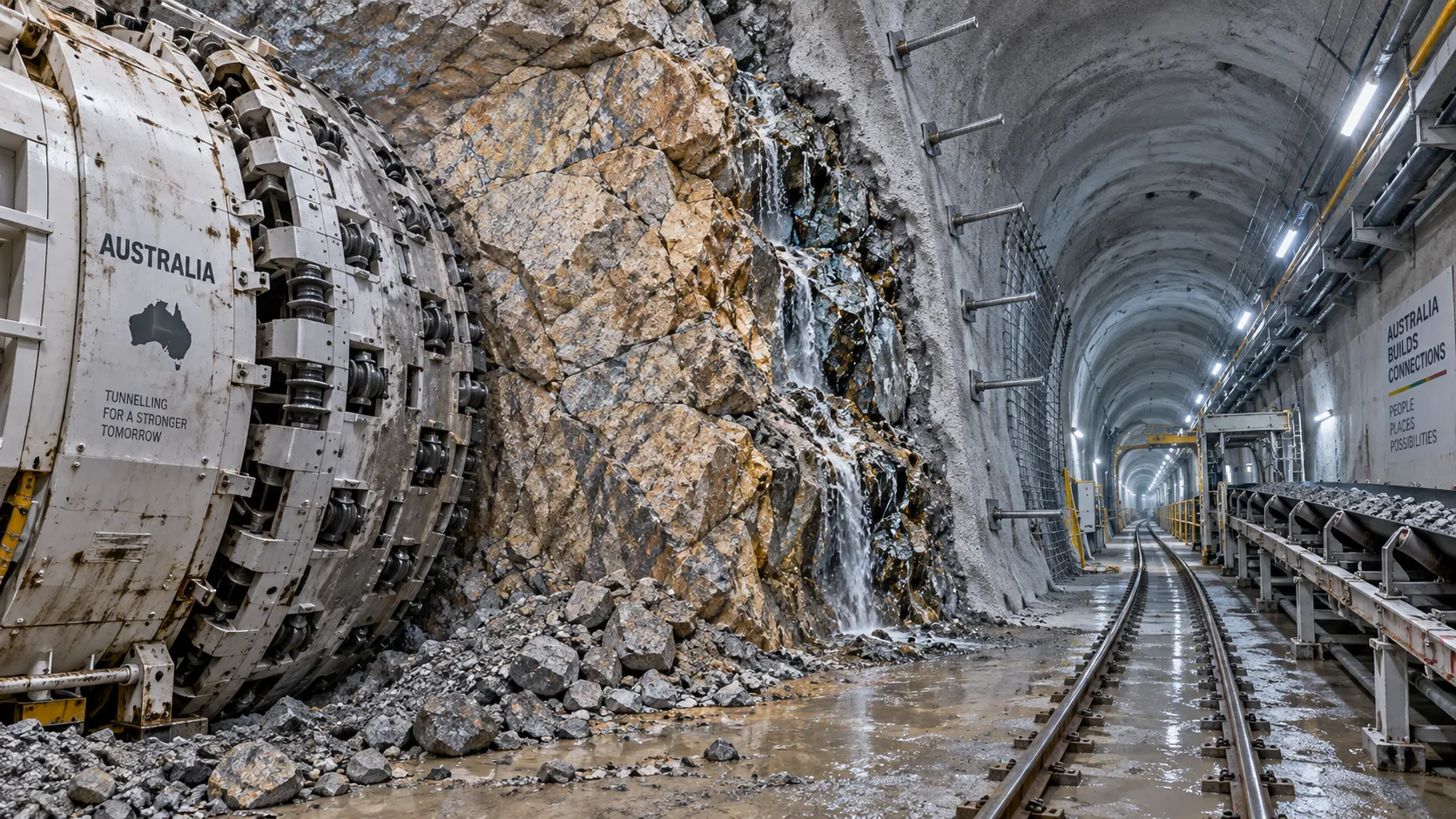
Hard Rock Tunnelling in Australia: Selecting Methods for Variable Ground Conditions
Hard rock tunnelling in Australia: compare TBM, drill-and-blast and hybrid methods to manage variable ground, reduce risk and protect project costs.
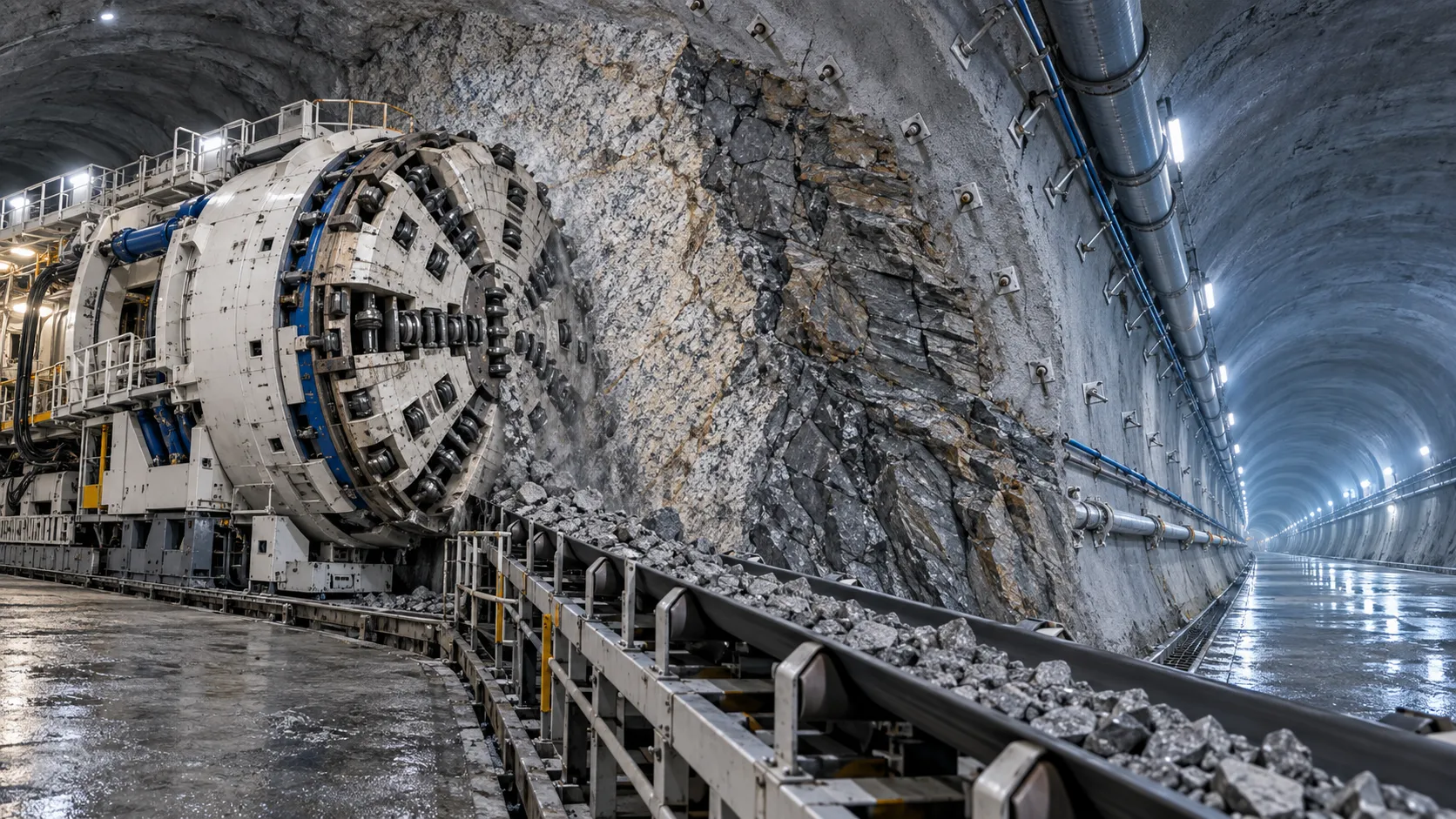
Hydropower Tunnel Excavation: Selecting Methods for Variable Rock Conditions
Hydropower tunnel excavation methods for variable rock conditions: compare TBM, drill-and-blast, and hybrid strategies to improve safety, progress, and project control.
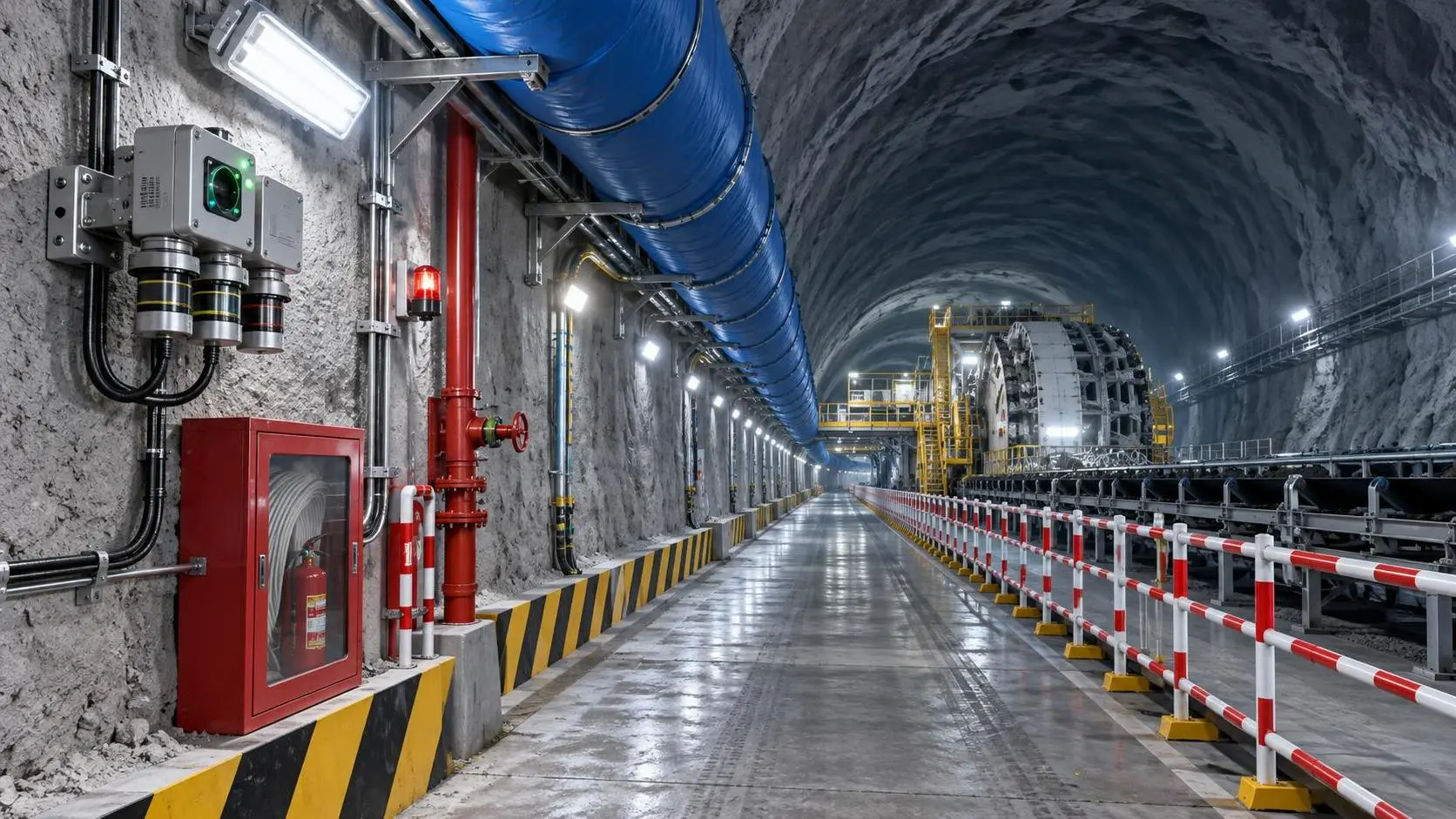
How to Select Underground Safety Equipment for Tunnelling by Hazard and Work Zone
Underground Safety Equipment for tunnelling: match protection to hazards, work zones, compliance, and emergency needs with this practical selection guide.

EPB or Slurry Shield? Selecting Soft-Ground Tunnelling Equipment by Soil Conditions
Tunnel Excavation Equipment for soft ground: compare EPB and slurry shields by soil, groundwater, settlement risk, and project logistics to choose confidently.
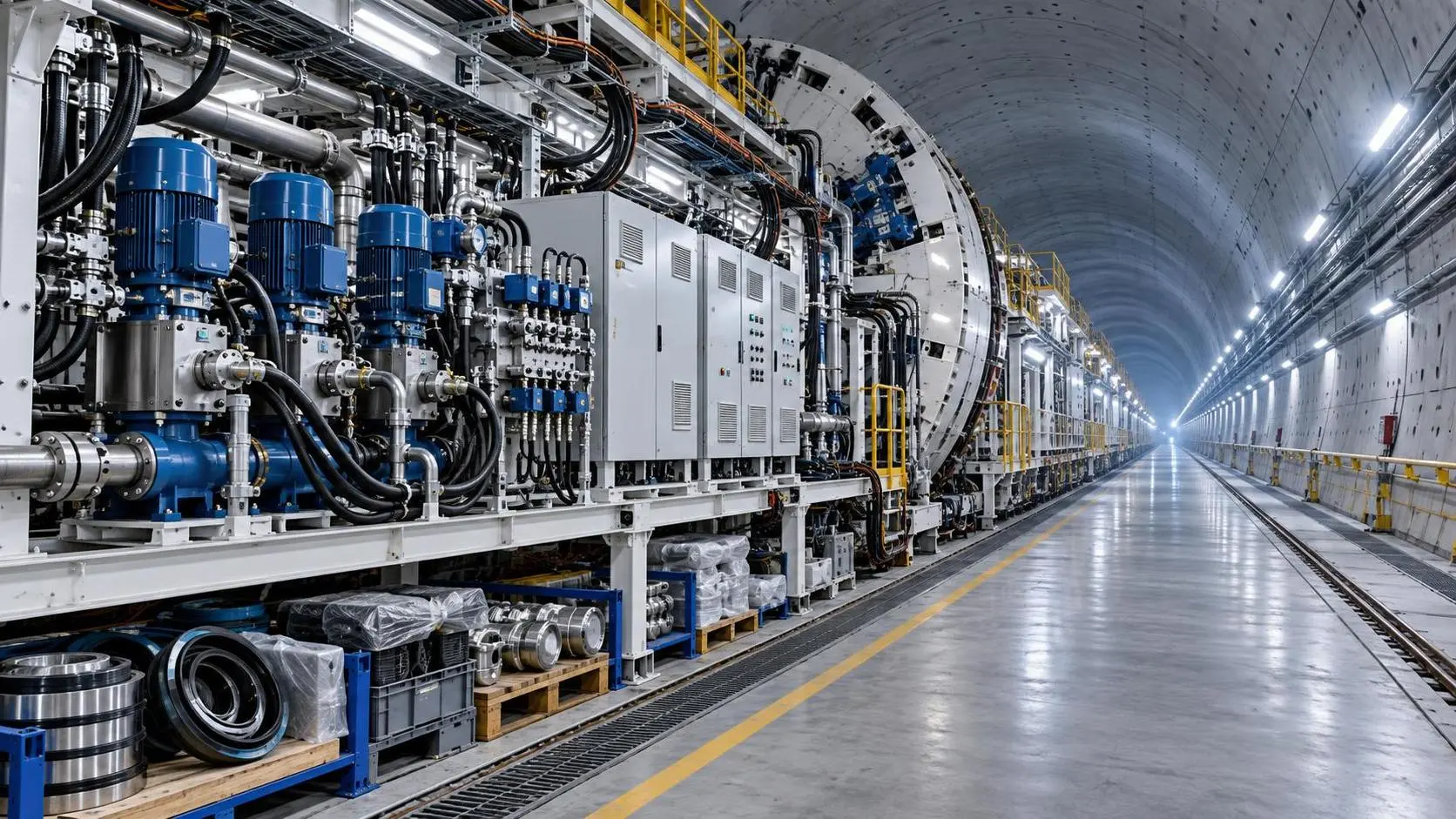
How to Specify TBM Backup System Parts for Reliable Long-Distance Tunnelling
TBM backup system parts: learn how to specify reliable spares for long-distance tunnelling, reduce downtime, ensure compatibility, and speed underground recovery.

How to Size Open Pit Mining Trucks for Haul Distance, Grade, and Payload?
Open Pit Mining Trucks: learn how to match payload, haul distance, grade, road resistance, and loading capacity for safer, lower-cost mine operations.
Related News
- 00
0000-00
How to Evaluate European Drill-and-Blast Tunnelling Contractors for Complex Projects - 00
0000-00
Which Trenchless Construction Technique Fits Your Utility Crossing Conditions? - 00
0000-00
What Is Driving Metro Tunnelling Demand Across Southeast Asia’s Major Cities? - 00
0000-00
Hard Rock Tunnelling in Australia: Selecting Methods for Variable Ground Conditions - 00
0000-00
Hydropower Tunnel Excavation: Selecting Methods for Variable Rock Conditions
Weekly Insights
Stay ahead with our curated technology reports delivered every Monday.