
How Rock Bolt Support Systems Improve Ground Stability in Underground Excavation





How Rock Bolt Support Systems Improve Ground Stability in Underground Excavation
In underground excavation, ground control is not just a safety issue. It directly shapes schedule certainty, equipment uptime, and long-term infrastructure performance.
Rock bolt support systems are one of the most effective tools for managing unstable ground. They reinforce fractured rock, reduce movement, and help openings keep their designed profile.
That matters across tunnels, mine drifts, shafts, caverns, and cross-passages. When support is installed correctly, the excavation behaves more like a stable rock structure than a loose collection of blocks.
For underground programs facing tight milestones and rising cost pressure, better support decisions can prevent overbreak, reduce rehabilitation, and protect downstream activities.
Why Ground Stability Changes So Quickly Underground
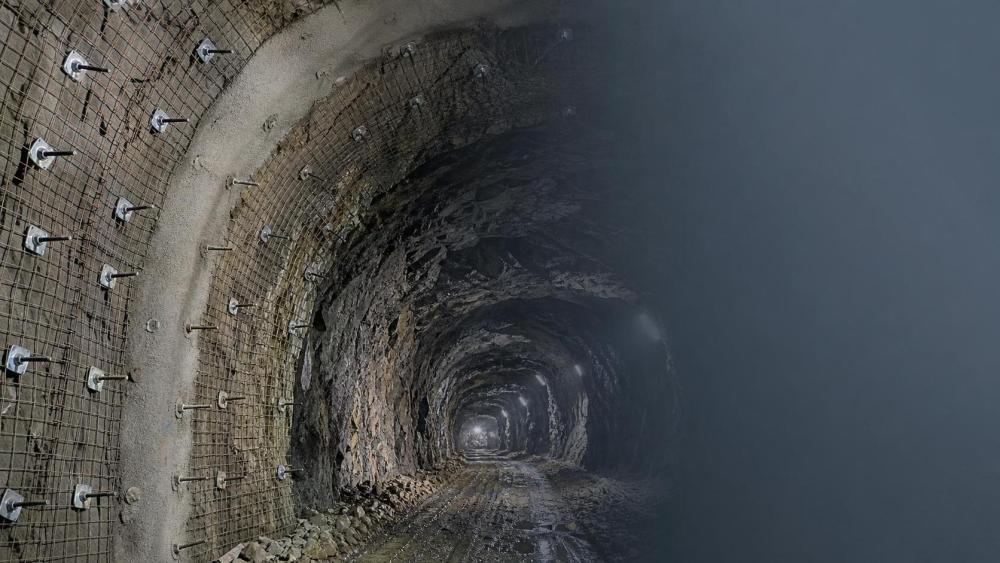
Ground conditions can shift within meters. A heading may pass from competent rock into jointed, weathered, squeezing, or highly stressed zones with little warning.
Excavation itself also changes the stress field. Once rock is cut, confinement drops, fractures open, and detached blocks can begin to move.
Water makes the problem worse. It reduces friction along joints, weakens some rock types, and increases deterioration around unsupported faces.
This is where rock bolt support systems become critical. They add active or passive reinforcement early, before localized instability grows into a wider support issue.
How Rock Bolt Support Systems Actually Work
At a practical level, rock bolt support systems tie unstable rock to stronger material behind the excavation boundary. That improves load transfer and limits separation along joints and bedding planes.
Some bolts create immediate anchorage through mechanical expansion. Others rely on resin or cement grout to bond the full bolt length to the surrounding rock.
The engineering goal is not only to stop falling rock. It is to build a reinforced shell that keeps the excavation stable under changing stress conditions.
When bolts are paired with mesh, straps, or shotcrete, the support system works together. Bolts provide internal reinforcement, while surface support controls loosened rock between anchor points.
Core stabilization mechanisms
- Clamp discontinuities and reduce block movement.
- Increase confinement around the excavation.
- Create beam action across fractured layers.
- Limit dilation in jointed or highly stressed rock.
- Improve interaction between rock mass and surface support.
Where Rock Bolt Support Systems Deliver the Most Value
The strongest value appears where excavation speed and geotechnical variability meet. In these settings, delays from unstable ground are expensive and often disruptive to multiple crews.
In drill-and-blast development, rock bolt support systems are often installed immediately after scaling. Fast reinforcement helps protect workers and keeps the next cycle on time.
In TBM or roadheader projects, bolts may be needed in stations, caverns, cross-passages, niches, and faulted sections where machine excavation meets weaker ground.
Mining operations also depend on reliable bolting in ore drives, access ramps, drawpoints, and service excavations. Stable ground supports safer hauling, ventilation, and equipment movement.
Typical application zones
- Jointed hard rock tunnels with block fall risk.
- Fault zones with broken, water-bearing material.
- Deep excavations exposed to stress redistribution.
- Intersections and widened chambers with larger spans.
- Permanent openings requiring long-term stability.
Choosing the Right Rock Bolt Support Systems
Not every rock bolt support system fits every ground class. Selection should follow site geology, expected loading, installation speed, corrosion exposure, and service life requirements.
Mechanically anchored bolts can be useful where immediate support is needed and the rock is competent enough to hold the anchor. They are fast, but performance depends on local conditions.
Resin-grouted bolts provide rapid anchorage and consistent load transfer. They are common where installation time matters and predictable bonding is required.
Cement-grouted bolts are often chosen for permanent works. They can support long-term durability goals, especially when corrosion protection is part of the design basis.
Friction bolts and yielding bolts are valuable in fractured or high-deformation ground. These options can tolerate movement better than rigid systems in certain stress environments.
Selection criteria that affect performance
- Rock mass structure, joint spacing, and persistence.
- Expected deformation and stress regime.
- Need for immediate versus permanent support.
- Installation access, cycle time, and equipment availability.
- Water, corrosion risk, and maintenance expectations.
Operational Gains Beyond Safety
The immediate benefit of rock bolt support systems is obvious. They reduce collapse risk and help crews work under a more controlled ground condition.
The commercial benefit is just as important. Better ground stability supports cleaner blast results, lower scaling demand, and fewer interruptions to mucking, ventilation, and material handling.
Stable openings also protect equipment. Drilling jumbos, LHDs, utility vehicles, and haulage systems all perform better when tunnel geometry remains predictable.
For long-duration projects, consistent support reduces rework. That improves schedule confidence, cost control, and confidence in the asset’s long-term structural behavior.
Common project benefits
- Lower risk of overbreak and secondary support.
- More stable excavation cycles and fewer stoppages.
- Improved productivity in headings and intersections.
- Reduced exposure to rehabilitation costs later.
- Better support for automation and remote operation workflows.
What Usually Goes Wrong in Rock Bolt Support Systems
Many support failures are not caused by the bolt type alone. They come from poor installation discipline, weak quality control, or support patterns that do not match actual ground conditions.
A common issue is delayed installation. Even a well-designed rock bolt support system loses value if the ground has already loosened before reinforcement begins.
Another issue is poor hole quality. Incorrect diameter, depth deviation, contamination, or water inflow can reduce bond strength and overall support capacity.
Load testing, pull testing, torque checks, grout verification, and installation records should not be treated as paperwork. They are direct indicators of support reliability.
Field controls worth tightening
- Install support as close to the face as conditions allow.
- Verify drilling accuracy and bolt embedment length.
- Adjust support density when mapping shows deterioration.
- Track bolt performance with routine testing and audits.
- Link support decisions to geotechnical updates, not assumptions.
A Practical Decision Framework for Better Ground Support
In practice, the best rock bolt support systems are part of a wider ground control strategy. They should connect design intent, field geology, equipment capability, and production planning.
Start with realistic ground models, then define support classes tied to observable conditions. That makes field decisions faster when headings move into mixed or deteriorating zones.
Next, confirm that bolting equipment, consumables, and crew training match the chosen support method. A sound design still fails when installation capacity lags behind excavation demand.
Finally, build feedback loops. Geotechnical mapping, convergence monitoring, and support testing should continuously refine the bolting pattern as excavation advances.
As underground projects become deeper, more automated, and more schedule-sensitive, the role of rock bolt support systems keeps expanding. Support is no longer a background task.
It is a direct lever for stability, productivity, and asset reliability. Stronger decisions on rock bolt support systems lead to fewer surprises and more predictable excavation performance.
The practical next step is clear. Review support classes, installation timing, and verification routines against current ground behavior, then tighten the gaps before they become schedule or safety problems.
Related News

How to Evaluate European Drill-and-Blast Tunnelling Contractors for Complex Projects
Drill and blast tunnelling contractors Europe: learn how to assess geology expertise, blast control, equipment reliability, safety, and programme resilience for complex projects.

Which Trenchless Construction Technique Fits Your Utility Crossing Conditions?
Trenchless construction techniques compared for utility crossings: choose HDD, microtunnelling, pipe jacking, or auger boring based on ground, accuracy, access, and risk.

What Is Driving Metro Tunnelling Demand Across Southeast Asia’s Major Cities?
Metro tunnelling Southeast Asia is accelerating as major cities tackle congestion, flooding, and connectivity. Explore the market forces, technical risks, and opportunities shaping demand.

Hard Rock Tunnelling in Australia: Selecting Methods for Variable Ground Conditions
Hard rock tunnelling in Australia: compare TBM, drill-and-blast and hybrid methods to manage variable ground, reduce risk and protect project costs.

Hydropower Tunnel Excavation: Selecting Methods for Variable Rock Conditions
Hydropower tunnel excavation methods for variable rock conditions: compare TBM, drill-and-blast, and hybrid strategies to improve safety, progress, and project control.

How to Select Underground Safety Equipment for Tunnelling by Hazard and Work Zone
Underground Safety Equipment for tunnelling: match protection to hazards, work zones, compliance, and emergency needs with this practical selection guide.

EPB or Slurry Shield? Selecting Soft-Ground Tunnelling Equipment by Soil Conditions
Tunnel Excavation Equipment for soft ground: compare EPB and slurry shields by soil, groundwater, settlement risk, and project logistics to choose confidently.
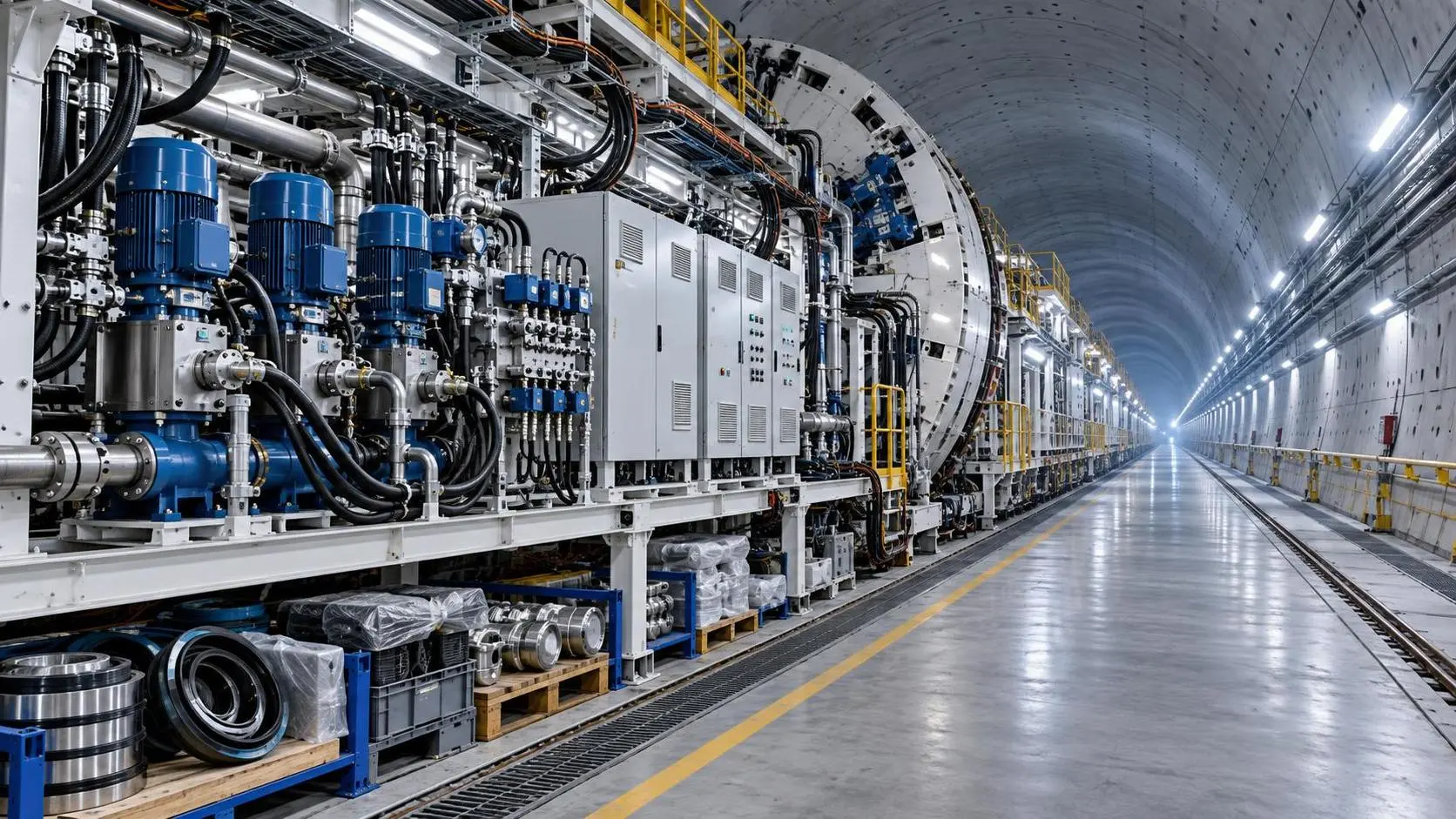
How to Specify TBM Backup System Parts for Reliable Long-Distance Tunnelling
TBM backup system parts: learn how to specify reliable spares for long-distance tunnelling, reduce downtime, ensure compatibility, and speed underground recovery.
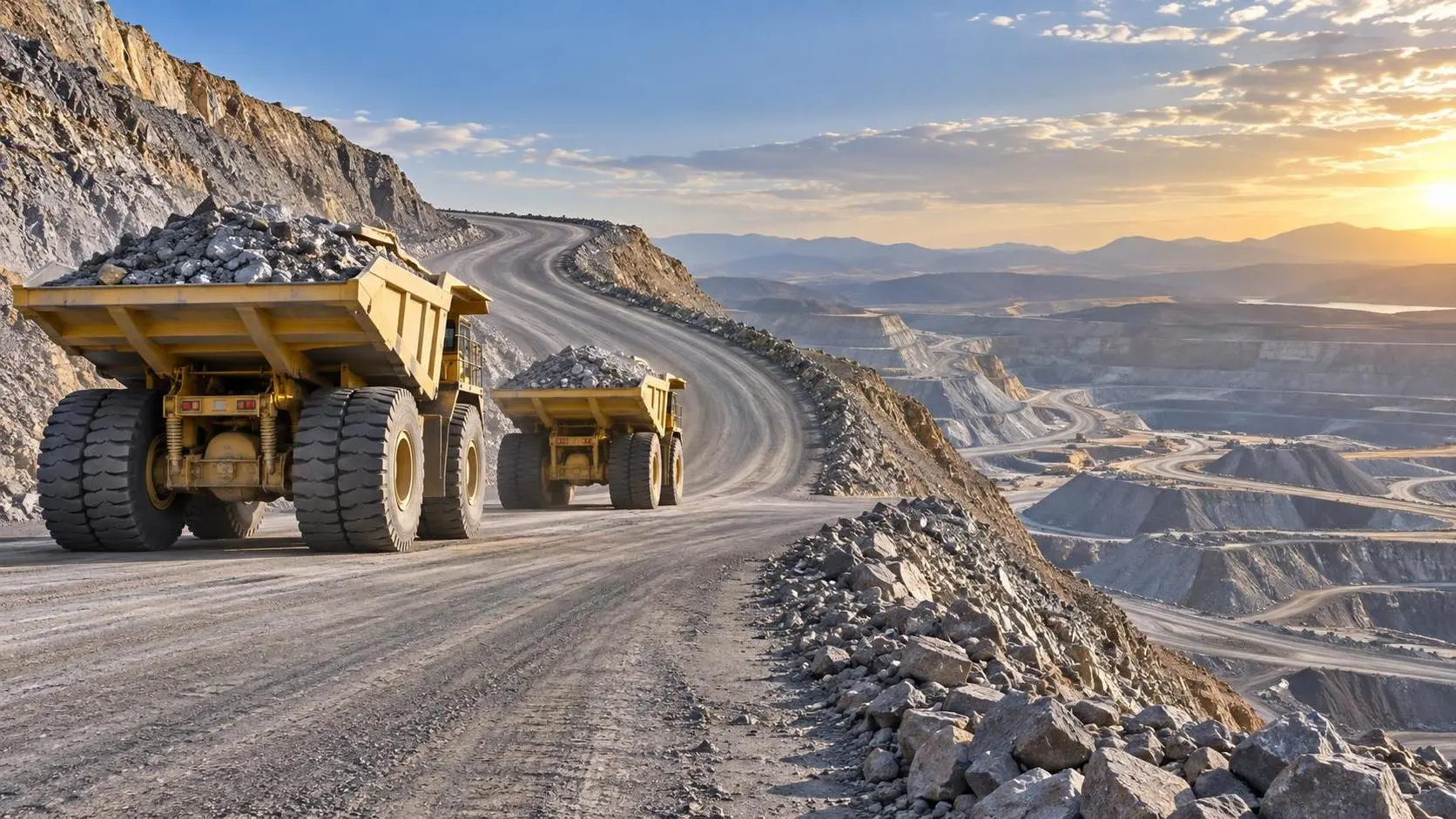
How to Size Open Pit Mining Trucks for Haul Distance, Grade, and Payload?
Open Pit Mining Trucks: learn how to match payload, haul distance, grade, road resistance, and loading capacity for safer, lower-cost mine operations.
Related News
- 00
0000-00
How to Evaluate European Drill-and-Blast Tunnelling Contractors for Complex Projects - 00
0000-00
Which Trenchless Construction Technique Fits Your Utility Crossing Conditions? - 00
0000-00
What Is Driving Metro Tunnelling Demand Across Southeast Asia’s Major Cities? - 00
0000-00
Hard Rock Tunnelling in Australia: Selecting Methods for Variable Ground Conditions - 00
0000-00
Hydropower Tunnel Excavation: Selecting Methods for Variable Rock Conditions
Weekly Insights
Stay ahead with our curated technology reports delivered every Monday.