
How Pressure Water Tunnels Work in Hydropower Projects and What Engineers Must Consider





How Pressure Water Tunnels Work in Hydropower Projects and What Engineers Must Consider
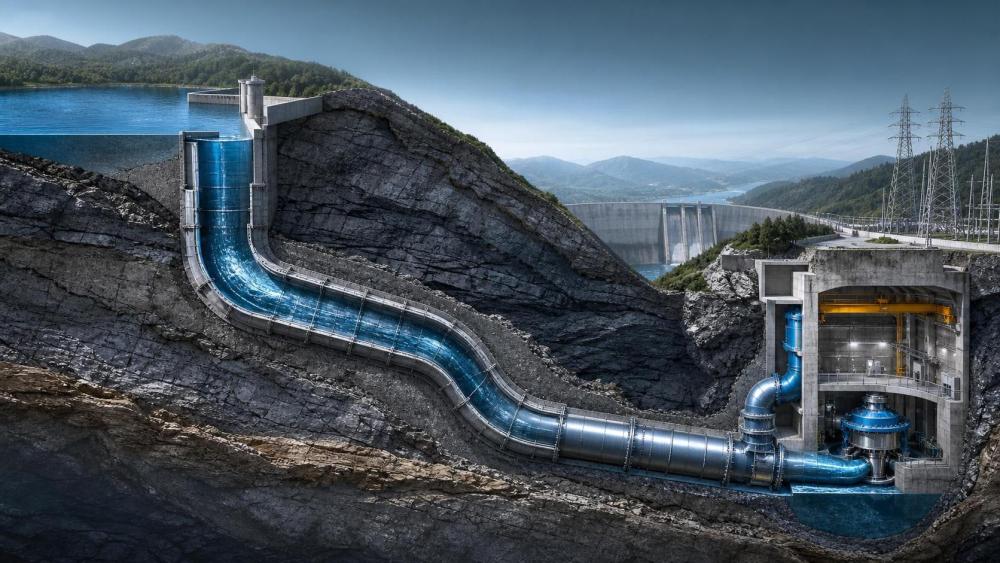
In hydropower development, pressure water tunnels convert stored water energy into controlled power delivery.
They sit between the reservoir, surge system, penstock connection, and powerhouse.
At first glance, the idea seems simple. Water enters the tunnel, moves downhill, and drives turbines.
In practice, pressure water tunnels are far more demanding.
Their performance depends on alignment, hydraulic losses, rock behavior, internal pressure, tunnel lining, and long-term operating conditions.
That is why pressure water tunnels often become one of the most risk-sensitive components in hydropower projects.
For engineers, the key question is not only how pressure water tunnels work, but how they keep working safely for decades.
This also means design decisions made early can lock in either efficiency gains or operating problems later.
What Pressure Water Tunnels Actually Do
Pressure water tunnels are closed or semi-closed underground conduits that carry water under pressure.
Their purpose is to preserve hydraulic head while delivering stable flow to turbines.
Unlike free-flow diversion tunnels, pressure water tunnels must resist internal loads during normal and transient conditions.
That internal load changes with discharge, start-stop sequences, valve movement, and turbine rejection events.
A typical arrangement includes an intake, gate system, pressure shaft or tunnel, surge facility, and powerhouse connection.
Each element affects how pressure water tunnels behave during operation.
If one section is underdesigned, the entire hydraulic system can lose efficiency or face serious safety issues.
Basic operating principle
Water stored at elevation contains potential energy.
Pressure water tunnels guide that water through rock mass while limiting energy loss from friction and turbulence.
At the powerhouse, the remaining head becomes mechanical and then electrical energy.
So the tunnel is not just a passage. It is an energy-preservation structure.
Hydraulic Design Factors That Shape Performance
Hydraulic design is where many pressure water tunnels succeed or fail.
Even a structurally sound tunnel can underperform if head losses are too high.
Tunnel diameter, slope, roughness, bends, branch connections, and transition geometry all matter.
The design team also needs a realistic flow regime, not a simplified average value.
Key hydraulic checks
- Estimate friction loss over the full alignment using expected lining roughness.
- Review local losses at intakes, bifurcations, bends, valves, and transitions.
- Check minimum pressure to avoid cavitation or sub-atmospheric conditions.
- Model transient pressure rise during rapid closure or turbine trip events.
- Confirm the surge system can control oscillation without oversizing civil works.
From recent project experience, transient analysis deserves more attention than it sometimes gets.
Pressure water tunnels can see water hammer loads that exceed normal operating pressure by a wide margin.
If those events are underestimated, lining cracks, joint distress, or equipment damage can follow.
Geology and Rock Support Are Never Secondary
Pressure water tunnels are hydraulic assets, but they are also underground structures inside uncertain ground.
That combination makes geology central to design, construction, and risk allocation.
Rock quality, joint spacing, fault zones, in situ stress, permeability, and groundwater pressure all influence the final solution.
This is especially true where pressure water tunnels pass through mixed ground or highly fractured rock.
More clearly, the rock mass can either share the pressure load or become a source of leakage and instability.
That distinction directly affects whether engineers choose unlined, partially lined, or fully lined pressure water tunnels.
Geological decisions that change the design
- Strong, low-permeability rock may allow reduced lining requirements.
- Faulted or squeezing ground usually demands stronger support and tighter construction control.
- High overburden can improve confinement, yet may increase excavation stress challenges.
- Karst or water-bearing features raise leakage, grouting, and schedule risks.
In real project delivery, ground investigation quality often decides how reliable later cost forecasts will be.
Sparse drilling may look economical early, but it can make pressure water tunnels far more expensive during construction.
Lining Design, Leakage Control, and Structural Safety
Lining design is where hydraulics and underground mechanics meet.
Concrete lining improves surface smoothness and protects against weathering, erosion, and leakage.
Steel lining becomes necessary when internal pressure exceeds what rock and concrete can safely carry.
Some pressure water tunnels use composite solutions, depending on pressure zones and local geology.
The main issue is not only ultimate strength.
Engineers must also manage crack control, uplift, joint sealing, construction tolerances, and long-term durability.
A small leakage path can become a serious operational threat under repeated pressure cycling.
Common lining considerations
- Internal design pressure, including surge allowance.
- External groundwater and drainage behavior.
- Bond or interaction between lining and surrounding rock.
- Grouting strategy for void filling and seepage reduction.
- Inspection access for future maintenance and repair.
This is also where standards and project-specific criteria must align.
Pressure water tunnels cannot rely on generic tunnel support assumptions when the loading condition is fully pressurized operation.
Construction Methods and Interface Risks
Construction strategy should follow geology, alignment length, access constraints, and schedule demands.
Drill-and-blast remains common in hydropower tunnels, especially in hard rock mountain terrain.
In selected conditions, full-face excavation methods may support consistency and productivity.
Still, excavation speed alone does not determine success for pressure water tunnels.
Interfaces usually create the biggest delivery risks.
These include intake structures, shafts, adits, surge chambers, steel liner sections, and powerhouse tie-ins.
If surveying, tolerances, or sequencing break down, rework can be extensive.
Practical construction controls
- Verify overbreak limits and their effect on final lining thickness.
- Track groundwater inflow and update grouting plans quickly.
- Control rock support timing to prevent loosening before lining placement.
- Maintain strict dimensional checks at transitions and embedded steel zones.
- Test pressure water tunnels in stages before full commissioning.
For project leaders, this also means procurement packaging matters.
When design, excavation, lining, and hydro-mechanical systems are split poorly, interface accountability becomes blurred.
Operations, Monitoring, and Long-Term Reliability
Once in service, pressure water tunnels should be treated as living infrastructure.
Their condition changes with pressure cycles, sediment load, thermal variation, and maintenance quality.
A durable design still needs disciplined monitoring.
Useful monitoring may include leakage measurement, deformation checks, pressure records, vibration data, and lining inspection history.
More projects are now combining instrumentation with digital asset management systems.
That shift is important because pressure water tunnels often remain hidden until defects become expensive.
What operators should review regularly
- Changes in seepage patterns around portals, shafts, or downstream slopes.
- Evidence of lining cracking, joint distress, or corrosion in steel-lined reaches.
- Hydraulic performance shifts that suggest roughness increase or obstruction.
- Abnormal pressure transients during unit startup, shutdown, or emergency closure.
A strong operations plan closes the loop between original design assumptions and actual field behavior.
That feedback is valuable for both rehabilitation planning and future hydropower developments.
What Engineers Must Prioritize Before Final Approval
Before approving design or construction packages, engineers should test the tunnel concept against real project constraints.
Pressure water tunnels are too capital-intensive to leave uncertainty buried in assumptions.
- Confirm hydraulic modeling covers steady-state and transient cases.
- Tie geological interpretation directly to lining and support decisions.
- Check constructability at every interface, not only along the main tunnel.
- Require inspection, drainage, and maintenance access in the permanent design.
- Align contract scope so responsibility for performance remains clear.
In the end, well-designed pressure water tunnels do more than move water.
They protect generating efficiency, reduce lifecycle risk, and support dependable hydropower output for decades.
That is the standard worth designing for from day one.
Related News

How to Evaluate European Drill-and-Blast Tunnelling Contractors for Complex Projects
Drill and blast tunnelling contractors Europe: learn how to assess geology expertise, blast control, equipment reliability, safety, and programme resilience for complex projects.

Which Trenchless Construction Technique Fits Your Utility Crossing Conditions?
Trenchless construction techniques compared for utility crossings: choose HDD, microtunnelling, pipe jacking, or auger boring based on ground, accuracy, access, and risk.

What Is Driving Metro Tunnelling Demand Across Southeast Asia’s Major Cities?
Metro tunnelling Southeast Asia is accelerating as major cities tackle congestion, flooding, and connectivity. Explore the market forces, technical risks, and opportunities shaping demand.

Hard Rock Tunnelling in Australia: Selecting Methods for Variable Ground Conditions
Hard rock tunnelling in Australia: compare TBM, drill-and-blast and hybrid methods to manage variable ground, reduce risk and protect project costs.

Hydropower Tunnel Excavation: Selecting Methods for Variable Rock Conditions
Hydropower tunnel excavation methods for variable rock conditions: compare TBM, drill-and-blast, and hybrid strategies to improve safety, progress, and project control.

How to Select Underground Safety Equipment for Tunnelling by Hazard and Work Zone
Underground Safety Equipment for tunnelling: match protection to hazards, work zones, compliance, and emergency needs with this practical selection guide.

EPB or Slurry Shield? Selecting Soft-Ground Tunnelling Equipment by Soil Conditions
Tunnel Excavation Equipment for soft ground: compare EPB and slurry shields by soil, groundwater, settlement risk, and project logistics to choose confidently.
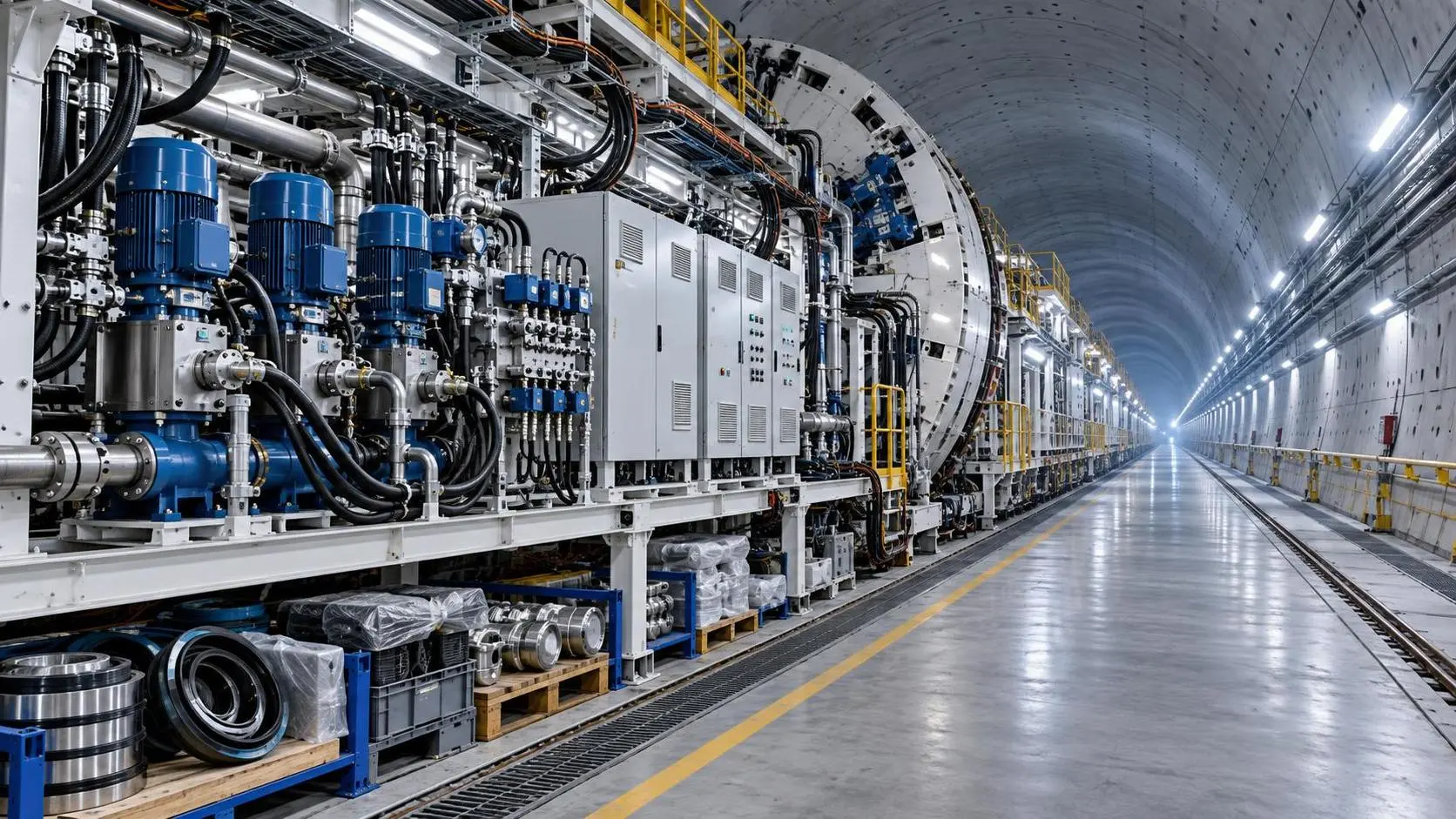
How to Specify TBM Backup System Parts for Reliable Long-Distance Tunnelling
TBM backup system parts: learn how to specify reliable spares for long-distance tunnelling, reduce downtime, ensure compatibility, and speed underground recovery.
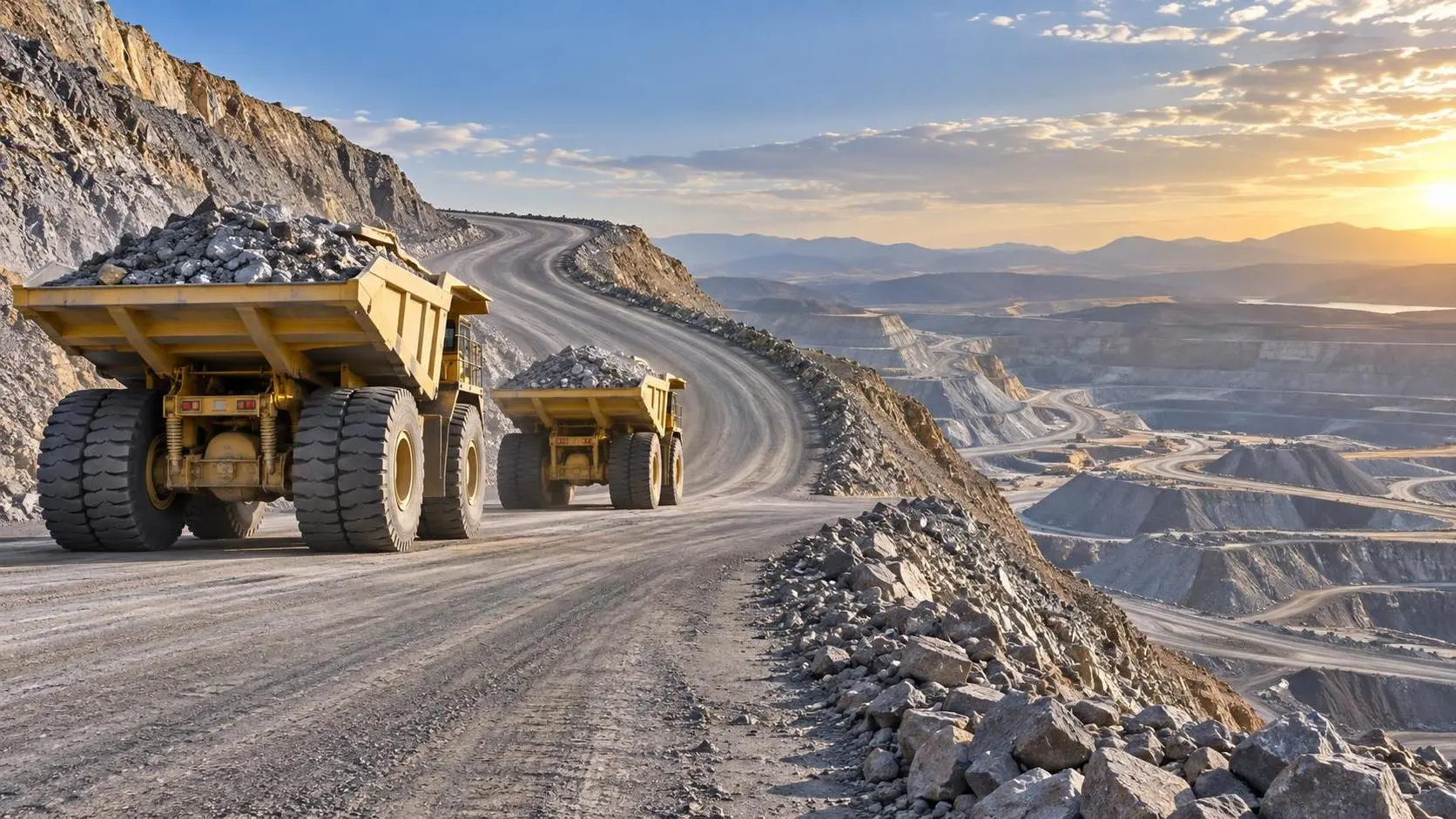
How to Size Open Pit Mining Trucks for Haul Distance, Grade, and Payload?
Open Pit Mining Trucks: learn how to match payload, haul distance, grade, road resistance, and loading capacity for safer, lower-cost mine operations.
Related News
- 00
0000-00
How to Evaluate European Drill-and-Blast Tunnelling Contractors for Complex Projects - 00
0000-00
Which Trenchless Construction Technique Fits Your Utility Crossing Conditions? - 00
0000-00
What Is Driving Metro Tunnelling Demand Across Southeast Asia’s Major Cities? - 00
0000-00
Hard Rock Tunnelling in Australia: Selecting Methods for Variable Ground Conditions - 00
0000-00
Hydropower Tunnel Excavation: Selecting Methods for Variable Rock Conditions
Weekly Insights
Stay ahead with our curated technology reports delivered every Monday.