
How to Evaluate Underground Automation Software for Tunnelling and Mining Projects





Choosing underground automation software for tunnelling and mining is rarely a simple software procurement task. It shapes how machines communicate, how operators see risk, and how decisions are made when visibility is low, geology changes, and downtime is expensive.
That is why evaluation has moved beyond feature comparison. The stronger question is whether a platform can support mixed fleets, harsh underground conditions, autonomous workflows, and the long asset life typical of TBMs, drilling jumbos, pipe jacking systems, LHDs, and heavy haulage equipment.
Across global tunnel projects and smart mining operations, digital control is now tied to safety performance, electrification, energy efficiency, and production consistency. In that context, underground automation software becomes part of operational infrastructure, not just an IT layer.
What underground automation software really covers
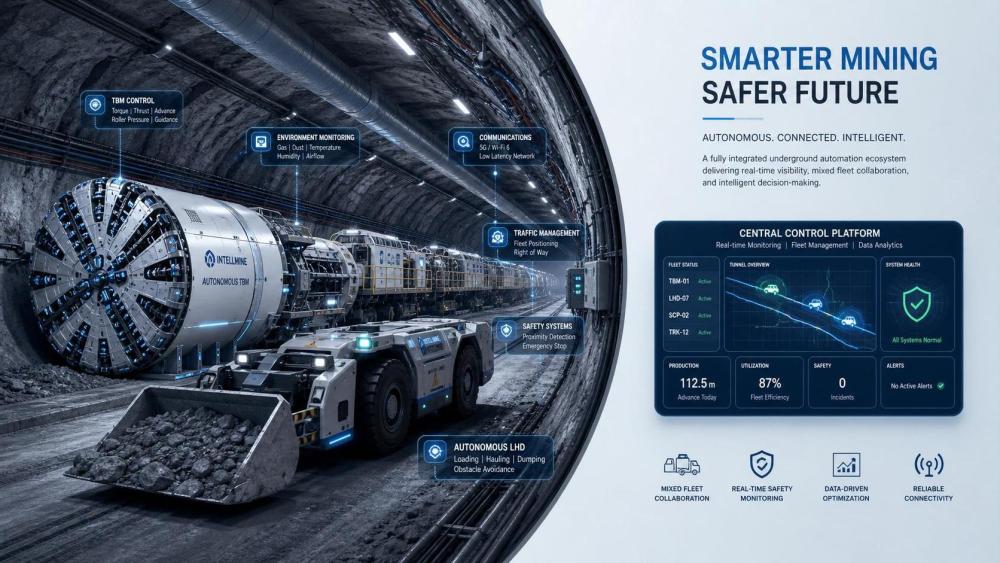
In practice, underground automation software combines control logic, telemetry, analytics, and workflow coordination. It may sit inside a machine, above a fleet, or across an entire site stack.
The scope varies by application. TBM automation focuses on steering, cutterhead data, segment handling, and machine health. Mining software may prioritize dispatch, collision avoidance, remote loading, battery management, and production tracking.
For trenchless and underground haulage environments, the software often bridges mechanical systems, electrical drives, hydraulic controls, sensors, and operator interfaces. This integration layer is where many evaluation mistakes begin.
A platform can look advanced in a demo yet still fail in a real heading if latency is unstable, data models are closed, or fault handling is weak. Good underground automation software is defined by field reliability more than dashboard polish.
Why the market is paying closer attention
Underground operations are under pressure from several directions at once. Productivity targets remain high, but ventilation costs, labor constraints, ESG requirements, and zero-exhaust strategies are changing equipment design and control expectations.
That shift is visible across UTMD’s core sectors. Full-face tunnel boring machines need tighter process visibility. Pipe jacking systems require precise path control in constrained urban corridors. Drilling jumbos depend on accurate pattern execution and repeatable cycle data.
In mines, battery-electric LHDs and autonomous dump trucks add another layer. Energy use, charging or swapping windows, traction behavior, regenerative braking, and remote intervention all depend on software quality.
More importantly, underground automation software now sits close to business risk. A weak integration choice can lock a project into one OEM, reduce equipment utilization, or make later digital upgrades far more expensive.
Start with the operating environment, not the vendor brochure
Evaluation should begin with the physical and operational reality of the site. Underground conditions are not generic. A hard-rock decline mine, a metro TBM drive, and a municipal pipe jacking corridor place very different demands on software architecture.
Key variables include communication quality, dust, water ingress, vibration, heat, cycle time sensitivity, fleet mix, and intervention frequency. These factors determine whether a cloud-heavy design, for example, is realistic or risky.
It also helps to define the automation boundary early. Some projects need assisted control and strong telemetry. Others need remote operation, autonomous tramming, dynamic traffic logic, or closed-loop machine optimization.
Without that baseline, software selection turns into a comparison of claims rather than fit.
A practical framing checklist
- What decisions must be made automatically, and what must remain operator-controlled?
- Which machines, sensors, and subsystems need to exchange data in real time?
- How much downtime can the operation tolerate during communication loss?
- Will the software need to support electrified equipment within two to five years?
- Is the project aiming for single-machine optimization or full workflow orchestration?
The evaluation criteria that matter most
Once the use case is clear, the strongest assessment method is to test software against a small set of operational criteria. These should reflect underground constraints rather than generic enterprise software standards.
Interoperability and data openness
Underground fleets are rarely uniform for long. New headings, contractor packages, and phased expansions often introduce mixed OEM equipment. Underground automation software should therefore support standard protocols, exportable data, and API access.
Closed platforms may deliver fast deployment, but they can create long-term dependency. The real test is whether the system can absorb future sensors, analytics tools, and fleet additions without a full rebuild.
Real-time visibility and decision latency
A useful interface underground is not simply data-rich. It must surface the right alarms, machine states, route conflicts, energy conditions, and maintenance warnings with minimal delay.
For TBMs, delayed feedback can affect steering or cutter performance analysis. For LHDs and autonomous haulage, latency can affect traffic flow, remote safety intervention, and battery usage planning.
Autonomy maturity
Many vendors use the language of autonomy loosely. Evaluation should separate rule-based automation, supervised remote control, semi-autonomous cycles, and fully autonomous workflows.
The important question is not whether autonomy exists, but how stable it is across variable rock conditions, congestion, and sensor degradation. Exception handling matters as much as nominal performance.
Resilience in harsh underground conditions
Underground automation software must tolerate network interruption, sensor fouling, and partial subsystem failure. Local fallback logic, buffered data capture, and clear degradation modes are essential.
A resilient platform should fail predictably. That matters more than maximum theoretical capability.
Cybersecurity and functional safety
As equipment becomes connected, control security and operational safety converge. Access control, audit trails, network segmentation, patch governance, and recovery procedures should be part of the technical review.
Safety integrity is equally important. Evaluators should ask how the software interacts with emergency stops, geofencing, proximity systems, and machine-safe states during loss of communications.
How criteria differ by equipment type
One reason software selection becomes difficult is that not every underground asset benefits from the same automation logic. The table below highlights where attention usually belongs.
This equipment lens is useful because it keeps software evaluation grounded in production reality. It also reflects the broader underground technology landscape tracked by UTMD, where automation is increasingly linked to electrification and advanced sensing.
What to ask during trials and technical validation
A serious review should move quickly from presentation material to evidence. Underground automation software should be validated under conditions that resemble actual headings, haul routes, or service windows.
That means testing communication dropouts, manual override transitions, sensor drift, restart behavior, and data continuity. A clean demonstration in ideal conditions says little about field durability.
- Request event logs from real underground deployments, not only screenshots.
- Review how alarms are prioritized during multi-fault scenarios.
- Check whether historical data is reusable for maintenance and optimization models.
- Confirm how software updates are rolled out without interrupting production.
- Measure operator workload before and after automation features are enabled.
Lifecycle support also deserves attention. Underground automation software should come with version governance, training structure, spare hardware strategy, and a realistic roadmap for new machine classes or control modules.
From evaluation to a workable decision
The best selection outcomes usually come from a weighted decision model. Safety-critical performance, interoperability, resilience, and maintainability should carry more weight than interface appearance or short-term licensing convenience.
It is also useful to score software against future operating scenarios. A platform that supports current drilling or haulage tasks, but cannot adapt to electrified fleets or deeper automation, may become a constraint within one project cycle.
For that reason, underground automation software should be judged as part of a longer digital operating model. The right choice is the one that keeps data usable, machines connected, and operational decisions visible as conditions become more complex.
A sensible next step is to map required workflows, define failure tolerances, and compare vendors against site-specific test cases rather than generic capability lists. That approach produces a clearer decision and a more durable automation foundation.
Related News
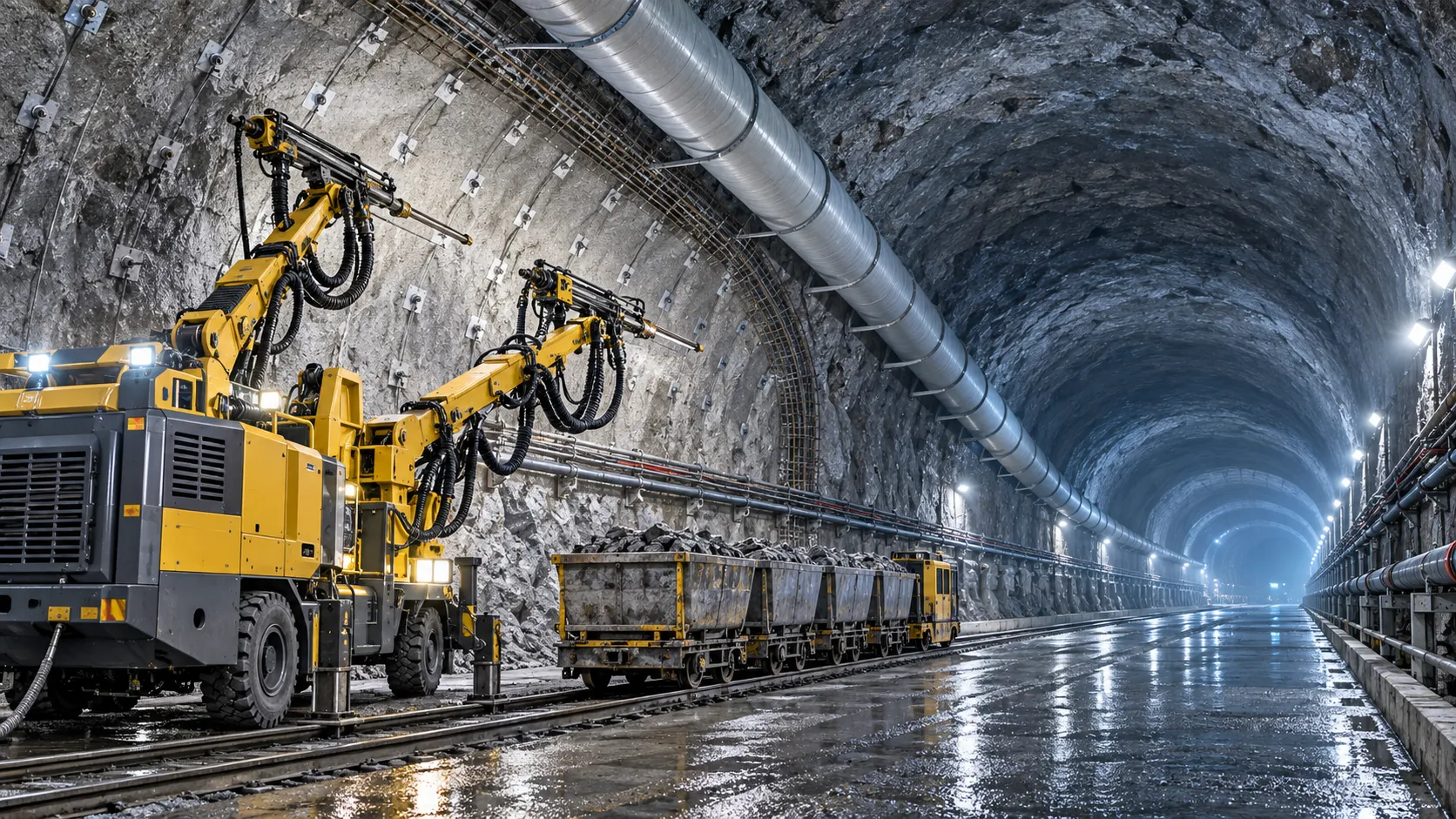
How to Evaluate European Drill-and-Blast Tunnelling Contractors for Complex Projects
Drill and blast tunnelling contractors Europe: learn how to assess geology expertise, blast control, equipment reliability, safety, and programme resilience for complex projects.
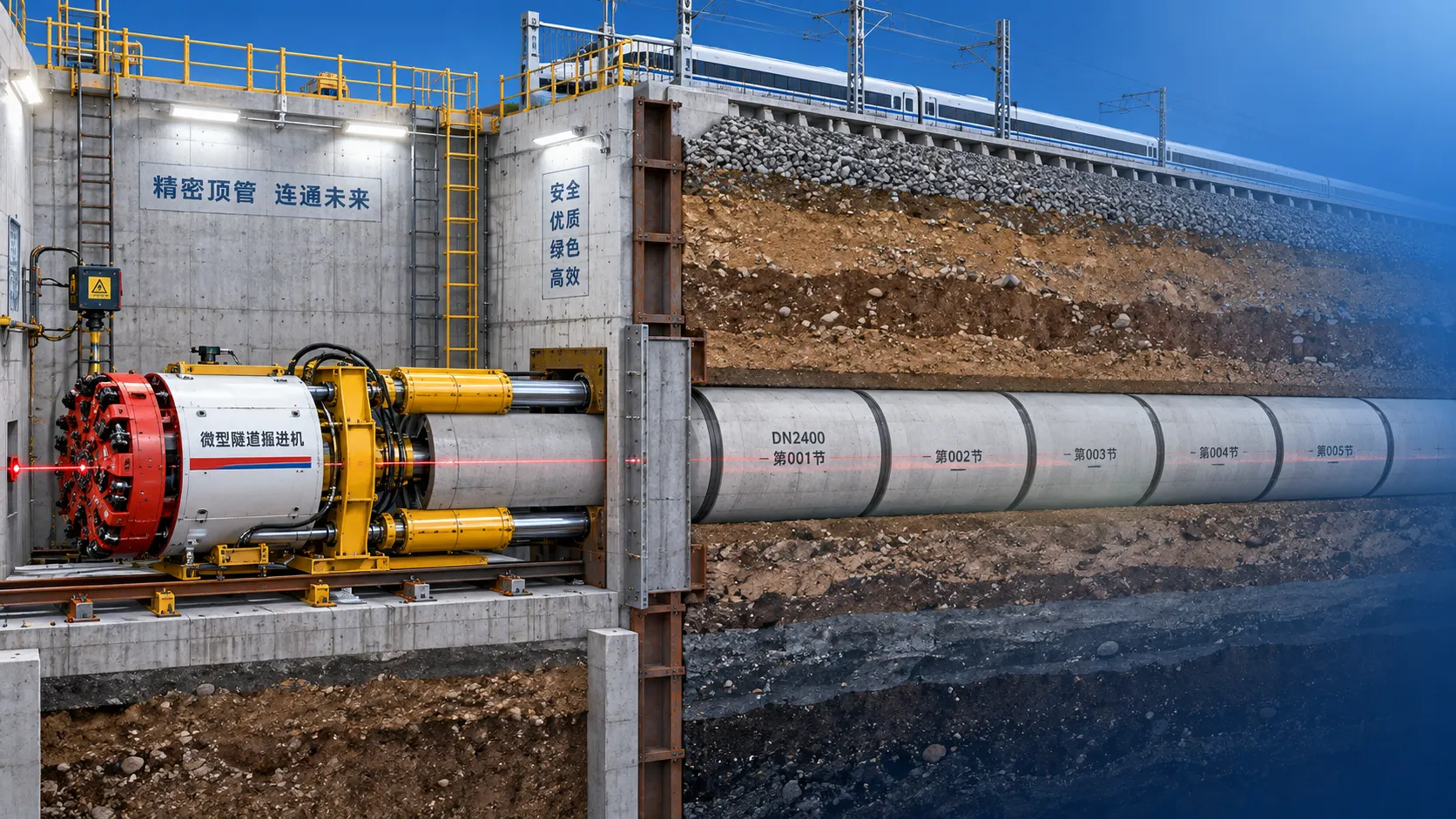
Which Trenchless Construction Technique Fits Your Utility Crossing Conditions?
Trenchless construction techniques compared for utility crossings: choose HDD, microtunnelling, pipe jacking, or auger boring based on ground, accuracy, access, and risk.
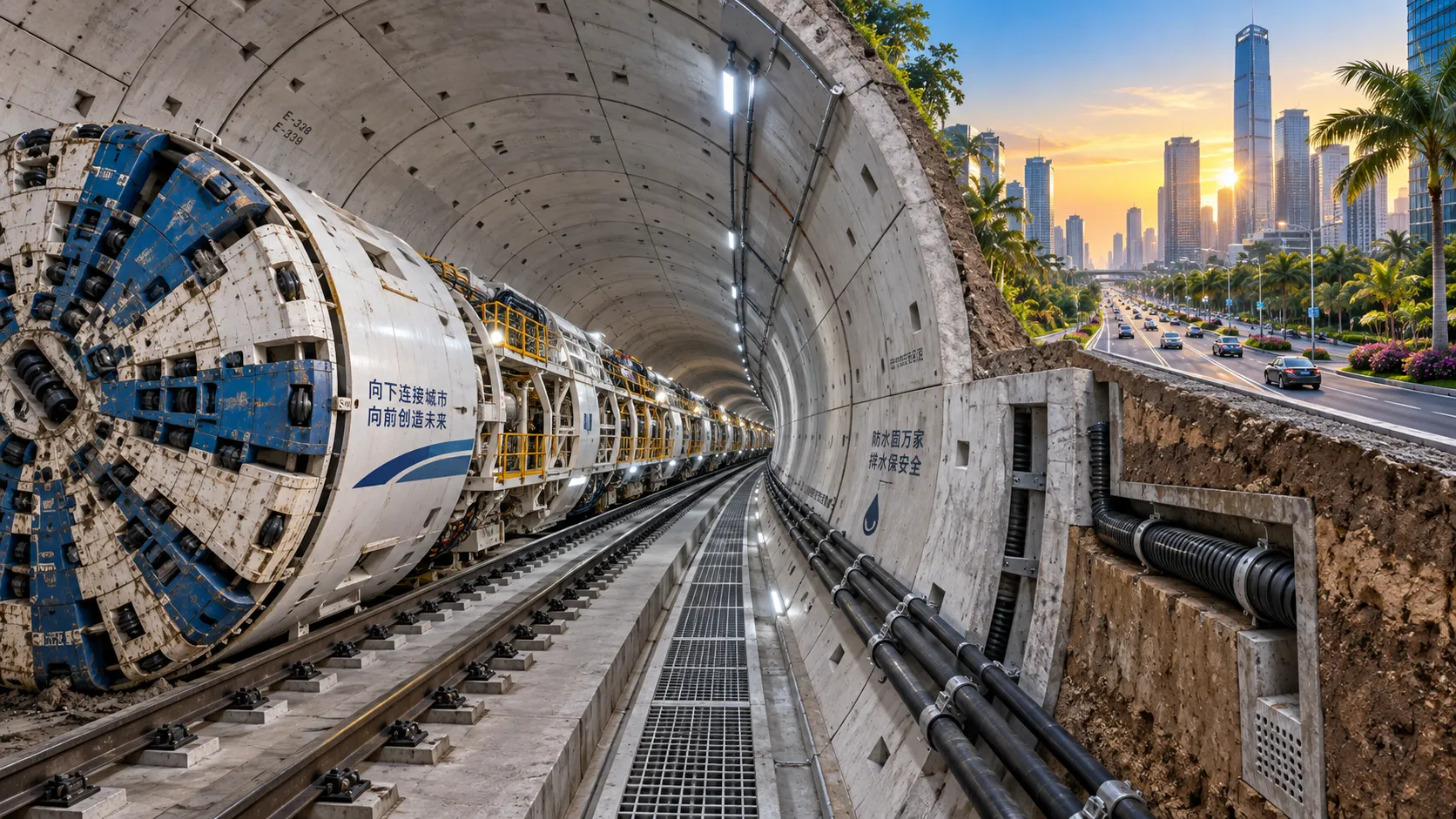
What Is Driving Metro Tunnelling Demand Across Southeast Asia’s Major Cities?
Metro tunnelling Southeast Asia is accelerating as major cities tackle congestion, flooding, and connectivity. Explore the market forces, technical risks, and opportunities shaping demand.
Hard Rock Tunnelling in Australia: Selecting Methods for Variable Ground Conditions
Hard rock tunnelling in Australia: compare TBM, drill-and-blast and hybrid methods to manage variable ground, reduce risk and protect project costs.
Hydropower Tunnel Excavation: Selecting Methods for Variable Rock Conditions
Hydropower tunnel excavation methods for variable rock conditions: compare TBM, drill-and-blast, and hybrid strategies to improve safety, progress, and project control.
How to Select Underground Safety Equipment for Tunnelling by Hazard and Work Zone
Underground Safety Equipment for tunnelling: match protection to hazards, work zones, compliance, and emergency needs with this practical selection guide.
EPB or Slurry Shield? Selecting Soft-Ground Tunnelling Equipment by Soil Conditions
Tunnel Excavation Equipment for soft ground: compare EPB and slurry shields by soil, groundwater, settlement risk, and project logistics to choose confidently.
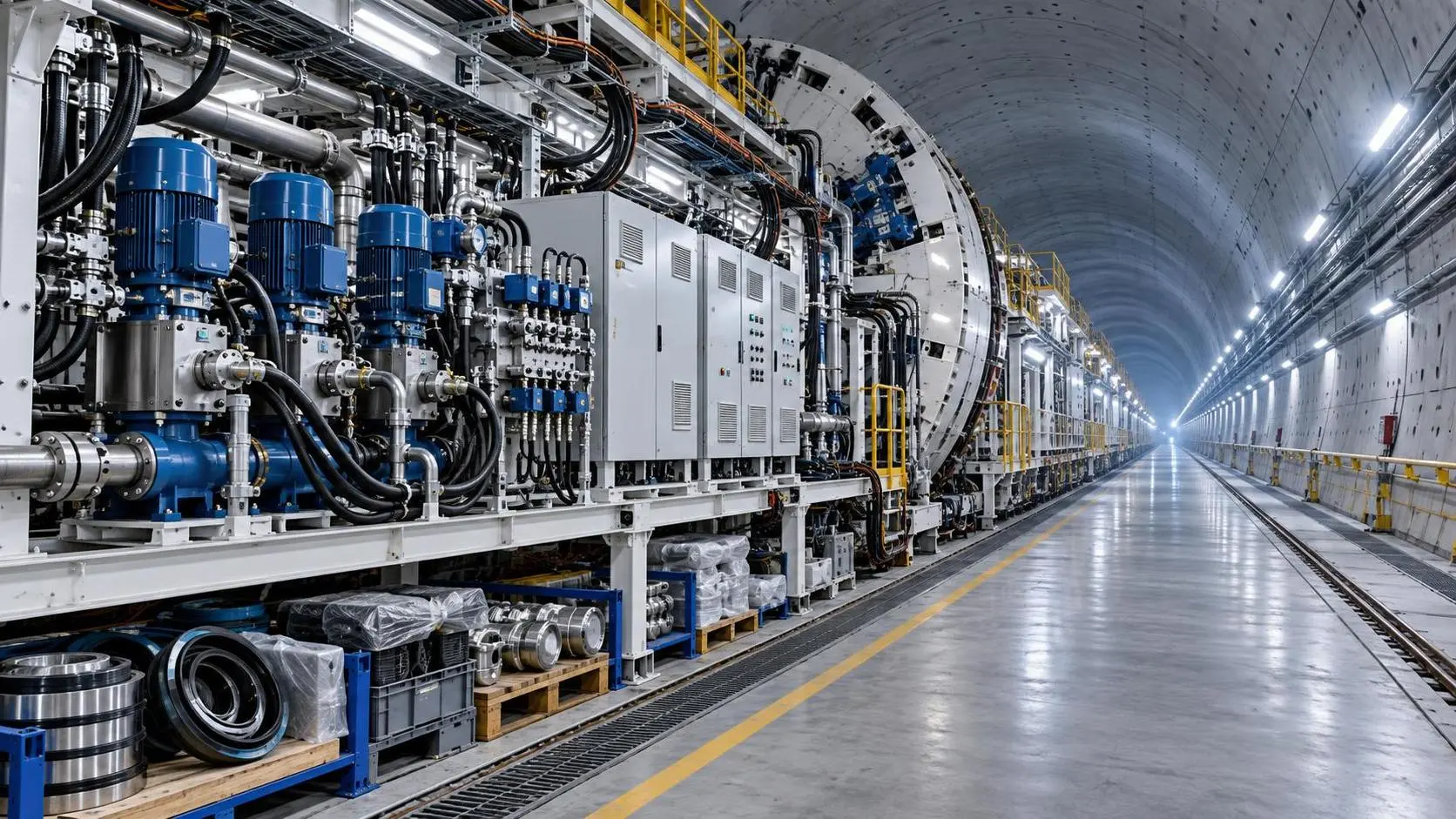
How to Specify TBM Backup System Parts for Reliable Long-Distance Tunnelling
TBM backup system parts: learn how to specify reliable spares for long-distance tunnelling, reduce downtime, ensure compatibility, and speed underground recovery.
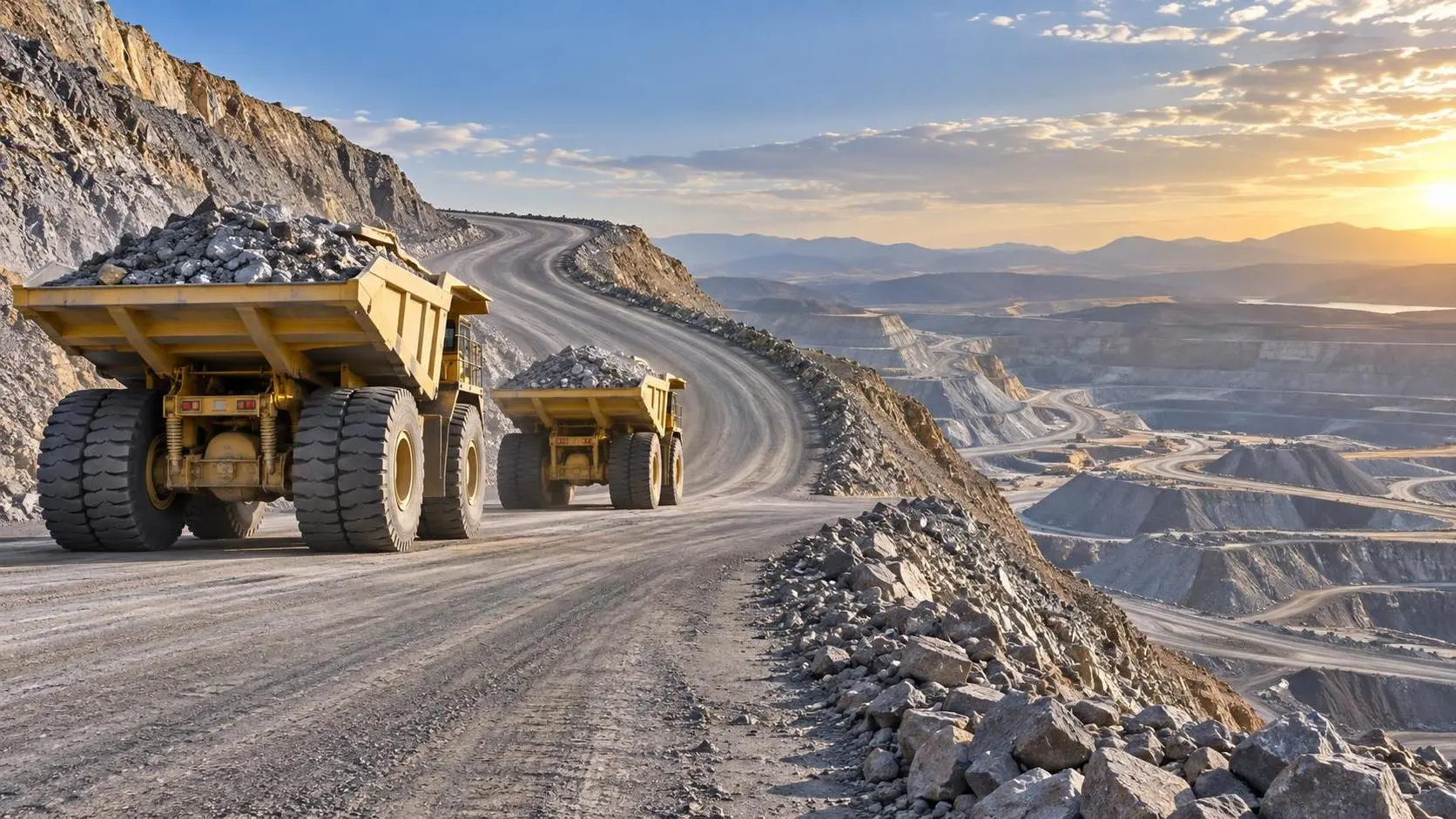
How to Size Open Pit Mining Trucks for Haul Distance, Grade, and Payload?
Open Pit Mining Trucks: learn how to match payload, haul distance, grade, road resistance, and loading capacity for safer, lower-cost mine operations.
Related News
- 00
0000-00
How to Evaluate European Drill-and-Blast Tunnelling Contractors for Complex Projects - 00
0000-00
Which Trenchless Construction Technique Fits Your Utility Crossing Conditions? - 00
0000-00
What Is Driving Metro Tunnelling Demand Across Southeast Asia’s Major Cities? - 00
0000-00
Hard Rock Tunnelling in Australia: Selecting Methods for Variable Ground Conditions - 00
0000-00
Hydropower Tunnel Excavation: Selecting Methods for Variable Rock Conditions
Weekly Insights
Stay ahead with our curated technology reports delivered every Monday.