
How Battery Swapping Technology Systems Cut Downtime in Underground Mining Fleets





How downtime pressure changes underground electrification decisions
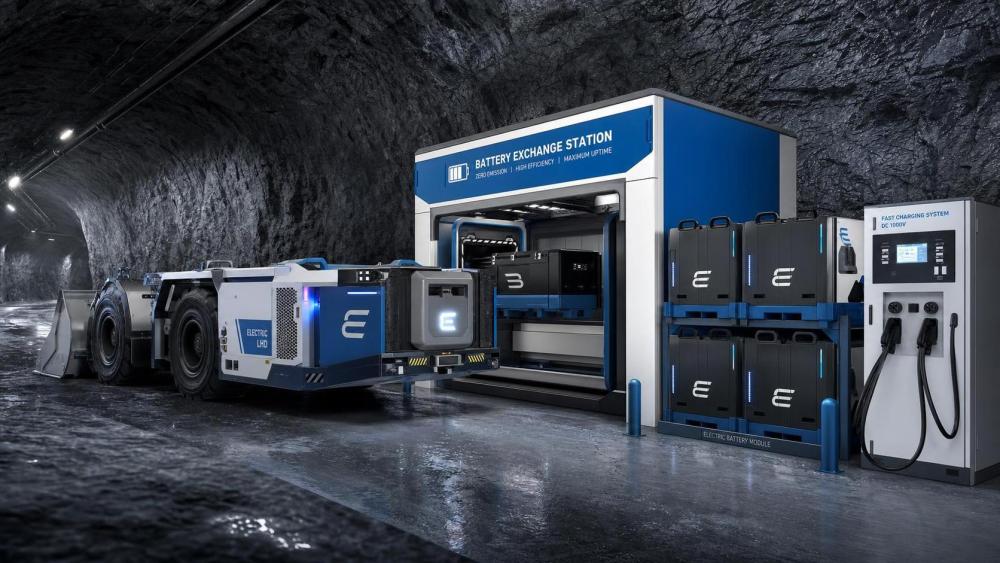
In underground mining, lost minutes rarely stay small. A stalled loader disrupts drawpoint flow, haulage timing, ventilation planning, and shift productivity at the same time.
That is why battery swapping technology systems are gaining attention beyond equipment headlines. Their value appears most clearly where tunnel geometry, heat load, and fleet cycles leave little room for charging delays.
Across the UTMD view of deep underground operations, asset utilization matters as much as nominal machine performance. A battery-electric LHD only improves output when energy replenishment fits the mine’s actual production rhythm.
In practice, battery swapping technology systems cut downtime by separating energy replenishment from long idle charging windows. The machine returns to loading sooner, while charging moves to a controlled station.
This matters in confined headings and long haul drifts, where diesel replacement is tied to zero-emission goals, worker exposure limits, and stricter ESG pressure across mining and underground infrastructure programs.
Actual results depend on the operating scene underground
Not every mine benefits in the same way from battery swapping technology systems. The difference usually comes from cycle regularity, travel distance, gradient severity, and how tightly each machine is linked to the next task.
A narrow vein mine with short shuttle routes faces a different constraint than a deep ramp system. One may struggle with ventilation limits first, while the other struggles with energy consumption and schedule variance.
UTMD often frames underground equipment as a connected system rather than isolated machines. That lens is useful here because battery swapping technology systems only perform well when traffic flow, charging logistics, and maintenance access are aligned.
The practical question is not whether swapping is faster than charging in theory. The better question is where swapping removes the specific bottleneck that keeps a fleet from reaching stable utilization.
High-cycle production stopes usually value predictable turnaround
In repetitive load-haul-dump cycles, consistency often matters more than peak speed. Battery swapping technology systems help when one delayed recharge can cascade into missed ore passes and underused drilling windows.
These workings usually need fast exchange, standard battery interfaces, and swap stations close enough to avoid extra dead travel. If the station sits too far from the production zone, downtime returns in another form.
Deep ramp haulage puts more pressure on energy planning
Long gradients change the equation. Regenerative braking can recover energy downhill, but uphill travel, high payloads, and ventilation restrictions still push battery use hard.
Here, battery swapping technology systems work best when integrated with shift scheduling, battery rotation logic, and thermal management. The issue is less about one fast swap and more about keeping the battery pool healthy all day.
Development headings often need flexibility more than scale
In new headings, fleet size is smaller and working faces move often. A fixed high-capacity charging setup may be harder to justify than a modular swap solution near temporary support infrastructure.
This is where battery swapping technology systems can support gradual electrification. The mine gains zero-exhaust operation without locking every future heading into one rigid energy layout.
Different underground conditions change what should be prioritized
The same technology can solve different problems in different places. A simple comparison helps clarify where battery swapping technology systems create the strongest operational fit.
The table shows why battery swapping technology systems should not be judged only by swap time. Station placement, battery inventory, and route design often determine the real outcome.
Where battery swapping creates the clearest operational gains
The strongest case appears when downtime is expensive and repetitive. Underground LHD loaders working on tight production cycles are the most obvious example, but not the only one.
Battery swapping technology systems also support connected underground fleets. When drilling jumbos, loaders, and haulage units share narrow access windows, smoother energy replenishment reduces interference between activities.
In mines moving toward automation, the case becomes stronger. Remote or semi-autonomous equipment needs dependable turnaround patterns, because irregular charging breaks dispatch logic and reduces the value of digital fleet control.
This aligns with UTMD’s broader focus on electrification, autonomy, and digitalization across extreme underground environments. Energy replenishment is no longer a side topic; it shapes the reliability of the whole transport loop.
- Fewer idle hours tied to charging.
- Lower ventilation burden than diesel fleets.
- Better match with fixed shift windows.
- Improved energy management for multi-machine fleets.
- Cleaner integration with remote control and automated dispatch.
What gets misread before implementation
A common mistake is treating battery swapping technology systems as a simple equipment feature. In reality, they are a site system involving power supply, spare batteries, service workflow, and underground traffic design.
Another misread is focusing only on capital cost. Mines sometimes compare swap systems with plug-in charging on purchase price, while ignoring lost production during charging queues or ventilation savings from cleaner operations.
There is also a tendency to assume similar mines have identical needs. Two deep operations may have very different outcomes if one has stable stoping sequences and the other frequently shifts working zones.
Thermal conditions deserve closer attention than they often receive. Battery swapping technology systems perform differently where ambient heat, water ingress, and dust levels affect connectors, enclosures, and charging room performance.
Compatibility is another overlooked point. The battery format, handling method, and software layer should fit the mine’s longer equipment roadmap, especially if future loaders or underground trucks will be added.
A more useful way to assess fit before rollout
A practical assessment starts with the fleet cycle, not the brochure. The goal is to identify where battery swapping technology systems remove waiting time, cut heat and exhaust exposure, or stabilize production timing.
In actual planning, several checks help separate a good fit from an expensive mismatch.
- Map each machine’s cycle time, idle time, and travel distance to the nearest swap point.
- Estimate battery pool size under peak shift demand, not average demand.
- Check whether station location interferes with ore flow, maintenance access, or refuge routes.
- Model heat, dust, water, and gradient conditions across seasons and mine depth changes.
- Review software compatibility with dispatch, telemetry, and remote operation systems.
- Compare lifecycle impact, including ventilation savings and utilization gain, not only battery cost.
This kind of review fits the UTMD perspective on underground machinery. Machines, power systems, and digital control need to be evaluated as one operating architecture.
The next step is to match the system to the mine, not the other way around
Battery swapping technology systems can cut downtime decisively, but only when the mine’s real constraints are understood. In some workings, the payoff comes from faster loader turnaround. In others, it comes from ventilation relief and schedule stability.
The strongest decisions usually come from comparing several underground scenes side by side: production stopes, ramps, development headings, and future automated zones. That comparison reveals where swapping supports output today and flexibility tomorrow.
A sensible next move is to build a scene-based evaluation sheet covering cycle time, battery logistics, thermal exposure, infrastructure limits, and software integration. That creates a clearer basis for deciding how battery swapping technology systems should be deployed underground.
Related News
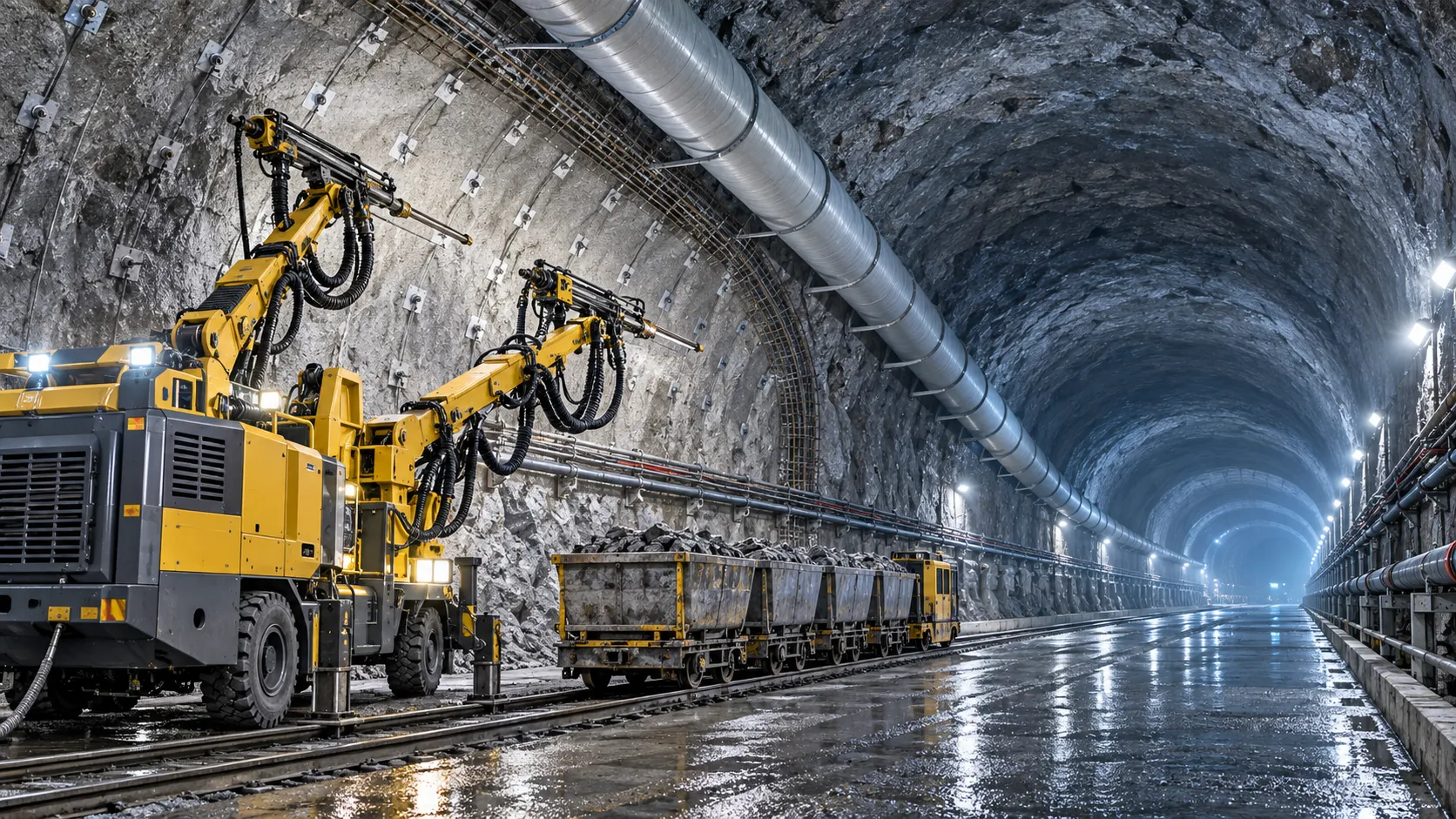
How to Evaluate European Drill-and-Blast Tunnelling Contractors for Complex Projects
Drill and blast tunnelling contractors Europe: learn how to assess geology expertise, blast control, equipment reliability, safety, and programme resilience for complex projects.
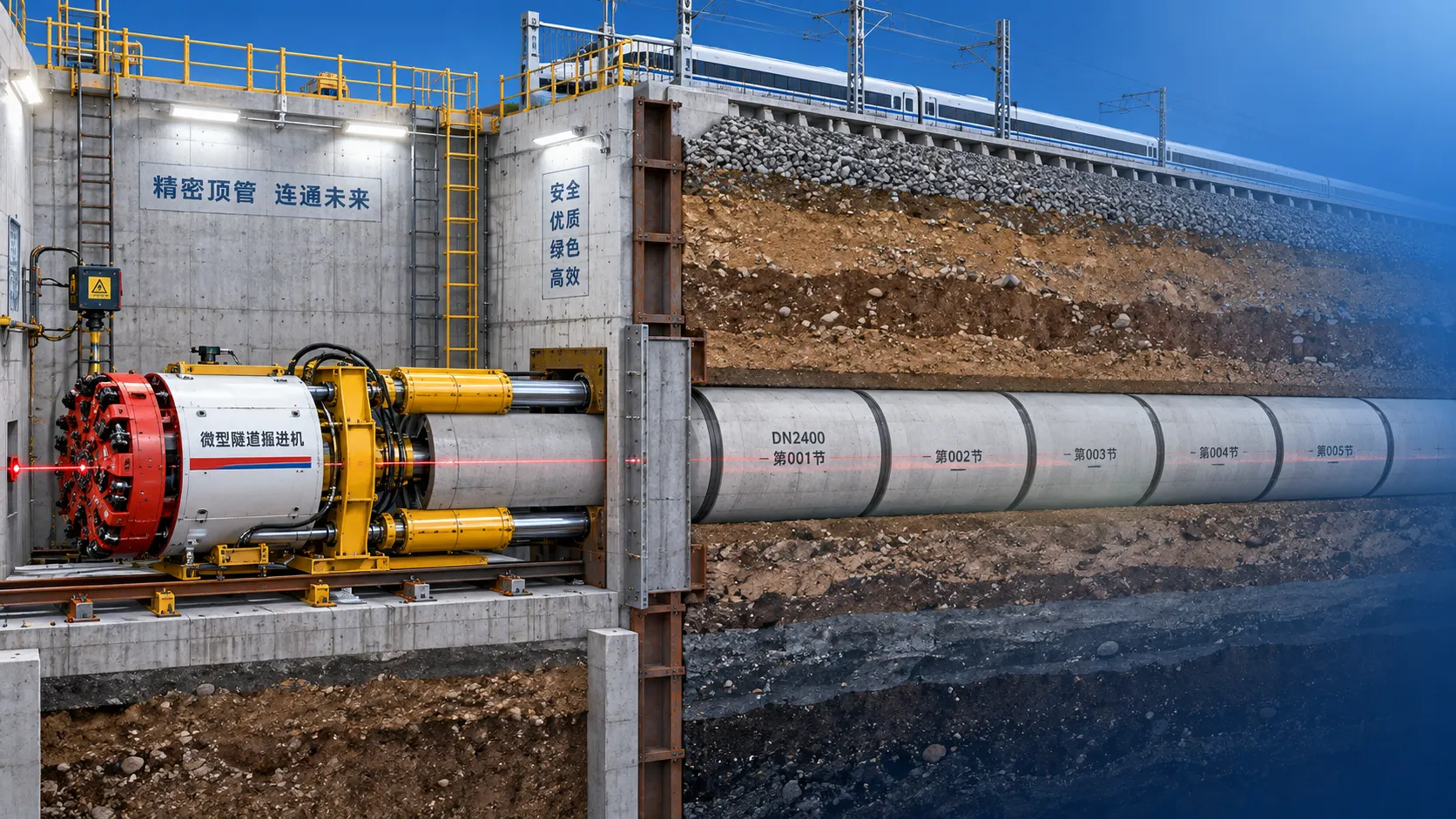
Which Trenchless Construction Technique Fits Your Utility Crossing Conditions?
Trenchless construction techniques compared for utility crossings: choose HDD, microtunnelling, pipe jacking, or auger boring based on ground, accuracy, access, and risk.
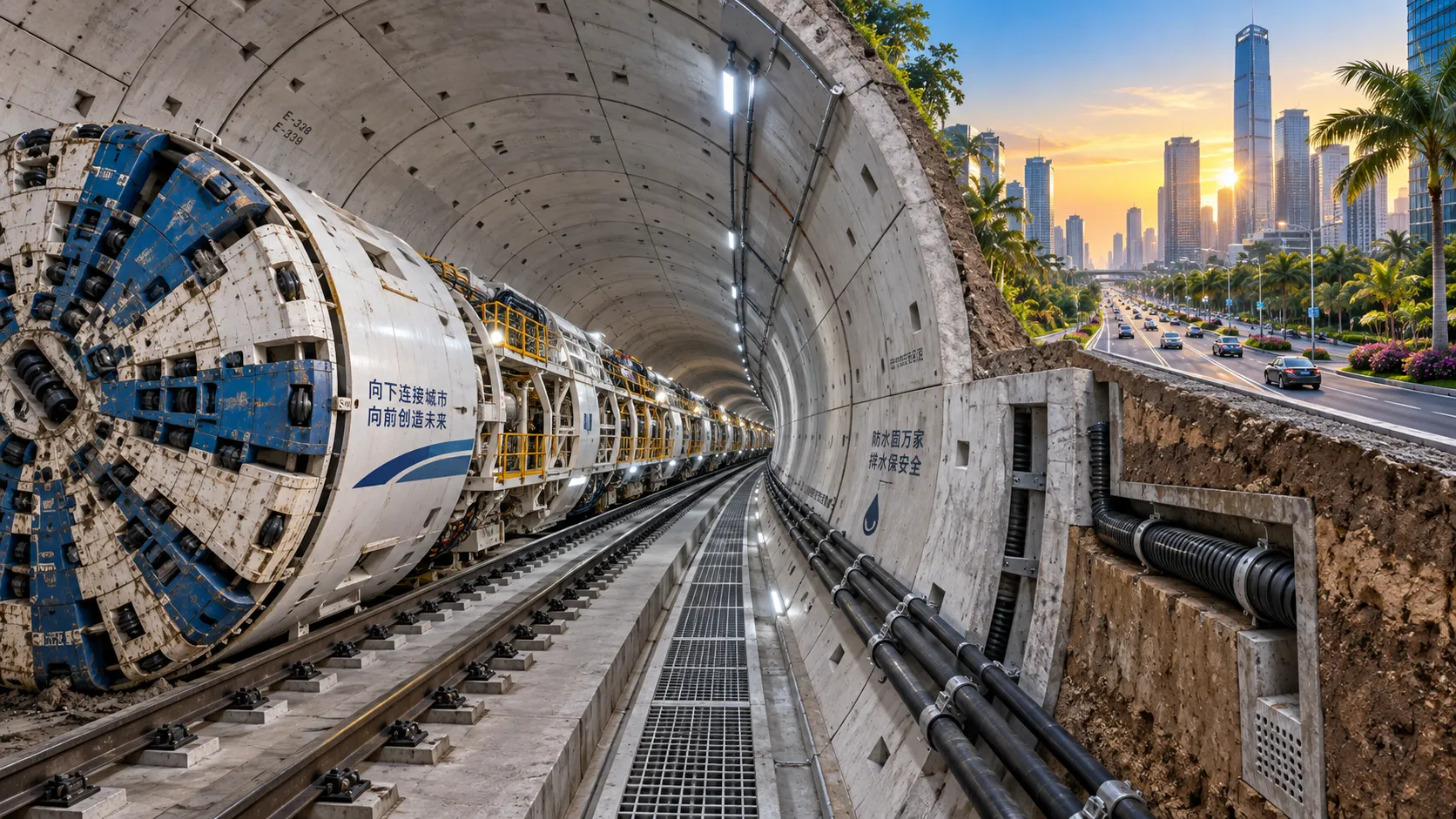
What Is Driving Metro Tunnelling Demand Across Southeast Asia’s Major Cities?
Metro tunnelling Southeast Asia is accelerating as major cities tackle congestion, flooding, and connectivity. Explore the market forces, technical risks, and opportunities shaping demand.
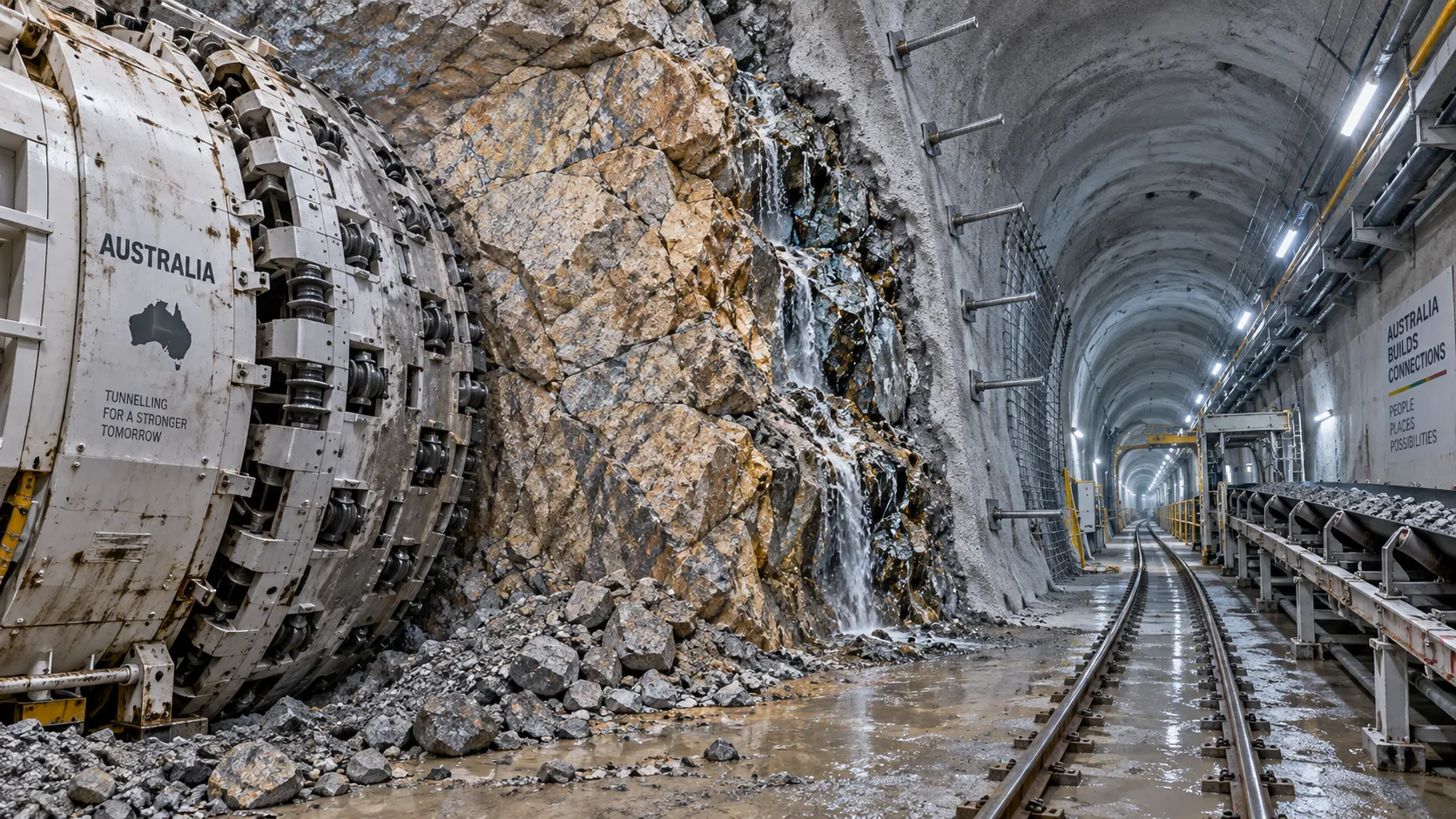
Hard Rock Tunnelling in Australia: Selecting Methods for Variable Ground Conditions
Hard rock tunnelling in Australia: compare TBM, drill-and-blast and hybrid methods to manage variable ground, reduce risk and protect project costs.
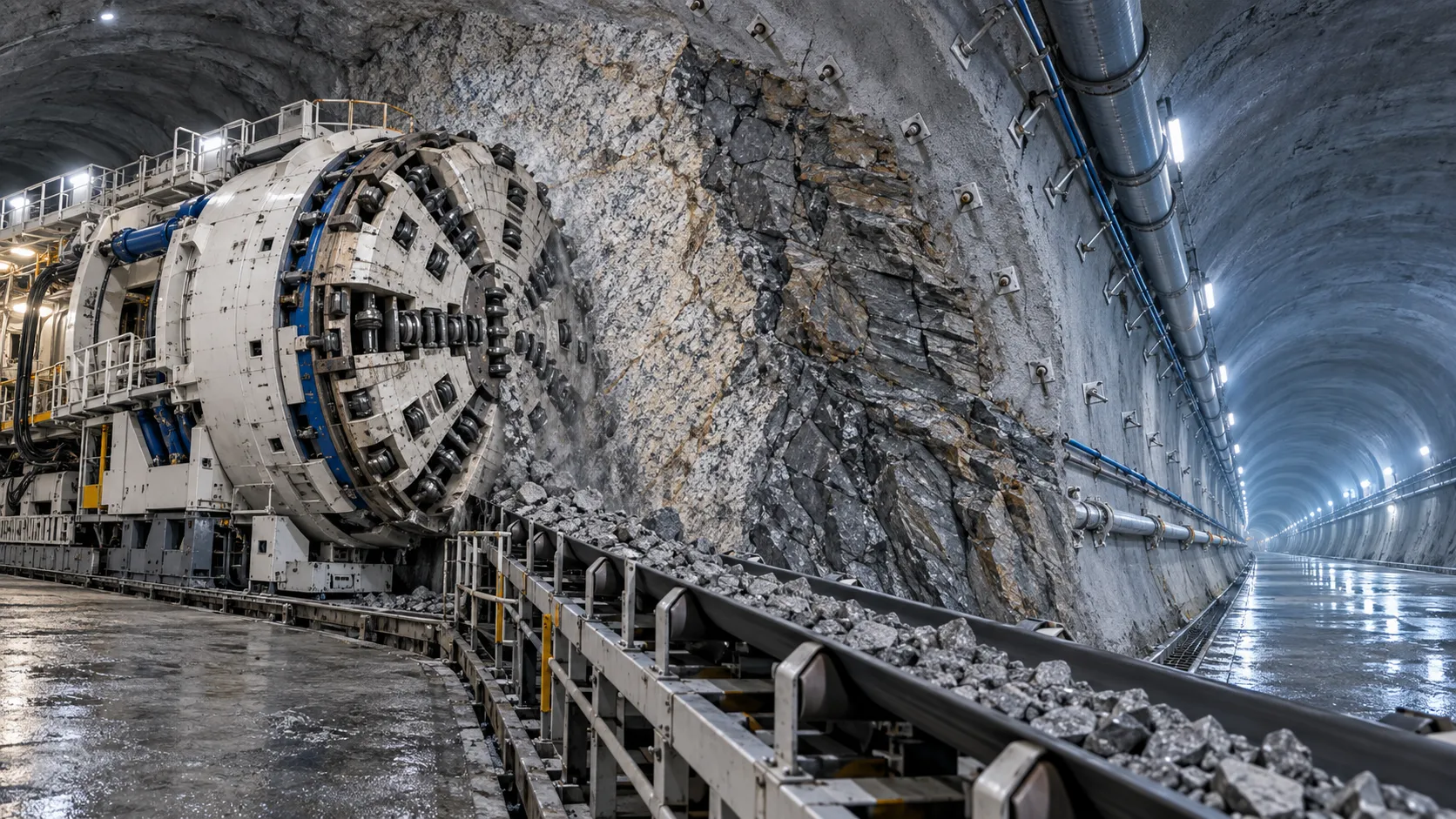
Hydropower Tunnel Excavation: Selecting Methods for Variable Rock Conditions
Hydropower tunnel excavation methods for variable rock conditions: compare TBM, drill-and-blast, and hybrid strategies to improve safety, progress, and project control.
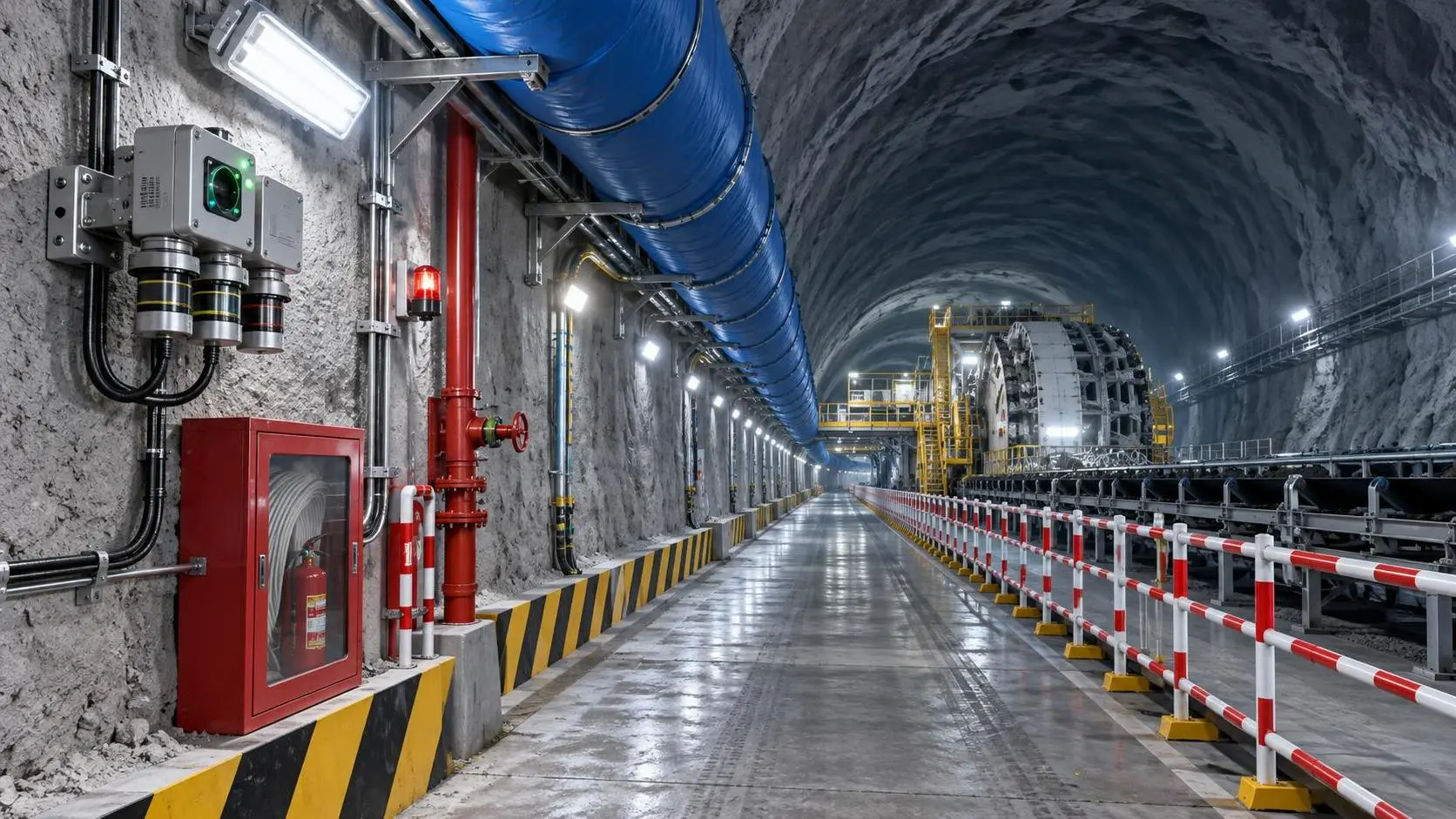
How to Select Underground Safety Equipment for Tunnelling by Hazard and Work Zone
Underground Safety Equipment for tunnelling: match protection to hazards, work zones, compliance, and emergency needs with this practical selection guide.
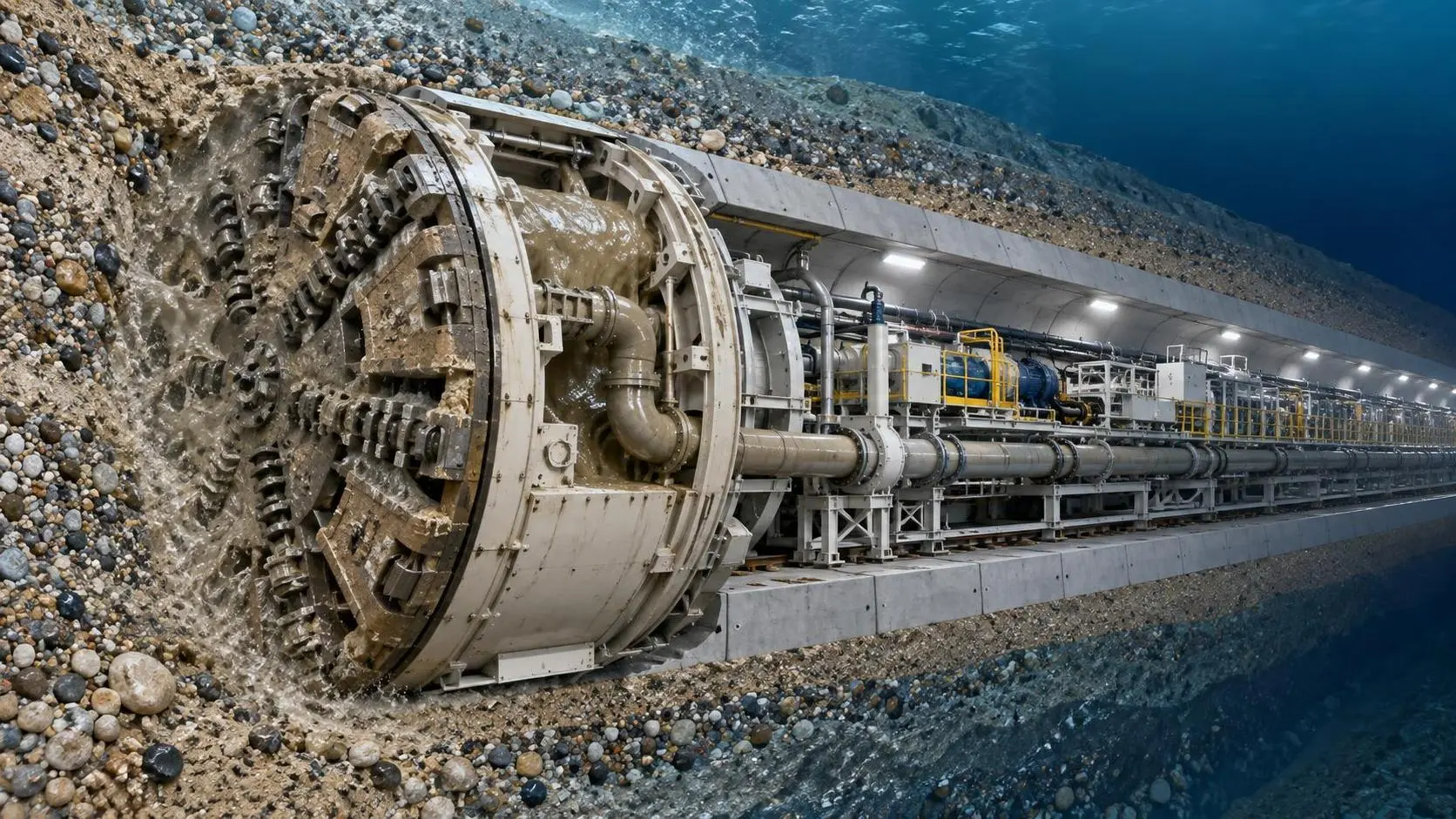
EPB or Slurry Shield? Selecting Soft-Ground Tunnelling Equipment by Soil Conditions
Tunnel Excavation Equipment for soft ground: compare EPB and slurry shields by soil, groundwater, settlement risk, and project logistics to choose confidently.
How to Specify TBM Backup System Parts for Reliable Long-Distance Tunnelling
TBM backup system parts: learn how to specify reliable spares for long-distance tunnelling, reduce downtime, ensure compatibility, and speed underground recovery.
How to Size Open Pit Mining Trucks for Haul Distance, Grade, and Payload?
Open Pit Mining Trucks: learn how to match payload, haul distance, grade, road resistance, and loading capacity for safer, lower-cost mine operations.
Related News
- 00
0000-00
How to Evaluate European Drill-and-Blast Tunnelling Contractors for Complex Projects - 00
0000-00
Which Trenchless Construction Technique Fits Your Utility Crossing Conditions? - 00
0000-00
What Is Driving Metro Tunnelling Demand Across Southeast Asia’s Major Cities? - 00
0000-00
Hard Rock Tunnelling in Australia: Selecting Methods for Variable Ground Conditions - 00
0000-00
Hydropower Tunnel Excavation: Selecting Methods for Variable Rock Conditions
Weekly Insights
Stay ahead with our curated technology reports delivered every Monday.