
Underground Logistics Planning: How to Reduce Haulage Delays and Equipment Idle Time





Underground Logistics Planning: How to Reduce Haulage Delays and Equipment Idle Time
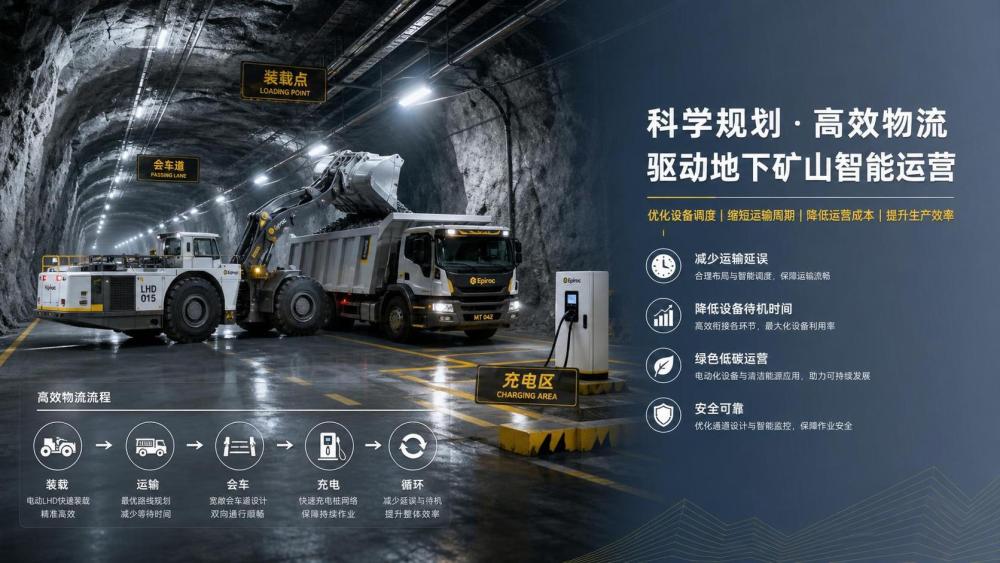
Underground logistics planning is the difference between smooth production and recurring disruption.
In tunnels and mines, one late haulage cycle can slow drilling, loading, support work, and shift handover.
That is why underground logistics planning matters far beyond transport.
It shapes equipment utilization, crew productivity, ventilation demand, battery availability, and overall schedule reliability.
From recent project trends, the stronger signal is clear.
Haulage delays are no longer treated as isolated transport problems.
They are now seen as system failures across people, routes, equipment, and decision timing.
In practice, better underground logistics planning starts with one mindset shift.
Do not optimize loaders, trucks, and dumping points separately.
Optimize the full material flow as a connected production loop.
That loop includes loading faces, crosscuts, passing bays, charging or refueling points, maintenance windows, and operator availability.
When that loop is visible and measured, idle time becomes easier to cut.
Why haulage delays happen underground
Most haulage delays come from variability, not from a single broken machine.
A drift closes for scaling.
A loading point becomes crowded.
A battery swap takes longer than expected.
A truck arrives early, but the ore pass is blocked.
Each event looks small.
Together, they create hidden queues and starve downstream work.
This also explains why many improvement efforts disappoint.
Sites often buy faster equipment before fixing route logic, dispatch rules, or handoff discipline.
Better underground logistics planning identifies the true bottleneck first.
- Uneven face release times create truck bunching.
- Poor passing-bay placement causes avoidable waiting.
- Manual dispatching reacts late to changing conditions.
- Unplanned maintenance interrupts the same route repeatedly.
- Ventilation or power limits reduce simultaneous movement capacity.
The practical lesson is simple.
If underground logistics planning does not reflect actual traffic behavior, delays will keep returning.
Build underground logistics planning around the full cycle
The most effective underground logistics planning model starts with cycle-time mapping.
Measure each stage, not just total haulage time.
Track queue time, loading time, travel time, dumping time, return time, and non-productive stoppages.
Once separated, delay patterns become much clearer.
A site may discover that trucks are not too slow.
They may simply be arriving in waves because blasting release times are clustered.
Another site may find that loaders sit idle because support crews occupy access routes longer than planned.
This is where underground logistics planning becomes an operating discipline, not a spreadsheet exercise.
Five planning elements that change results
- Set route priorities by production value, not by habit.
- Stagger face release times to avoid queue peaks.
- Match loader capacity with truck availability by zone.
- Reserve dedicated windows for charging, swapping, and service.
- Use live dispatch rules for congestion, closures, and urgent ore movement.
In real operations, these changes often outperform expensive fleet expansion.
That is especially true in narrow underground networks where physical passing capacity is fixed.
How to reduce equipment idle time without creating new bottlenecks
Reducing equipment idle time is not about keeping every asset moving at all times.
It is about keeping the right asset moving at the right moment.
Poor underground logistics planning often hides this distinction.
For example, sending more trucks to a congested drawpoint may improve truck utilization briefly.
But it can increase loader waiting, route blocking, and ventilation load.
A better approach is to manage idle time by cause category.
This structured view helps underground logistics planning stay practical.
It prevents teams from treating every delay as a fleet shortage.
More importantly, it improves asset utilization without transferring the problem to another area.
Use real-time visibility to strengthen underground logistics planning
Static plans rarely survive a full shift underground.
Conditions change too quickly.
That is why modern underground logistics planning depends on timely operational visibility.
The strongest sites combine dispatch data, equipment health, traffic flow, and location signals in one control view.
This does not need to start with a massive digital transformation.
Even a phased setup can create value if the right indicators are tracked consistently.
Focus on these operational signals first
- Average wait time at loading and dumping points.
- Travel speed by route and shift period.
- Equipment idle time by cause code.
- Battery, fuel, or charging interruptions.
- Unplanned closures affecting primary haulage loops.
- Queue length trends during shift transitions.
Once these signals are visible, underground logistics planning becomes more adaptive.
Dispatchers can reroute earlier.
Supervisors can protect critical cycles before delays spread.
Maintenance teams can avoid peak movement windows.
That is where planning starts to feel operationally alive.
Practical steps for tunnels and underground mines
Although each site is different, strong underground logistics planning usually follows the same improvement path.
- Map the real haulage cycle for each major route.
- Separate planned stops from avoidable delays.
- Rank bottlenecks by production loss, not by complaint volume.
- Pilot one dispatch rule change on the worst route.
- Review results weekly using simple, shared metrics.
- Scale only what improves flow without new congestion.
This sequence works because it stays grounded in operating reality.
It also supports newer underground fleets.
Battery-electric LHDs, autonomous trucks, and smart dispatch systems perform best when the logistics design is already disciplined.
Technology can accelerate good underground logistics planning.
It cannot rescue a poorly sequenced haulage network on its own.
A smarter way to keep material moving
The best underground logistics planning is calm, visible, and repeatable.
It reduces haulage delays by managing variation early.
It cuts equipment idle time by aligning routes, timing, and asset roles.
And it gives underground operations more predictable output with fewer reactive decisions.
For teams facing tighter schedules, electrification targets, and higher utilization pressure, that shift is becoming essential.
Start with one route.
Measure one cycle honestly.
Then refine underground logistics planning where the delay truly begins.
That is usually the fastest path to steadier production and stronger asset utilization underground.
Related News
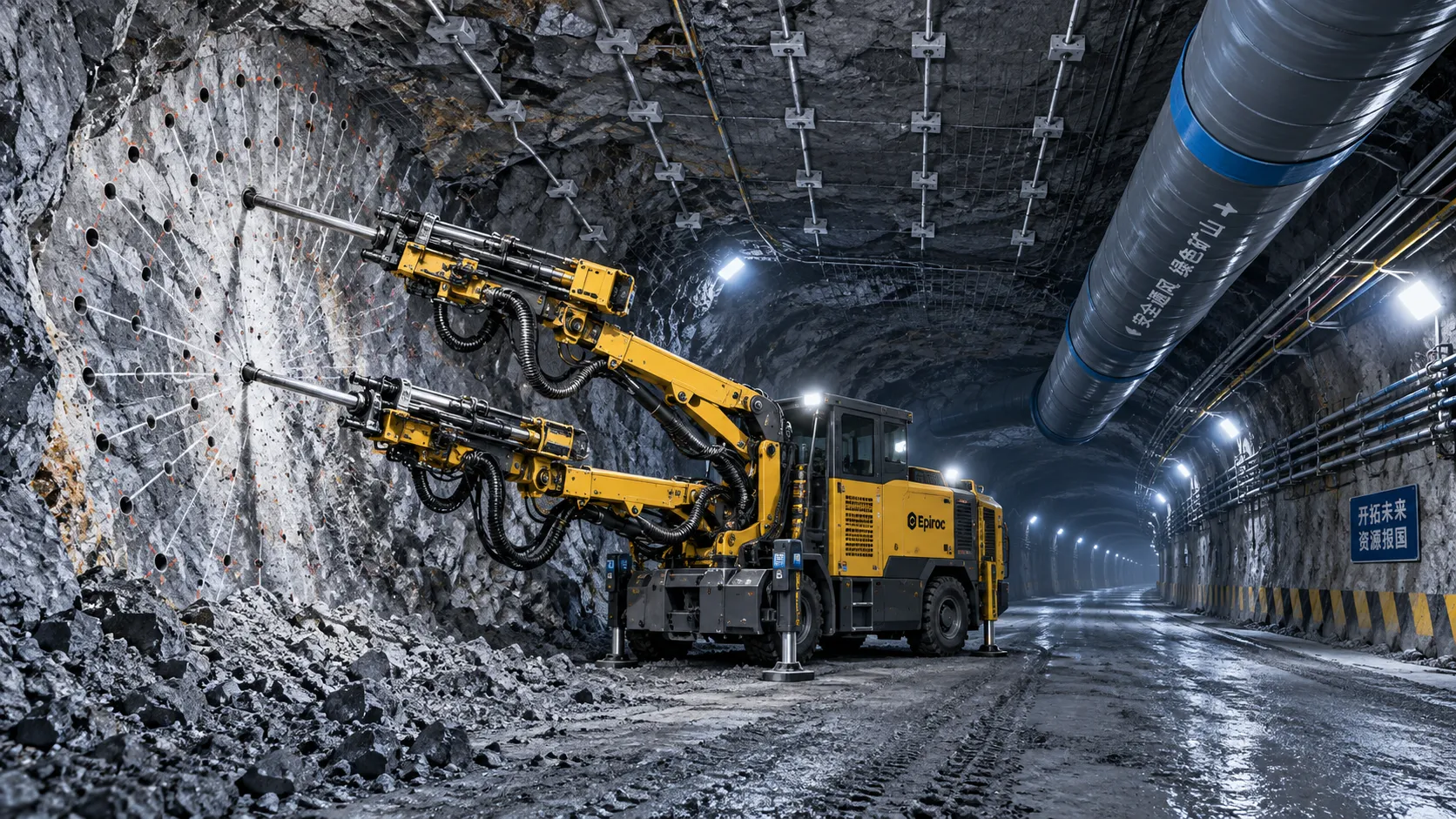
Underground Drilling for Mining: Selecting Methods for Rock Conditions and Mine Layout
Underground drilling for mining: learn how to match drilling methods to rock conditions, mine layout, accuracy needs, ground support, and cycle efficiency.
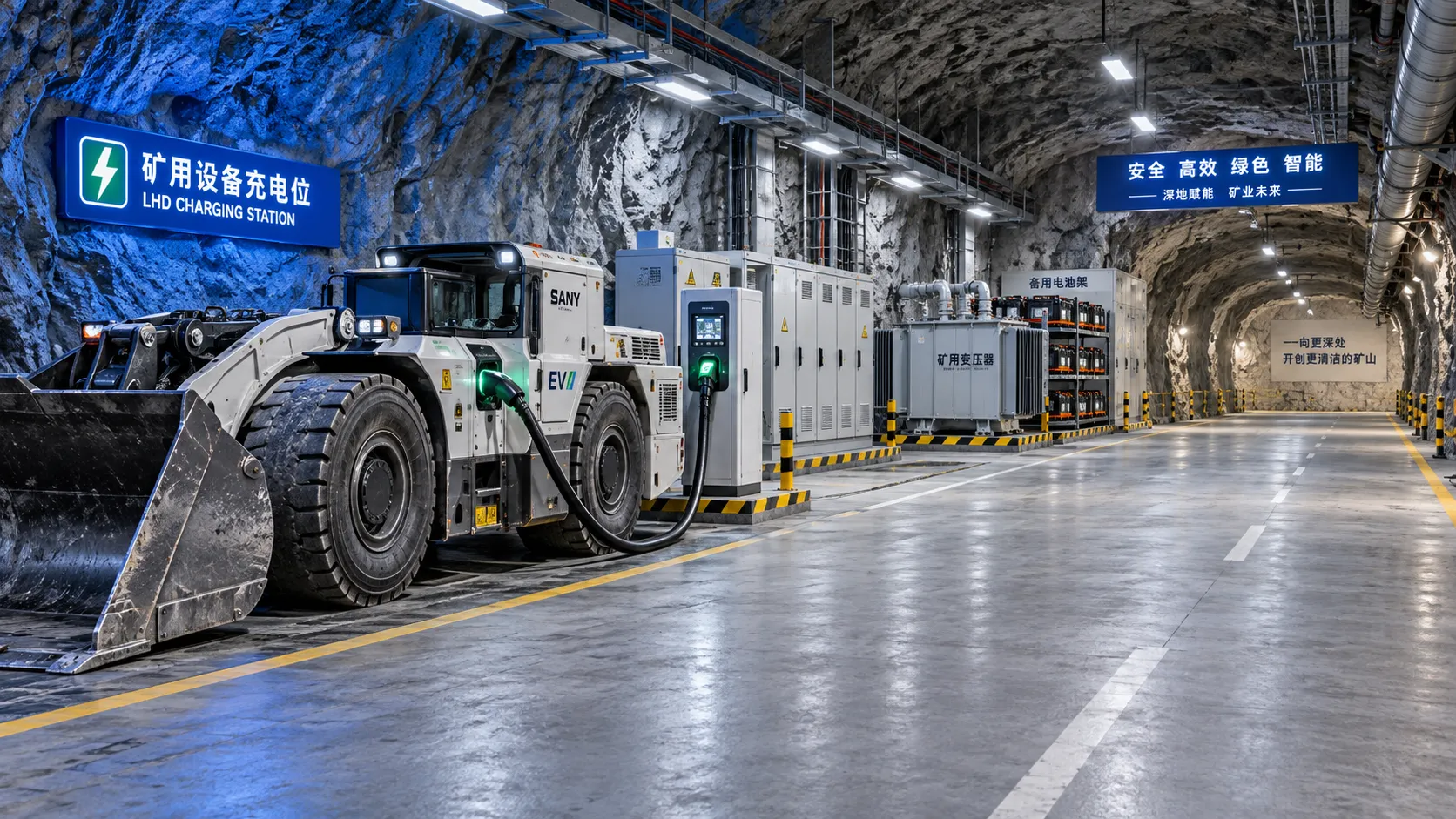
Underground Mine Electrification: How to Size Battery Fleets and Charging Capacity
Mining electrification for underground mines: learn how to size battery fleets, chargers, and power capacity to prevent queues, peak-load issues, and production downtime.

How to Evaluate European Drill-and-Blast Tunnelling Contractors for Complex Projects
Drill and blast tunnelling contractors Europe: learn how to assess geology expertise, blast control, equipment reliability, safety, and programme resilience for complex projects.

Which Trenchless Construction Technique Fits Your Utility Crossing Conditions?
Trenchless construction techniques compared for utility crossings: choose HDD, microtunnelling, pipe jacking, or auger boring based on ground, accuracy, access, and risk.

What Is Driving Metro Tunnelling Demand Across Southeast Asia’s Major Cities?
Metro tunnelling Southeast Asia is accelerating as major cities tackle congestion, flooding, and connectivity. Explore the market forces, technical risks, and opportunities shaping demand.

Hard Rock Tunnelling in Australia: Selecting Methods for Variable Ground Conditions
Hard rock tunnelling in Australia: compare TBM, drill-and-blast and hybrid methods to manage variable ground, reduce risk and protect project costs.

Hydropower Tunnel Excavation: Selecting Methods for Variable Rock Conditions
Hydropower tunnel excavation methods for variable rock conditions: compare TBM, drill-and-blast, and hybrid strategies to improve safety, progress, and project control.

How to Select Underground Safety Equipment for Tunnelling by Hazard and Work Zone
Underground Safety Equipment for tunnelling: match protection to hazards, work zones, compliance, and emergency needs with this practical selection guide.

EPB or Slurry Shield? Selecting Soft-Ground Tunnelling Equipment by Soil Conditions
Tunnel Excavation Equipment for soft ground: compare EPB and slurry shields by soil, groundwater, settlement risk, and project logistics to choose confidently.
Related News
- 00
0000-00
Underground Drilling for Mining: Selecting Methods for Rock Conditions and Mine Layout - 00
0000-00
Underground Mine Electrification: How to Size Battery Fleets and Charging Capacity - 00
0000-00
How to Evaluate European Drill-and-Blast Tunnelling Contractors for Complex Projects - 00
0000-00
Which Trenchless Construction Technique Fits Your Utility Crossing Conditions? - 00
0000-00
What Is Driving Metro Tunnelling Demand Across Southeast Asia’s Major Cities?
Weekly Insights
Stay ahead with our curated technology reports delivered every Monday.