
What Is Trenchless Engineering and When Is It Better Than Open-Cut Construction?





Trenchless Engineering has moved from a niche construction method to a strategic infrastructure choice. As cities grow denser and industrial corridors become harder to interrupt, the ability to build or rehabilitate underground assets with limited surface excavation carries clear technical and economic value.
That value becomes more visible when compared with open-cut construction. Digging a trench is still effective in many conditions, yet it can trigger traffic disruption, utility conflicts, social complaints, environmental exposure, and lengthy reinstatement work above ground.
In that context, Trenchless Engineering matters because it changes the decision framework. The question is no longer only how to install a pipe or crossing, but how to protect urban continuity, reduce indirect costs, and manage risk across the full project lifecycle.
Understanding what Trenchless Engineering really includes
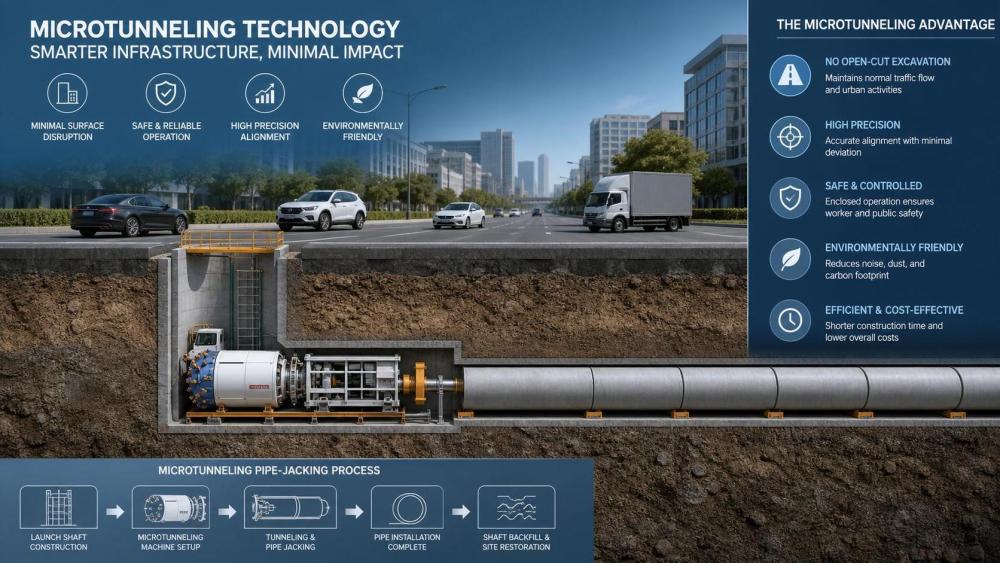
The trenchless approach is best understood as a family of underground construction and rehabilitation methods. It minimizes continuous surface excavation while still allowing utilities, conduits, and tunnels to be installed, replaced, or repaired.
Common methods include horizontal directional drilling, microtunnelling, auger boring, pipe jacking, pipe ramming, cured-in-place pipe lining, sliplining, and pipe bursting. Each serves a different ground condition, diameter range, accuracy requirement, and operational constraint.
The unifying idea is controlled underground intervention. Instead of opening the entire alignment from the surface, crews work from launch pits, reception pits, shafts, or existing access points, while guidance and monitoring systems manage the subsurface path.
This is why Trenchless Engineering is often described as minimally invasive rather than excavation-free. Surface work still exists, but it is concentrated, more controlled, and usually far less disruptive than full open-cut construction.
Why the sector is paying closer attention now
A major reason is urban complexity. Many underground corridors are already crowded with water lines, gas pipes, telecom ducts, sewers, transit structures, and legacy utilities that are poorly documented or difficult to relocate.
Another factor is the rising cost of surface disruption. Road closures, lost retail activity, noise, dust, public complaints, and restoration delays often create indirect costs that are not obvious in a simple excavation estimate.
Environmental pressure also matters. Regulators and asset owners increasingly prefer methods that lower spoil generation, reduce truck movements, limit emissions, and avoid unnecessary disturbance near waterways, rail corridors, and sensitive urban districts.
This wider shift aligns with how UTMD observes underground engineering. Across tunnel boring machines, pipe jacking systems, and smart underground logistics, the trend is toward precision, automation, lower emissions, and stronger lifecycle intelligence rather than brute-force excavation alone.
Pipe jacking and microtunnelling are especially relevant here. They represent the urban “minimally invasive” model, where underground work proceeds with tight line-and-grade control while the surface remains largely active.
When trenchless methods outperform open-cut construction
Trenchless Engineering is not automatically better. It tends to outperform open-cut construction when the total project impact matters more than direct digging simplicity.
High-disruption surface environments
Busy roads, airport zones, rail crossings, ports, hospitals, campuses, and central business districts often favor trenchless solutions. In these places, avoiding prolonged surface closure may outweigh higher equipment and planning costs.
Deep alignments or difficult crossings
If the utility must pass beneath a river, highway, existing structures, or dense utility corridors, trenchless methods can reduce conflicts. Open-cut excavation in such settings may be impractical, unsafe, or impossible to permit.
Rehabilitation of aging networks
For deteriorated sewers, pressure pipes, or industrial process lines, rehabilitation methods such as lining or bursting can restore performance without fully removing the old asset. That shortens downtime and reduces reinstatement work.
Projects where social cost is significant
A trench through a neighborhood affects access, parking, business continuity, and public confidence. Trenchless Engineering often delivers better value when these social costs are counted alongside excavation and pipe installation costs.
Where open-cut construction still makes more sense
There are many cases where open-cut remains the practical choice. Shallow utilities in open land, short alignments with easy access, and projects with limited technical risk may not justify specialized trenchless equipment.
Open-cut can also be preferable when multiple adjacent utilities must be replaced together, when inspection visibility is critical, or when soil conditions create unacceptable uncertainty for guided trenchless installation.
In other words, the better option depends on the whole construction context. Trenchless Engineering wins many urban and constrained projects, while open-cut still works well in simpler, shallower, and less disruptive settings.
The decision is usually about risk, not just method
Choosing between Trenchless Engineering and open-cut construction requires more than comparing unit rates. The real decision sits at the intersection of geotechnical certainty, alignment tolerance, stakeholder impact, schedule exposure, and utility consequence.
This is where better intelligence matters. UTMD’s focus on machine behavior, underground automation, and evolving equipment capability reflects a broader market reality: underground decisions are increasingly data-driven, equipment-sensitive, and linked to long-term operating performance.
Typical application areas across infrastructure and industry
Trenchless Engineering supports more than municipal water and sewer projects. Its relevance extends across energy, transportation, industrial utilities, telecom expansion, and selected mining-related access and service corridors.
- Water and wastewater networks needing new lines, upsizing, or rehabilitation in built-up areas.
- Gas and district energy crossings where surface safety and continuity are critical.
- Power and telecom conduits installed beneath roads, railways, and urban constraints.
- Industrial sites where shutdown windows are short and excavation space is limited.
- Transport infrastructure requiring utility diversions without major service interruption.
In advanced underground construction ecosystems, trenchless work also connects with broader mechanization trends. Guidance systems, sensing, digital monitoring, and machine reliability increasingly shape project outcomes, much like they do in TBM operations and automated underground haulage.
What to evaluate before choosing a method
A sound comparison starts with the subsurface. Soil and rock conditions, groundwater, cobbles, boulders, contamination, and settlement sensitivity should be understood early, because trenchless performance depends heavily on predictable ground behavior.
The next filter is alignment need. Some methods offer excellent steering accuracy, while others are better for shorter or less precise installations. Pipe diameter, depth, curvature limits, and allowable tolerances should be tested against method capability.
Surface constraints then change the economics. Restoration cost, permit complexity, traffic management burden, utility relocation, and stakeholder sensitivity may shift a project toward Trenchless Engineering even if excavation appears cheaper on paper.
Finally, consider contractor capability and equipment fit. A trenchless plan is only as strong as the selected system, crew experience, monitoring discipline, and contingency planning. Specialized methods reward preparation and punish assumptions.
A practical way to move from interest to judgment
The most useful next step is to compare options at project level, not at slogan level. Define the alignment, depth, utility purpose, surface sensitivity, and acceptable construction risk before deciding whether Trenchless Engineering is the better route.
Then review method-specific requirements, likely indirect costs, and available field intelligence. In many projects, the winning choice is the one that protects service continuity, reduces hidden disruption, and stays controllable underground from start to finish.
For ongoing evaluation, it helps to follow technical reporting that links equipment evolution with real project constraints. That is where underground intelligence platforms such as UTMD become useful, especially when comparing pipe jacking, microtunnelling, and adjacent mechanized systems in a changing infrastructure market.
Trenchless Engineering is not a universal replacement for open-cut construction. It is a high-value option when surface disruption is expensive, access is constrained, and precision below ground matters more than the simplicity of digging from above.
Related News
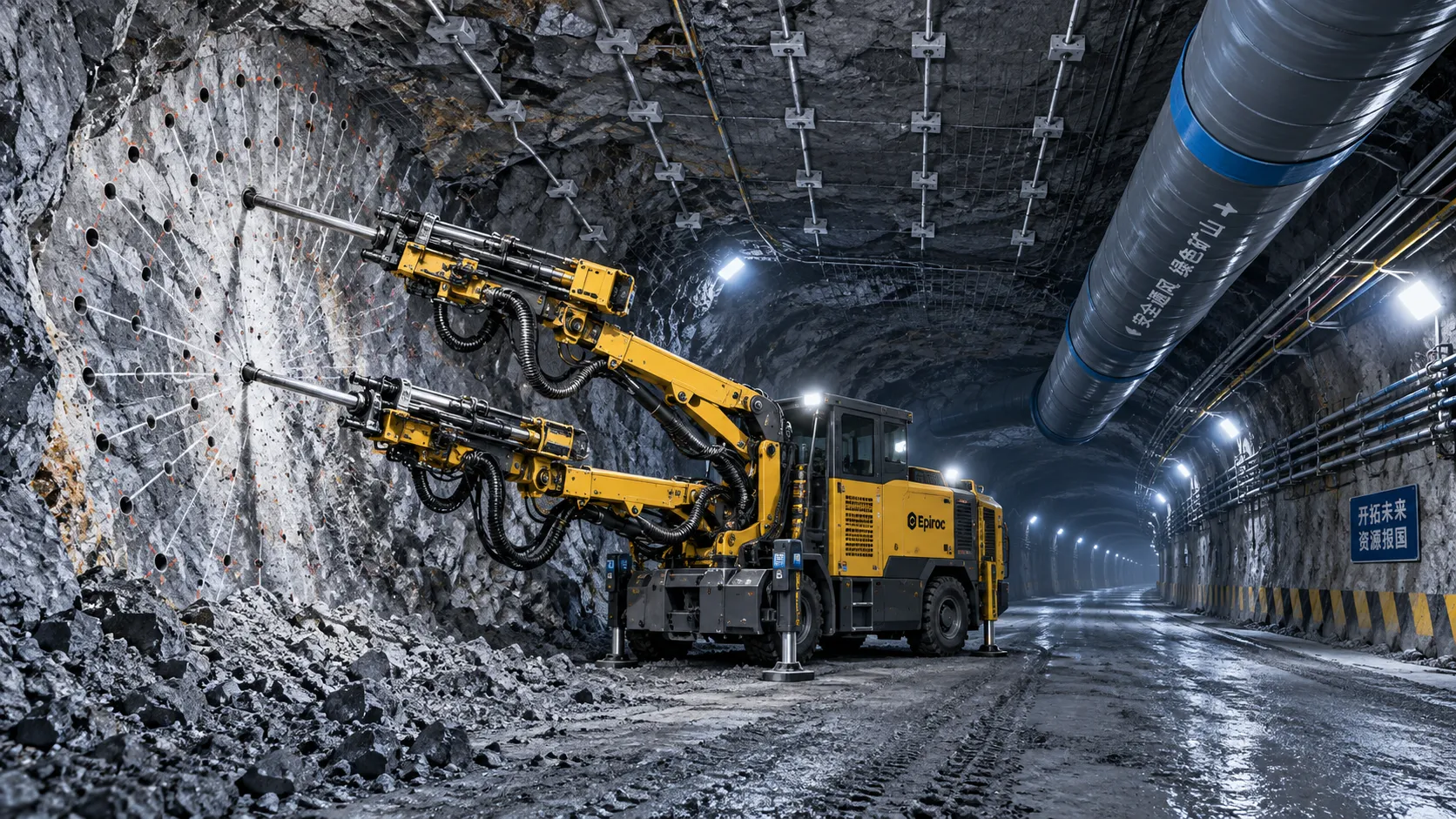
Underground Drilling for Mining: Selecting Methods for Rock Conditions and Mine Layout
Underground drilling for mining: learn how to match drilling methods to rock conditions, mine layout, accuracy needs, ground support, and cycle efficiency.
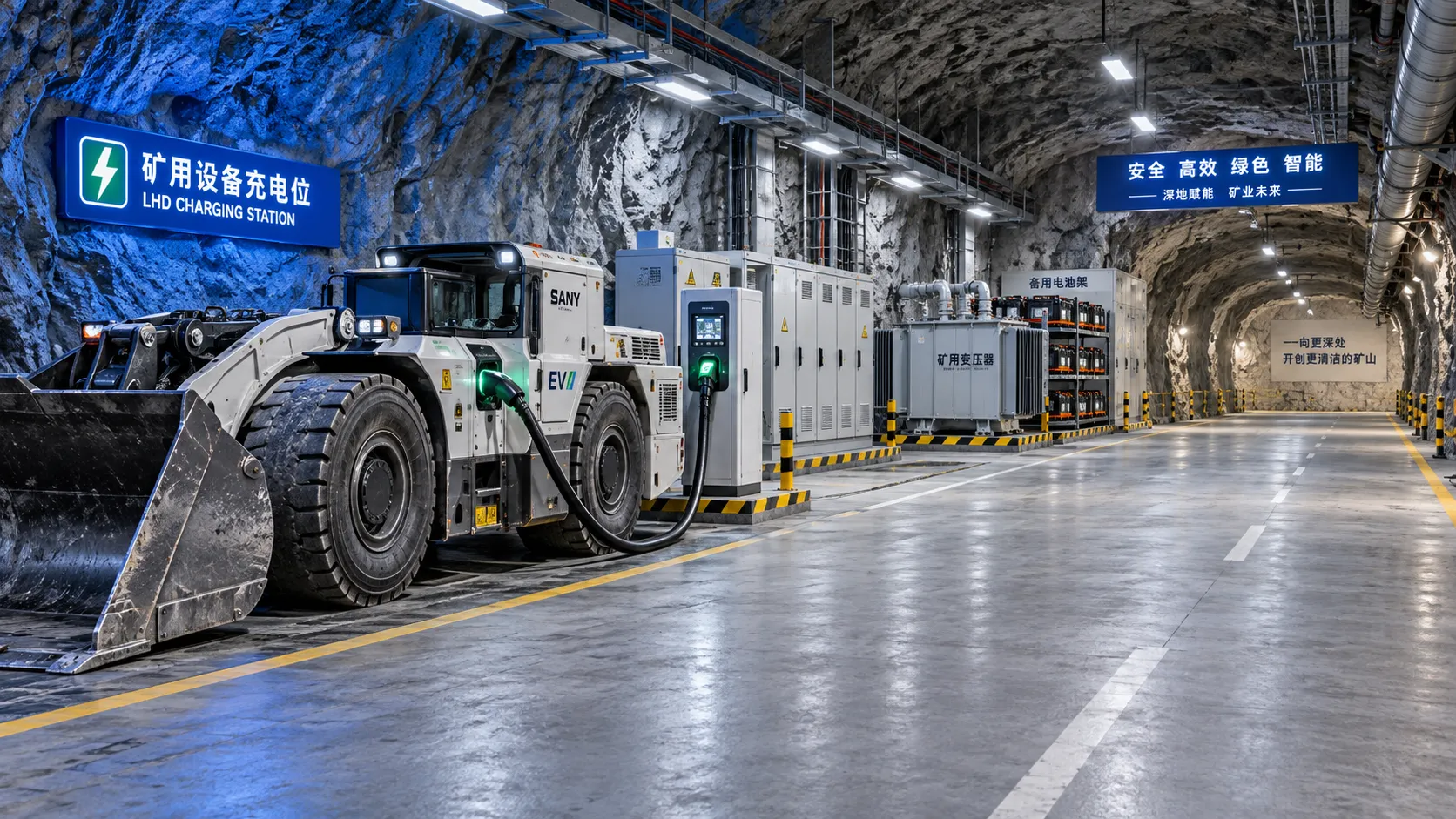
Underground Mine Electrification: How to Size Battery Fleets and Charging Capacity
Mining electrification for underground mines: learn how to size battery fleets, chargers, and power capacity to prevent queues, peak-load issues, and production downtime.
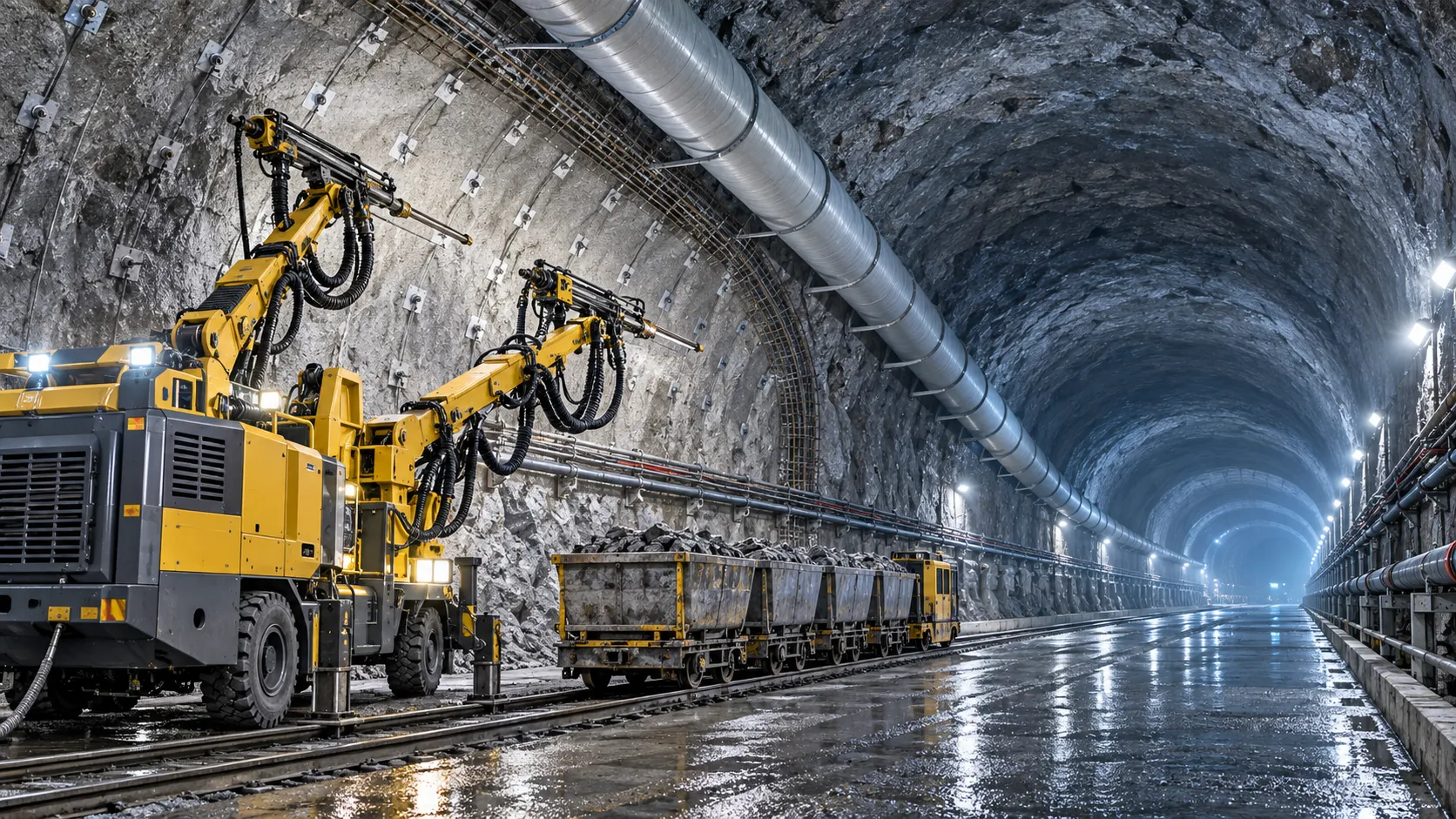
How to Evaluate European Drill-and-Blast Tunnelling Contractors for Complex Projects
Drill and blast tunnelling contractors Europe: learn how to assess geology expertise, blast control, equipment reliability, safety, and programme resilience for complex projects.
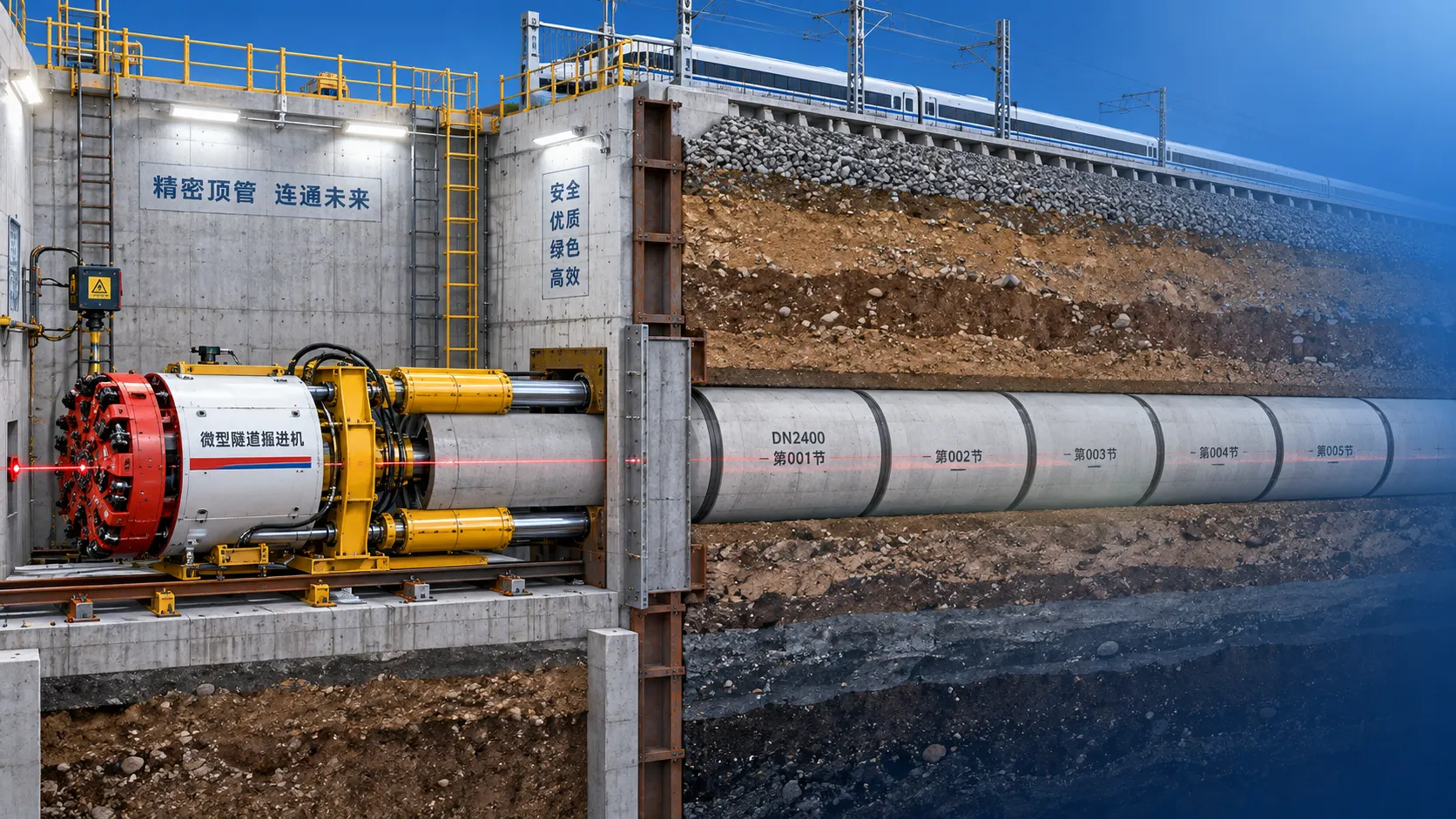
Which Trenchless Construction Technique Fits Your Utility Crossing Conditions?
Trenchless construction techniques compared for utility crossings: choose HDD, microtunnelling, pipe jacking, or auger boring based on ground, accuracy, access, and risk.
What Is Driving Metro Tunnelling Demand Across Southeast Asia’s Major Cities?
Metro tunnelling Southeast Asia is accelerating as major cities tackle congestion, flooding, and connectivity. Explore the market forces, technical risks, and opportunities shaping demand.
Hard Rock Tunnelling in Australia: Selecting Methods for Variable Ground Conditions
Hard rock tunnelling in Australia: compare TBM, drill-and-blast and hybrid methods to manage variable ground, reduce risk and protect project costs.
Hydropower Tunnel Excavation: Selecting Methods for Variable Rock Conditions
Hydropower tunnel excavation methods for variable rock conditions: compare TBM, drill-and-blast, and hybrid strategies to improve safety, progress, and project control.
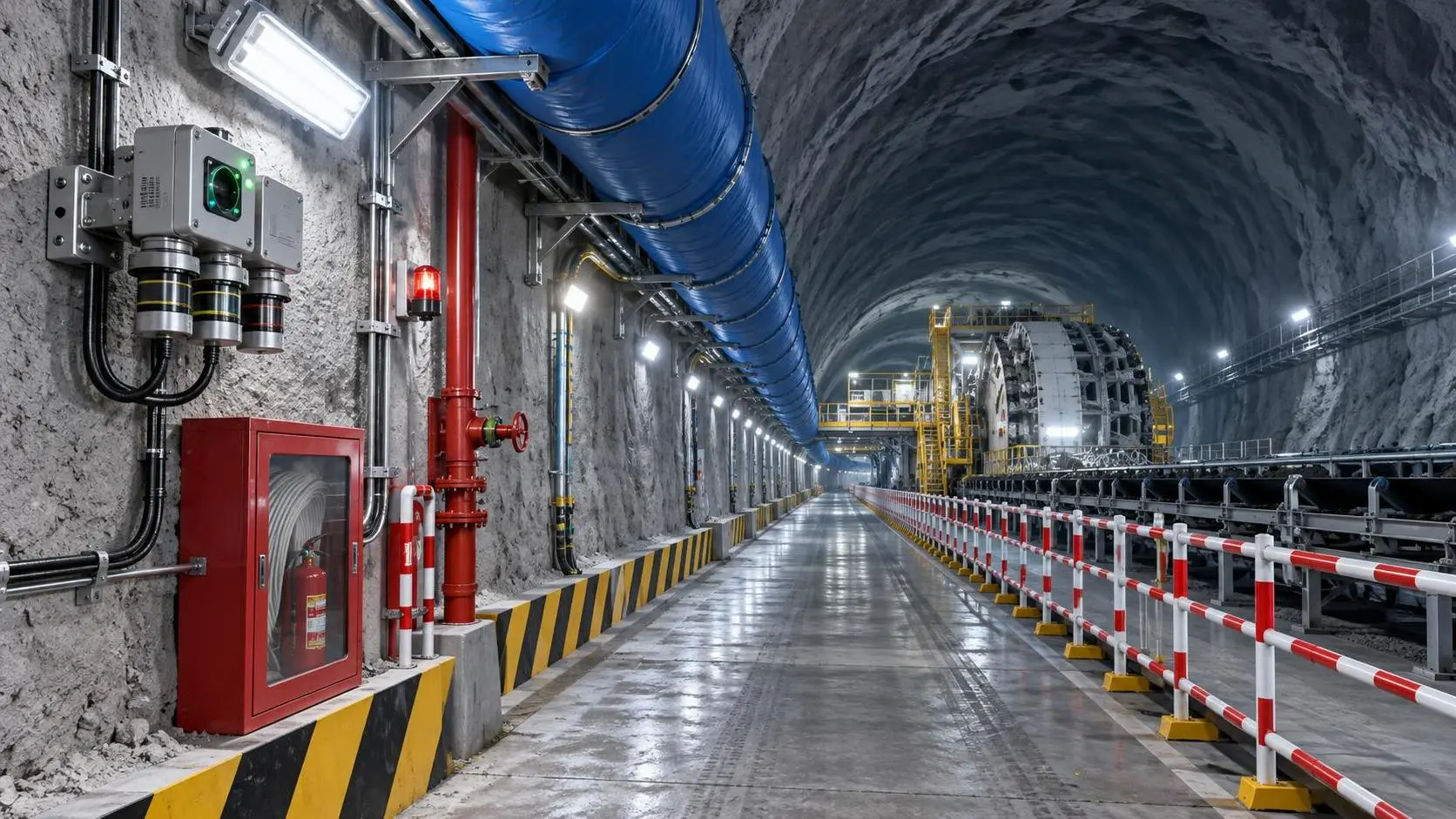
How to Select Underground Safety Equipment for Tunnelling by Hazard and Work Zone
Underground Safety Equipment for tunnelling: match protection to hazards, work zones, compliance, and emergency needs with this practical selection guide.
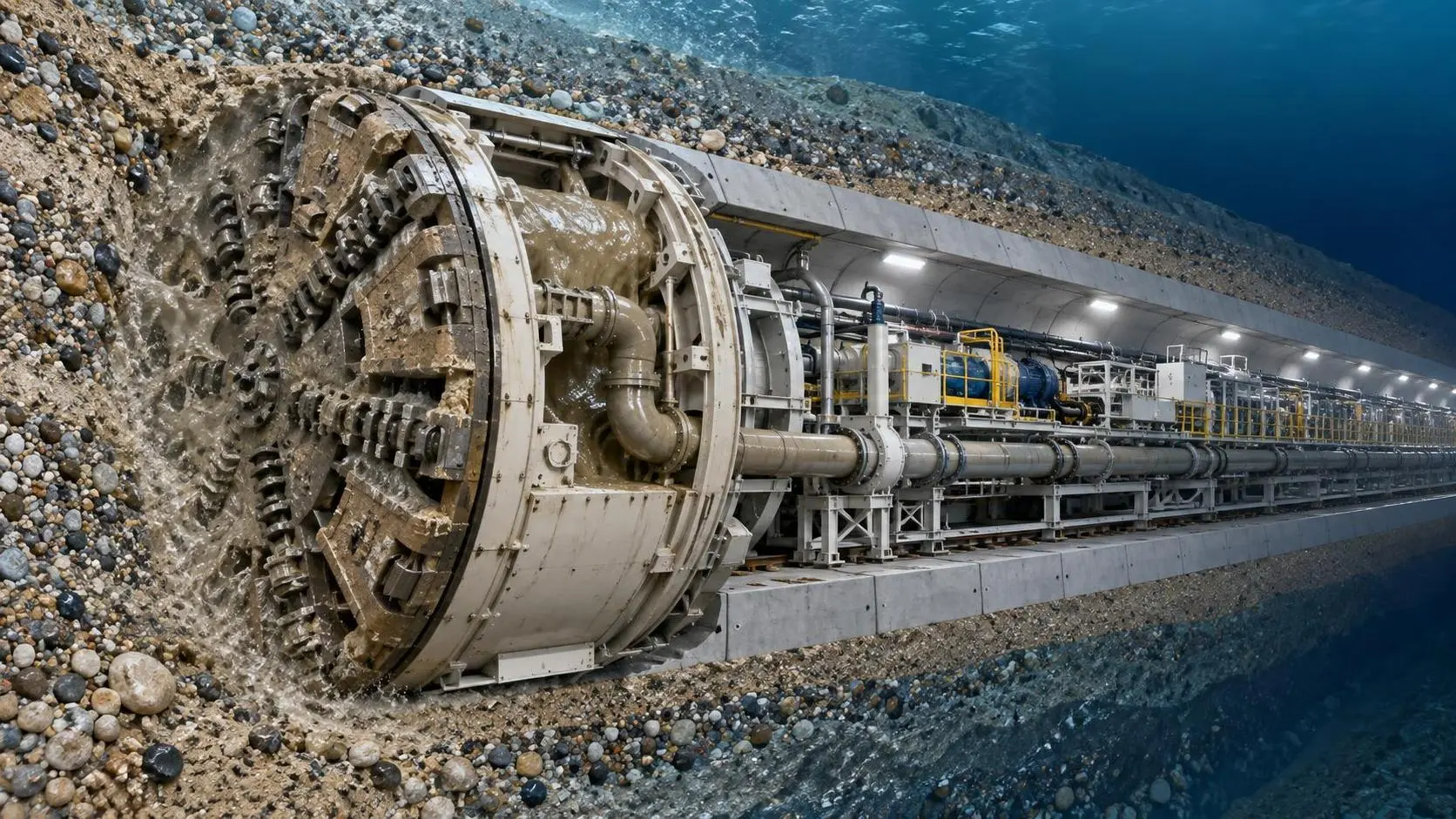
EPB or Slurry Shield? Selecting Soft-Ground Tunnelling Equipment by Soil Conditions
Tunnel Excavation Equipment for soft ground: compare EPB and slurry shields by soil, groundwater, settlement risk, and project logistics to choose confidently.
Related News
- 00
0000-00
Underground Drilling for Mining: Selecting Methods for Rock Conditions and Mine Layout - 00
0000-00
Underground Mine Electrification: How to Size Battery Fleets and Charging Capacity - 00
0000-00
How to Evaluate European Drill-and-Blast Tunnelling Contractors for Complex Projects - 00
0000-00
Which Trenchless Construction Technique Fits Your Utility Crossing Conditions? - 00
0000-00
What Is Driving Metro Tunnelling Demand Across Southeast Asia’s Major Cities?
Weekly Insights
Stay ahead with our curated technology reports delivered every Monday.