
Underground Safety Equipment: What Systems Are Required for Modern Tunnelling Sites?





Underground Safety Equipment has moved far beyond helmets, lamps, and reflective clothing. On modern tunnelling sites, safety depends on connected systems that manage air quality, fire risk, evacuation, machine movement, and operational visibility in spaces where one failure can escalate quickly.
That shift matters because tunnelling today is deeper, more automated, and more tightly regulated. Whether the site uses a TBM, pipe jacking machine, drilling jumbo, or battery-electric underground transport, the safety baseline now includes monitoring, response, communication, and control working together.
For projects tracked across the UTMD intelligence landscape, this is no longer a side topic. It sits at the intersection of uptime, compliance, asset protection, and workforce confidence, especially where electrification and smart underground operations are changing traditional risk profiles.
What Underground Safety Equipment really means on a tunnelling site
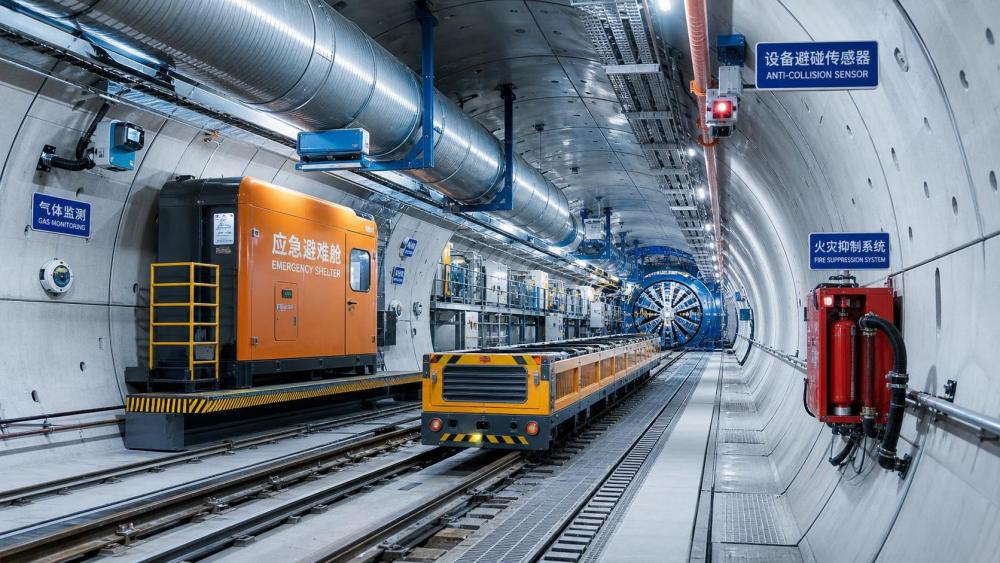
At site level, Underground Safety Equipment is best understood as a layered protection system. It combines personal protection, fixed infrastructure, mobile safeguards, and digital supervision into one operating environment.
That distinction is important. A site may appear well equipped because personnel carry PPE, yet still remain exposed if ventilation alarms, refuge planning, or machine proximity controls are weak.
In practical terms, required systems usually reflect the excavation method, tunnel length, geology, diesel or electric fleet mix, and emergency access constraints. The deeper and less forgiving the environment, the more integrated the safety architecture must become.
Why requirements are tightening across modern underground projects
The risk picture underground is changing. Traditional hazards such as dust, rock falls, flooding, and poor visibility remain. At the same time, sites now operate with remote control systems, battery fleets, high-power charging, dense sensor networks, and partially autonomous vehicles.
This makes Underground Safety Equipment more strategic than before. A ventilation issue can affect people, electronics, and production continuity at once. A communication blackout can slow rescue coordination and machine recovery in the same event.
UTMD’s coverage of TBMs, trenchless systems, and smart underground haulage shows the same pattern globally: safety performance is increasingly tied to digital reliability, electrification readiness, and the ability to maintain control in confined spaces.
The core systems most sites cannot do without
Not every project needs identical specifications, but several Underground Safety Equipment categories are consistently required on serious tunnelling operations.
Atmosphere monitoring and ventilation control
Air is the first safety system underground. Continuous gas detection for oxygen deficiency, carbon monoxide, nitrogen oxides, methane, and other local contaminants is essential where combustion, blasting, or geological emissions are possible.
Ventilation monitoring should not stop at airflow volume. Pressure balance, duct integrity, fan status, dust concentration, and alarm response time all shape whether conditions remain safe during normal work and abnormal events.
Fire detection and suppression
Underground fire incidents are especially dangerous because heat, smoke, and toxic gases spread through confined routes. Fire suppression must cover fixed installations and mobile equipment, including hydraulic systems, cable runs, battery compartments, and engine bays.
For electric fleets, thermal monitoring and isolation logic deserve close review. Zero exhaust does not remove fire risk; it changes where attention should be focused.
Communication, tracking, and location awareness
A tunnelling site cannot respond well if it cannot see or reach people. Leaky feeder systems, wireless nodes, tracking tags, refuge chamber links, and control room dashboards turn fragmented information into actionable awareness.
This becomes even more important on long drives and multi-heading projects, where evacuation routes and equipment movement patterns change as construction progresses.
Emergency refuge and escape support
Refuge chambers, self-rescuers, escape route lighting, and clearly maintained muster strategies remain essential Underground Safety Equipment. These are not backup items to satisfy paperwork. They are the final barrier when access routes become compromised.
What matters most is suitability. Capacity, duration, location, consumables, and communication capability must match actual site conditions, not theoretical drawings.
Machine interaction and collision prevention
Modern tunnels contain large, high-energy equipment in tight spaces. Proximity detection, camera coverage, reversing alerts, access interlocks, and exclusion-zone management reduce the chance of contact between personnel, vehicles, and fixed infrastructure.
On automated or remote-controlled equipment, the quality of sensor fusion and fail-safe logic matters as much as the hardware itself.
How safety priorities differ by equipment and excavation method
The required Underground Safety Equipment mix changes with the operating model. A short urban pipe jacking drive does not present the same exposure profile as a deep hard-rock tunnel or an underground mine development heading.
This is why generic checklists often miss the point. The strongest safety setup is the one aligned with actual workflow, not just the broad category of project.
What to check when evaluating Underground Safety Equipment
A common mistake is to verify equipment presence without checking system performance. On underground sites, compliance on paper can hide operational weakness.
- Confirm detection range, calibration intervals, and alarm audibility in real underground conditions.
- Check whether ventilation data is visible in real time and linked to escalation procedures.
- Review whether refuge chambers and self-rescue stocks match crew numbers, shift timing, and tunnel advance.
- Verify communication continuity at headings, cross-passages, charging points, and transfer areas.
- Assess machine safety logic during sensor failure, power loss, or remote-operation interruption.
- Compare maintenance records with actual field readiness, not just procurement specifications.
In many cases, the issue is not missing hardware. It is fragmented data, poor placement, inconsistent upkeep, or controls that do not reflect live site changes.
Why safety systems now connect directly to quality and continuity
Underground Safety Equipment affects more than incident prevention. It also influences inspection outcomes, asset life, production stability, and the ability to maintain schedule under difficult geology.
When ventilation is unstable, equipment performance may degrade before a stop-work event occurs. When tracking data is incomplete, near-miss analysis becomes guesswork. When fire systems are poorly integrated, one vehicle event can shut down a critical heading.
From the UTMD perspective, this is one reason smart mines and mega underground projects are investing in intelligence layers, not only steel and power. Reliable safety data supports better operating decisions across the whole underground chain.
Where the industry is heading next
The next phase of Underground Safety Equipment is likely to be more predictive than reactive. Sensor fusion, digital twins, machine health analytics, and location-aware automation are already reshaping how underground risk is interpreted.
That does not reduce the importance of fundamentals. It raises the standard for how gas detection, communications, suppression systems, and evacuation planning must work together.
A practical next step is to review site safety as an operating system rather than a purchase list. Map hazards by activity, compare them with actual control performance, and identify where monitoring, response, or integration still falls short.
For anyone benchmarking tunnelling practices, it is worth following how TBM projects, trenchless operations, and underground electric fleets are redefining the baseline. The required systems are no longer judged only by presence, but by whether they keep people, equipment, and project continuity protected under real conditions.
Related News
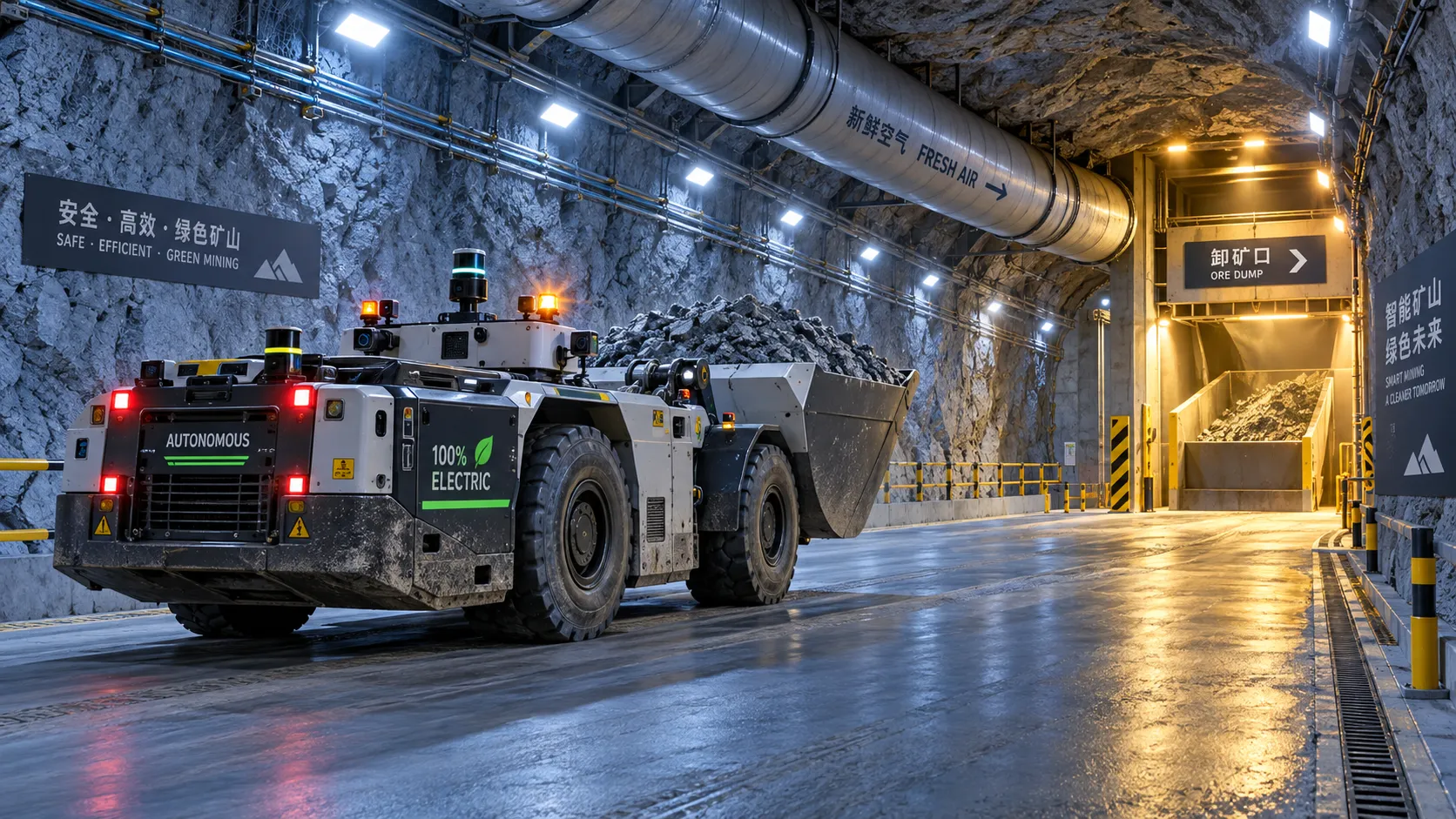
Where Autonomous Mining Loaders Deliver the Most Value in Underground Operations
Autonomous Mining Loaders deliver greater underground value through safer blast-zone work, repeatable haul cycles, and improved ventilation efficiency. Discover the best deployment zones.
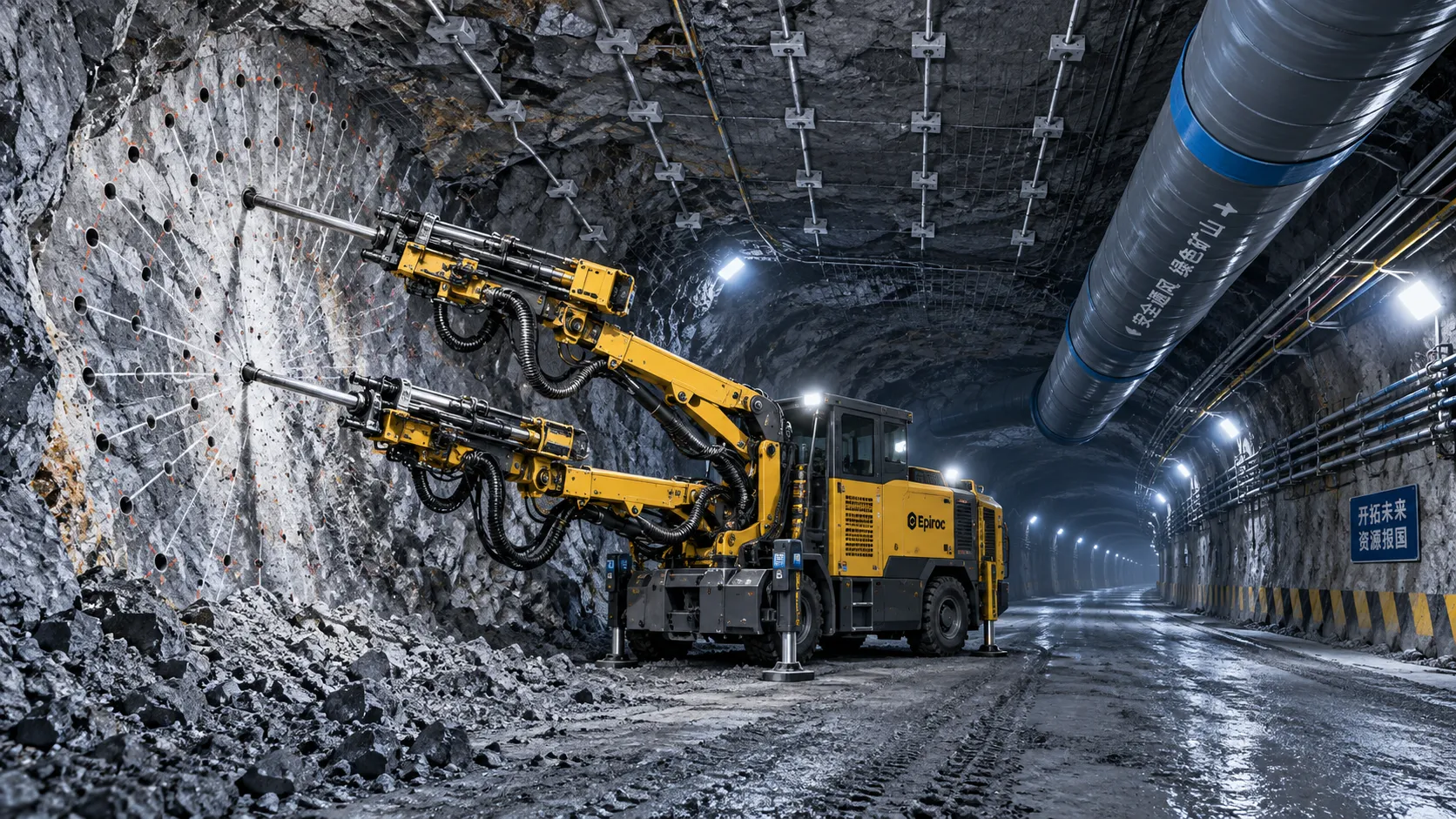
Underground Drilling for Mining: Selecting Methods for Rock Conditions and Mine Layout
Underground drilling for mining: learn how to match drilling methods to rock conditions, mine layout, accuracy needs, ground support, and cycle efficiency.
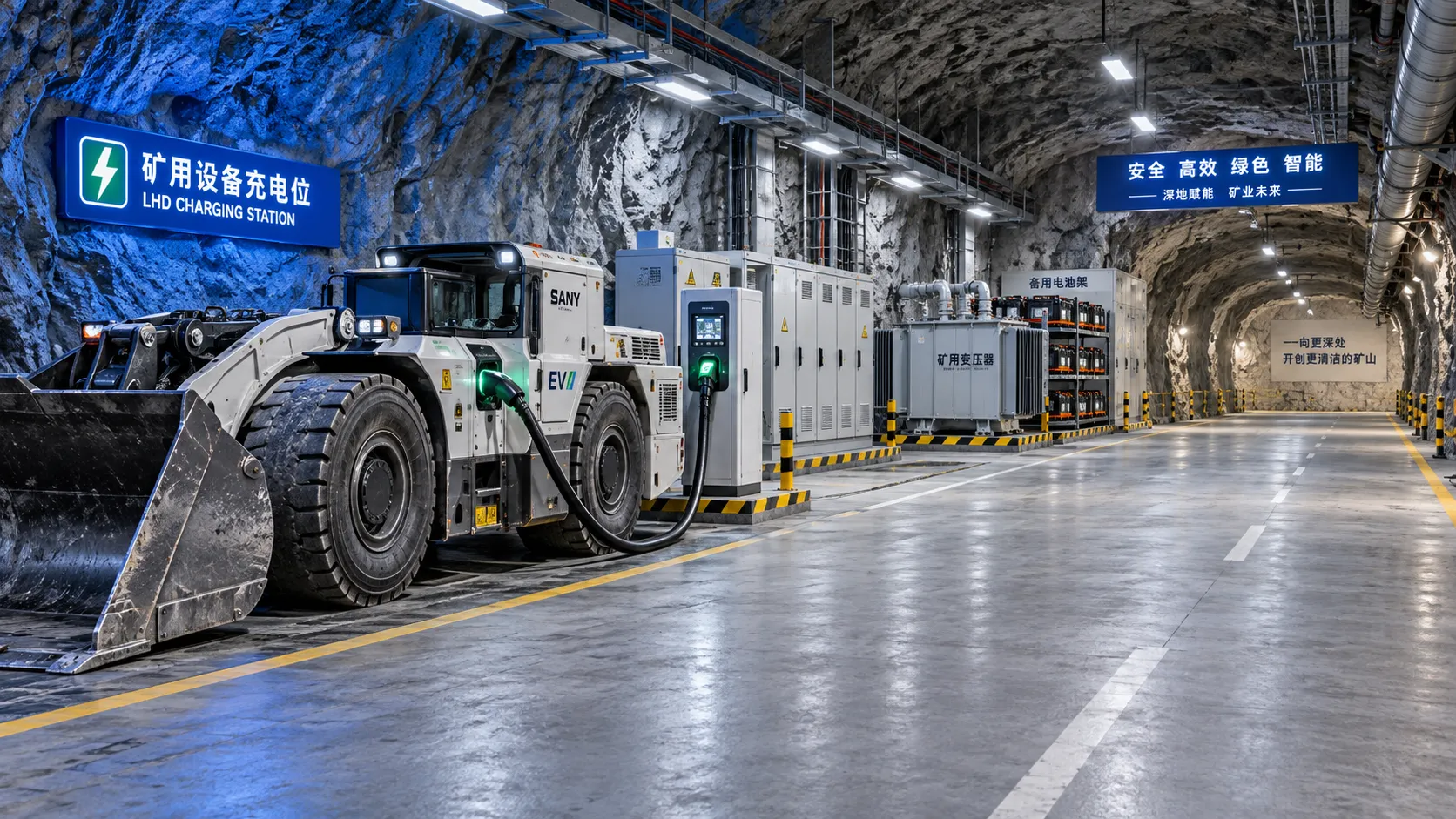
Underground Mine Electrification: How to Size Battery Fleets and Charging Capacity
Mining electrification for underground mines: learn how to size battery fleets, chargers, and power capacity to prevent queues, peak-load issues, and production downtime.
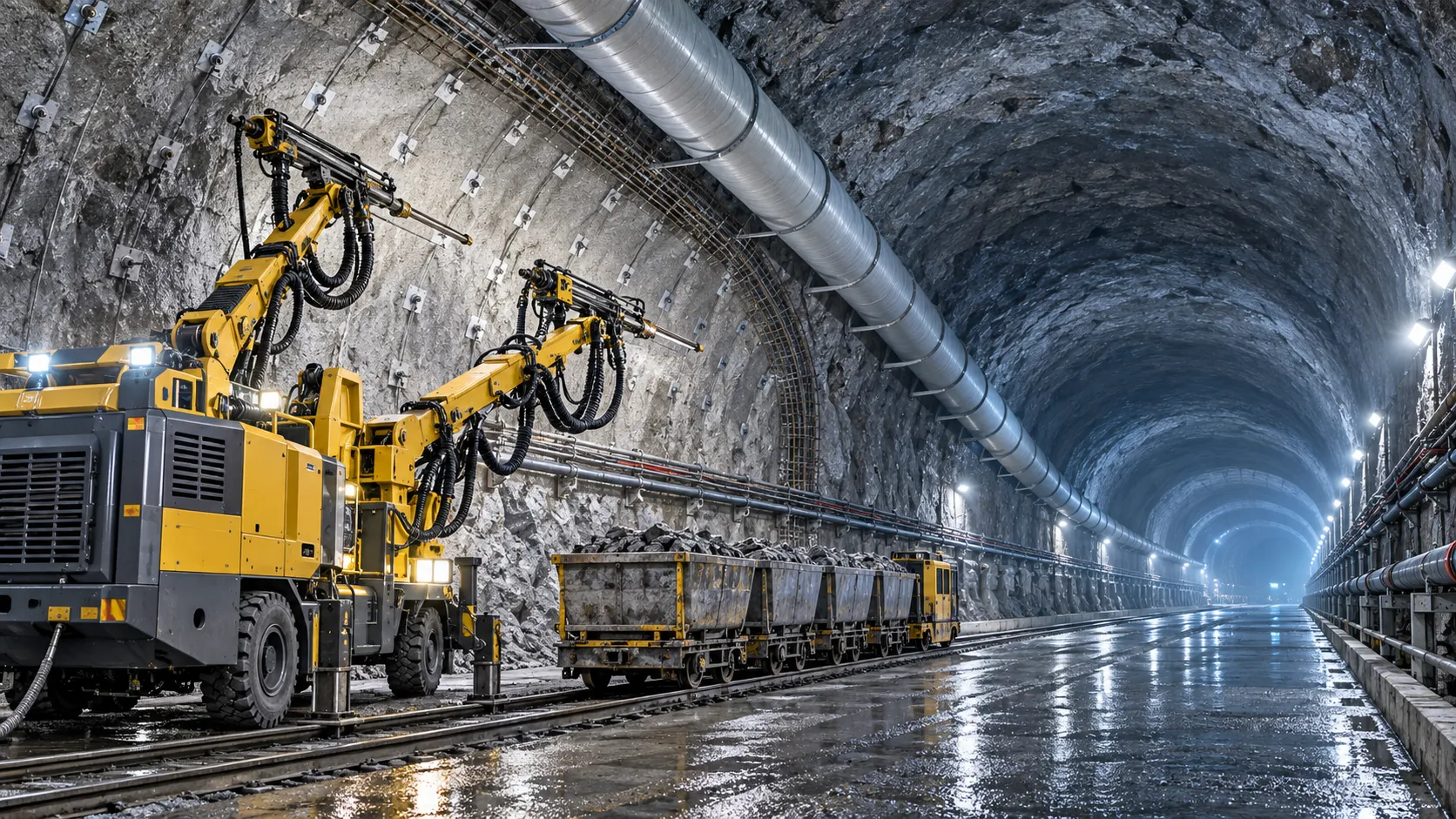
How to Evaluate European Drill-and-Blast Tunnelling Contractors for Complex Projects
Drill and blast tunnelling contractors Europe: learn how to assess geology expertise, blast control, equipment reliability, safety, and programme resilience for complex projects.
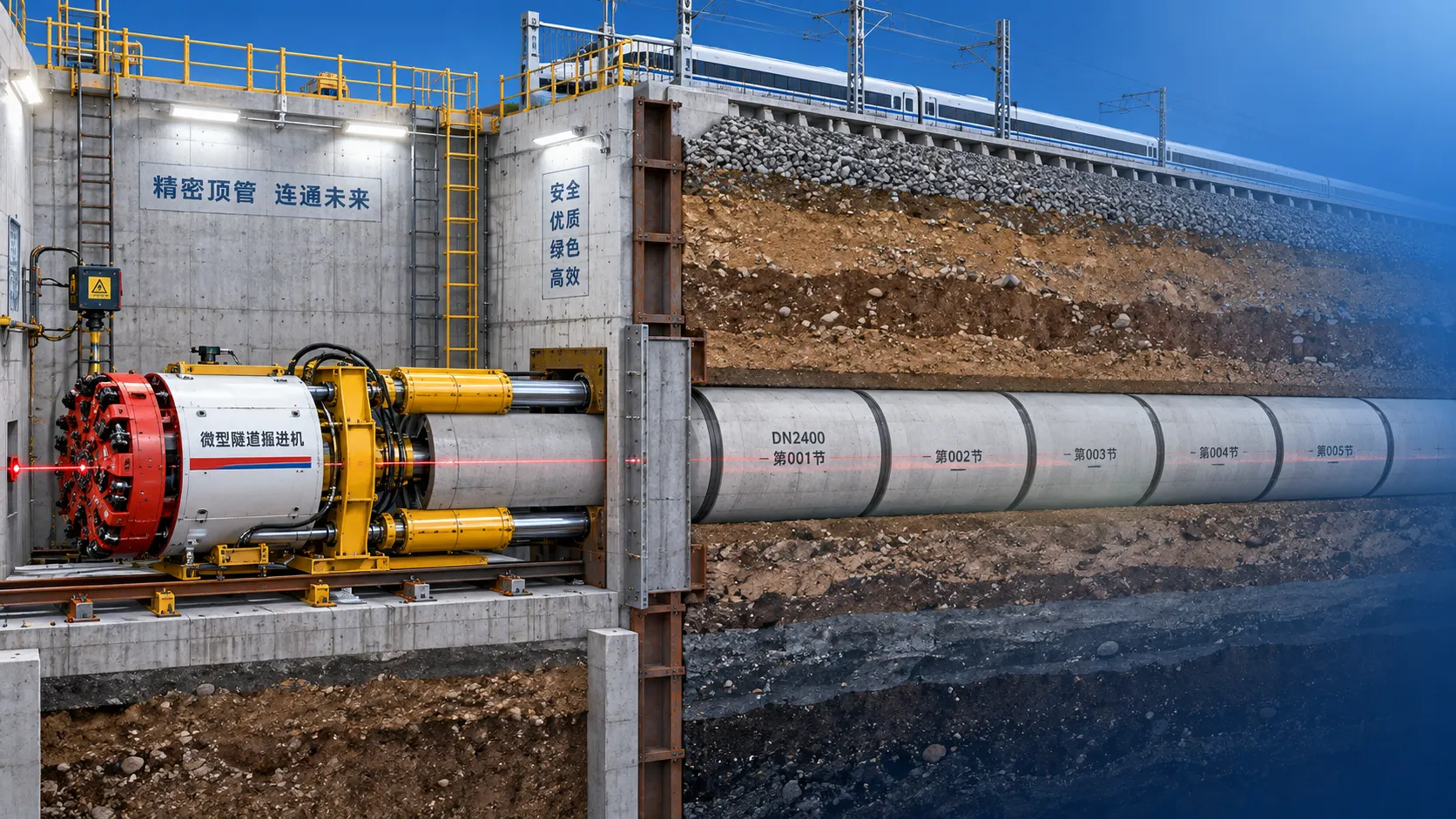
Which Trenchless Construction Technique Fits Your Utility Crossing Conditions?
Trenchless construction techniques compared for utility crossings: choose HDD, microtunnelling, pipe jacking, or auger boring based on ground, accuracy, access, and risk.
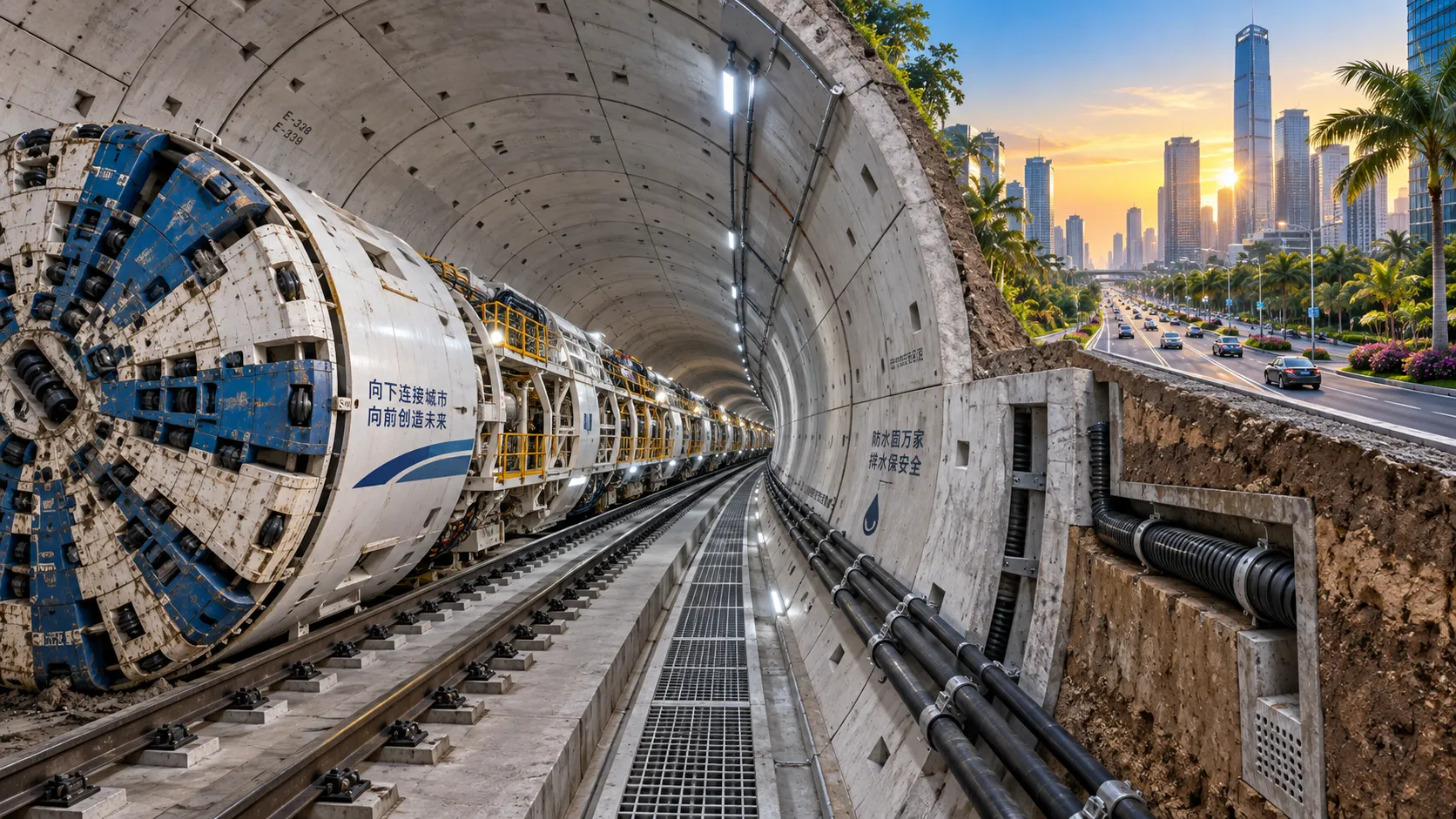
What Is Driving Metro Tunnelling Demand Across Southeast Asia’s Major Cities?
Metro tunnelling Southeast Asia is accelerating as major cities tackle congestion, flooding, and connectivity. Explore the market forces, technical risks, and opportunities shaping demand.
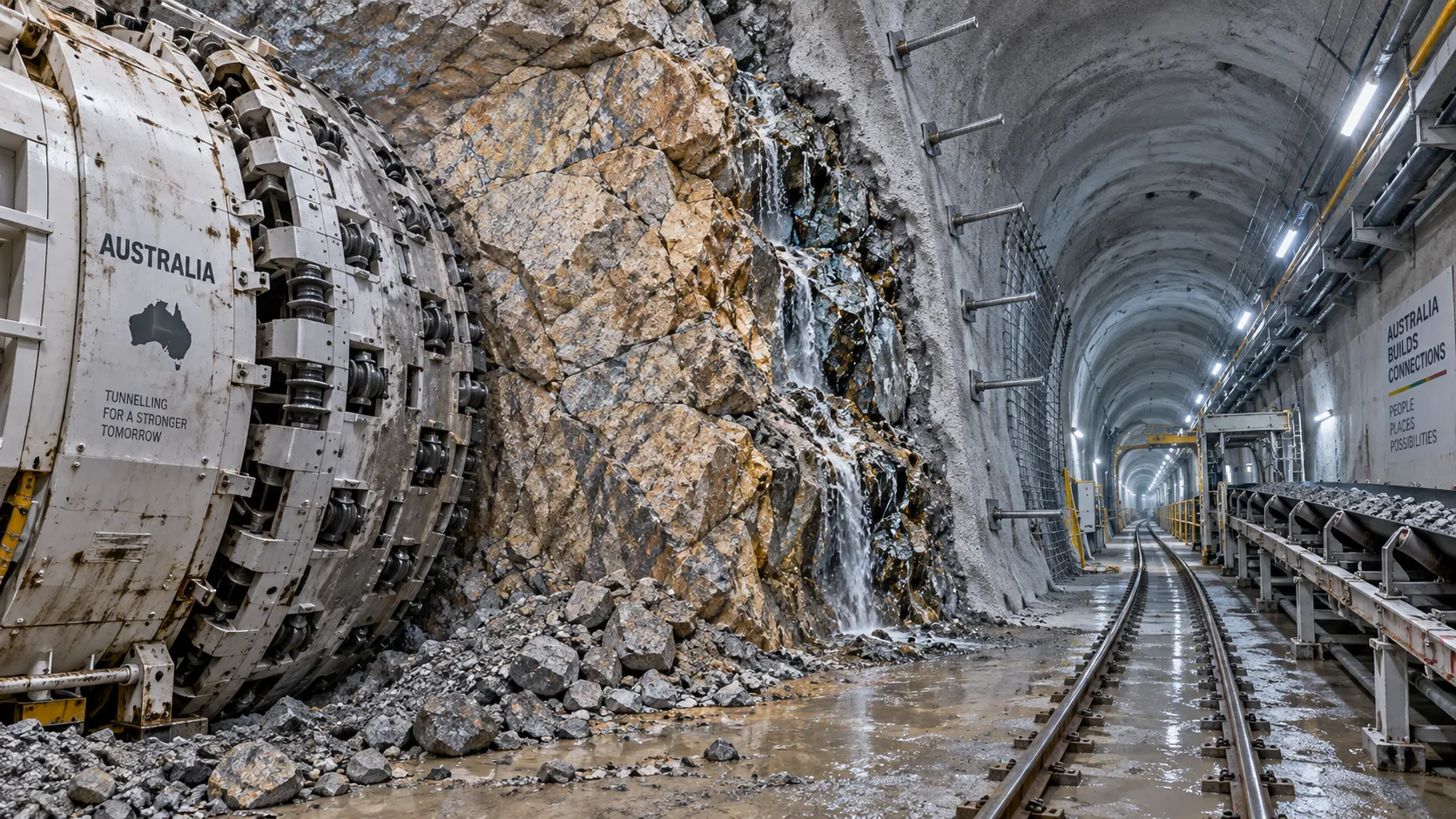
Hard Rock Tunnelling in Australia: Selecting Methods for Variable Ground Conditions
Hard rock tunnelling in Australia: compare TBM, drill-and-blast and hybrid methods to manage variable ground, reduce risk and protect project costs.
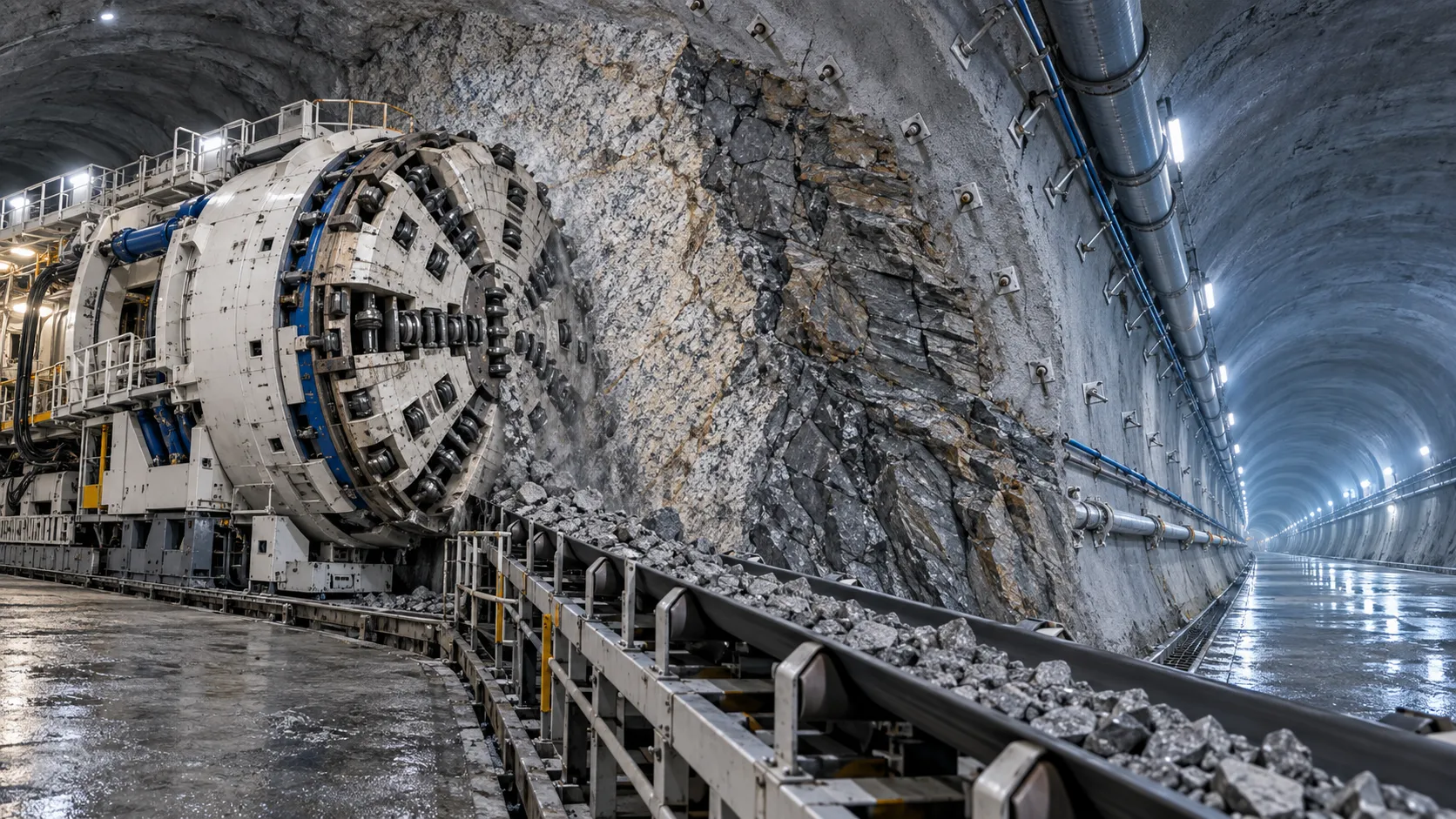
Hydropower Tunnel Excavation: Selecting Methods for Variable Rock Conditions
Hydropower tunnel excavation methods for variable rock conditions: compare TBM, drill-and-blast, and hybrid strategies to improve safety, progress, and project control.
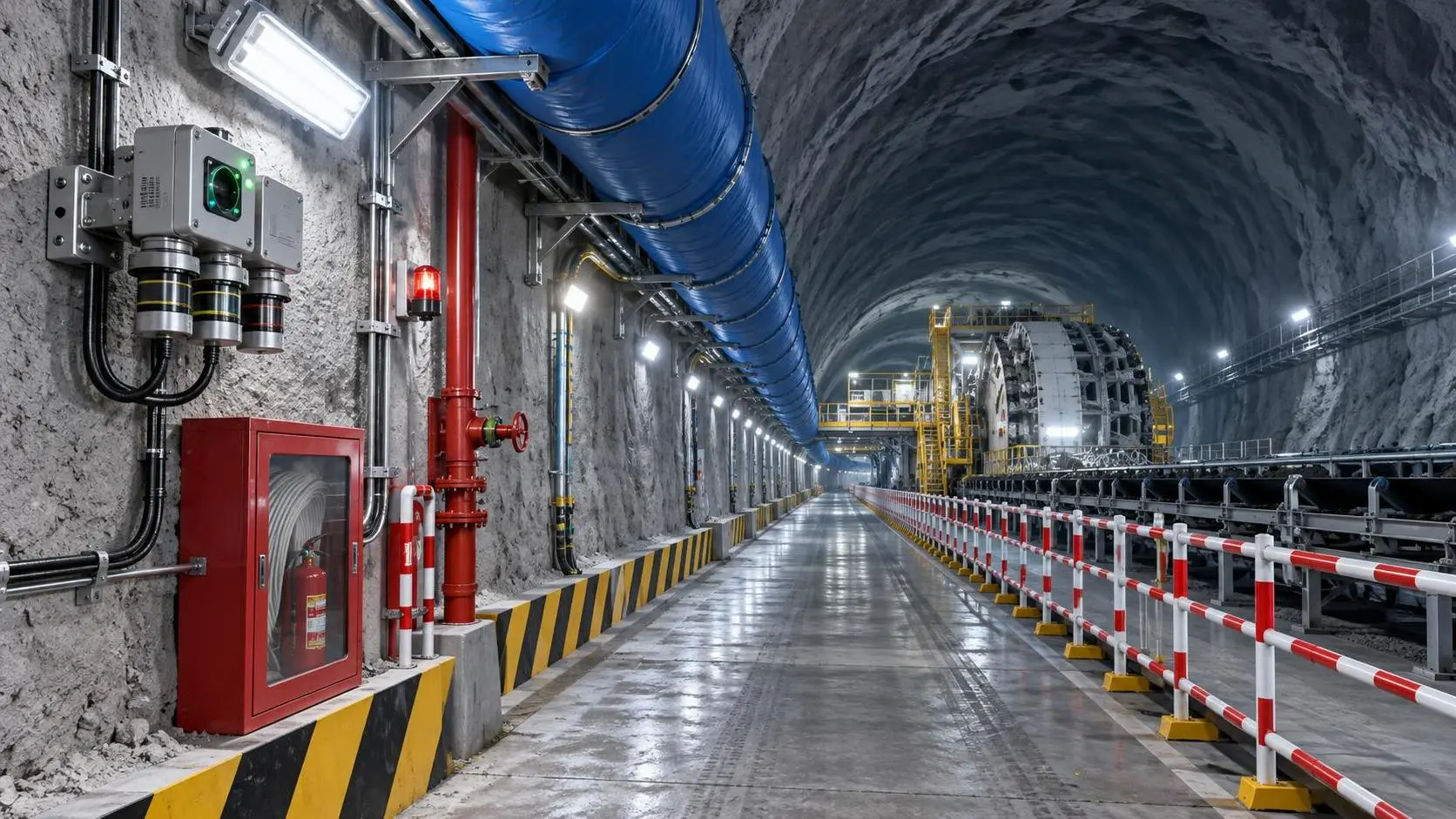
How to Select Underground Safety Equipment for Tunnelling by Hazard and Work Zone
Underground Safety Equipment for tunnelling: match protection to hazards, work zones, compliance, and emergency needs with this practical selection guide.
Related News
- 00
0000-00
Where Autonomous Mining Loaders Deliver the Most Value in Underground Operations - 00
0000-00
Underground Drilling for Mining: Selecting Methods for Rock Conditions and Mine Layout - 00
0000-00
Underground Mine Electrification: How to Size Battery Fleets and Charging Capacity - 00
0000-00
How to Evaluate European Drill-and-Blast Tunnelling Contractors for Complex Projects - 00
0000-00
Which Trenchless Construction Technique Fits Your Utility Crossing Conditions?
Weekly Insights
Stay ahead with our curated technology reports delivered every Monday.