
Mega Tunnels in Middle East: Key Geology, Logistics, and Delivery Risks





Mega Tunnels in Middle East: Key Geology, Logistics, and Delivery Risks
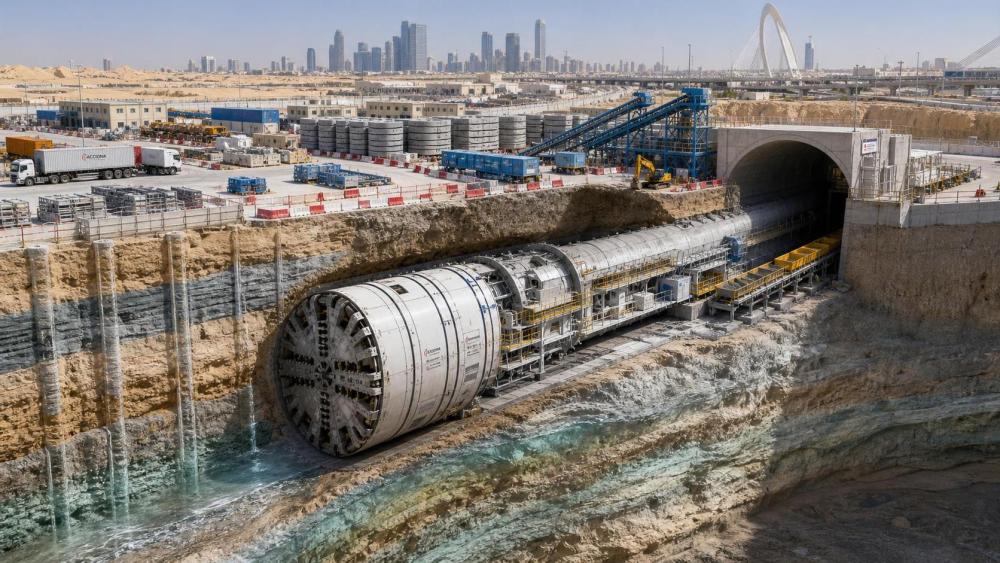
Mega tunnels in Middle East are moving from ambition to execution at remarkable speed.
That shift creates real opportunity, but it also concentrates delivery risk.
Geology can change within short alignments.
Climate can reduce equipment availability and labor efficiency.
Cross-border procurement can stretch critical-path schedules without much warning.
In practice, mega tunnels in Middle East demand a different control model.
It is not enough to manage excavation progress alone.
Teams need integrated visibility across ground conditions, TBM performance, logistics, utilities, and stakeholder approvals.
The strongest programs treat uncertainty as a design input, not a late-stage surprise.
This is where better planning, equipment intelligence, and disciplined interfaces start protecting cost and schedule.
Why mega tunnels in Middle East behave differently
The region combines very large infrastructure ambition with highly uneven underground conditions.
Some alignments pass through weak alluvium and high groundwater.
Others face abrasive rock, mixed faces, karst voids, or faulted transitions.
That variability affects cutter wear, advance rates, grout demand, and settlement control.
More importantly, it compresses decision time once tunnelling starts.
Mega tunnels in Middle East also operate under intense public and investor attention.
When deadlines connect to city growth, energy assets, or national transport plans, delay tolerance becomes very low.
That pressure can tempt teams to accelerate before risks are truly retired.
Three structural realities shape delivery
- Long supply chains mean spare parts, cutters, seals, and power components are not always locally replaceable.
- Heat, dust, and salinity increase maintenance frequency for mechanical and electrical systems.
- Multi-package contracting creates interface risk between civil works, MEP systems, logistics yards, and shaft operations.
Geology risk: the first cost driver
For mega tunnels in Middle East, geology is still the first issue to get right.
The challenge is not just rock strength.
The bigger issue is transition risk between materials, water regimes, and face stability states.
A tunnel may start in competent ground and enter fractured, water-bearing zones with little operational cushion.
If the baseline investigation is too sparse, the project pays later through delay and redesign.
Where geology usually hurts delivery
- Unexpected mixed ground slows penetration and raises cutter intervention frequency.
- High abrasivity drives disc cutter consumption beyond budget assumptions.
- Karst or cavities increase settlement, face loss, and grouting complexity.
- Water inflow can disrupt spoil handling, segment erection, and shaft safety.
The practical answer is early ground intelligence linked to operational thresholds.
That means more than borehole data.
It means translating geology into expected torque bands, cutter life, conditioning needs, and intervention windows.
For mega tunnels in Middle East, this translation is often the difference between controlled production and reactive firefighting.
Logistics risk: the hidden schedule killer
Many teams underestimate logistics because the tunnel face looks like the central problem.
But mega tunnels in Middle East often succeed or fail on material flow.
Imported TBM parts, segment molds, conveyor systems, ventilation equipment, and power gear can each become bottlenecks.
A single late component can idle a very expensive underground spread.
This becomes sharper when multiple projects compete for the same shipping lanes, port slots, and specialist vendors.
High-impact logistics controls
- Map critical components by lead time, customs sensitivity, and commissioning dependency.
- Keep strategic spares near shafts, not only at central warehouses.
- Use digital tracking for cutter tools, seals, motors, and electrical modules.
- Link logistics dashboards to production forecasts and maintenance plans.
This sounds basic, but it is where execution discipline shows up.
If spoil removal, segment delivery, and spare parts planning are managed separately, schedule drift starts quietly.
For mega tunnels in Middle East, integrated logistics is not support work. It is core production control.
Equipment uptime under heat, dust, and continuous production
Environmental stress changes asset behavior faster than many plans assume.
In mega tunnels in Middle East, heat load affects motors, hydraulics, electronics, and workforce pacing.
Dust contamination raises wear in bearings, cooling systems, and electrical enclosures.
Salt exposure near coastal zones can also shorten component life.
That is why uptime strategy must start before launch, not after repeated failures.
What a stronger uptime model includes
- Condition-based maintenance for cutterhead, conveyors, pumps, and thermal loads.
- Failure mode tracking tied to geology zones and operator shifts.
- Service contracts that guarantee response times for specialist interventions.
- Remote diagnostics for sensors, drives, and control systems.
This is also where intelligence platforms add real value.
UTMD-style monitoring helps teams compare field performance against expected wear, energy use, and production windows.
For mega tunnels in Middle East, better data reduces the gap between mechanical capability and delivered output.
Delivery risk grows at the interfaces
Most major overruns do not come from one dramatic failure.
They come from small interface losses repeated every week.
Mega tunnels in Middle East usually involve many contractors, designers, suppliers, and public stakeholders.
If the handoff rules are weak, progress slows even when each package appears on track.
The simple lesson is that interface ownership must be named, measured, and reviewed with production data.
A workable risk-control approach for mega tunnels in Middle East
A practical framework should stay focused on action, not paperwork.
For mega tunnels in Middle East, the most resilient teams usually apply five linked controls.
- Build a ground risk model that connects surveys to machine settings and intervention scenarios.
- Protect the critical supply chain with dual-source planning and field-level spare inventories.
- Use live production dashboards for advance rate, wear, downtime, and spoil flow.
- Create interface reviews around weekly constraints, not only monthly reporting.
- Prepare recovery playbooks for water inflow, cutter failure, delayed imports, and segment disruptions.
This approach supports clearer decisions when conditions change fast.
It also helps leadership separate noise from genuine schedule threat.
That matters because mega tunnels in Middle East rarely fail from one visible issue.
They drift when weak signals are ignored for too long.
Closing view
Mega tunnels in Middle East will remain a defining test of underground delivery capability.
The opportunity is large, but so is the exposure to geology, logistics, and uptime risk.
The most effective response is early intelligence, tighter interfaces, and equipment decisions grounded in field reality.
With that discipline, mega tunnels in Middle East become more predictable, bankable, and operationally resilient.
Start by reviewing where ground assumptions, supply dependencies, and uptime plans intersect. That is usually where the next major gain appears.
Related News
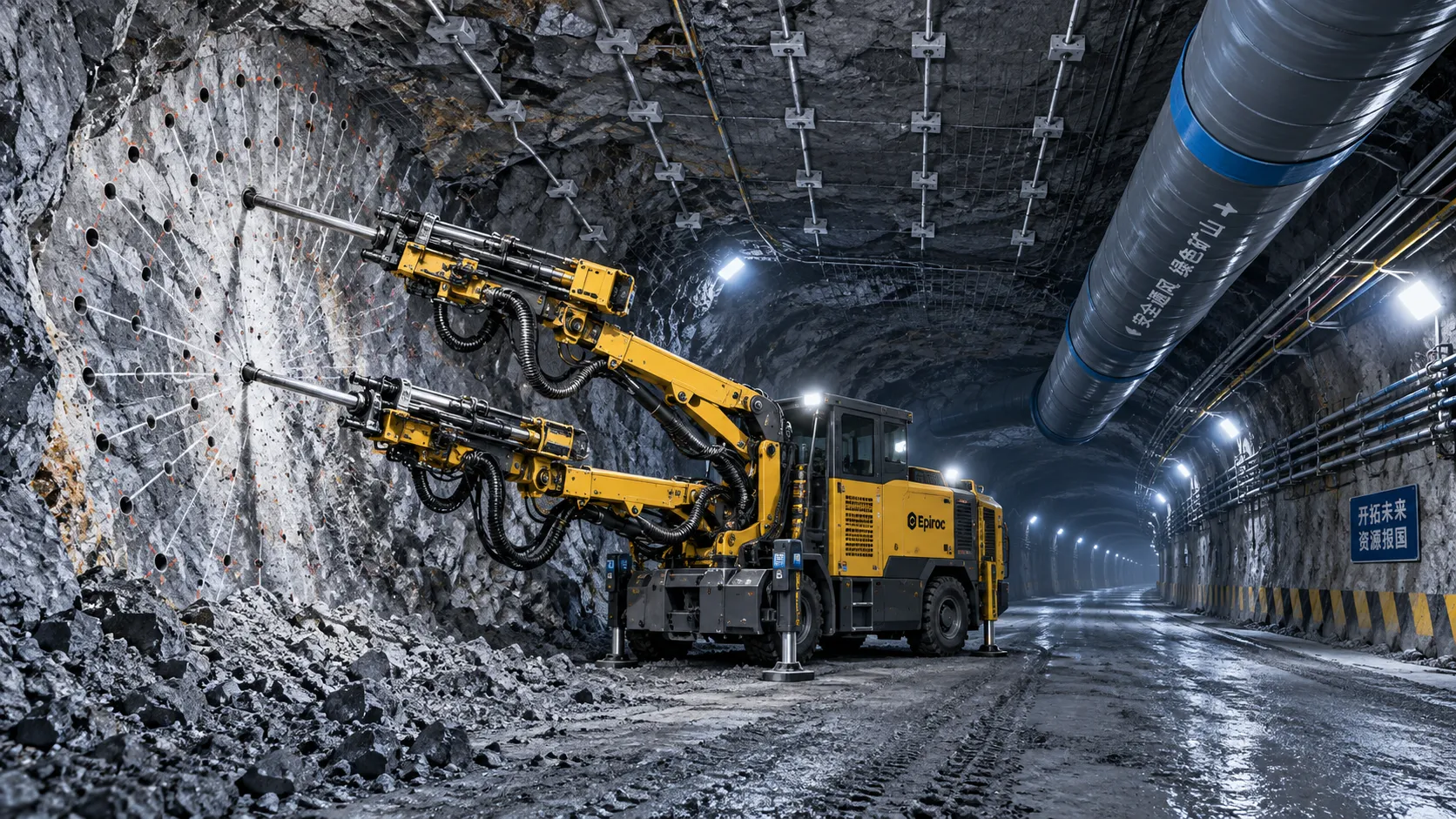
Underground Drilling for Mining: Selecting Methods for Rock Conditions and Mine Layout
Underground drilling for mining: learn how to match drilling methods to rock conditions, mine layout, accuracy needs, ground support, and cycle efficiency.
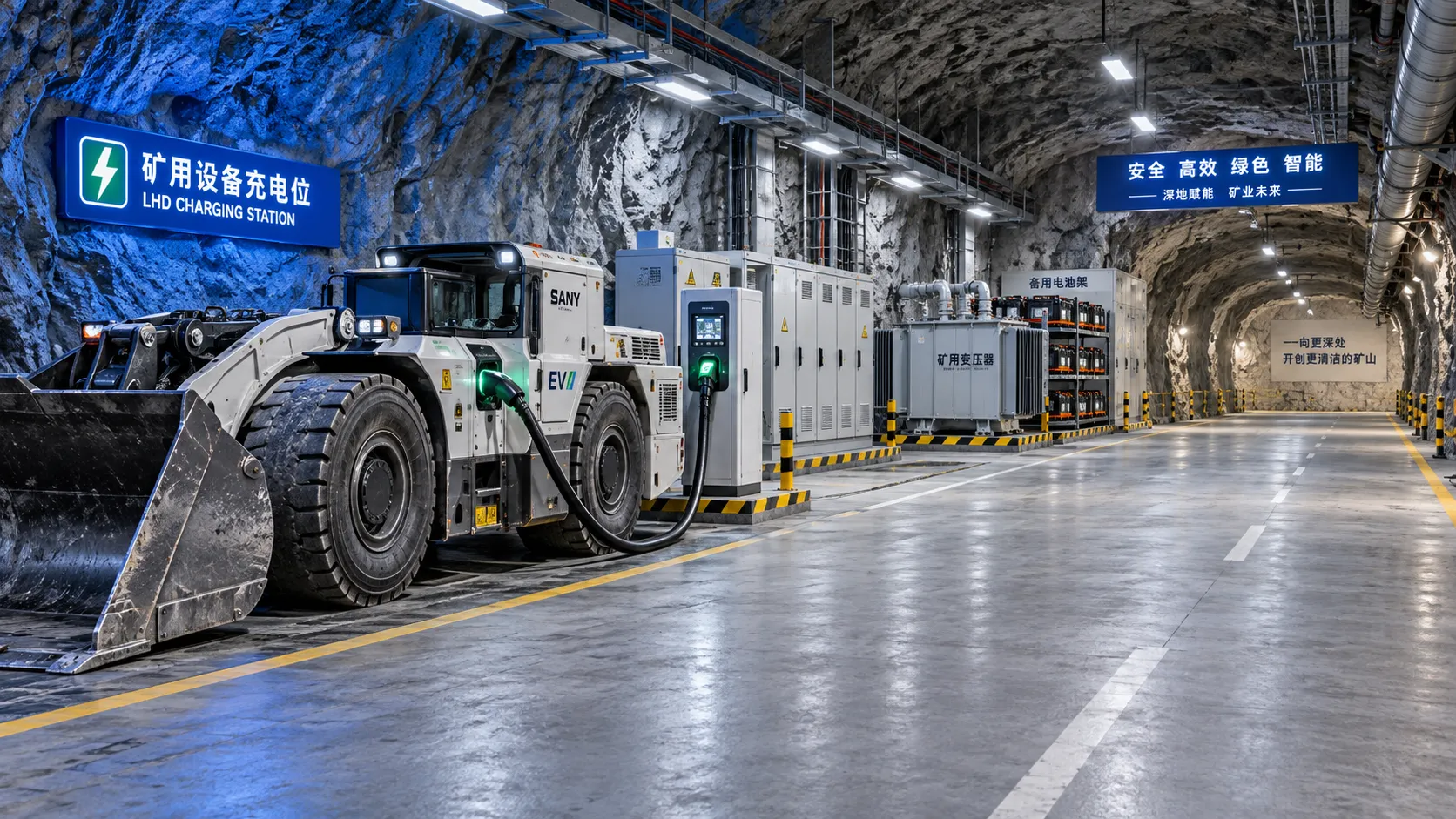
Underground Mine Electrification: How to Size Battery Fleets and Charging Capacity
Mining electrification for underground mines: learn how to size battery fleets, chargers, and power capacity to prevent queues, peak-load issues, and production downtime.
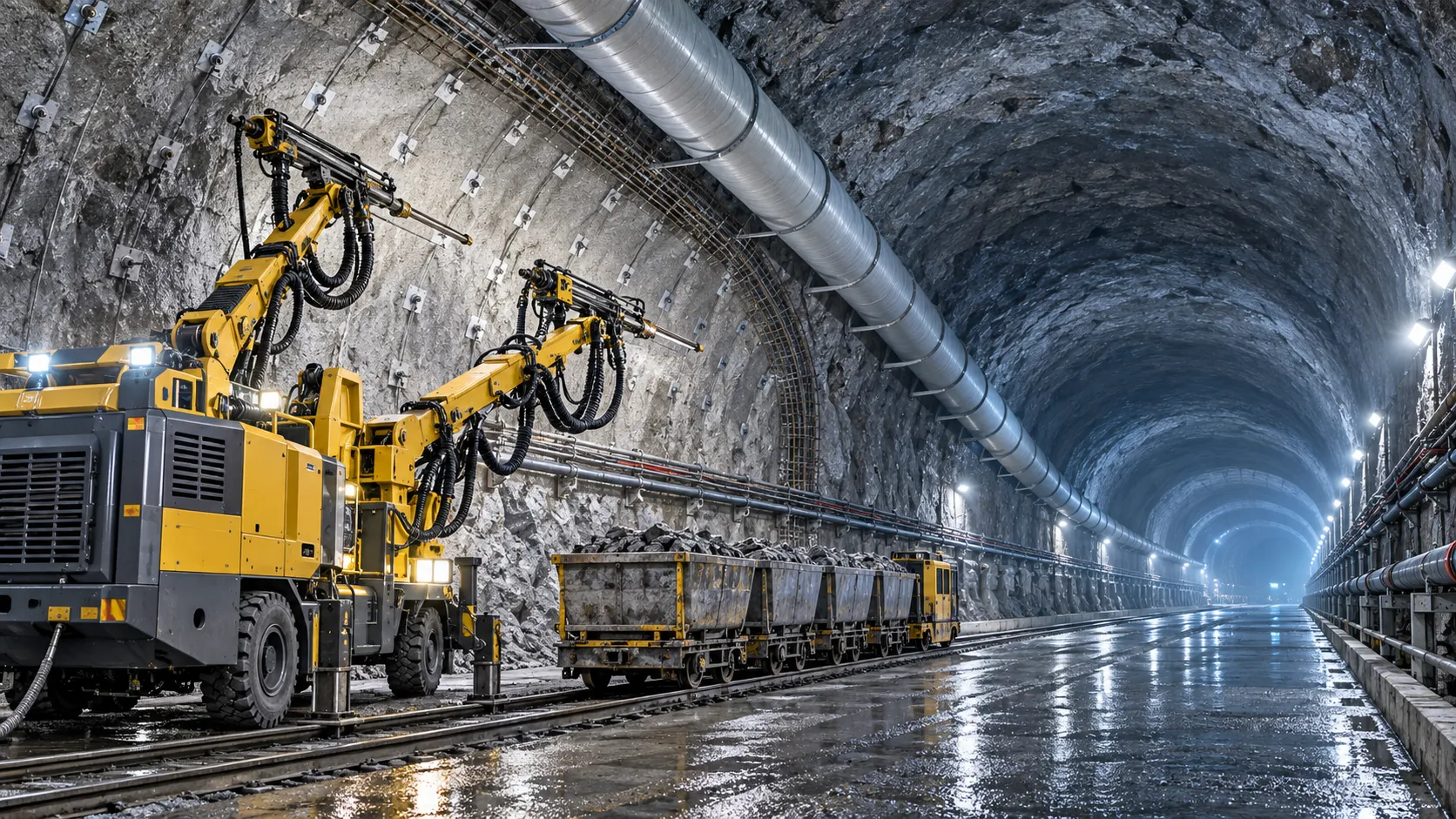
How to Evaluate European Drill-and-Blast Tunnelling Contractors for Complex Projects
Drill and blast tunnelling contractors Europe: learn how to assess geology expertise, blast control, equipment reliability, safety, and programme resilience for complex projects.
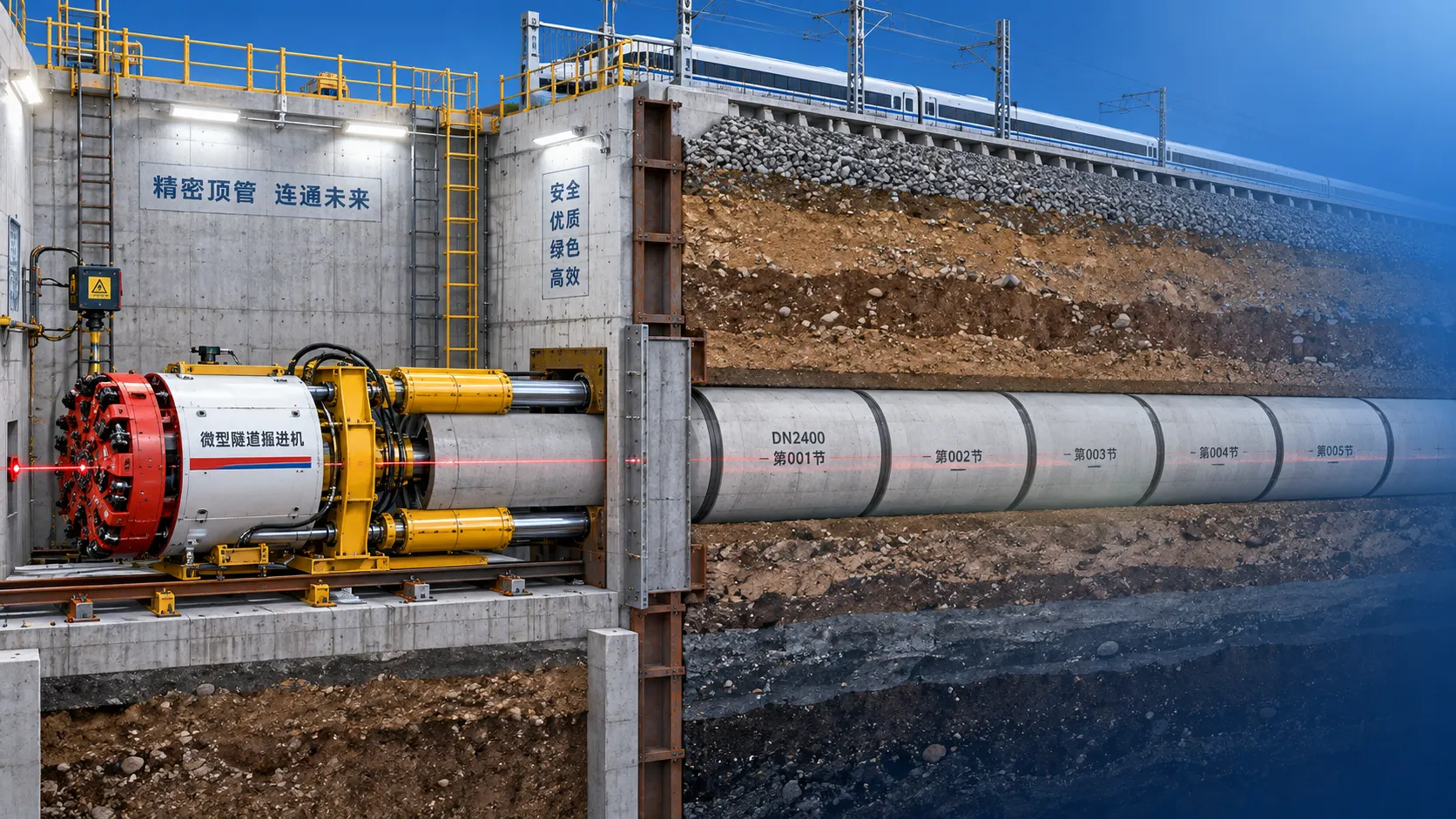
Which Trenchless Construction Technique Fits Your Utility Crossing Conditions?
Trenchless construction techniques compared for utility crossings: choose HDD, microtunnelling, pipe jacking, or auger boring based on ground, accuracy, access, and risk.
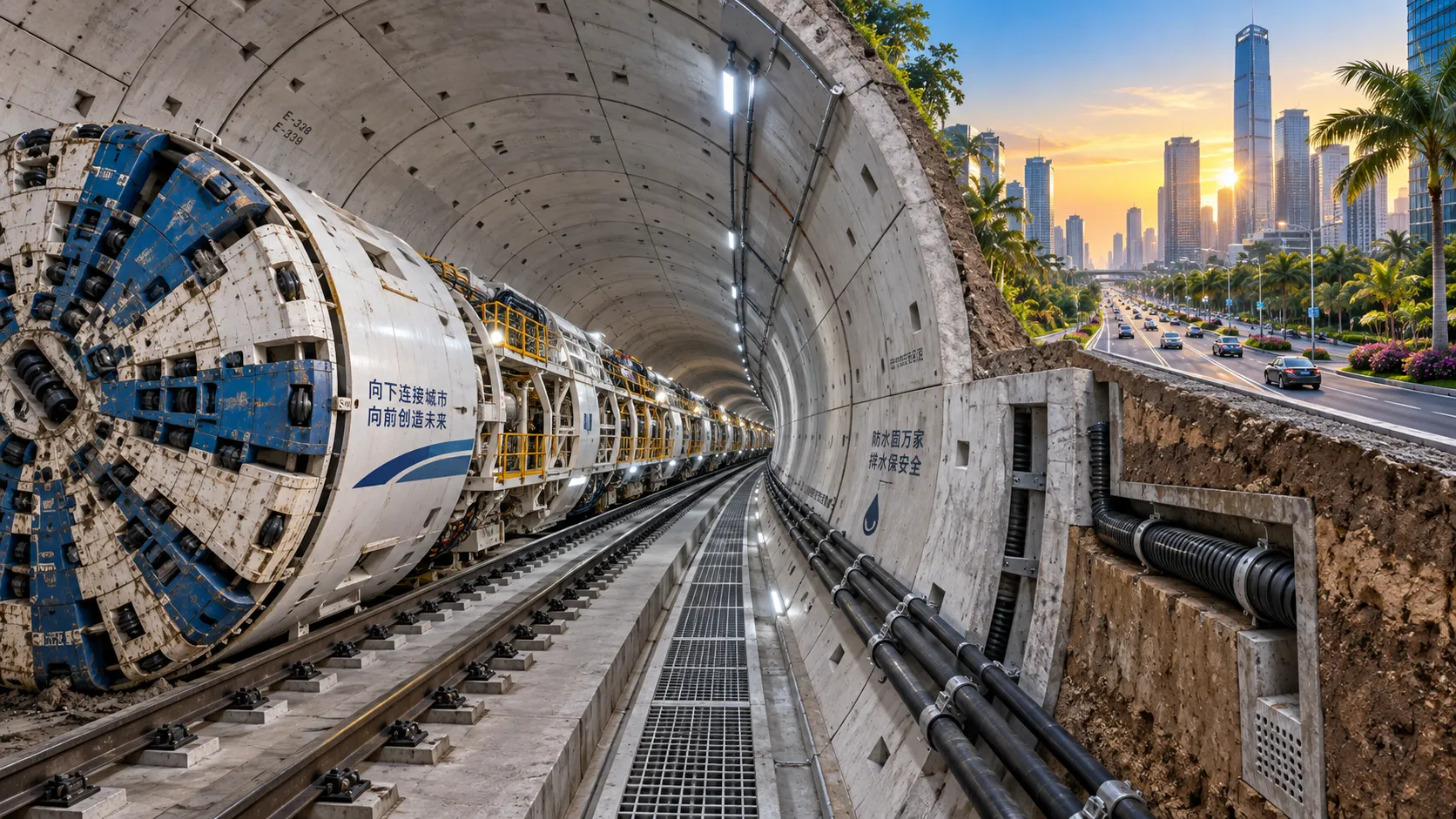
What Is Driving Metro Tunnelling Demand Across Southeast Asia’s Major Cities?
Metro tunnelling Southeast Asia is accelerating as major cities tackle congestion, flooding, and connectivity. Explore the market forces, technical risks, and opportunities shaping demand.
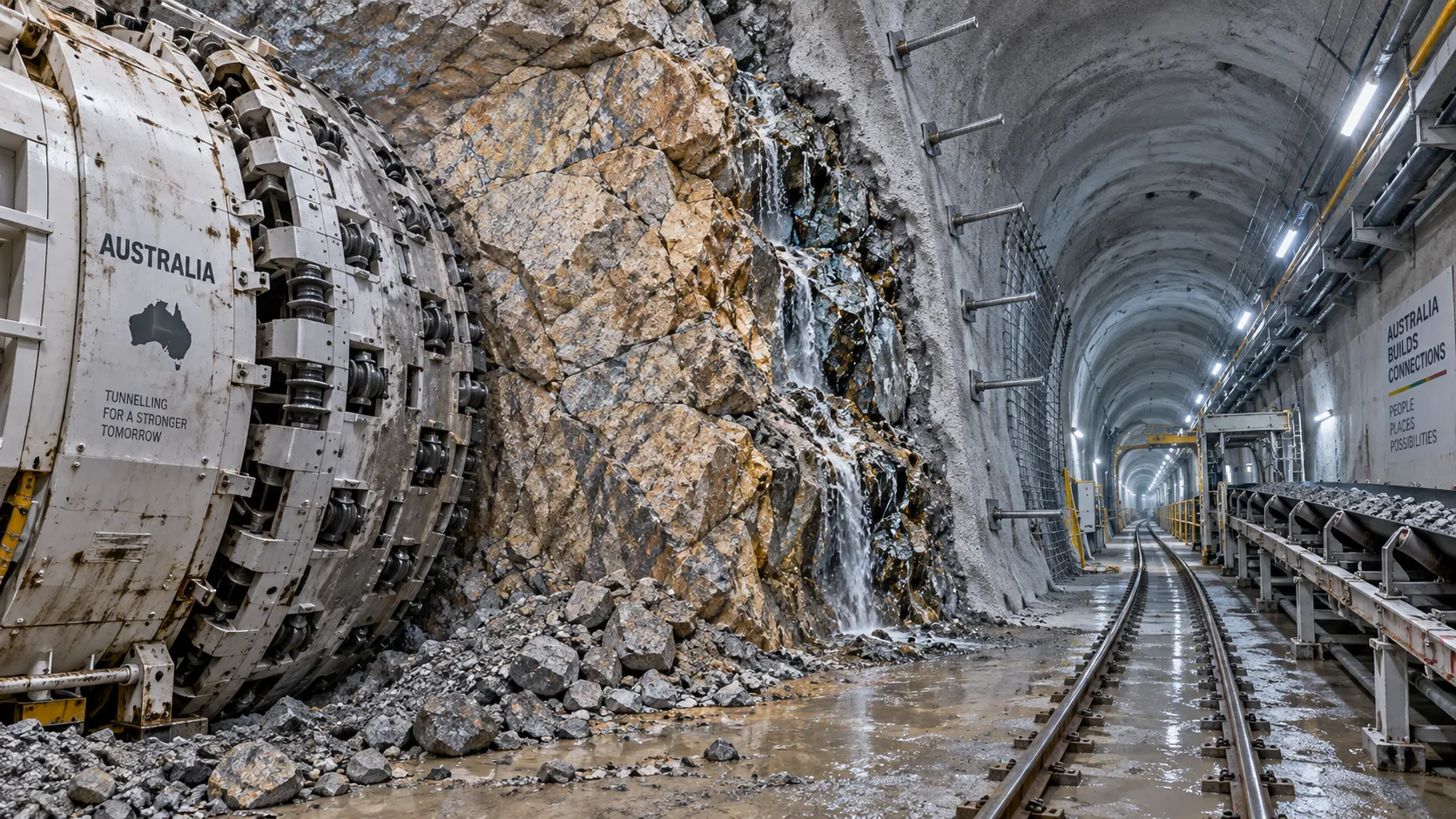
Hard Rock Tunnelling in Australia: Selecting Methods for Variable Ground Conditions
Hard rock tunnelling in Australia: compare TBM, drill-and-blast and hybrid methods to manage variable ground, reduce risk and protect project costs.
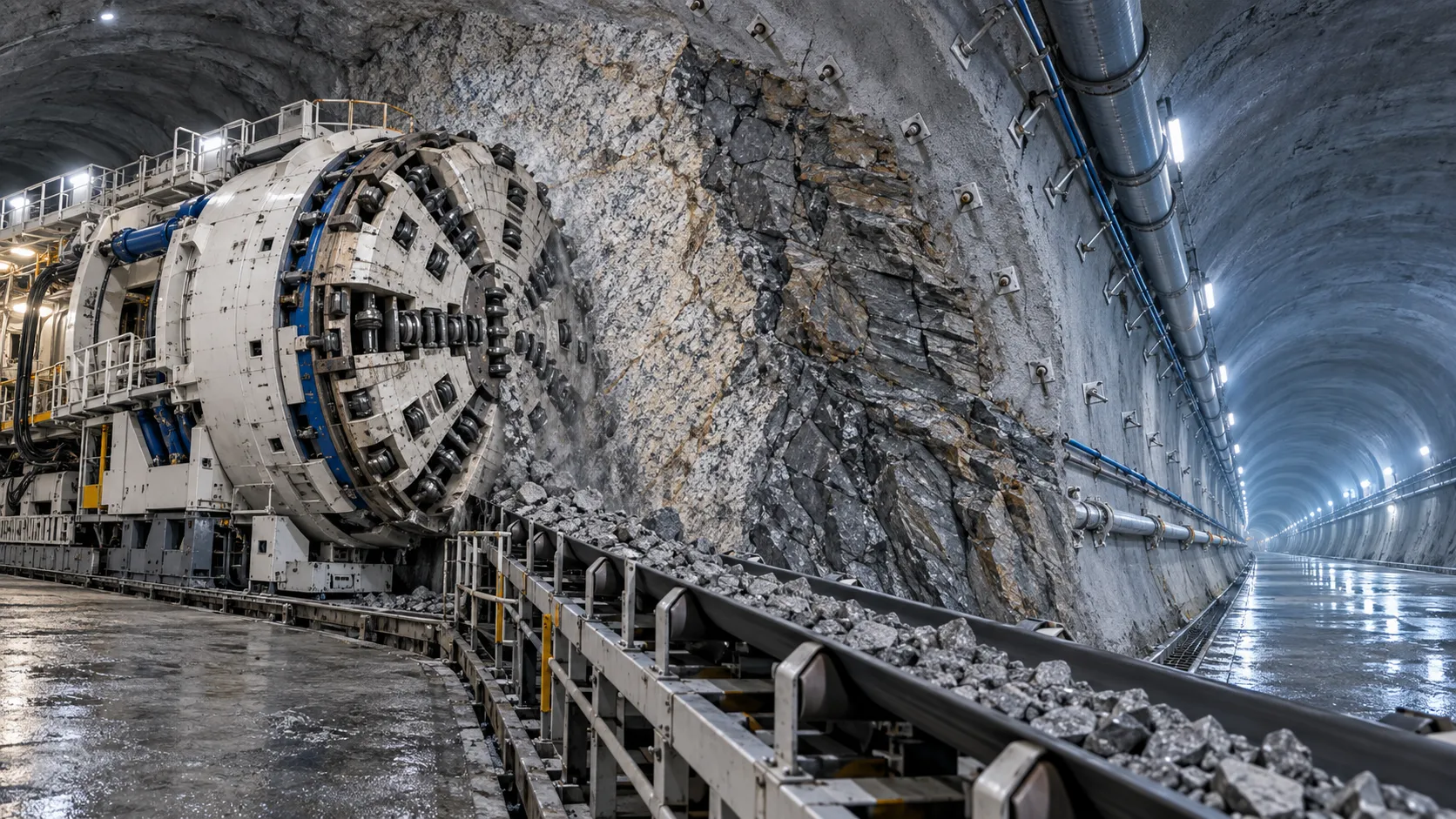
Hydropower Tunnel Excavation: Selecting Methods for Variable Rock Conditions
Hydropower tunnel excavation methods for variable rock conditions: compare TBM, drill-and-blast, and hybrid strategies to improve safety, progress, and project control.
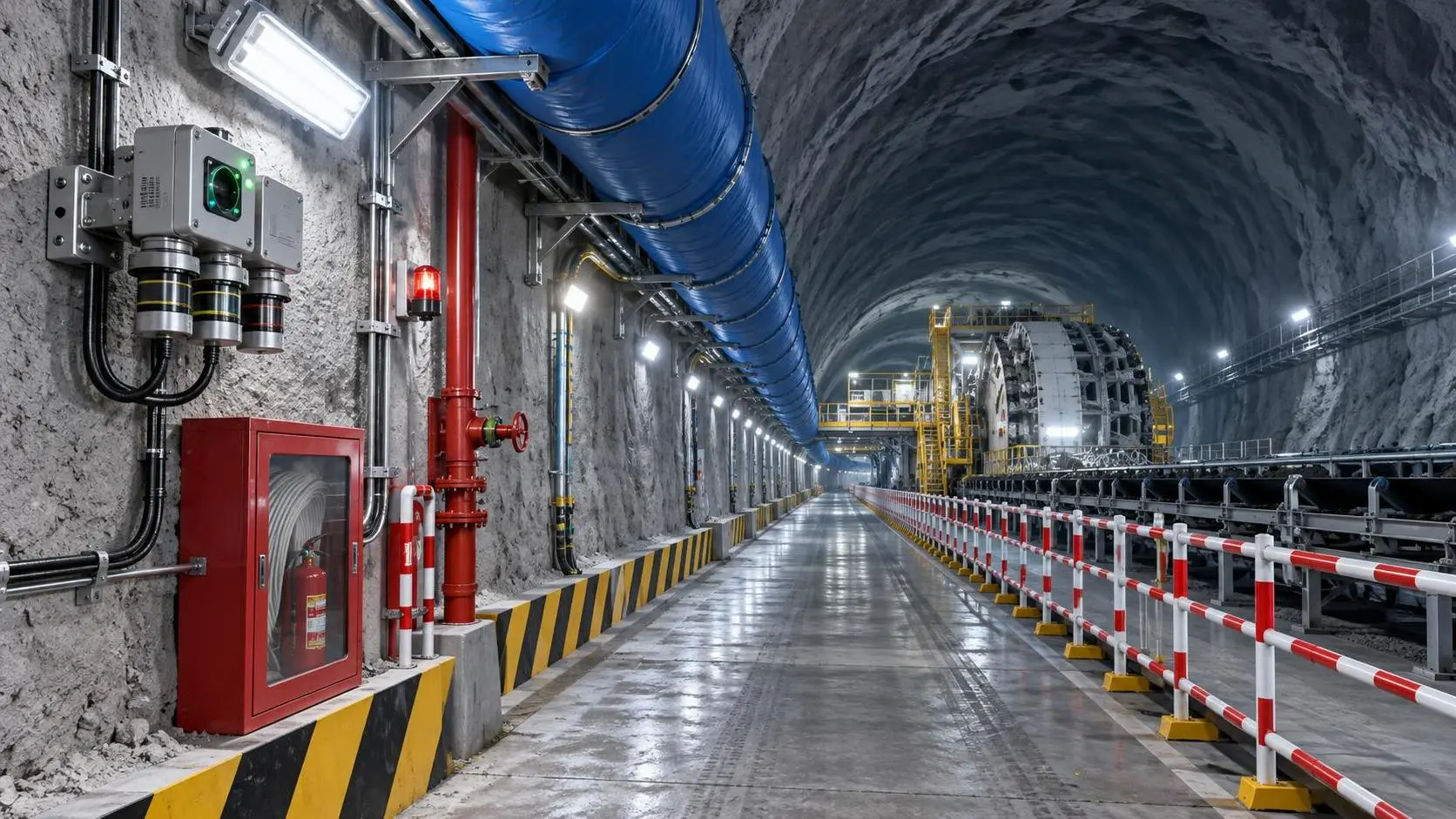
How to Select Underground Safety Equipment for Tunnelling by Hazard and Work Zone
Underground Safety Equipment for tunnelling: match protection to hazards, work zones, compliance, and emergency needs with this practical selection guide.
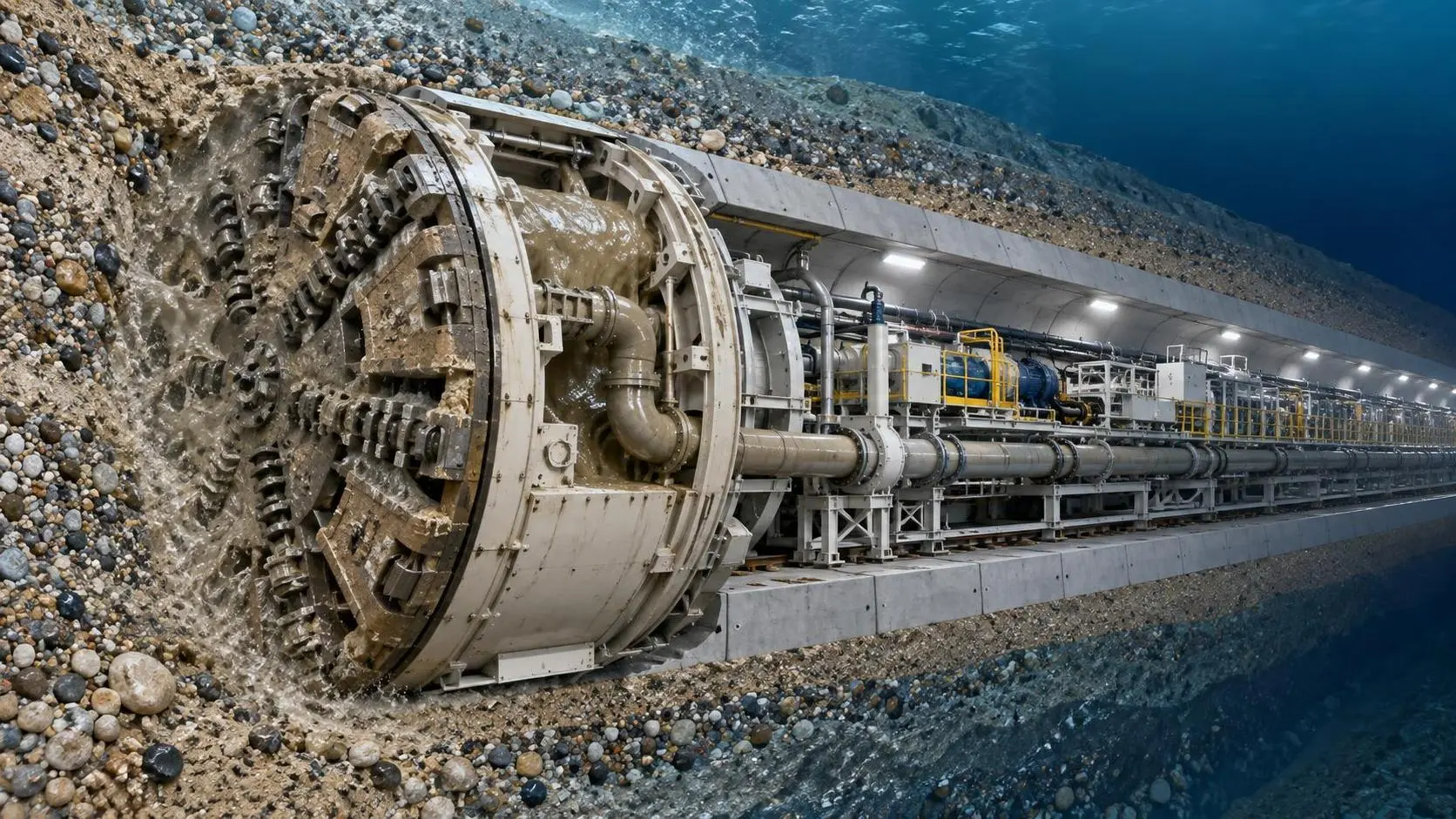
EPB or Slurry Shield? Selecting Soft-Ground Tunnelling Equipment by Soil Conditions
Tunnel Excavation Equipment for soft ground: compare EPB and slurry shields by soil, groundwater, settlement risk, and project logistics to choose confidently.
Related News
- 00
0000-00
Underground Drilling for Mining: Selecting Methods for Rock Conditions and Mine Layout - 00
0000-00
Underground Mine Electrification: How to Size Battery Fleets and Charging Capacity - 00
0000-00
How to Evaluate European Drill-and-Blast Tunnelling Contractors for Complex Projects - 00
0000-00
Which Trenchless Construction Technique Fits Your Utility Crossing Conditions? - 00
0000-00
What Is Driving Metro Tunnelling Demand Across Southeast Asia’s Major Cities?
Weekly Insights
Stay ahead with our curated technology reports delivered every Monday.