
Mining Innovation in Canada: 5 Technology Shifts Reshaping Project Investment





Mining innovation in Canada is moving from pilot projects to investment criteria
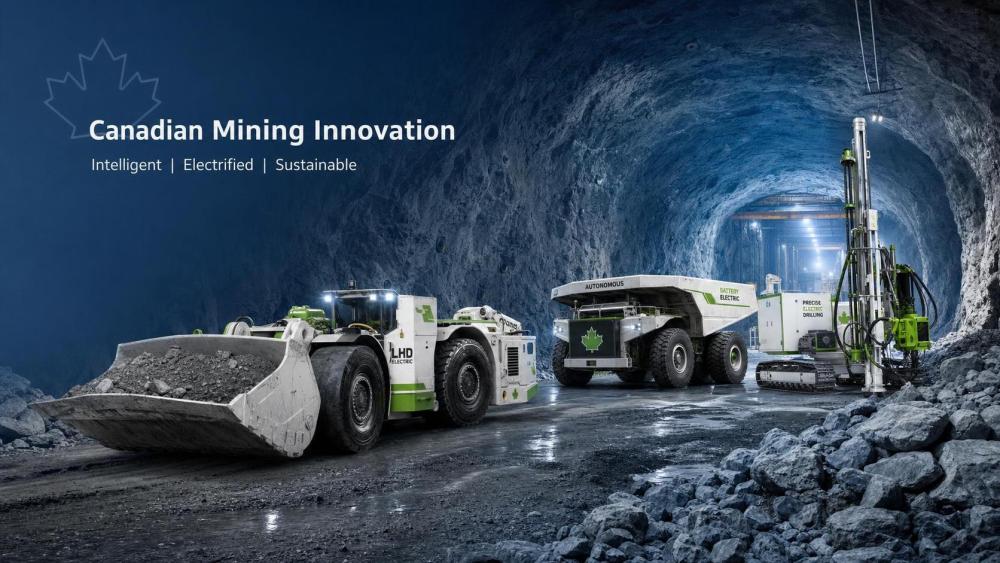
Mining innovation in Canada is no longer discussed as a future option. It is increasingly treated as a financing filter, a permitting advantage, and an operating resilience test.
That shift is visible across underground mines, open-pit expansions, and linked infrastructure. Capital now follows projects that can prove safer extraction, lower emissions, and stronger data visibility.
Canada is a useful lens because its mining landscape combines energy metals demand, remote operating environments, strict ESG expectations, and high technical standards for equipment performance.
From recent project reviews, the stronger signal is this: mining innovation in Canada is reshaping how asset value is measured before production even begins.
That includes assumptions about ventilation loads, fleet productivity, rock-cutting precision, autonomous haulage maturity, and digital control of underground transport systems.
For observers of deep industrial systems, this is where UTMD’s perspective becomes relevant. The market is no longer separating equipment mechanics from strategic investment logic.
Tunnel boring machines, drilling jumbos, mining dump trucks, and underground LHD loaders are now judged not only by output, but by how they change the economics of the full project.
Why the technology conversation has become sharper
Several pressures are converging at once. Commodity demand remains supportive, but project funding has become more selective and more technically demanding.
Mining innovation in Canada is gaining momentum because operators need more than headline efficiency. They need systems that reduce uncertainty across development, production, and compliance.
In practical terms, that means fewer decisions based on isolated equipment specifications and more decisions based on integrated operating models.
This explains why mining innovation in Canada is being discussed in boardrooms, not only at engineering workshops. Technology choices increasingly affect financing pace and project credibility.
Automation is changing how risk is priced underground
Autonomy used to be framed mainly as a productivity story. Today, it is equally a risk-pricing story, especially in deep or isolated underground operations.
Mining innovation in Canada is accelerating because automated drilling cycles, tele-remote loading, and autonomous haulage reduce human exposure in unstable or confined zones.
That matters for project development timelines. Safer and more repeatable cycles can reduce stoppages, simplify workforce deployment, and improve confidence in ramp-up assumptions.
In underground settings, this trend extends beyond vehicles. Navigation, positioning, and machine coordination now shape operating continuity as much as engine power or bucket capacity.
UTMD has long tracked how SLAM-based underground mobility and smart haulage systems alter utilization patterns. That insight is increasingly commercial, not merely technical.
- Automated drilling improves blast accuracy and downstream fragmentation consistency.
- Tele-remote LHD operation cuts idle time during shift changes and re-entry delays.
- Autonomous dump truck systems support predictable cycle times in large open-pit expansions.
- Integrated fleet data creates stronger evidence for maintenance planning and asset life forecasts.
The wider implication is clear. Mining innovation in Canada is rewarding operations that can convert automation from a trial program into a disciplined operating architecture.
Electrification is no longer only about emissions
Battery-electric equipment attracts attention because of carbon and diesel reduction. Yet the deeper investment case often begins with underground airflow, heat, and operating cost structure.
This is one reason mining innovation in Canada is becoming more tightly linked to mine design. Fleet electrification can influence ventilation sizing, development sequencing, and energy management strategy.
For underground LHD loaders, zero-exhaust performance changes conditions in narrow drifts where air quality and thermal loads directly affect productivity and compliance.
For mining dump trucks, the conversation now includes regenerative braking efficiency, route profile optimization, and the long-term economics of charging or trolley support.
From a capital view, electrification is becoming a systems question. Equipment choice, power supply, charging logic, and maintenance capability must align from the start.
That makes mining innovation in Canada especially relevant for projects in regions where community expectations, power availability, and environmental review are all tightening.
Digital intelligence is turning hidden bottlenecks into visible decisions
A more subtle shift is happening in data quality. Mines increasingly need real-time operational visibility, but they also need decision-grade interpretation across complex equipment fleets.
Mining innovation in Canada is therefore moving toward digital intelligence, not just digital collection. Raw machine data alone does not improve investment outcomes.
The stronger model connects drilling performance, haulage delays, cutter wear, battery cycles, and maintenance events into one operational narrative.
This is familiar territory for UTMD’s Strategic Intelligence Center, where rock mechanics, fleet electrification, and autonomous performance are examined as linked variables rather than isolated metrics.
More operators now want that same stitched perspective internally. It helps explain why a mine with similar ore quality can still underperform because transport logic or equipment interaction is weak.
In investment reviews, this creates a new dividing line. Projects with stronger digital transparency can defend timelines and cost assumptions more credibly.
Advanced drilling and rock-cutting precision are gaining strategic weight
Not all innovation stories are software-led. In many Canadian mining environments, rock conditions still determine whether plans remain economical after the first development phase.
That is why mining innovation in Canada increasingly includes higher precision in drilling, fragmentation control, and cutter endurance under extremely hard rock conditions.
Drilling jumbos with better positioning accuracy can improve blast design discipline. That affects overbreak, support requirements, mucking efficiency, and downstream ore handling.
In parallel, TBM and rock-cutting analytics are becoming more commercially relevant in access tunnels, mine infrastructure corridors, and hybrid underground development strategies.
Wear behavior, cutter replacement intervals, and geotechnical responsiveness may look technical, but they strongly influence project schedules and spare parts planning.
This is another area where mining innovation in Canada is changing project evaluation. Precision at the rock interface increasingly supports broader judgments about reliability and capital discipline.
The biggest impact is happening across connected business decisions
These five shifts do not operate independently. Their real impact appears when planning, operations, ESG commitments, and equipment strategy begin to converge.
Mining innovation in Canada is changing several decision layers at once, which is why isolated benchmarking often misses the larger movement.
- Project developers are reworking mine plans around electric and autonomous fleet assumptions.
- Infrastructure teams are paying more attention to tunnels, ventilation, charging, and underground traffic coordination.
- Finance teams are testing whether digital visibility supports stronger cost and uptime forecasts.
- Sustainability reporting is shifting from targets alone to measurable equipment-level performance.
This is where the broader industrial context matters. Mining, tunnelling, haulage, and underground engineering are becoming more interdependent in both design logic and investment screening.
What deserves closer attention over the next planning cycle
The next phase of mining innovation in Canada will likely be judged less by announcements and more by operational proof. That suggests a more disciplined way to track progress.
A useful starting point is to compare technologies by their system effects, not only by unit performance. The most attractive solution may be the one that improves multiple constraints at once.
It also helps to watch where replacement demand is building. ESG-driven fleet renewal, smart mine upgrades, and underground transport modernization are creating lasting capital signals.
For that reason, mining innovation in Canada should be assessed through a few practical lenses.
- Check whether automation reduces high-risk underground exposure without creating fragile control dependencies.
- Measure electrification by ventilation savings, energy profile, and maintenance redesign, not by emissions claims alone.
- Review digital systems for decision quality, interoperability, and reliability in remote or harsh operating conditions.
- Assess drilling and rock-cutting technologies by schedule stability and consumable performance under local geology.
- Build a phased response plan that aligns fleet strategy, infrastructure design, and reporting requirements.
Mining innovation in Canada is now shaping who earns investment confidence and who struggles to justify long-horizon projects. The next step is not simply to follow the trend, but to evaluate which technology shifts genuinely strengthen project quality.
Related News
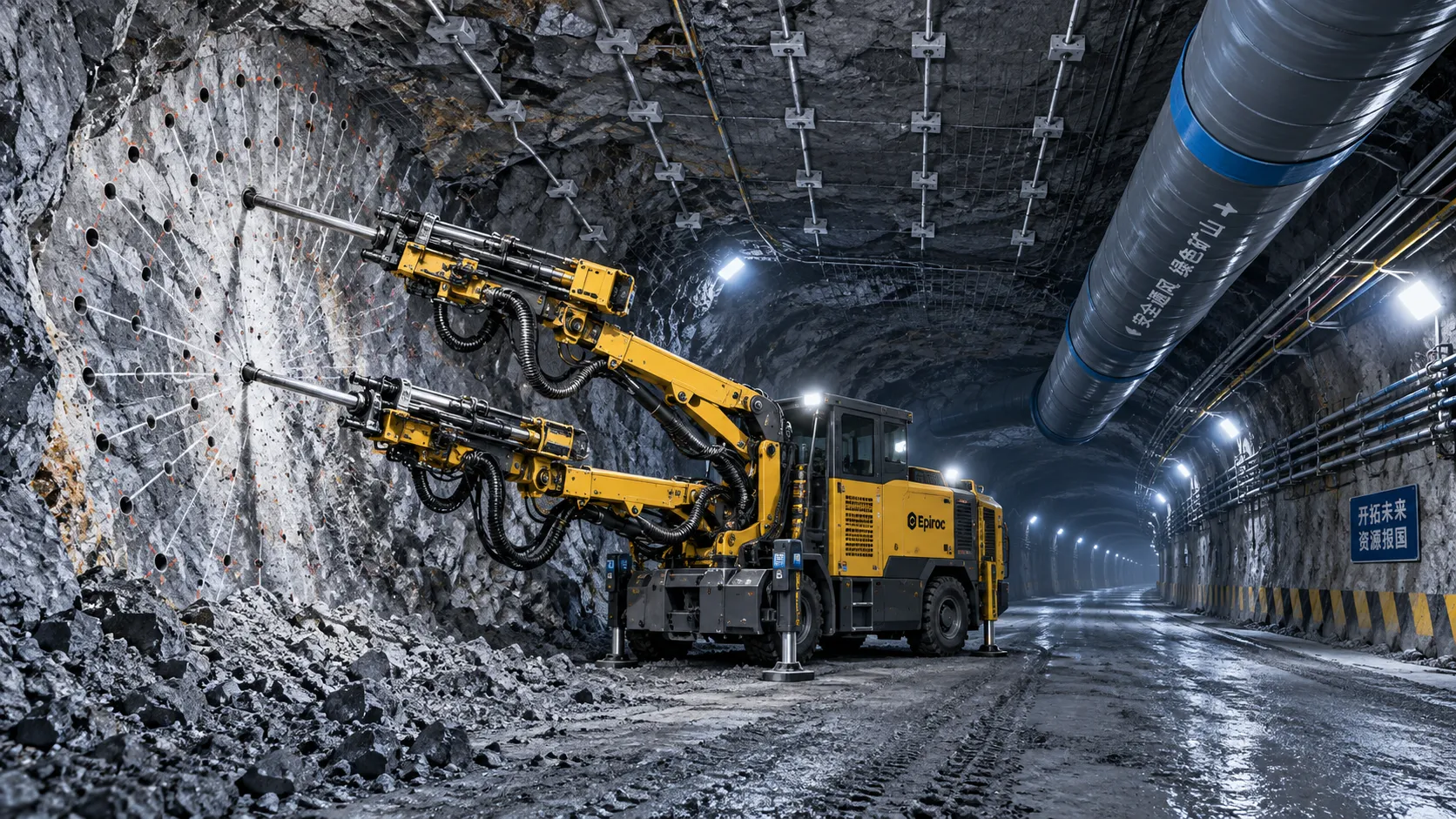
Underground Drilling for Mining: Selecting Methods for Rock Conditions and Mine Layout
Underground drilling for mining: learn how to match drilling methods to rock conditions, mine layout, accuracy needs, ground support, and cycle efficiency.
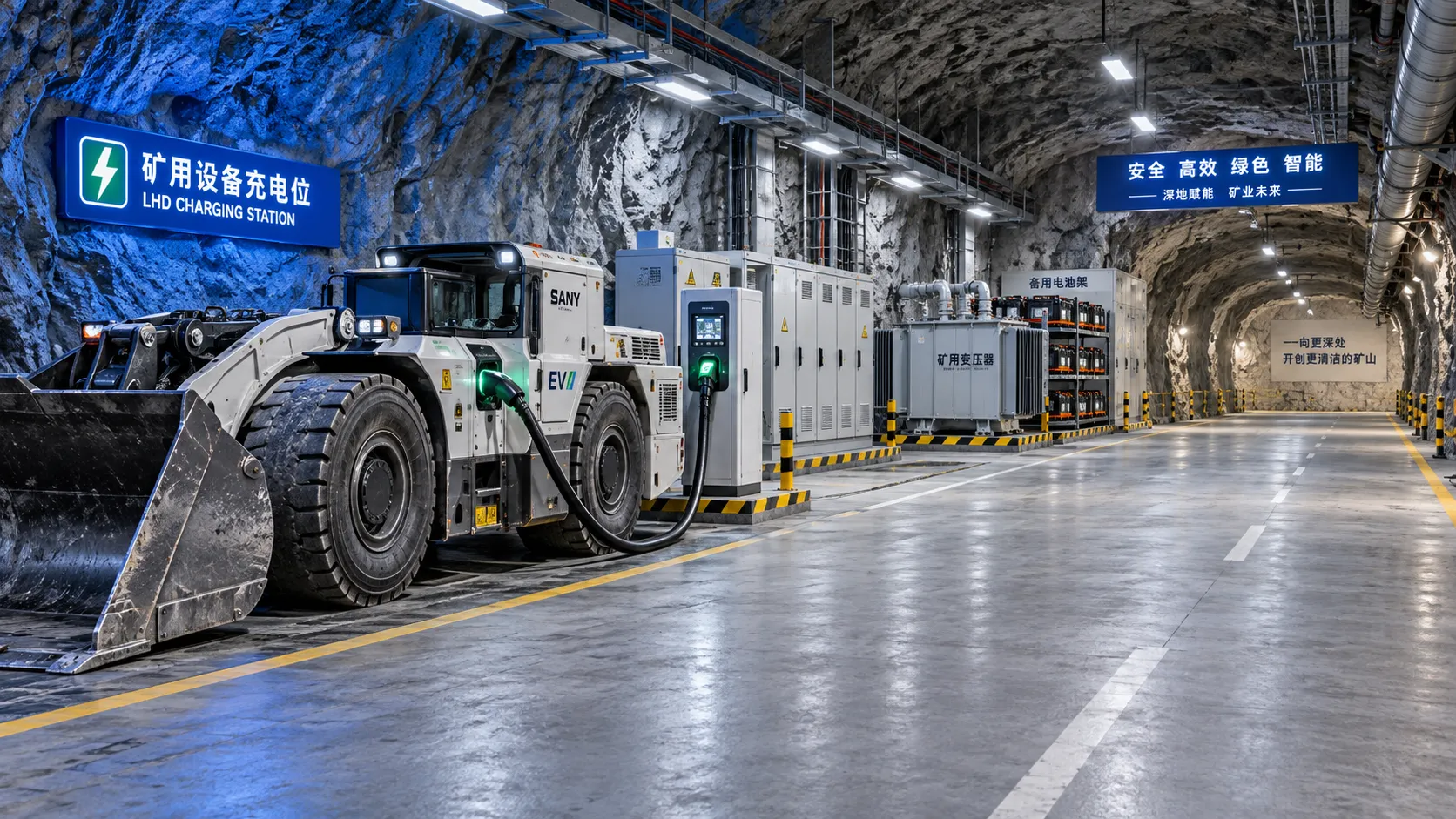
Underground Mine Electrification: How to Size Battery Fleets and Charging Capacity
Mining electrification for underground mines: learn how to size battery fleets, chargers, and power capacity to prevent queues, peak-load issues, and production downtime.

How to Evaluate European Drill-and-Blast Tunnelling Contractors for Complex Projects
Drill and blast tunnelling contractors Europe: learn how to assess geology expertise, blast control, equipment reliability, safety, and programme resilience for complex projects.

Which Trenchless Construction Technique Fits Your Utility Crossing Conditions?
Trenchless construction techniques compared for utility crossings: choose HDD, microtunnelling, pipe jacking, or auger boring based on ground, accuracy, access, and risk.

What Is Driving Metro Tunnelling Demand Across Southeast Asia’s Major Cities?
Metro tunnelling Southeast Asia is accelerating as major cities tackle congestion, flooding, and connectivity. Explore the market forces, technical risks, and opportunities shaping demand.

Hard Rock Tunnelling in Australia: Selecting Methods for Variable Ground Conditions
Hard rock tunnelling in Australia: compare TBM, drill-and-blast and hybrid methods to manage variable ground, reduce risk and protect project costs.

Hydropower Tunnel Excavation: Selecting Methods for Variable Rock Conditions
Hydropower tunnel excavation methods for variable rock conditions: compare TBM, drill-and-blast, and hybrid strategies to improve safety, progress, and project control.

How to Select Underground Safety Equipment for Tunnelling by Hazard and Work Zone
Underground Safety Equipment for tunnelling: match protection to hazards, work zones, compliance, and emergency needs with this practical selection guide.

EPB or Slurry Shield? Selecting Soft-Ground Tunnelling Equipment by Soil Conditions
Tunnel Excavation Equipment for soft ground: compare EPB and slurry shields by soil, groundwater, settlement risk, and project logistics to choose confidently.
Related News
- 00
0000-00
Underground Drilling for Mining: Selecting Methods for Rock Conditions and Mine Layout - 00
0000-00
Underground Mine Electrification: How to Size Battery Fleets and Charging Capacity - 00
0000-00
How to Evaluate European Drill-and-Blast Tunnelling Contractors for Complex Projects - 00
0000-00
Which Trenchless Construction Technique Fits Your Utility Crossing Conditions? - 00
0000-00
What Is Driving Metro Tunnelling Demand Across Southeast Asia’s Major Cities?
Weekly Insights
Stay ahead with our curated technology reports delivered every Monday.