
Smart TBM Technology in Project Delivery: Which Functions Improve Accuracy and Uptime?





Smart TBM Technology Is Moving from Optional Upgrade to Delivery Discipline
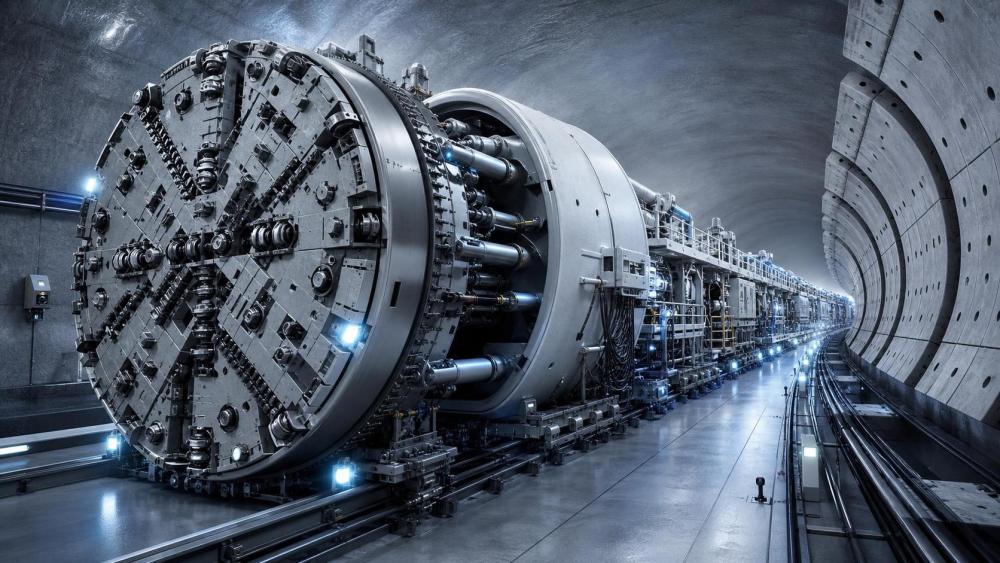
Project delivery in underground construction is being judged more tightly than before.
Schedules are shorter, ground conditions are less forgiving, and downtime now carries a larger financial and contractual penalty.
That is why smart TBM technology is no longer discussed as a future-facing add-on.
It is becoming a working requirement for projects that must balance excavation accuracy, cutter life, energy efficiency, and machine availability.
Across the underground equipment landscape tracked by UTMD, a similar pattern is visible.
Digitalization is moving closer to the machine core, not staying at the reporting layer.
For tunnel boring machines, that shift matters most during project delivery.
The question is no longer whether smart TBM technology creates value.
The real question is which functions materially improve accuracy and uptime under field conditions.
That distinction is important because not every digital feature changes excavation performance in the same way.
The New Signal Is Precision Under Pressure, Not Automation for Its Own Sake
In recent years, the market conversation around TBMs has changed noticeably.
Attention has shifted from isolated automation claims to measurable delivery outcomes.
Owners and contractors now look harder at steering stability, ring build consistency, intervention frequency, and recovery time after faults.
This is where smart TBM technology gains operational credibility.
A TBM works at the intersection of mechanical force, geological uncertainty, hydraulic response, and human decision speed.
When those layers are not connected, errors accumulate quietly.
Line and grade drift becomes harder to correct.
Cutter wear becomes less predictable.
Short stoppages multiply into serious schedule loss.
The stronger signal today is that smart TBM technology succeeds when it reduces those hidden compounding effects.
Why this shift is becoming more visible
- Longer drives and complex alignments leave less room for manual correction.
- Hard rock variability increases the need for real-time cutterhead and thrust adjustment.
- Urban and utility-sensitive drives demand tighter control of vibration, settlement, and trajectory.
- Zero-emission and energy-efficiency targets push monitoring deeper into machine systems.
- Remote support models require machine data that is structured, trusted, and actionable.
This also aligns with the wider underground transition UTMD follows across pipe jacking, mining haulage, and autonomous equipment.
Reliability now depends on how well sensing, control, and analytics are stitched into real production decisions.
Which Smart TBM Technology Functions Actually Improve Accuracy
Accuracy in tunnelling is often discussed too broadly.
In practice, it comes from a small set of functions working together consistently.
The highest-value smart TBM technology functions are usually those that shorten the gap between sensing and correction.
Among these, integrated guidance deserves special attention.
A navigation screen alone is not enough.
The gain appears when guidance data is linked to articulation, thrust distribution, and operating response in near real time.
Another high-impact area is geological interpretation at the machine front.
When smart TBM technology can flag changing torque signatures, vibration anomalies, or atypical penetration resistance, crews can act before deviation becomes expensive.
Uptime Improves When Smart Functions Reach Maintenance and Recovery
Accuracy keeps a project on path, but uptime protects the schedule.
This is where many investment decisions are now being reassessed.
A machine may have advanced automation, yet still lose time through poor diagnostics and slow intervention cycles.
The more mature view is that smart TBM technology must support maintainability, not only operation.
Functions with the strongest uptime effect
- Condition monitoring for main bearing, gearbox, hydraulic circuits, and cutterhead drive components.
- Predictive alerts based on vibration, temperature, pressure, and abnormal load trends.
- Fault classification that reduces time spent locating root causes.
- Remote diagnostics that allow off-site specialists to support live decisions.
- Maintenance planning linked to actual duty cycles, not generic intervals.
The value of these functions grows in hard rock and mixed-ground drives.
Disc cutter wear, shock loads, and thermal stress rarely follow neat assumptions.
UTMD has consistently highlighted that wear modeling and field telemetry are becoming inseparable.
That matters because unexpected cutter intervention is not just a maintenance issue.
It affects crew exposure, mucking rhythm, segment cycles, and contractual output.
When smart TBM technology helps forecast wear patterns and service windows more accurately, uptime improves through better planning, not just faster repairs.
The Impact Reaches Beyond the TBM Itself
One reason this topic has become strategic is that the effects do not stop at the cutterhead.
Smart TBM technology influences several connected layers of project delivery.
More accurate excavation stabilizes downstream segment handling and ring quality.
Better uptime improves logistics planning for spoil removal, power demand, parts support, and shift coordination.
Stronger machine data also changes how project teams evaluate risk.
Ground response, maintenance behavior, and energy use become easier to compare across stretches of tunnel.
That is especially useful in a broader equipment ecosystem.
The same logic now appears in smart mining transport, battery-electric loaders, and autonomous haulage systems.
The operating edge comes from connected intelligence, not isolated hardware strength.
This is also why zero-emission underground strategies deserve mention here.
As electrification grows in confined spaces, power management, thermal behavior, and system diagnostics become more critical.
Smart TBM technology increasingly supports those requirements through integrated monitoring and energy-aware control logic.
What Deserves Closer Scrutiny Before Calling a TBM “Smart”
Not every digital package delivers the same operational value.
A more disciplined evaluation usually starts with questions about function depth, not feature count.
- Is the sensing layer tied directly to control decisions, or only to dashboard reporting?
- Can the system distinguish between noise, drift, and meaningful failure patterns?
- How well does it perform in mixed geology, water-bearing ground, or high-wear hard rock?
- Are alarms prioritized in a way that supports action under shift pressure?
- Can historical data feed future planning across multiple projects or machine fleets?
These questions matter because delivery pressure often exposes the difference between digital visibility and digital control.
The stronger systems narrow the time between detection, interpretation, and intervention.
That is the threshold where smart TBM technology begins to affect business outcomes in a measurable way.
The Next Phase Will Be Defined by Data Quality and Cross-System Integration
Looking ahead, the market is unlikely to reward superficial digitalization.
The next phase of smart TBM technology will be shaped by data reliability, model accuracy, and integration with surrounding underground systems.
That includes geology databases, fleet maintenance platforms, energy monitoring, and remote expert support.
It also points toward a wider convergence already visible in UTMD coverage.
TBMs, trenchless systems, drilling equipment, and underground transport are all moving toward the same operational model.
Machines will be judged by how intelligently they adapt under pressure, how predictably they recover, and how clearly they support strategic asset decisions.
For that reason, the most practical next step is not chasing every available feature.
It is mapping which smart TBM technology functions influence steering precision, wear prediction, downtime recovery, and energy behavior in the actual project environment.
From there, a staged evaluation plan becomes easier to build.
Compare telemetry quality, validate alarm usefulness, review integration readiness, and track whether machine data improves decisions across the tunnel lifecycle.
That approach fits the direction of the market.
In underground delivery, smart TBM technology is proving its value where accuracy and uptime stop being separate goals and start working as one system.
Related News
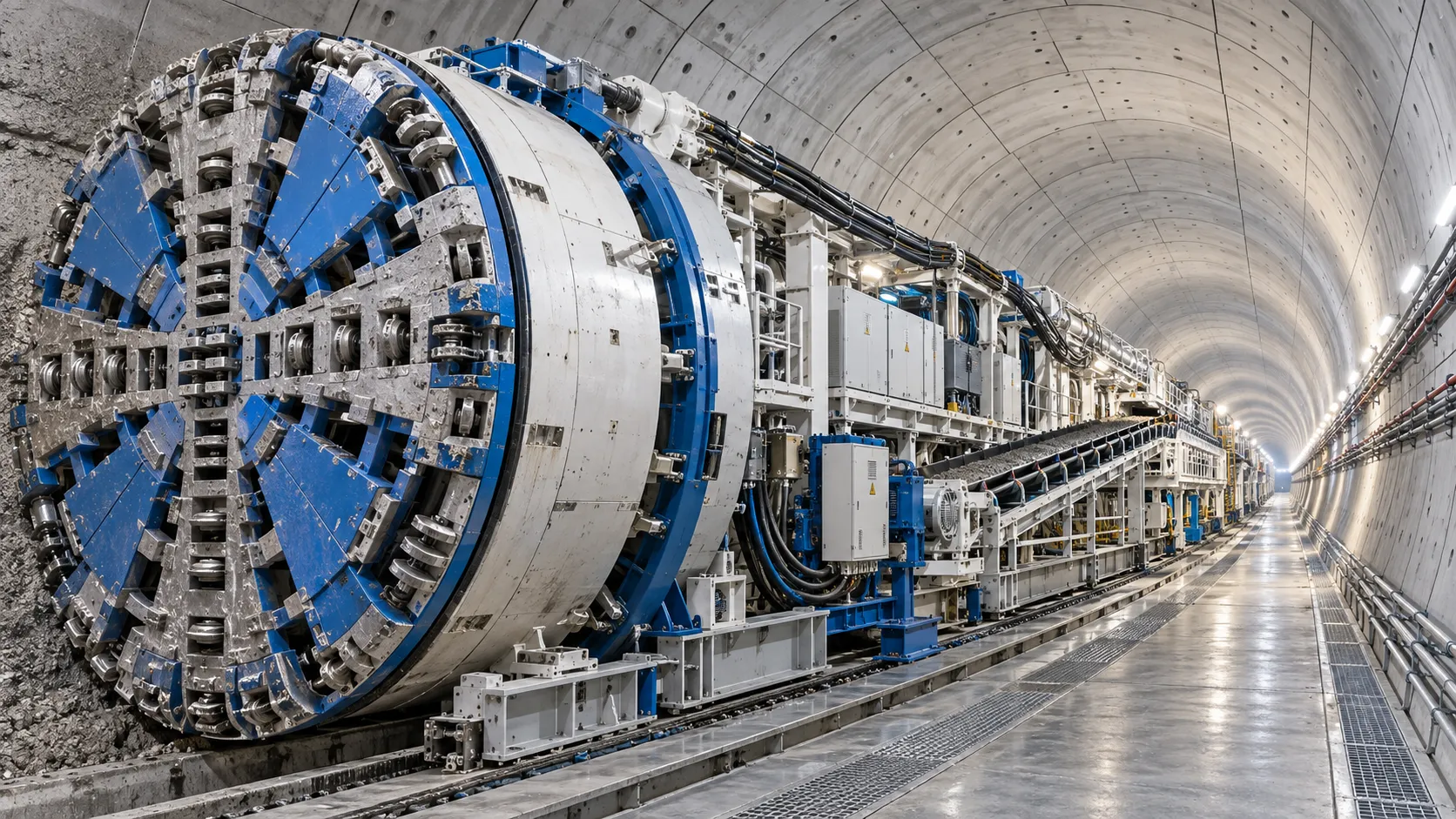
Tunnel Boring Machine Costs: Budgeting for Purchase, Operation, and Project Risk
Tunnel Boring Machines cost more than purchase price. Learn how to budget lifecycle costs, downtime, logistics, wear, and project risk for smarter TBM decisions.
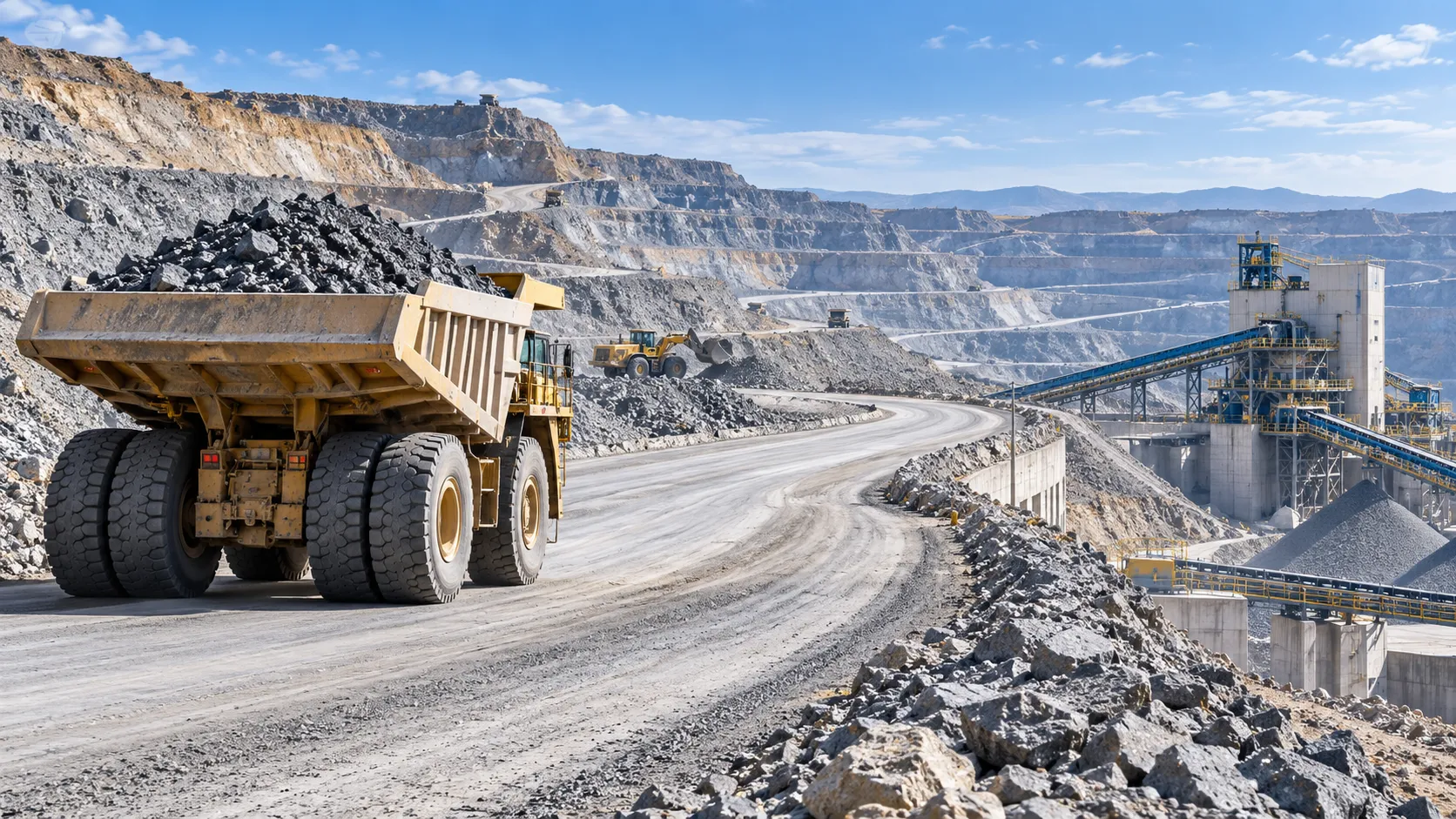
Open-Pit Haulage Cost Analysis: How Mine Managers Can Cut Cost per Tonne
Open pit haulage cost analysis: discover practical ways to reduce cost per tonne through payload control, cycle-time optimization, road performance, and smarter fleet decisions.
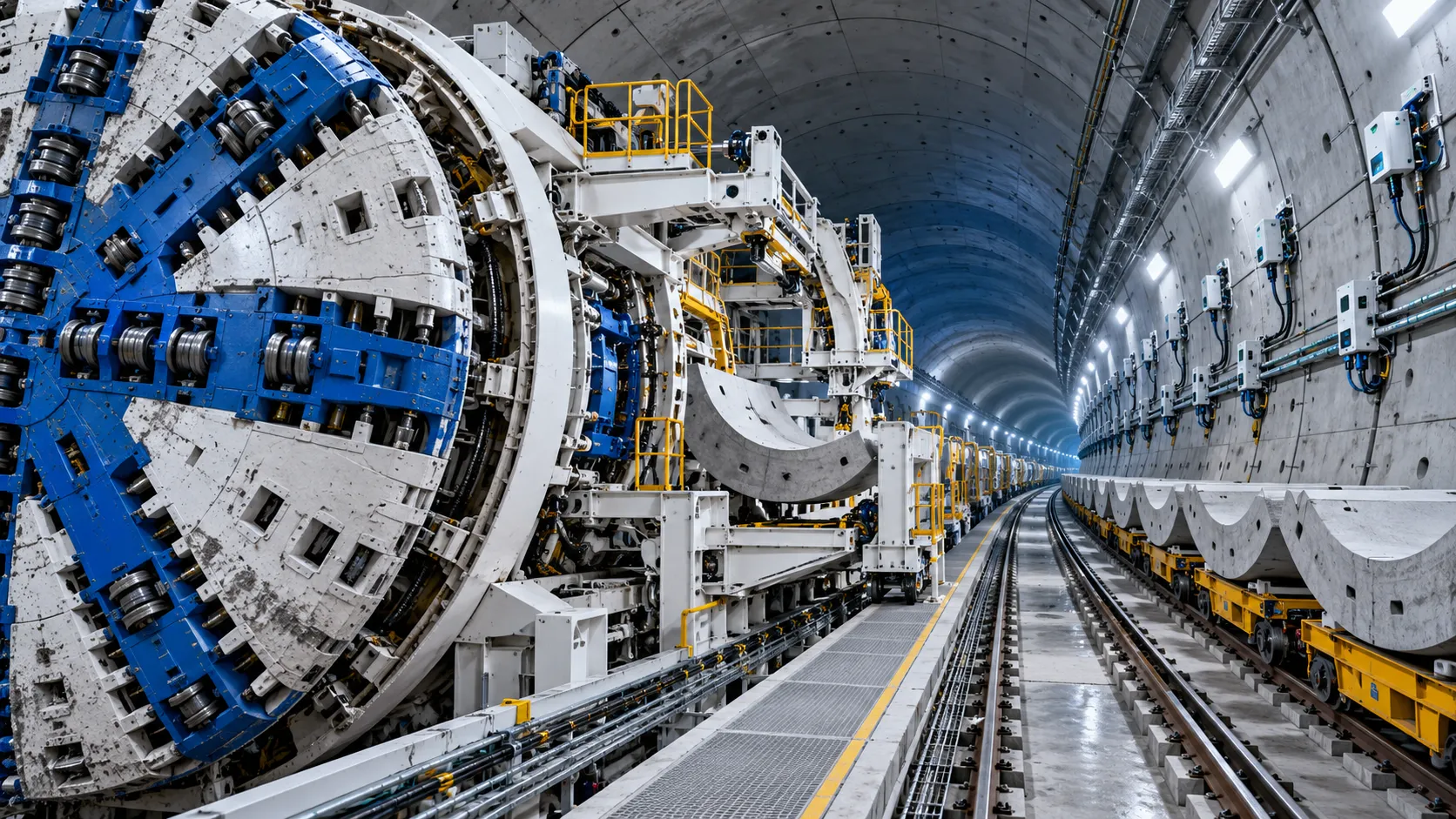
Tunnel Construction Innovations That Reduce Risk and Schedule Delays on Urban Projects
Tunnel construction innovation for urban projects: discover smarter TBMs, real-time monitoring, trenchless methods, and automation that reduce risk and protect schedules.
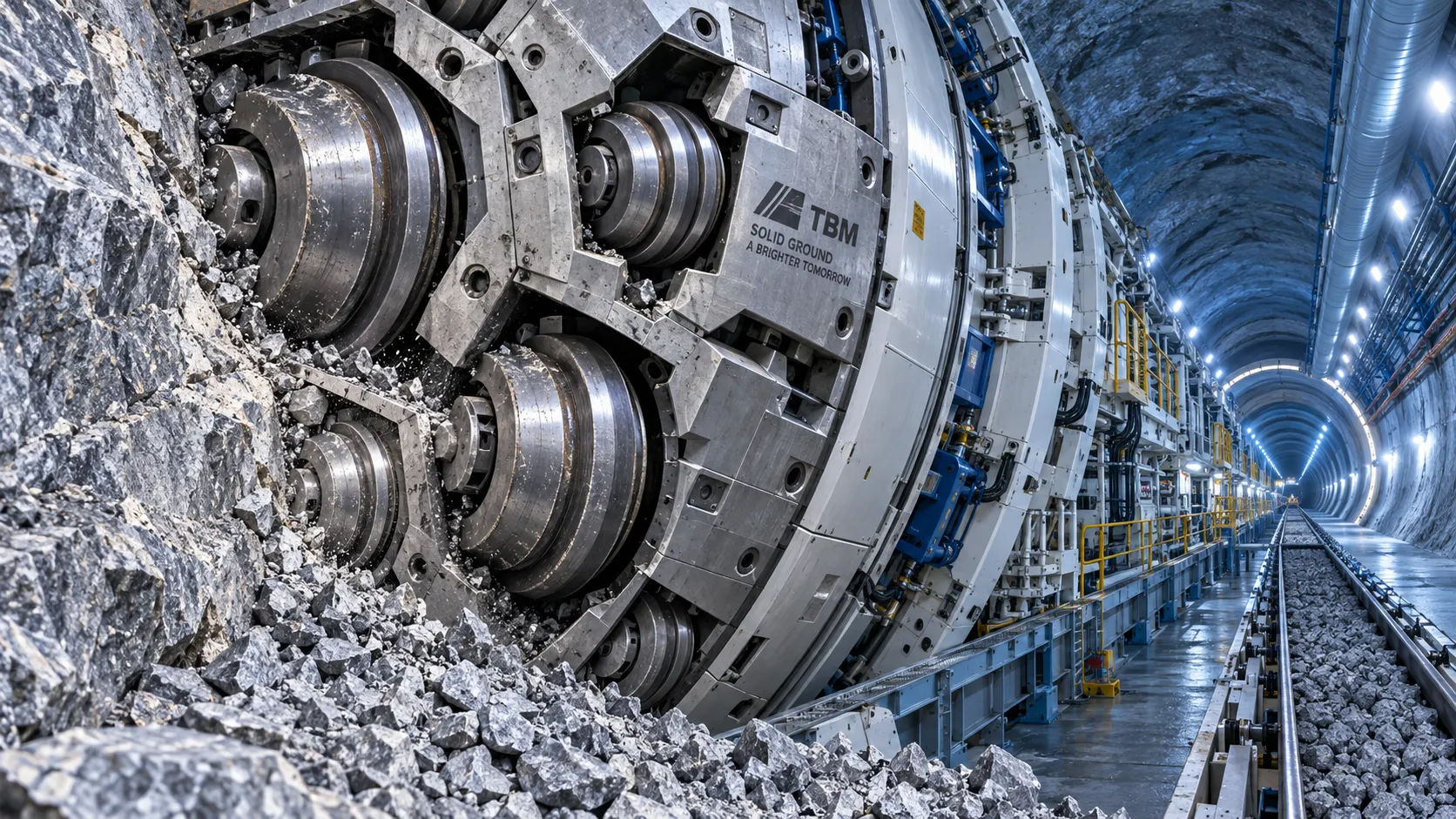
TBM Disc Cutter Design: Key Geometry and Load Factors for Hard Rock Tunnelling
TBM disc cutter design explained: explore geometry, spacing, load distribution and maintenance factors for reliable, efficient hard-rock tunnelling performance.
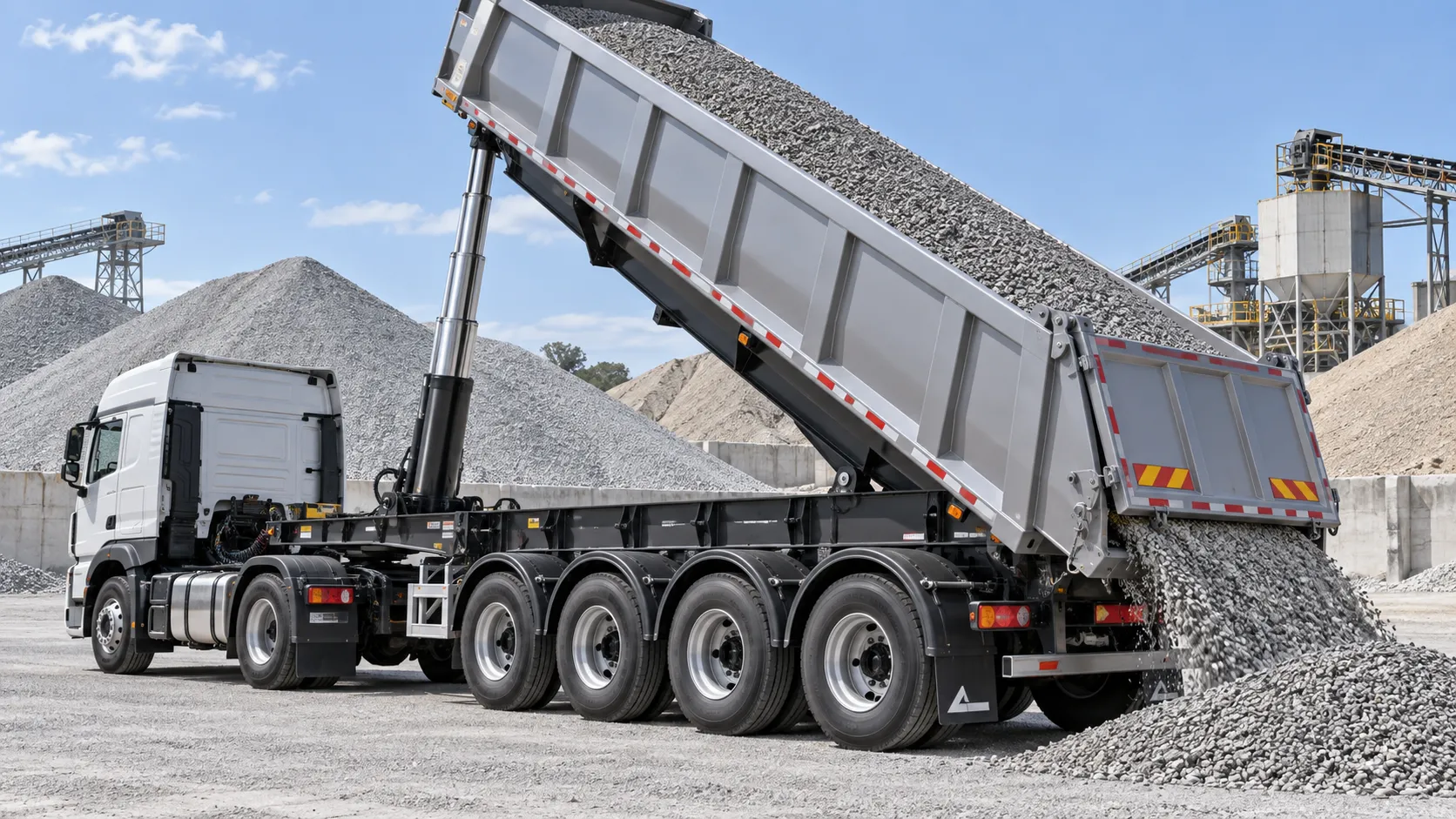
Hydraulic Tipping Stability Risks in Multi-Axle Dump Special Trailers
Dump special trailers: discover key hydraulic tipping stability risks, multi-axle load dynamics, and practical safety controls for safer, smarter bulk hauling.
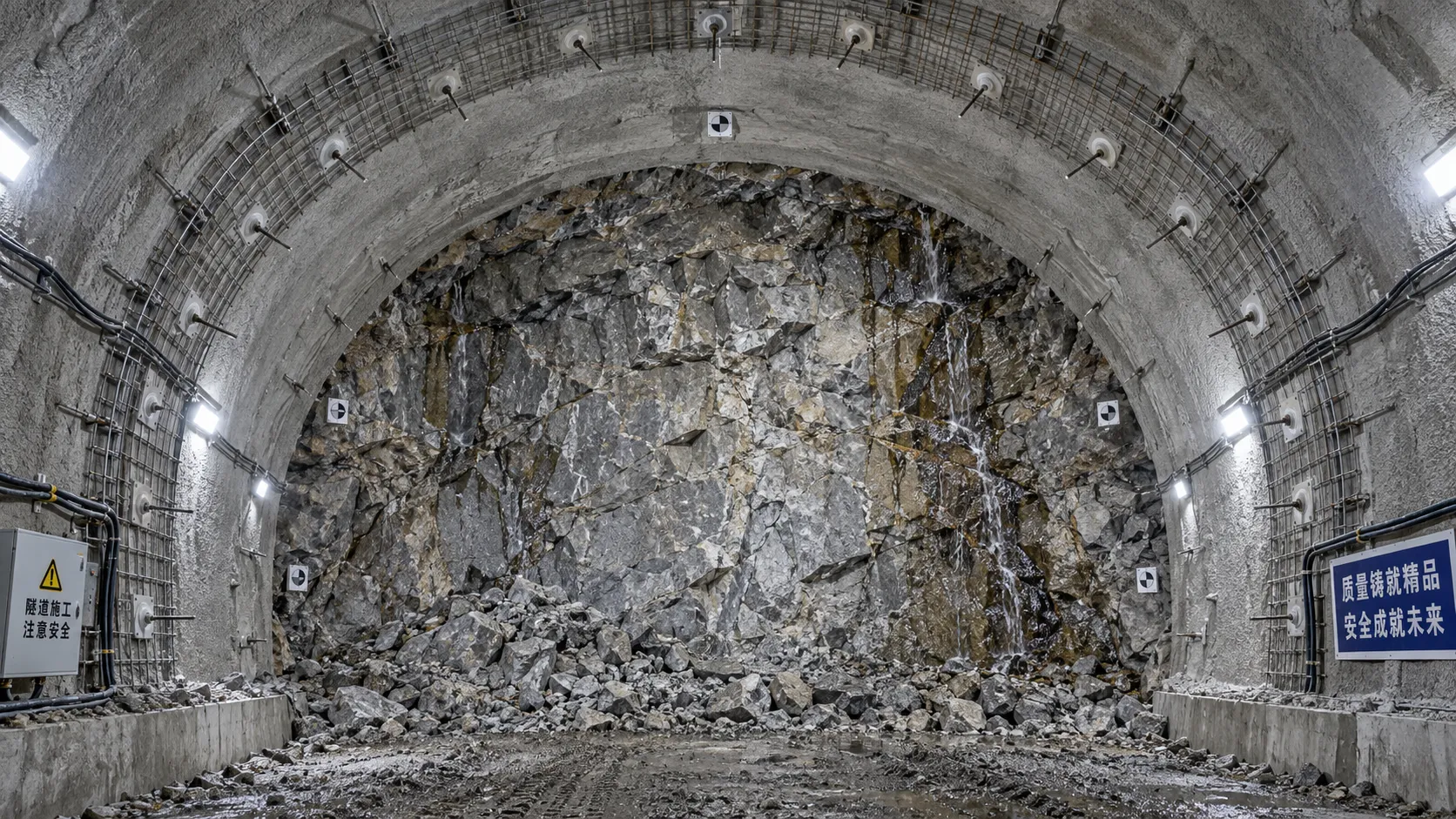
When rock reinforcement in tunnel construction must change after blasting
Rock reinforcement in tunnel construction must change when blasting reveals overbreak, weak joints, water inflow, or deformation. Discover key post-blast support decisions.
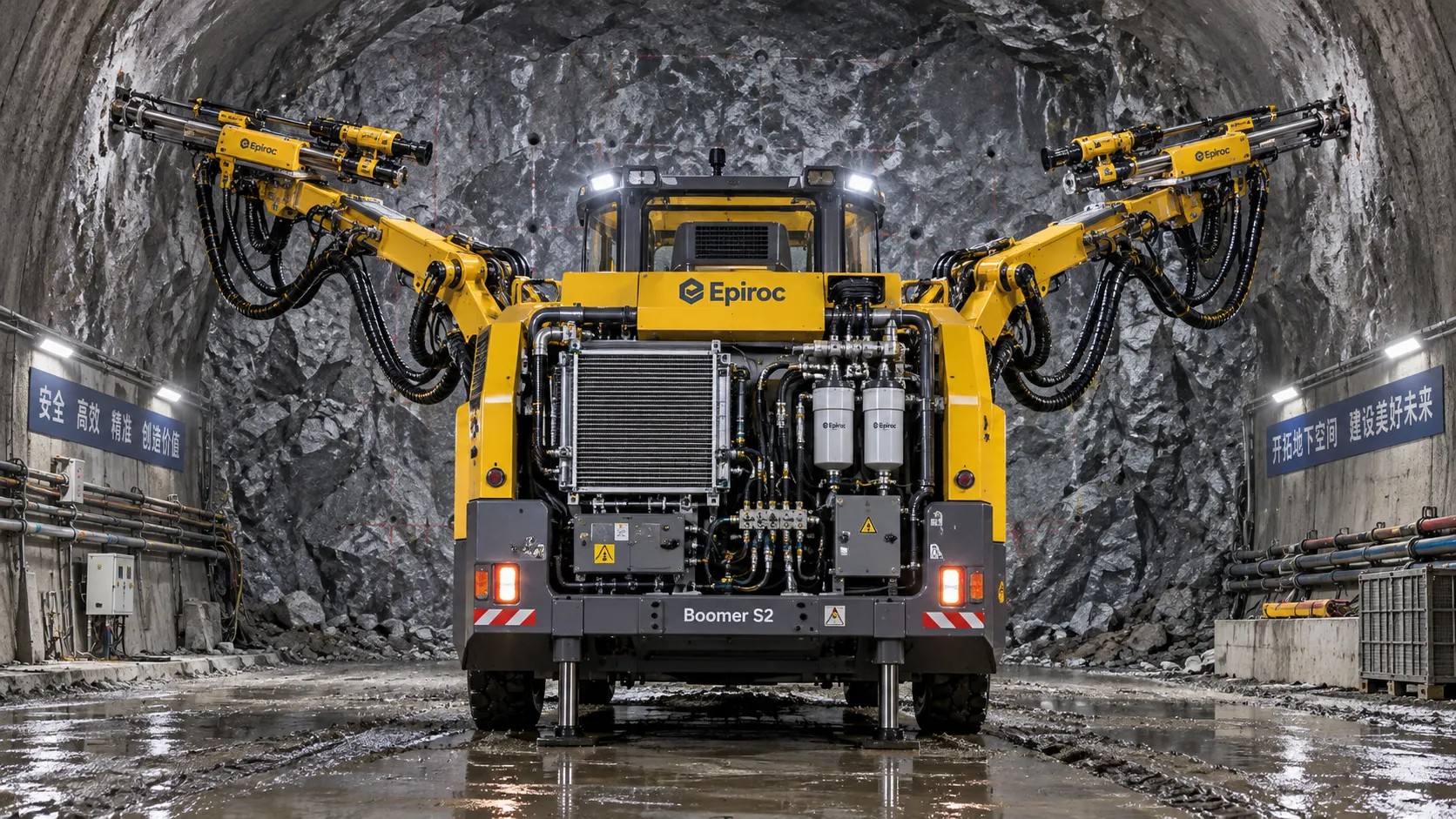
How tunnel hydraulic systems influence drill jumbo uptime underground
Tunnel hydraulic systems directly influence drill jumbo uptime. Explore how stable pressure, clean oil, cooling, and maintainable design reduce underground downtime.
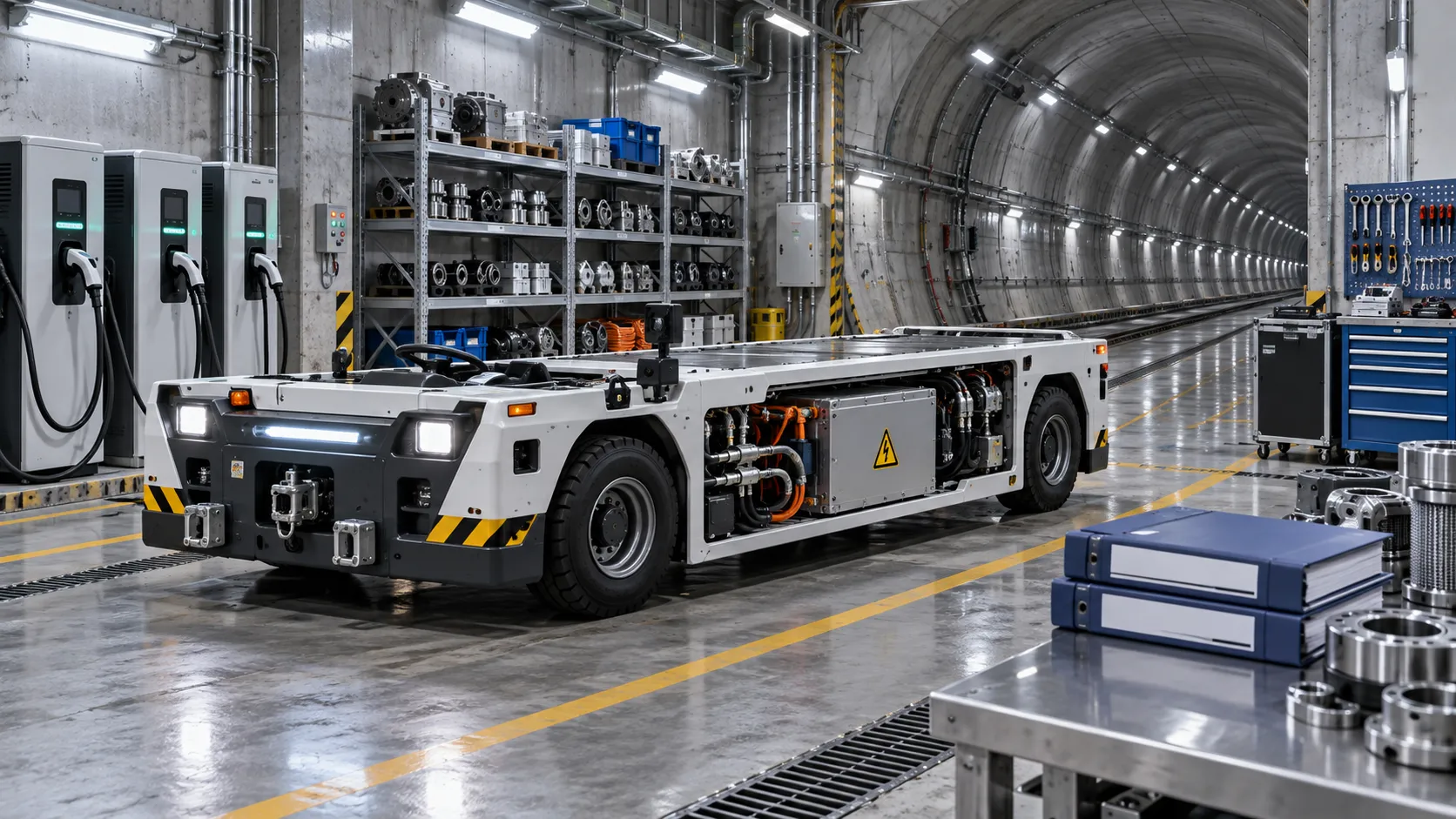
What to verify before appointing a tunneling vehicles manufacturer
Choosing a tunneling vehicles manufacturer? Verify application fit, reliability, compliance, parts support, training, and channel terms before appointing a partner.
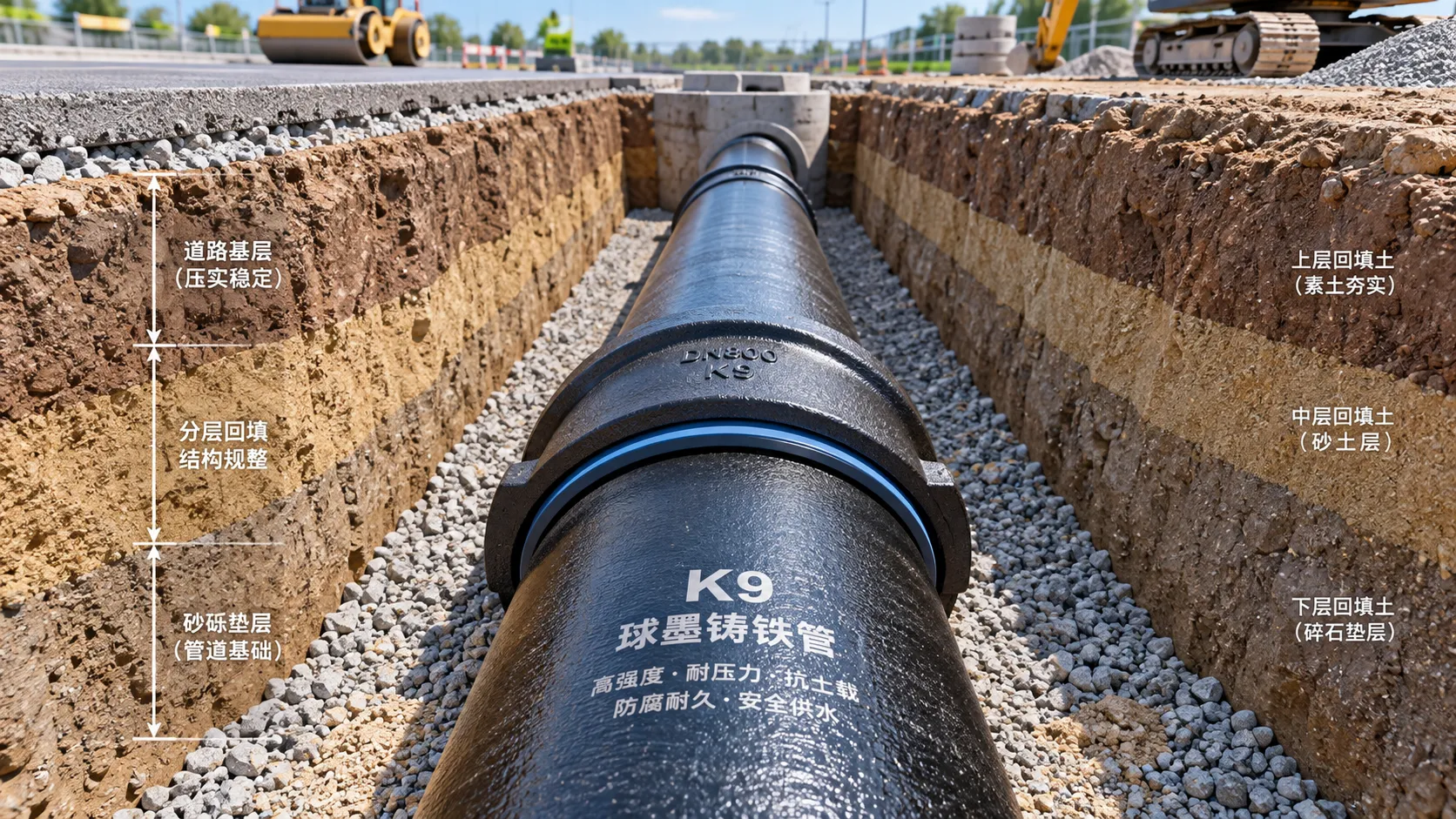
Selecting K9 Ductile Iron Pipe for Buried Water Pipeline Conditions
K9 ductile iron pipe selection for buried water pipelines: compare pressure duty, joints, soil loads, corrosion protection, and installation controls for reliable long-term performance.
Related News
- 00
0000-00
Tunnel Boring Machine Costs: Budgeting for Purchase, Operation, and Project Risk - 00
0000-00
Open-Pit Haulage Cost Analysis: How Mine Managers Can Cut Cost per Tonne - 00
0000-00
Tunnel Construction Innovations That Reduce Risk and Schedule Delays on Urban Projects - 00
0000-00
TBM Disc Cutter Design: Key Geometry and Load Factors for Hard Rock Tunnelling - 00
0000-00
Hydraulic Tipping Stability Risks in Multi-Axle Dump Special Trailers
Weekly Insights
Stay ahead with our curated technology reports delivered every Monday.