
Mega Infrastructure Projects Trends in 2025: Funding, Delivery Risks, and Supplier Opportunities





Mega infrastructure projects trends are entering a harder, more selective phase
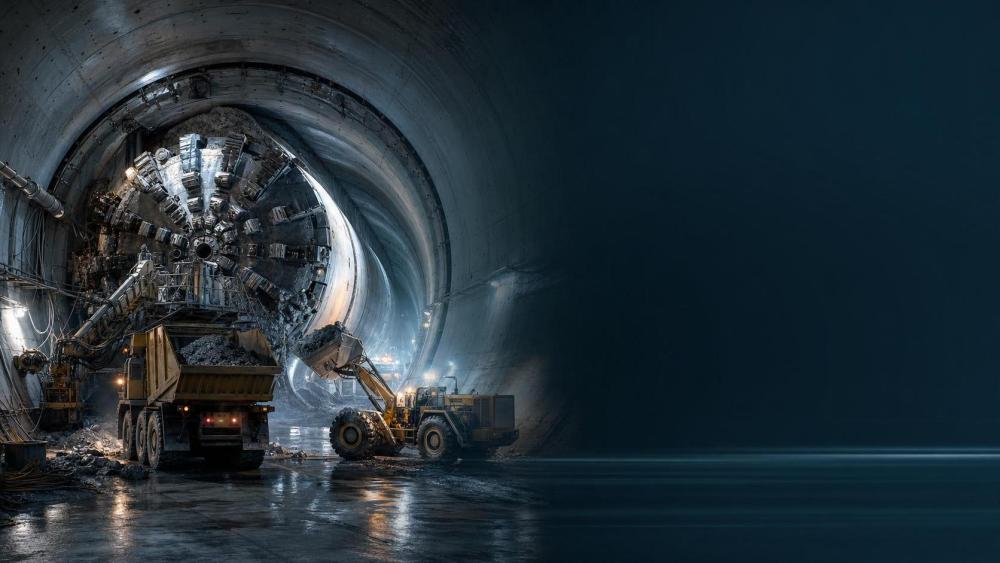
Mega infrastructure projects trends in 2025 no longer point to simple expansion. The market is still active, but capital is more disciplined, schedules are less forgiving, and performance expectations are higher.
That shift matters well beyond headline project values. It changes how tunnelling packages are structured, how mining expansions are staged, and how suppliers are screened long before contracts are awarded.
In underground works especially, project sponsors are asking tougher questions. They want resilience against inflation, lower carbon intensity, stronger digital visibility, and fewer surprises during excavation and haulage.
This is where mega infrastructure projects trends become more than a funding story. They now connect finance, geology, energy policy, automation, and lifecycle reliability into one operating equation.
For UTMD’s coverage areas, that equation is highly relevant. TBMs, pipe jacking systems, drilling jumbos, mining dump trucks, and underground LHD loaders sit directly inside the new pressure points shaping delivery outcomes.
The pipeline still looks large, but the real filter is bankability
From recent project movement, the most visible change is not demand collapse. It is stricter selection. Governments still need transport links, utility corridors, water systems, critical minerals, and energy transition assets.
What has changed is the route to approval. Mega infrastructure projects trends now favor projects with clearer public value, stronger permitting readiness, and funding models that can withstand rate volatility.
Large underground schemes often face the sharpest scrutiny because geological uncertainty can quickly turn into budget stress. Sponsors therefore prefer phased delivery, milestone-based financing, and earlier contractor involvement.
This also explains why some megaprojects appear delayed rather than canceled. The project remains strategic, yet the financing logic is being rebuilt around risk sharing, inflation clauses, and better equipment productivity assumptions.
Why this financing reset is becoming more obvious
- Debt costs remain elevated, raising the penalty for delays and design changes.
- Public budgets are under pressure from defense, healthcare, and grid upgrades.
- Private capital prefers assets with stable demand, transparent risks, and measurable ESG outcomes.
- Cross-border supply exposure has made cost forecasting less reliable than before.
As a result, mega infrastructure projects trends are rewarding projects that prove operational realism early. A strong technical narrative now supports financing, rather than following it.
Delivery risk is moving from the margins to the center of strategy
More telling than project announcements is how risk registers are changing. In 2025, project leaders are less worried about isolated disruptions and more concerned about stacked risks appearing at once.
A tunnel drive can be delayed by cutter wear, spare part lead times, power instability, labor gaps, or stricter emissions rules around underground fleets. None of these issues are new alone. Their combination is.
That is why mega infrastructure projects trends increasingly favor suppliers that reduce uncertainty, not only capex. Reliability data, remote diagnostics, energy efficiency, and maintainability now influence bid competitiveness.
This risk logic fits UTMD’s analytical lens. In underground engineering, mechanical performance and operational intelligence are inseparable. Cutter life, tunnel logistics, battery cycles, and autonomy software all affect bankable delivery.
Decarbonization is no longer a side requirement
Another strong signal inside mega infrastructure projects trends is the integration of decarbonization into core project design. It is not only about reporting. It now affects equipment selection, power architecture, ventilation strategy, and fleet renewal timing.
Underground spaces make this especially important. Zero-emission or low-emission machines can cut heat and exhaust loads, reducing ventilation demand and improving worker conditions in confined environments.
The same trend is visible in open-pit and deep mining expansions tied to copper and lithium. Electrified mining dump trucks, battery-swapping LHDs, and automated haulage systems are moving from pilot narratives to investment criteria.
For suppliers, this means carbon performance must be translated into project economics. Energy savings, maintenance intervals, asset utilization, and safety improvements matter more than generic sustainability language.
Where the underground opportunity is widening
Mega infrastructure projects trends create a broader opening for specialized underground technologies when they solve several pressures at once.
- TBM systems that combine rock adaptability with better predictive maintenance.
- Pipe jacking solutions suited to dense cities where surface disruption is politically costly.
- Drilling jumbos optimized for precision, reduced rework, and digital blast planning.
- Electric or autonomous haulage systems that improve safety and reduce total ventilation burden.
These are not niche preferences anymore. They answer the broader market demand for schedule control, cleaner operations, and measurable uptime.
Supplier opportunities are shifting toward proof, not promises
One of the more practical mega infrastructure projects trends is the rise of evidence-based supplier positioning. Buyers still compare price, but they increasingly ask whether a technology partner can de-risk delivery under real site conditions.
That changes how opportunities are won. Technical credibility now grows from field performance data, lifecycle support capacity, software integration capability, and the ability to work across civil, mining, and energy transition contexts.
UTMD’s business context fits this shift closely. Intelligence around disc cutter wear in hard rock, SLAM-enabled underground navigation, or regenerative braking efficiency does more than explain technology evolution. It helps frame commercial timing.
In practical terms, suppliers are better positioned when they can show how their solution affects project certainty. That may mean fewer cutter changes, lower ventilation energy, faster tunnel logistics, or better fleet availability in remote mines.
Signals worth tracking over the next planning cycle
- Whether tender documents specify digital monitoring, energy consumption, or emissions thresholds.
- Whether project packaging shifts toward early contractor engagement and modular procurement.
- Whether critical minerals demand accelerates mine access tunnels and fleet electrification programs.
- Whether public sponsors favor trenchless or underground schemes to reduce surface disruption.
The next move is to align market reading with execution readiness
The most useful reading of mega infrastructure projects trends in 2025 is not that projects are simply becoming riskier. It is that project value is concentrating around readiness, reliability, and operational transparency.
For underground engineering and mining systems, this creates a more selective but often better quality opportunity set. Demand remains strong where technologies can support safer excavation, lower emissions, and steadier asset performance.
A sensible next step is to map project exposure against three questions: which funding models are holding, which risks are becoming bid-critical, and which technical capabilities now influence approval speed.
It is also worth reviewing how internal assumptions match current market signals. Equipment lead times, decarbonization requirements, digital interoperability, and maintenance response windows now shape competitive position earlier than many expect.
Those who follow mega infrastructure projects trends through that lens will see more than market noise. They will see where the next durable opportunities are forming, and which capabilities must be strengthened before the next tender wave arrives.
Related News
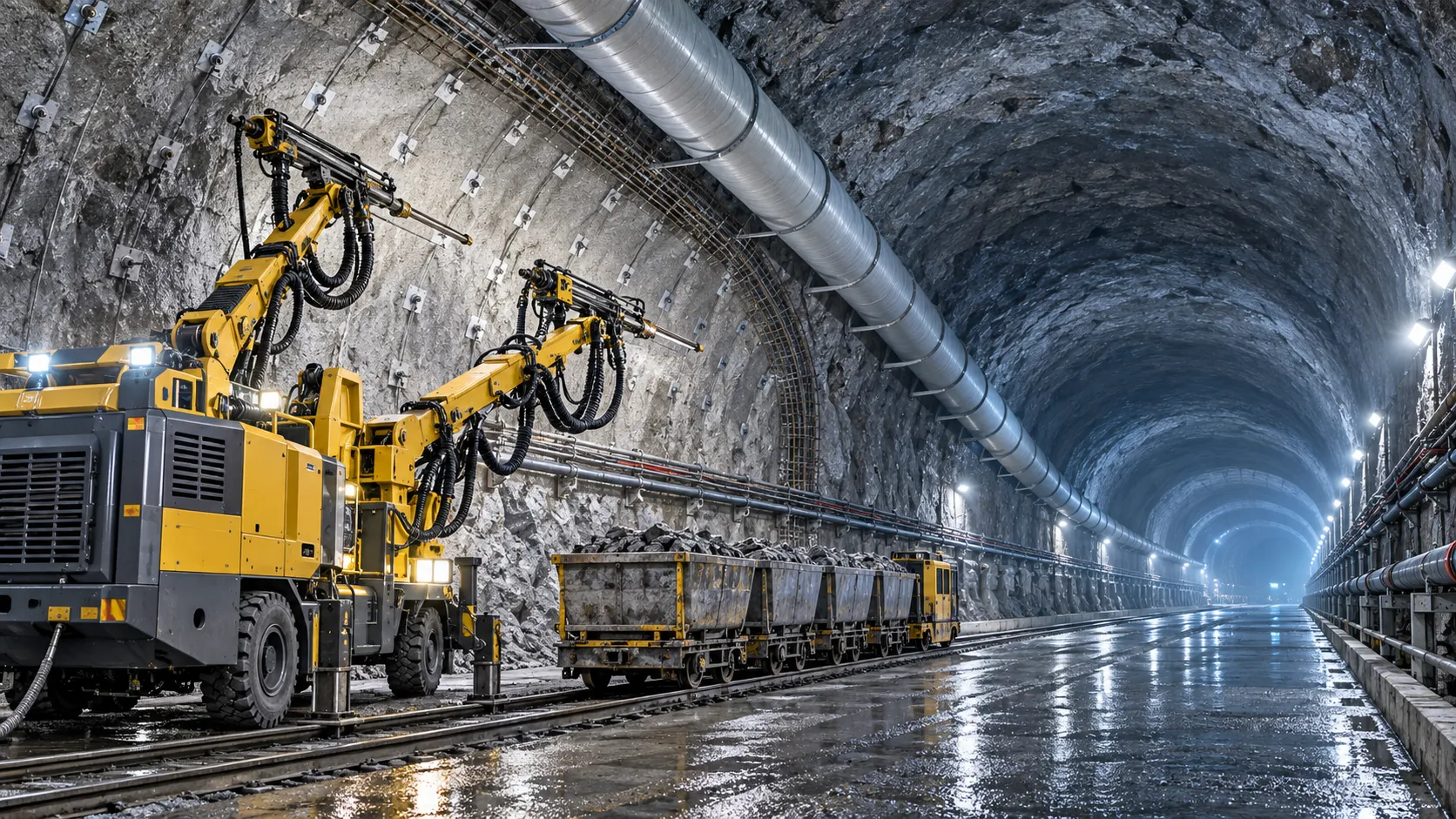
How to Evaluate European Drill-and-Blast Tunnelling Contractors for Complex Projects
Drill and blast tunnelling contractors Europe: learn how to assess geology expertise, blast control, equipment reliability, safety, and programme resilience for complex projects.
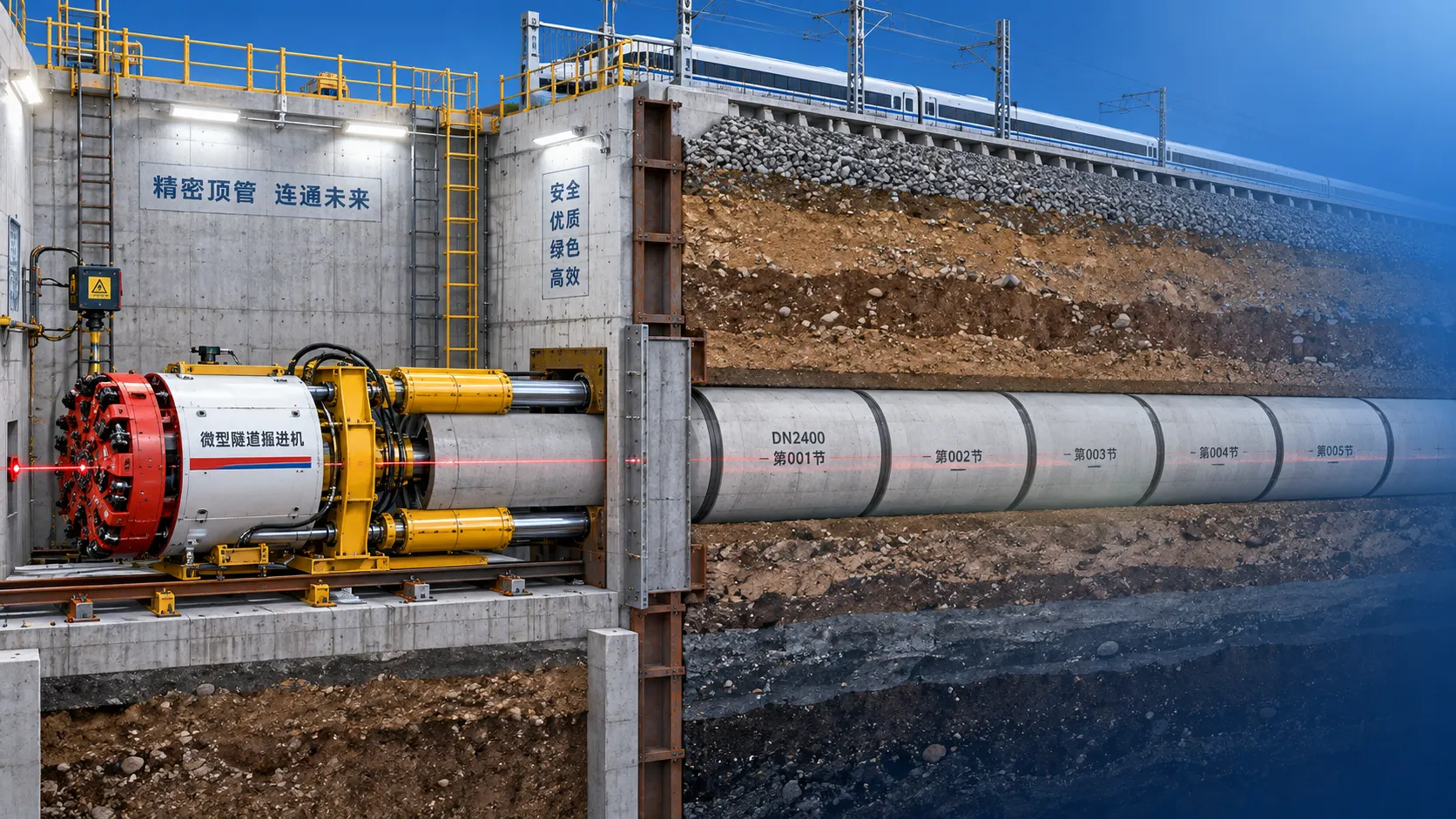
Which Trenchless Construction Technique Fits Your Utility Crossing Conditions?
Trenchless construction techniques compared for utility crossings: choose HDD, microtunnelling, pipe jacking, or auger boring based on ground, accuracy, access, and risk.
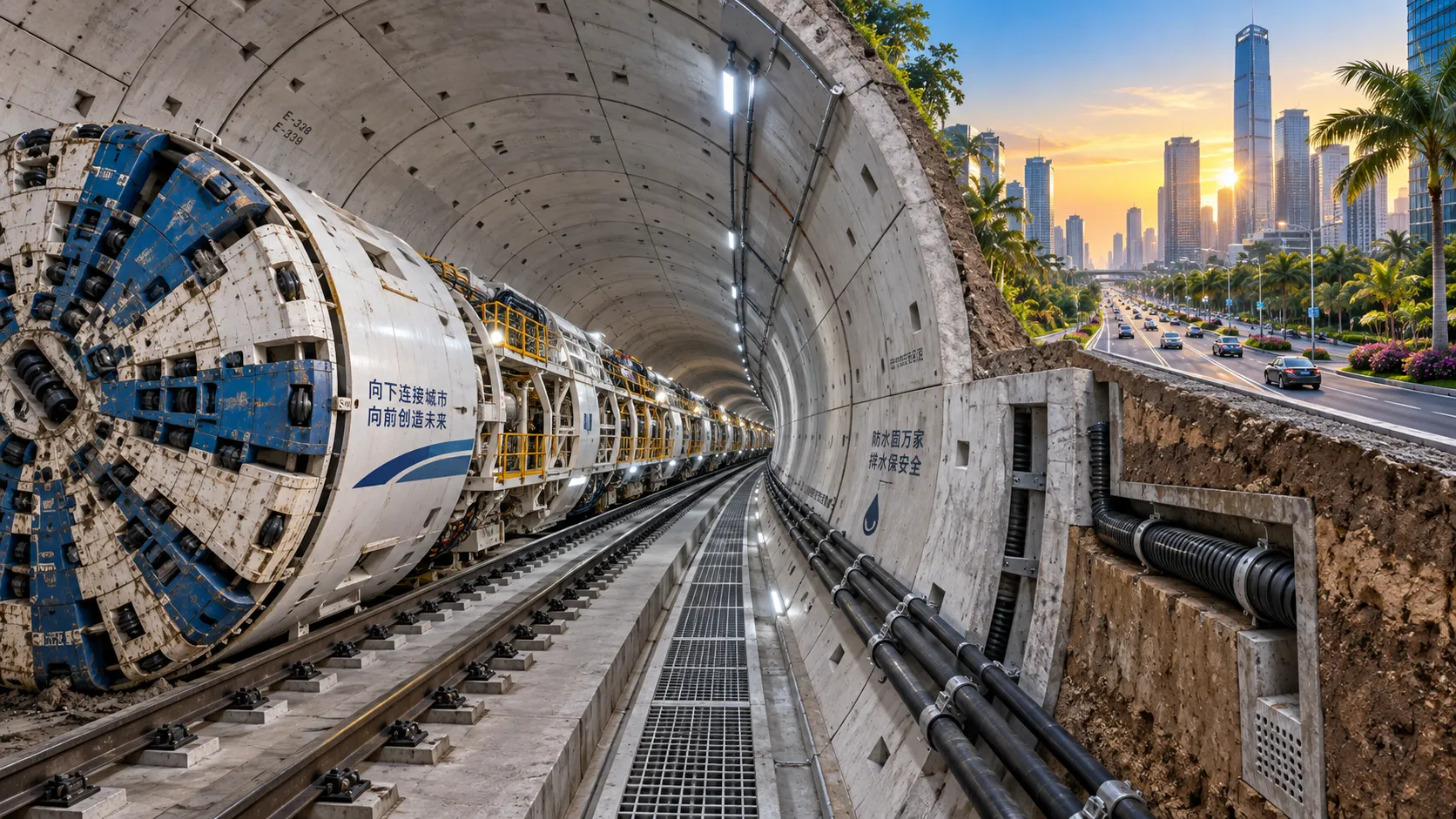
What Is Driving Metro Tunnelling Demand Across Southeast Asia’s Major Cities?
Metro tunnelling Southeast Asia is accelerating as major cities tackle congestion, flooding, and connectivity. Explore the market forces, technical risks, and opportunities shaping demand.
Hard Rock Tunnelling in Australia: Selecting Methods for Variable Ground Conditions
Hard rock tunnelling in Australia: compare TBM, drill-and-blast and hybrid methods to manage variable ground, reduce risk and protect project costs.
Hydropower Tunnel Excavation: Selecting Methods for Variable Rock Conditions
Hydropower tunnel excavation methods for variable rock conditions: compare TBM, drill-and-blast, and hybrid strategies to improve safety, progress, and project control.
How to Select Underground Safety Equipment for Tunnelling by Hazard and Work Zone
Underground Safety Equipment for tunnelling: match protection to hazards, work zones, compliance, and emergency needs with this practical selection guide.
EPB or Slurry Shield? Selecting Soft-Ground Tunnelling Equipment by Soil Conditions
Tunnel Excavation Equipment for soft ground: compare EPB and slurry shields by soil, groundwater, settlement risk, and project logistics to choose confidently.
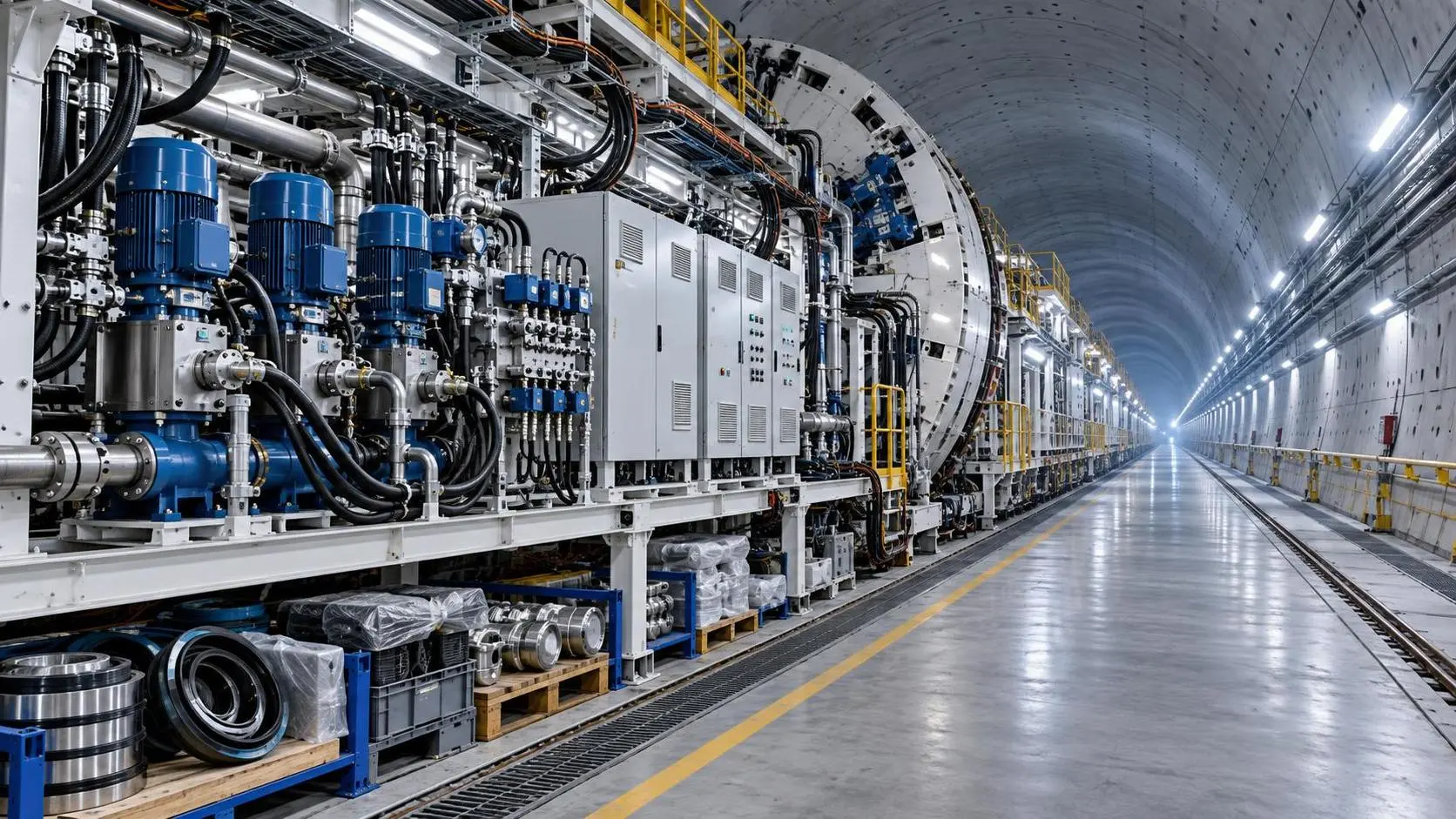
How to Specify TBM Backup System Parts for Reliable Long-Distance Tunnelling
TBM backup system parts: learn how to specify reliable spares for long-distance tunnelling, reduce downtime, ensure compatibility, and speed underground recovery.
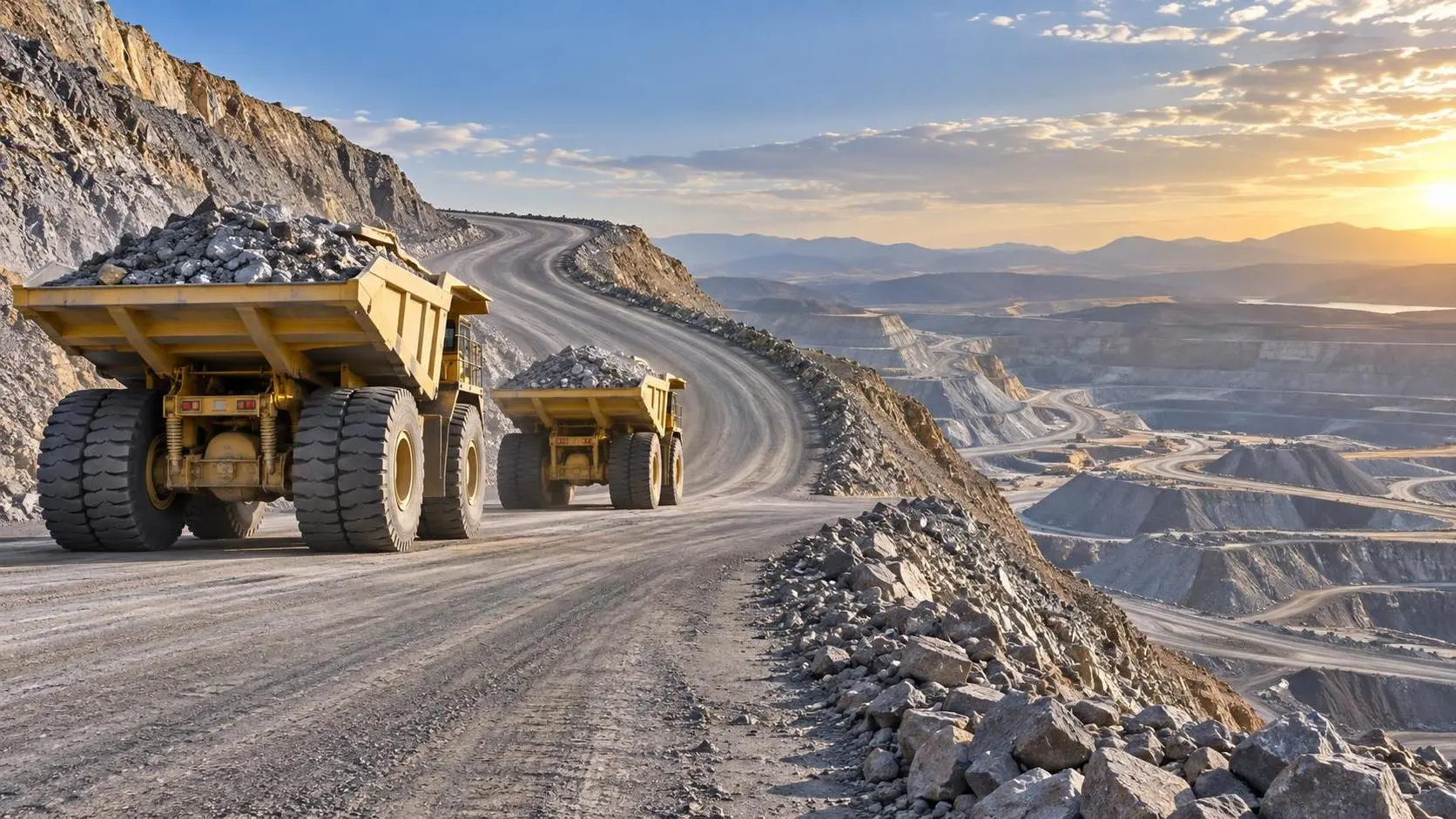
How to Size Open Pit Mining Trucks for Haul Distance, Grade, and Payload?
Open Pit Mining Trucks: learn how to match payload, haul distance, grade, road resistance, and loading capacity for safer, lower-cost mine operations.
Related News
- 00
0000-00
How to Evaluate European Drill-and-Blast Tunnelling Contractors for Complex Projects - 00
0000-00
Which Trenchless Construction Technique Fits Your Utility Crossing Conditions? - 00
0000-00
What Is Driving Metro Tunnelling Demand Across Southeast Asia’s Major Cities? - 00
0000-00
Hard Rock Tunnelling in Australia: Selecting Methods for Variable Ground Conditions - 00
0000-00
Hydropower Tunnel Excavation: Selecting Methods for Variable Rock Conditions
Weekly Insights
Stay ahead with our curated technology reports delivered every Monday.