
What Buyers Should Know About Metro Tunnel Construction in China





Metro tunnel construction China is entering a more selective phase
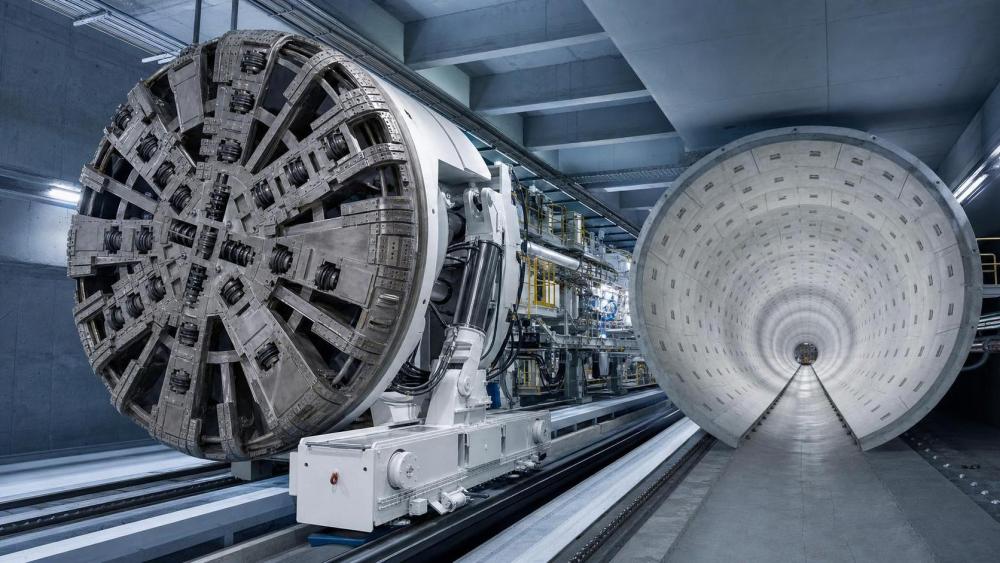
Metro tunnel construction China still looks massive from a distance. Yet volume alone no longer explains where value, risk, or opportunity really sit.
Recent project signals point to a market becoming more disciplined. Owners are weighing geology, operating efficiency, carbon pressure, and delivery certainty more carefully than before.
That shift matters because metro tunnel construction China is not just about digging faster. It is about choosing the right tunnelling logic for dense cities, mixed strata, and stricter lifecycle targets.
In practical terms, successful decisions now depend on contractor depth, TBM fit, segment quality, supply chain resilience, digital monitoring, and post-handover reliability.
From UTMD’s perspective, this is where underground intelligence becomes commercially useful. Equipment capability, rock-cutting performance, and confined-space electrification increasingly shape business outcomes, not just engineering reports.
What is changing beneath the headline numbers
The most visible change is that metro expansion is maturing across many Chinese cities. New work still appears, but project screening has become tighter.
This creates a more layered market. Some corridors still require large-bore, complex excavation, while others demand cost control, station integration, and minimal disruption above ground.
More importantly, metro tunnel construction China now rewards execution quality over sheer installed capacity. Buyers are asking who can manage settlement risk, water ingress, cutter wear, and schedule compression at the same time.
The trend also reflects a broader urban logic. Surface space is constrained, public tolerance for disruption is lower, and underground corridors must coexist with utilities, basements, and older transport assets.
As a result, the market is moving toward precision tunnelling rather than simple scale. This is why trenchless methods, refined TBM configuration, and better subsurface data are gaining weight in evaluations.
A few signals are becoming hard to ignore
- Mixed-ground and water-bearing conditions are getting more attention during early assessment.
- Localized manufacturing matters, but reliability proof matters more.
- Digital site monitoring is shifting from optional support to core risk control.
- Energy use, ventilation burden, and emissions performance are entering equipment discussions earlier.
Why the market is moving this way
Several forces are pushing metro tunnel construction China into this more selective stage. They are technical, financial, and policy-driven at the same time.
The technical side is especially important. A tunnel boring machine is not a commodity asset in this market. Machine architecture, cutter consumption, face pressure control, and segment handling all influence financial outcomes.
That is also why UTMD tracks full-face TBMs, trenchless systems, and underground electrification as connected signals. In China, metro procurement is increasingly shaped by how these systems work together under constrained urban conditions.
The buyer focus has moved from price to performance under pressure
A few years ago, the basic question often centered on available capacity. Now the deeper question is whether delivery can hold when site conditions stop matching the baseline model.
This is where metro tunnel construction China becomes a test of resilience. Ground variability can quickly change advance rate, cutter replacement frequency, spoil logistics, and segment installation rhythm.
In business evaluation, five areas now stand out more clearly than before.
- Contractor experience in similar geology, not just general metro references.
- TBM selection logic, including EPB, slurry, dual-mode, and backup system design.
- Localization depth across cutters, seals, electrical systems, and segment supply.
- Compliance capability covering safety, environmental control, and urban coordination.
- Lifecycle operating value, including maintenance intervals and downtime recovery speed.
More buyers are also looking beyond the tunnel face. They want to know how data is captured, who interprets anomalies, and how fast decisions can be executed underground.
Why equipment intelligence matters more now
UTMD’s underground focus is useful here because modern metro work is becoming data-rich. Disc cutter wear models, machine telemetry, and alignment data are no longer side information.
They increasingly determine whether metro tunnel construction China stays on budget when harder rock bands, faulted zones, or abrasive ground appear unexpectedly.
The same logic extends to zero-emission pressure in confined spaces. Cleaner underground equipment can reduce ventilation demand, improve working conditions, and strengthen project acceptance over time.
Impact is spreading across the full project chain
The effects of these changes do not stop at equipment procurement. They reshape bidding strategy, supplier qualification, insurance assumptions, and even handover expectations.
For engineering teams, the implication is straightforward. Better front-end investigation reduces expensive surprises later, especially where metro tunnel construction China crosses mixed urban strata.
For financing stakeholders, the issue is schedule confidence. A lower bid can lose its appeal quickly if geology response, spare parts, or site coordination trigger cascading delays.
For equipment suppliers, the market now values proof of adaptation. Standard platforms still matter, but adaptable cutterhead design, sensor integration, and local service depth often decide credibility.
For city operators, the long view is becoming more relevant. Tunnel waterproofing integrity, segment durability, maintenance access, and system monitoring all shape total asset value after construction ends.
The next useful judgment is where risk and value meet
Looking ahead, metro tunnel construction China is unlikely to reward generic positioning. The market is large, but competitive advantage is becoming narrower and more technical.
The stronger opportunities may sit where difficult geology, constrained urban corridors, and demanding schedules overlap. Those are also the projects where weak preparation becomes most visible.
A practical evaluation path can start with a few focused questions.
- Does the proposed machine match the actual ground transition profile?
- Are spare parts, cutter tools, and service teams available within realistic response windows?
- Is the localization plan robust enough to protect schedule and compliance?
- Can monitoring data translate into fast operational decisions, not just archived reports?
- Will the operating model still make sense if site conditions deteriorate?
These questions matter because the market is no longer sorting participants by scale alone. It is sorting them by who understands underground uncertainty well enough to manage it commercially.
What to watch next in metro tunnel construction China
The most useful next step is not chasing every headline project. It is building a sharper watchlist around geology, machine fit, localization depth, and lifecycle performance.
From recent market behavior, metro tunnel construction China is moving toward integrated evaluation. Commercial judgment, underground mechanics, and compliance thinking now need to sit closer together.
That makes informed intelligence more valuable than broad market noise. UTMD’s lens on TBMs, trenchless engineering, and smart underground systems reflects exactly this shift.
The most grounded approach is to compare project pipelines by subsurface difficulty, not just by announced length. Then test contractor and equipment assumptions against delivery, service, and operating reality.
In a market as active and demanding as metro tunnel construction China, the better decision is usually the one that sees underground complexity before the tunnel drive begins.
Related News
How to Evaluate European Drill-and-Blast Tunnelling Contractors for Complex Projects
Drill and blast tunnelling contractors Europe: learn how to assess geology expertise, blast control, equipment reliability, safety, and programme resilience for complex projects.
Which Trenchless Construction Technique Fits Your Utility Crossing Conditions?
Trenchless construction techniques compared for utility crossings: choose HDD, microtunnelling, pipe jacking, or auger boring based on ground, accuracy, access, and risk.
What Is Driving Metro Tunnelling Demand Across Southeast Asia’s Major Cities?
Metro tunnelling Southeast Asia is accelerating as major cities tackle congestion, flooding, and connectivity. Explore the market forces, technical risks, and opportunities shaping demand.
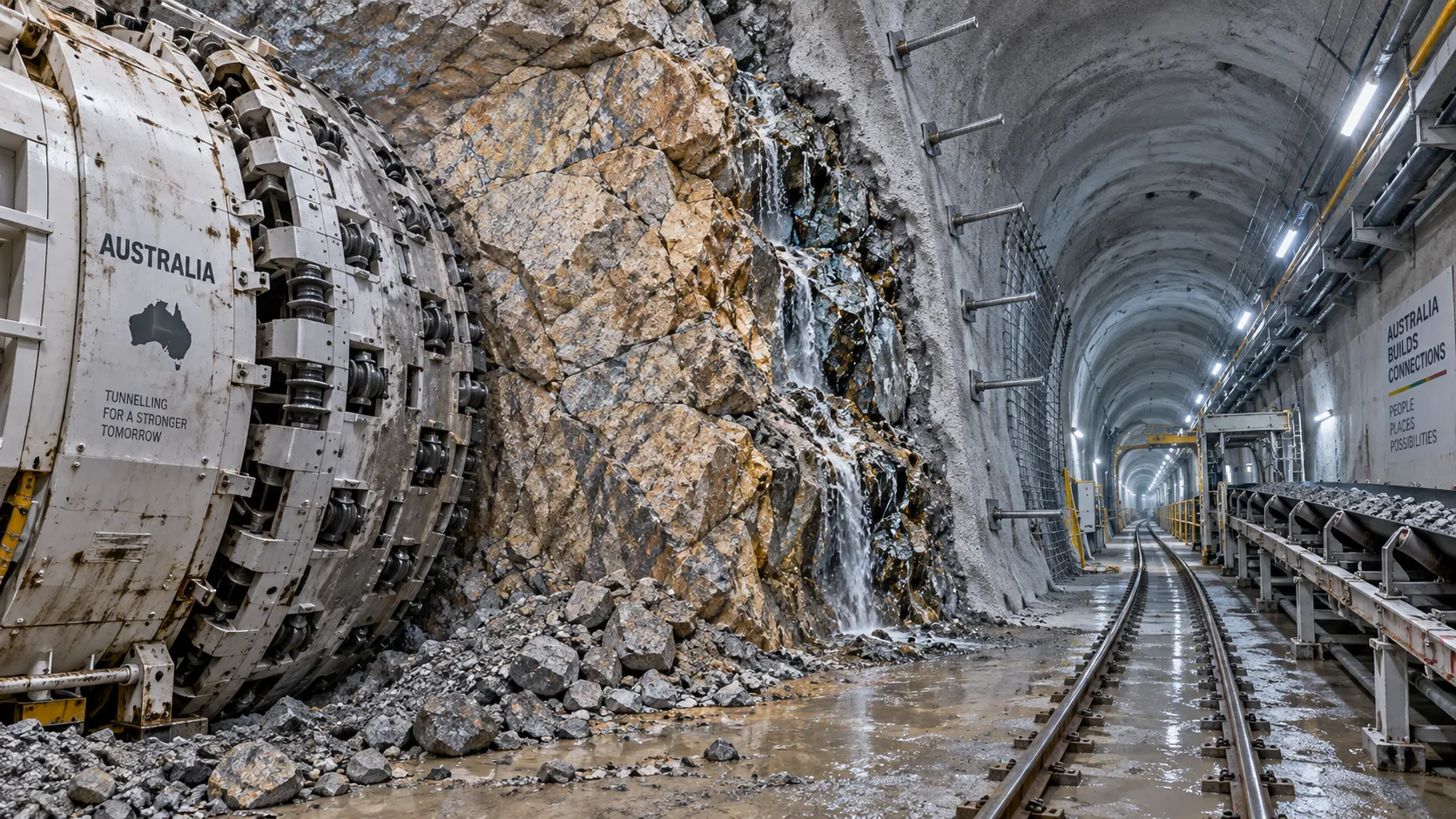
Hard Rock Tunnelling in Australia: Selecting Methods for Variable Ground Conditions
Hard rock tunnelling in Australia: compare TBM, drill-and-blast and hybrid methods to manage variable ground, reduce risk and protect project costs.
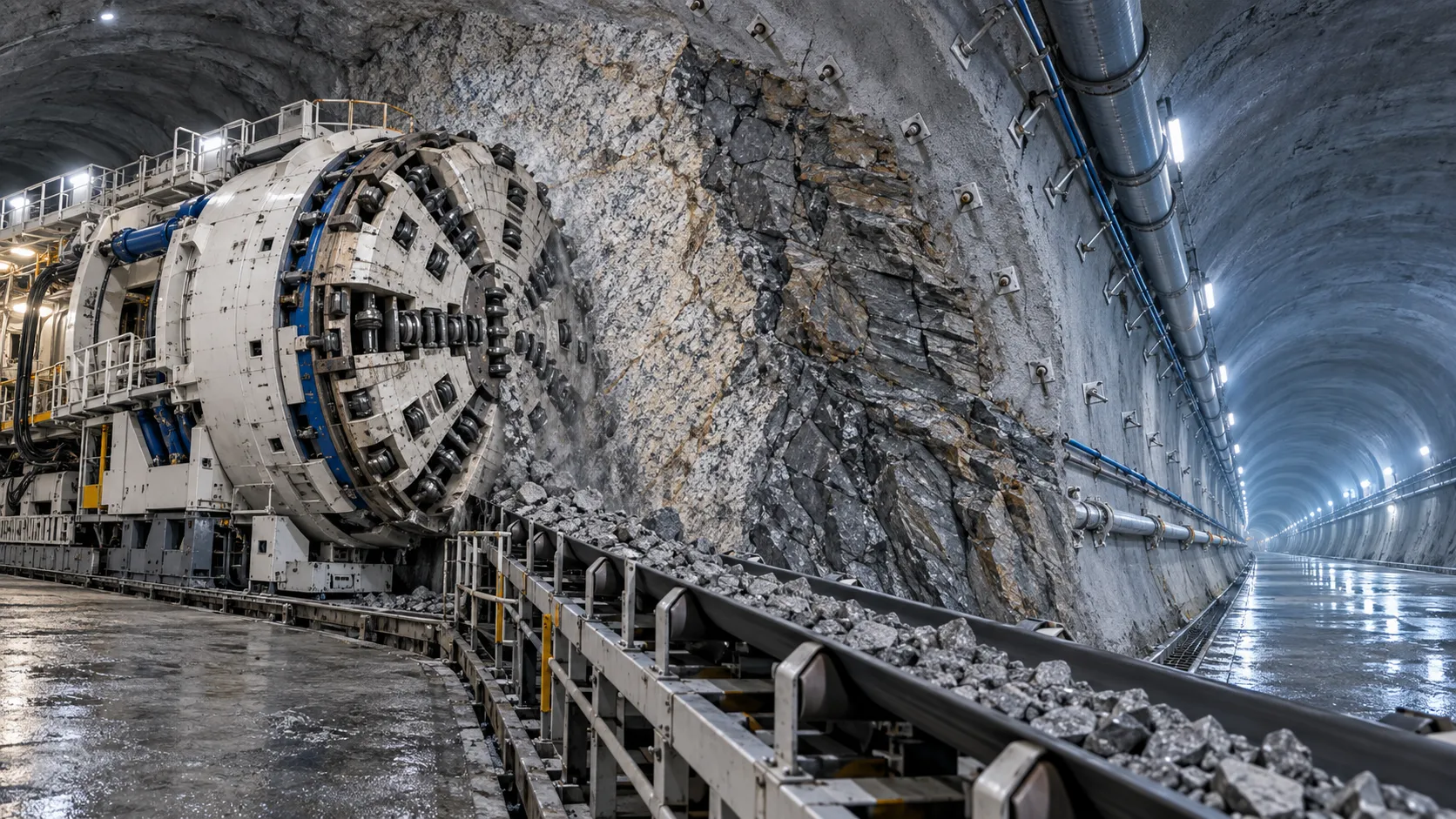
Hydropower Tunnel Excavation: Selecting Methods for Variable Rock Conditions
Hydropower tunnel excavation methods for variable rock conditions: compare TBM, drill-and-blast, and hybrid strategies to improve safety, progress, and project control.
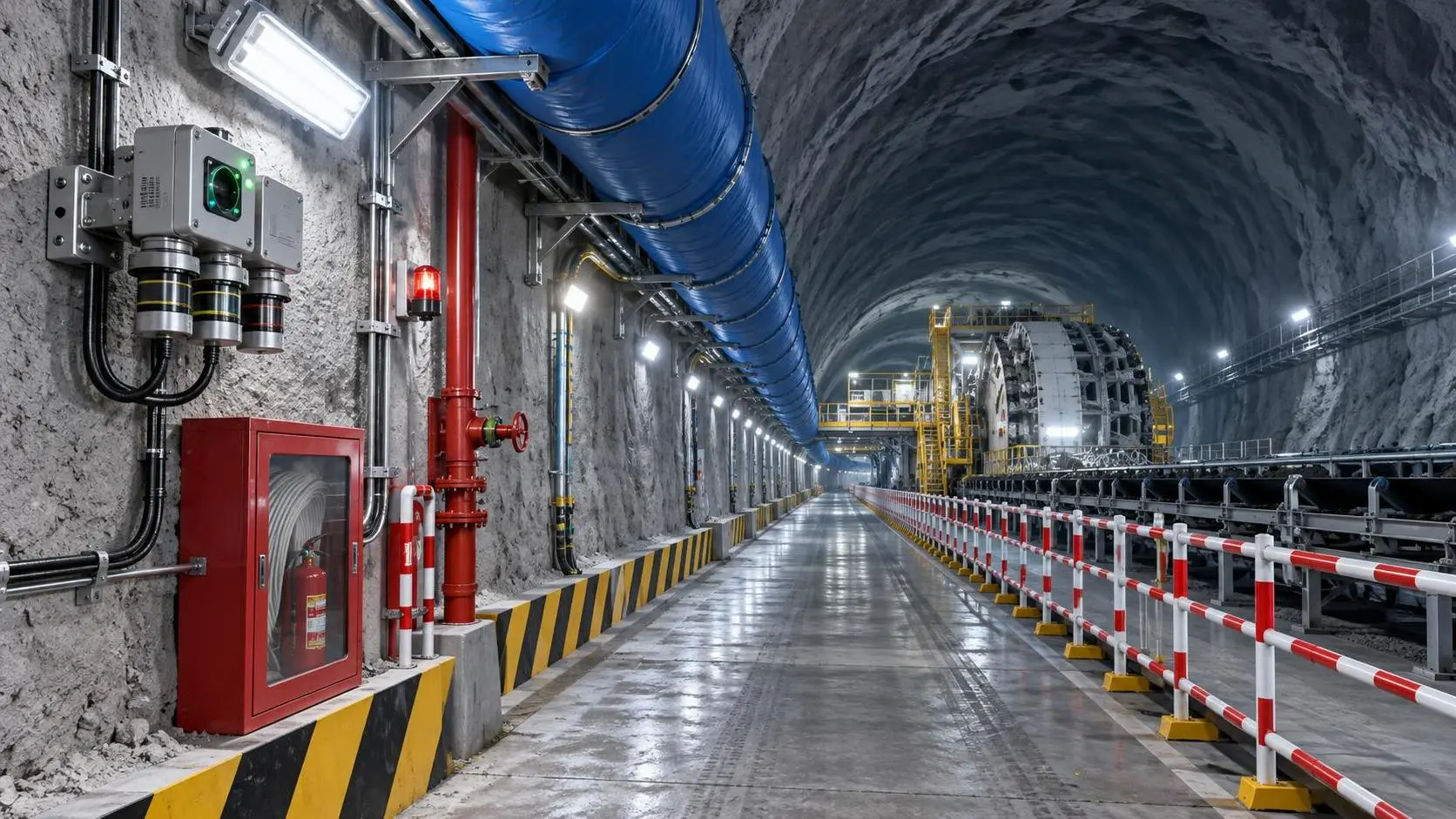
How to Select Underground Safety Equipment for Tunnelling by Hazard and Work Zone
Underground Safety Equipment for tunnelling: match protection to hazards, work zones, compliance, and emergency needs with this practical selection guide.
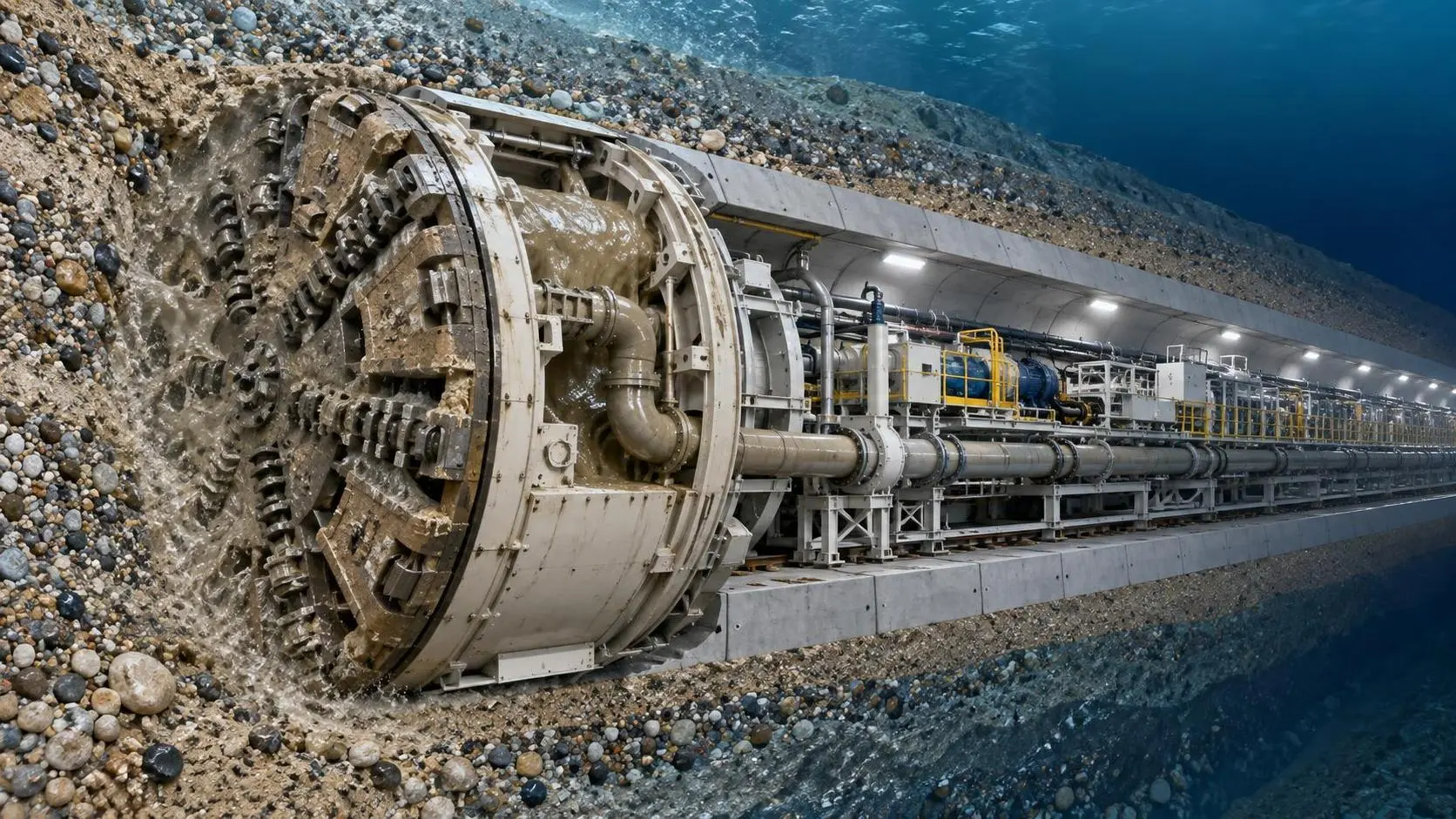
EPB or Slurry Shield? Selecting Soft-Ground Tunnelling Equipment by Soil Conditions
Tunnel Excavation Equipment for soft ground: compare EPB and slurry shields by soil, groundwater, settlement risk, and project logistics to choose confidently.
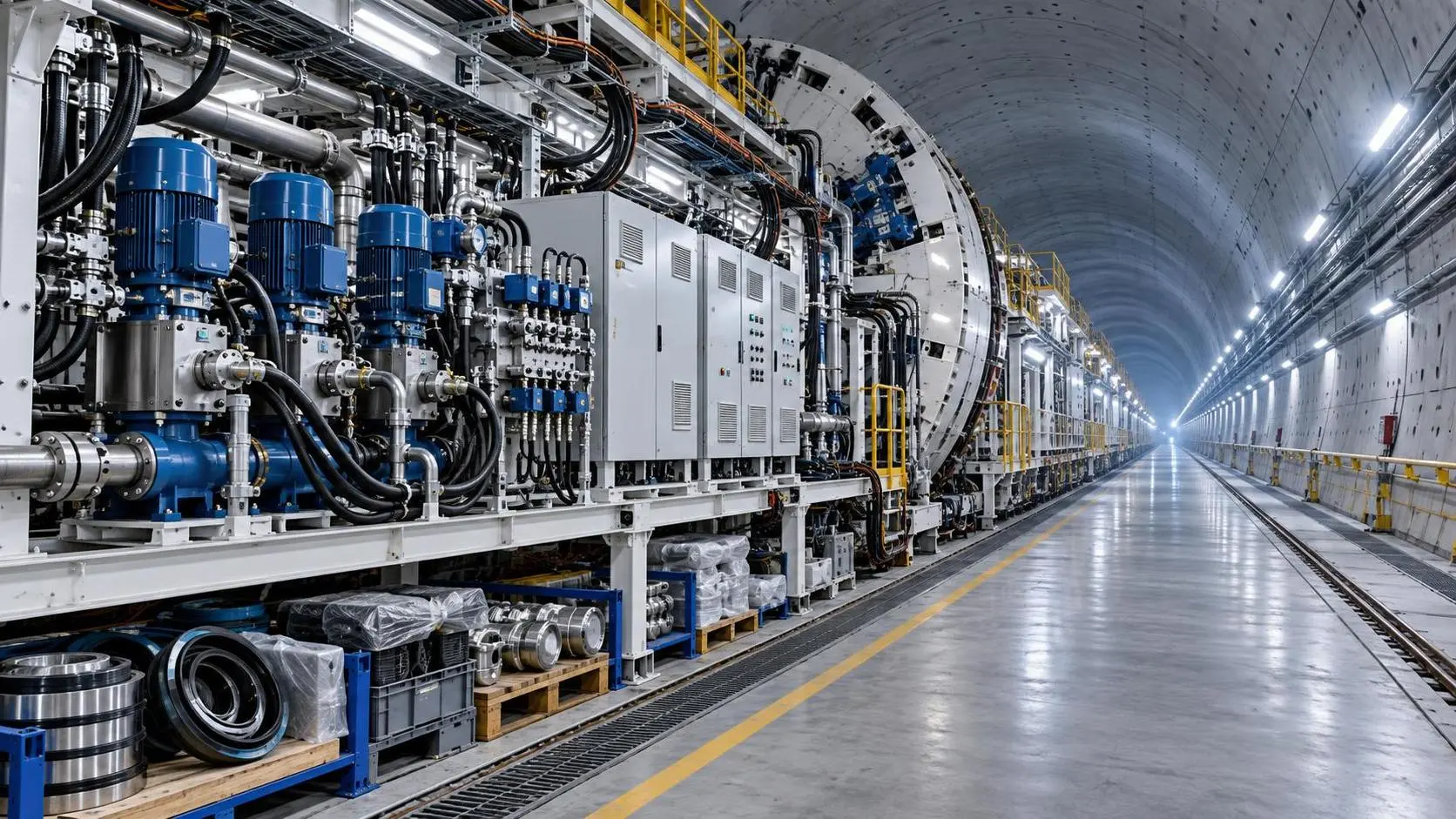
How to Specify TBM Backup System Parts for Reliable Long-Distance Tunnelling
TBM backup system parts: learn how to specify reliable spares for long-distance tunnelling, reduce downtime, ensure compatibility, and speed underground recovery.
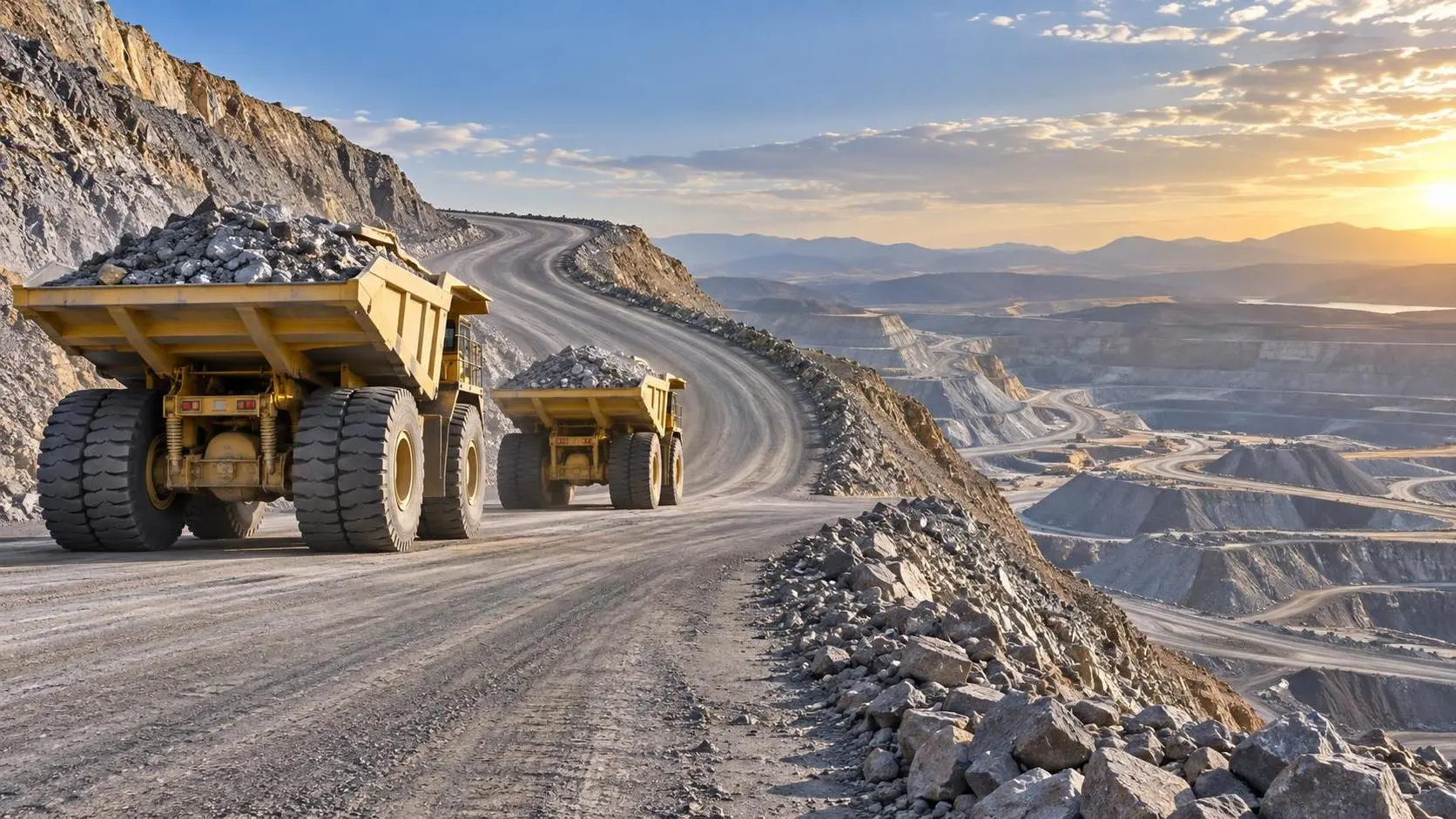
How to Size Open Pit Mining Trucks for Haul Distance, Grade, and Payload?
Open Pit Mining Trucks: learn how to match payload, haul distance, grade, road resistance, and loading capacity for safer, lower-cost mine operations.
Related News
- 00
0000-00
How to Evaluate European Drill-and-Blast Tunnelling Contractors for Complex Projects - 00
0000-00
Which Trenchless Construction Technique Fits Your Utility Crossing Conditions? - 00
0000-00
What Is Driving Metro Tunnelling Demand Across Southeast Asia’s Major Cities? - 00
0000-00
Hard Rock Tunnelling in Australia: Selecting Methods for Variable Ground Conditions - 00
0000-00
Hydropower Tunnel Excavation: Selecting Methods for Variable Rock Conditions
Weekly Insights
Stay ahead with our curated technology reports delivered every Monday.