
How Tunnel Surveying Monitoring Improves Alignment Control and Settlement Risk





Start by checking whether your monitoring plan is tied to construction decisions
On tunnel jobs, survey monitoring becomes valuable when it changes what the team does on shift, not when it merely fills a report. For project managers, the first check is simple: can the monitoring setup tell you, early enough, whether the heading is drifting off design, whether the shield or jacking line is behaving as expected, and whether the ground above or beside the tunnel is starting to move before damage claims start showing up?
That is where tunnel surveying monitoring earns its keep. Good data supports alignment control, confirms whether excavation and support are working together, and gives the site team a reason to slow down, correct, or sequence differently before a small geometric error turns into a lining issue, overbreak problem, or settlement event at the surface.
If your monitoring specification cannot answer those operational questions, it is probably too generic.
Check the control network before you trust any movement reading
A surprising number of tunnel disputes start with a bad reference, not bad ground. Before reviewing any convergence plot, settlement trough, or TBM guidance correction, confirm that the survey control network is stable, redundant, and protected from construction disturbance.
- Control points should sit outside obvious influence zones such as vibration-heavy plant routes, likely utility trenching, crane pads, and temporary works that may be regraded.
- Underground transfer of control needs an agreed method and regular closure checks. A single clean transfer at startup is not enough for a long drive.
- Any unexplained jump in monitoring data should trigger a control verification before the team labels it “ground movement.”
If the baseline is moving, every downstream conclusion becomes suspect. That includes claims about settlement, shield attitude, line and level deviation, and even whether a correction attempt actually worked.
One practical habit helps here: separate “system movement” from “ground movement” in your daily review. It forces the team to check instruments, prisms, benchmarks, and control geometry before making construction decisions.
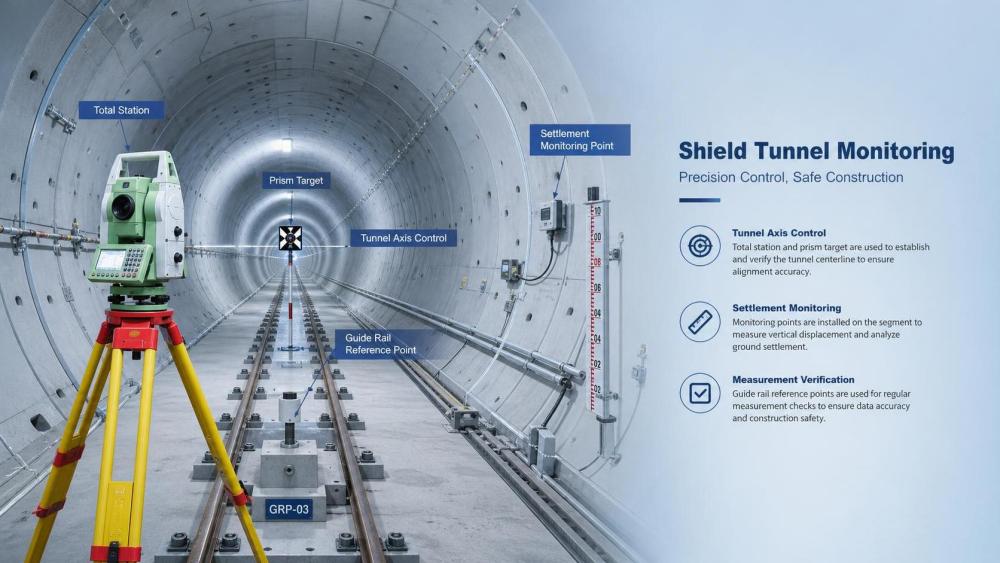
Make sure monitoring points match the actual risk zones
Monitoring layouts often look neat on drawings and weak in the field. A uniform spacing pattern may satisfy a document, but it does not automatically cover the places where alignment and settlement risk concentrate.
For project control, ask where a deviation would matter most. That usually includes launch and breakthrough zones, horizontal and vertical curves, transitions in geology, shallow cover, cross-passage interfaces, station boxes, utility crossings, and any section under sensitive assets. In pipe jacking and microtunnelling work, add points around reception shafts and areas where lubrication, face balance, or steering corrections can change quickly.
The same logic applies to settlement monitoring. You do not need maximum density everywhere. You do need enough coverage where movement would create real consequence: buildings with shallow foundations, rail corridors, buried services with strict gradient requirements, pavements that carry heavy traffic, and structures already showing pre-existing distortion.
A useful check in review meetings is this: for every instrument or survey point, can the site team explain what decision it supports? If the answer is vague, the layout probably needs adjustment.
Do not discuss alignment control without discussing update frequency
Alignment control is a timing problem as much as a measurement problem. Data that arrives after the machine has advanced another ring, another stroke, or another shift may still be technically accurate and operationally useless.
For tunnelling works, the right monitoring interval depends on how fast conditions can change. A stable section in competent ground may tolerate routine cycles. Launches, steering corrections, mixed face conditions, shallow urban sections, or any drive under third-party assets usually need tighter observation and faster review. The key is not choosing the highest frequency everywhere. It is tightening the cycle where delayed response would cost more than extra measurement effort.
Watch for a common failure mode: the survey team measures on time, but the results sit in a reporting queue and never reach the shift engineer soon enough to influence thrust balance, articulation, face pressure, excavation sequence, or grouting response. When that happens, you have monitoring activity without monitoring control.
Review the link between tunnel geometry and ground response
Managers often split these into separate discussions: line and level on one side, settlement on the other. In practice they interact. A machine that is hunting for alignment, over-correcting, or working through variable ground can produce a different ground response than a machine advancing smoothly on a stable path.
Your checklist should include the following comparisons:
- Alignment deviation versus chainage: is the drift gradual, or are there abrupt changes that suggest steering intervention, control issues, or local obstructions?
- Settlement trend versus excavation progress: does the movement track face passage, tail passage, or delayed consolidation after grouting?
- Surface movement versus machine records: where monitoring rises, check whether it coincides with changes in advance rate, stoppages, cutterhead torque variation, pressure instability, or abnormal spoil behavior.
You are not trying to force a perfect one-to-one correlation. You are checking whether the survey story and the construction story can be read together. When they cannot, the project is operating with blind spots.
Set trigger levels that tell the team what happens next
A trigger without an action path is just color coding. Project managers should insist that every alert level is tied to a response: additional survey verification, reduced advance length, revised face support parameters, supplementary grouting, temporary hold point, structural inspection, or stakeholder notification.
This matters because the same reading can mean different things in different contexts. A few millimeters of settlement in open ground may be manageable. The same movement near a brittle utility, a rail slab, or a historic facade can require immediate intervention. The trigger logic therefore has to reflect asset sensitivity, depth of cover, construction method, and whether the movement is accelerating or flattening out.
When triggers are written this way, monitoring becomes part of production control instead of a separate compliance stream.
Check whether the team can recover alignment without creating a second problem
Not every deviation should be corrected aggressively. That is one of the harder judgments on a live tunnel. A rapid correction may bring the machine back toward design line, but it can also increase steering loads, disturb the ground more than a gradual recovery, or create segmental lining stress if the system is forced too hard.
So the review question is not simply, “Are we out of tolerance?” It is, “What recovery path is realistic from this chainage and under these ground conditions?” Survey monitoring helps by showing whether the drift is stable, increasing, or already responding to correction. Without that trend view, teams sometimes overreact to a point reading and introduce extra settlement risk while trying to tidy the geometry.
That is especially relevant in shallow urban tunnelling, where a technically successful line correction can still be a poor decision if it produces unnecessary disturbance above.
Look for the usual weak spots in settlement interpretation
Settlement data often gets misread in three ways.
- Teams focus on magnitude and miss rate of change. A modest movement that is accelerating deserves more attention than a larger movement that has already stabilized.
- They review points in isolation. Settlement shape across several points usually tells you more than one number on its own.
- They ignore what happened before excavation arrived. Seasonal effects, adjacent construction, traffic vibration, groundwater changes, and pre-existing building movement can distort the baseline if not recorded early.
This is why pre-construction readings matter. They are not paperwork. They tell you whether the tunnel is causing a new effect or stepping into an already active environment.
Confirm that reporting shows exceptions, not just raw data
Senior project staff do not need every observation presented with equal weight. They need reports that make exceptions obvious: drift from design alignment, trending settlement, control check failures, missing readings, inaccessible points, and sections where field conditions reduced confidence in the data.
A useful monitoring report usually answers four things quickly:
- What changed since the last review?
- Where is movement or deviation trending the wrong way?
- How reliable is the current dataset?
- What site action is recommended before the next advance cycle?
If those answers are buried under tables with no interpretation, the project manager ends up scanning numbers instead of managing risk.
Use a short field checklist when conditions change
When the drive enters a different ground unit, a shallow cover zone, or an area with sensitive third-party assets, run a focused review instead of waiting for the monthly monitoring meeting.
- Has the control network been rechecked since the change in conditions?
- Are monitoring points still accessible and protected?
- Is the reading frequency still appropriate for current advance risk?
- Do trigger responses still match the sensitivity of the structures above and around the tunnel?
- Is someone explicitly comparing survey trends with machine and ground logs?
That short check catches many of the problems that cause late surprises: stale assumptions, monitoring layouts inherited from earlier sections, and action plans that no longer fit the risk.
Keep the final decision sequence simple
For managers, tunnel surveying monitoring works best when the order of decisions stays disciplined. Verify the reference first. Confirm whether the reading is real. Compare geometry and settlement trends against current construction activity. Judge the consequence at that location, not in the abstract. Then decide whether to continue, correct gradually, intensify monitoring, or intervene.
That sequence is what improves alignment control and lowers settlement risk in practice. Not more charts. Better timing, better placement of monitoring effort, and a clearer link between what the survey shows and what the site team does next.
Related News
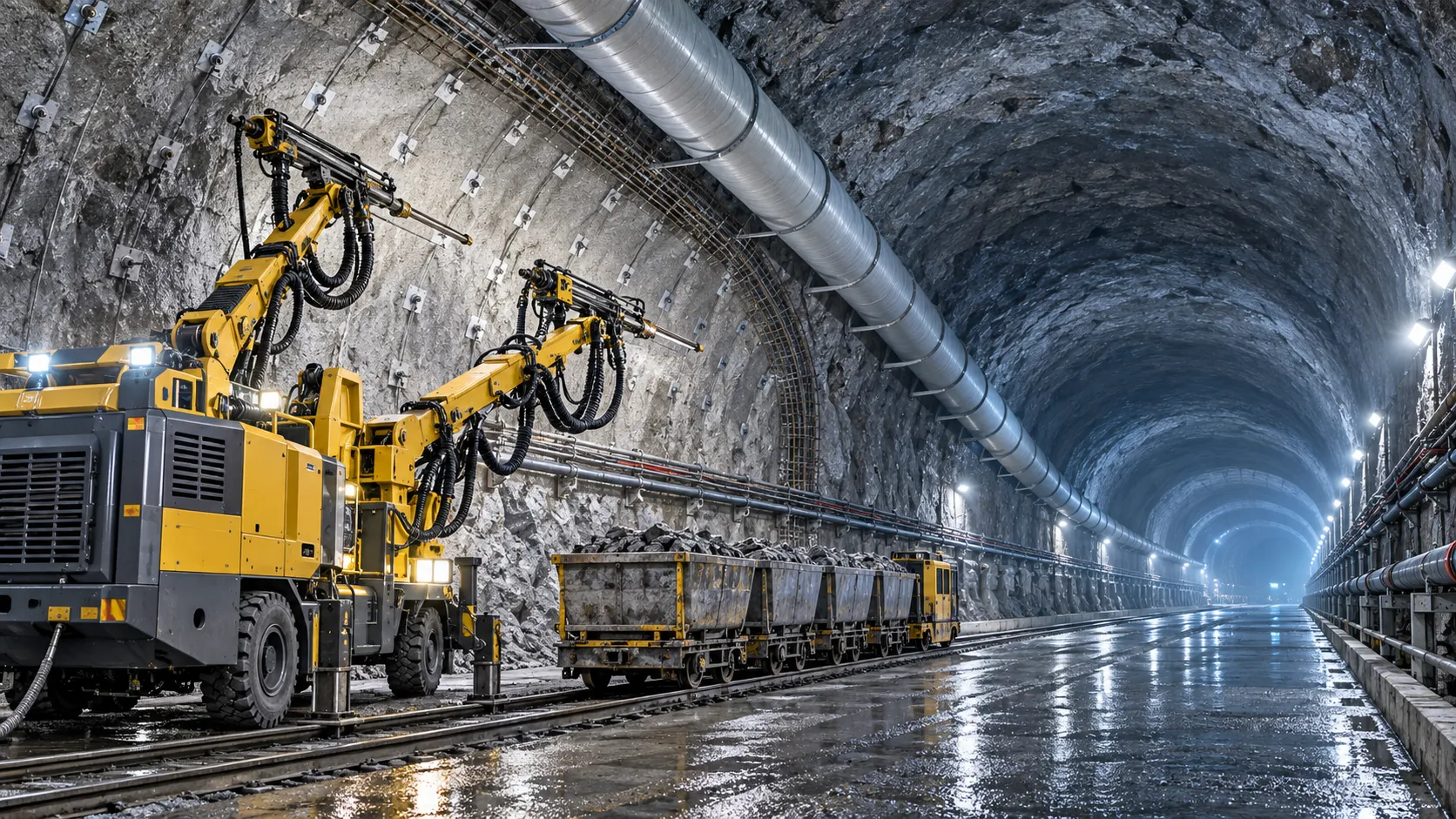
How to Evaluate European Drill-and-Blast Tunnelling Contractors for Complex Projects
Drill and blast tunnelling contractors Europe: learn how to assess geology expertise, blast control, equipment reliability, safety, and programme resilience for complex projects.
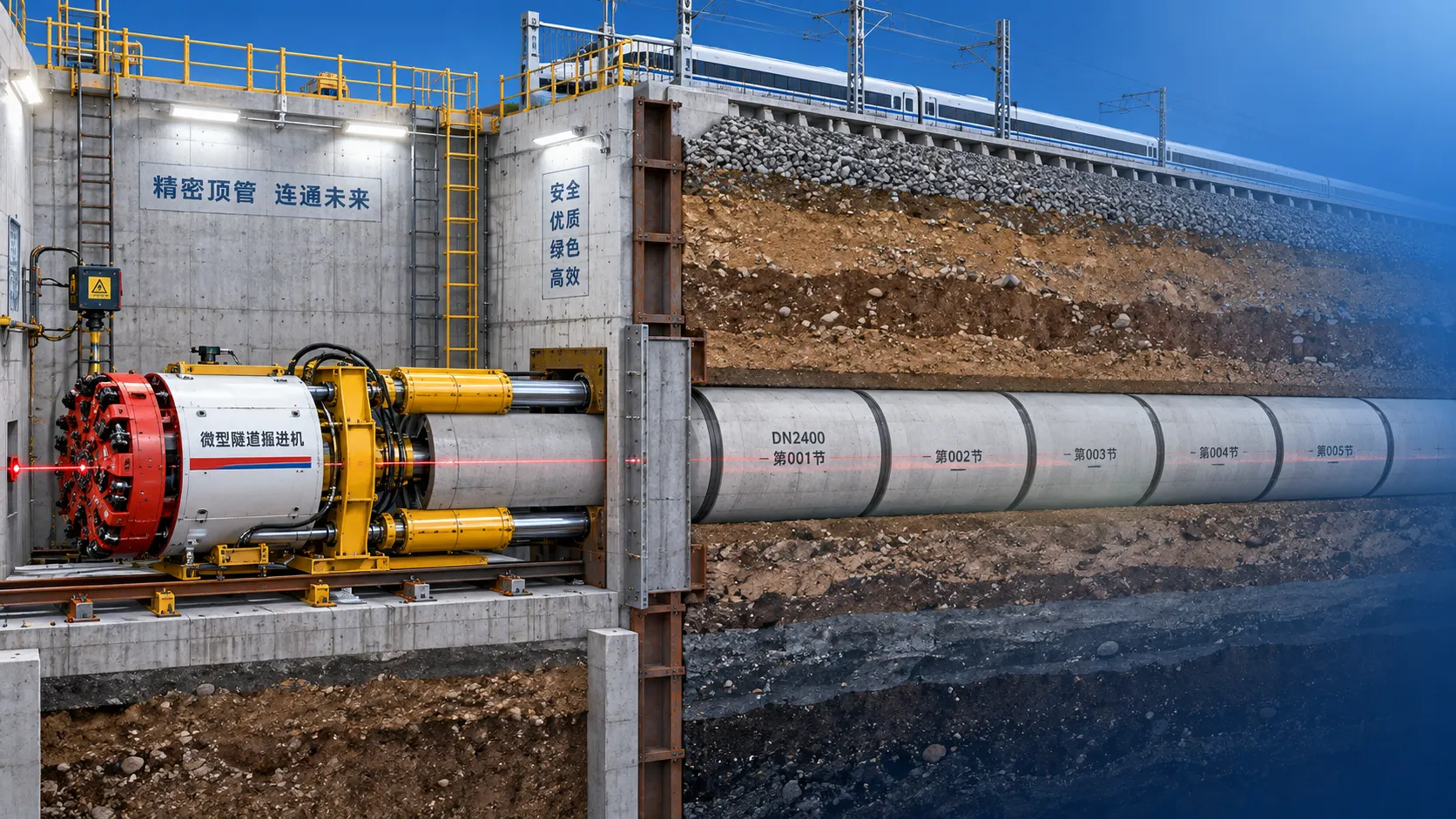
Which Trenchless Construction Technique Fits Your Utility Crossing Conditions?
Trenchless construction techniques compared for utility crossings: choose HDD, microtunnelling, pipe jacking, or auger boring based on ground, accuracy, access, and risk.
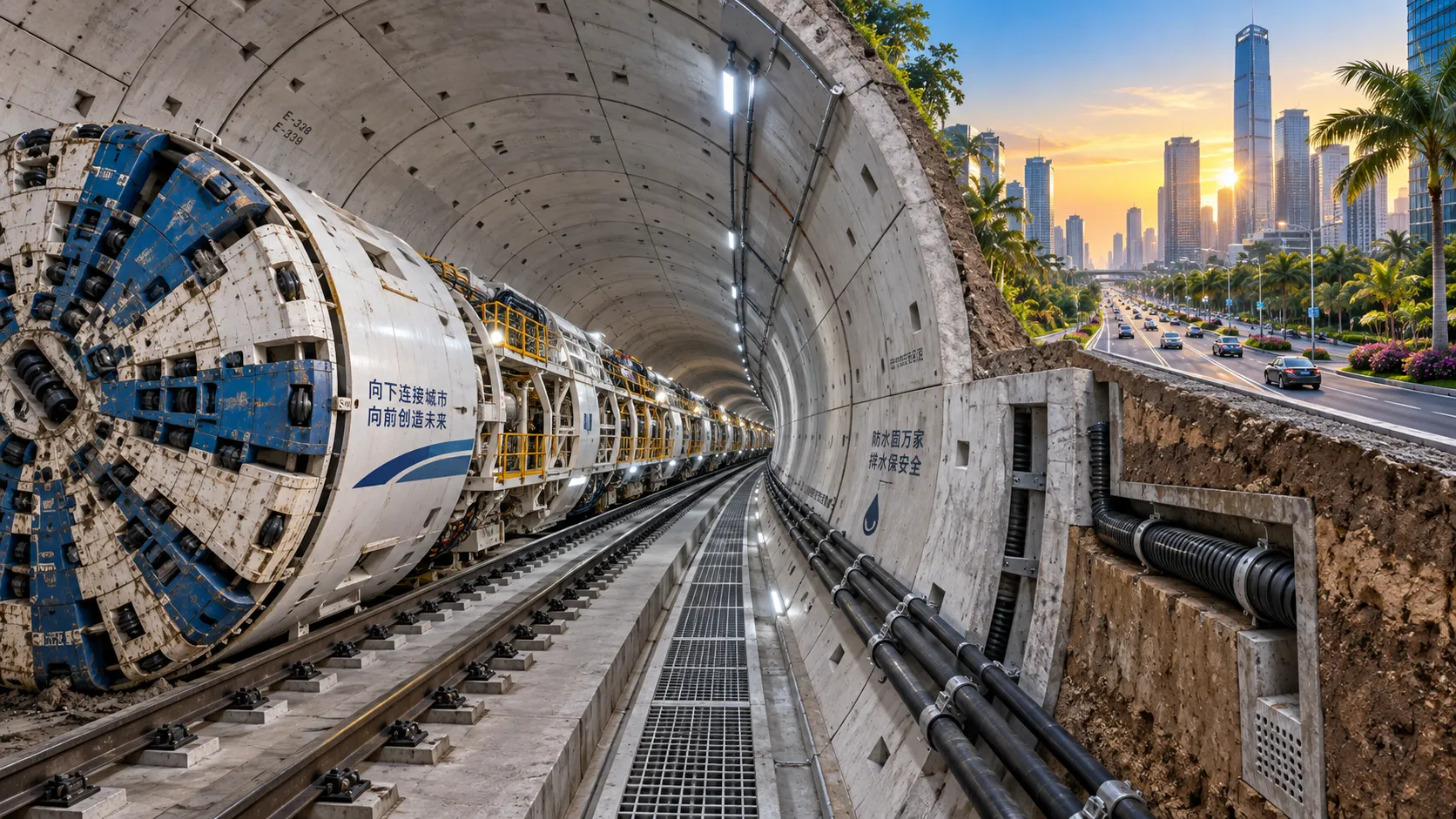
What Is Driving Metro Tunnelling Demand Across Southeast Asia’s Major Cities?
Metro tunnelling Southeast Asia is accelerating as major cities tackle congestion, flooding, and connectivity. Explore the market forces, technical risks, and opportunities shaping demand.
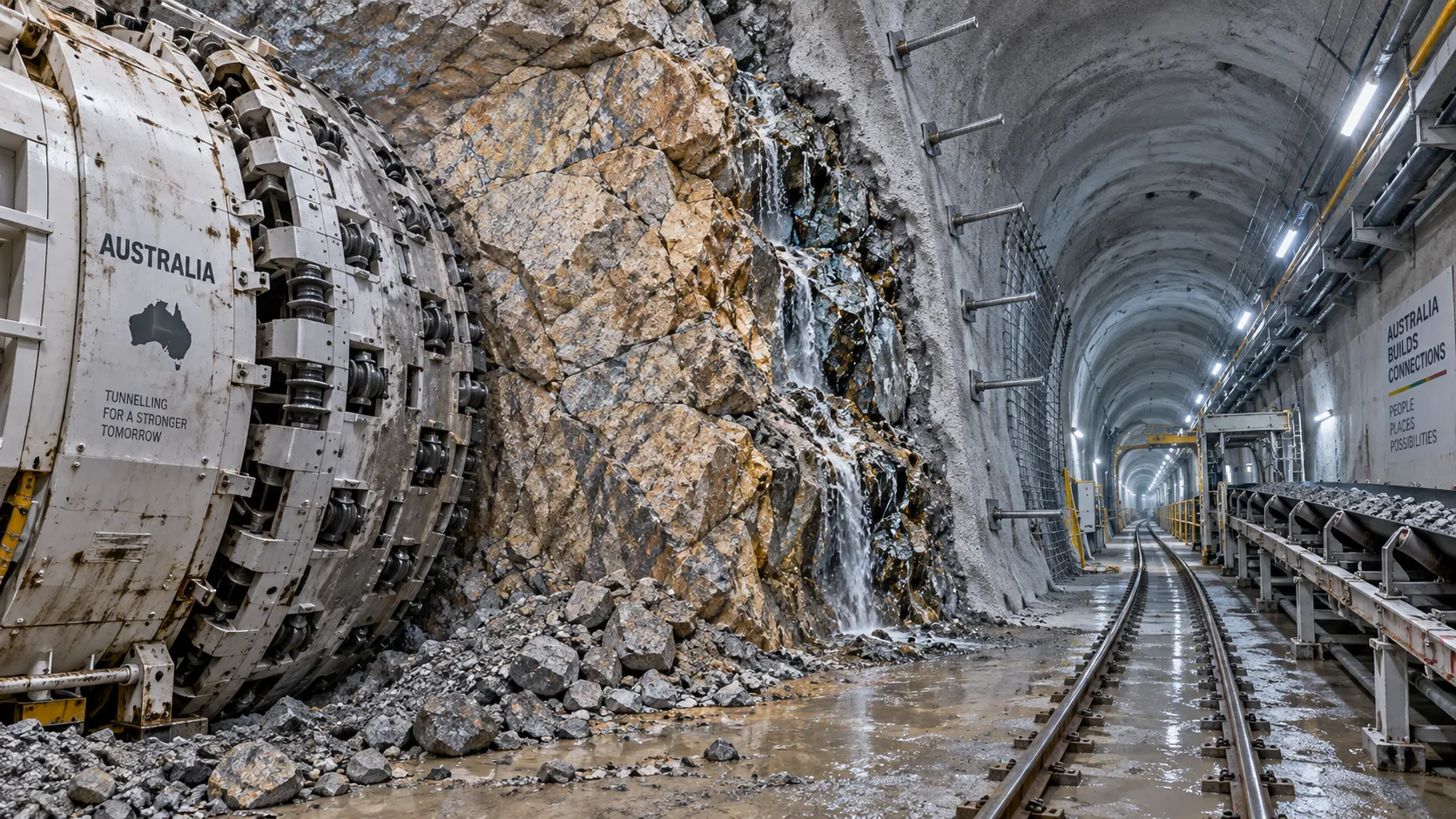
Hard Rock Tunnelling in Australia: Selecting Methods for Variable Ground Conditions
Hard rock tunnelling in Australia: compare TBM, drill-and-blast and hybrid methods to manage variable ground, reduce risk and protect project costs.
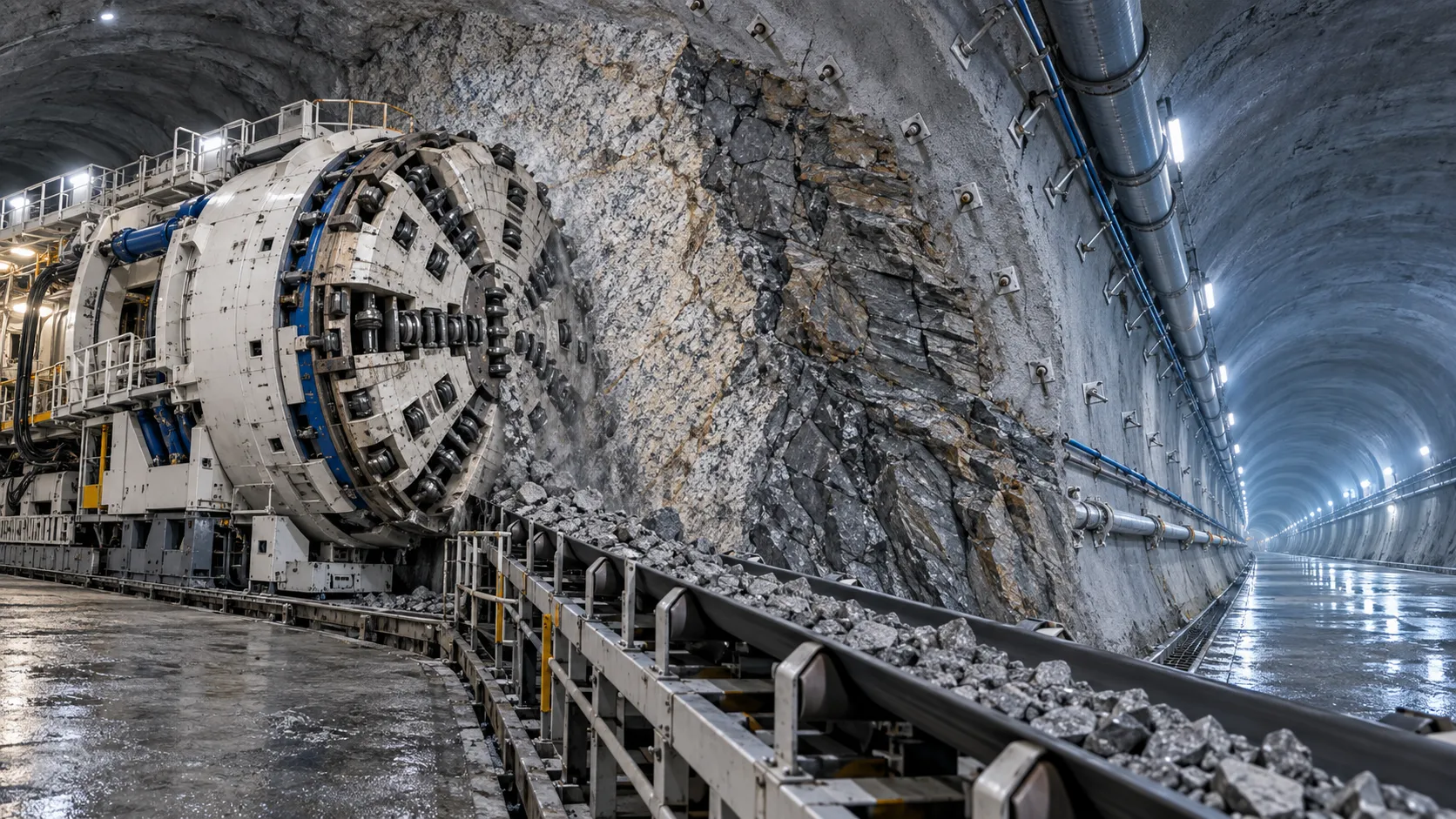
Hydropower Tunnel Excavation: Selecting Methods for Variable Rock Conditions
Hydropower tunnel excavation methods for variable rock conditions: compare TBM, drill-and-blast, and hybrid strategies to improve safety, progress, and project control.
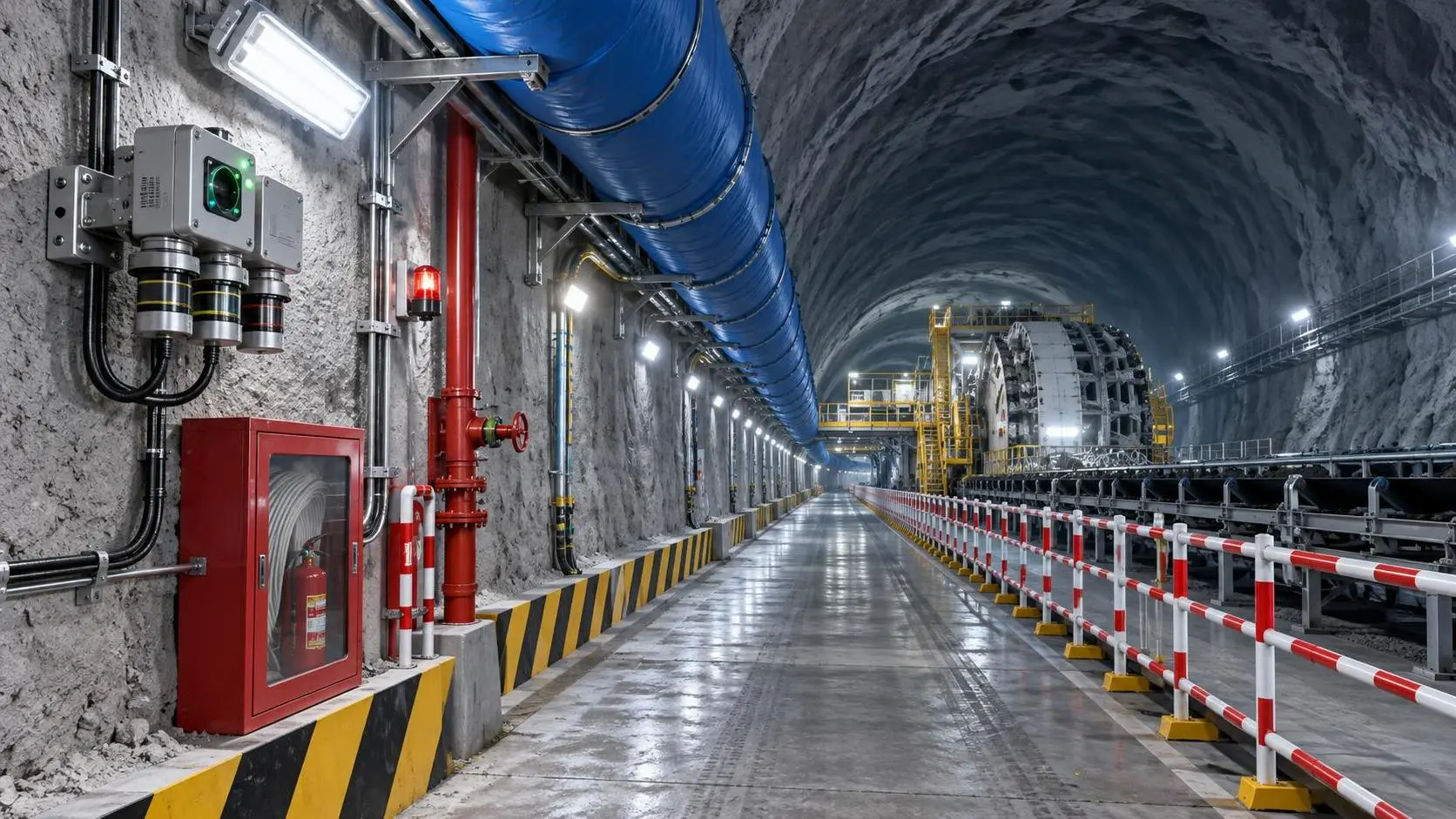
How to Select Underground Safety Equipment for Tunnelling by Hazard and Work Zone
Underground Safety Equipment for tunnelling: match protection to hazards, work zones, compliance, and emergency needs with this practical selection guide.
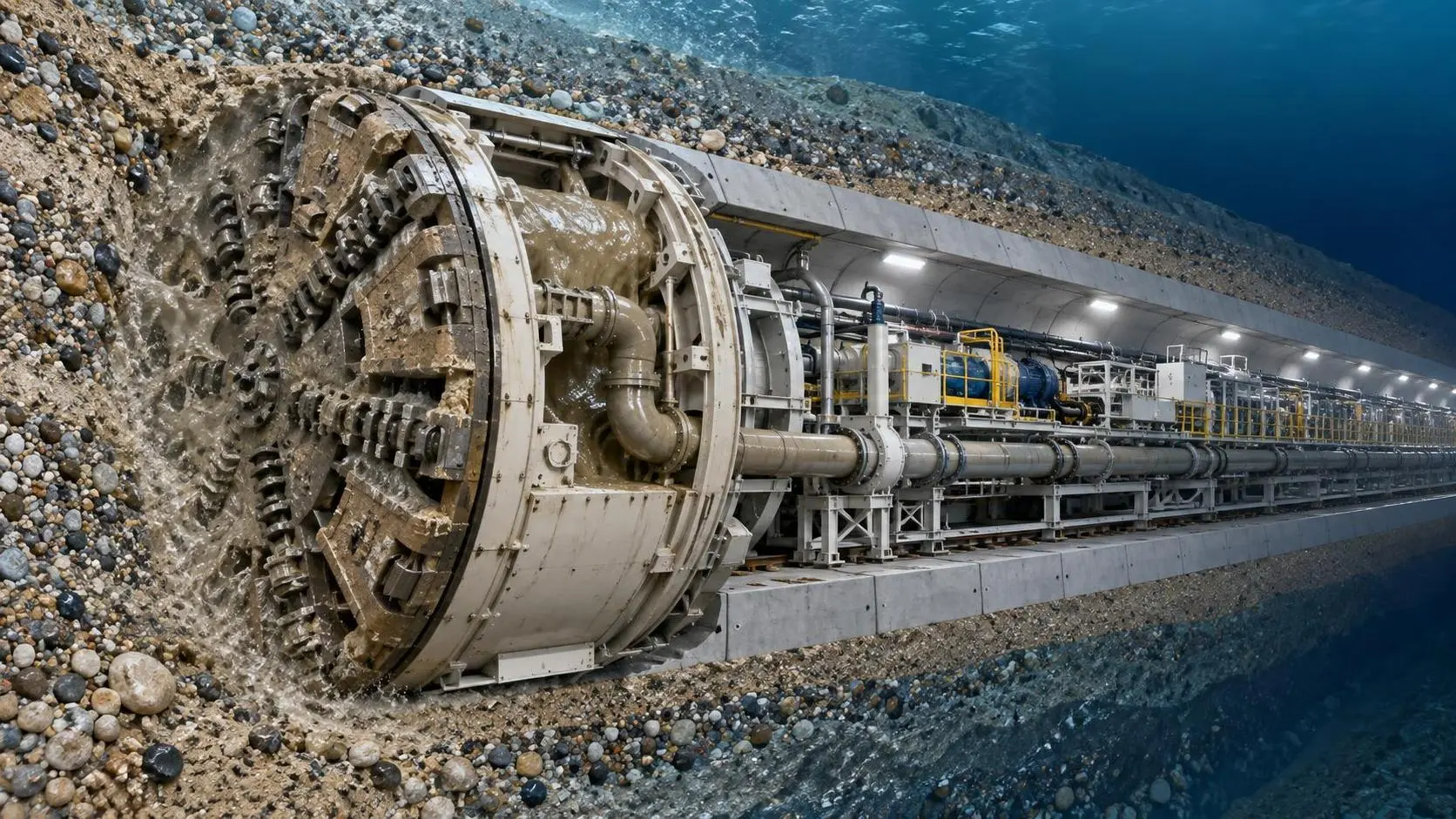
EPB or Slurry Shield? Selecting Soft-Ground Tunnelling Equipment by Soil Conditions
Tunnel Excavation Equipment for soft ground: compare EPB and slurry shields by soil, groundwater, settlement risk, and project logistics to choose confidently.
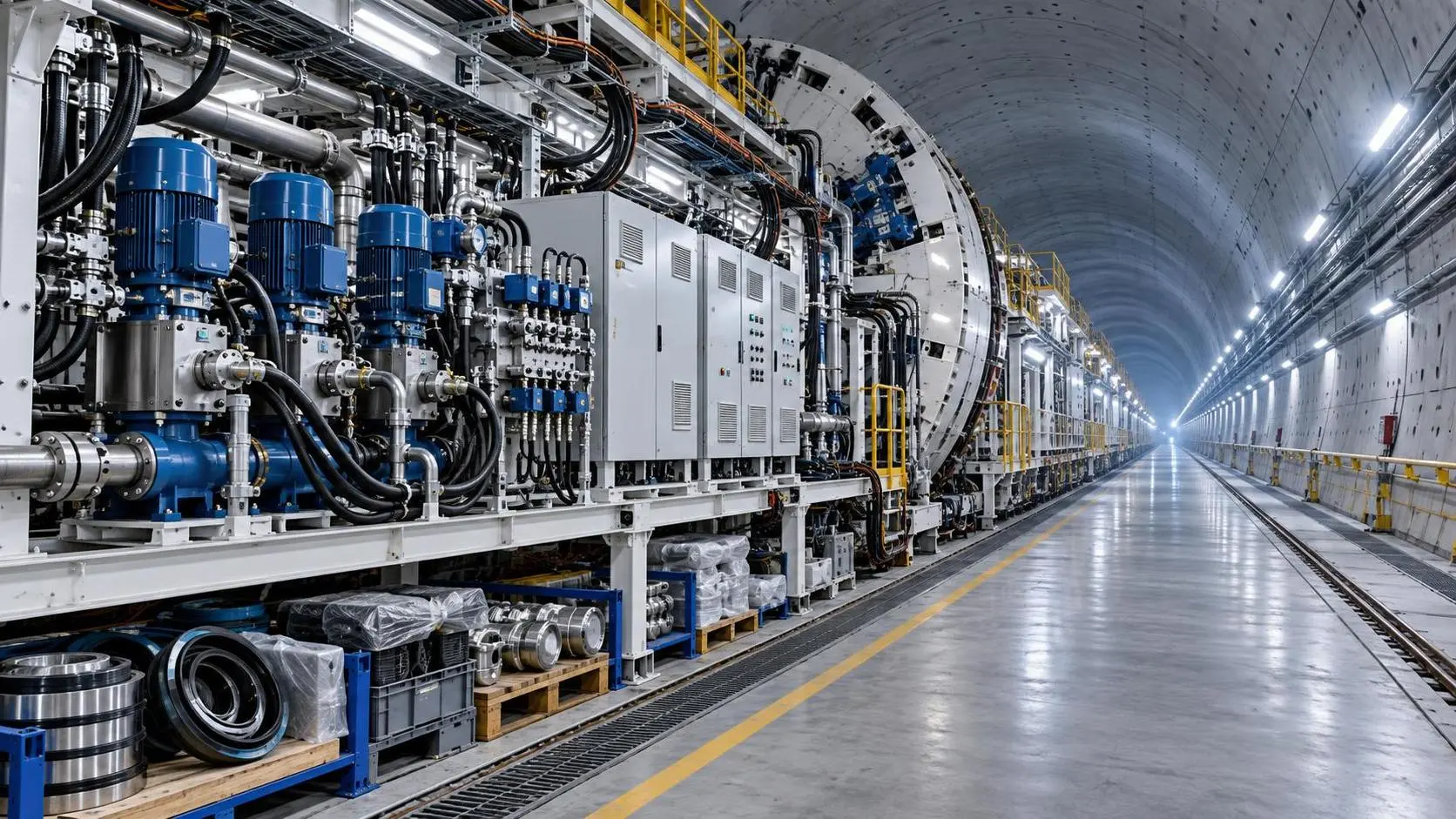
How to Specify TBM Backup System Parts for Reliable Long-Distance Tunnelling
TBM backup system parts: learn how to specify reliable spares for long-distance tunnelling, reduce downtime, ensure compatibility, and speed underground recovery.

How to Size Open Pit Mining Trucks for Haul Distance, Grade, and Payload?
Open Pit Mining Trucks: learn how to match payload, haul distance, grade, road resistance, and loading capacity for safer, lower-cost mine operations.
Related News
- 00
0000-00
How to Evaluate European Drill-and-Blast Tunnelling Contractors for Complex Projects - 00
0000-00
Which Trenchless Construction Technique Fits Your Utility Crossing Conditions? - 00
0000-00
What Is Driving Metro Tunnelling Demand Across Southeast Asia’s Major Cities? - 00
0000-00
Hard Rock Tunnelling in Australia: Selecting Methods for Variable Ground Conditions - 00
0000-00
Hydropower Tunnel Excavation: Selecting Methods for Variable Rock Conditions
Weekly Insights
Stay ahead with our curated technology reports delivered every Monday.