
CAC Mandates AI Content Labels for Short Videos





On May 13, 2026, the Cyberspace Administration of China (CAC) launched a mandatory labeling requirement for AI-generated content in short videos — a policy with immediate implications for Chinese industrial exporters, especially those relying on AI-enhanced marketing assets for overseas B2B engagement.
Event Overview
Effective May 13, 2026, the CAC requires all short video platforms and content producers operating in or targeting Chinese audiences to affix one of six standardized labels — including ‘AI-Generated Content’ — to any video containing synthetically rendered or AI-manipulated visual elements. The rule applies regardless of distribution channel: domestic platforms (e.g., Douyin), global platforms (e.g., YouTube, TikTok), or embedded video used in email campaigns, trade show portals, or OEM technical portals. Non-compliant videos are prohibited from publication; enforcement includes automated scanning and platform-level takedowns.
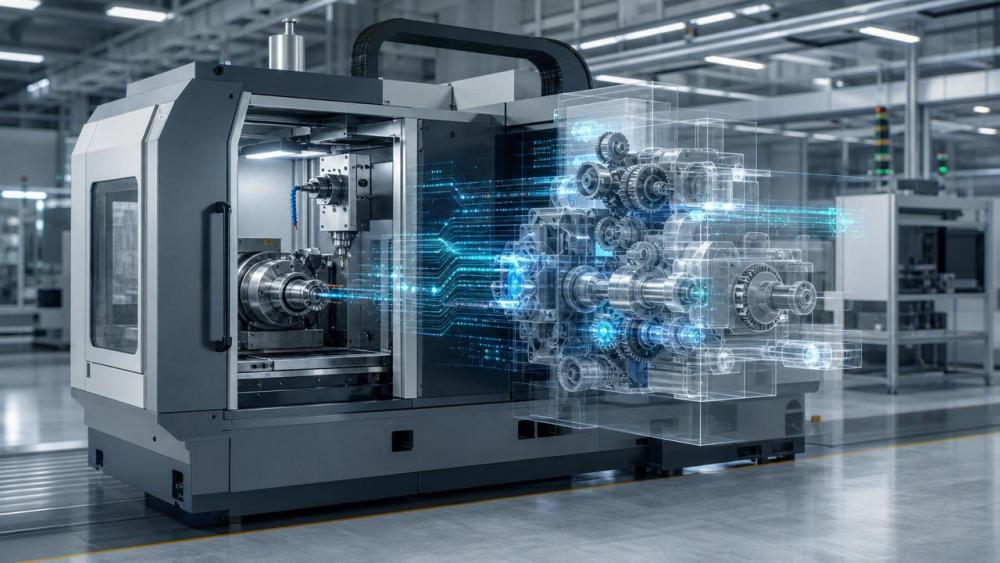
Industries Affected
Direct Trade Enterprises
Export-oriented machinery, construction equipment, and automation firms use AI-rendered videos for pre-show teasers, virtual product walkthroughs, and localized technical demos. Under the new rule, such assets — even when produced solely for overseas audiences — must carry CAC-compliant labels if created or edited by entities under Chinese jurisdiction or using Chinese-origin AI tools. This has triggered credibility concerns among procurement teams in the Middle East and Latin America, who interpret unlabeled AI visuals as potential misrepresentation — directly undermining technical proposal evaluations and lead qualification cycles.
Raw Material Procurement Enterprises
Enterprises sourcing steel, composites, or specialty alloys for downstream manufacturing often commission promotional videos to showcase material performance in simulated environments (e.g., stress testing, thermal cycling). As these simulations increasingly rely on AI-driven physics engines or generative rendering, procurement marketers now face dual compliance pressure: internal brand guidelines and external regulatory labeling. Unlabeled simulation footage risks being flagged during due diligence by international buyers, delaying supplier onboarding and contract finalization.
Manufacturing Enterprises
OEMs and Tier-1 industrial manufacturers producing heavy machinery, modular systems, or smart infrastructure components routinely deploy AI-generated ‘virtual site tours’, animated assembly sequences, or digital twin previews for client presentations. These assets are now subject to labeling if developed by Chinese creative studios or integrated into globally distributed marketing stacks. The requirement adds operational friction — particularly where legacy workflows lack metadata tagging capabilities — and may prompt re-evaluation of third-party video vendors’ compliance readiness.
Supply Chain Service Providers
Logistics integrators, trade compliance consultants, and digital marketing agencies supporting cross-border industrial clients must now embed CAC labeling verification into their service delivery. For example, agencies managing YouTube ad campaigns for Chinese excavator exporters must audit each asset’s provenance, rendering method, and label placement — adding a new layer of legal review before campaign launch. Failure to do so exposes both agency and client to reputational risk and potential platform-level restrictions.
Key Considerations and Recommended Actions
Verify AI Involvement Across the Full Production Stack
Labeling is triggered not only by full AI generation but also by AI-assisted editing (e.g., inpainting, temporal upscaling, synthetic lighting), even if source footage is real. Companies should map every step — from storyboard to export — to identify where AI tools intervene and whether labeling applies.
Adapt Metadata and Distribution Protocols
For videos published internationally, ensure CAC-mandated labels appear visibly within the first 3 seconds and remain legible at standard viewing resolutions. Where platform UI restricts overlay placement (e.g., TikTok’s full-screen mode), embed static labels in the video frame itself — not just in description fields — to meet enforcement criteria.
Document and Retain Provenance Records
Maintain auditable logs detailing AI tool versions, rendering parameters, and human oversight steps for each labeled video. Such documentation supports rapid response to buyer inquiries and serves as evidence in case of platform dispute or procurement audit.
Editorial Perspective / Industry Observation
Observably, this regulation marks a shift from voluntary transparency toward enforceable accountability in AI-augmented industrial communication. It does not ban AI use — rather, it treats labeling as a baseline condition for trustworthiness in technical sales contexts. Analysis shows that early adopters integrating labeling into standardized video production SOPs are reporting faster buyer feedback loops and fewer post-submission clarification requests. From an industry perspective, the rule functions less as a restriction and more as a calibration mechanism: aligning how technical credibility is signaled across digital touchpoints. Current evidence suggests multinational buyers value consistency over perfection — i.e., a clearly labeled but technically accurate AI demo is often preferred over an unlabeled, ambiguous one.
Conclusion
This policy signals a maturing phase in global industrial marketing: where AI fluency is no longer sufficient — responsible disclosure is becoming table stakes. For exporters, the implication is pragmatic: labeling compliance is not merely regulatory hygiene, but a tangible component of technical brand equity. A measured, process-integrated response will likely yield competitive advantage in markets increasingly sensitive to authenticity signals.
Source Attribution
Official notice issued by the Cyberspace Administration of China, May 13, 2026 (Document No. CAC-2026-05-01). Implementation guidance updated June 1, 2026, via the National Internet Emergency Response Coordination Center (CNCERT). Note: Enforcement scope regarding overseas-only distribution remains under clarification; ongoing monitoring advised.
Related News
What Drives TBM Excavation Cost in Urban Tunneling Projects?
tbm excavation cost in urban tunneling depends on geology, shafts, segment lining, logistics, and risk. Discover the key cost drivers and compare bids with greater confidence.
What Does Energy Metals Mining in Australia Mean for Supply, Cost, and Project Risk?
Energy metals mining Australia is reshaping supply, cost, and project risk. Discover what it means for buyers, investors, and operators.
EU Eases Dual CE and UKCA Path for Chinese Tunnel Boring Equipment
EU eases CE and UKCA certification for Chinese tunnel boring equipment, cutting compliance time and helping importers move faster.
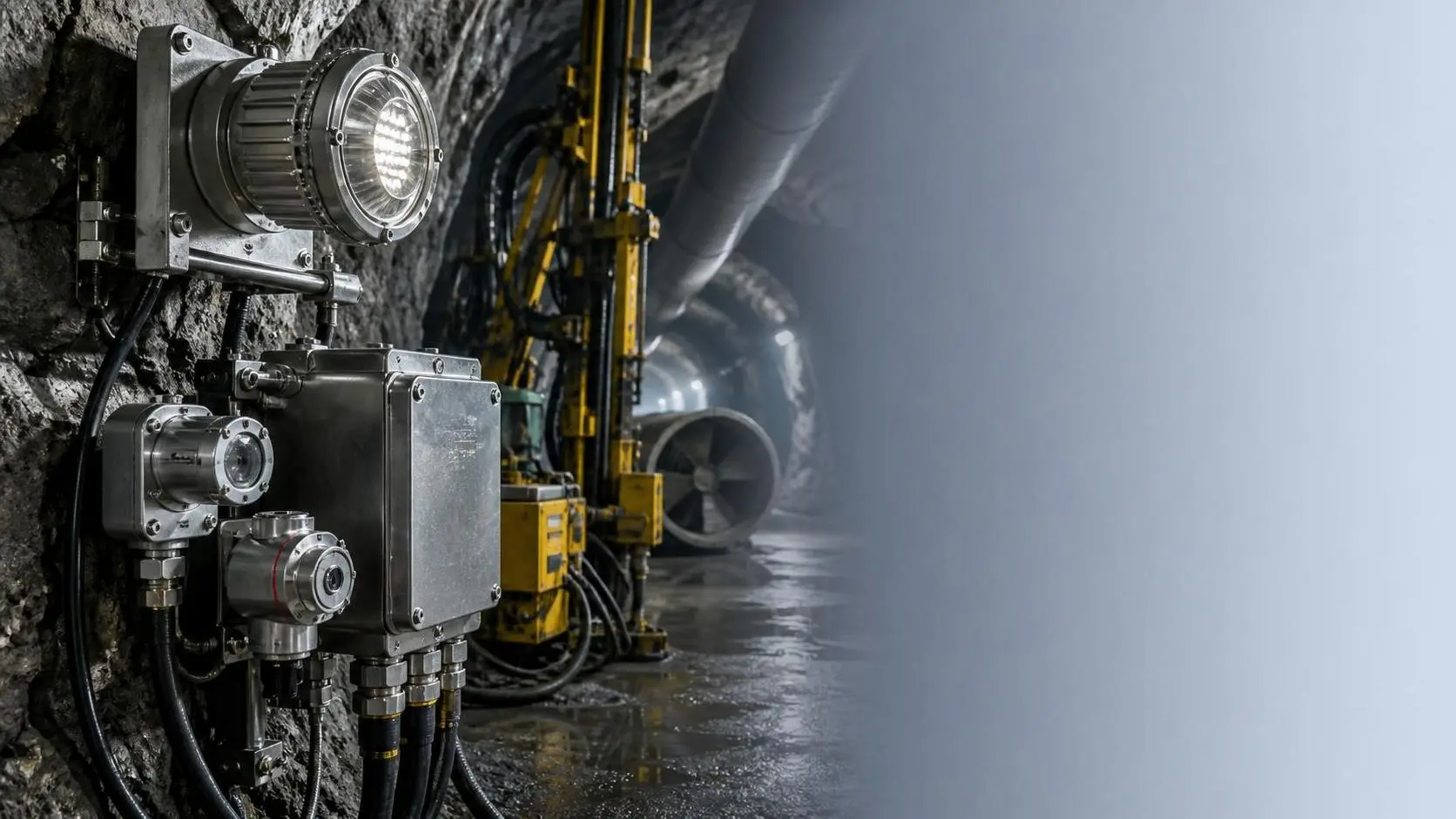
Flameproof Underground Safety Equipment: What Mine Teams Should Check Before Buying
Underground Safety Equipment flameproof buying guide: learn how mine teams should verify certification, durability, serviceability, and supplier support before purchase.
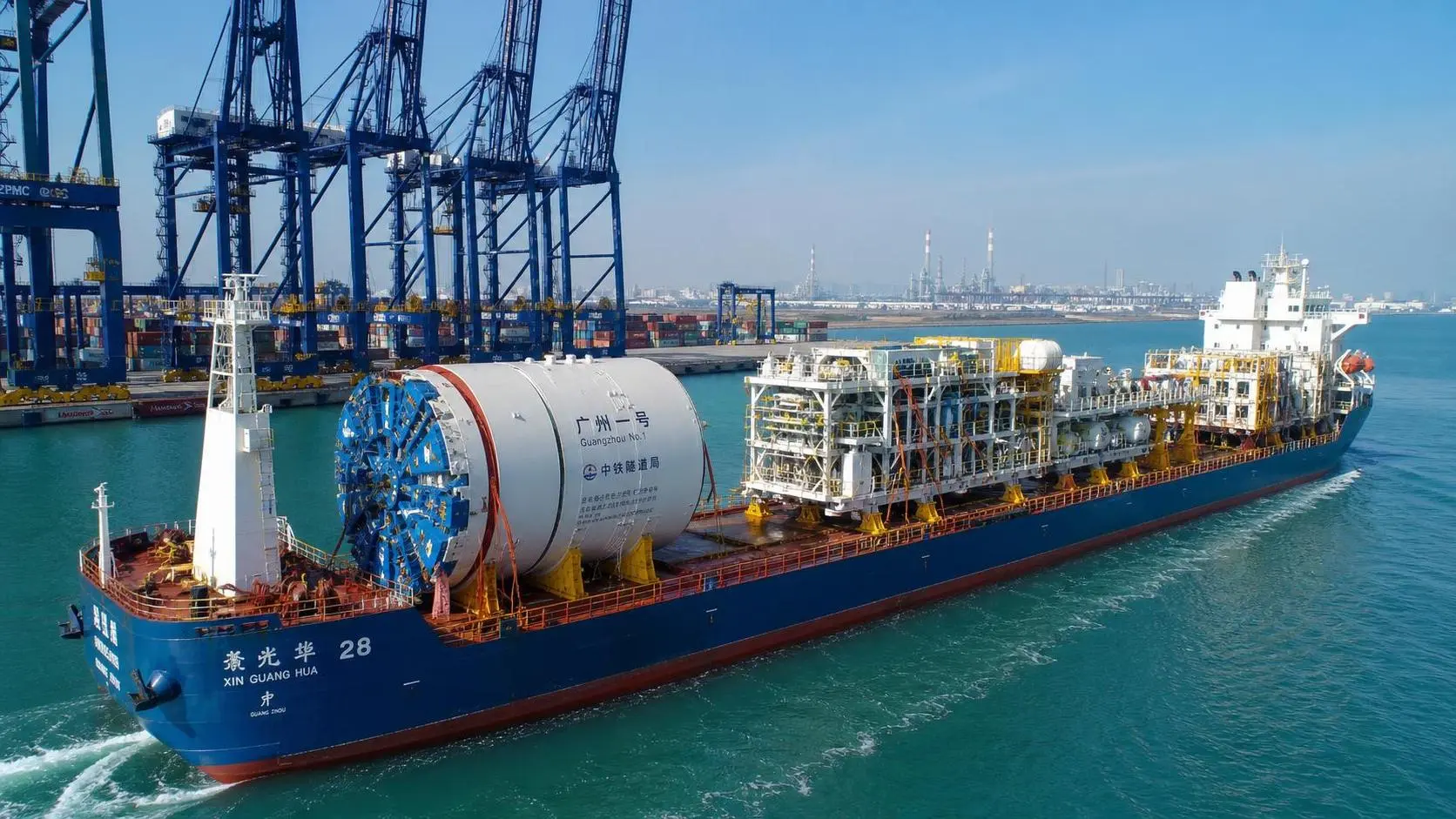
China-UAE Direct Sea Route Cuts TBM and Large Tunneling Equipment Lead Times
China-UAE direct sea route shortens TBM and large tunneling equipment lead times by 12–15 days, improving delivery predictability for major infrastructure projects. Read the full impact.
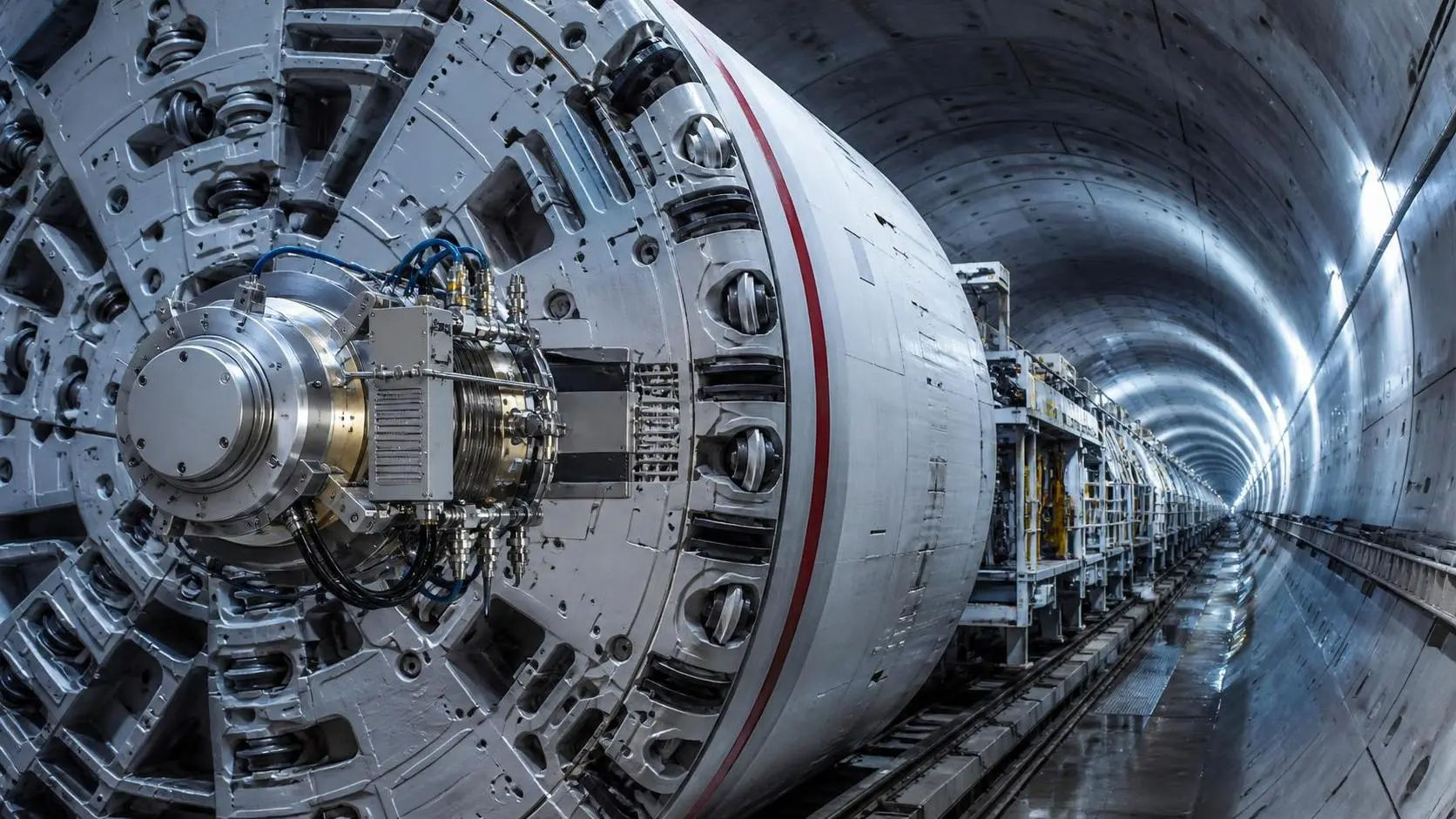
What Is a TBM Guidance System Gyroscope, and Why Does It Matter Underground?
TBM Guidance Systems gyroscope improves underground accuracy, reduces drift, and helps tunnel boring machines stay on line in harsh conditions.

China to Roll Out Nationwide Local and Foreign Currency Cash Pools for Multinationals on Sept. 14
China will roll out nationwide local and foreign currency cash pools for multinationals on Sept. 14, streamlining cross-border treasury management and boosting liquidity efficiency.
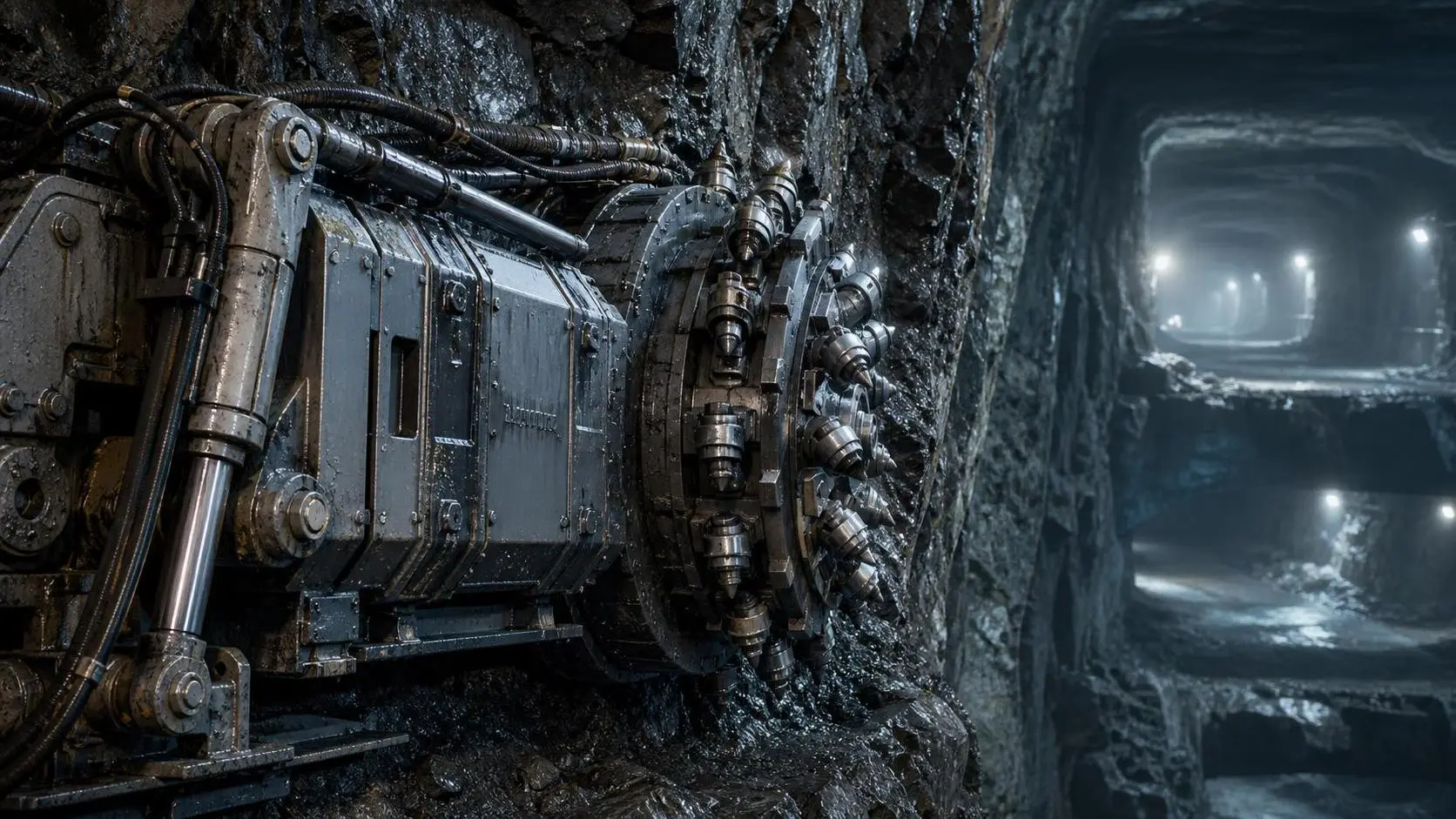
How to Choose a Reliable Underground Mining Equipment Supplier for Harsh Site Conditions
Find a reliable underground mining equipment supplier for harsh site conditions with rugged, maintainable solutions that boost uptime, reduce risk, and support long-term production.
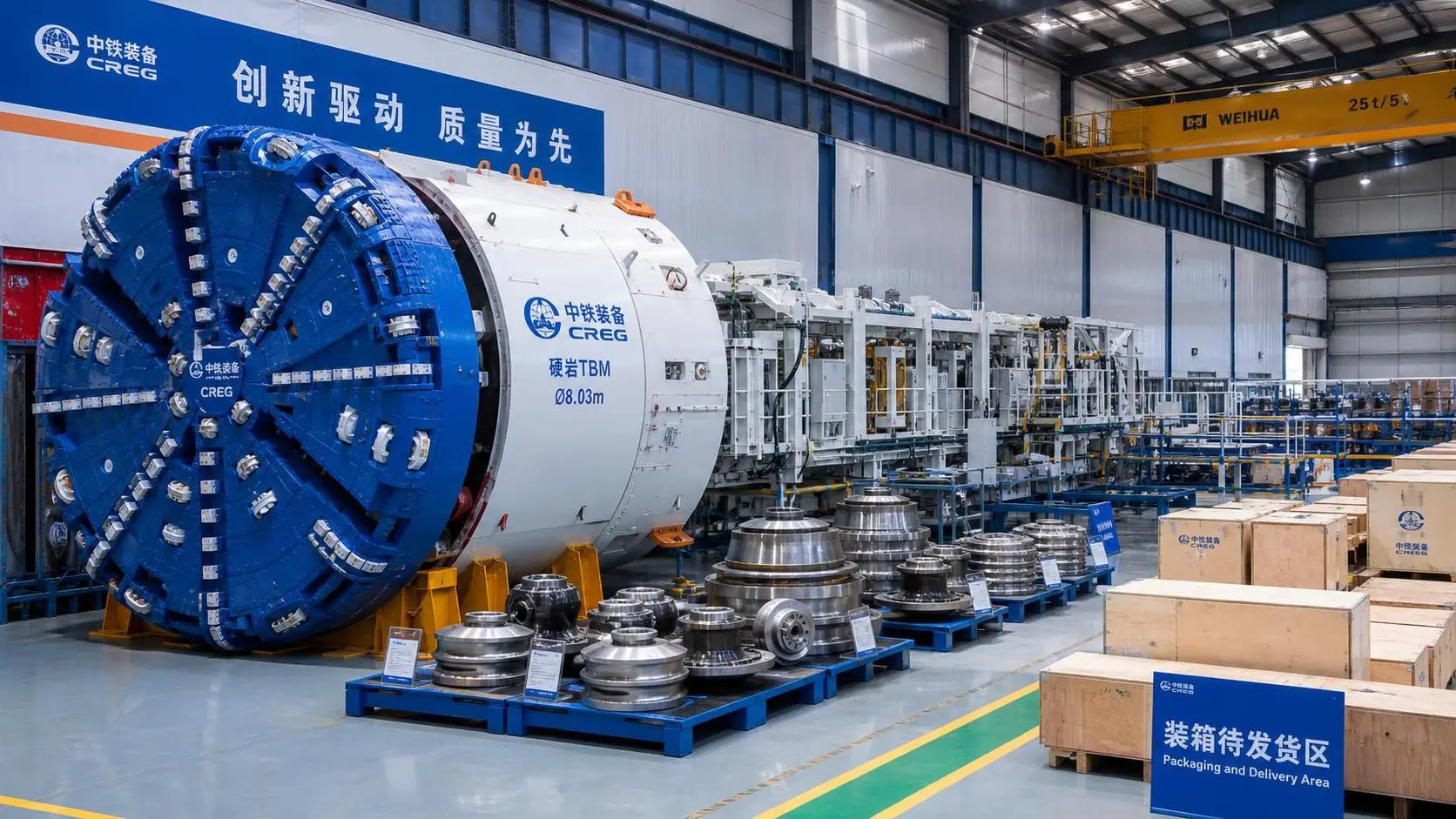
China Customs Tightens TBM Export Checks from Aug. 16
China Customs tightens TBM export checks from Aug. 16, 2026. Learn how new mandatory inspections may affect tunnelling equipment shipments, compliance, and delivery plans.
Related News
- 00
0000-00
What Drives TBM Excavation Cost in Urban Tunneling Projects? - 00
0000-00
What Does Energy Metals Mining in Australia Mean for Supply, Cost, and Project Risk? - 00
0000-00
EU Eases Dual CE and UKCA Path for Chinese Tunnel Boring Equipment - 00
0000-00
Flameproof Underground Safety Equipment: What Mine Teams Should Check Before Buying - 00
0000-00
China-UAE Direct Sea Route Cuts TBM and Large Tunneling Equipment Lead Times
Weekly Insights
Stay ahead with our curated technology reports delivered every Monday.