
Articulated Dump Trucks in Canada: What Buyers Should Compare on Spec, Support, and Climate Fit





Articulated Dump Trucks in Canada: What Buyers Should Compare on Spec, Support, and Climate Fit
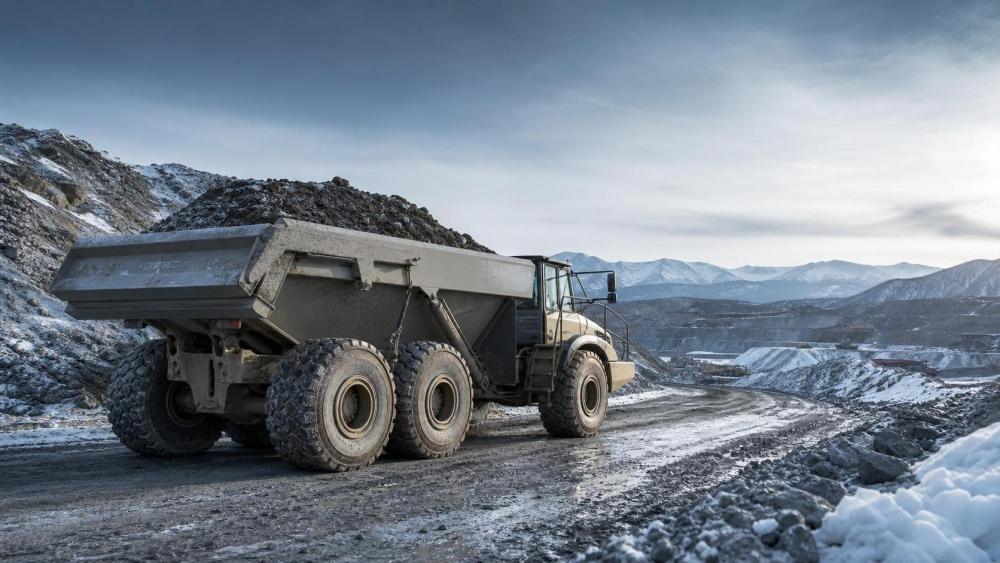
For teams comparing Articulated Dump Trucks in Canada, payload alone rarely decides long-term value.
A truck may look competitive on paper, yet struggle in muskeg, freeze-thaw cycles, or remote northern support conditions.
That is why a solid evaluation should balance machine specification, service reach, operating cost, and climate readiness.
In practical buying decisions, the best fit is usually the truck that stays productive when weather, terrain, and logistics turn difficult.
This guide breaks down what to compare before selecting Articulated Dump Trucks in Canada for construction, aggregates, energy, and mine support work.
Start with the job profile, not the brochure
The first step is defining the actual haul environment.
Articulated Dump Trucks in Canada often work across mixed surfaces, steep grades, snow, mud, blasted rock, and soft seasonal ground.
A machine that performs well on a quarry road may not deliver the same cycle times on pipeline access roads or remote dam sites.
Before comparing brands, define a few core conditions:
- Average haul distance and road quality
- Material type, density, and moisture variation
- Annual operating window and winter exposure
- Maximum grade, rolling resistance, and turning space
- Fueling, maintenance, and technician access
This sounds basic, but it often reveals whether a higher payload unit truly improves productivity or simply adds ground pressure and fuel burn.
Compare the specs that actually affect output
When reviewing Articulated Dump Trucks in Canada, focus on usable performance rather than headline numbers.
Payload matters, but it should be matched with body volume, heaped capacity, and material density.
An oversized body can create underloaded cycles with dense rock, while an undersized body limits lighter overburden movement.
Key machine points to review
- Rated payload versus target material density
- Engine power and torque curve under load
- Transmission behavior on grades and in low-speed haul cycles
- Retarder and braking performance on long descents
- Empty and loaded travel speed in rough conditions
- Turning radius and articulation response on narrow roads
- Tire size options and ground contact footprint
A useful comparison method is to estimate tonnes moved per hour, not just tonnes per trip.
That approach usually exposes whether a larger truck is genuinely more efficient on the intended route.
Stability and frame durability matter more in Canada
Canadian sites often combine uneven ground with hidden frost effects and waterlogged shoulders.
That makes suspension design, axle strength, and frame durability more than technical details.
Look closely at oscillation, weight distribution, and dump stability on side slopes.
In real operations, these factors shape safety, tire life, and daily confidence for operators.
Cold-weather fit should be a buying requirement
One of the biggest mistakes in sourcing Articulated Dump Trucks in Canada is treating winterization as an optional add-on.
From recent market changes, a clearer signal is that uptime in cold weather now carries direct cost pressure.
Idle time, difficult starts, slow hydraulic response, and frozen service points can destroy shift efficiency.
What climate readiness should include
- Cold-start package and block heater options
- Battery performance in low temperatures
- Hydraulic oil and coolant management
- Cab heating, defrosting, and visibility support
- Traction control for snow, ice, and wet haul roads
- Sealing and corrosion resistance against salt and slush
Ask suppliers for documented performance in provinces or regions with similar operating conditions.
Field references in Alberta, British Columbia, Quebec, or Northern Ontario usually say more than polished marketing claims.
Dealer support often decides the real value
For Articulated Dump Trucks in Canada, support coverage can outweigh a small purchase price advantage.
A lower upfront quote means little if parts lead times stop production during peak season.
This is even more important on remote projects where outside service access is slow and expensive.
Questions worth asking every dealer
- What is the average response time for field technicians?
- Which fast-moving parts are stocked locally?
- How are major components handled under warranty?
- Is remote diagnostics available for fault finding?
- Can planned maintenance be aligned with shift schedules?
- Are operator and technician training packages included?
A strong support network lowers risk in ways that spreadsheets often miss.
It protects uptime, stabilizes repair planning, and reduces dependence on emergency freight for critical parts.
Look beyond price to total operating cost
A practical selection process for Articulated Dump Trucks in Canada should compare lifecycle cost, not just acquisition cost.
This is where several similar machines begin to separate.
If two trucks have similar capacity, the better choice may be the one with easier servicing and more predictable tire performance.
That matters even more when fuel and labor costs remain volatile.
Telematics, safety, and operator fit are no longer secondary
Modern Articulated Dump Trucks in Canada are increasingly judged by data visibility and operator support features.
This also means the buying decision should include fleet management compatibility and safety performance.
Look for telematics that track idle time, payload trends, fault codes, fuel use, and location.
Those data points help managers improve cycle discipline and detect maintenance issues earlier.
Safety and usability items worth checking
- Cab visibility in snow, dust, and low light
- Camera systems and proximity awareness
- Safe access for maintenance in icy conditions
- Operator comfort over long shifts
- Simple controls that reduce training time
A truck that operators trust usually delivers better consistency, fewer incidents, and lower abuse-related maintenance.
A simple evaluation framework for final selection
When narrowing options for Articulated Dump Trucks in Canada, use a weighted scorecard.
Keep the framework practical and tied to site realities.
- Define the haul profile and seasonal conditions.
- Shortlist trucks that match payload and terrain needs.
- Score climate readiness and winter support features.
- Compare dealer reach, parts stock, and service commitments.
- Estimate total cost using fuel, tires, service, and resale.
- Request field references from similar Canadian applications.
- Run a trial or demonstration where possible.
That final step is especially important.
A demonstration often reveals visibility issues, traction behavior, or loading compatibility that brochures will never show.
Final takeaway
The strongest buying decisions for Articulated Dump Trucks in Canada come from matching machine capability to actual site conditions.
Spec sheets should open the discussion, not finish it.
In day-to-day operations, reliable support, winter performance, service access, and predictable operating cost usually drive the better long-term result.
If the comparison process stays grounded in productivity, uptime, and climate fit, the final selection is far more likely to hold value across Canada’s toughest working environments.
Related News
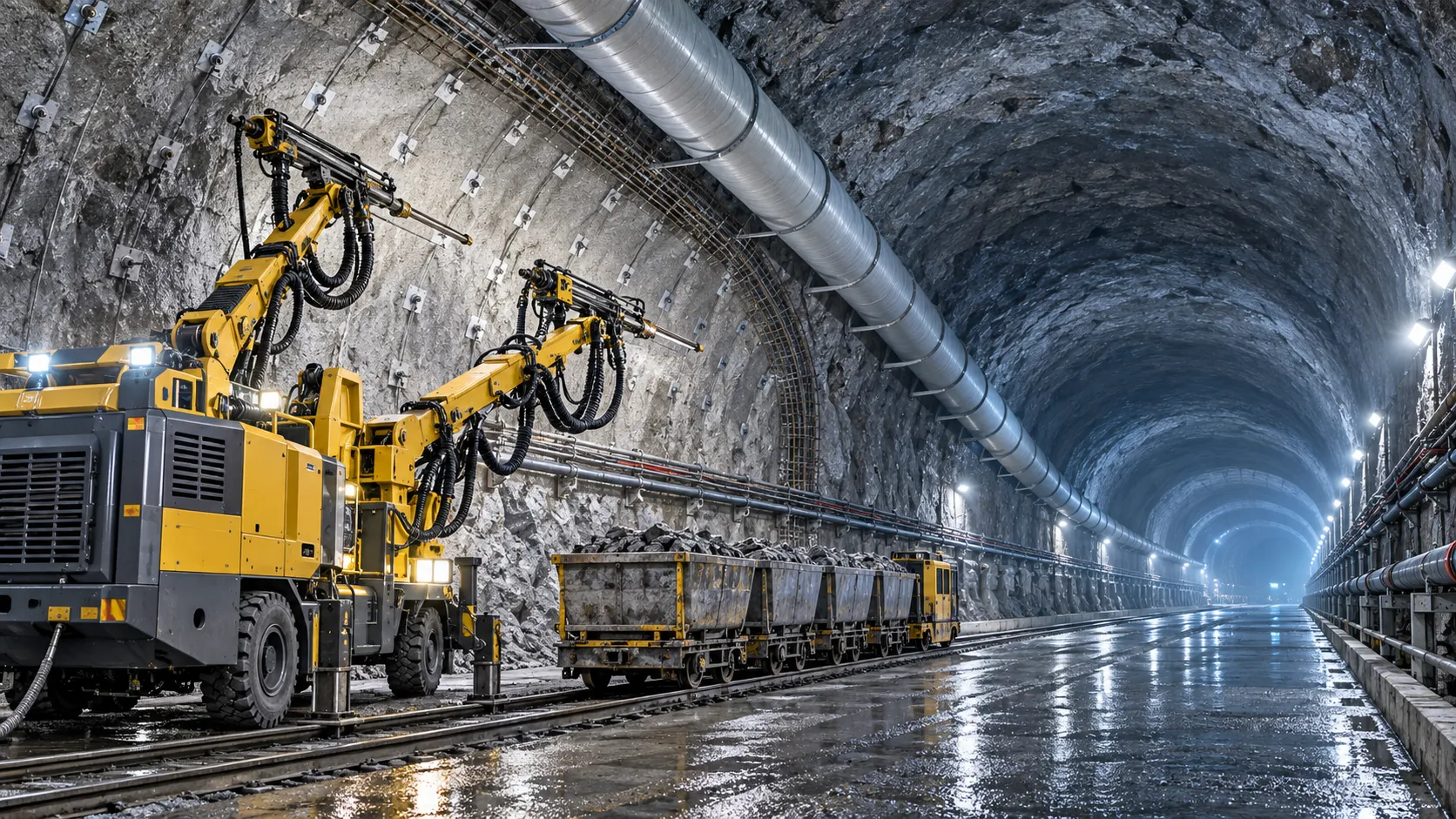
How to Evaluate European Drill-and-Blast Tunnelling Contractors for Complex Projects
Drill and blast tunnelling contractors Europe: learn how to assess geology expertise, blast control, equipment reliability, safety, and programme resilience for complex projects.
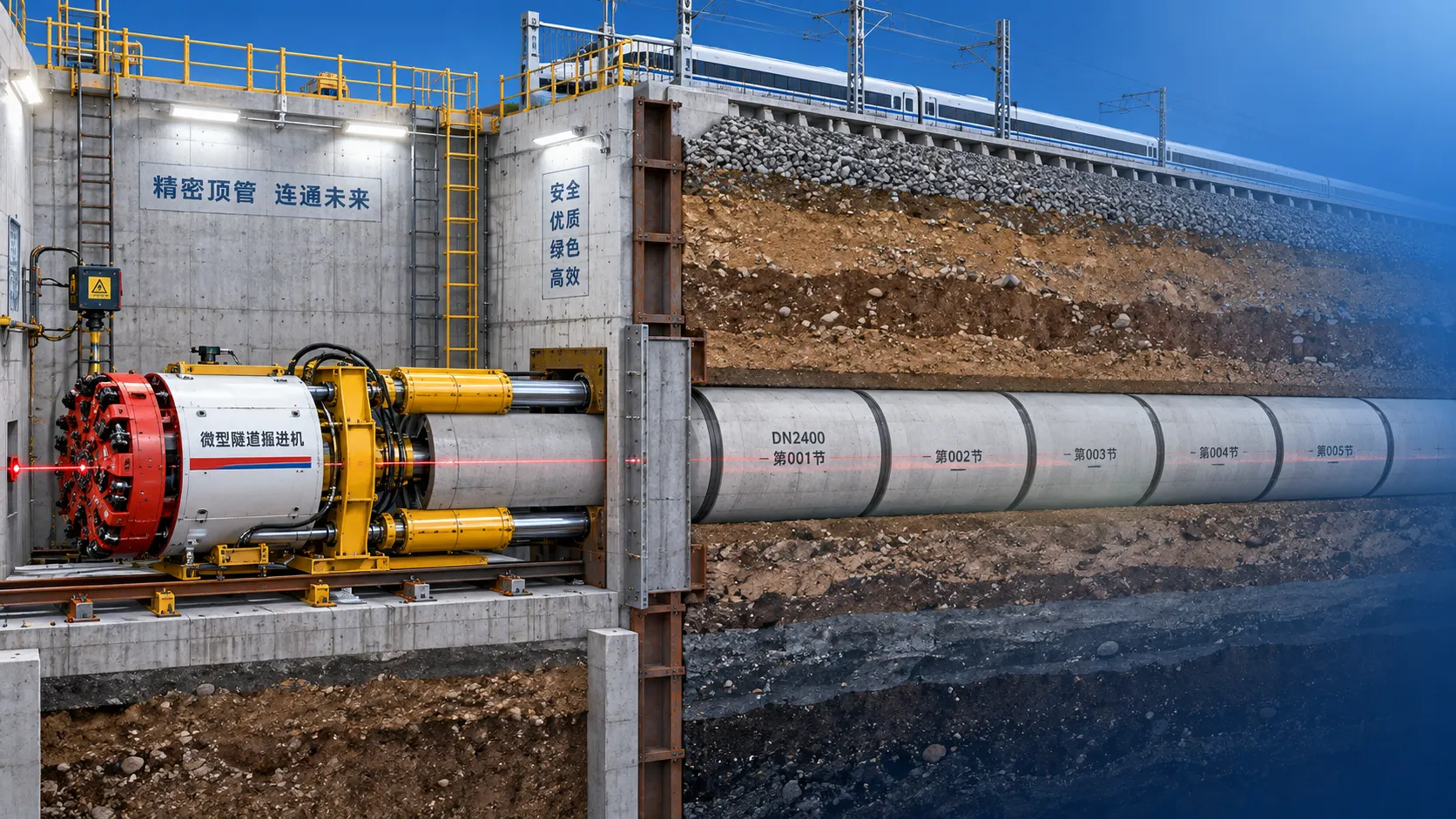
Which Trenchless Construction Technique Fits Your Utility Crossing Conditions?
Trenchless construction techniques compared for utility crossings: choose HDD, microtunnelling, pipe jacking, or auger boring based on ground, accuracy, access, and risk.
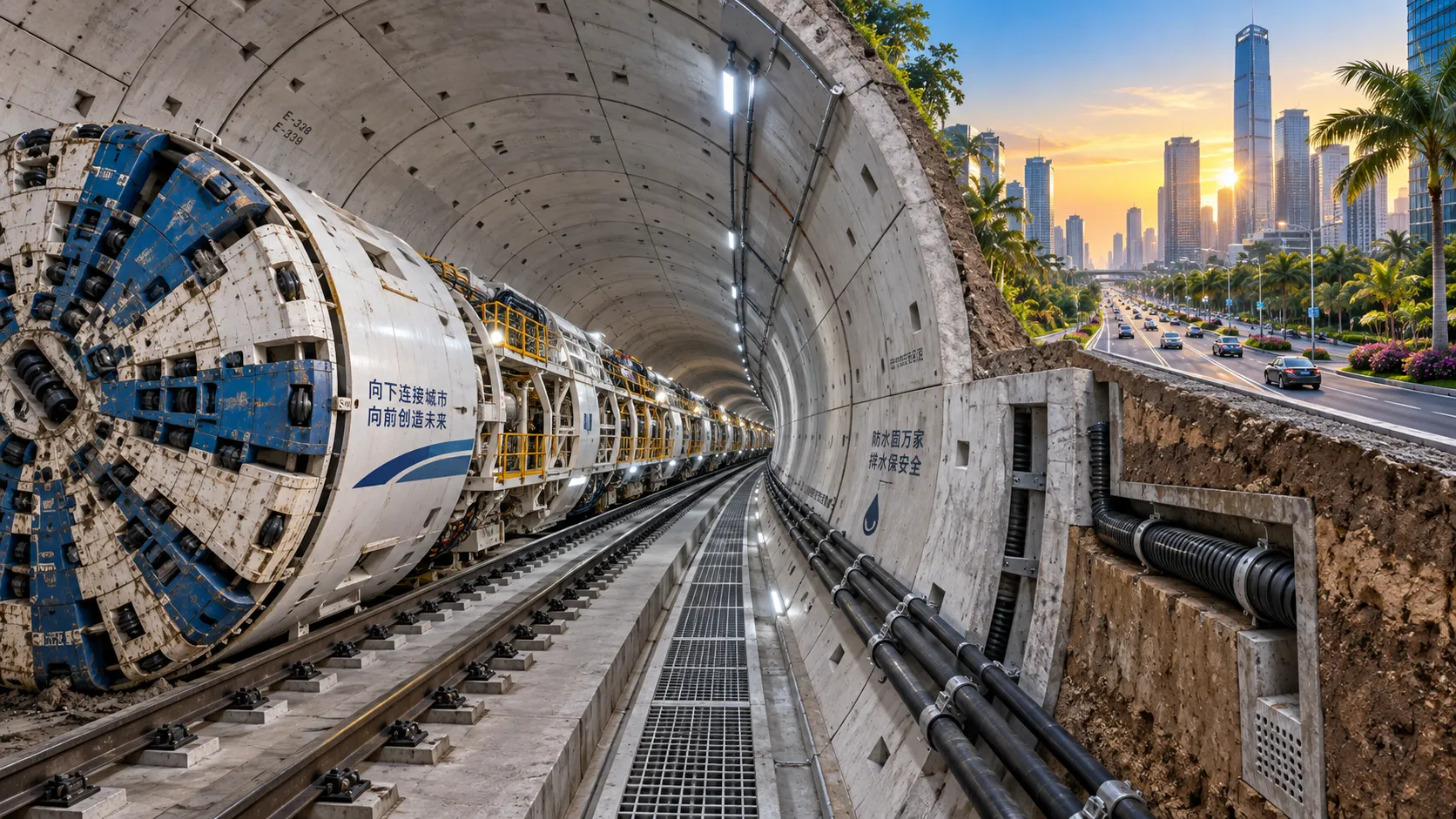
What Is Driving Metro Tunnelling Demand Across Southeast Asia’s Major Cities?
Metro tunnelling Southeast Asia is accelerating as major cities tackle congestion, flooding, and connectivity. Explore the market forces, technical risks, and opportunities shaping demand.
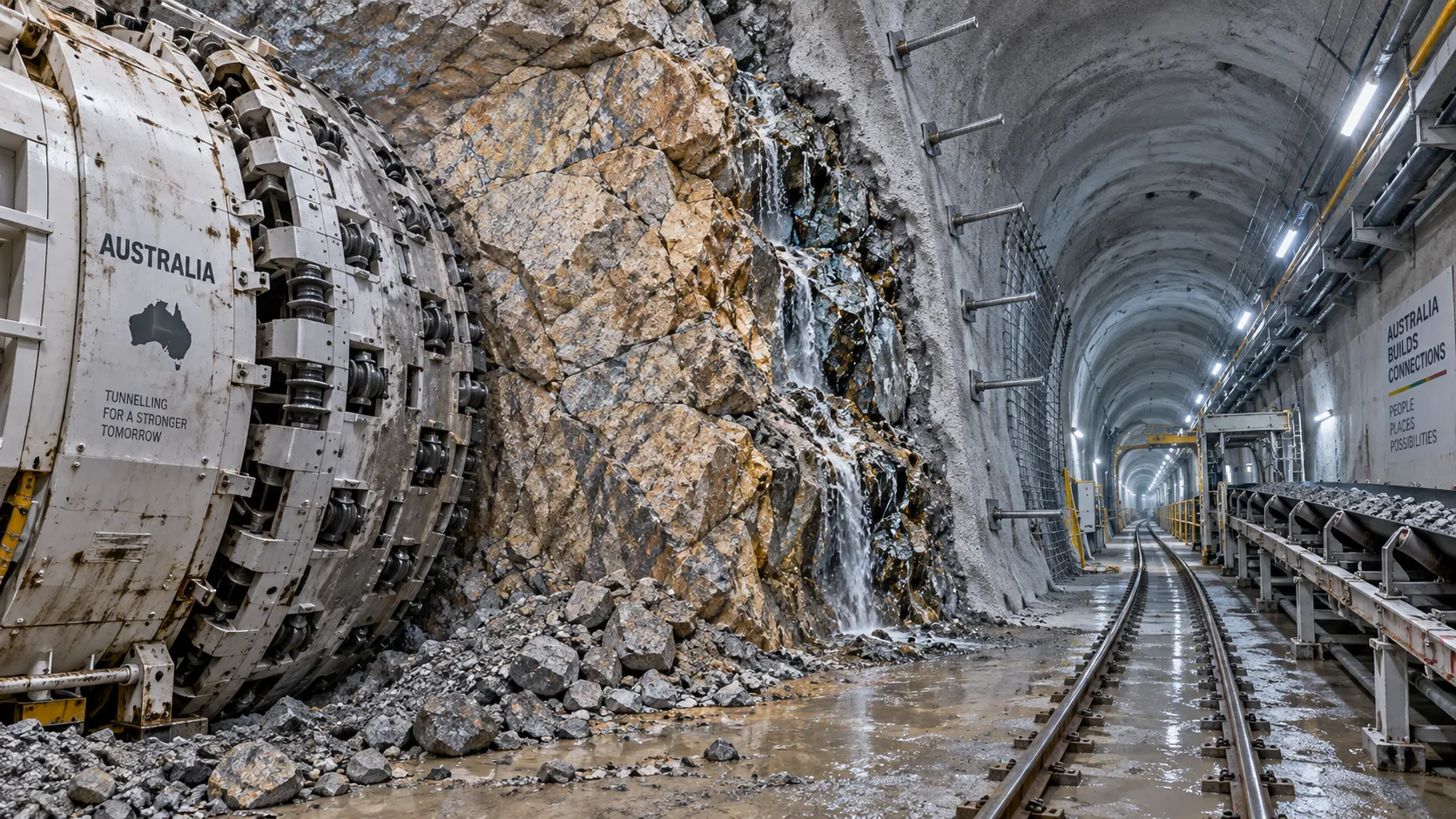
Hard Rock Tunnelling in Australia: Selecting Methods for Variable Ground Conditions
Hard rock tunnelling in Australia: compare TBM, drill-and-blast and hybrid methods to manage variable ground, reduce risk and protect project costs.
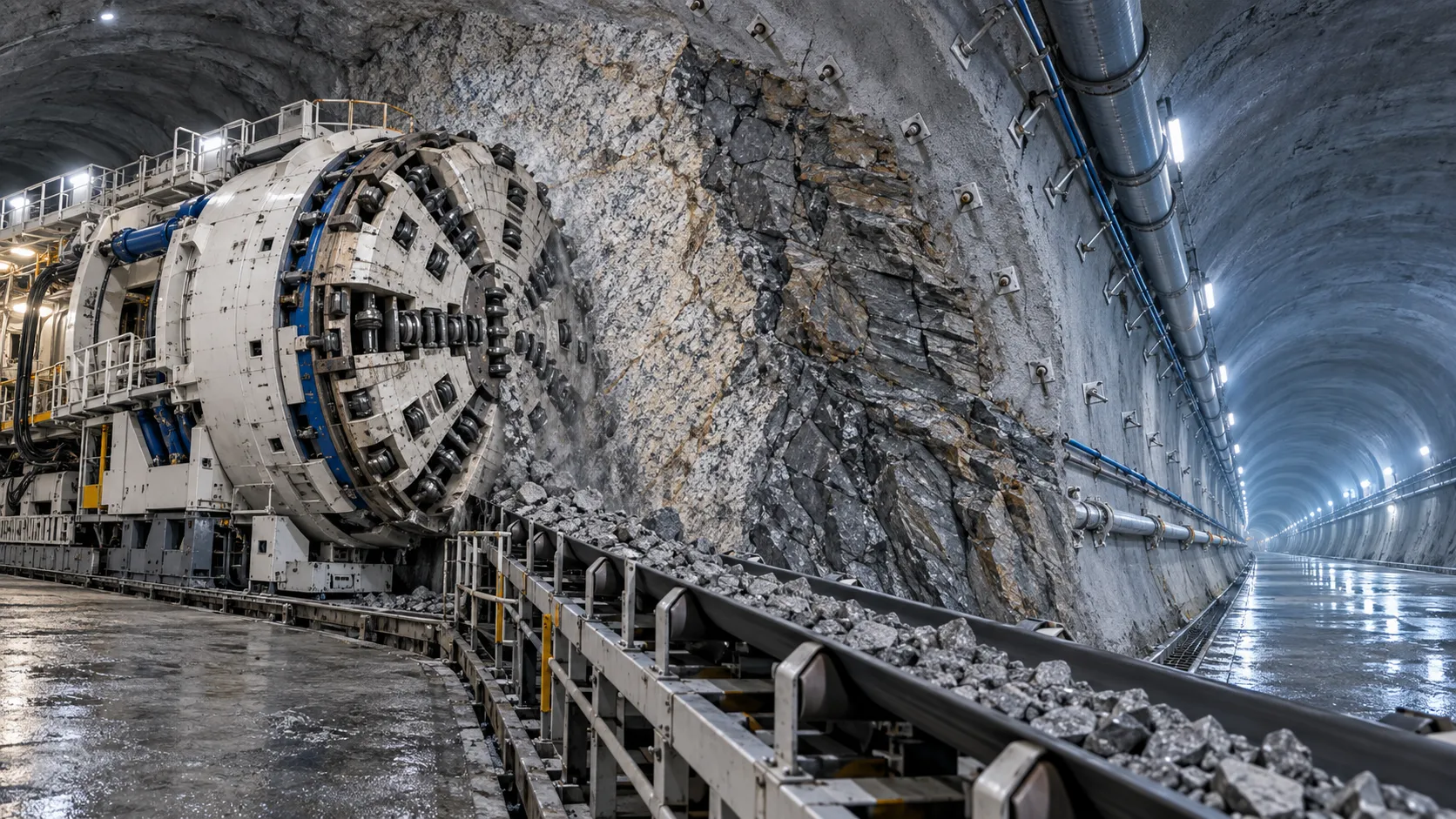
Hydropower Tunnel Excavation: Selecting Methods for Variable Rock Conditions
Hydropower tunnel excavation methods for variable rock conditions: compare TBM, drill-and-blast, and hybrid strategies to improve safety, progress, and project control.
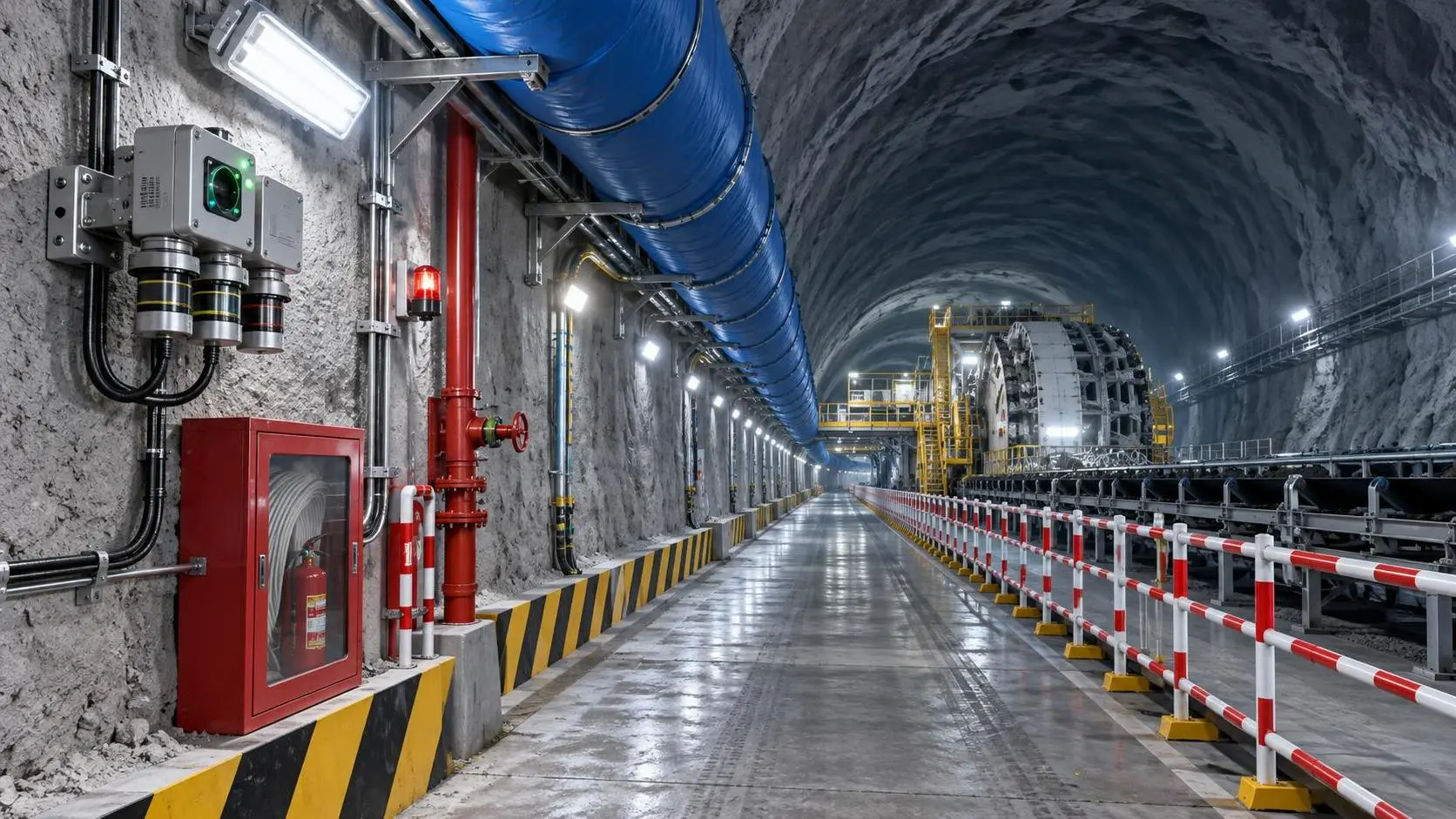
How to Select Underground Safety Equipment for Tunnelling by Hazard and Work Zone
Underground Safety Equipment for tunnelling: match protection to hazards, work zones, compliance, and emergency needs with this practical selection guide.
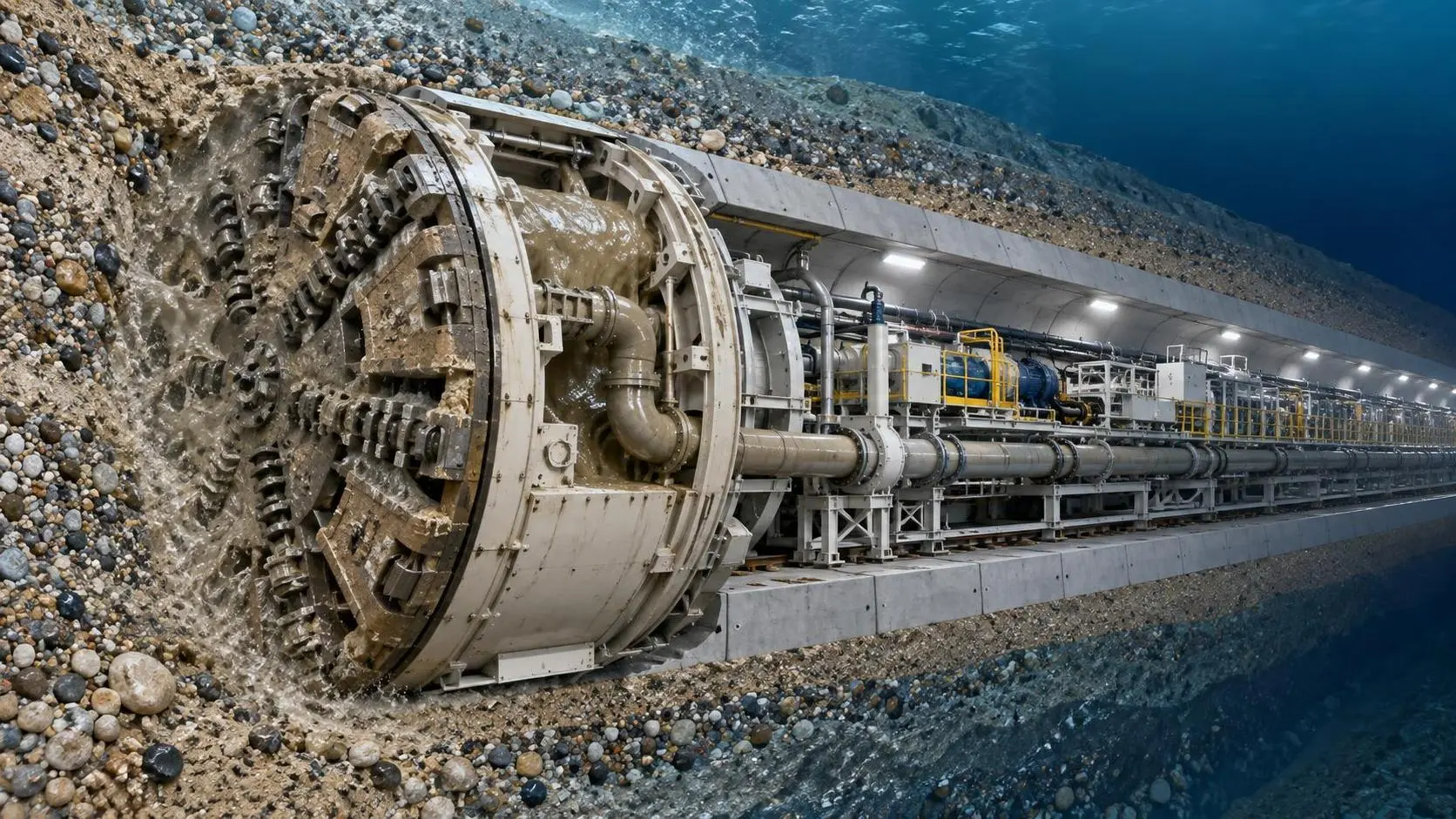
EPB or Slurry Shield? Selecting Soft-Ground Tunnelling Equipment by Soil Conditions
Tunnel Excavation Equipment for soft ground: compare EPB and slurry shields by soil, groundwater, settlement risk, and project logistics to choose confidently.
How to Specify TBM Backup System Parts for Reliable Long-Distance Tunnelling
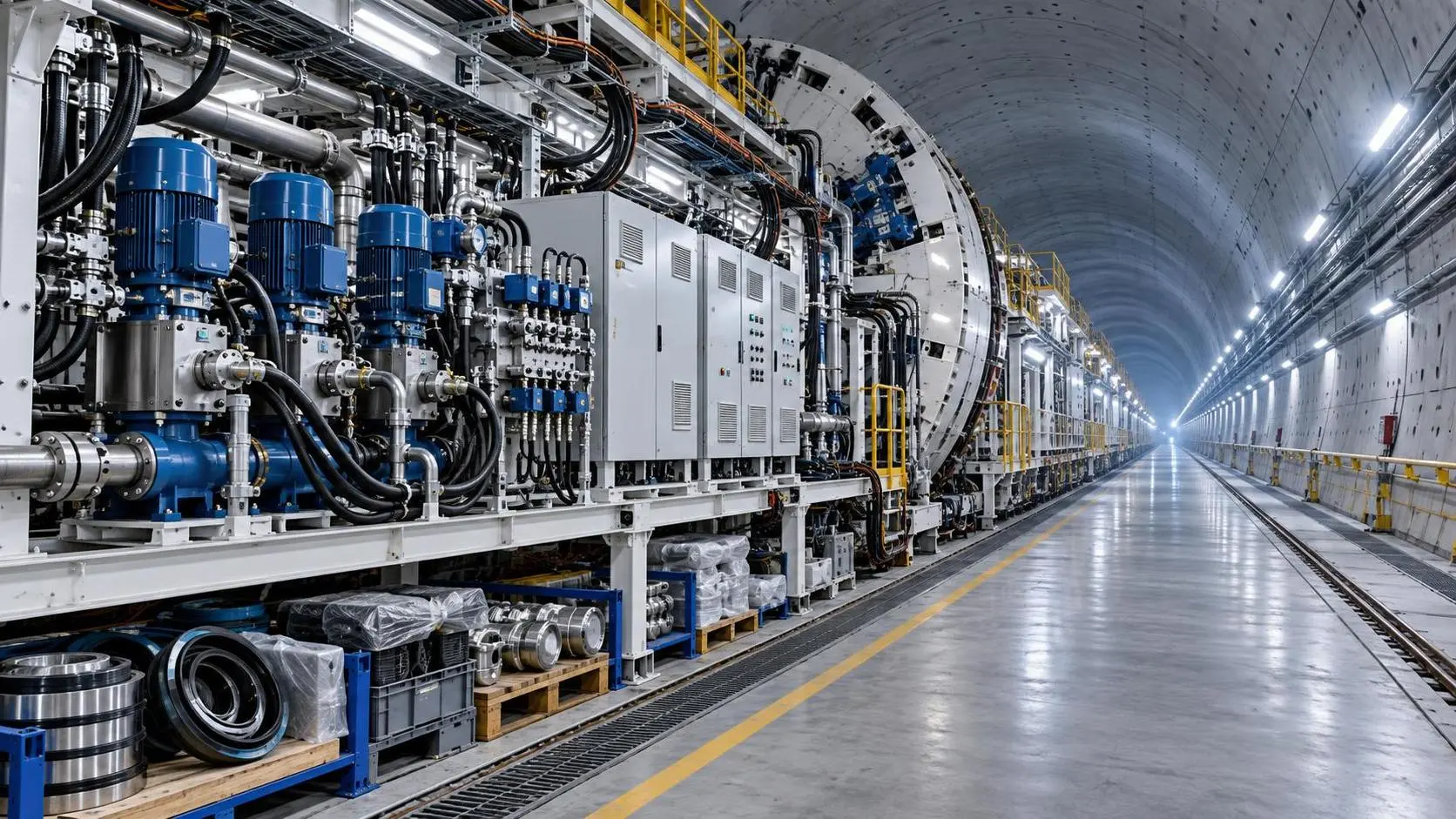
TBM backup system parts: learn how to specify reliable spares for long-distance tunnelling, reduce downtime, ensure compatibility, and speed underground recovery.
How to Size Open Pit Mining Trucks for Haul Distance, Grade, and Payload?
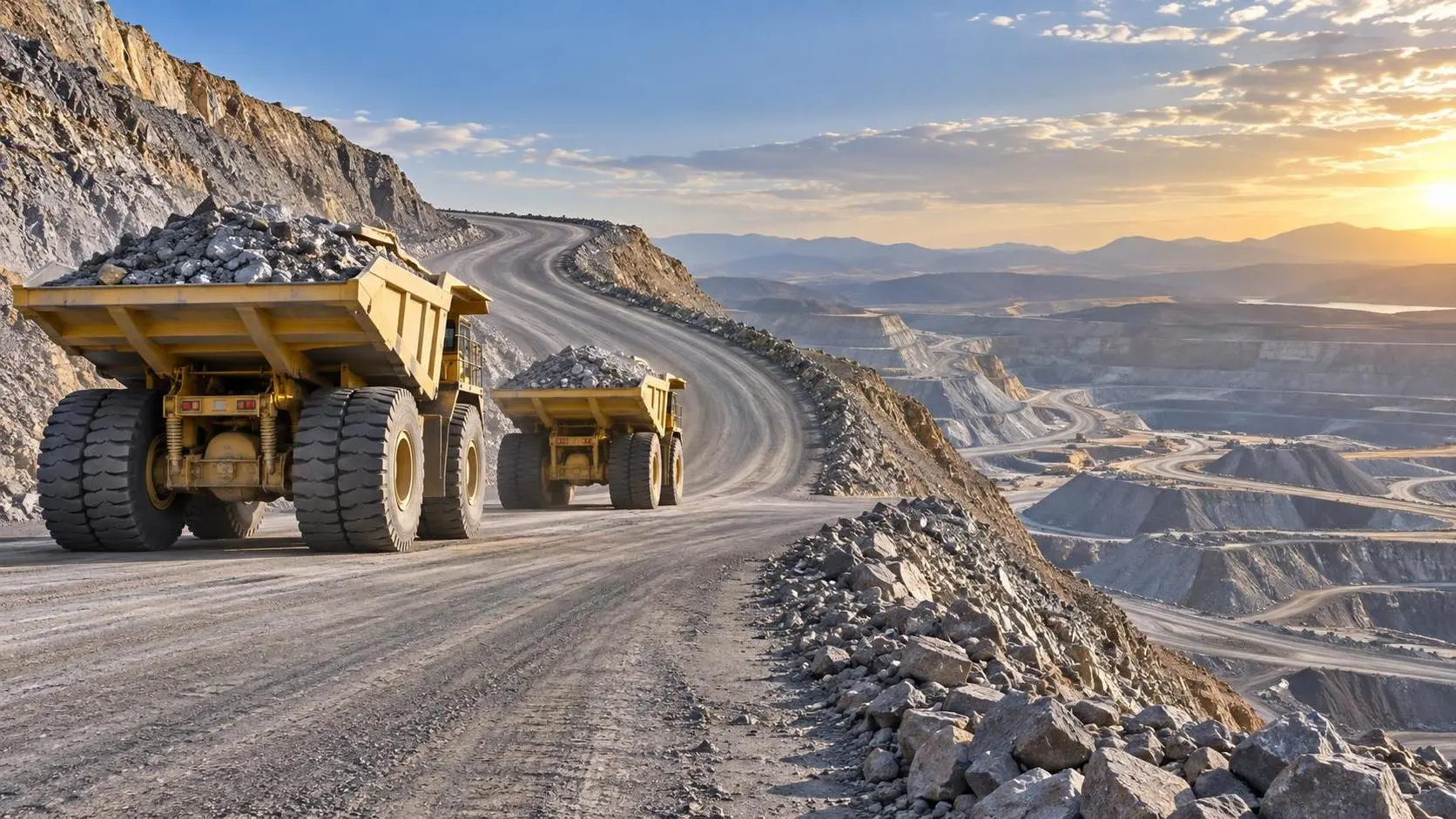
Open Pit Mining Trucks: learn how to match payload, haul distance, grade, road resistance, and loading capacity for safer, lower-cost mine operations.
Related News
- 00
0000-00
How to Evaluate European Drill-and-Blast Tunnelling Contractors for Complex Projects - 00
0000-00
Which Trenchless Construction Technique Fits Your Utility Crossing Conditions? - 00
0000-00
What Is Driving Metro Tunnelling Demand Across Southeast Asia’s Major Cities? - 00
0000-00
Hard Rock Tunnelling in Australia: Selecting Methods for Variable Ground Conditions - 00
0000-00
Hydropower Tunnel Excavation: Selecting Methods for Variable Rock Conditions
Weekly Insights
Stay ahead with our curated technology reports delivered every Monday.