
Underground Conveyor Safety Standards: Key Requirements for Safer Mine Operations





Which underground conveyor safety standards actually matter in day-to-day mine operations?
For safety managers and quality control teams, the useful answer is not “all of them.” It is the set of requirements that directly affects fire prevention, guarding, emergency stopping, inspection routines, and the suitability of the conveyor for underground use.
In practice, underground conveyor safety standards usually sit across three layers. The first is the mine safety law or regulation in the country where the system operates. The second is the conveyor machinery standard covering design and guarding principles. The third is site-level control: inspection procedures, lockout rules, belt maintenance criteria, and emergency response instructions.
That matters because a conveyor can be mechanically sound and still fail compliance if the installed fire protection, pull-cord stops, signage, or pre-start warning systems do not match underground mine requirements. For underground applications, the main questions are always the same: Is the belt suitable for fire-risk areas? Can a worker stop the system fast enough from any hazardous section? Are moving parts guarded? Can the team inspect, isolate, clean, and maintain it without creating a secondary hazard?
How is an underground conveyor judged differently from a surface conveyor?
The underground setting changes the risk profile. Smoke spreads differently, evacuation is slower, visibility is worse, and access for firefighting or maintenance is tighter. That means underground conveyor safety standards place much more weight on fire resistance, control of frictional heating, safe access, and emergency response features.
A surface conveyor may rely heavily on open access, easier egress, and wider service space. Underground, that assumption breaks down. A small roller seizure, a slipping drive, or a damaged belt scraper can escalate into a heat source in a confined area. This is why safety reviews for underground systems usually pay close attention to:
- Flame-resistant and antistatic belt properties where required by the local mining framework
- Bearing, pulley, and drive conditions that could create overheating
- Fire detection, alarms, suppression, or water-based protection where mandated
- Walkway clearance, escape routes, and access around transfer points
- Communication and shutdown arrangements during start-up and maintenance
If your review process treats underground and surface conveyors as basically the same asset class, it usually misses the highest-consequence hazards.
What are the minimum safety features a compliant underground conveyor should have?
The exact package depends on jurisdiction and installation layout, but several features are consistently expected in safe underground mine conveyor systems.
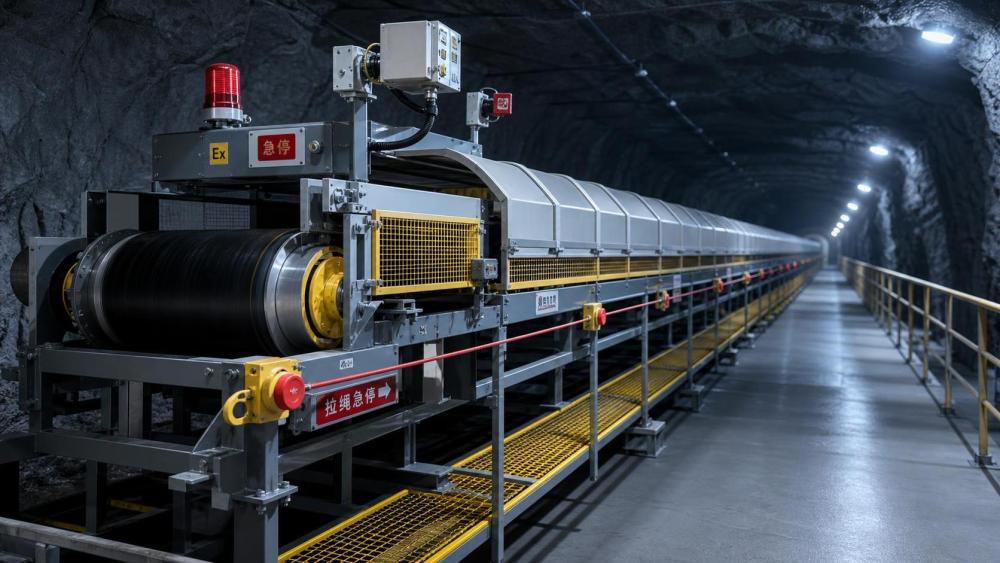
- Emergency stop devices that are accessible along the conveyor route, especially pull-cord systems near walkways and work zones
- Guards at nip points, head and tail pulleys, return rollers in reachable locations, and drive components
- Pre-start audible or visible warning systems before the conveyor energizes
- Drift, slip, or misalignment detection where belt damage or friction heating could develop
- Controls that allow isolation and lockout for maintenance
- Adequate lighting and marked access in inspection and intervention areas
The common mistake is to focus on whether the device exists, rather than whether it can still do its job in real conditions. A pull-cord stop hidden behind spillage, a guard removed for convenience, or a warning siren that cannot be heard over ventilation and mobile equipment is not a minor defect. For underground operations, those are functional failures.
What should quality control teams check on the belt itself?
Start with the belt specification and the purchase or technical file, not with visual inspection alone. QC teams should confirm that the installed belt matches the approved underground application, including any required fire-resistant or antistatic characteristics. That check belongs in document control, goods receipt, and installation verification.
After that, inspect the condition factors that drive failure underground: cover wear, splice integrity, edge damage, tracking behavior, material buildup, and evidence of slip at the drive. A belt that is technically the right type can still become unsafe if the splice degrades, the tension is wrong, or the skirt sealing creates excessive drag.
One practical rule helps here: any belt condition that increases friction, misalignment, or uncontrolled contact with structure deserves a faster response underground than it might on surface plant. The confined environment leaves less room for slow decisions.
Where do inspections usually fail, even when a site says it has a conveyor safety program?
Most failures are not caused by missing paperwork. They come from weak inspection scope.
Teams often inspect the obvious visible hazards and miss the conditions that develop between planned shutdowns. A good underground conveyor inspection should cover mechanical integrity, housekeeping, access safety, control function, and evidence of abnormal heat or friction. If your checklist only asks whether the conveyor is “clean” and “operational,” it is too shallow.
How often should underground conveyor safety checks be performed?
There is no honest one-size-fits-all interval. The right answer depends on the conveyor’s role, exposure, condition trend, and how difficult it is to access safely once a fault appears. Main haulage conveyors, long runs, and systems near high-friction transfer points usually need closer operational checks than short, low-duty units.
A useful way to structure the program is by risk layer rather than by calendar alone:
- Pre-start or shift checks for obvious unsafe conditions, alarms, stops, access, and spillage.
- Routine planned inspections for mechanical condition, belt tracking, guarding, and wear trends.
- Periodic functional testing of safety devices, interlocks, and shutdown sequences.
- Trigger-based inspections after belt damage, fire events, abnormal slip, major maintenance, or control changes.
If the site only performs visual walk-bys and rarely function-tests stops or alarms, the inspection frequency may look acceptable on paper while the protection level is falling in real operation.
What documents should be available during an audit or internal compliance review?
Auditors and internal reviewers usually look for evidence that the conveyor is not just installed correctly, but controlled through its operating life. The strongest files are the ones that connect design intent to field practice.
- Equipment specifications and approved drawings
- Belt data and suitability records for underground use
- Risk assessments covering entanglement, fire, access, and maintenance hazards
- Inspection and maintenance records with defect closeout history
- Functional test records for emergency stops, alarms, and interlocks
- Lockout and isolation procedures for cleaning and repair tasks
- Training records for operators, maintainers, and supervisors
- Change records if controls, layout, guarding, or components were modified
The weak point is often change management. A conveyor evolves over time: a new chute, a different scraper, a relocated stop station, a temporary guard that became permanent. If those changes are not documented and risk-reviewed, the system can drift away from the original safety basis without anyone noticing.
Are fire controls and entanglement controls treated as separate issues?
They should be managed together, because the same bad maintenance habits often drive both. Material buildup around pulleys, poorly adjusted scrapers, seized rollers, damaged guarding, and rushed intervention at moving equipment are not isolated problems. They are linked failure patterns.
For example, a blocked transfer point may lead to manual clearing attempts, which raises entanglement risk. The same blockage can force the belt off line, increase friction, and create heat. When a site separates “mechanical reliability,” “fire prevention,” and “people safety” into different silos, underground conveyor hazards often slip through the gaps.
A better review question is simple: what conditions would push someone to approach, reach into, or work near a moving conveyor, and what conditions would make that same conveyor run hot? Very often, the answer is the same condition.
What changes when conveyors become more automated?
Automation improves control, but it also changes exposure. Remote starts, interlinked systems, condition monitoring, and centralized control rooms can reduce routine intervention, yet they increase the need for clear start-up logic, dependable status indication, and disciplined isolation.
For underground conveyor safety standards, the key question is not whether automation is present. It is whether the automated behavior remains understandable to the people who inspect and maintain the system. A technician must know which upstream or downstream equipment can restart the conveyor, how stored energy is controlled, and how local emergency devices override remote commands.
This is where many sites need tighter verification: after software updates, control logic changes, or sensor replacement, the safety function should be tested as a system, not assumed from the component specification.
What is the fastest way to tell whether a conveyor line needs corrective action now?
Use a short escalation filter. Stop treating every defect as equal.
Immediate action is usually justified when you find any of these conditions: missing or ineffective guarding at reachable moving parts, non-functioning emergency stops, evidence of belt slip or overheating, significant combustible buildup near drives or pulleys, unsafe blocked access, or repeated tracking problems that are contacting structure.
If the defect removes a protection layer or increases friction in a confined zone, it belongs in the urgent category. That standard is more practical than arguing over whether the fault looks minor. Underground, defects become serious when they either delay stopping the system or make heat generation more likely.
What should safety managers do when standards, supplier documents, and site practice do not fully match?
Start from the operating environment, then work back through the documents. Do not assume the supplier file settles the matter. Supplier information may define component capability, but the mine remains responsible for the installed system, access arrangement, emergency controls, and maintenance method.
The clean approach is to compare four things side by side: the regulatory requirement, the engineering design, the as-built condition, and the actual task performed by workers. Where those four do not line up, that gap becomes your corrective action list.
For most underground conveyor safety standards work, that is the principle that keeps teams out of trouble: verify the conveyor as people really use it, not as the drawing once described it.
Related News
How to Evaluate European Drill-and-Blast Tunnelling Contractors for Complex Projects
Drill and blast tunnelling contractors Europe: learn how to assess geology expertise, blast control, equipment reliability, safety, and programme resilience for complex projects.
Which Trenchless Construction Technique Fits Your Utility Crossing Conditions?
Trenchless construction techniques compared for utility crossings: choose HDD, microtunnelling, pipe jacking, or auger boring based on ground, accuracy, access, and risk.

What Is Driving Metro Tunnelling Demand Across Southeast Asia’s Major Cities?
Metro tunnelling Southeast Asia is accelerating as major cities tackle congestion, flooding, and connectivity. Explore the market forces, technical risks, and opportunities shaping demand.
Hard Rock Tunnelling in Australia: Selecting Methods for Variable Ground Conditions
Hard rock tunnelling in Australia: compare TBM, drill-and-blast and hybrid methods to manage variable ground, reduce risk and protect project costs.
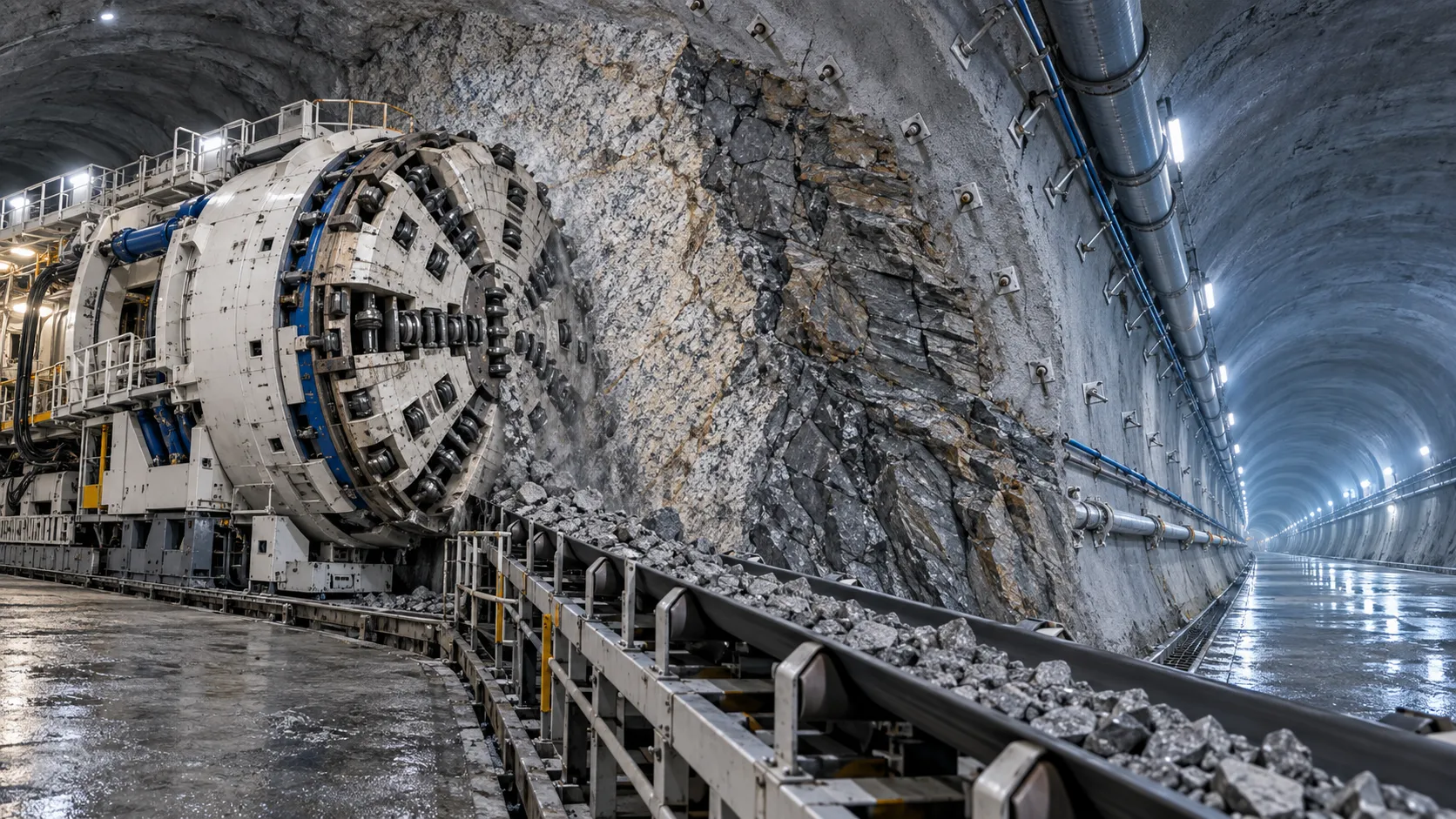
Hydropower Tunnel Excavation: Selecting Methods for Variable Rock Conditions
Hydropower tunnel excavation methods for variable rock conditions: compare TBM, drill-and-blast, and hybrid strategies to improve safety, progress, and project control.
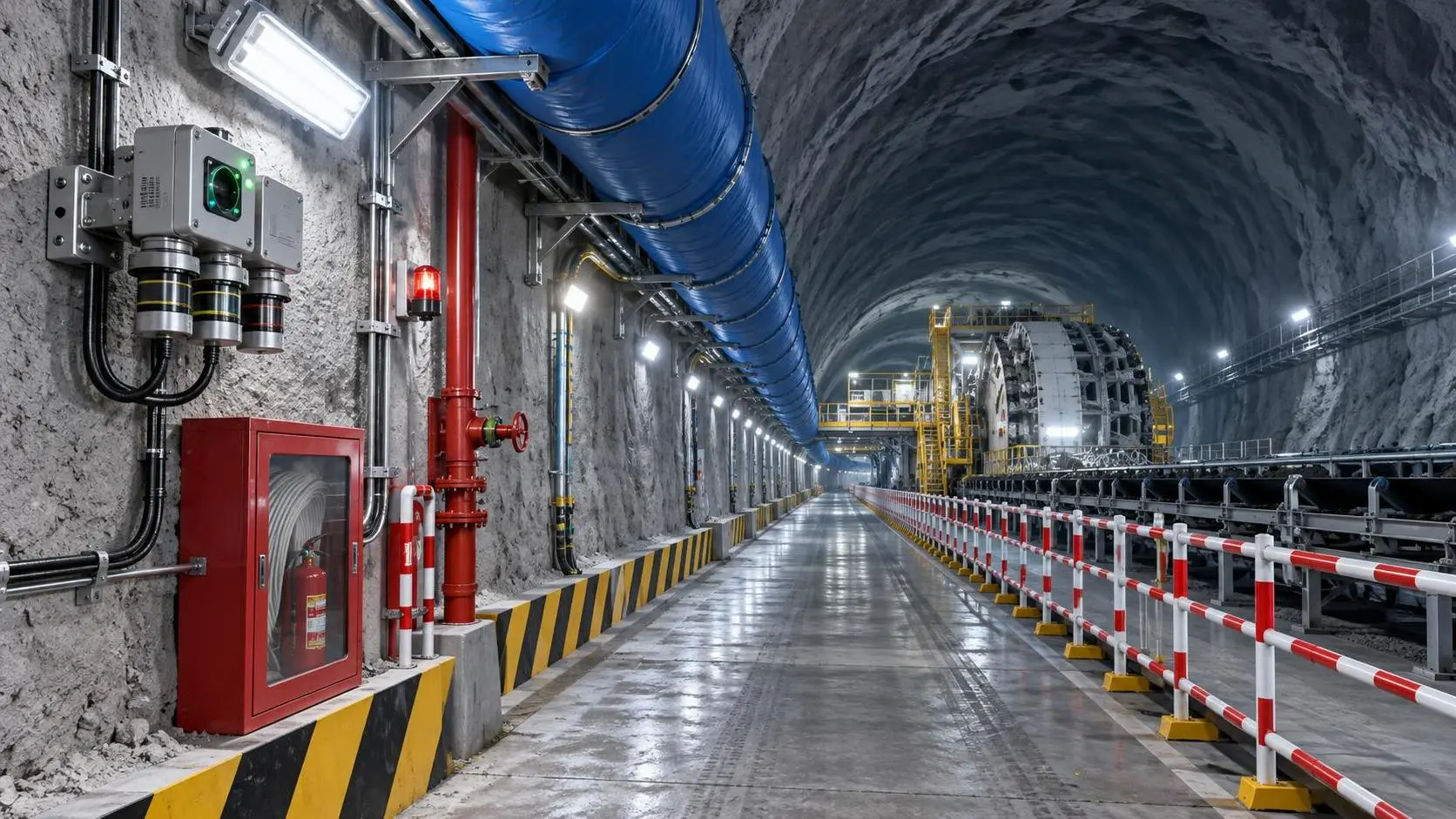
How to Select Underground Safety Equipment for Tunnelling by Hazard and Work Zone
Underground Safety Equipment for tunnelling: match protection to hazards, work zones, compliance, and emergency needs with this practical selection guide.
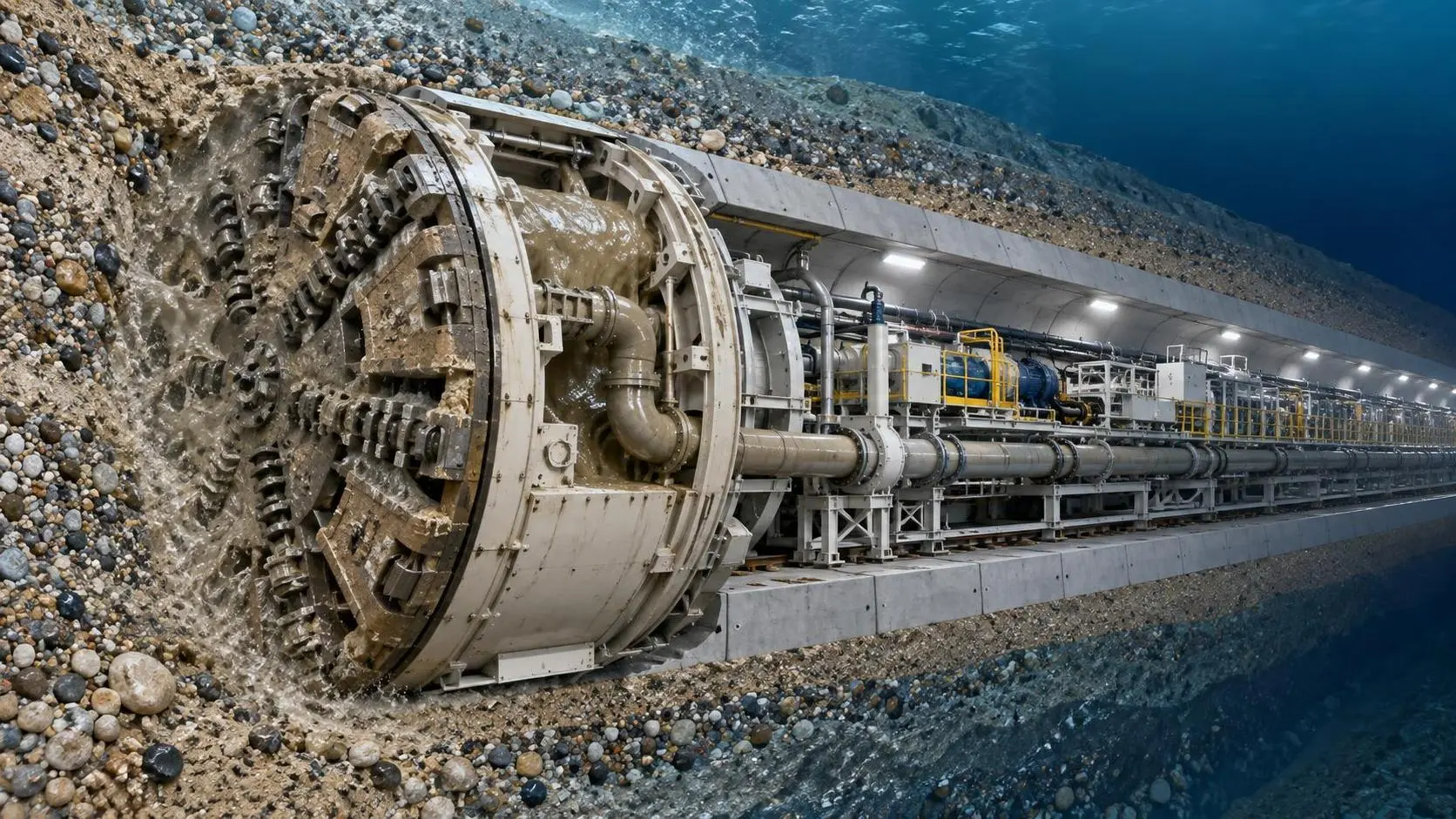
EPB or Slurry Shield? Selecting Soft-Ground Tunnelling Equipment by Soil Conditions
Tunnel Excavation Equipment for soft ground: compare EPB and slurry shields by soil, groundwater, settlement risk, and project logistics to choose confidently.
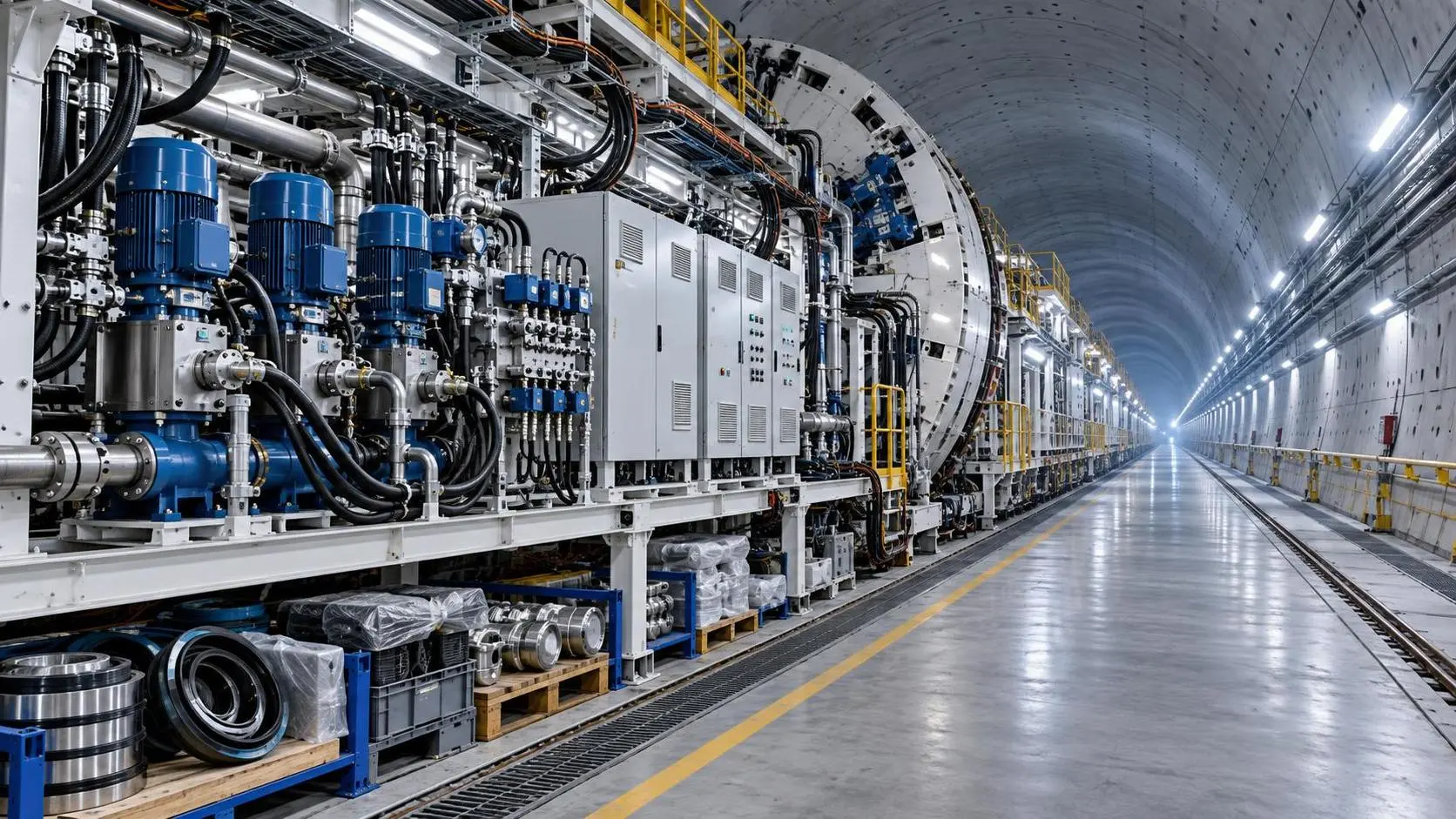
How to Specify TBM Backup System Parts for Reliable Long-Distance Tunnelling
TBM backup system parts: learn how to specify reliable spares for long-distance tunnelling, reduce downtime, ensure compatibility, and speed underground recovery.

How to Size Open Pit Mining Trucks for Haul Distance, Grade, and Payload?
Open Pit Mining Trucks: learn how to match payload, haul distance, grade, road resistance, and loading capacity for safer, lower-cost mine operations.
Related News
- 00
0000-00
How to Evaluate European Drill-and-Blast Tunnelling Contractors for Complex Projects - 00
0000-00
Which Trenchless Construction Technique Fits Your Utility Crossing Conditions? - 00
0000-00
What Is Driving Metro Tunnelling Demand Across Southeast Asia’s Major Cities? - 00
0000-00
Hard Rock Tunnelling in Australia: Selecting Methods for Variable Ground Conditions - 00
0000-00
Hydropower Tunnel Excavation: Selecting Methods for Variable Rock Conditions
Weekly Insights
Stay ahead with our curated technology reports delivered every Monday.