
Hydrogen Mining Truck Payload Explained: How Load Capacity Affects Range and Shift Planning





Hydrogen Mining Truck Payload Explained: How Load Capacity Affects Range and Shift Planning
For project managers balancing productivity, energy efficiency, and shift continuity, hydrogen mining truck payload is more than a spec. It directly shapes haulage range, refueling strategy, and daily output.
Understanding how load capacity affects vehicle performance helps operations reduce downtime, improve fleet planning, and make better decisions as zero-emission haulage scales up.
Why Hydrogen Mining Truck Payload Matters First
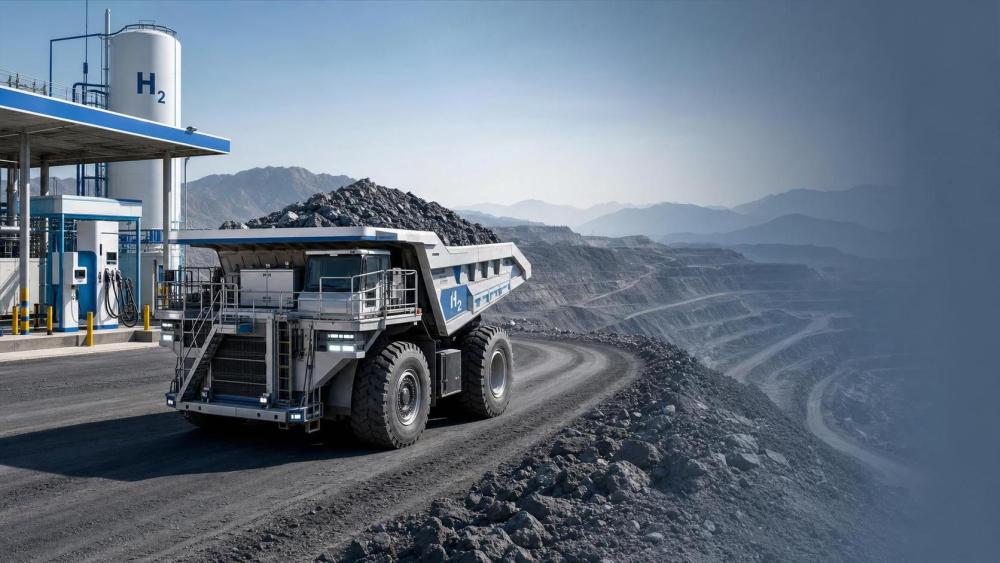
In mine transport, payload defines how much material moves per cycle. With hydrogen trucks, it also affects energy draw, route flexibility, and shift stability.
That is the key difference. A diesel truck can often absorb inefficient loading with little operational redesign. A hydrogen mining truck payload decision usually needs tighter planning.
The reason is simple. Hydrogen storage, fuel cell output, battery buffering, and regenerative braking all interact with truck weight and duty cycle.
From a planning view, payload is not only a body rating. It is an operating variable linked to elevation change, road resistance, queue time, and refueling windows.
This also means the same truck can deliver very different outcomes across sites. A rated payload on paper may not be the best hydrogen mining truck payload in practice.
How Payload Changes Range in Real Operations
Range is often misunderstood. It is not a fixed distance. In mining, range is really usable production time under a specific hauling pattern.
As hydrogen mining truck payload rises, gross vehicle weight rises too. More energy is required for acceleration, climbing, and rolling resistance over each loaded segment.
The loaded uphill leg usually dominates consumption. Even when downhill travel allows regenerative braking, recovered energy rarely offsets the full cost of heavy loaded ascent.
That is why two routes with equal distance can produce different range results. Grade profile matters more than many early hydrogen fleet models assume.
In practical terms, a heavier hydrogen mining truck payload often reduces the number of cycles completed before refueling. It may also shrink the safety buffer kept for delays.
The tradeoff is not always negative. A higher payload can still improve tons per shift if loading consistency, road quality, and queue control are strong.
The real question is this: does extra tonnage per trip outweigh the reduced flexibility in energy margin and dispatch timing?
Main variables behind range loss
- Ramp gradient and total vertical lift
- Average payload utilization versus rated payload
- Rolling resistance from road condition and moisture
- Stop-start frequency at shovels, crushers, and dump points
- Ambient temperature impact on fuel cell and battery support systems
- Hydrogen refueling pressure, dwell time, and station availability
Payload, Truck Design, and Energy Architecture
A hydrogen truck is an integrated energy system. Payload decisions affect more than the body and suspension. They influence fuel storage volume, axle loading, and powertrain sizing.
Most hydrogen haul trucks combine a fuel cell with a battery. The fuel cell provides steady power, while the battery covers peaks and captures regenerative energy.
When hydrogen mining truck payload increases, those peak demands become sharper. This can stress battery cycling, thermal management, and drivetrain efficiency during repeated climbs.
There is also a packaging issue. More hydrogen storage can extend shift endurance, but tanks add mass and occupy space that competes with structural and maintenance requirements.
So the best hydrogen mining truck payload is rarely the maximum legal or structural limit. It is the payload that keeps the whole energy architecture productive.
This is where engineering standards and site data need to meet. Rated performance from vendors must be checked against route simulation and actual mine cycle maps.
What to verify during evaluation
- Net payload versus gross vehicle weight limits
- Fuel cell continuous power under sustained grade
- Battery peak support during launch and climb
- Regenerative braking efficiency on return legs
- Hydrogen consumption per ton-kilometer, not only per kilometer
- Refueling performance under shift change congestion
How Hydrogen Mining Truck Payload Shapes Shift Planning
Shift planning is where payload choices become visible. A truck that looks efficient in a daily average can still fail if refueling interrupts key production windows.
In actual operations, hydrogen mining truck payload affects three planning layers. Those are cycle count, refueling timing, and dispatch resilience during unplanned delays.
A heavier payload may reduce cycles needed to hit target tonnage. But if each cycle consumes more hydrogen, the truck may require mid-shift refueling.
That creates knock-on effects. Station queues, refueling bay utilization, and shovel matching all become more sensitive to timing drift.
The more obvious signal is this. Payload planning should be tied to the shift structure itself, not handled as a separate procurement or maintenance issue.
For many sites, the ideal hydrogen mining truck payload is the one that completes a full shift with reserve energy, even if nominal tons per cycle are slightly lower.
A practical shift planning approach
- Map each haul route by distance, elevation, delay points, and road condition
- Model hydrogen use at 80%, 90%, and 100% payload utilization
- Add contingency for idle time, queue time, and weather-related road drag
- Test whether trucks finish the shift without forced refueling
- Compare tons per shift, not just tons per cycle
- Use dispatch rules that protect energy reserve for critical windows
Standard Metrics That Support Better Decisions
Hydrogen truck evaluation needs common metrics. Without them, payload comparisons across suppliers or routes become misleading.
The most useful metric is hydrogen consumption per ton-kilometer. It connects energy use directly to productive work.
Another important metric is shift-complete probability. This measures whether a truck can finish assigned work without emergency refueling or dispatch reshuffle.
Sites should also track payload variance. Frequent underloading or overloading hides the true relationship between hydrogen mining truck payload and fleet performance.
To make review easier, the table below shows a practical set of operating metrics.
Common Risks When Payload Is Treated as a Static Number
One common mistake is using rated payload as the operating payload in every condition. That usually overstates range and understates refueling needs.
Another issue is separating energy analysis from dispatch planning. A truck can meet performance targets individually yet still create fleet bottlenecks.
There is also a maintenance angle. High payload operation can increase thermal and mechanical stress, especially on long ramps with repeated peak demand.
In underground and constrained environments, these errors are even more expensive. Ventilation benefits from hydrogen fleets are real, but uptime still depends on disciplined payload control.
In recent deployments, stronger results come from dynamic payload policies. Operators adjust target loads by route, shift window, and station availability.
What to Do Next
Hydrogen mining truck payload should be managed as a production lever, not a catalog figure. It affects range, infrastructure load, and schedule reliability at the same time.
The most reliable path is to test payload bands against actual haul profiles, then compare outcomes in tons per shift and energy reserve.
For UTMD-focused operations, this fits a wider transition already underway. Smart haulage decisions now sit at the intersection of zero-emission goals, digital dispatch, and asset utilization.
If your team is evaluating zero-emission fleets, start with three checks: route energy map, payload utilization pattern, and shift-end reserve target.
That gives a far clearer picture of the right hydrogen mining truck payload, and it leads to better range planning, steadier shifts, and more dependable output.
Related News

How to Evaluate European Drill-and-Blast Tunnelling Contractors for Complex Projects
Drill and blast tunnelling contractors Europe: learn how to assess geology expertise, blast control, equipment reliability, safety, and programme resilience for complex projects.

Which Trenchless Construction Technique Fits Your Utility Crossing Conditions?
Trenchless construction techniques compared for utility crossings: choose HDD, microtunnelling, pipe jacking, or auger boring based on ground, accuracy, access, and risk.

What Is Driving Metro Tunnelling Demand Across Southeast Asia’s Major Cities?
Metro tunnelling Southeast Asia is accelerating as major cities tackle congestion, flooding, and connectivity. Explore the market forces, technical risks, and opportunities shaping demand.

Hard Rock Tunnelling in Australia: Selecting Methods for Variable Ground Conditions
Hard rock tunnelling in Australia: compare TBM, drill-and-blast and hybrid methods to manage variable ground, reduce risk and protect project costs.

Hydropower Tunnel Excavation: Selecting Methods for Variable Rock Conditions
Hydropower tunnel excavation methods for variable rock conditions: compare TBM, drill-and-blast, and hybrid strategies to improve safety, progress, and project control.

How to Select Underground Safety Equipment for Tunnelling by Hazard and Work Zone
Underground Safety Equipment for tunnelling: match protection to hazards, work zones, compliance, and emergency needs with this practical selection guide.

EPB or Slurry Shield? Selecting Soft-Ground Tunnelling Equipment by Soil Conditions
Tunnel Excavation Equipment for soft ground: compare EPB and slurry shields by soil, groundwater, settlement risk, and project logistics to choose confidently.
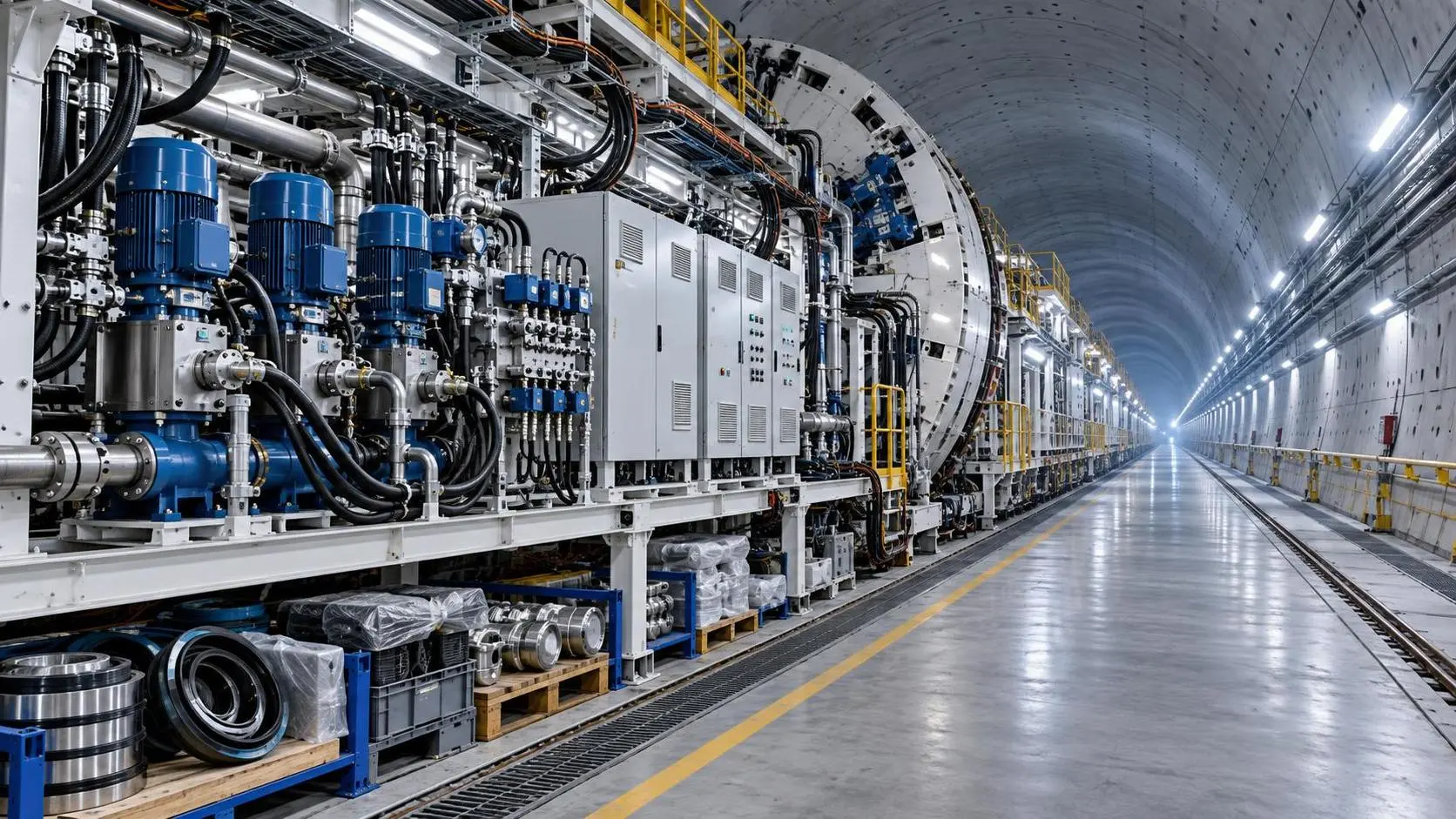
How to Specify TBM Backup System Parts for Reliable Long-Distance Tunnelling
TBM backup system parts: learn how to specify reliable spares for long-distance tunnelling, reduce downtime, ensure compatibility, and speed underground recovery.

How to Size Open Pit Mining Trucks for Haul Distance, Grade, and Payload?
Open Pit Mining Trucks: learn how to match payload, haul distance, grade, road resistance, and loading capacity for safer, lower-cost mine operations.
Related News
- 00
0000-00
How to Evaluate European Drill-and-Blast Tunnelling Contractors for Complex Projects - 00
0000-00
Which Trenchless Construction Technique Fits Your Utility Crossing Conditions? - 00
0000-00
What Is Driving Metro Tunnelling Demand Across Southeast Asia’s Major Cities? - 00
0000-00
Hard Rock Tunnelling in Australia: Selecting Methods for Variable Ground Conditions - 00
0000-00
Hydropower Tunnel Excavation: Selecting Methods for Variable Rock Conditions
Weekly Insights
Stay ahead with our curated technology reports delivered every Monday.