
Trenchless Pipeline Installation Contractor: What to Check Before Awarding a Bid





Why does choosing a trenchless pipeline installation contractor require more than a low bid?
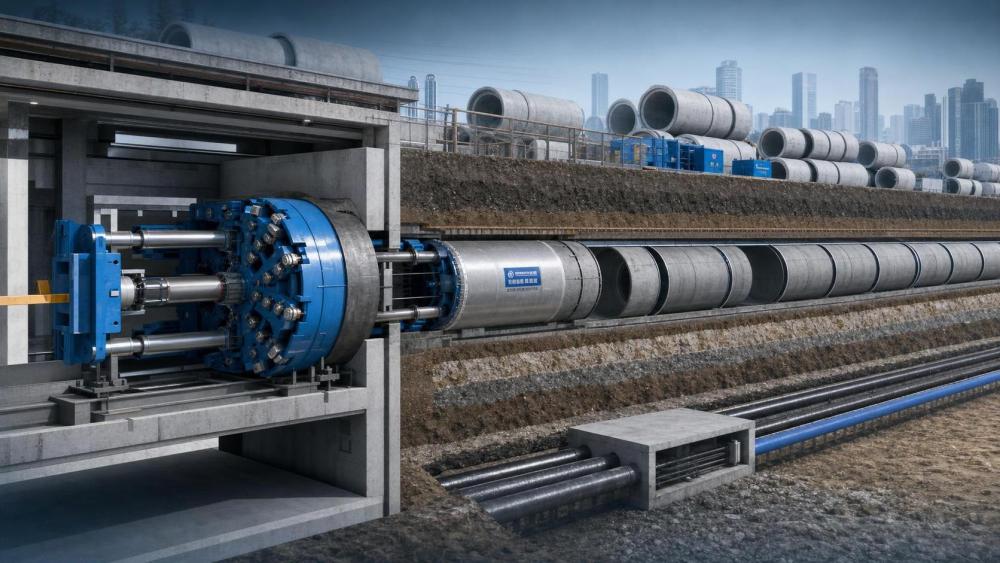
A low price can look attractive early, but trenchless work rarely stays simple once ground conditions, utilities, and access limits appear on site.
That is why a trenchless pipeline installation contractor should be judged on delivery risk, not only on commercial spread between bidders.
In practical terms, the bid review should ask one basic question: can this contractor install the pipeline without creating avoidable surprises underground?
The answer depends on technical fit, crew depth, machine availability, safety discipline, and the quality of construction planning.
UTMD follows this market closely through its coverage of pipe jacking machines, tunnelling systems, and underground project intelligence.
That broader view matters because trenchless projects sit inside a larger equipment ecosystem where reliability, wear behavior, automation, and confined-space performance directly affect outcomes.
When awarding a bid, the strongest decision usually comes from matching contractor capability to geology, alignment, depth, and stakeholder constraints.
What should be confirmed first before shortlisting a trenchless pipeline installation contractor?
Start with project fit. Not every trenchless pipeline installation contractor is equally suited to microtunneling, pipe jacking, auger boring, or guided boring.
A contractor may perform well on short municipal crossings, yet struggle on long drives with mixed ground and strict settlement tolerance.
The first screening should focus on four areas:
- Relevant project history with similar diameter, drive length, and soil or rock conditions.
- Owned or secured equipment matched to the planned method and launch shaft constraints.
- Documented ability to manage utility conflict, groundwater, slurry treatment, and line and grade control.
- A realistic construction schedule supported by crews, shifts, spares, and contingency planning.
This first pass eliminates bids that are cheap because they underestimate complexity or expect redesign after award.
A useful sign is whether the contractor asks detailed questions during tendering.
Good questions about geology, lubrication, shaft stability, spoil handling, and settlement monitoring usually indicate real field understanding.
How do you tell whether the proposed method and equipment are truly suitable?
Method statements often sound convincing, but the details reveal whether the trenchless pipeline installation contractor has chosen a workable system.
Look closely at the relationship between ground data and machine selection.
For example, a pipe jacking setup for stable clays may be a poor match for cobbles, boulders, or abrasive mixed face conditions.
The same applies to cutterhead design, jacking force assumptions, lubrication plans, and spoil separation capacity.
UTMD’s reporting on rock-cutting mechanics and trenchless equipment trends highlights a recurring lesson: machine capability on paper is not enough without evidence from similar formations.
A concise comparison table can make the review faster:
The best submissions connect each answer to site-specific conditions, not to standard brochure language.
Past performance matters, but which records are actually useful?
Reference projects are helpful only when they are comparable.
A trenchless pipeline installation contractor should show more than a list of completed jobs and client logos.
The stronger evidence includes measurable results from similar drives.
- Actual versus planned installation rate.
- Recorded settlement performance in sensitive corridors.
- Change order pattern and the reasons behind scope growth.
- Safety incidents, utility strikes, or groundwater events.
- Downtime caused by cutter wear, jacking system issues, or slurry plant failure.
It also helps to verify who delivered those reference projects.
If key supervisors, operators, or field engineers are no longer with the company, the value of that experience may be lower than it appears.
More experienced reviewers often ask for one difficult project, not just one successful one.
How the contractor handled obstruction, face loss, permitting delay, or equipment breakdown usually says more than a polished success story.
Where do bid evaluations often go wrong on safety, schedule, and commercial risk?
One common mistake is separating price from execution assumptions.
A contractor can appear competitive by using short setup durations, optimistic advance rates, or light contingency allowances.
That usually shifts risk into claims, delays, or emergency field decisions later.
Safety review should also go beyond total incident rate.
Trenchless projects involve shafts, lifting plans, confined-space work, slurry systems, pressurized conditions, and underground services.
The contractor should show method-specific controls, not a generic corporate manual.
The same goes for schedule logic.
Check whether procurement of pipes, shafts, dewatering systems, separation plants, and specialist crews is already aligned with the proposed start date.
A short practical checklist helps catch weak bids early:
- Review exclusions line by line, especially disposal, utility relocation, and temporary works.
- Test schedule assumptions against permitting windows and traffic constraints.
- Ask for named project staff, not only organizational charts.
- Confirm spare parts, backup systems, and service support for critical equipment.
- Check whether subcontracted activities create interface risk.
This is where industry intelligence becomes useful.
UTMD often tracks replacement demand, equipment evolution, and operational bottlenecks across underground sectors, which helps frame whether a bidder’s assumptions are current or outdated.
When two bids look close, how should the final decision be made?
If two offers are close in price, the final decision should move toward lifecycle value and execution certainty.
The better trenchless pipeline installation contractor is usually the one with fewer unresolved assumptions and clearer control of underground risk.
A useful final review often weighs these points together:
- Technical compatibility with actual ground and alignment conditions.
- Credibility of schedule, staffing, and equipment readiness.
- Strength of safety planning for confined and urban underground work.
- Commercial transparency, including exclusions and unit-rate exposure.
- Performance evidence from comparable trenchless installations.
Before award, it is worth holding a technical clarification session.
That meeting often reveals whether the contractor’s estimators, project managers, and field team actually share the same understanding.
If the answers stay consistent under detailed questioning, confidence usually rises for the right reasons.
In the end, selecting a trenchless pipeline installation contractor is not about buying a method alone.
It is about choosing a team that can translate ground intelligence, equipment capability, and disciplined execution into a predictable underground result.
The next sensible step is to build a bid matrix around technical fit, delivery records, machine suitability, and risk ownership before final negotiations begin.
Related News

How to Evaluate European Drill-and-Blast Tunnelling Contractors for Complex Projects
Drill and blast tunnelling contractors Europe: learn how to assess geology expertise, blast control, equipment reliability, safety, and programme resilience for complex projects.

Which Trenchless Construction Technique Fits Your Utility Crossing Conditions?
Trenchless construction techniques compared for utility crossings: choose HDD, microtunnelling, pipe jacking, or auger boring based on ground, accuracy, access, and risk.

What Is Driving Metro Tunnelling Demand Across Southeast Asia’s Major Cities?
Metro tunnelling Southeast Asia is accelerating as major cities tackle congestion, flooding, and connectivity. Explore the market forces, technical risks, and opportunities shaping demand.

Hard Rock Tunnelling in Australia: Selecting Methods for Variable Ground Conditions
Hard rock tunnelling in Australia: compare TBM, drill-and-blast and hybrid methods to manage variable ground, reduce risk and protect project costs.

Hydropower Tunnel Excavation: Selecting Methods for Variable Rock Conditions
Hydropower tunnel excavation methods for variable rock conditions: compare TBM, drill-and-blast, and hybrid strategies to improve safety, progress, and project control.

How to Select Underground Safety Equipment for Tunnelling by Hazard and Work Zone
Underground Safety Equipment for tunnelling: match protection to hazards, work zones, compliance, and emergency needs with this practical selection guide.
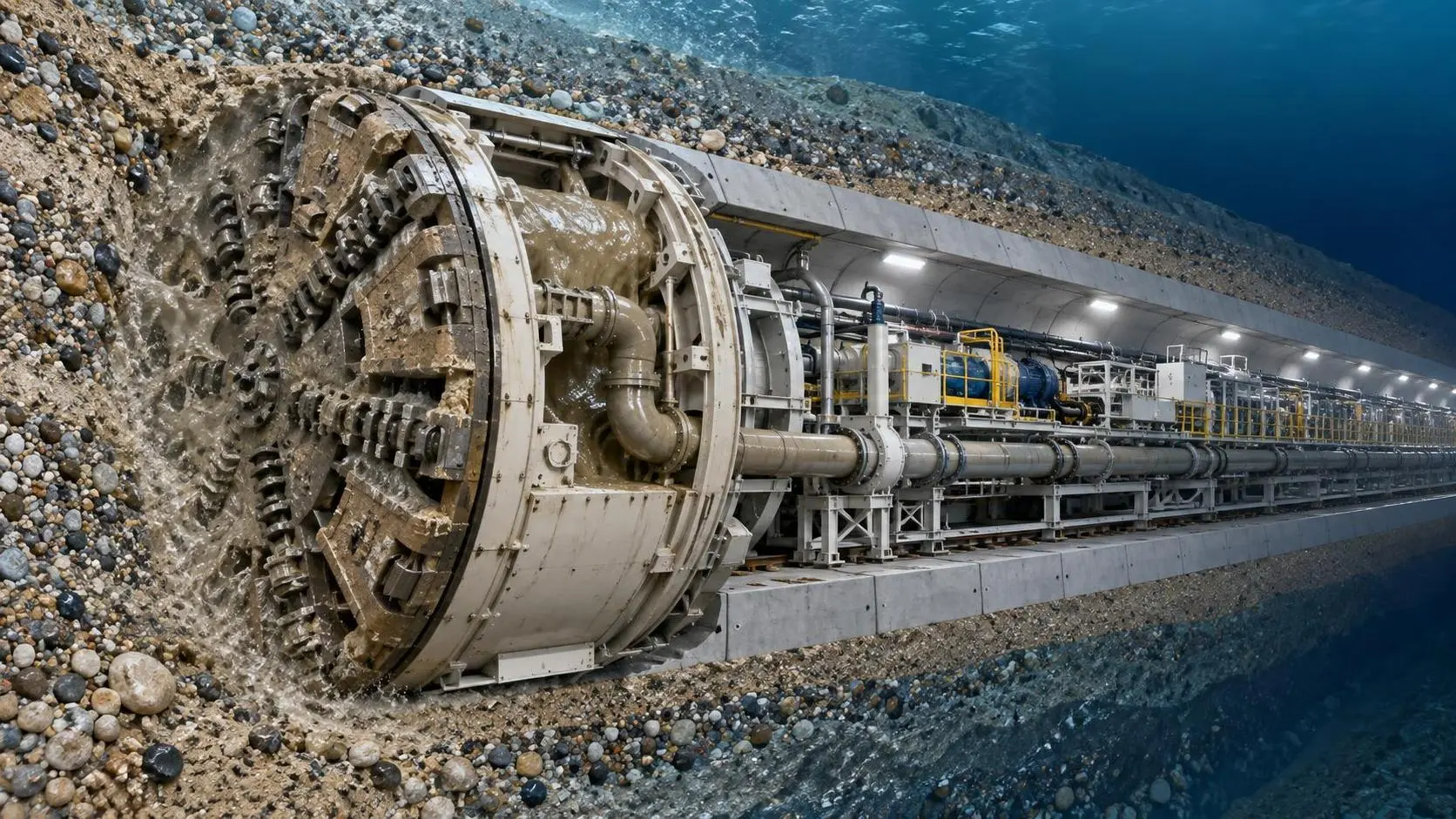
EPB or Slurry Shield? Selecting Soft-Ground Tunnelling Equipment by Soil Conditions
Tunnel Excavation Equipment for soft ground: compare EPB and slurry shields by soil, groundwater, settlement risk, and project logistics to choose confidently.
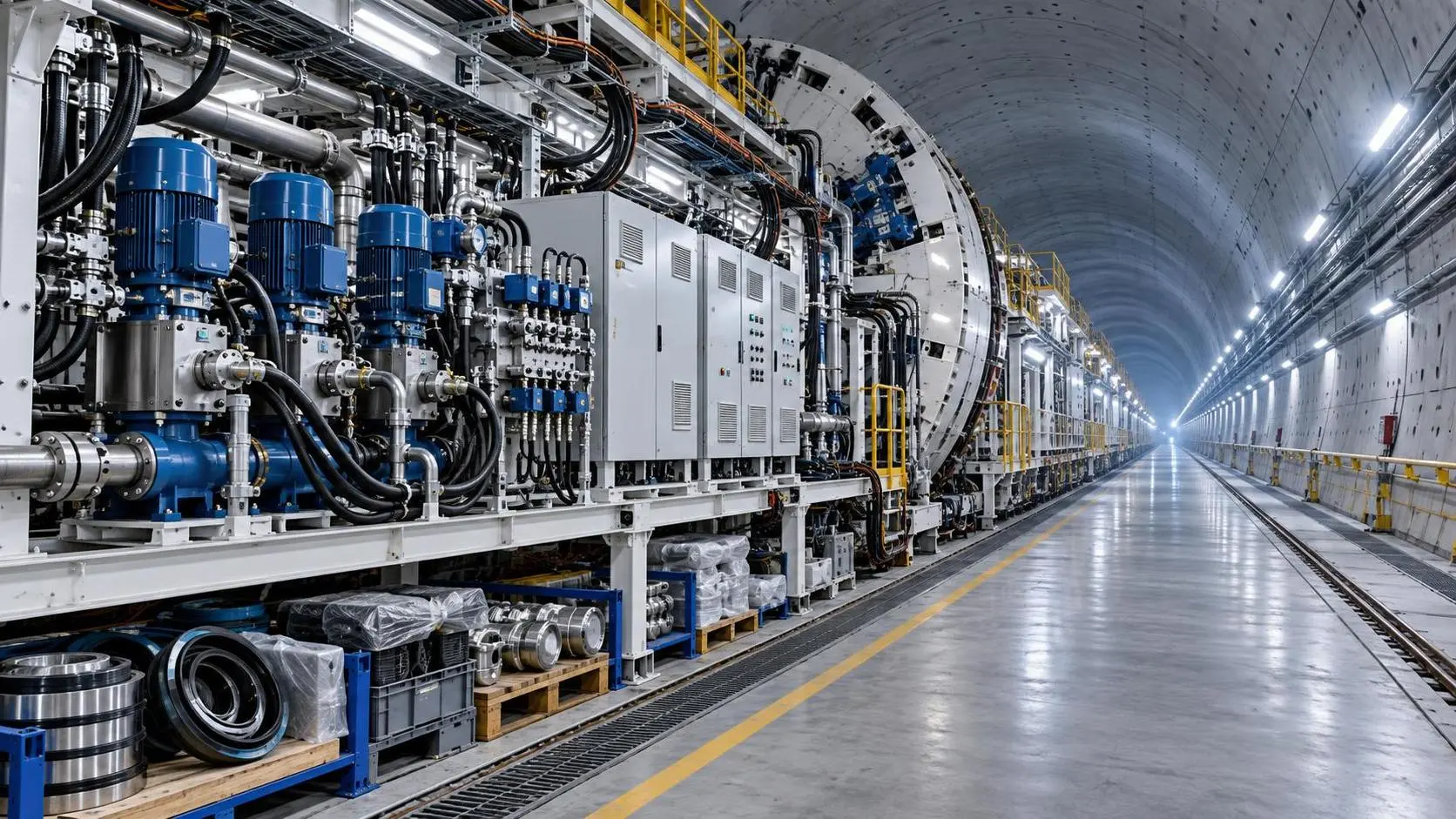
How to Specify TBM Backup System Parts for Reliable Long-Distance Tunnelling
TBM backup system parts: learn how to specify reliable spares for long-distance tunnelling, reduce downtime, ensure compatibility, and speed underground recovery.
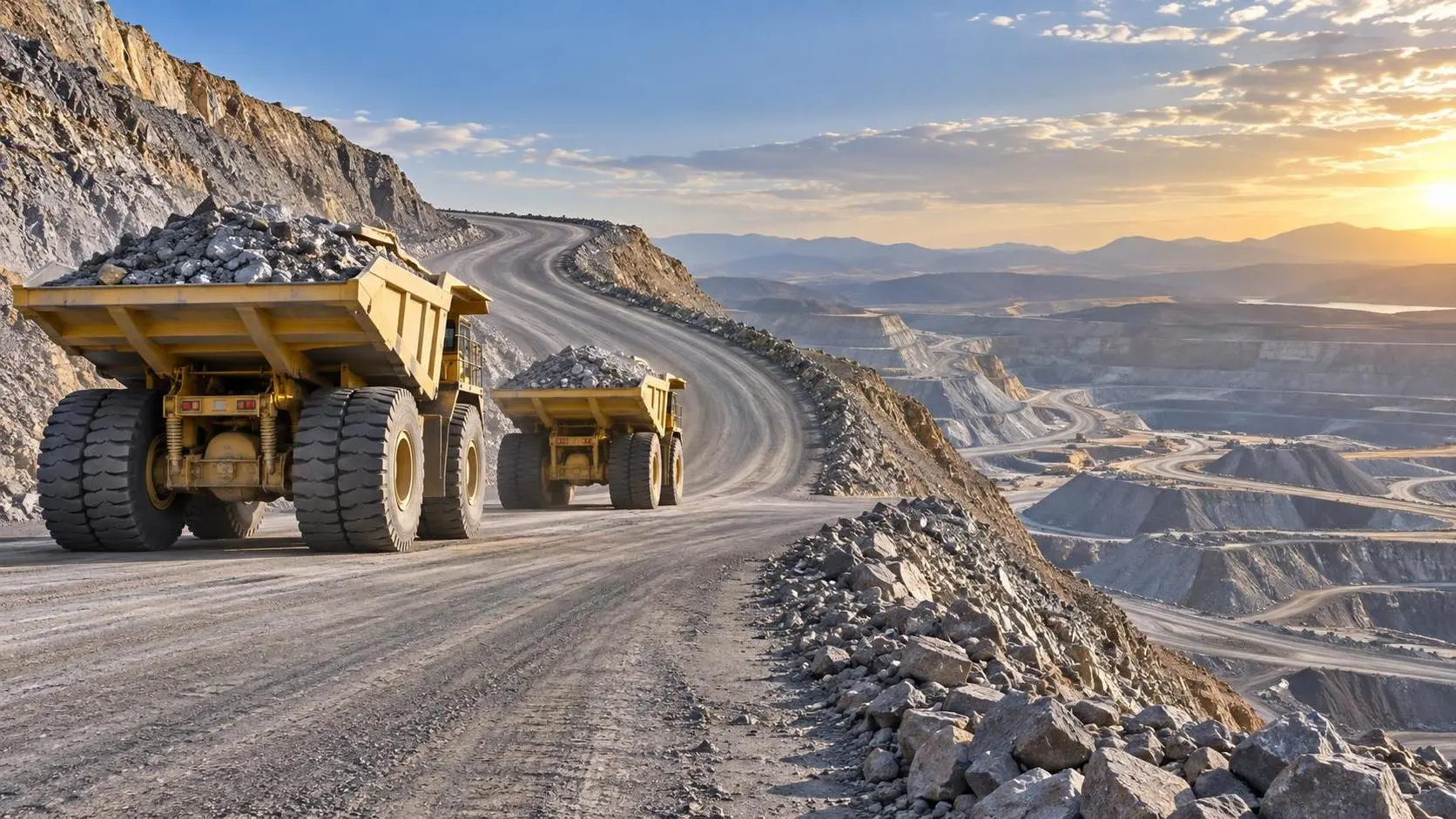
How to Size Open Pit Mining Trucks for Haul Distance, Grade, and Payload?
Open Pit Mining Trucks: learn how to match payload, haul distance, grade, road resistance, and loading capacity for safer, lower-cost mine operations.
Related News
- 00
0000-00
How to Evaluate European Drill-and-Blast Tunnelling Contractors for Complex Projects - 00
0000-00
Which Trenchless Construction Technique Fits Your Utility Crossing Conditions? - 00
0000-00
What Is Driving Metro Tunnelling Demand Across Southeast Asia’s Major Cities? - 00
0000-00
Hard Rock Tunnelling in Australia: Selecting Methods for Variable Ground Conditions - 00
0000-00
Hydropower Tunnel Excavation: Selecting Methods for Variable Rock Conditions
Weekly Insights
Stay ahead with our curated technology reports delivered every Monday.