
Rock Excavation in Mining: Which Methods Fit Hard Ore, Fractured Rock, and Deep Levels?





Rock Excavation in Mining: Which Methods Fit Hard Ore, Fractured Rock, and Deep Levels?
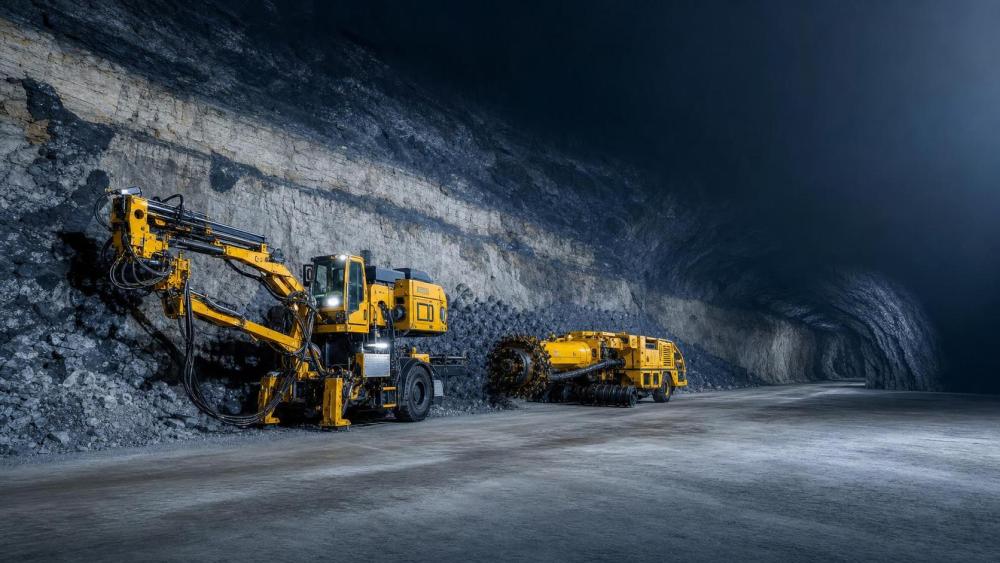
Rock excavation in mining is rarely a simple equipment choice.
Hard ore, broken ground, and deep workings each change the rules.
That is why rock excavation in mining must start with ground response, not supplier preference.
The practical question is straightforward.
Which excavation method delivers the required advance rate, fragmentation, safety, and cost profile underground?
In current mine development, three families dominate the decision.
They are drill-and-blast, mechanical cutting, and hybrid rock excavation in mining workflows.
Each one performs well under certain rock mass and infrastructure conditions.
Each one also creates different demands for ventilation, support, energy, and automation.
From a technical evaluation perspective, the best answer is usually a fit-for-ground answer.
This article breaks down where each method fits and where it starts to lose value.
Start with the rock mass, not the machine brochure
Good rock excavation in mining begins with a disciplined ground model.
Uniaxial compressive strength matters, but it is only one input.
Joint spacing, abrasivity, water inflow, faulting, stress regime, and tunnel geometry often matter just as much.
A hard but massive ore zone may suit one method.
A slightly weaker but heavily fractured zone may demand another.
The more important signal is interaction between geology and operating constraints.
For example, deep mines may face heat, diesel restrictions, and long re-entry delays after blasting.
That changes the economics of rock excavation in mining even before production starts.
Key evaluation factors
- Rock strength and brittleness
- Rock mass quality, joints, and fault frequency
- Abrasivity and cutter or tool wear rate
- Stress depth, squeezing, and burst potential
- Required profile accuracy and overbreak limits
- Ventilation capacity and emissions targets
- Cycle time, labor model, and automation readiness
Once these factors are visible, method selection becomes much more defensible.
When drill-and-blast remains the strongest fit
Drill-and-blast still anchors a large share of rock excavation in mining.
There is a simple reason for that.
It stays flexible across changing geology, irregular headings, and variable section sizes.
In very hard ore, blasting can still break rock more economically than continuous mechanical cutting.
This is especially true when cutter consumption becomes excessive.
Drilling jumbos also allow pattern adjustments as ground quality changes.
That adaptability is valuable in structurally complex deposits.
Best-fit conditions for drill-and-blast
- High-strength ore and waste with frequent geological variation
- Multiple headings with changing cross-sections
- Remote mines where modular equipment logistics matter
- Projects needing selective development rather than continuous linear advance
Still, the limits are equally clear.
Blast fumes increase ventilation demand.
Re-entry delays interrupt continuity.
Overbreak can raise ground support costs and ore dilution.
At depth, those penalties become more expensive.
That is why modern rock excavation in mining often pairs drill-and-blast with tighter digital control.
Face mapping, automated drilling, and charging optimization reduce variability and improve cycle discipline.
Where mechanical cutting gains an edge
Mechanical cutting is becoming more attractive in specific rock excavation in mining scenarios.
The advantage is continuous excavation with less cyclic interruption.
That improves shift utilization and supports easier automation.
It also helps mines pursuing lower emissions in confined underground spaces.
When paired with electric transport and remote operation, the ventilation burden can drop meaningfully.
This is one reason UTMD tracks electrified underground systems so closely.
The excavation method now connects directly to mine-wide energy design.
Mechanical cutting tends to work best when
- The drive is long, repeatable, and geometrically consistent
- Ground conditions allow predictable machine utilization
- Ventilation and blast clearance time strongly affect economics
- High profile quality and reduced overbreak are important
However, mechanical cutting is not automatically the answer for hard ore.
Very high UCS and severe abrasivity can push tool wear beyond a practical limit.
Fractured ground can also reduce machine stability and cutter contact quality.
So in rock excavation in mining, continuous cutting only wins when utilization remains high enough.
How fractured rock changes the decision
Fractured rock is where many method comparisons become misleading.
On paper, lower intact strength may suggest easier excavation.
In practice, fractured ground often creates the bigger operational problem.
Loose blocks, uneven breakout, water pathways, and weak confinement all slow the heading.
This means rock excavation in mining must be evaluated together with immediate ground support.
In fractured zones, prioritize
- Fast probing and face characterization
- Short response time between excavation and support
- Control of overbreak and loose perimeter damage
- Equipment that tolerates unstable floor and wall conditions
Drill-and-blast often keeps an advantage here because the method tolerates irregular geology.
But blast energy must be tightly controlled.
Poor perimeter control can enlarge the damaged zone and increase support demand.
Mechanical systems may still work if the fracture network is manageable and support logistics are integrated.
The key point is simple.
In fractured ground, excavation speed alone is the wrong metric.
Stability recovery time usually tells the real story.
Deep-level mining adds heat, stress, and ventilation pressure
Deep-level conditions reshape rock excavation in mining more than many early studies assume.
Stress concentrations raise the risk of slabbing, squeezing, and rockburst behavior.
At the same time, heat load and airflow distance increase operating penalties.
This is where method selection has to move beyond pure excavation cost per cubic meter.
Blast fumes, diesel emissions, standby losses, and support interruptions all compound at depth.
A method with a higher unit cost can still win if it shortens ventilation delays and improves asset utilization.
Deep-level screening questions
In recent projects, a stronger signal is the move toward integrated systems.
Excavation, haulage, ventilation, and digital monitoring are being evaluated as one operating package.
Why hybrid rock excavation in mining is gaining ground
Many mines no longer treat method selection as a single-method decision.
Hybrid rock excavation in mining is becoming more common.
A mine may use drill-and-blast for access development and mechanical cutting for long, stable drifts.
It may also switch methods by depth or stress domain.
This approach reflects reality better than rigid technology camps.
Ore bodies are variable, and excavation strategy should be variable too.
A practical selection framework
- Define the dominant constraint for each zone.
- Model utilization loss, not only theoretical advance rate.
- Include support, ventilation, and haulage in the comparison.
- Stress test the method against the worst expected ground.
- Check whether automation improves the real bottleneck.
That last point matters more every year.
Automation does not rescue a poor ground-method match.
But it can strongly improve a sound rock excavation in mining setup through better consistency and lower exposure.
The decision should follow operating reality
There is no universal winner in rock excavation in mining.
Hard ore often favors drill-and-blast, especially where geology shifts quickly.
Fractured rock favors whichever method controls damage and restores stability fastest.
Deep levels reward methods that reduce ventilation penalty, exposure, and downtime.
That is the real takeaway.
The right method is the one that fits the full underground system.
For teams reviewing options today, the most useful next step is a zone-by-zone comparison.
Map ground conditions, ventilation limits, support timing, and equipment utilization together.
That is how rock excavation in mining decisions become more accurate, more resilient, and easier to scale underground.
Related News
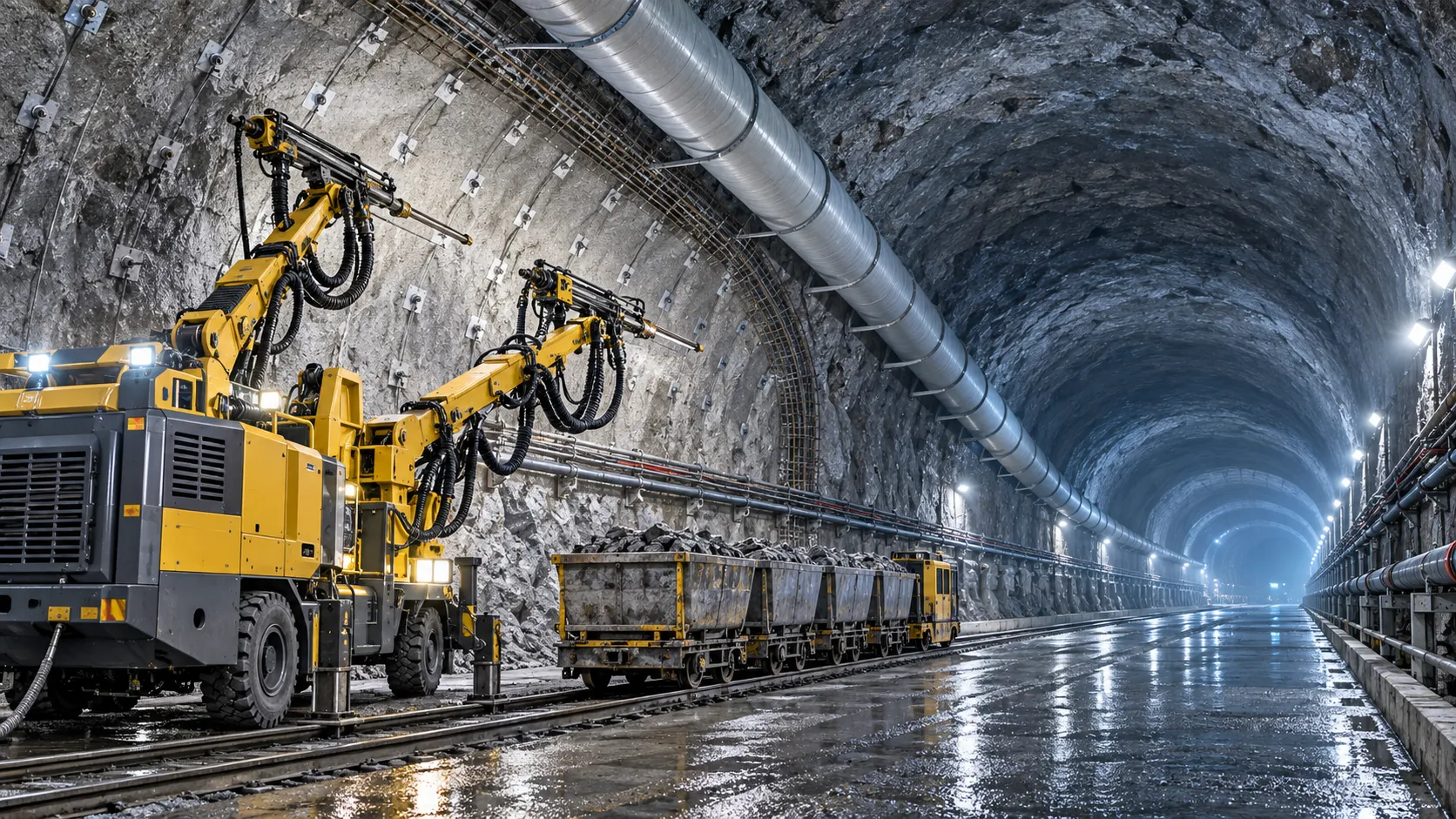
How to Evaluate European Drill-and-Blast Tunnelling Contractors for Complex Projects
Drill and blast tunnelling contractors Europe: learn how to assess geology expertise, blast control, equipment reliability, safety, and programme resilience for complex projects.
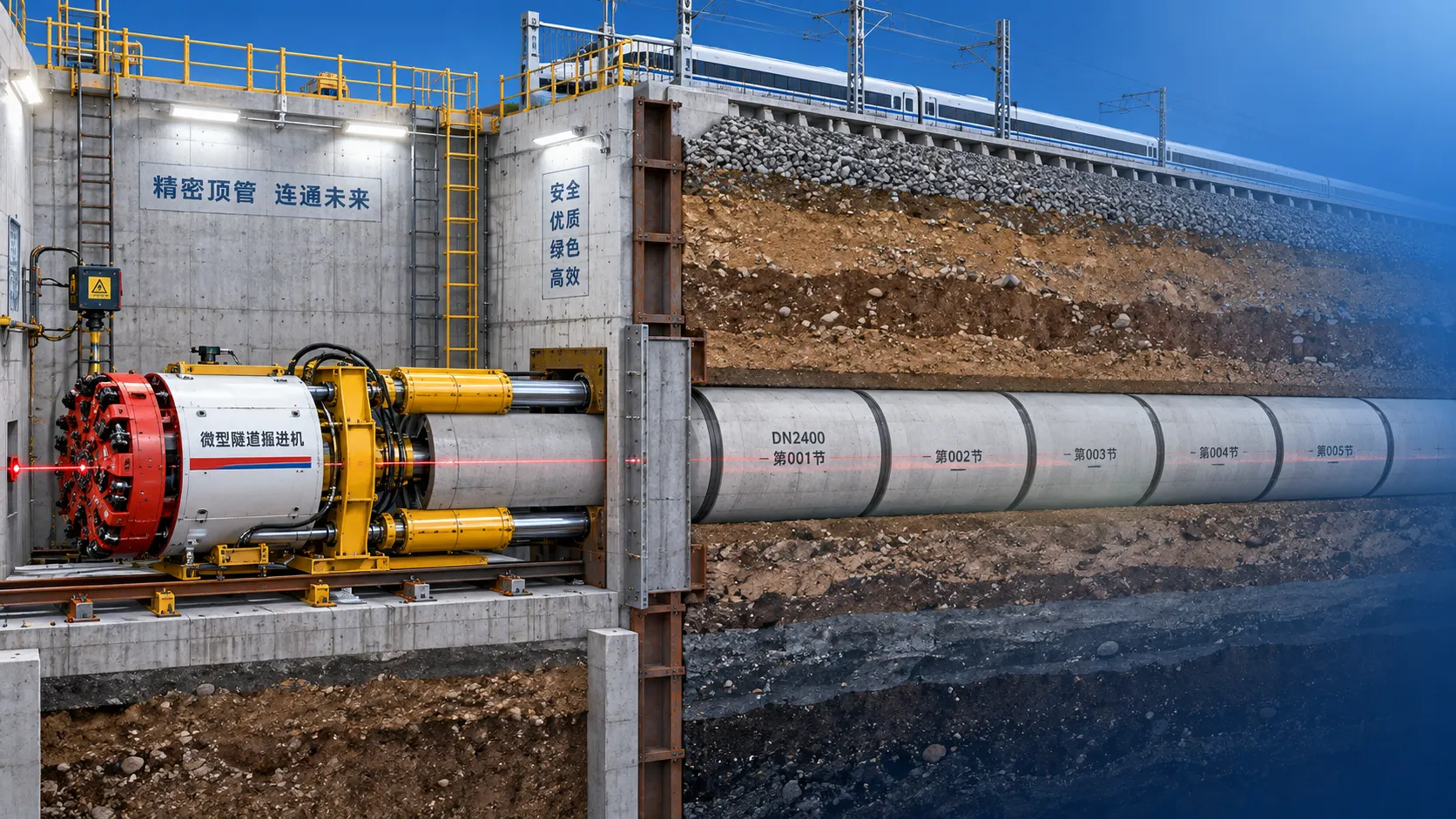
Which Trenchless Construction Technique Fits Your Utility Crossing Conditions?
Trenchless construction techniques compared for utility crossings: choose HDD, microtunnelling, pipe jacking, or auger boring based on ground, accuracy, access, and risk.
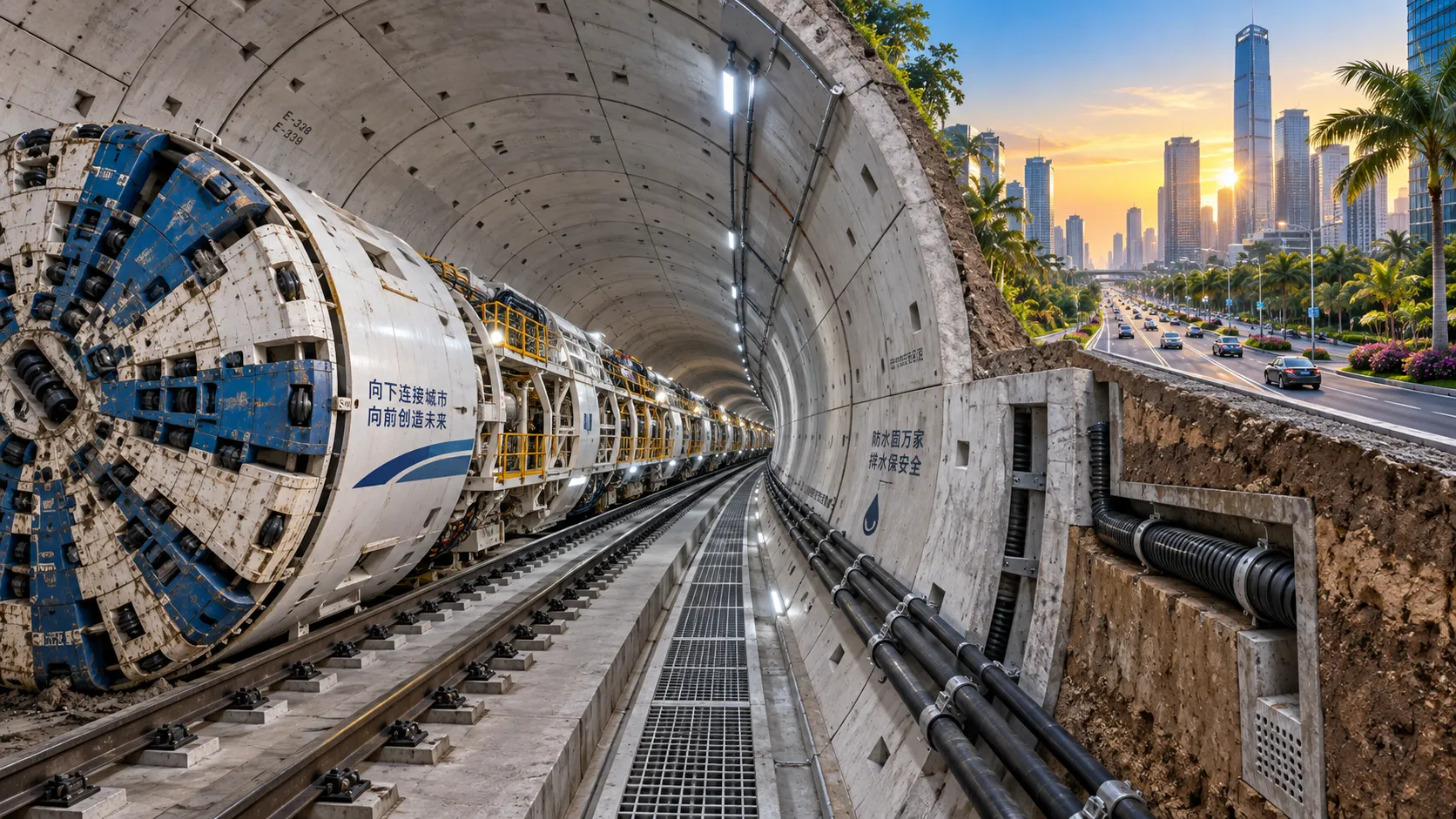
What Is Driving Metro Tunnelling Demand Across Southeast Asia’s Major Cities?
Metro tunnelling Southeast Asia is accelerating as major cities tackle congestion, flooding, and connectivity. Explore the market forces, technical risks, and opportunities shaping demand.
Hard Rock Tunnelling in Australia: Selecting Methods for Variable Ground Conditions
Hard rock tunnelling in Australia: compare TBM, drill-and-blast and hybrid methods to manage variable ground, reduce risk and protect project costs.
Hydropower Tunnel Excavation: Selecting Methods for Variable Rock Conditions
Hydropower tunnel excavation methods for variable rock conditions: compare TBM, drill-and-blast, and hybrid strategies to improve safety, progress, and project control.
How to Select Underground Safety Equipment for Tunnelling by Hazard and Work Zone
Underground Safety Equipment for tunnelling: match protection to hazards, work zones, compliance, and emergency needs with this practical selection guide.
EPB or Slurry Shield? Selecting Soft-Ground Tunnelling Equipment by Soil Conditions
Tunnel Excavation Equipment for soft ground: compare EPB and slurry shields by soil, groundwater, settlement risk, and project logistics to choose confidently.
How to Specify TBM Backup System Parts for Reliable Long-Distance Tunnelling
TBM backup system parts: learn how to specify reliable spares for long-distance tunnelling, reduce downtime, ensure compatibility, and speed underground recovery.
How to Size Open Pit Mining Trucks for Haul Distance, Grade, and Payload?
Open Pit Mining Trucks: learn how to match payload, haul distance, grade, road resistance, and loading capacity for safer, lower-cost mine operations.
Related News
- 00
0000-00
How to Evaluate European Drill-and-Blast Tunnelling Contractors for Complex Projects - 00
0000-00
Which Trenchless Construction Technique Fits Your Utility Crossing Conditions? - 00
0000-00
What Is Driving Metro Tunnelling Demand Across Southeast Asia’s Major Cities? - 00
0000-00
Hard Rock Tunnelling in Australia: Selecting Methods for Variable Ground Conditions - 00
0000-00
Hydropower Tunnel Excavation: Selecting Methods for Variable Rock Conditions
Weekly Insights
Stay ahead with our curated technology reports delivered every Monday.