
Tunnel Boring Equipment for Tunnels: Key Types, Ground Conditions, and Selection Criteria





Selecting Tunnel Boring Equipment for tunnels is rarely a matter of diameter alone. Real project performance depends on how well the machine fits the ground, water regime, alignment geometry, logistics chain, and risk tolerance built into the contract.
That is why this topic matters across transport, utilities, energy, and mining-linked infrastructure. A machine that looks powerful on paper can struggle badly if the face conditions, spoil handling method, or support strategy were misunderstood at the evaluation stage.
In today's market, the discussion is broader than excavation speed. Reliability, cutter wear, groundwater control, electrification, digital monitoring, and lifecycle cost now shape how Tunnel Boring Equipment for tunnels is assessed and compared.
UTMD tracks these shifts closely because tunnel boring no longer sits in isolation. It connects with trenchless methods, underground transport systems, and the wider move toward automated, lower-emission heavy equipment in confined underground spaces.
What Tunnel Boring Equipment for tunnels really includes
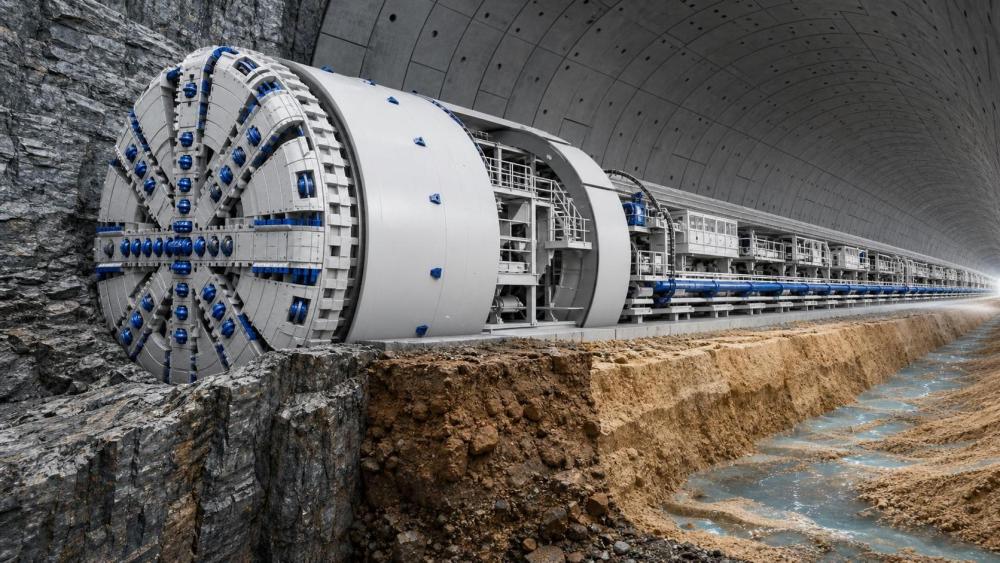
At a technical level, Tunnel Boring Equipment for tunnels refers to more than the shield or cutterhead. It includes the excavation machine, thrust system, segment erection setup, guidance package, slurry or muck transport, backup gantries, and supporting process controls.
This system view matters because failures often happen at the interfaces. A suitable cutterhead paired with weak spoil conditioning, limited dewatering, or undersized power distribution can still create severe downtime.
The same logic applies to urban trenchless work and deep civil tunnels. Even when the machine family is correctly chosen, project outcomes depend on how the total boring system behaves under continuous load.
The main machine families and where they fit
The first screening step is usually the machine category. Each family manages face support, groundwater, and excavation mechanics differently, so the selection must start with geotechnical behavior rather than equipment branding.
Hard rock TBMs
Hard rock machines work best in competent rock with limited groundwater inflow. They rely on disc cutters to fracture the face and are common in long water transfer tunnels, hydropower works, railway projects, and some mining developments.
Open gripper TBMs are efficient where stable rock permits direct wall contact. Single shield and double shield variants become more attractive when rock support installation or fractured zones are expected along the alignment.
Earth Pressure Balance machines
EPB machines are widely used in soft ground, especially silts, clays, and mixed urban deposits. They maintain face stability by balancing pressure with conditioned excavated material inside the chamber.
They are often preferred for metro and municipal tunnels where settlement control is critical. Their performance depends heavily on soil plasticity, conditioning additives, screw conveyor behavior, and disciplined pressure management.
Slurry shield machines
Slurry machines suit water-bearing granular soils, unstable sands, and conditions with high permeability. Bentonite slurry supports the face, while separation plants process excavated material at the surface.
These machines can perform very well under rivers, coastal zones, and deep urban crossings. Their added complexity comes from slurry treatment requirements, interface management, and strong operational discipline.
Mixed-ground and convertible designs
Many modern alignments pass through alternating rock, soil, cobbles, and faulted zones. In such cases, Tunnel Boring Equipment for tunnels may need convertible modes, robust wear protection, and flexible cutterhead tooling.
These machines reduce exposure to unpredictable transitions, but they demand careful planning around intervention access, chamber safety, and spare parts strategy.
Ground conditions drive the decision more than machine size
Ground condition is not a single label. It combines strength, abrasivity, fracture frequency, permeability, boulder content, swelling potential, and groundwater pressure. Each factor changes how Tunnel Boring Equipment for tunnels should be specified.
For hard rock, the key issue may be disc cutter consumption and penetration rate. In soft ground, the critical issue is often face stability, settlement control, or how conditioned muck behaves in the chamber and conveyor.
Mixed ground is especially demanding because the cutterhead can meet rock on one side and soft soil on the other. That creates unbalanced loads, uneven wear, and complex steering behavior.
Groundwater deserves separate attention. High inflow risk affects chamber pressure design, sealing systems, intervention methods, and rescue planning. A geology report without hydrogeological depth is not enough for sound equipment selection.
Why the market is paying closer attention now
Several pressures are changing how Tunnel Boring Equipment for tunnels is evaluated. Mega-projects are becoming longer, deeper, and more urban. At the same time, owners expect tighter environmental control, lower disruption, and more predictable schedules.
UTMD's broader underground view is useful here. The same shift toward electrification, automation, sensing, and data-rich asset management is visible in TBMs, pipe jacking systems, underground loaders, and mining haulage fleets.
This means evaluators are increasingly comparing not only excavation capacity, but also telemetry quality, remote diagnostics, energy efficiency, maintenance windows, and how quickly the machine can recover after difficult ground events.
In abrasive formations, cutter life modeling has become a board-level issue because unplanned interventions can erase productivity assumptions. In urban work, settlement performance and operational traceability can matter more than peak advance rates.
Practical selection criteria that hold up in real projects
A robust decision framework for Tunnel Boring Equipment for tunnels usually combines geology, constructability, operations, and commercial realism. Looking at only one dimension produces expensive blind spots.
- Face support method must match expected soil structure, permeability, and groundwater pressure.
- Cutterhead design should reflect rock strength, abrasivity, block size, and anticipated mixed-ground transitions.
- Alignment geometry affects shield articulation, steering demand, and backup train arrangement.
- Spoil handling must be checked from face to final disposal, not only inside the machine.
- Segment erection, lining tolerance, and ring build speed influence actual advance rhythm.
- Maintenance access, intervention strategy, and spare parts availability shape lifecycle reliability.
- Digital monitoring should support decisions, not simply add sensors without operational use.
Cost evaluation also needs discipline. Lowest purchase price can be misleading if cutter changes, conditioning agents, slurry treatment, or downtime exposure were underestimated. Whole-of-project cost is the more useful lens.
Typical project scenarios and the tradeoffs behind them
Urban metro tunnels usually prioritize settlement control, logistics discipline, and reliable ring building under restricted footprints. EPB or slurry systems are common, but the choice depends on permeability, fines content, and utility sensitivity above ground.
Long transport or water tunnels in competent rock often favor hard rock TBMs for sustained production. Yet fractured sections, squeezing zones, and fault crossings may justify shielded designs even when average rock quality appears strong.
River crossings and coastal tunnels place groundwater control at the center of selection. Here, the strongest machine is not automatically the best machine. Pressure management, sealing integrity, and intervention planning become decisive.
Mining-related tunnel development introduces another layer. Ventilation limits, electrification goals, remote monitoring, and integration with underground transport can influence equipment decisions in ways that conventional civil benchmarks do not capture.
Where adjacent equipment knowledge helps
Understanding trenchless and mining systems improves tunnelling decisions. Pipe jacking experience sharpens thinking on constrained urban execution, while underground mining equipment trends highlight the value of autonomy, zero-exhaust operation, and resilient telemetry underground.
That cross-sector perspective is increasingly relevant when Tunnel Boring Equipment for tunnels is expected to operate as part of a connected underground production environment rather than as a standalone machine.
A disciplined way to move from shortlist to decision
A useful next step is to build a selection matrix around the actual alignment, not a generic machine catalogue. Separate the route into ground domains, assign water and risk profiles, then test each machine concept against those domains.
It also helps to challenge productivity claims with assumptions made visible. Ask how rates change in faulted zones, how interventions will be performed, what wear data supports cutter forecasts, and how backup systems behave under reduced availability.
For many projects, the strongest decisions come from combining geotechnical evidence, operational modeling, and external market intelligence. That is where a platform like UTMD becomes relevant: not as promotion, but as a way to compare evolving machine practices across tunnels, trenchless works, and underground heavy equipment.
When Tunnel Boring Equipment for tunnels is judged through that wider lens, the selection process becomes more resilient. The immediate task is simple: define the ground clearly, map the risks honestly, and evaluate each machine as a full operating system rather than a single headline specification.
Related News
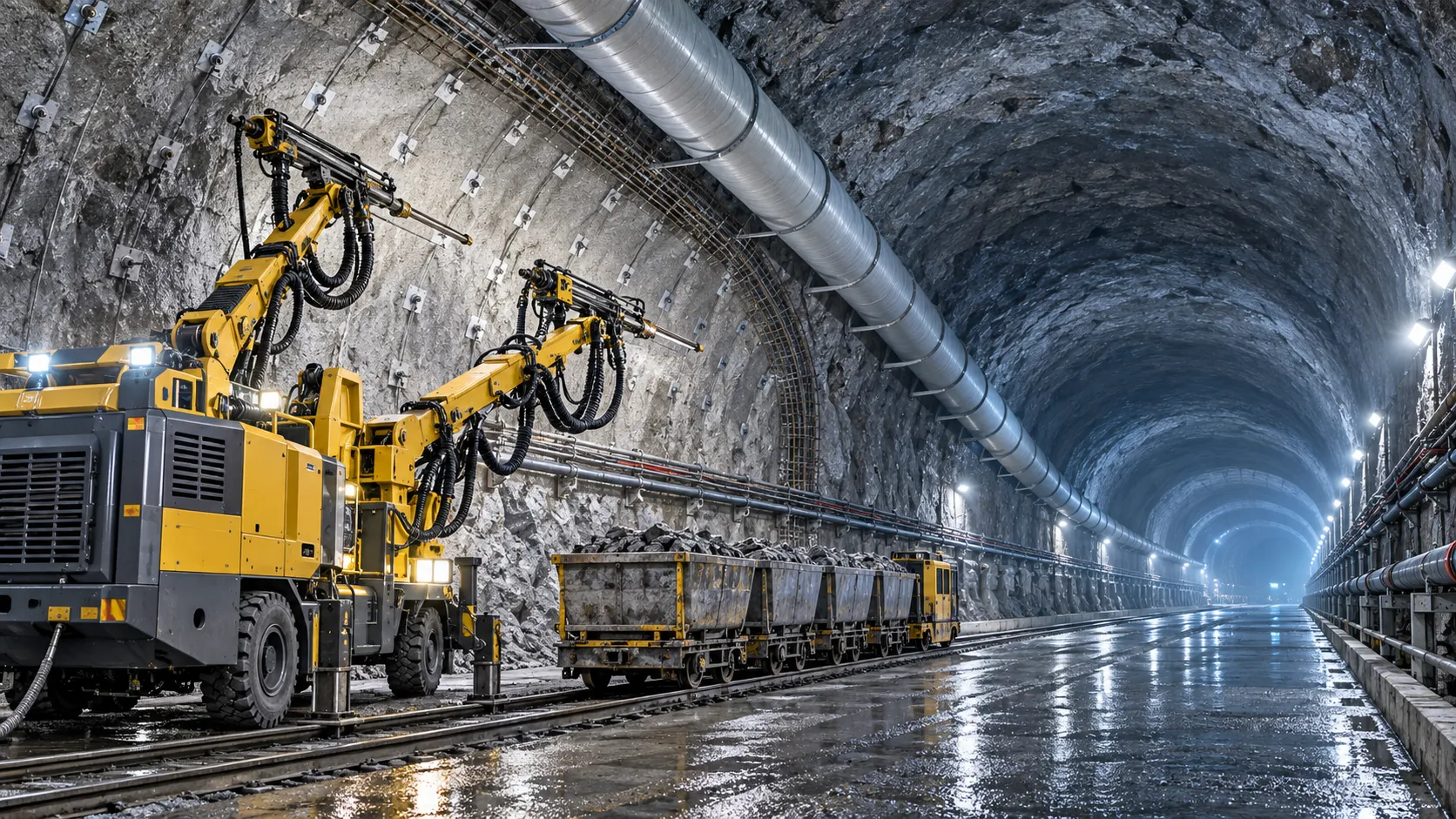
How to Evaluate European Drill-and-Blast Tunnelling Contractors for Complex Projects
Drill and blast tunnelling contractors Europe: learn how to assess geology expertise, blast control, equipment reliability, safety, and programme resilience for complex projects.
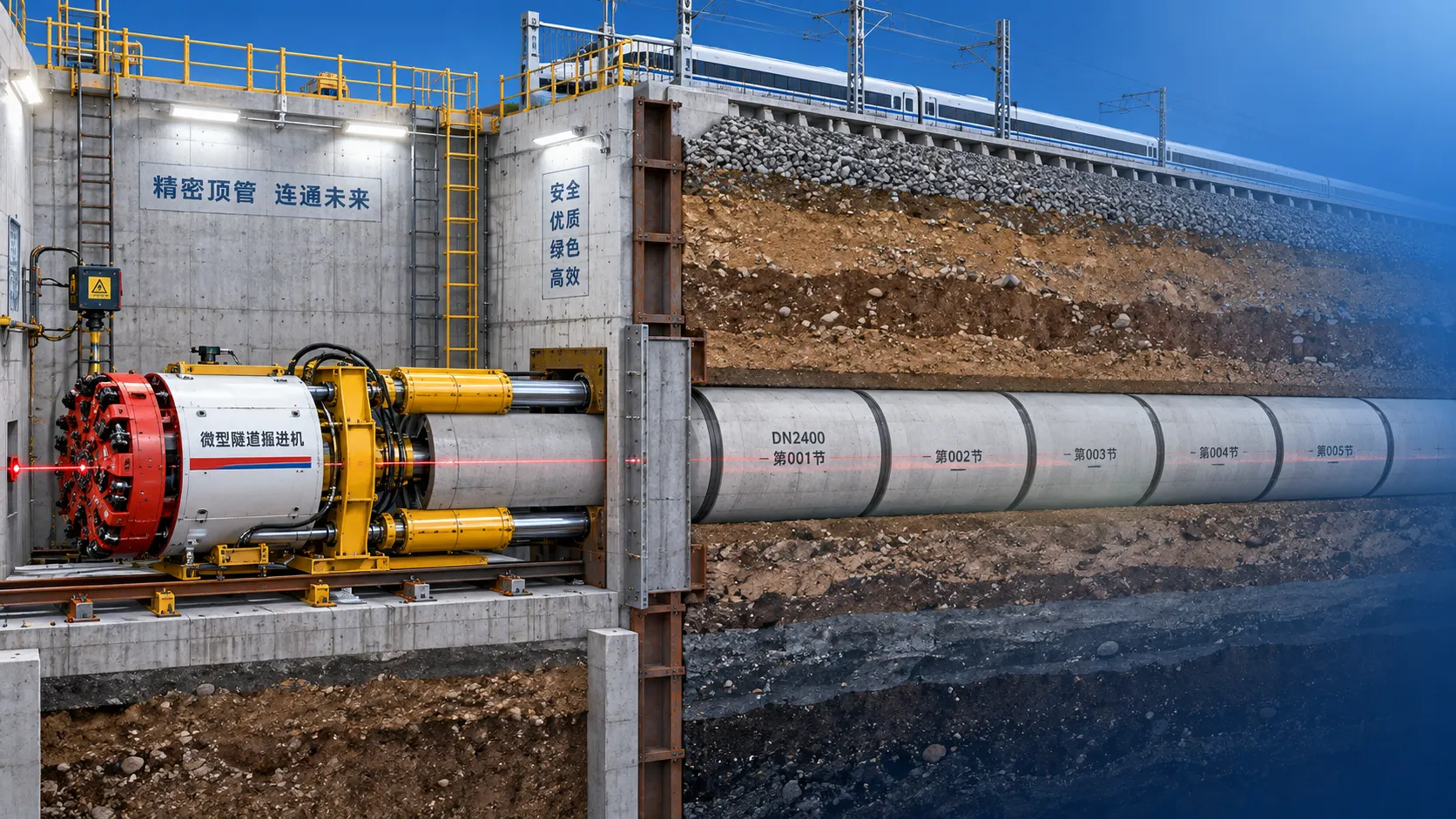
Which Trenchless Construction Technique Fits Your Utility Crossing Conditions?
Trenchless construction techniques compared for utility crossings: choose HDD, microtunnelling, pipe jacking, or auger boring based on ground, accuracy, access, and risk.
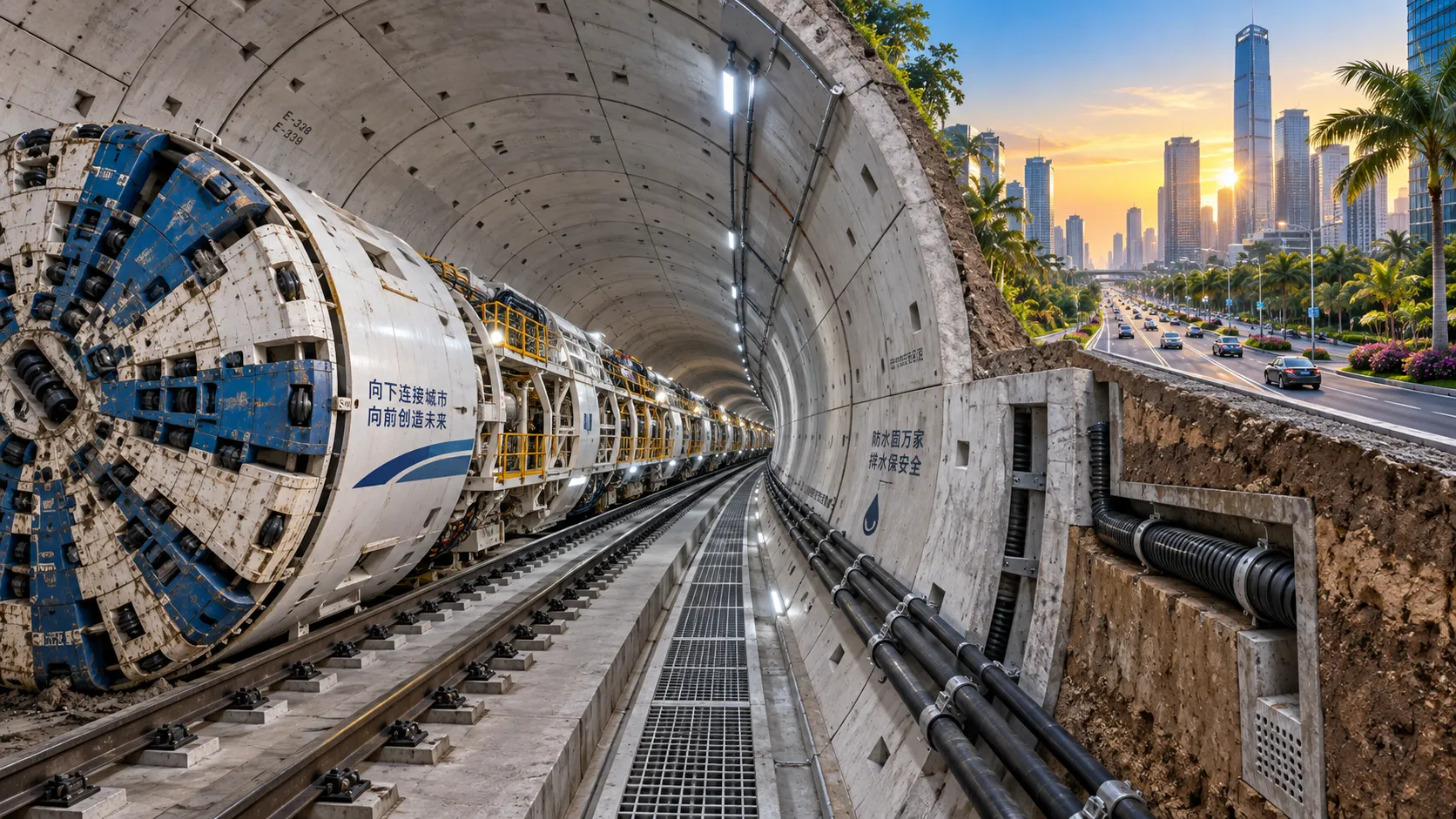
What Is Driving Metro Tunnelling Demand Across Southeast Asia’s Major Cities?
Metro tunnelling Southeast Asia is accelerating as major cities tackle congestion, flooding, and connectivity. Explore the market forces, technical risks, and opportunities shaping demand.
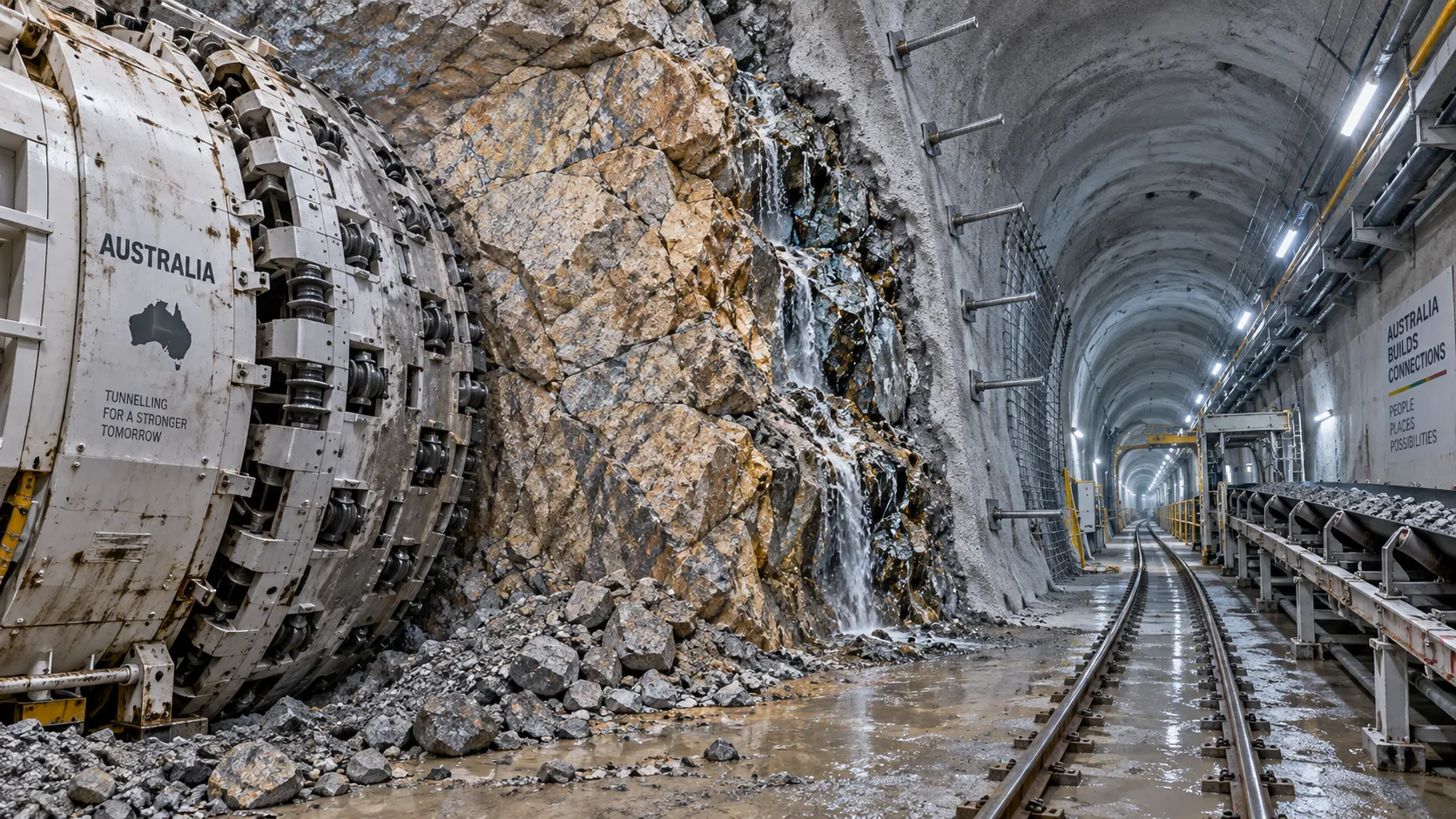
Hard Rock Tunnelling in Australia: Selecting Methods for Variable Ground Conditions
Hard rock tunnelling in Australia: compare TBM, drill-and-blast and hybrid methods to manage variable ground, reduce risk and protect project costs.
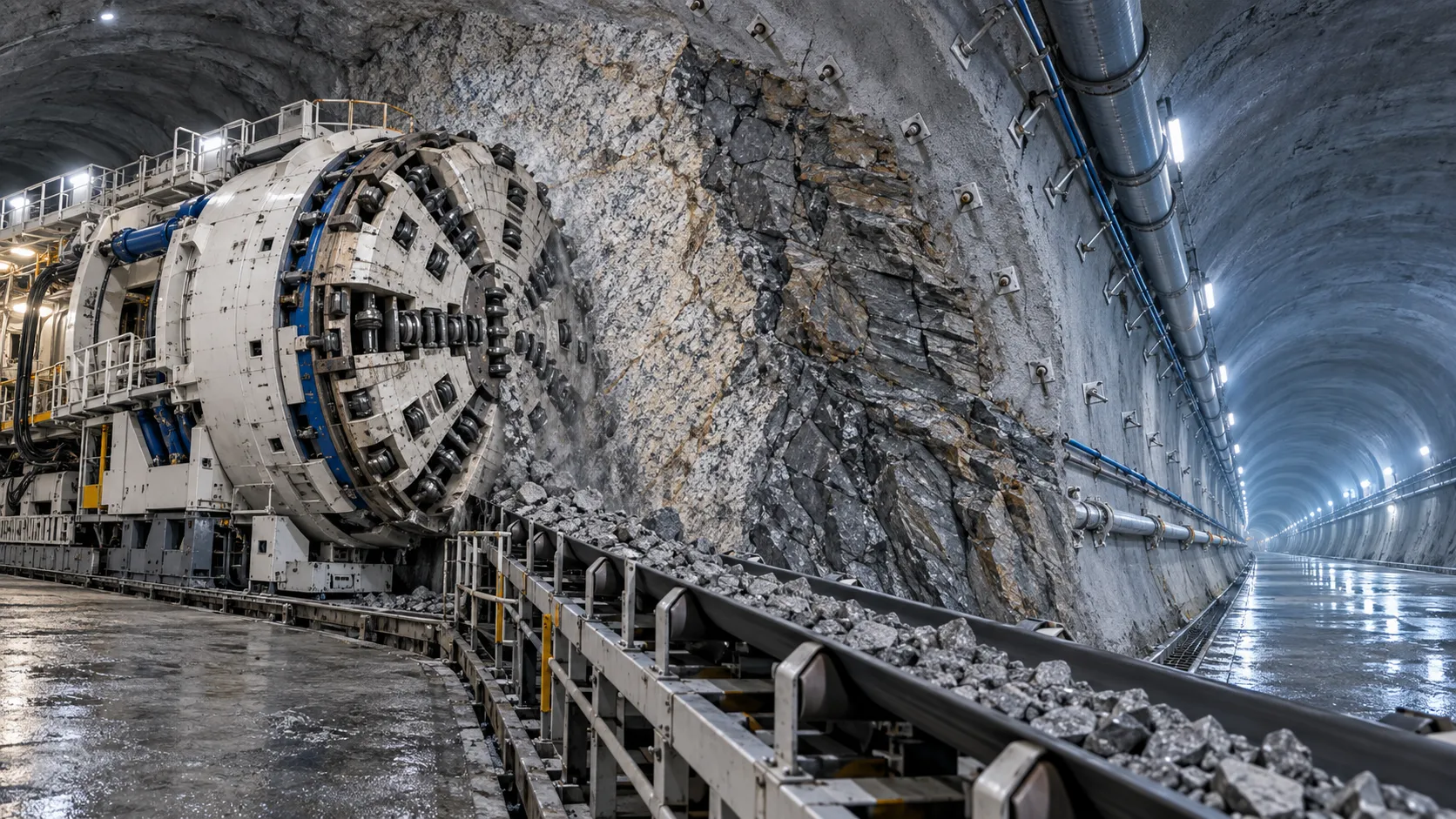
Hydropower Tunnel Excavation: Selecting Methods for Variable Rock Conditions
Hydropower tunnel excavation methods for variable rock conditions: compare TBM, drill-and-blast, and hybrid strategies to improve safety, progress, and project control.
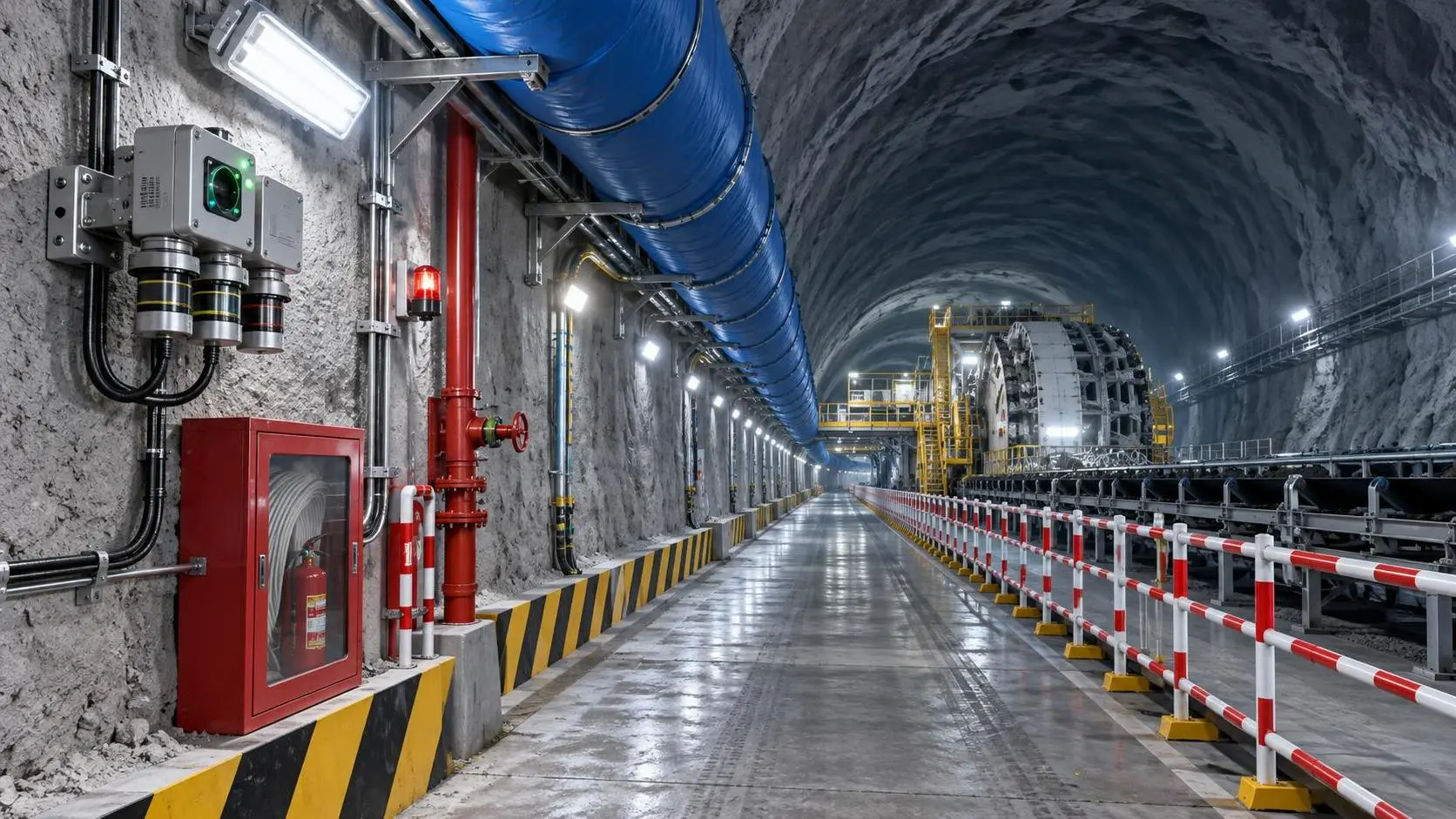
How to Select Underground Safety Equipment for Tunnelling by Hazard and Work Zone
Underground Safety Equipment for tunnelling: match protection to hazards, work zones, compliance, and emergency needs with this practical selection guide.
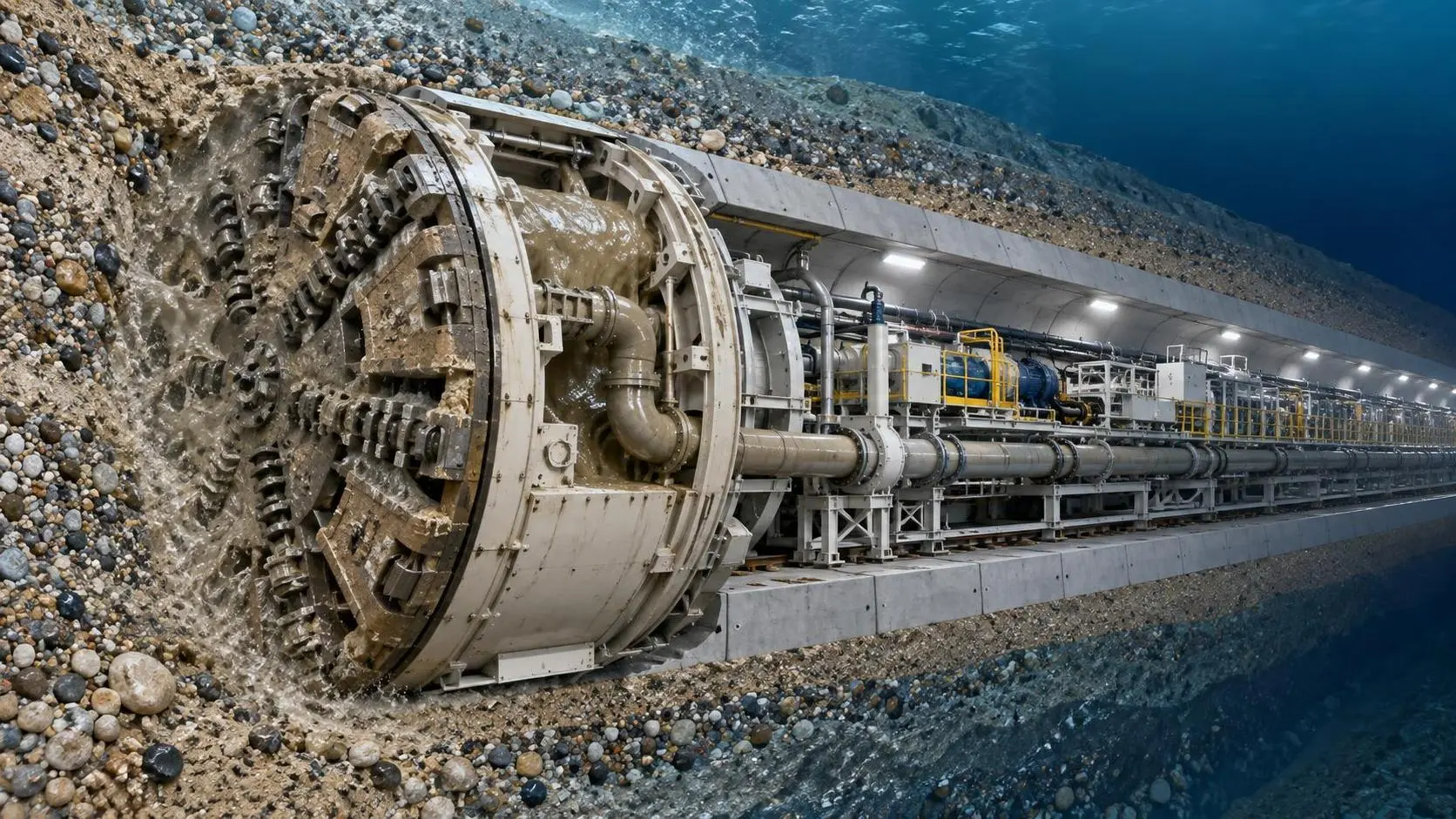
EPB or Slurry Shield? Selecting Soft-Ground Tunnelling Equipment by Soil Conditions
Tunnel Excavation Equipment for soft ground: compare EPB and slurry shields by soil, groundwater, settlement risk, and project logistics to choose confidently.
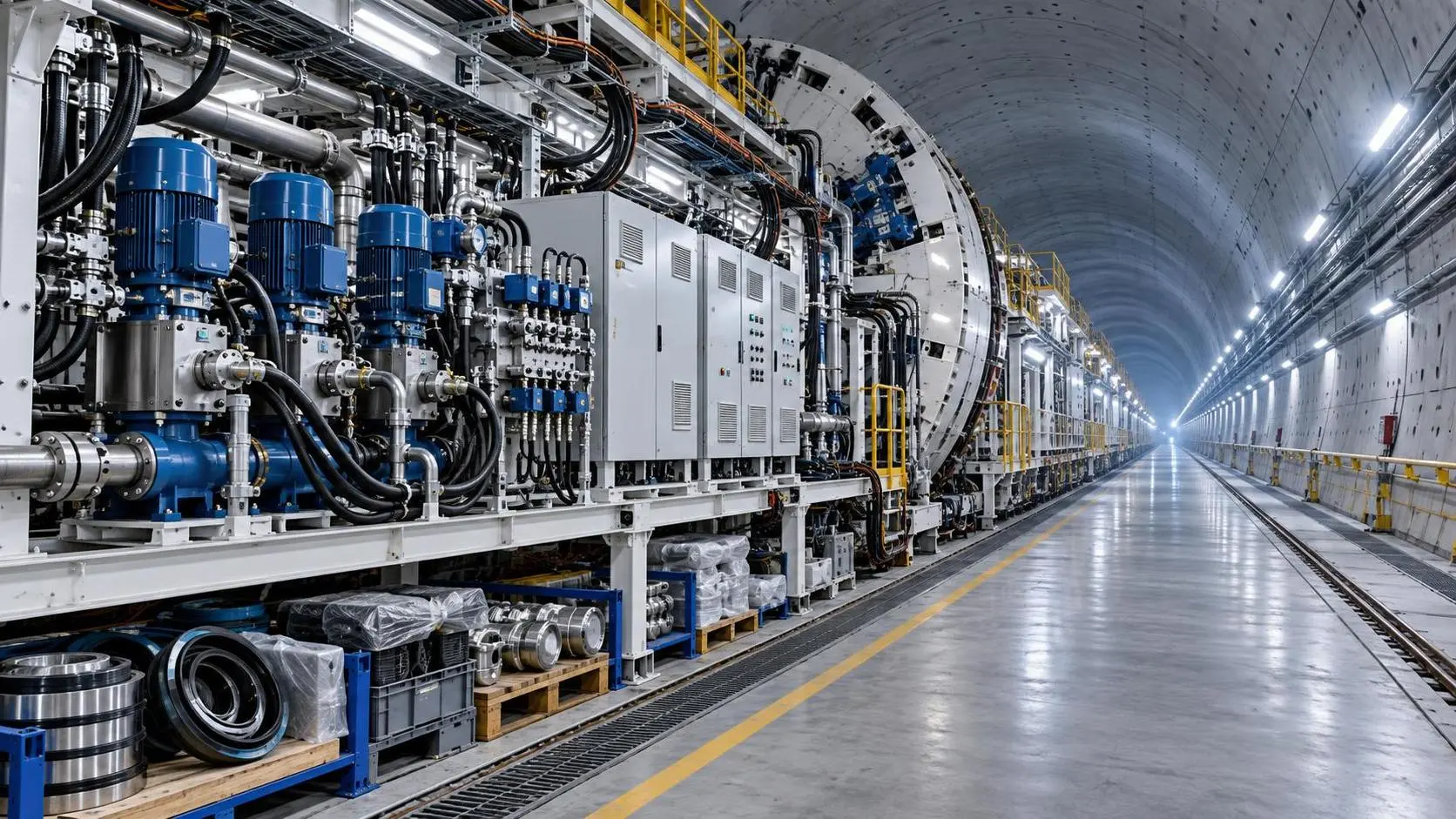
How to Specify TBM Backup System Parts for Reliable Long-Distance Tunnelling
TBM backup system parts: learn how to specify reliable spares for long-distance tunnelling, reduce downtime, ensure compatibility, and speed underground recovery.
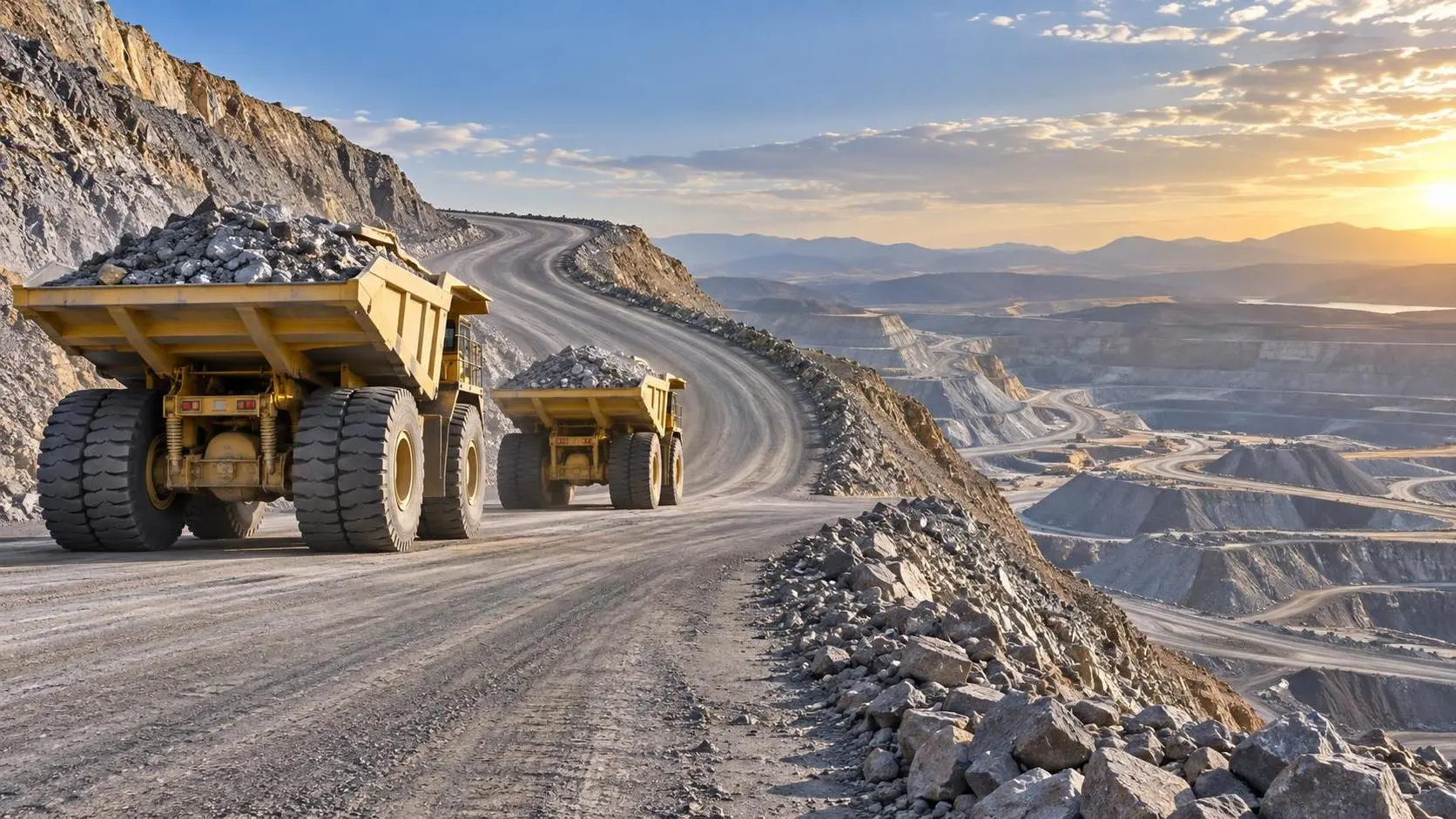
How to Size Open Pit Mining Trucks for Haul Distance, Grade, and Payload?
Open Pit Mining Trucks: learn how to match payload, haul distance, grade, road resistance, and loading capacity for safer, lower-cost mine operations.
Related News
- 00
0000-00
How to Evaluate European Drill-and-Blast Tunnelling Contractors for Complex Projects - 00
0000-00
Which Trenchless Construction Technique Fits Your Utility Crossing Conditions? - 00
0000-00
What Is Driving Metro Tunnelling Demand Across Southeast Asia’s Major Cities? - 00
0000-00
Hard Rock Tunnelling in Australia: Selecting Methods for Variable Ground Conditions - 00
0000-00
Hydropower Tunnel Excavation: Selecting Methods for Variable Rock Conditions
Weekly Insights
Stay ahead with our curated technology reports delivered every Monday.