
How to Evaluate Digital Underground Construction Vendors for Utility and Transit Projects





What makes digital underground construction vendors worth a closer look?
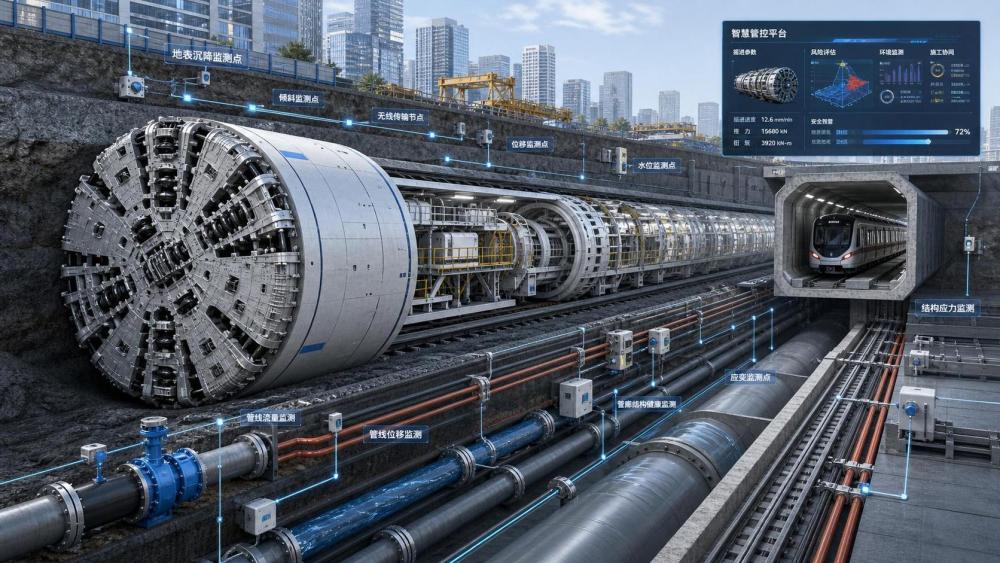
Utility tunnels, metro links, and trenchless networks now depend on more than excavation hardware. The stronger vendors combine equipment, software, sensing, and field execution into one workable delivery model.
That is why evaluating digital underground construction vendors cannot stop at price sheets. A low bid may still create schedule drift, data gaps, safety friction, and expensive interface disputes later.
In practical terms, the best decision comes from linking commercial review with engineering reality. Ground conditions, alignment geometry, utility congestion, and ventilation limits all change what a vendor must prove.
This matters even more in projects using TBMs, pipe jacking systems, drilling jumbos, or digital haulage support. UTMD’s industry coverage consistently shows that underground performance depends on reliability, automation depth, and lifecycle intelligence.
So the real question is not simply, “Who can deliver?” It is, “Which digital underground construction vendors can manage risk across planning, execution, and long-term asset operation?”
When does a vendor count as “digital” in underground construction?
A vendor is not truly digital because it offers dashboards in a proposal. The label only matters when digital tools improve field decisions, machine control, traceability, and maintenance planning.
For utility and transit work, that usually includes alignment monitoring, machine telemetry, geotechnical data capture, settlement alerts, document control, and integration with owner reporting systems.
More advanced digital underground construction vendors also connect operational data with asset outcomes. For example, they may link cutter wear, jacking force, or haul cycles to predictive maintenance and production forecasts.
That distinction is important. A polished interface has little value if site teams still rely on manual logs, disconnected spreadsheets, or delayed incident escalation.
A useful working definition is simple: digital underground construction vendors should reduce uncertainty underground, not just improve presentation above ground.
What should be visible before contract award?
- Live or sample machine data outputs tied to actual projects
- A clear data ownership and cybersecurity model
- Interfaces with GIS, BIM, SCADA, or maintenance systems
- Evidence that field crews actually use the platform
- Escalation workflows for ground movement, downtime, or safety events
Which evaluation criteria separate strong vendors from risky ones?
Most teams start with capability, price, and schedule. That is necessary, but it is rarely enough for underground work where access is limited and mistakes are slow to recover.
A better review compares technical fit, digital maturity, and support resilience at the same time. The table below gives a practical way to frame that comparison.
This structure helps compare digital underground construction vendors without turning the review into a branding contest. It also forces hidden assumptions into the open before procurement locks in.
UTMD’s reporting on TBM systems and trenchless equipment often highlights the same pattern. The vendors that perform best are usually disciplined in data use, not just ambitious in claims.
How can you test whether a vendor’s underground experience is genuinely relevant?
Relevant experience is narrower than many proposals suggest. A contractor strong in open-cut utility work may still struggle with pressurized faces, settlement-sensitive corridors, or digitally managed tunnel boring operations.
The more useful approach is to compare like with like. Check geology, groundwater behavior, drive length, surface sensitivity, utility density, and regulatory environment.
It also helps to separate equipment ownership from operational competence. Some digital underground construction vendors supply advanced systems, but depend heavily on subcontracted field knowledge.
Ask for examples where digital monitoring changed a site decision. If the answer stays generic, the platform may be secondary to the operation rather than embedded in it.
Useful proof points to request
- Advance rates against planned production windows
- Intervention records for cutter wear, jacking loads, or alignment correction
- Settlement or vibration outcomes near sensitive assets
- Downtime categories and remote diagnostic response times
- Post-project support records, not only installation milestones
Where do costs usually hide when comparing digital underground construction vendors?
The largest cost surprises rarely sit in the headline bid. They appear in interfaces, downtime exposure, software limitations, and support gaps after mobilization.
One common issue is partial scope. A vendor may include hardware sensors but exclude integration, dashboard setup, historian storage, or owner access licenses. The commercial total then climbs later.
Another hidden cost comes from poor maintainability. If a specialist must travel internationally for every failure, the cost is not only service fees. It is lost shift time underground.
This is especially relevant as projects adopt low-emission and automated systems. UTMD’s intelligence on electric mining fleets and smart underground transport shows that service architecture matters as much as core machine performance.
A realistic commercial review should therefore include total cost of ownership over the operating window, not only supply cost at award.
Items that deserve line-by-line confirmation
- Software licensing duration and renewal terms
- Sensor replacement intervals and calibration responsibility
- Training scope for operators, maintenance staff, and analysts
- Cybersecurity updates and data hosting obligations
- Spare parts lead times for critical underground components
What mistakes show up most often during vendor selection?
A frequent mistake is treating all digital underground construction vendors as software providers with equipment attached. Underground delivery remains a physical risk business, and digital tools only work when operational discipline is strong.
Another problem is overvaluing presentation quality. Strong visuals can hide weak service coverage, immature analytics, or unclear accountability between OEMs, integrators, and subcontractors.
There is also a timing mistake. Some teams assess digital requirements too late, after major method choices are fixed. By then, the platform can only report problems rather than help prevent them.
The more reliable method is to align procurement, engineering, and operations around a short list of decision-critical outcomes. Those outcomes might be settlement control, production continuity, zero-exhaust compliance, or asset traceability.
Once those outcomes are defined, digital underground construction vendors can be scored on evidence instead of promise.
A short decision checklist
What should happen before you narrow the shortlist?
Before reducing the field, build a simple evaluation matrix around project-specific risks. The matrix should reflect excavation method, data needs, safety constraints, and support expectations.
Then ask each vendor to respond to the same use cases. Examples might include unexpected groundwater inflow, cutter change planning, utility conflict detection, or remote fault diagnostics.
This approach reveals who understands underground operations in context. It also makes digital underground construction vendors easier to compare on substance rather than marketing language.
For projects tied to long operating lives, it is sensible to review external intelligence as well. Sector platforms such as UTMD help validate whether a vendor’s claims align with broader equipment trends, electrification pressures, and proven field practices.
The next step is straightforward: define the non-negotiables, score real evidence, and test lifecycle support before award. That is usually how better schedule certainty and cost control begin underground.
Related News
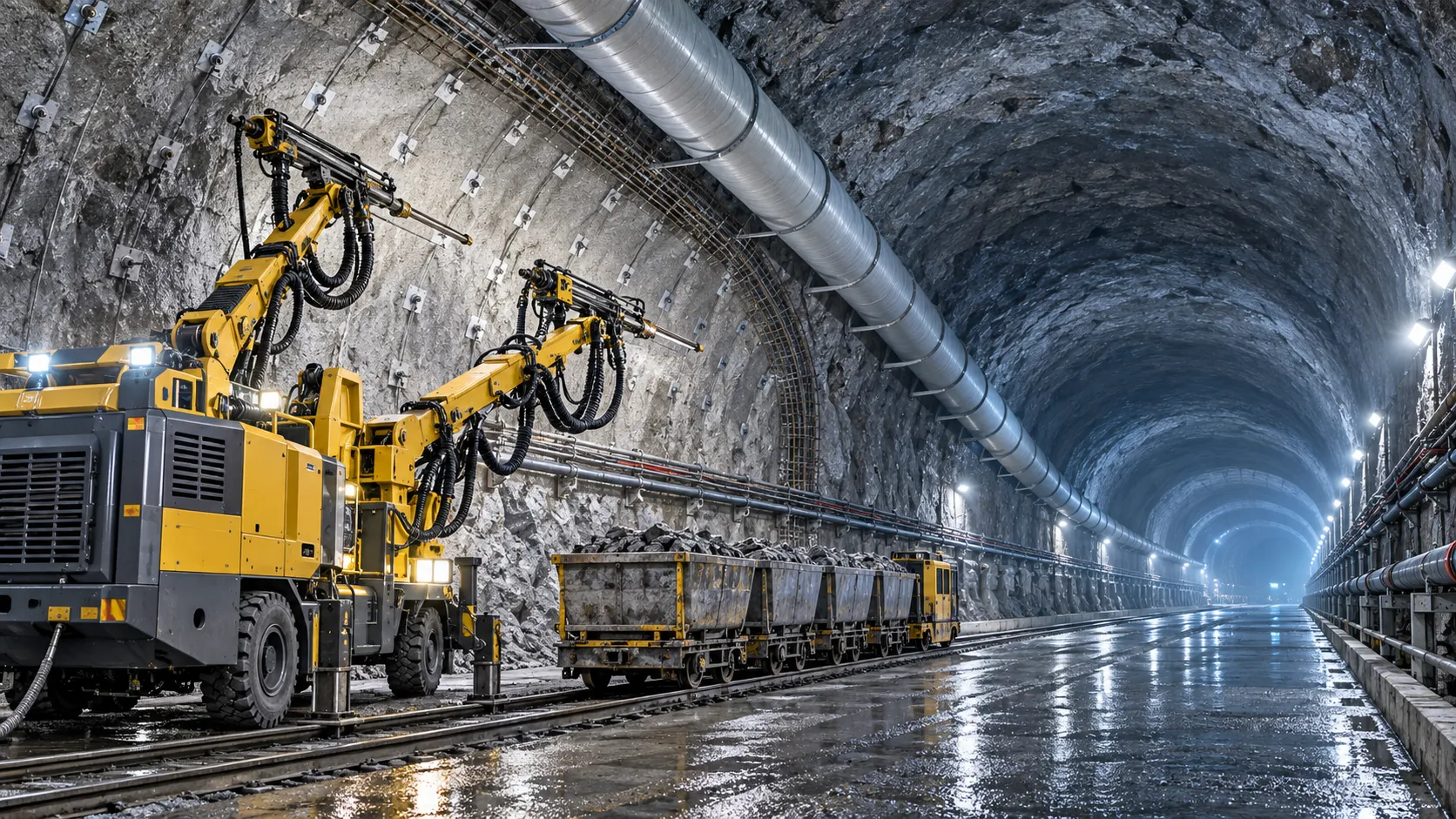
How to Evaluate European Drill-and-Blast Tunnelling Contractors for Complex Projects
Drill and blast tunnelling contractors Europe: learn how to assess geology expertise, blast control, equipment reliability, safety, and programme resilience for complex projects.
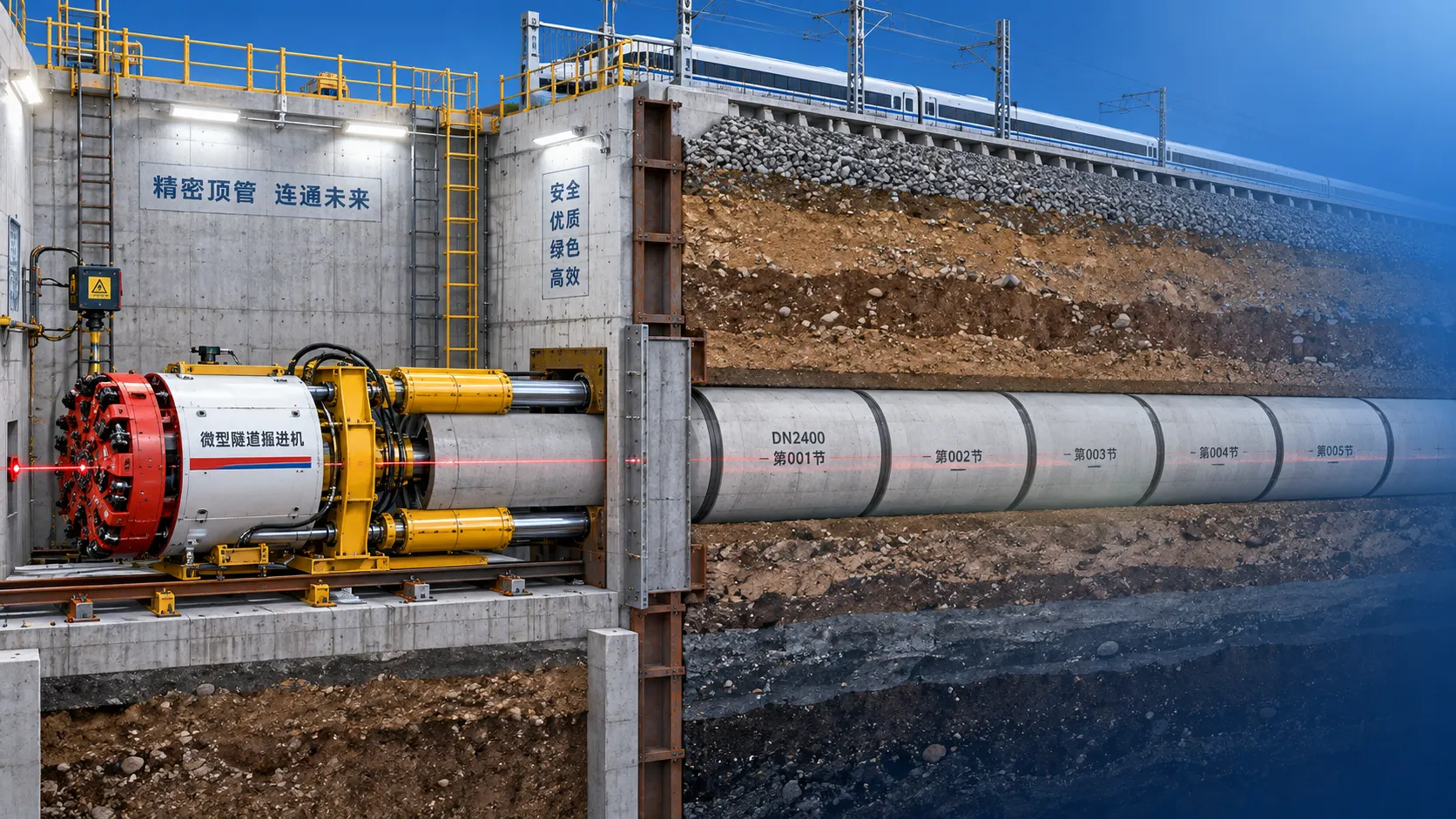
Which Trenchless Construction Technique Fits Your Utility Crossing Conditions?
Trenchless construction techniques compared for utility crossings: choose HDD, microtunnelling, pipe jacking, or auger boring based on ground, accuracy, access, and risk.
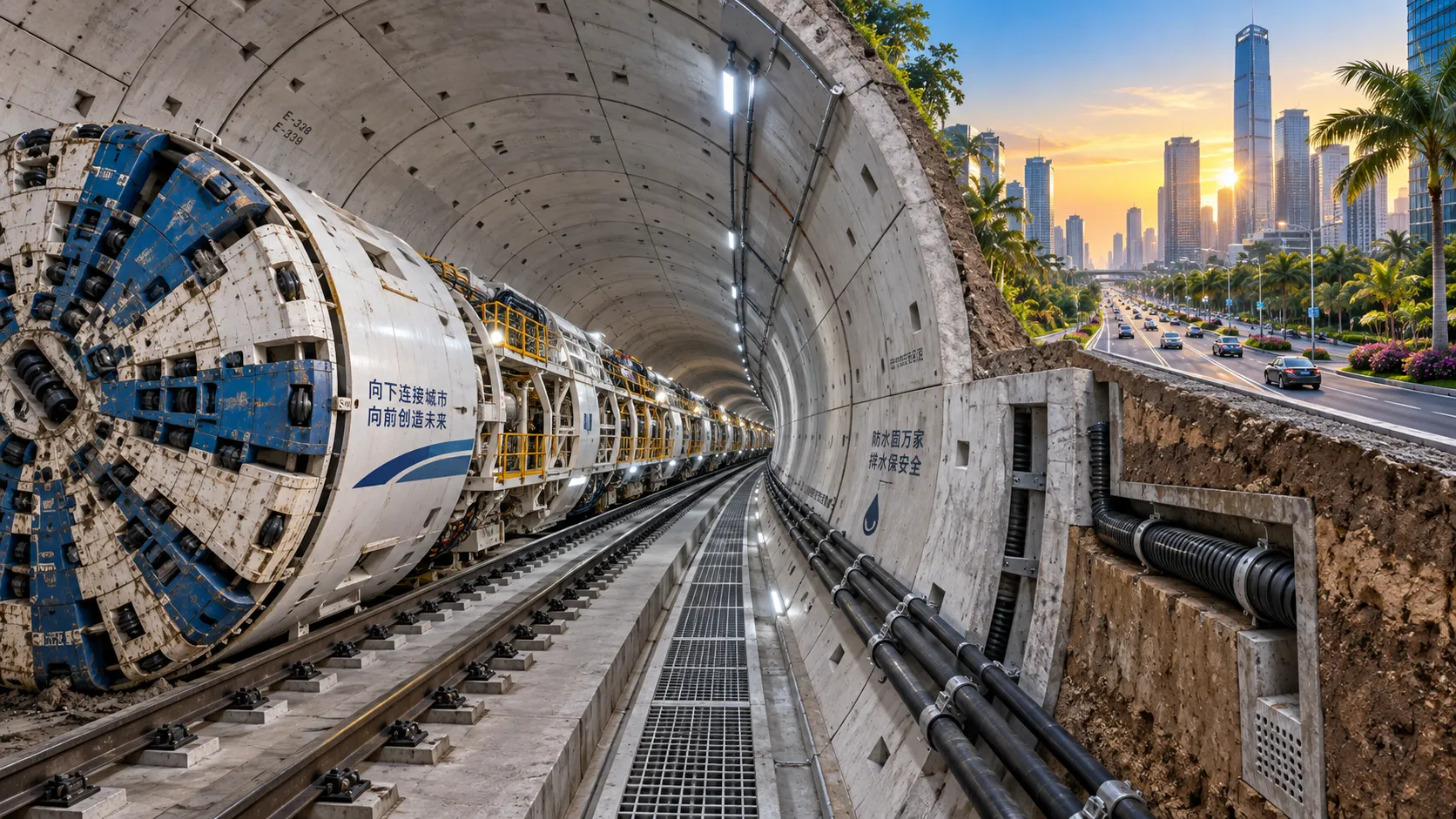
What Is Driving Metro Tunnelling Demand Across Southeast Asia’s Major Cities?
Metro tunnelling Southeast Asia is accelerating as major cities tackle congestion, flooding, and connectivity. Explore the market forces, technical risks, and opportunities shaping demand.
Hard Rock Tunnelling in Australia: Selecting Methods for Variable Ground Conditions
Hard rock tunnelling in Australia: compare TBM, drill-and-blast and hybrid methods to manage variable ground, reduce risk and protect project costs.
Hydropower Tunnel Excavation: Selecting Methods for Variable Rock Conditions
Hydropower tunnel excavation methods for variable rock conditions: compare TBM, drill-and-blast, and hybrid strategies to improve safety, progress, and project control.
How to Select Underground Safety Equipment for Tunnelling by Hazard and Work Zone
Underground Safety Equipment for tunnelling: match protection to hazards, work zones, compliance, and emergency needs with this practical selection guide.
EPB or Slurry Shield? Selecting Soft-Ground Tunnelling Equipment by Soil Conditions
Tunnel Excavation Equipment for soft ground: compare EPB and slurry shields by soil, groundwater, settlement risk, and project logistics to choose confidently.
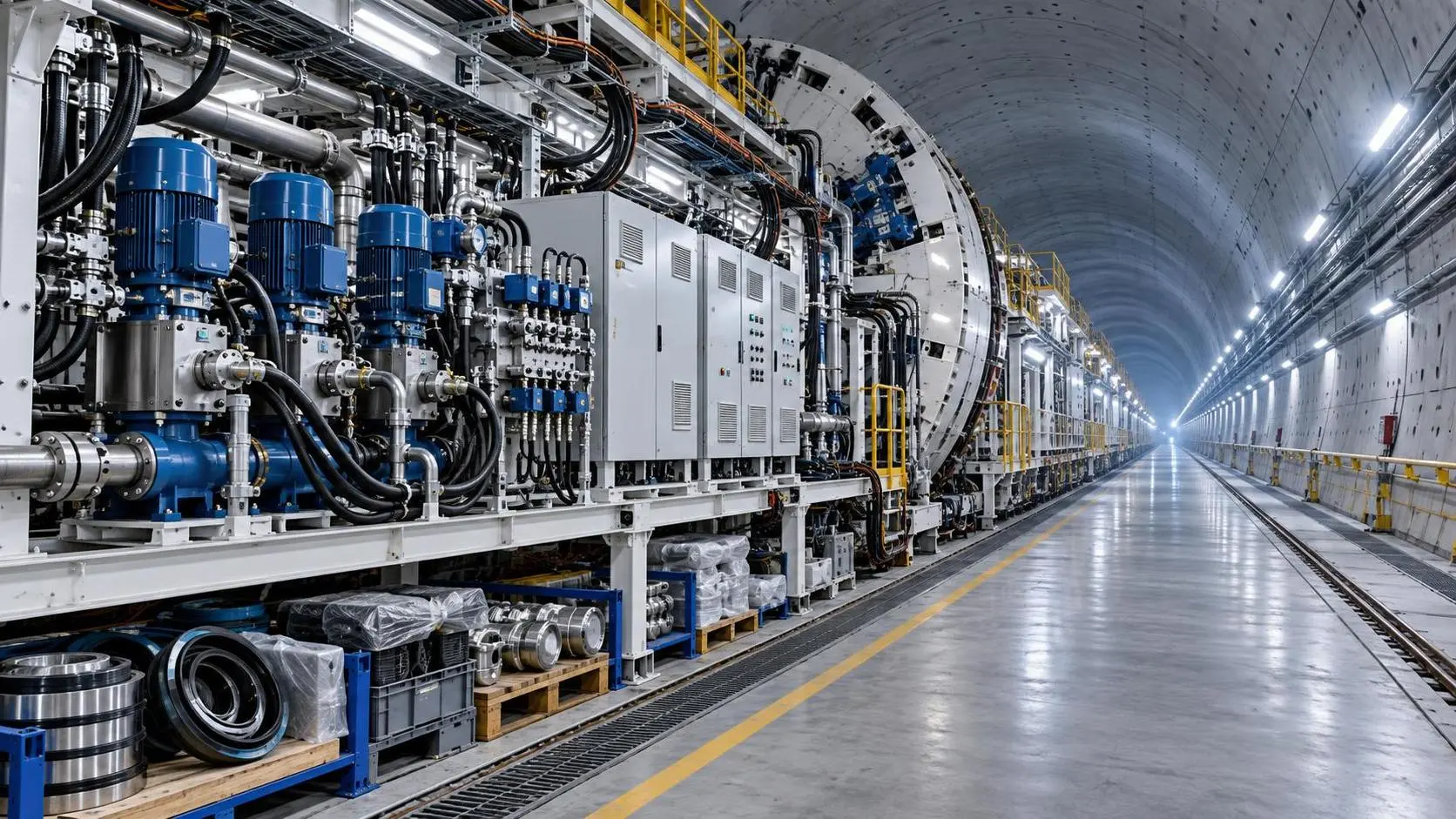
How to Specify TBM Backup System Parts for Reliable Long-Distance Tunnelling
TBM backup system parts: learn how to specify reliable spares for long-distance tunnelling, reduce downtime, ensure compatibility, and speed underground recovery.
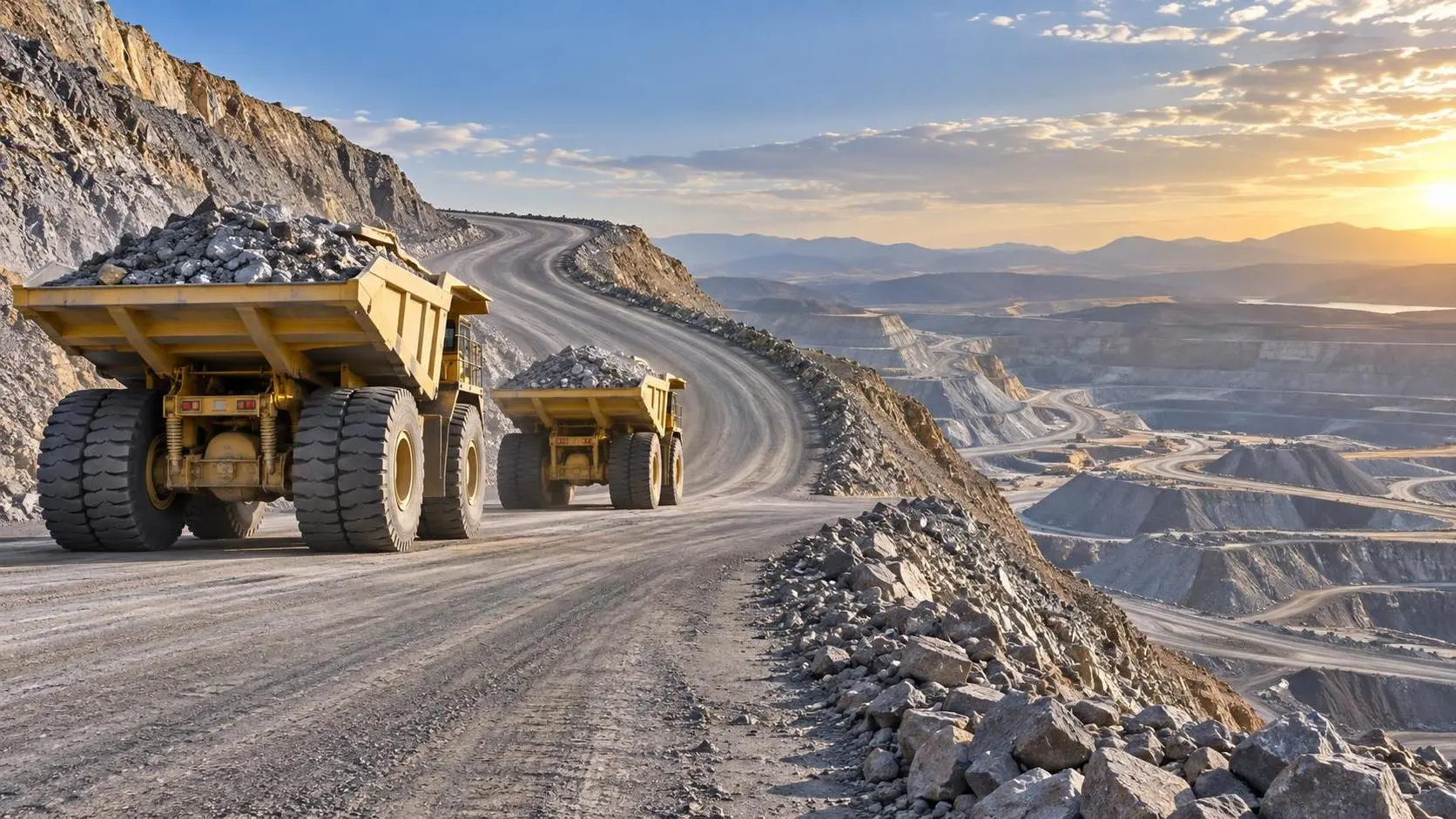
How to Size Open Pit Mining Trucks for Haul Distance, Grade, and Payload?
Open Pit Mining Trucks: learn how to match payload, haul distance, grade, road resistance, and loading capacity for safer, lower-cost mine operations.
Related News
- 00
0000-00
How to Evaluate European Drill-and-Blast Tunnelling Contractors for Complex Projects - 00
0000-00
Which Trenchless Construction Technique Fits Your Utility Crossing Conditions? - 00
0000-00
What Is Driving Metro Tunnelling Demand Across Southeast Asia’s Major Cities? - 00
0000-00
Hard Rock Tunnelling in Australia: Selecting Methods for Variable Ground Conditions - 00
0000-00
Hydropower Tunnel Excavation: Selecting Methods for Variable Rock Conditions
Weekly Insights
Stay ahead with our curated technology reports delivered every Monday.