
Codelco Sets 42-Unit Battery LHD Tender Plan





On July 12, 2026, Codelco released a procurement roadmap for zero-emission underground mining equipment that turns electrification requirements into a concrete purchasing framework for Battery LHDs. The update matters not only because it expands planned demand to 42 units over 2026-2030, but because it ties future bids to defined technical, connectivity, safety, and certification conditions. For equipment makers, exporters, certification-related firms, and after-sales service providers, the practical issue is no longer general interest in mine electrification, but whether product configuration, compliance documentation, and bid readiness can match the stated entry requirements.
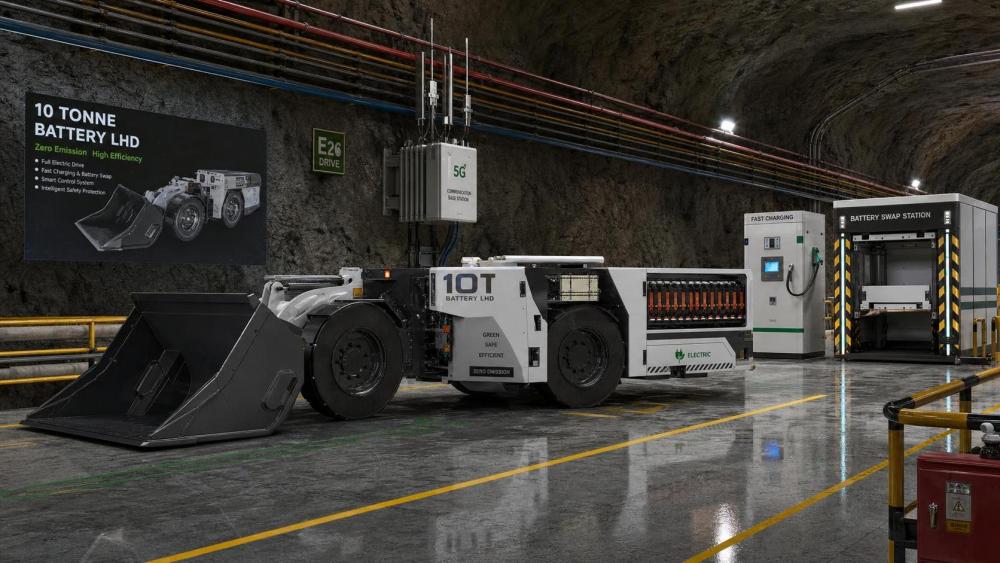
What the Roadmap Confirms
According to the information provided, Codelco announced in its July 12, 2026 roadmap that it plans to add 42 Battery LHDs in the 10-ton rated payload class over the next five years. The required configuration for all units includes 5G remote control capability, dual-mode battery exchange combining quick swap and charging, and compliance with IEC 60079-11 explosion protection requirements. The first batch, covering 14 units, is scheduled to open for international tender in 2026 Q4. The same information states that Chinese suppliers holding ISO 50001 energy management system certification will receive priority acceptance in the bidding process.
Where the Rule Change Starts to Affect the Supply Chain
For equipment manufacturers, the technical threshold is becoming part of market access
From an industry perspective, the clearest impact falls on manufacturers of underground loading equipment. The roadmap does not describe electrification in broad terms; it identifies specific bid-linked requirements around 5G remote operation, battery exchange architecture, and IEC 60079-11 compliance. That means affected companies need to pay closer attention to specification alignment, product validation materials, and whether existing Battery LHD platforms can meet the stated conditions without major redesign.
For exporters and bid teams, certification status may shape qualification strategy
Analysis shows that the reference to priority acceptance for Chinese suppliers with ISO 50001 certification creates a practical compliance and documentation issue for export-oriented bidders. The direct effect is likely to appear in prequalification preparation, tender file assembly, and internal review of certification status. Companies targeting the first 2026 Q4 tender window would need to examine whether their certification records, technical statements, and supporting documents are consistent with the announced preference and with the equipment requirements listed in the roadmap.
For certification and testing-related service providers, the focus shifts to evidence readiness
Certification-related firms and testing service providers may also be affected because the roadmap names IEC 60079-11 as a stated requirement. Observably, this raises the importance of how compliance evidence is prepared, presented, and reviewed in connection with bid documents and product qualification materials. The issue is not only whether a supplier claims conformity, but whether the supporting test reports, technical files, and certification references can withstand procurement scrutiny once detailed tender documents are issued.
For after-sales and delivery support, operational requirements may extend beyond the machine itself
What deserves closer attention is the combination of 5G remote control and dual-mode battery exchange. Even without further execution details in the input, these requirements suggest that delivery obligations may be assessed not only at the equipment level but also through integration, commissioning, maintenance support, and operational handover materials. Suppliers and service partners therefore need to watch for how bid documents later define delivery scope, acceptance criteria, and support responsibilities.
What Companies Should Monitor Before the First Tender Window
Review whether current product platforms match the stated technical baseline
Analysis shows that suppliers should first compare their current 10-ton class Battery LHD offerings against the roadmap's stated requirements: 5G remote control, dual-mode battery exchange, and IEC 60079-11 compliance. This is a practical screening step for bid suitability, because any mismatch could become a qualification issue once the first international tender opens.
Check certification files and supporting compliance documents early
For companies that may seek entry through the announced preference for Chinese suppliers, ISO 50001 status deserves immediate review. What matters here is not only possession of a certificate, but whether the certification scope, validity, and supporting documentation can be presented clearly in a tender context. Companies should also be ready to align technical files and compliance statements with the roadmap language once formal procurement documents are released.
Track the wording of tender documents rather than relying only on the roadmap summary
It is more appropriate to understand the July 12 announcement as a strong procurement signal, but not yet as a full statement of every execution detail. Businesses should therefore watch for later clarifications on qualification criteria, document requirements, evaluation approach, and delivery terms when the first 14-unit tender opens in 2026 Q4. Those details may affect bid strategy, internal approvals, and partner selection.
Prepare for delivery and support questions linked to operating use cases
Observably, the combination of remote operation and battery-handling requirements may lead buyers to ask for more detailed service, training, and operational support materials. The current input does not define those obligations, so companies should not assume fixed execution rules. Still, it would be prudent to review after-sales readiness, traceability records, and technical support capabilities in advance of tender release.
Why This Looks Like an Execution Signal, Not Just a Policy Statement
Analysis shows that this development is better understood as an execution-oriented market signal than as a general expression of interest in low-emission mining equipment. The roadmap links future procurement volume to named technical and compliance conditions, and it also sets a near-term bidding point with the first 14 units in 2026 Q4. At the same time, it would be premature to treat every downstream requirement as settled, because the available information does not yet include the full tender text, detailed review criteria, or implementation guidance. That is why continued attention to later procurement documents and market feedback remains necessary.
How the Market May Best Read This Update for Now
At this stage, the Codelco announcement is most appropriately read as a formal tightening of procurement expectations around underground zero-emission equipment rather than as a completed change in all execution rules. The confirmed facts already indicate a more explicit link between electrification demand and entry requirements covering connectivity, battery handling, safety compliance, and certification status. For the market, the immediate takeaway is clear: suppliers interested in this opportunity should treat compliance readiness and bid documentation as central commercial issues, while keeping a neutral view on any details that have not yet been published in full.
Basis of This Article and What Still Needs Verification
This article was generated from the user-provided news title, event date, and event summary. For developments of this type, relevant source categories typically include official company announcements, releases from regulatory authorities, trade or customs authorities, industry association updates, standards organization documents, and reporting by authoritative industry media. A specific official source link was not provided in the input, so the exact official publication path still requires follow-up verification. Further observation is also needed on later procurement wording, certification interpretation, tender document changes, industry feedback, and how participating companies execute against the stated requirements.
Related News
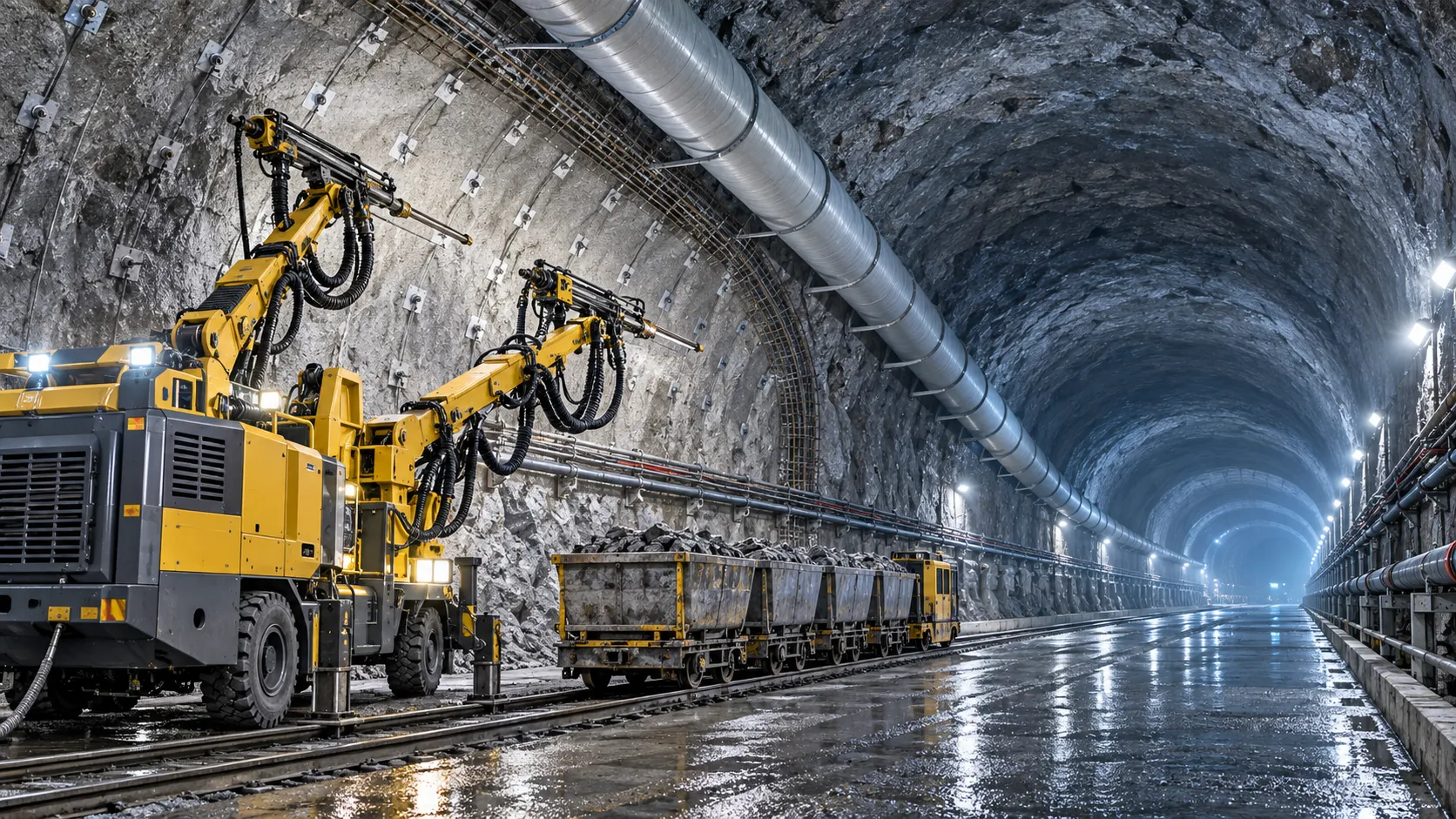
How to Evaluate European Drill-and-Blast Tunnelling Contractors for Complex Projects
Drill and blast tunnelling contractors Europe: learn how to assess geology expertise, blast control, equipment reliability, safety, and programme resilience for complex projects.
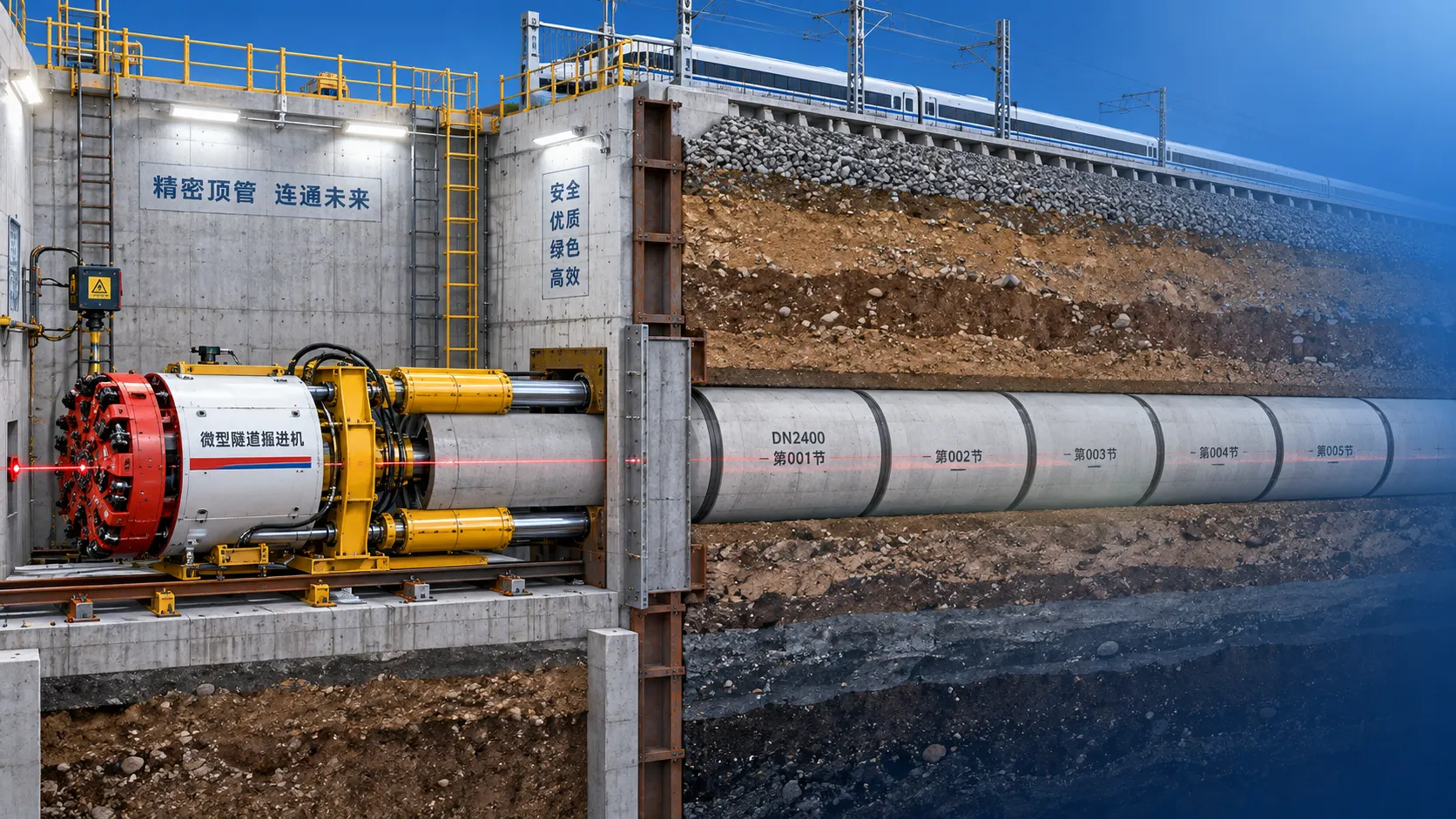
Which Trenchless Construction Technique Fits Your Utility Crossing Conditions?
Trenchless construction techniques compared for utility crossings: choose HDD, microtunnelling, pipe jacking, or auger boring based on ground, accuracy, access, and risk.
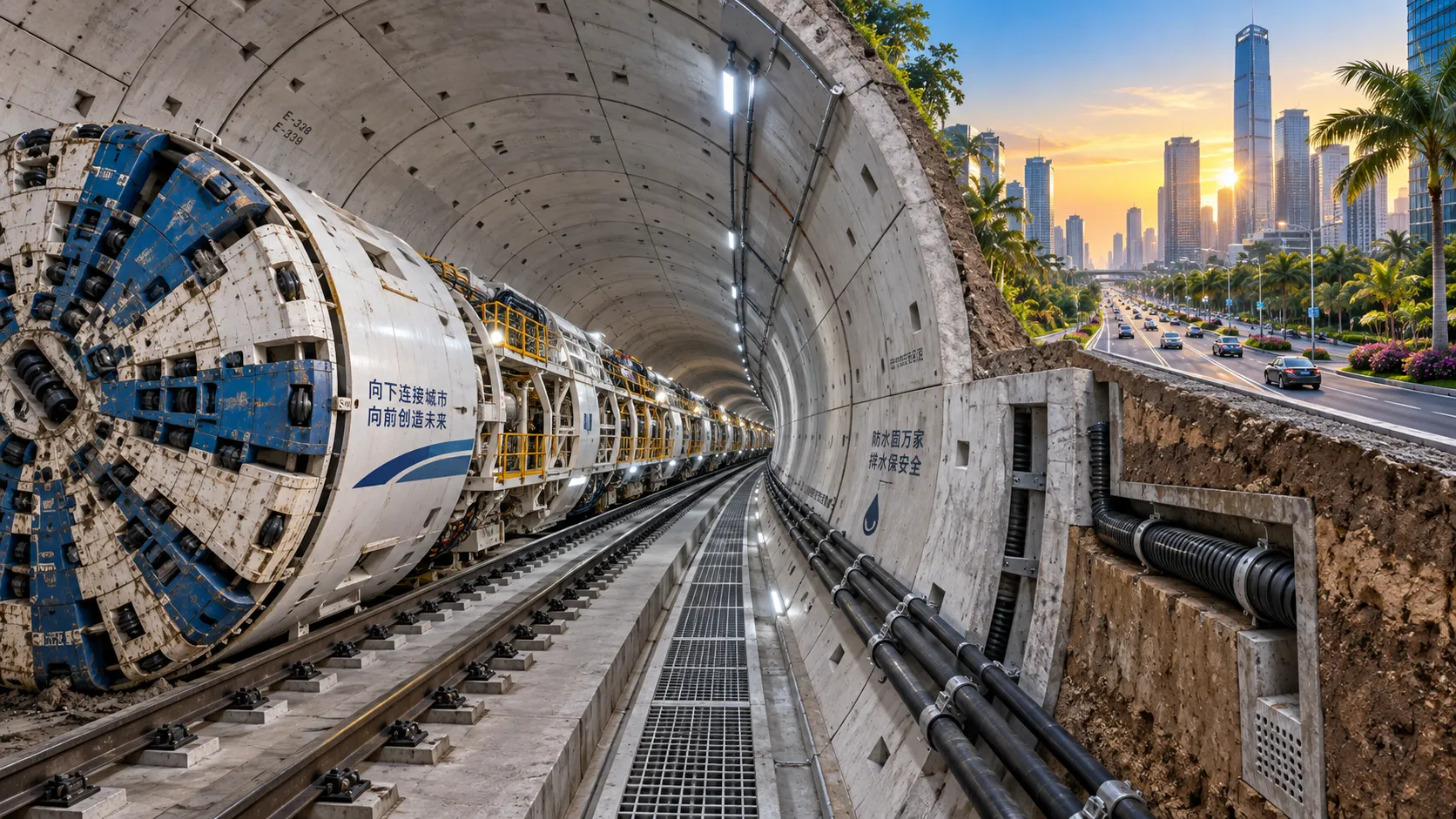
What Is Driving Metro Tunnelling Demand Across Southeast Asia’s Major Cities?
Metro tunnelling Southeast Asia is accelerating as major cities tackle congestion, flooding, and connectivity. Explore the market forces, technical risks, and opportunities shaping demand.
Hard Rock Tunnelling in Australia: Selecting Methods for Variable Ground Conditions
Hard rock tunnelling in Australia: compare TBM, drill-and-blast and hybrid methods to manage variable ground, reduce risk and protect project costs.
Hydropower Tunnel Excavation: Selecting Methods for Variable Rock Conditions
Hydropower tunnel excavation methods for variable rock conditions: compare TBM, drill-and-blast, and hybrid strategies to improve safety, progress, and project control.
How to Select Underground Safety Equipment for Tunnelling by Hazard and Work Zone
Underground Safety Equipment for tunnelling: match protection to hazards, work zones, compliance, and emergency needs with this practical selection guide.

EPB or Slurry Shield? Selecting Soft-Ground Tunnelling Equipment by Soil Conditions
Tunnel Excavation Equipment for soft ground: compare EPB and slurry shields by soil, groundwater, settlement risk, and project logistics to choose confidently.
How to Specify TBM Backup System Parts for Reliable Long-Distance Tunnelling
TBM backup system parts: learn how to specify reliable spares for long-distance tunnelling, reduce downtime, ensure compatibility, and speed underground recovery.

How to Size Open Pit Mining Trucks for Haul Distance, Grade, and Payload?
Open Pit Mining Trucks: learn how to match payload, haul distance, grade, road resistance, and loading capacity for safer, lower-cost mine operations.
Related News
- 00
0000-00
How to Evaluate European Drill-and-Blast Tunnelling Contractors for Complex Projects - 00
0000-00
Which Trenchless Construction Technique Fits Your Utility Crossing Conditions? - 00
0000-00
What Is Driving Metro Tunnelling Demand Across Southeast Asia’s Major Cities? - 00
0000-00
Hard Rock Tunnelling in Australia: Selecting Methods for Variable Ground Conditions - 00
0000-00
Hydropower Tunnel Excavation: Selecting Methods for Variable Rock Conditions
Weekly Insights
Stay ahead with our curated technology reports delivered every Monday.