
Hard Rock TBM Lead Times Extend to 22 Months





The timing of the underlying project impacts was not specified in the source input, but the latest signal is clear: global delivery lead times for Hard Rock TBMs are getting longer. Based on an ITA monitoring brief dated July 12, 2026, the average contractual delivery period has increased from 18 months to 22 months, with longer waits for machines configured with ≥19-inch ultra-hard alloy disc cutters. This matters to equipment buyers, component suppliers, project contractors, and supply chain teams because the change points to pressure in key manufacturing inputs rather than a routine scheduling fluctuation.
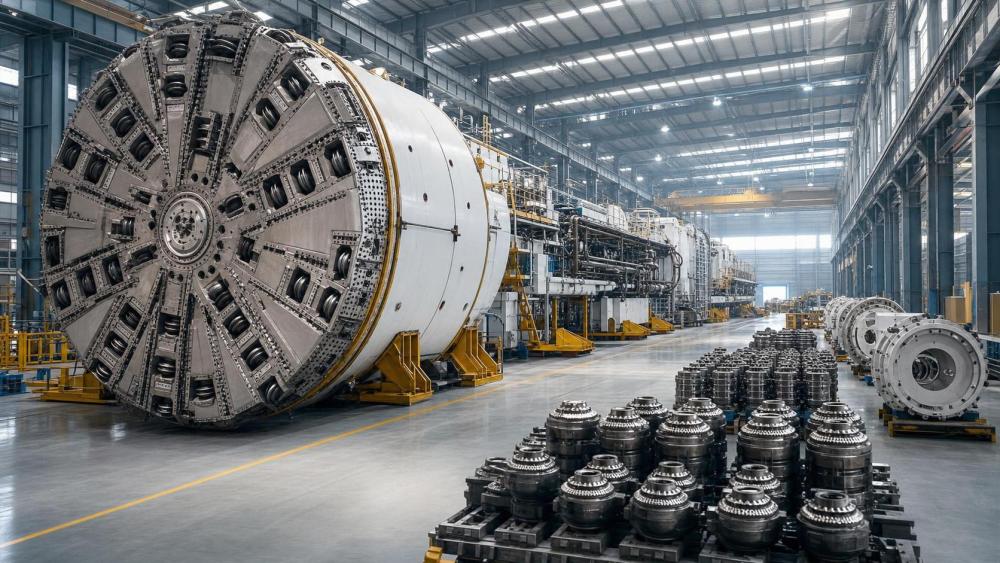
What the latest ITA brief confirms
According to the Global TBM Capacity and Delivery Monitoring Brief issued by the International Tunnelling Association (ITA) on July 12, 2026, the global average contractual delivery lead time for Hard Rock TBMs has extended from 18 months to 22 months.
The brief attributes this change to tight supply of special alloys used in high-wear cutterheads and disc cutters, as well as saturated production scheduling at European main bearing manufacturers.
For complete machine orders equipped with ≥19-inch ultra-hard alloy disc cutters, the waiting period is reported at 26 months.
Where the pressure is likely to be felt first
Equipment procurement is becoming a longer-cycle decision
From an industry perspective, TBM buyers and project procurement teams may be affected first because longer contractual delivery periods can reshape equipment planning windows. The immediate area to watch is procurement timing: teams may need to pay closer attention to specification lock-in, bid schedules, and delivery commitments tied to project milestones.
Component and materials sourcing is now a more visible risk point
Analysis shows that the stated causes place attention directly on two supply chain nodes: special alloys for high-wear cutterheads and disc cutters, and main bearing manufacturing capacity in Europe. For suppliers, manufacturers, and sourcing teams, the main issue is not just price or availability in isolation, but whether these constraints continue to influence assembly sequencing and final machine delivery.
Manufacturing and integration schedules may face tighter coordination demands
For processing and manufacturing participants, the reported extension suggests that upstream bottlenecks can flow into overall production scheduling. What deserves closer attention is whether longer waits are concentrated in specific configurations, especially higher-spec cutter packages, because that can affect factory planning, customer communication, and contract execution.
Project contractors and service providers may need earlier delivery visibility
For contractors, logistics coordinators, and related service providers, the practical exposure is timeline uncertainty. Observably, if lead times for complete machines are lengthening, downstream installation planning, commissioning preparation, and resource allocation may need earlier confirmation points, even if the source input does not quantify those effects.
What companies should watch now
Track whether official wording changes in future updates
Analysis shows that companies should monitor whether future ITA or comparable industry updates refine the wording around supply tightness, bearing capacity, or configuration-specific wait times. The distinction between a broad market condition and a concentrated bottleneck in certain machine specifications will matter for procurement and contracting decisions.
Review exposure to high-spec cutter configurations
The 26-month wait tied to orders using ≥19-inch ultra-hard alloy disc cutters deserves particular attention. Buyers, manufacturers, and commercial teams should focus on whether planned orders depend on this configuration, because the reported delay is longer than the global average for Hard Rock TBMs.
Stress-test delivery commitments in contracts and client communication
From a practical business perspective, this update makes delivery-cycle communication more important. Firms involved in supply, integration, or project execution should pay close attention to contractual lead-time assumptions, supporting documentation, and how delivery expectations are explained to clients and counterparties.
Keep supplier capacity and scheduling visibility under review
What deserves closer attention is not only the existence of supply tightness, but where it sits in the chain. Companies should continue checking supplier qualification status, production slot visibility, and the reliability of scheduling information related to alloy-dependent cutter systems and main bearing availability.
How this signal should be interpreted
Observably, this update should not be read as a complete statement on the entire TBM market, because the confirmed information is specifically about Hard Rock TBMs and highlights particular input constraints. Analysis shows that the more defensible reading is that the industry is seeing pressure in critical components and materials with direct consequences for delivery schedules.
It is more appropriate to understand this as a meaningful market signal rather than a fully settled long-term outcome. The reported increase from 18 to 22 months is substantial enough to merit operational attention, but the source input does not establish how long the condition will persist or whether it will broaden further.
Why the update matters beyond the headline
The practical significance of this development lies in what it reveals about dependency inside the Hard Rock TBM supply chain. A longer average delivery period, combined with an even longer wait for machines using larger ultra-hard alloy disc cutters, suggests that configuration choices and component availability may now carry more scheduling weight than before.
At this stage, the most balanced conclusion is that the market should treat the update as an active delivery-risk indicator. It is not yet a basis for broad claims beyond the confirmed facts, but it is strong enough to justify closer monitoring by buyers, manufacturers, and project-facing teams.
Basis of this article and what still needs verification
This article is based on the user-provided news title, event timing note, and event summary. The source input cites the International Tunnelling Association (ITA) and its Global TBM Capacity and Delivery Monitoring Brief dated July 12, 2026.
For this type of industry update, relevant source categories typically include official association notices, company announcements, industry association releases, authoritative media coverage, and documents issued by standards or technical bodies. A specific official source link was not provided in the input, so the underlying document path and any subsequent updates still require continued verification.
Further follow-up should focus on whether later official communication changes the stated causes, narrows the issue to specific configurations, or indicates whether the lead-time extension is easing, stabilizing, or continuing.
Related News
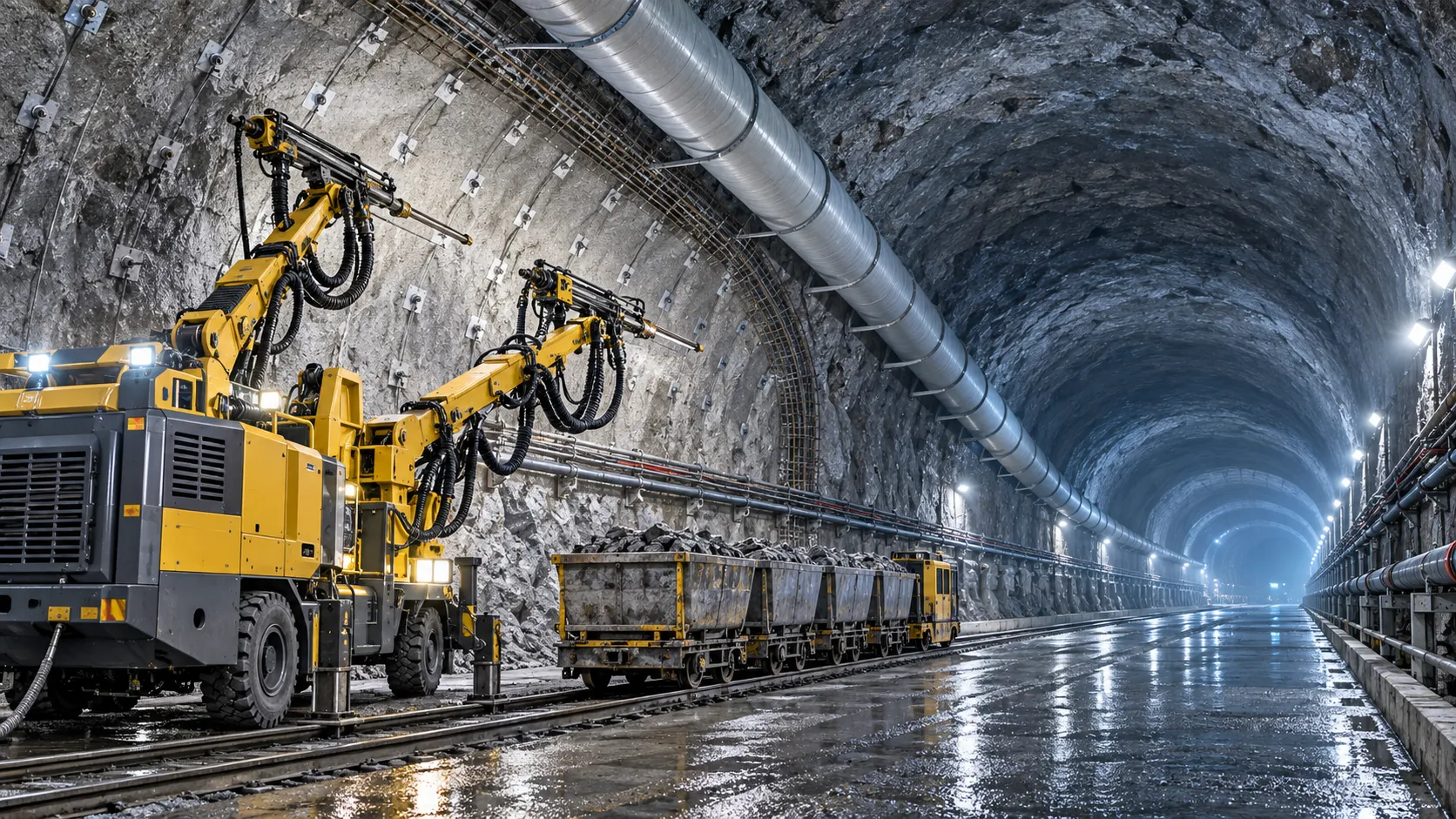
How to Evaluate European Drill-and-Blast Tunnelling Contractors for Complex Projects
Drill and blast tunnelling contractors Europe: learn how to assess geology expertise, blast control, equipment reliability, safety, and programme resilience for complex projects.
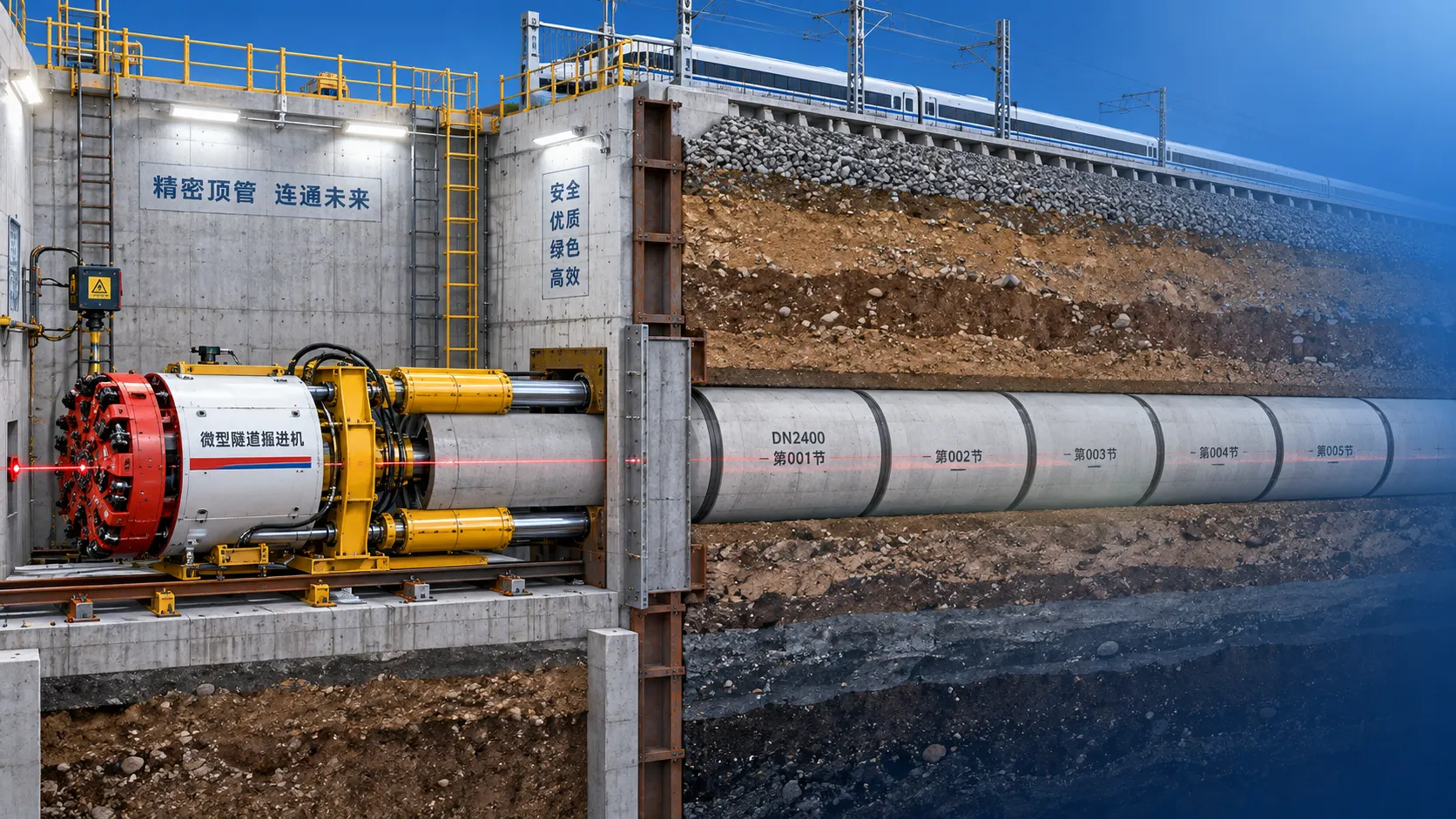
Which Trenchless Construction Technique Fits Your Utility Crossing Conditions?
Trenchless construction techniques compared for utility crossings: choose HDD, microtunnelling, pipe jacking, or auger boring based on ground, accuracy, access, and risk.

What Is Driving Metro Tunnelling Demand Across Southeast Asia’s Major Cities?
Metro tunnelling Southeast Asia is accelerating as major cities tackle congestion, flooding, and connectivity. Explore the market forces, technical risks, and opportunities shaping demand.
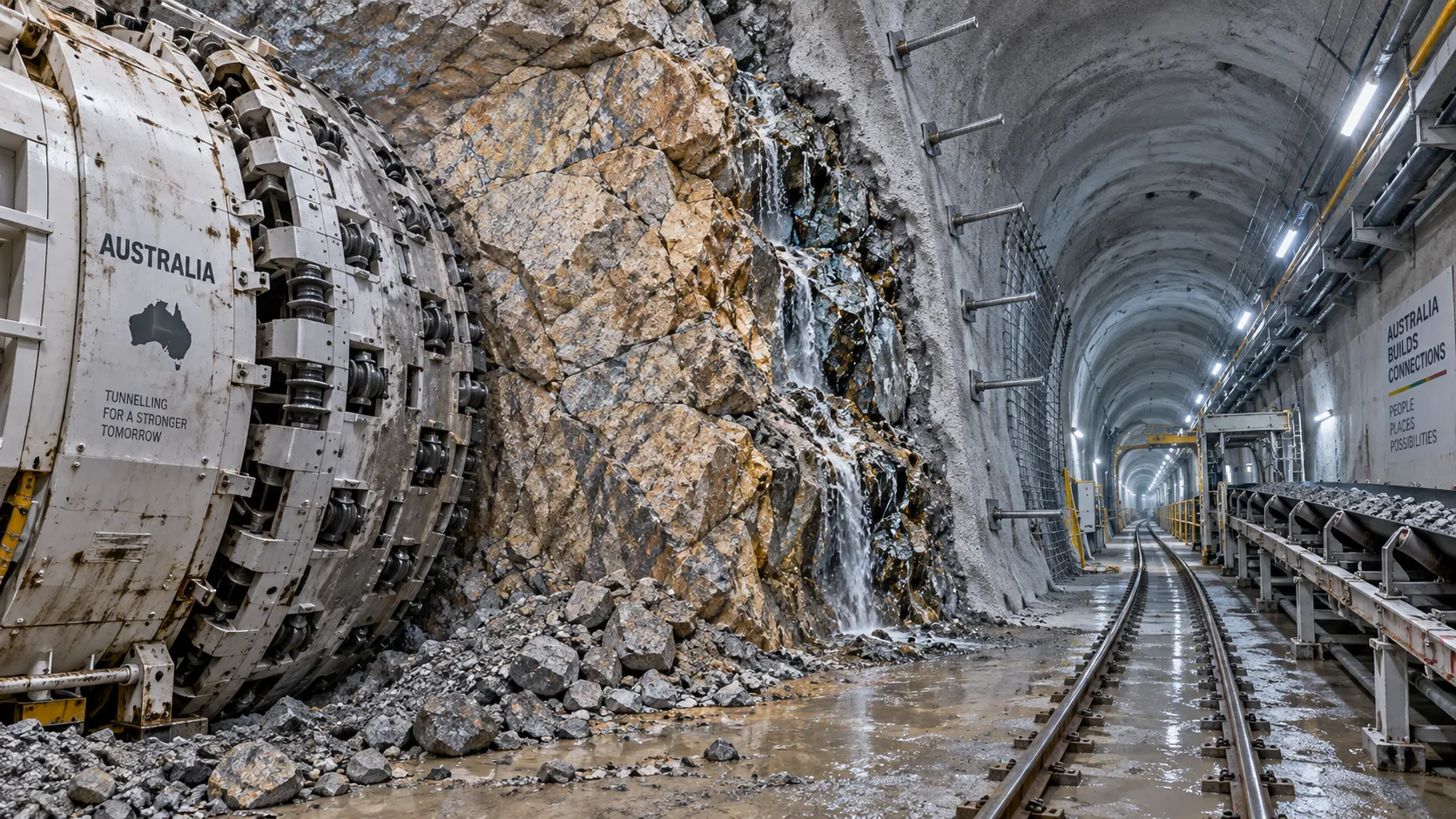
Hard Rock Tunnelling in Australia: Selecting Methods for Variable Ground Conditions
Hard rock tunnelling in Australia: compare TBM, drill-and-blast and hybrid methods to manage variable ground, reduce risk and protect project costs.
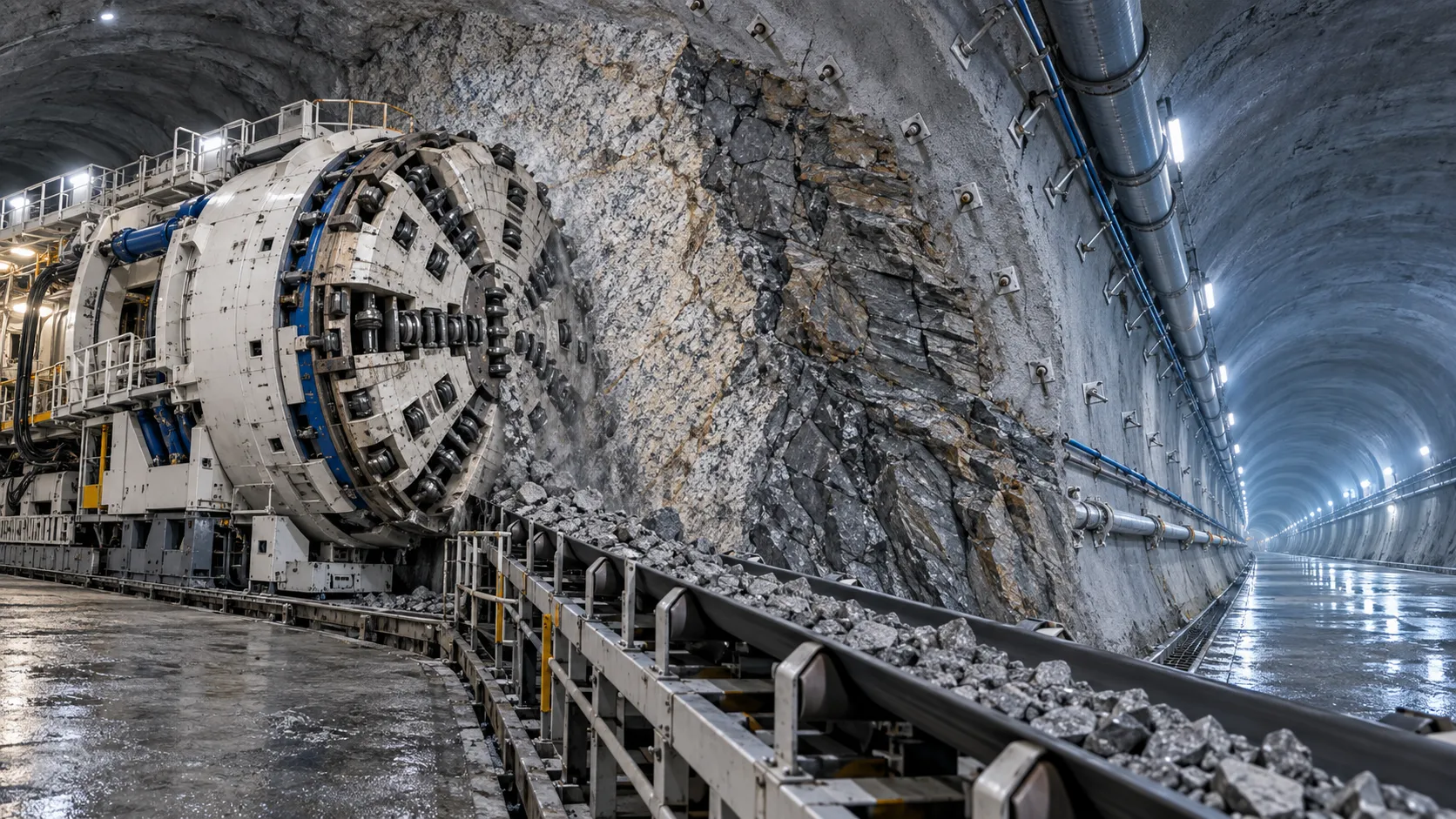
Hydropower Tunnel Excavation: Selecting Methods for Variable Rock Conditions
Hydropower tunnel excavation methods for variable rock conditions: compare TBM, drill-and-blast, and hybrid strategies to improve safety, progress, and project control.
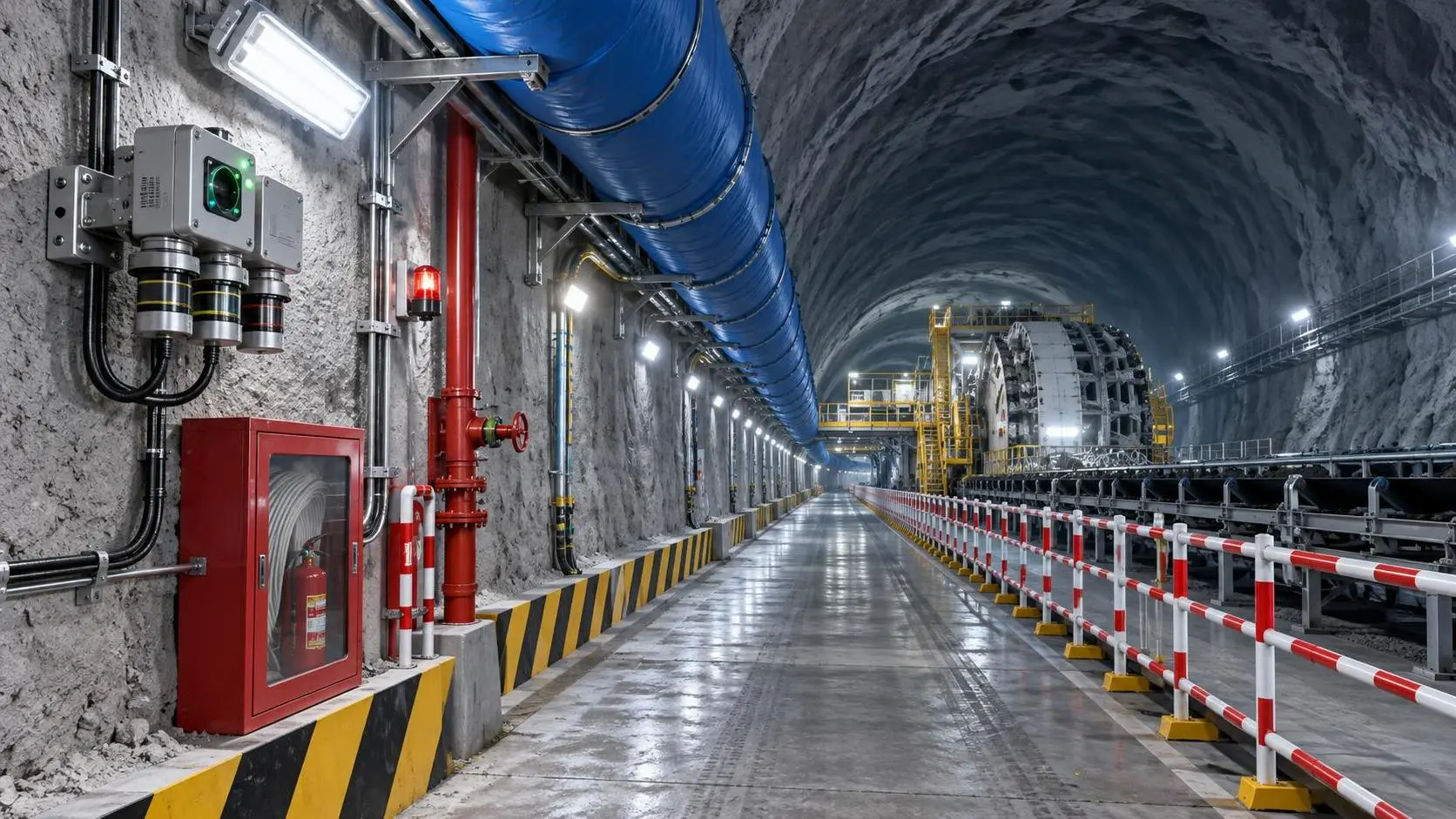
How to Select Underground Safety Equipment for Tunnelling by Hazard and Work Zone
Underground Safety Equipment for tunnelling: match protection to hazards, work zones, compliance, and emergency needs with this practical selection guide.

EPB or Slurry Shield? Selecting Soft-Ground Tunnelling Equipment by Soil Conditions
Tunnel Excavation Equipment for soft ground: compare EPB and slurry shields by soil, groundwater, settlement risk, and project logistics to choose confidently.
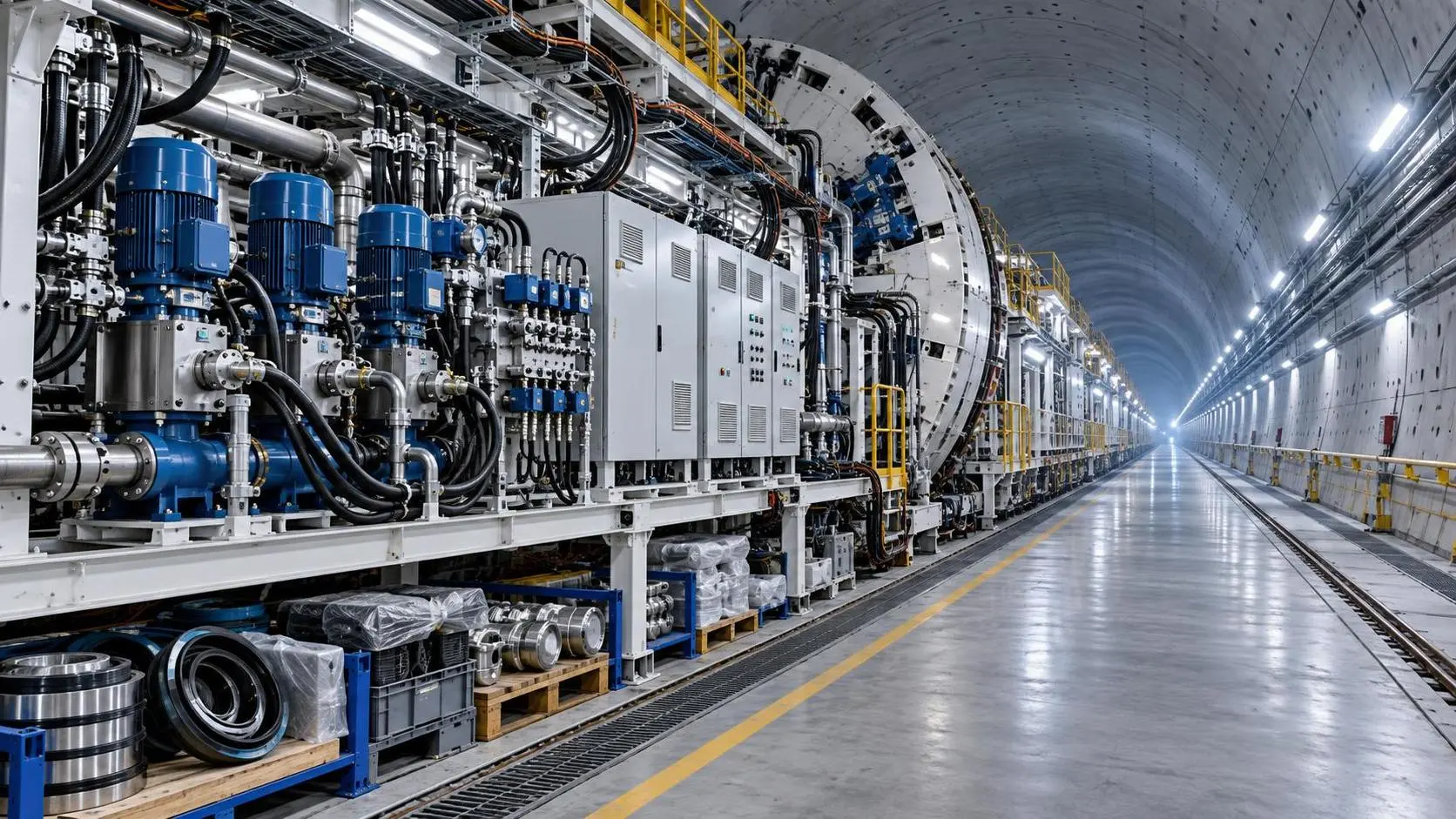
How to Specify TBM Backup System Parts for Reliable Long-Distance Tunnelling
TBM backup system parts: learn how to specify reliable spares for long-distance tunnelling, reduce downtime, ensure compatibility, and speed underground recovery.

How to Size Open Pit Mining Trucks for Haul Distance, Grade, and Payload?
Open Pit Mining Trucks: learn how to match payload, haul distance, grade, road resistance, and loading capacity for safer, lower-cost mine operations.
Related News
- 00
0000-00
How to Evaluate European Drill-and-Blast Tunnelling Contractors for Complex Projects - 00
0000-00
Which Trenchless Construction Technique Fits Your Utility Crossing Conditions? - 00
0000-00
What Is Driving Metro Tunnelling Demand Across Southeast Asia’s Major Cities? - 00
0000-00
Hard Rock Tunnelling in Australia: Selecting Methods for Variable Ground Conditions - 00
0000-00
Hydropower Tunnel Excavation: Selecting Methods for Variable Rock Conditions
Weekly Insights
Stay ahead with our curated technology reports delivered every Monday.