
Mine Electrification Standards Explained: Key Safety, Charging, and Compliance Checks





Mine electrification is no longer a pilot topic. It is now tied to ventilation cost, diesel exposure reduction, ESG targets, and asset renewal across underground and surface operations. That is why mine electrification standards matter well beyond equipment selection. They shape how charging areas are designed, how batteries are protected, how fire events are managed, and how compliance evidence is maintained from commissioning to daily use.
For operations tracked by UTMD, especially battery haulage, underground LHD systems, and electric mining trucks, the issue is practical. Electrification promises cleaner headings and lower heat loads, but only when safety controls, electrical interfaces, and site procedures are aligned with recognized mine electrification standards.
Why standards now sit at the center of mine electrification
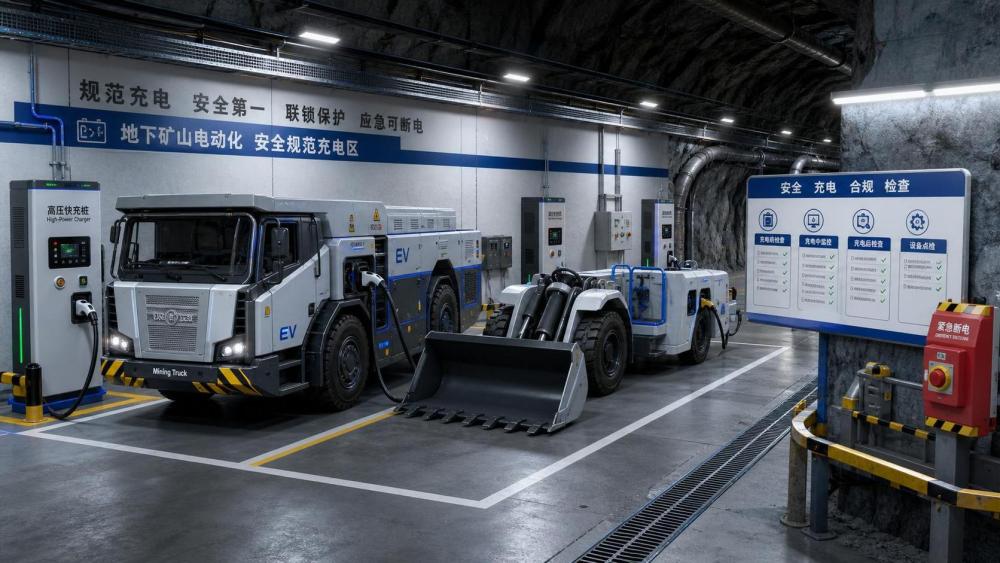
The sector is moving from isolated battery trials to mixed fleets that include loaders, drilling jumbos, utility vehicles, and large haul trucks. In that shift, inconsistency becomes a risk multiplier.
A mine may buy a battery-electric machine from a leading OEM, yet still fail at site level. Common gaps appear in cable routing, charging bay segregation, emergency isolation, software lockout logic, or battery handling records.
Mine electrification standards create a common language for these interfaces. They help connect equipment design, mine planning, maintenance practice, and regulatory expectations into one operating framework.
This is especially relevant underground, where UTMD often highlights the collision of zero-emission goals and confined-space realities. A clean drivetrain does not remove risk. It changes the risk profile.
What mine electrification standards really cover
In practice, mine electrification standards are not one single document. They are a working combination of electrical codes, mining rules, battery safety guidance, fire protection requirements, and OEM specifications.
The core purpose is straightforward. They define how electric mining assets should be installed, charged, operated, inspected, and documented so that hazards remain controlled throughout the equipment life cycle.
Most checks fall into several connected areas:
- battery system integrity, enclosure protection, and thermal management;
- charging infrastructure, connectors, interlocks, and energy isolation;
- cable protection, grounding, arc-flash prevention, and ingress control;
- fire detection, suppression compatibility, and emergency response;
- ventilation interaction, heat rejection, and confined-space suitability;
- inspection records, training evidence, and compliance traceability.
This broader view prevents a common mistake: treating electrification as a charger purchase rather than a mine-wide safety system.
The safety checks that deserve the closest attention
When reviewing mine electrification standards, the first serious checkpoint is hazard isolation. Every electric machine must allow fast, visible, and verifiable de-energization before maintenance, towing, recovery, or incident response.
Isolation is not only a switch. It includes lockout points, battery disconnect procedures, residual voltage discharge time, and confirmation steps after shutdown.
Battery and thermal event readiness
Battery packs must be evaluated for enclosure strength, impact resistance, water ingress, dust sealing, and vibration tolerance. In mining, these are not secondary details. They are daily exposure conditions.
Thermal runaway planning also needs realism. Sites should confirm sensor coverage, alarm thresholds, shutdown logic, and the exact response sequence when heat, smoke, or off-gas indicators appear.
Fire suppression and emergency access
Suppression systems must match the electrical and battery hazard, not just conventional engine-bay fire scenarios. Nozzle placement, agent suitability, manual activation points, and rescue access routes all need validation.
A strong compliance file should show that these controls were tested under site-relevant conditions, especially for underground ramps, workshop bays, and battery swap stations.
Charging zones are compliance zones
Many electrification failures begin in the charging area. Mine electrification standards usually require more than electrical capacity. They also require controlled access, clear separation from traffic, spill response planning, and emergency shutdown design.
Charging infrastructure should be checked as a system, not as isolated hardware.
Fast charging adds another layer. Higher power reduces dwell time, but it also raises sensitivity to connector wear, cooling performance, voltage imbalance, and charging software faults.
Underground conditions change the standard review
Mine electrification standards must always be read against the operating environment. Underground sites have tighter clearances, more water, more rock abrasion, and fewer easy escape routes than surface facilities.
That changes how compliance should be judged for LHD loaders, drilling jumbos, and support vehicles. It also affects TBM logistics tunnels and trenchless support areas where electric equipment may share constrained access routes.
A charger that works well in a dry workshop may not remain compliant in a wet heading. A battery enclosure that passes a factory test may still need added guarding against rock strike or debris loading.
UTMD’s focus on underground equipment dynamics is useful here. Reliability in deep physical spaces depends on the interaction between machine design and actual duty cycle, not on catalog specifications alone.
Documentation is part of compliance, not paperwork after the fact
One reason mine electrification standards are sometimes misunderstood is that documentation is treated as an audit exercise. In reality, records are operational controls.
A complete file should show what was approved, installed, tested, changed, and retrained. That includes commissioning results, battery serial traceability, software revision history, inspection intervals, and incident findings.
Without that chain, even a technically sound system becomes hard to defend during investigation, regulator review, or insurance assessment.
Useful evidence to keep current
- single-line electrical diagrams and charger layouts;
- battery inspection and replacement history;
- verification of alarms, interlocks, and emergency stops;
- fire response drills tied to electric equipment scenarios;
- change management records for firmware or hardware updates.
This is often where operational maturity becomes visible.
How to apply mine electrification standards in daily decisions
The most effective approach is to review mine electrification standards at three levels: equipment, infrastructure, and operating procedure. Weakness in any one layer can undermine the other two.
During procurement, compare duty cycle, battery chemistry, charging method, and site constraints at the same time. During commissioning, test fault conditions rather than only normal operation. During routine use, trend repeat issues instead of treating them as isolated maintenance events.
A practical review often starts with a short question set:
- Does the charging layout fit traffic flow and emergency access?
- Are cable and connector inspections frequent enough for the environment?
- Can thermal alarms trigger a clear site response within minutes?
- Do ventilation assumptions still match the current electric fleet mix?
- Can every compliance claim be supported by current records?
Those checks turn mine electrification standards into a working management tool rather than a shelf reference.
A sharper roadmap for the next review cycle
Electrification in mining is moving quickly, especially in battery haulage, automated loaders, and low-emission underground development. Standards will keep evolving with battery design, charging speed, software control, and regulator expectations.
The strongest next step is not to chase every new technology claim. It is to map current site conditions against applicable mine electrification standards, then identify the few gaps that create the highest safety or compliance exposure.
For operations following UTMD intelligence across smart mines, heavy haulage, and underground equipment transitions, that means watching how real field performance, ESG pressure, and control-system discipline converge. The mines that manage that intersection well will electrify with fewer disruptions and stronger operational credibility.
Related News
Underground Drilling for Mining: Selecting Methods for Rock Conditions and Mine Layout
Underground drilling for mining: learn how to match drilling methods to rock conditions, mine layout, accuracy needs, ground support, and cycle efficiency.
Underground Mine Electrification: How to Size Battery Fleets and Charging Capacity
Mining electrification for underground mines: learn how to size battery fleets, chargers, and power capacity to prevent queues, peak-load issues, and production downtime.
How to Evaluate European Drill-and-Blast Tunnelling Contractors for Complex Projects
Drill and blast tunnelling contractors Europe: learn how to assess geology expertise, blast control, equipment reliability, safety, and programme resilience for complex projects.
Which Trenchless Construction Technique Fits Your Utility Crossing Conditions?
Trenchless construction techniques compared for utility crossings: choose HDD, microtunnelling, pipe jacking, or auger boring based on ground, accuracy, access, and risk.
What Is Driving Metro Tunnelling Demand Across Southeast Asia’s Major Cities?
Metro tunnelling Southeast Asia is accelerating as major cities tackle congestion, flooding, and connectivity. Explore the market forces, technical risks, and opportunities shaping demand.
Hard Rock Tunnelling in Australia: Selecting Methods for Variable Ground Conditions
Hard rock tunnelling in Australia: compare TBM, drill-and-blast and hybrid methods to manage variable ground, reduce risk and protect project costs.
Hydropower Tunnel Excavation: Selecting Methods for Variable Rock Conditions
Hydropower tunnel excavation methods for variable rock conditions: compare TBM, drill-and-blast, and hybrid strategies to improve safety, progress, and project control.
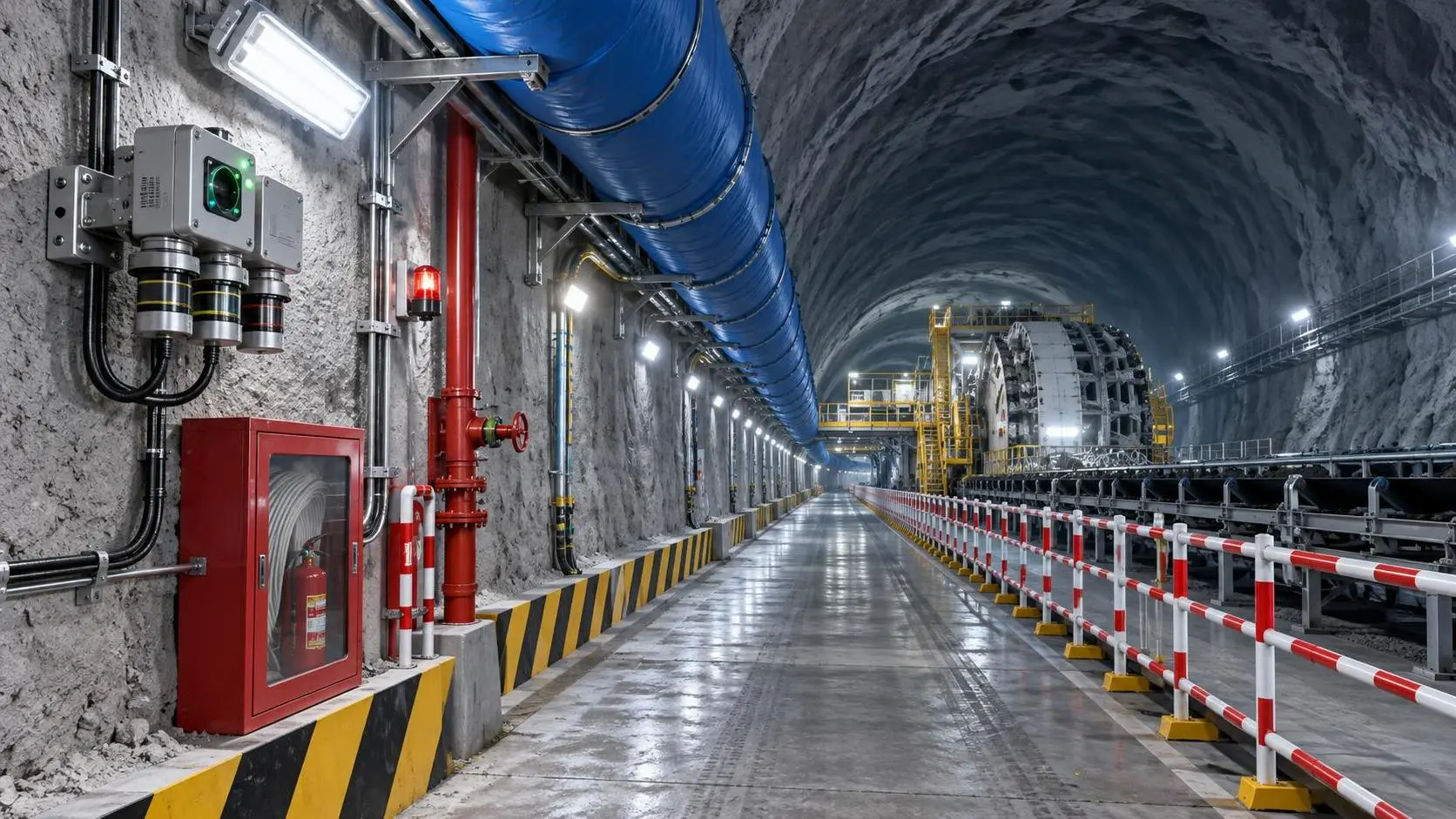
How to Select Underground Safety Equipment for Tunnelling by Hazard and Work Zone
Underground Safety Equipment for tunnelling: match protection to hazards, work zones, compliance, and emergency needs with this practical selection guide.
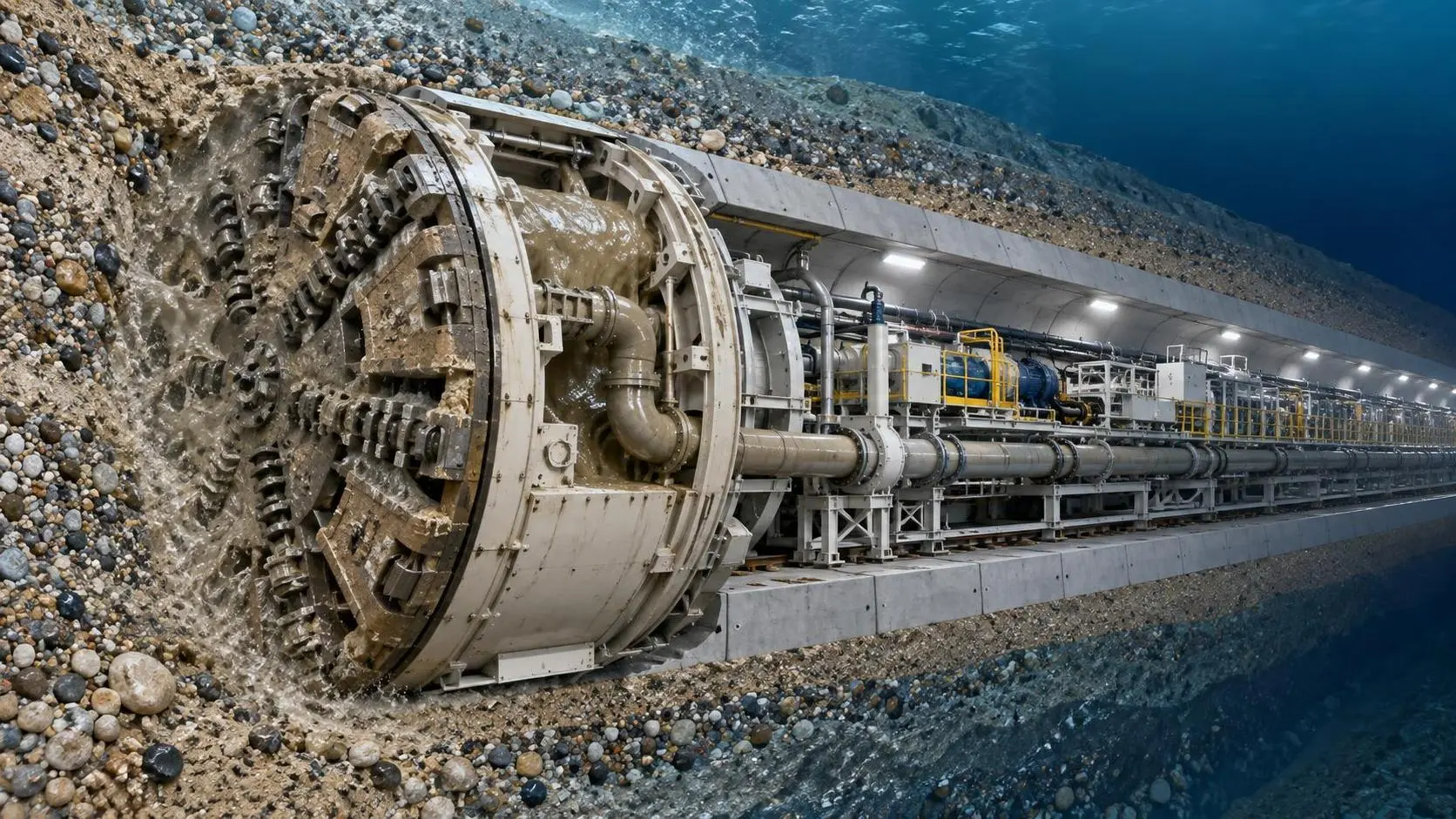
EPB or Slurry Shield? Selecting Soft-Ground Tunnelling Equipment by Soil Conditions
Tunnel Excavation Equipment for soft ground: compare EPB and slurry shields by soil, groundwater, settlement risk, and project logistics to choose confidently.
Related News
- 00
0000-00
Underground Drilling for Mining: Selecting Methods for Rock Conditions and Mine Layout - 00
0000-00
Underground Mine Electrification: How to Size Battery Fleets and Charging Capacity - 00
0000-00
How to Evaluate European Drill-and-Blast Tunnelling Contractors for Complex Projects - 00
0000-00
Which Trenchless Construction Technique Fits Your Utility Crossing Conditions? - 00
0000-00
What Is Driving Metro Tunnelling Demand Across Southeast Asia’s Major Cities?
Weekly Insights
Stay ahead with our curated technology reports delivered every Monday.