
U.S. Extends Tariff Exemption for NCM811 EV Mining Truck Battery Modules





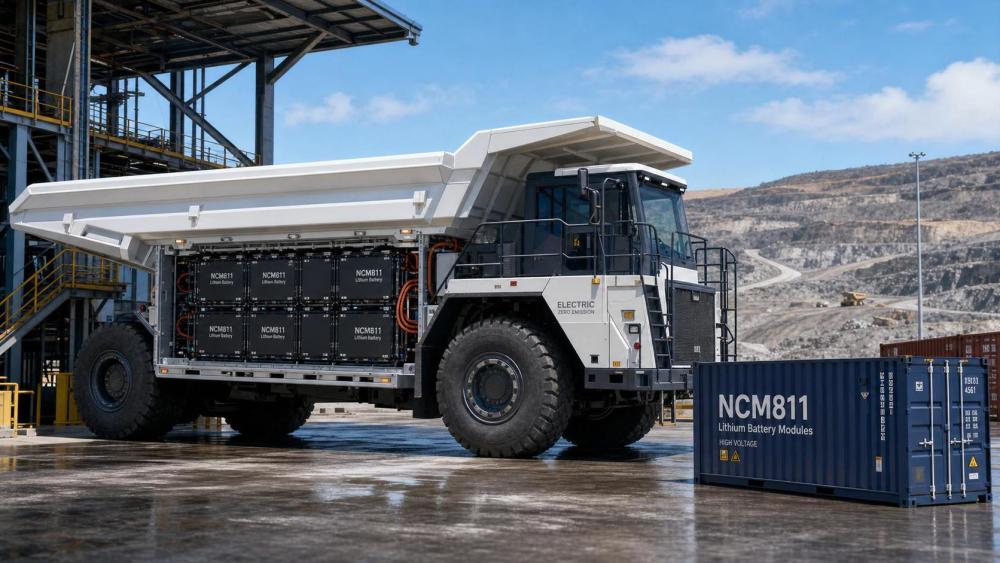
On June 21, 2026, the U.S. Department of Commerce announced a further extension of the Section 301 tariff exemption for China-origin NCM811 lithium battery modules used in electric mining trucks, with validity now running through December 31, 2027. For companies involved in battery supply, mining equipment procurement, cross-border delivery, and technical compliance, this is not just a timing update: it changes the near-term trade treatment of a clearly defined product category and affects how purchasing, specification review, and delivery planning may be arranged.
What the June 21 Notice Actually Confirms
The notice, identified as FR Doc. 2026-13492, states that the U.S. has extended the Section 301 tariff exemption for NCM811 ternary lithium battery modules originating in China when those modules are used in electric mining trucks.
The exemption remains in place until December 31, 2027.
The covered scope is limited to modules with a rated voltage of 400V or higher and an energy density of 250Wh/kg or higher.
The application scope specified in the notice covers power systems for Rigid Haul Trucks and Articulated Dump Trucks.
Why this matters across procurement and delivery chains
Battery suppliers and export-facing manufacturers
From an industry perspective, suppliers of qualifying battery modules may be affected because tariff treatment can directly influence quotation structure, contract timing, and shipment planning for products shipped into the U.S. market. What deserves closer attention is whether product specifications, technical descriptions, and supporting documents clearly demonstrate alignment with the voltage and energy-density thresholds stated in the exemption.
Mining truck OEMs and system integrators
For OEMs and integrators working on electric mining truck platforms, the rule change matters at the specification-matching stage. The exemption is tied to a defined product scope and defined vehicle applications, so procurement teams, engineering teams, and bid-document teams may need to confirm that the battery module configuration used in a project corresponds to the covered use case for Rigid Haul Trucks or Articulated Dump Trucks.
Importers, buyers, and supply-chain service providers
Importers and buyers may feel the impact most directly in landed-cost planning, customs documentation preparation, and delivery scheduling. Analysis shows that the practical issue is not only whether an item is a battery module, but whether the product can be consistently documented as falling within the stated technical thresholds and application scope. Supply-chain service providers should therefore pay attention to product descriptions, technical files, and trade paperwork consistency.
Where companies should focus now
Keep technical documentation aligned with the exemption scope
Companies should pay attention to whether product specifications, test materials, and shipment documents consistently reflect the stated thresholds of rated voltage at or above 400V and energy density at or above 250Wh/kg. Where the exemption depends on product scope, mismatches between commercial and technical documents may become a practical compliance issue.
Track how product use is described in trade and bid documents
Observably, the notice identifies use in the power systems of Rigid Haul Trucks and Articulated Dump Trucks. That makes application description important in quotations, tender files, purchase orders, and delivery records. If downstream documents use broader or inconsistent wording, companies may need to review whether those descriptions still support the intended tariff treatment.
Review procurement timing against the new validity window
The extension to the end of 2027 gives a longer policy window, but it should not be treated as a permanent rule setting. Companies arranging sourcing, delivery milestones, or replacement-part planning may want to reassess how this timeframe interacts with current procurement cycles and contract execution schedules.
Continue watching official wording and execution practice
The input information confirms the extension itself, but it does not provide further execution detail. It is therefore more appropriate to monitor subsequent official wording, customs handling practice, and any related documentation expectations rather than assume that all operational questions have already been settled.
How this should be understood at this stage
Analysis shows that this development is best understood as an already effective trade-rule adjustment for a narrowly defined battery module category, rather than as a broad policy shift covering all EV battery products. At the same time, it also functions as an execution signal: the technical thresholds and vehicle application boundaries matter, and market participants should expect those boundaries to shape how the exemption is referenced in procurement and trade practice.
What deserves closer attention is not only the existence of the exemption, but how consistently it is translated into specifications, declarations, and purchasing documents. For that reason, the event still warrants continued observation from a compliance and execution standpoint.
A practical reading for the market
For the industry, the main significance of this notice lies in its confirmation that a specific class of China-origin NCM811 battery modules for electric mining trucks remains under exempted tariff treatment through the end of 2027. That gives affected market participants a clearer short- to medium-term policy reference for supply, sourcing, and delivery arrangements.
At the same time, a cautious reading remains necessary. It is more appropriate to understand this as a targeted and usable rule extension with direct operational implications, while still keeping watch on implementation details, document interpretation, and market feedback as the rule continues to be applied.
Basis of this article and what still needs verification
This article is generated based on the user-provided news title, event date, and event summary. For events of this type, commonly relevant source categories include official notices, releases from regulatory or trade authorities, customs or trade-administration information, industry association updates, standard-setting documents, and reporting by established media. A specific official source link was not provided in the input, so that part still requires ongoing verification.
Further observation is still needed on any later policy detail, execution interpretation, documentation practice, tender wording changes, industry feedback, and how companies implement the exemption in actual trade and delivery workflows.
Related News
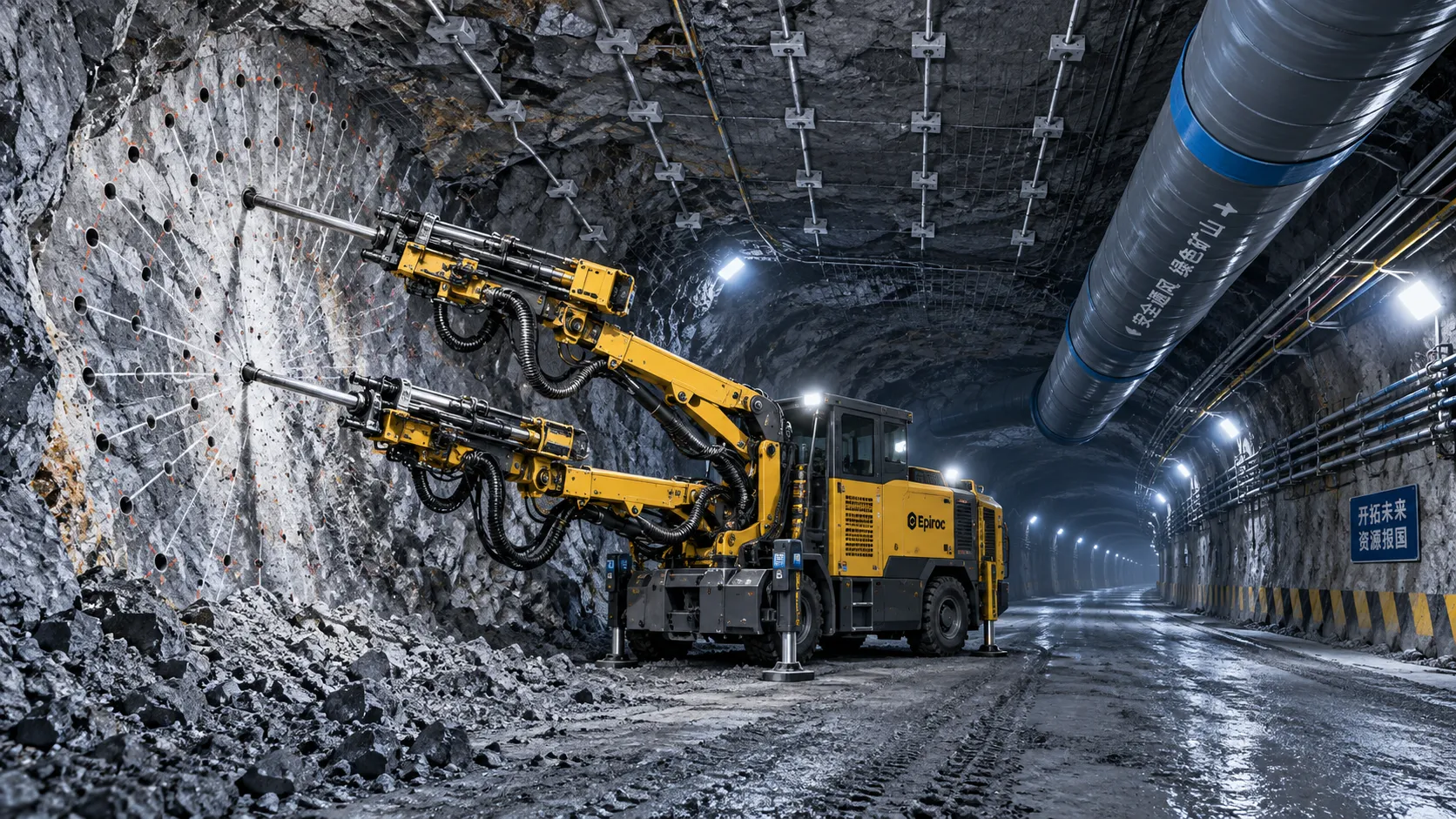
Underground Drilling for Mining: Selecting Methods for Rock Conditions and Mine Layout
Underground drilling for mining: learn how to match drilling methods to rock conditions, mine layout, accuracy needs, ground support, and cycle efficiency.
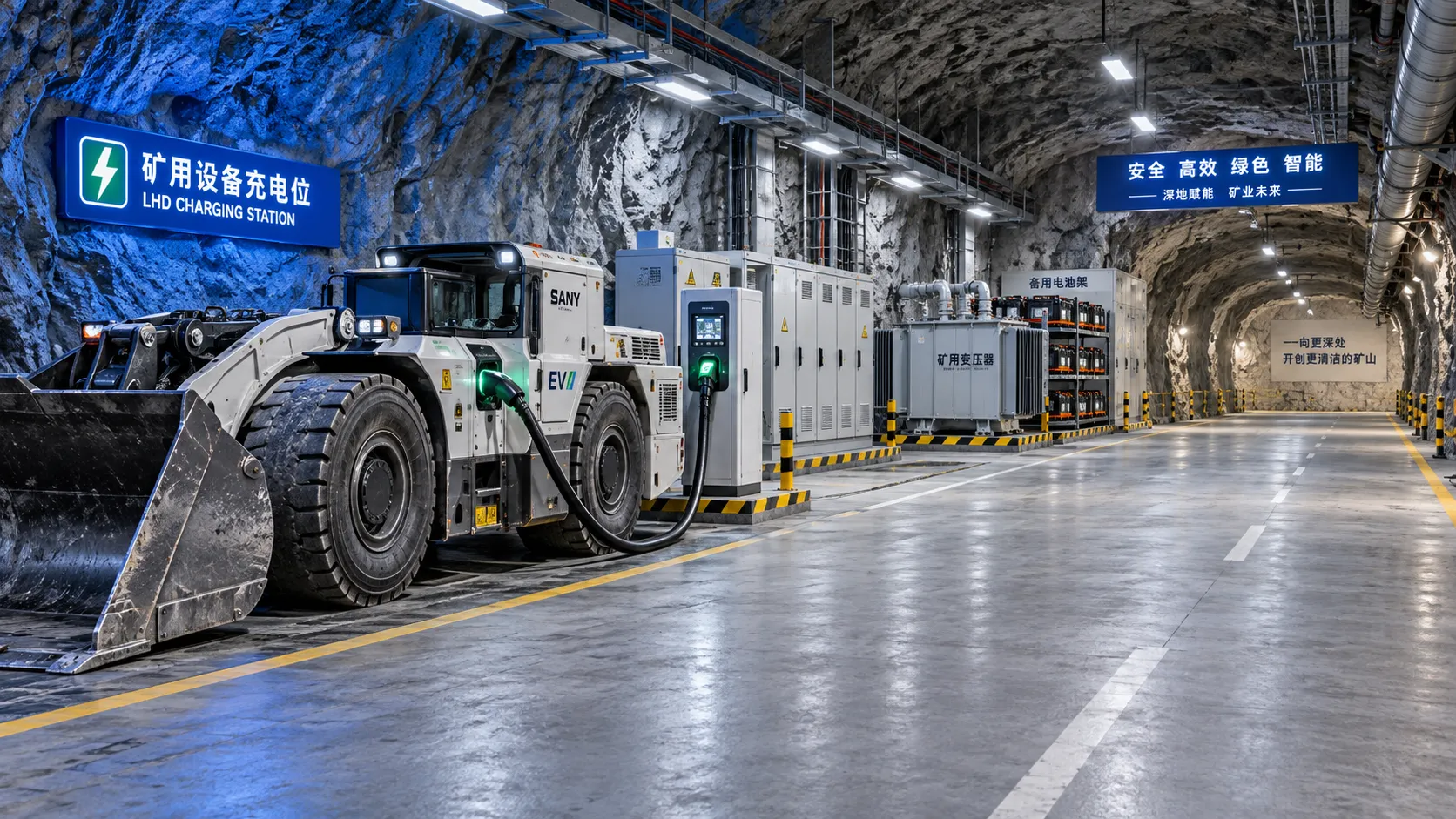
Underground Mine Electrification: How to Size Battery Fleets and Charging Capacity
Mining electrification for underground mines: learn how to size battery fleets, chargers, and power capacity to prevent queues, peak-load issues, and production downtime.
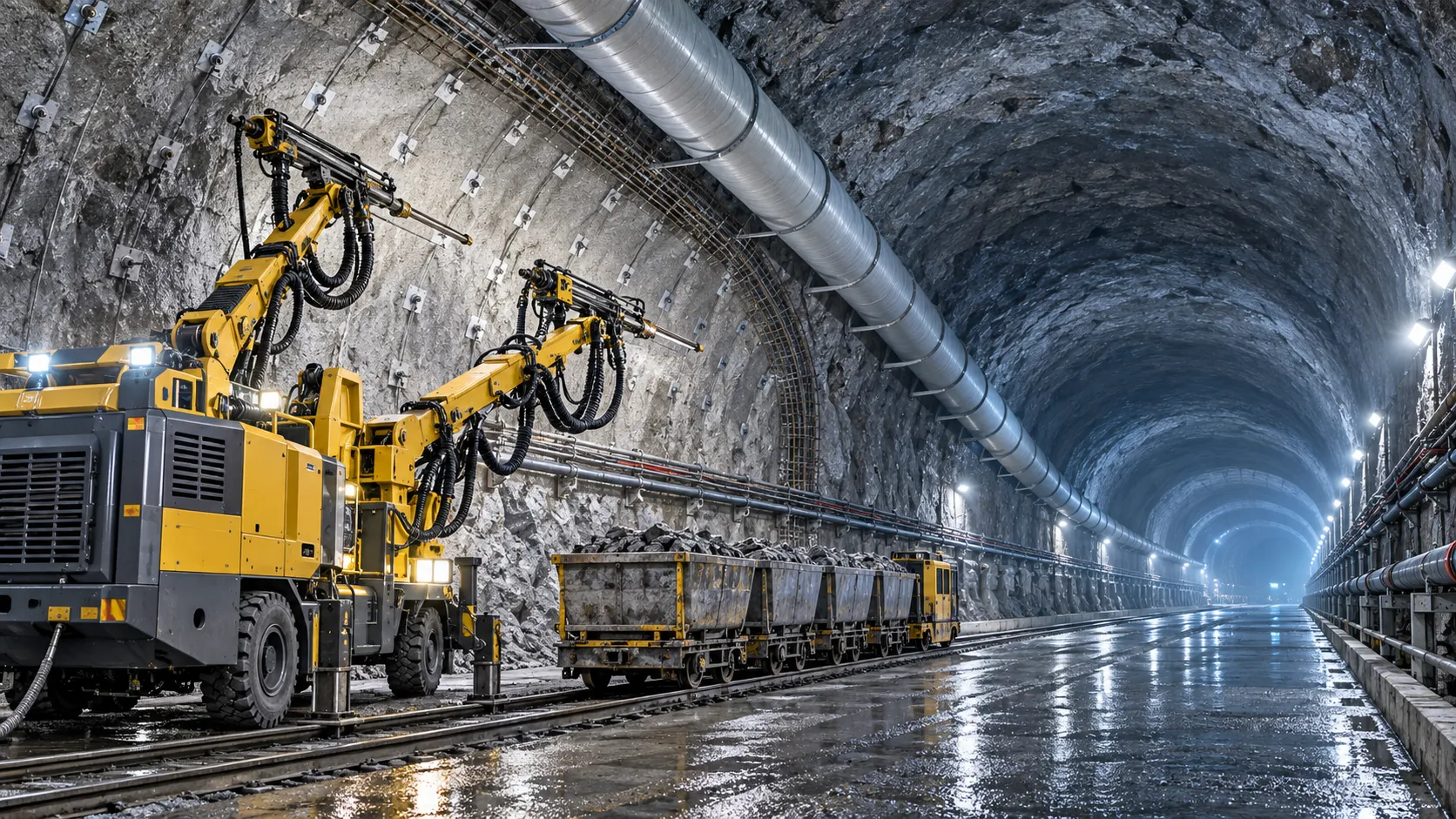
How to Evaluate European Drill-and-Blast Tunnelling Contractors for Complex Projects
Drill and blast tunnelling contractors Europe: learn how to assess geology expertise, blast control, equipment reliability, safety, and programme resilience for complex projects.
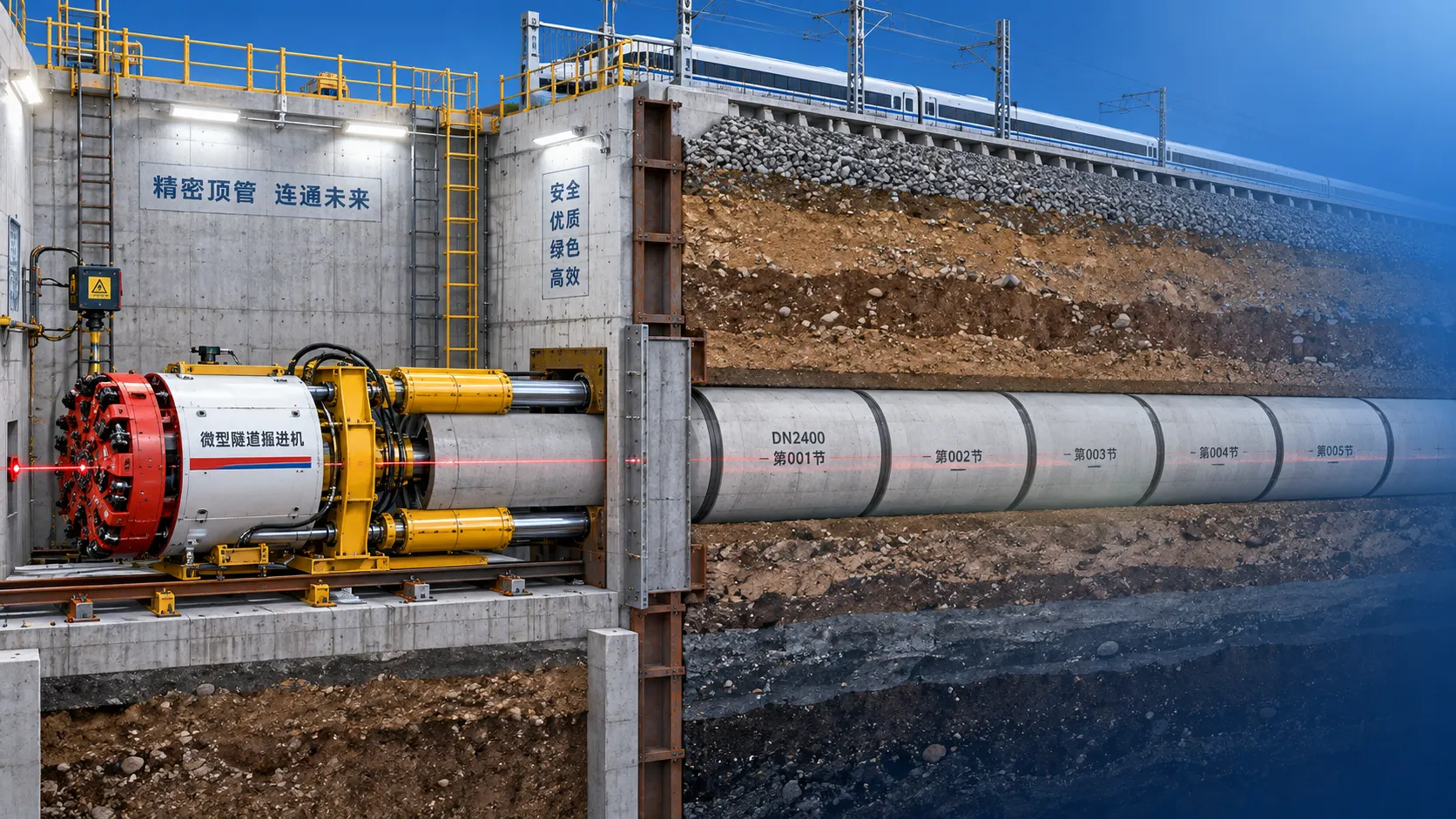
Which Trenchless Construction Technique Fits Your Utility Crossing Conditions?
Trenchless construction techniques compared for utility crossings: choose HDD, microtunnelling, pipe jacking, or auger boring based on ground, accuracy, access, and risk.
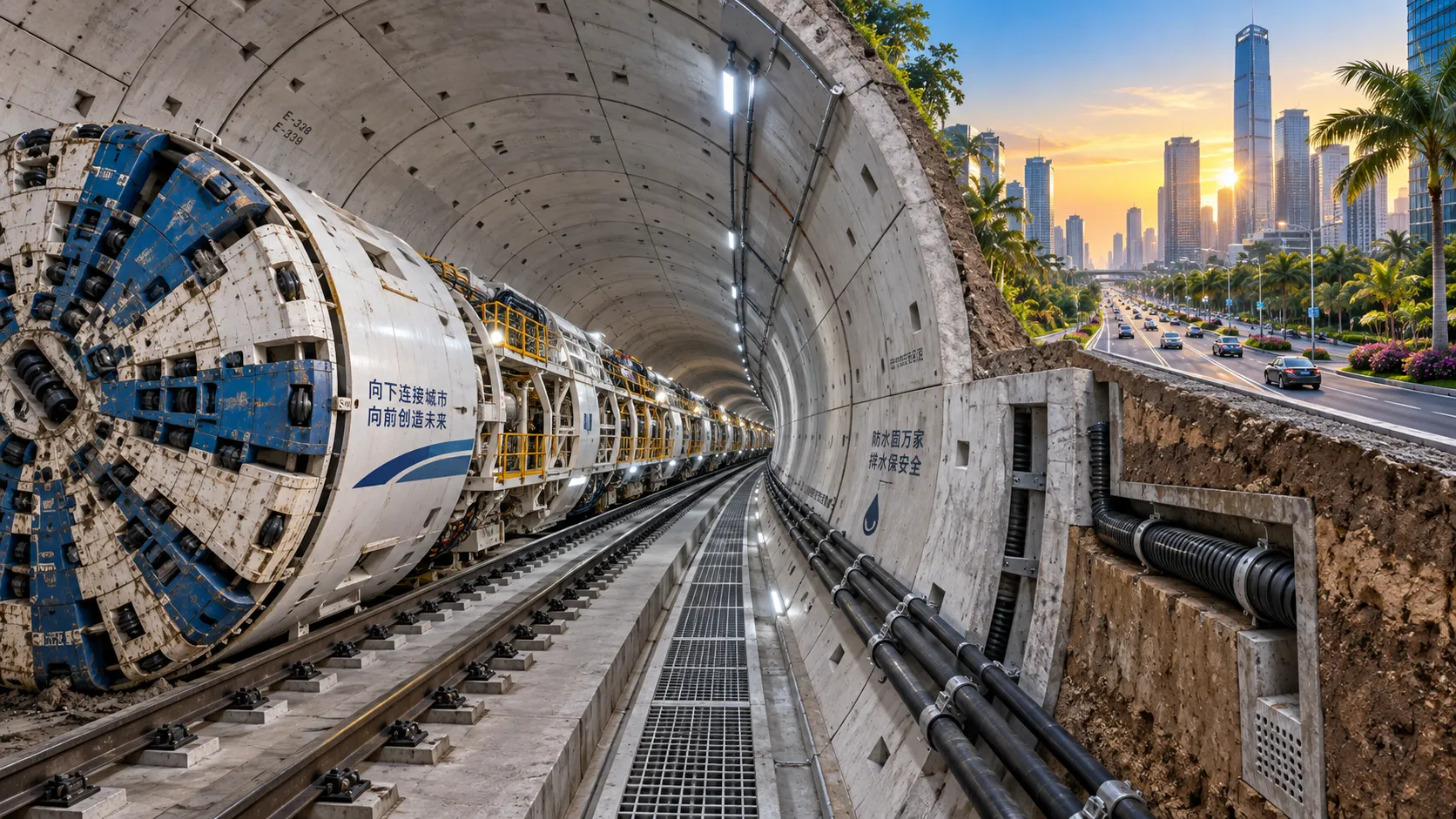
What Is Driving Metro Tunnelling Demand Across Southeast Asia’s Major Cities?
Metro tunnelling Southeast Asia is accelerating as major cities tackle congestion, flooding, and connectivity. Explore the market forces, technical risks, and opportunities shaping demand.
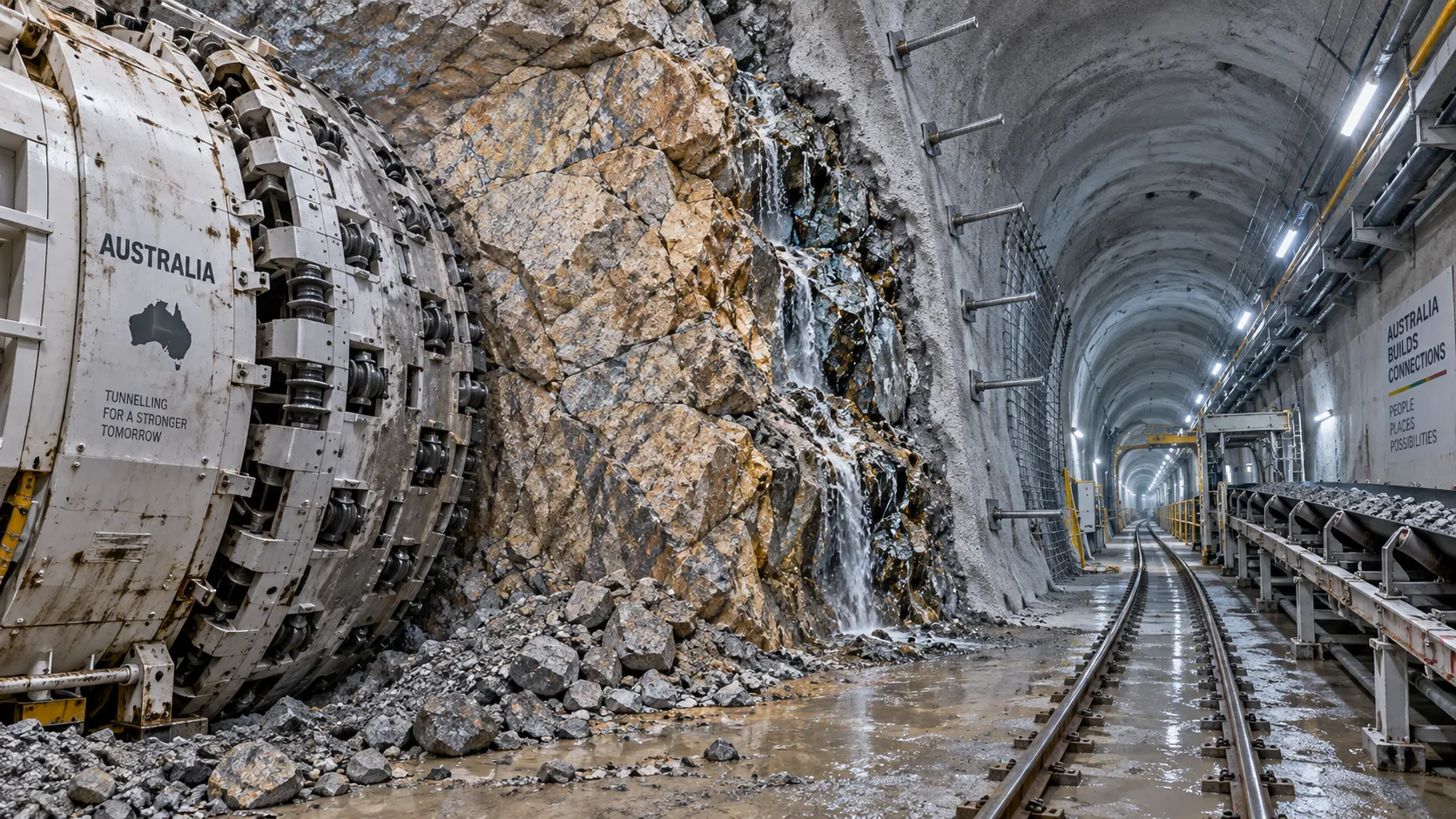
Hard Rock Tunnelling in Australia: Selecting Methods for Variable Ground Conditions
Hard rock tunnelling in Australia: compare TBM, drill-and-blast and hybrid methods to manage variable ground, reduce risk and protect project costs.
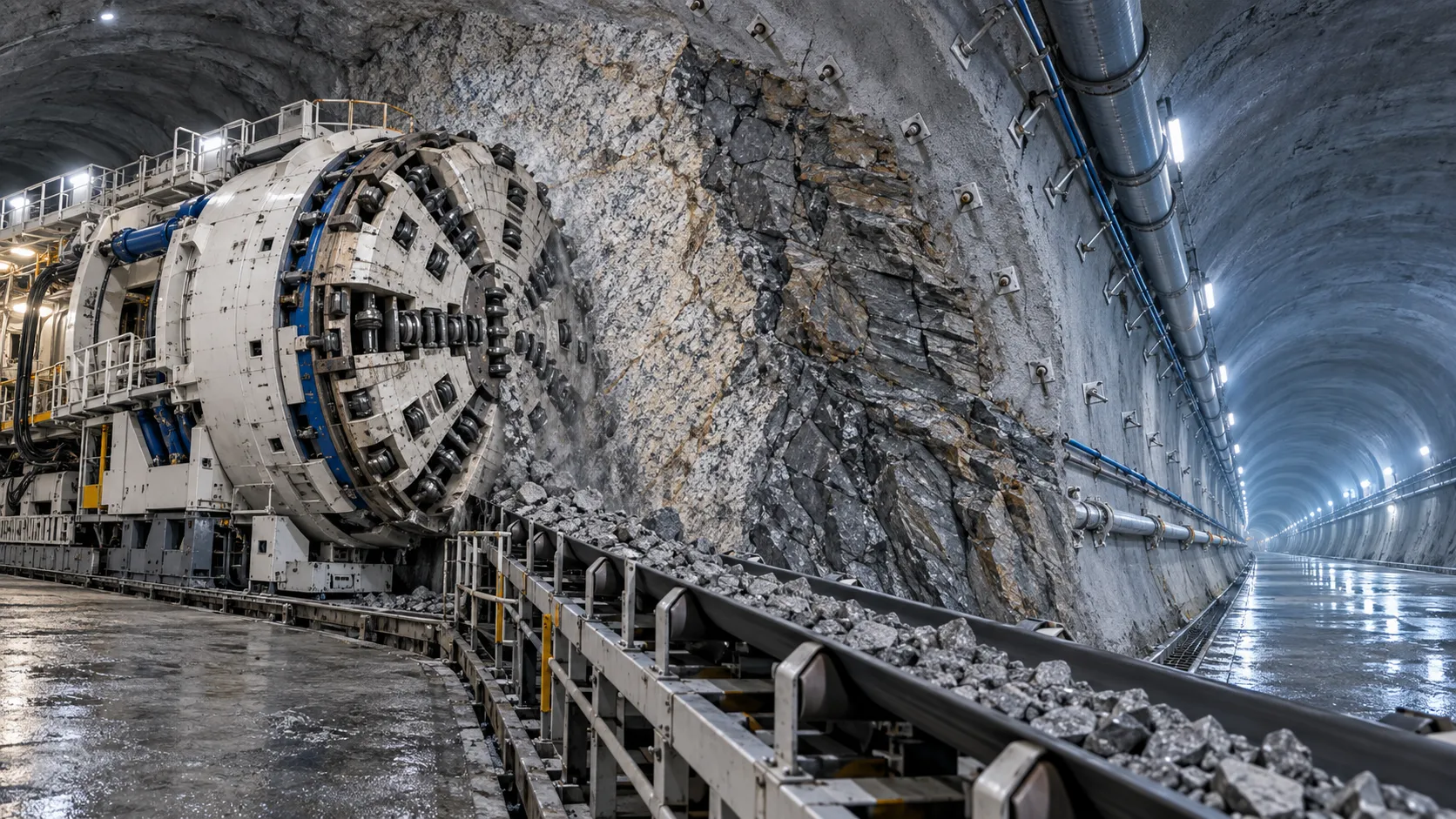
Hydropower Tunnel Excavation: Selecting Methods for Variable Rock Conditions
Hydropower tunnel excavation methods for variable rock conditions: compare TBM, drill-and-blast, and hybrid strategies to improve safety, progress, and project control.
How to Select Underground Safety Equipment for Tunnelling by Hazard and Work Zone
Underground Safety Equipment for tunnelling: match protection to hazards, work zones, compliance, and emergency needs with this practical selection guide.
EPB or Slurry Shield? Selecting Soft-Ground Tunnelling Equipment by Soil Conditions
Tunnel Excavation Equipment for soft ground: compare EPB and slurry shields by soil, groundwater, settlement risk, and project logistics to choose confidently.
Related News
- 00
0000-00
Underground Drilling for Mining: Selecting Methods for Rock Conditions and Mine Layout - 00
0000-00
Underground Mine Electrification: How to Size Battery Fleets and Charging Capacity - 00
0000-00
How to Evaluate European Drill-and-Blast Tunnelling Contractors for Complex Projects - 00
0000-00
Which Trenchless Construction Technique Fits Your Utility Crossing Conditions? - 00
0000-00
What Is Driving Metro Tunnelling Demand Across Southeast Asia’s Major Cities?
Weekly Insights
Stay ahead with our curated technology reports delivered every Monday.