
U.S. Extends Tariff Relief for EV Mining Truck NCM811 Modules





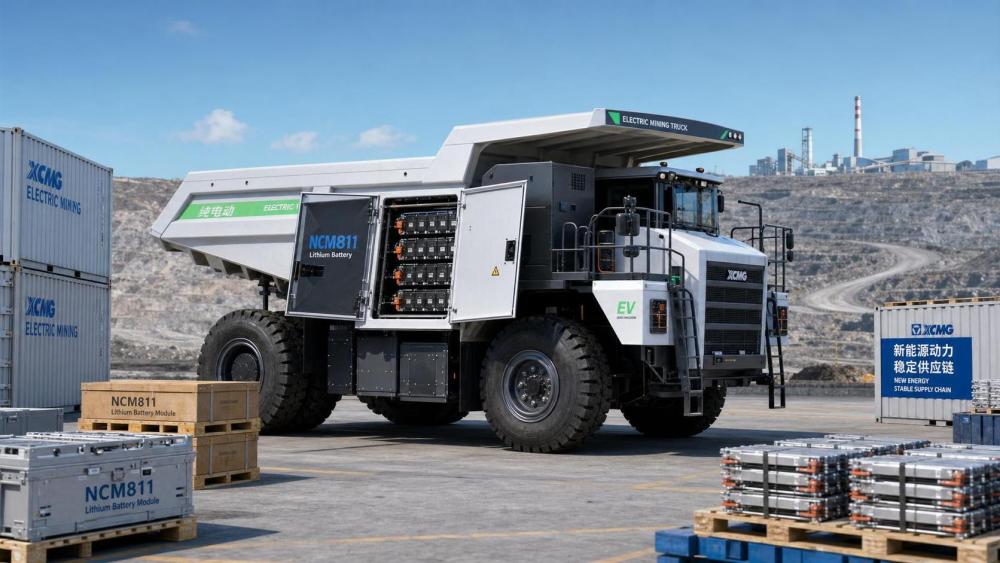
On June 22, 2026, the Office of the United States Trade Representative (USTR) announced that NCM811 lithium battery modules used in pure electric mining trucks will be included in tariff exclusion list No. 352, exempting them from additional Section 301 duties through December 31, 2027. For mining equipment integrators, mine operators, and battery supply participants, the update is notable because it directly touches project cost pressure, supply continuity during a local supply chain transition period, and the pace of mining fleet electrification in the U.S. market.
What the USTR Notice Confirms
The confirmed facts are limited but clear. USTR released the notice on June 22, 2026. The covered product is NCM811 ternary lithium battery modules used in pure electric mining trucks. These modules were added to exclusion list No. 352, which means they are exempt from the additional tariffs imposed under Section 301. The exemption remains valid until December 31, 2027.
The stated purpose is to help maintain stability during the transition period of the domestic U.S. lithium battery supply chain and to ease pressure on mine operators whose electrification schedules could be delayed by higher battery costs. The input information also confirms that leading Chinese battery companies have received targeted USTR authorization to directly supply compliant modules to U.S. mining equipment integrators.
Where the Near-Term Impact May Be Felt
Cost and project timing for mine operators
From an industry perspective, mine operators are among the most immediate stakeholders affected because battery module cost can directly influence equipment procurement budgets and fleet electrification timelines. The practical impact is likely to be felt in purchasing decisions, project scheduling, and cost control discussions tied to electric mining truck deployment.
Supply planning for equipment integrators
For U.S. mining equipment integrators, the announcement matters at the sourcing and delivery level. The confirmed availability of compliant modules from authorized Chinese battery suppliers may reduce uncertainty in module procurement during the exemption period. What deserves closer attention is whether procurement teams align product scope, compliance documentation, and delivery schedules with the exact conditions of the exclusion.
Execution priorities for battery suppliers
Battery suppliers that fall within the authorized supply pathway may see clearer short-term business visibility in this application segment. Analysis shows the main impact is not simply market access in general terms, but the need to meet compliance, direct supply, and product-specific requirements for EV mining truck modules under the stated U.S. framework.
What Companies Should Watch Now
Track any further official clarification
The notice sets the current framework, but companies should continue reviewing whether USTR issues follow-up language, implementation details, or scope clarifications related to product coverage, compliance interpretation, or exclusion handling before the end of 2027.
Separate policy wording from operational eligibility
It is important to distinguish the policy signal from actual shipment execution. The exemption applies to a defined product use case, and the input also points to targeted authorization for leading Chinese battery companies. Companies involved in procurement or supply should therefore verify that product specifications, customer application, and supporting documentation match the permitted scope.
Prepare documentation and delivery workflows early
For suppliers, integrators, and buyers, operational readiness may matter as much as the tariff treatment itself. Current priorities likely include checking supplier qualification status, preparing trade and compliance documents, aligning contract language, and managing delivery timelines so that business execution is not slowed by administrative gaps.
Keep customer communication grounded in confirmed facts
Because the exclusion runs through December 31, 2027, commercial teams should communicate clearly about what is confirmed now and what still requires monitoring. This is especially relevant for procurement discussions, budgeting, and project planning tied to EV mining truck programs.
Why This Looks More Like a Transitional Signal
Observably, this development is best understood as a targeted transition-period measure rather than a broad reset of trade policy. The confirmed rationale is to stabilize supply during a domestic lithium battery supply chain transition and to reduce electrification delays caused by rising battery costs. Analysis shows that the market should read this as a practical adjustment for a specific application and time window, while continuing to watch for later policy treatment after 2027.
How the Market May Best Read This Update
The immediate significance of the announcement lies in its narrow but practical effect: it supports continuity for EV mining truck battery module supply and may ease cost pressure for relevant U.S. projects. At the same time, it is more appropriate to understand this as a time-bound and product-specific industry development, not as a definitive long-term conclusion for the broader battery or trade landscape. Continued attention should remain on implementation details, compliance execution, and any future policy updates.
Basis and verification note
This article is generated based on the user-provided news title, event date, and event summary. For this type of development, common reference categories usually include official government notices, company statements, industry association updates, authoritative media coverage, and relevant standards or trade documentation. A specific official source link was not provided in the input, so the exact reference path still requires ongoing verification. Follow-up attention should focus on any additional USTR clarification, scope interpretation, and execution-related updates before the exemption expires at the end of 2027.
Related News
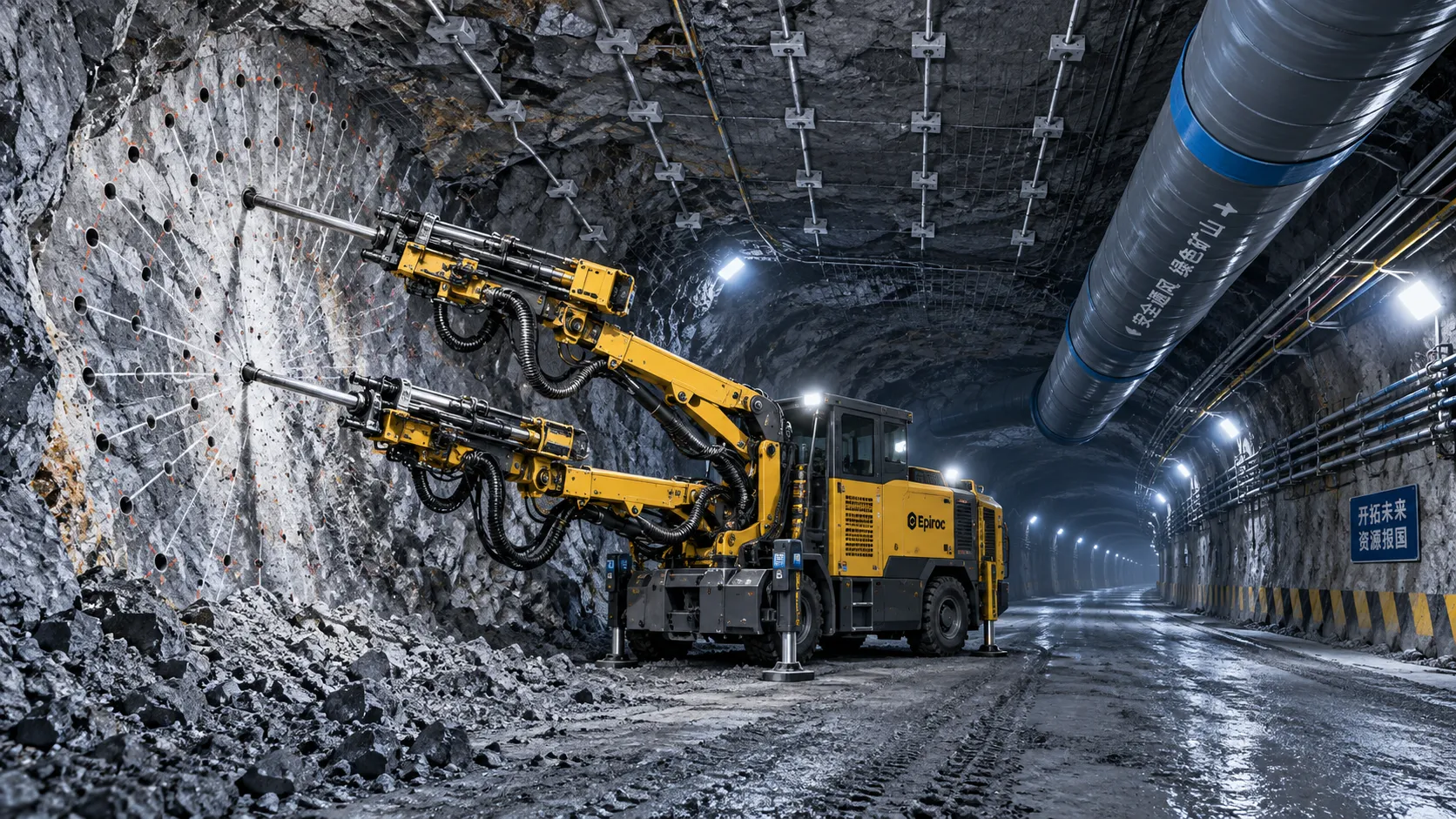
Underground Drilling for Mining: Selecting Methods for Rock Conditions and Mine Layout
Underground drilling for mining: learn how to match drilling methods to rock conditions, mine layout, accuracy needs, ground support, and cycle efficiency.
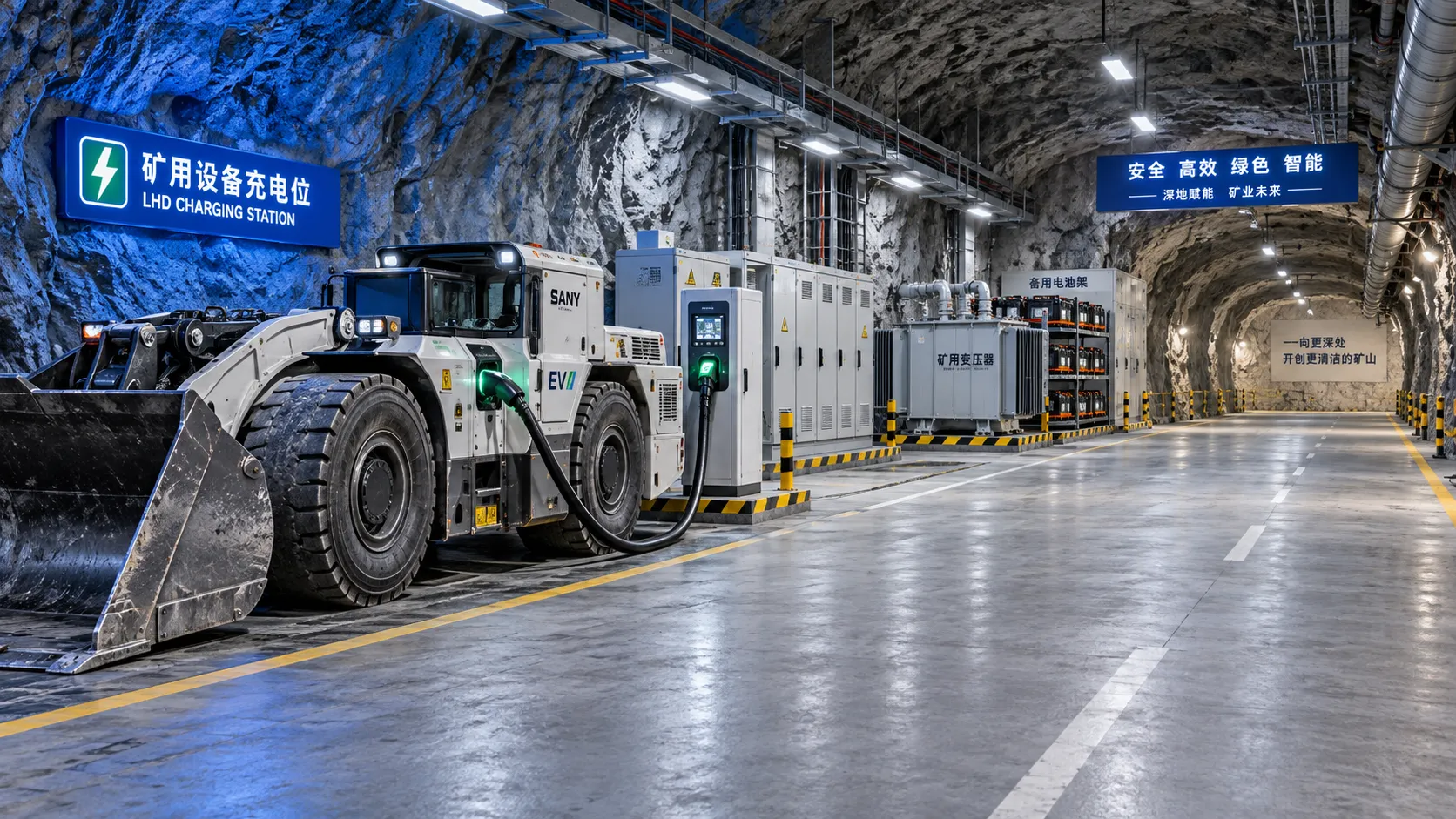
Underground Mine Electrification: How to Size Battery Fleets and Charging Capacity
Mining electrification for underground mines: learn how to size battery fleets, chargers, and power capacity to prevent queues, peak-load issues, and production downtime.
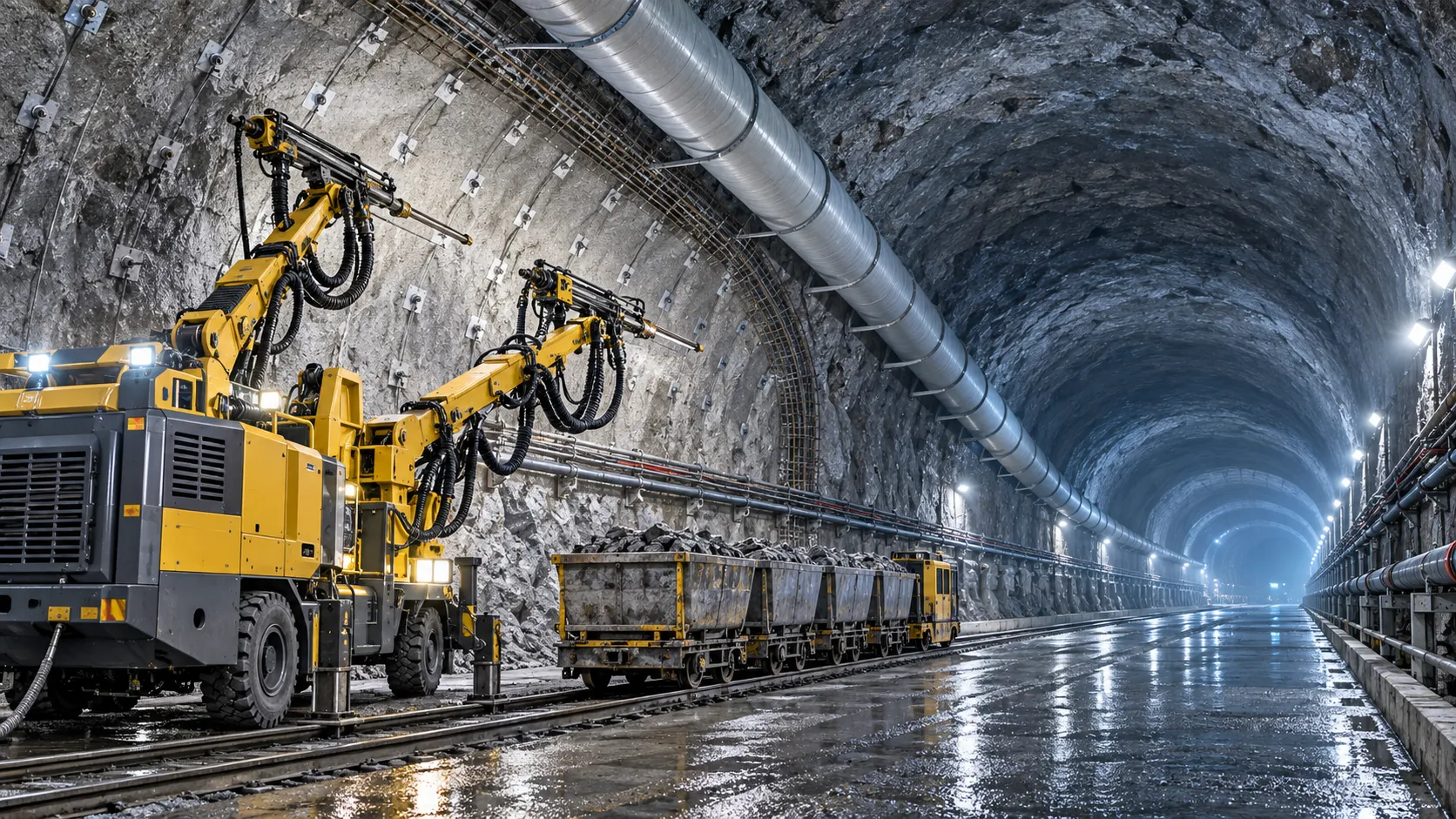
How to Evaluate European Drill-and-Blast Tunnelling Contractors for Complex Projects
Drill and blast tunnelling contractors Europe: learn how to assess geology expertise, blast control, equipment reliability, safety, and programme resilience for complex projects.
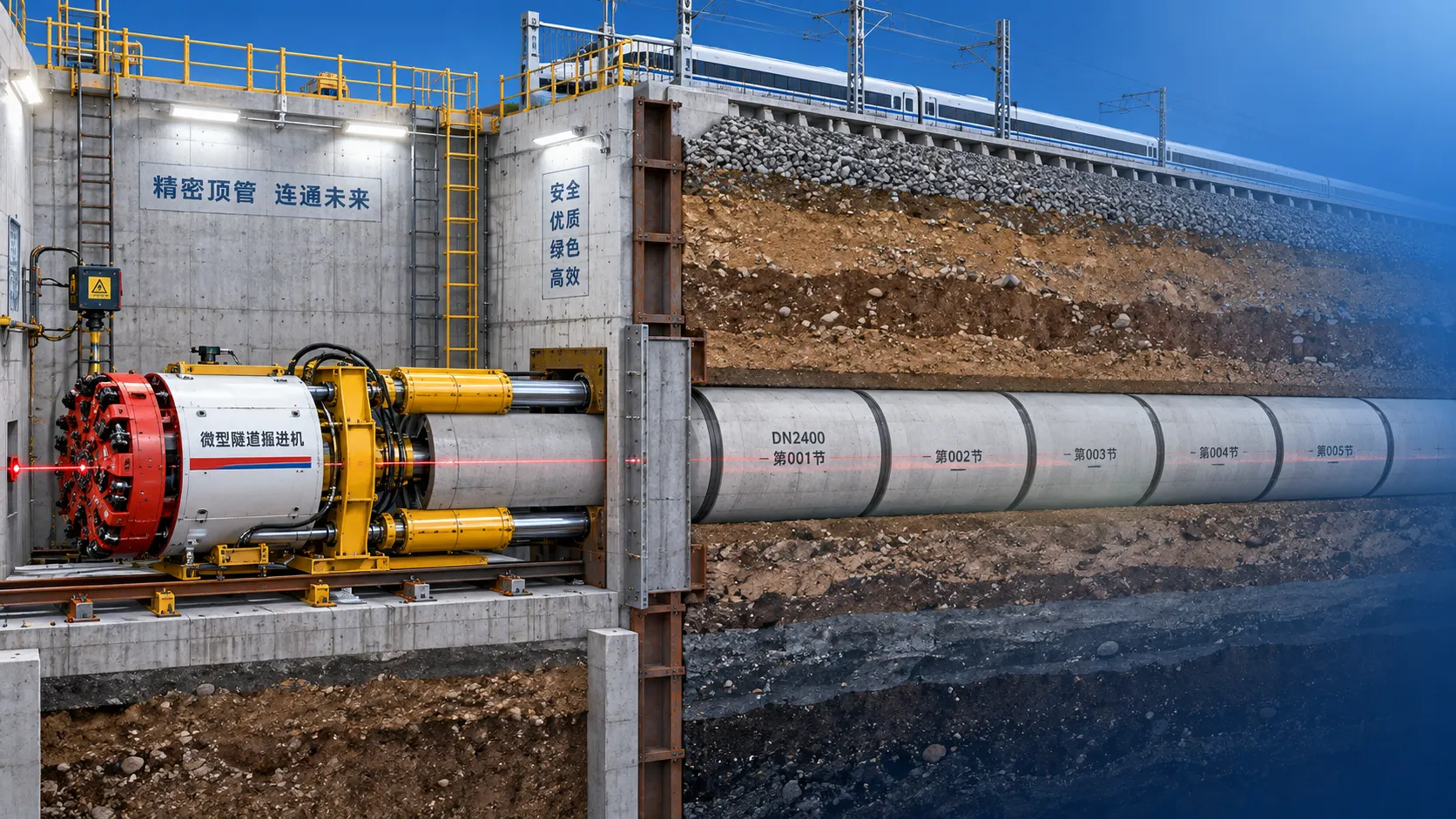
Which Trenchless Construction Technique Fits Your Utility Crossing Conditions?
Trenchless construction techniques compared for utility crossings: choose HDD, microtunnelling, pipe jacking, or auger boring based on ground, accuracy, access, and risk.
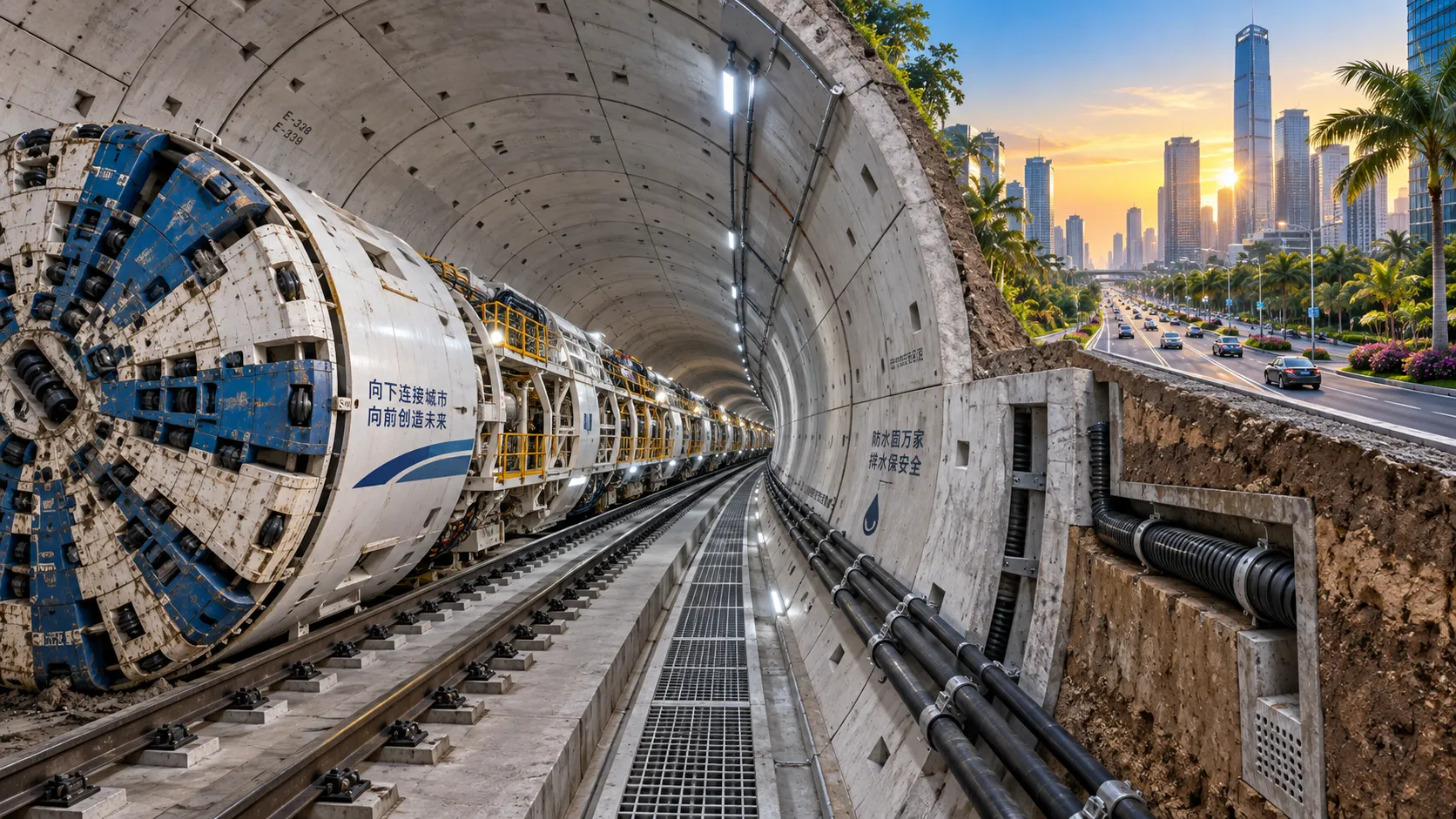
What Is Driving Metro Tunnelling Demand Across Southeast Asia’s Major Cities?
Metro tunnelling Southeast Asia is accelerating as major cities tackle congestion, flooding, and connectivity. Explore the market forces, technical risks, and opportunities shaping demand.
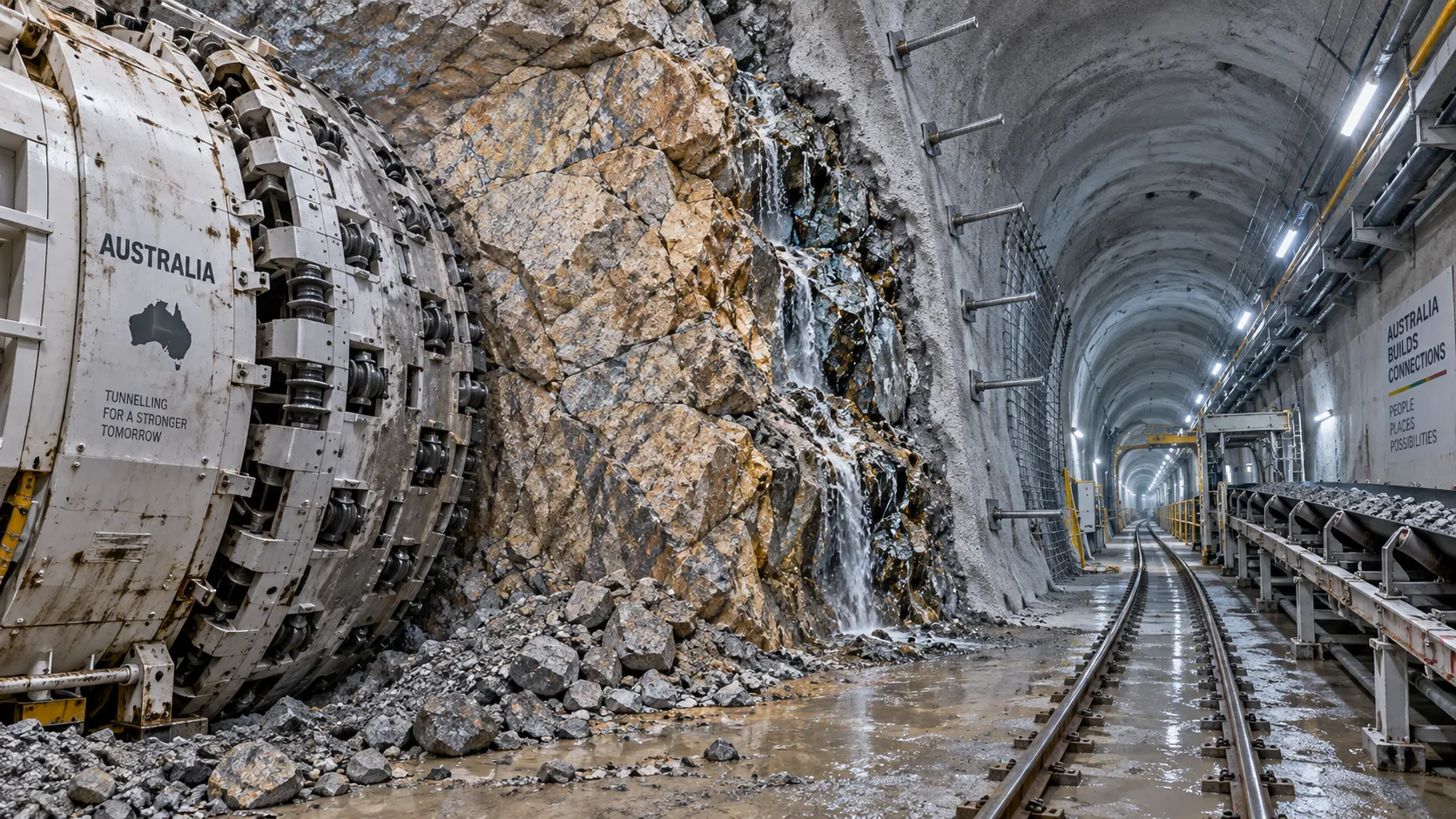
Hard Rock Tunnelling in Australia: Selecting Methods for Variable Ground Conditions
Hard rock tunnelling in Australia: compare TBM, drill-and-blast and hybrid methods to manage variable ground, reduce risk and protect project costs.
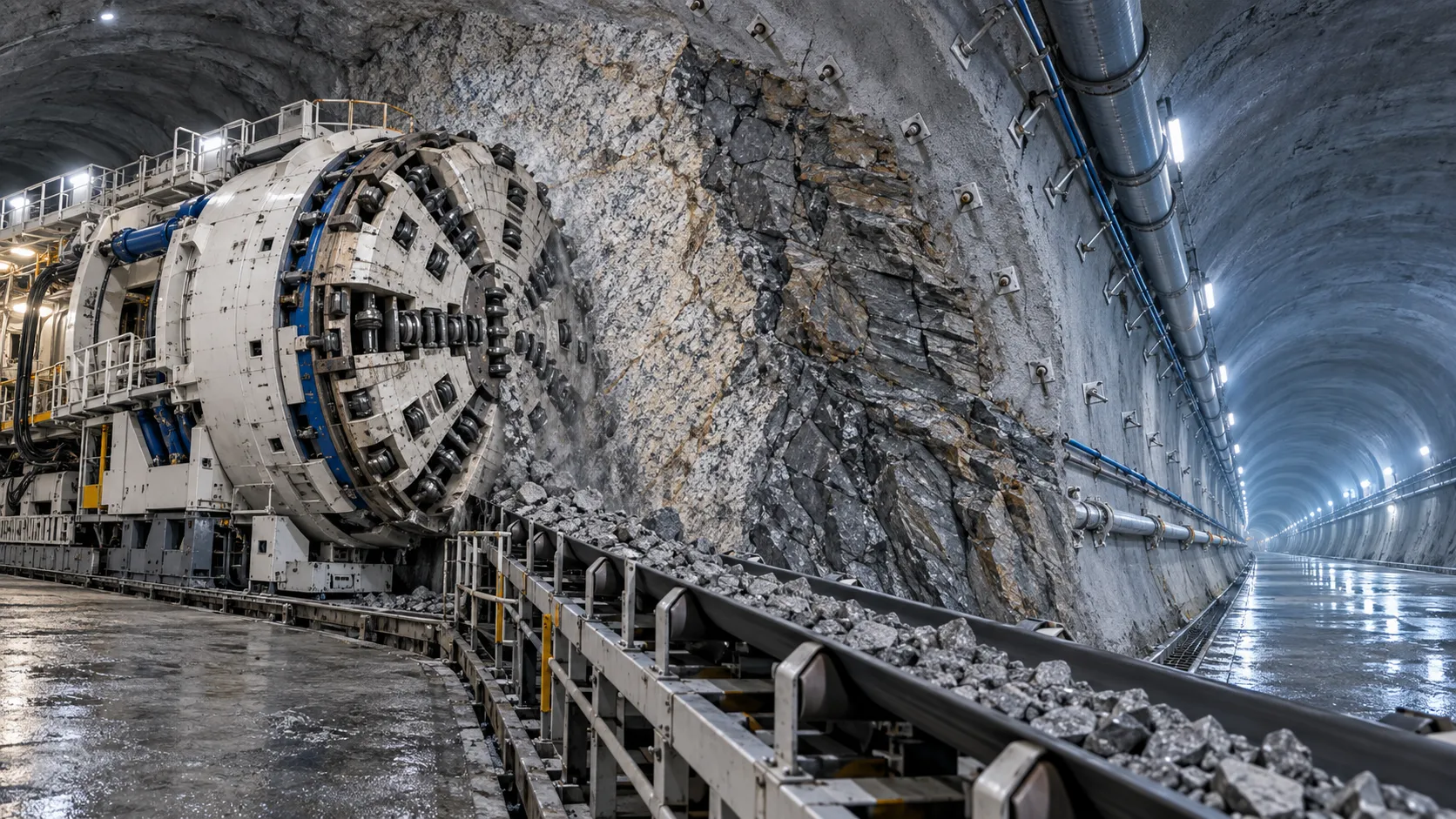
Hydropower Tunnel Excavation: Selecting Methods for Variable Rock Conditions
Hydropower tunnel excavation methods for variable rock conditions: compare TBM, drill-and-blast, and hybrid strategies to improve safety, progress, and project control.
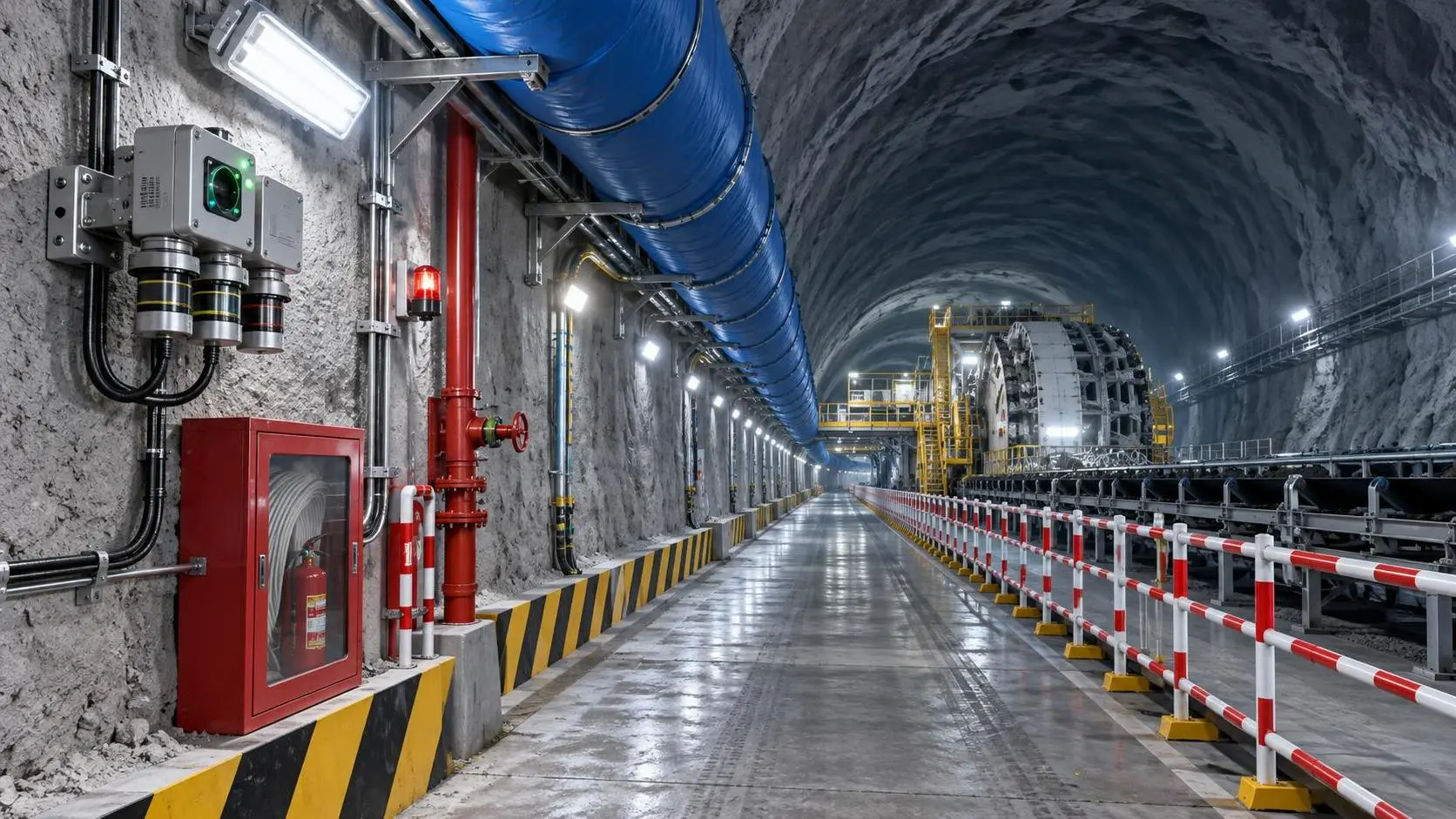
How to Select Underground Safety Equipment for Tunnelling by Hazard and Work Zone
Underground Safety Equipment for tunnelling: match protection to hazards, work zones, compliance, and emergency needs with this practical selection guide.
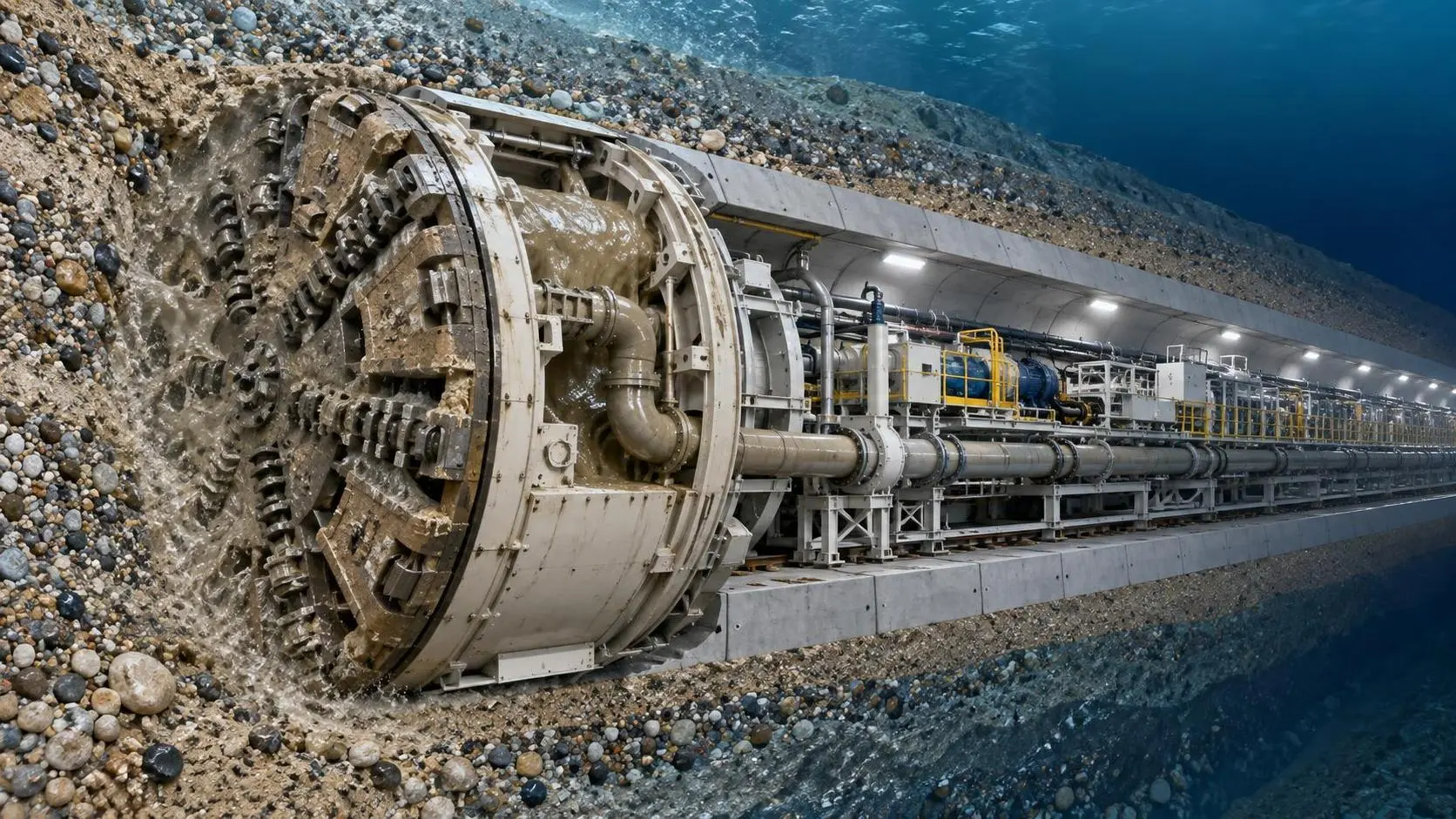
EPB or Slurry Shield? Selecting Soft-Ground Tunnelling Equipment by Soil Conditions
Tunnel Excavation Equipment for soft ground: compare EPB and slurry shields by soil, groundwater, settlement risk, and project logistics to choose confidently.
Related News
- 00
0000-00
Underground Drilling for Mining: Selecting Methods for Rock Conditions and Mine Layout - 00
0000-00
Underground Mine Electrification: How to Size Battery Fleets and Charging Capacity - 00
0000-00
How to Evaluate European Drill-and-Blast Tunnelling Contractors for Complex Projects - 00
0000-00
Which Trenchless Construction Technique Fits Your Utility Crossing Conditions? - 00
0000-00
What Is Driving Metro Tunnelling Demand Across Southeast Asia’s Major Cities?
Weekly Insights
Stay ahead with our curated technology reports delivered every Monday.