
U.S. Copper-Part Tariff Plan Pressures EV Mine Trucks





On June 2, 2026, the Office of the United States Trade Representative published a notice titled Section 301 Review on Critical Minerals-Based Equipment, proposing an additional 25% tariff on key copper-based components used in electric and hydrogen fuel-cell mining trucks. The notice is especially relevant to EV mining truck supply chains, hydrogen mining truck systems, North American import channels, and companies managing inventories for brands including Komatsu, BYD, and XCMG, because it may affect component costs, landed vehicle costs, and distribution planning.
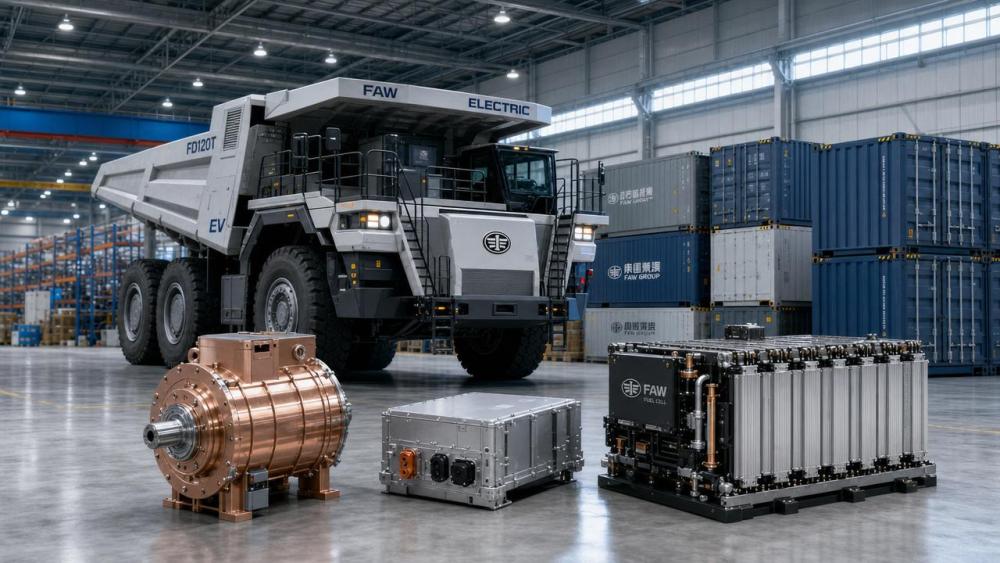
Event Overview
According to the published information, the U.S. Trade Representative issued the notice on June 2, 2026. The proposal targets certain key components with copper content above 15%, including drive motors, electronic control systems, and fuel-cell stacks for electric and hydrogen fuel-cell mining trucks.
The proposed measure would add a 25% extra tariff to the covered components. The public comment period is scheduled to close on June 30, 2026. The information currently available indicates that the measure remains at the proposal and consultation stage.
The disclosed summary also indicates that the measure may raise the import cost of complete EV mining trucks in the North American market by 12% to 18%, and may affect inventory strategies of U.S. channel partners connected with Komatsu, BYD, XCMG, and related supply networks.
Which Segments May Be Affected
Direct Trade Companies
Direct trade companies involved in importing electric mining trucks, hydrogen mining trucks, or covered components may be affected because the proposal specifically concerns cross-border trade in critical minerals-based equipment. If the measure is implemented, the additional tariff would directly change the cost basis for eligible copper-containing components.
The main impact would appear in import pricing, contract review, customs classification checks, and timing decisions for shipments. Analysis shows that companies handling North American-bound equipment will need to distinguish between confirmed tariff exposure and parts that may fall outside the proposed scope.
Component and System Manufacturers
Manufacturers of drive motors, electronic control systems, and fuel-cell stacks may face pressure because these are among the named component categories in the notice. The proposal focuses on copper content above 15%, making material composition and product documentation more important for affected suppliers.
From an industry perspective, the impact may be reflected in quotation structures, customer negotiations, technical documentation, and compliance communication. Companies supplying these systems to EV or hydrogen mining truck projects may need to prepare clearer product-level information for downstream buyers and import partners.
Complete Vehicle Importers and Fleet Procurement Teams
Importers of complete electric mining trucks may be affected if the tariff increases the cost of key components embedded in finished vehicles. The disclosed information states that overall import costs for complete EV mining trucks in North America may rise by 12% to 18%.
Currently, what deserves closer attention is how procurement teams evaluate near-term orders, delivery schedules, and budget assumptions before the comment deadline. The proposal does not automatically mean that all pending orders will change immediately, but it does create a cost-risk variable for vehicle sourcing and fleet renewal planning.
Channel Distribution and Inventory Operators
Channel partners linked to Komatsu, BYD, XCMG, and related cooperation networks may be affected because inventory strategy is directly connected to landed cost, delivery timing, and policy uncertainty. If import costs rise, distributors may need to reconsider whether to hold, accelerate, or slow inventory intake.
Observably, the pressure is not limited to pricing. It may also involve communication with mining customers, quotation validity periods, spare-part availability, and the timing of component replenishment for electric and hydrogen mining truck platforms.
Supply Chain Service Providers
Logistics, customs, and supply chain service providers may be affected because tariff proposals can increase the need for shipment review, documentation support, and compliance coordination. Components with copper content above the stated threshold may require closer attention in customs-facing documentation.
It is more appropriate to understand this as a compliance and planning challenge rather than only a tariff-cost issue. Service providers supporting North American mining equipment imports may need to help clients track product scope, comment-period developments, and shipment timing.
What Companies Should Watch and How to Respond
Track Official Updates Before June 30
Companies should closely follow the USTR consultation process and any additional official clarification before the June 30, 2026 comment deadline. Since the measure is currently proposed, decisions should separate confirmed facts from potential outcomes.
Practical steps include assigning responsibility for monitoring official notices, reviewing whether affected products fall within the named categories, and preparing internal summaries for procurement, sales, and compliance teams.
Review Covered Components and Copper Content Exposure
The proposal specifically refers to components with copper content above 15%, including drive motors, electronic control systems, and fuel-cell stacks. Companies should therefore review product lists by component type rather than relying only on broad vehicle categories.
Analysis shows that the most practical response is to map which products, spare parts, and assemblies may fall within the proposed scope. This can support more accurate quotation discussions and reduce confusion between affected and unaffected items.
Reassess North American Pricing and Inventory Plans
For companies serving the North American EV mining truck market, the disclosed possible 12% to 18% increase in complete vehicle import costs should be treated as a planning reference, not as a finalized result. Importers and distributors may need to test different pricing and inventory scenarios.
From an industry perspective, the key is to avoid overreacting before the policy outcome is known while still preparing for possible cost adjustments. Businesses may consider reviewing quotation validity periods, delivery timing, and inventory commitments linked to affected components.
Strengthen Communication Across the Supply Chain
Component suppliers, vehicle manufacturers, importers, and channel partners should align communication around product scope, shipment schedules, and possible cost implications. This is particularly important where U.S. cooperation channels involve brands and manufacturers such as Komatsu, BYD, and XCMG.
Currently, what deserves closer attention is whether downstream customers understand that the proposal remains under consultation. Clear communication can help prevent premature pricing assumptions while allowing buyers and sellers to prepare contingency plans.
Editor’s View / Industry Observation
Observably, this notice is significant because it connects critical minerals-based equipment policy with the electrification and hydrogen transition of heavy mining vehicles. It does not only concern raw material trade; it also reaches into high-value systems such as drive motors, electronic controls, and fuel-cell stacks.
Analysis shows that the current development is better viewed as a policy signal under review rather than a completed tariff outcome. However, because the proposed tariff rate is 25% and the disclosed potential impact on complete EV mining truck import costs is 12% to 18%, the signal is strong enough for companies to begin practical risk assessment.
From an industry perspective, the most important issue is not whether every company will be affected in the same way, but which part of the supply chain carries the exposure: component importers, vehicle importers, distribution partners, or supply chain service providers. The answer may differ depending on product composition, trade route, and inventory position.
Conclusion
The USTR proposal on copper-based key components for electric and hydrogen mining trucks introduces a new area of uncertainty for North American mining equipment supply chains. It may influence component costs, complete vehicle import economics, and channel inventory strategies, especially for companies connected with EV mining truck and hydrogen mining truck platforms.
It is more appropriate to understand this information as a policy proposal that requires close monitoring, rather than as a finalized tariff result. Companies should focus on product-scope review, official updates, supply chain communication, and practical cost-scenario planning before the consultation process reaches its next stage.
Information Sources
Main source: Office of the United States Trade Representative, Section 301 Review on Critical Minerals-Based Equipment, published June 2, 2026.
Items requiring continued observation: final USTR decision after the public comment period, any clarification on covered product scope, implementation timing if adopted, and actual cost impact on North American EV and hydrogen mining truck imports.
Related News
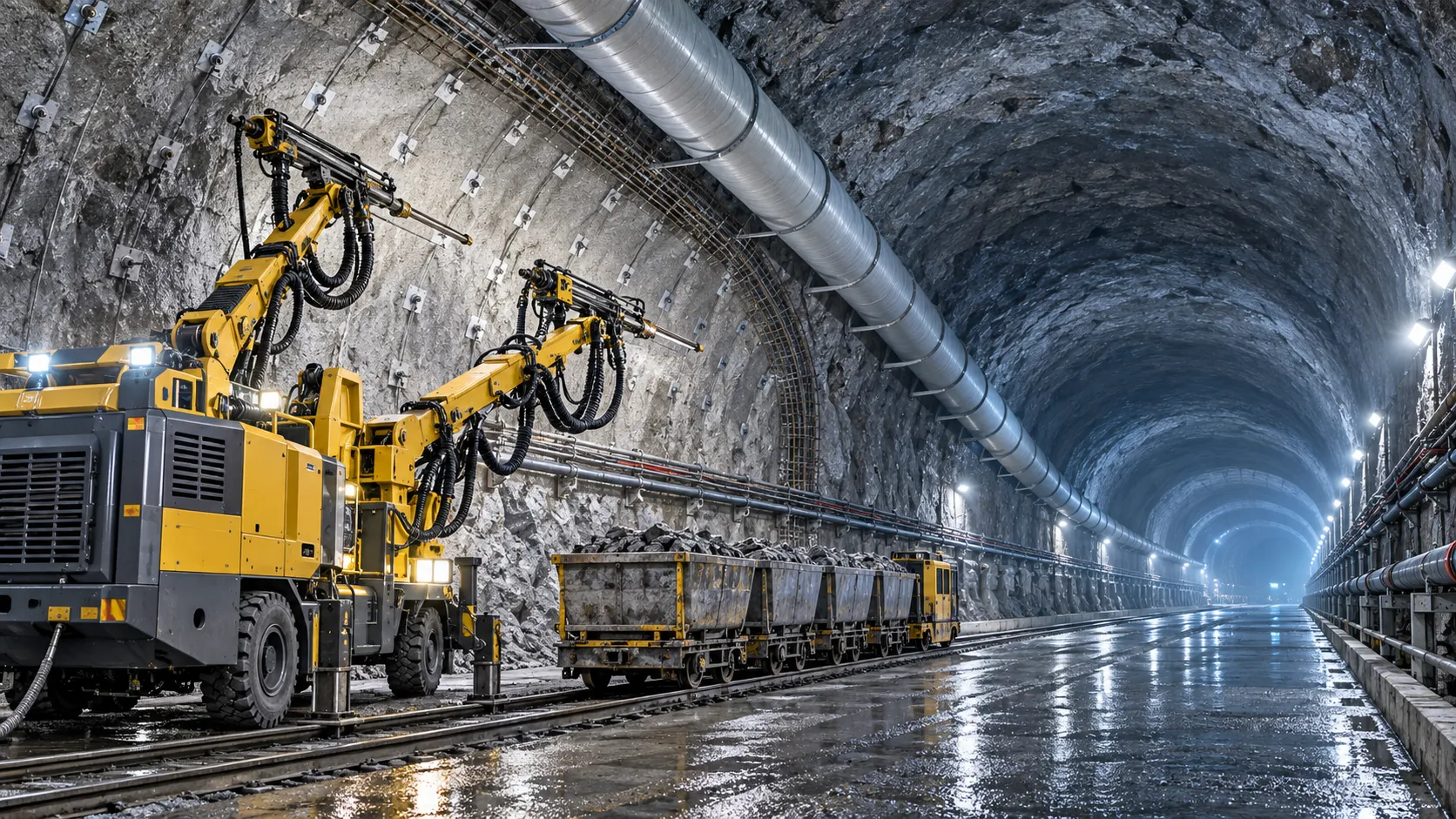
How to Evaluate European Drill-and-Blast Tunnelling Contractors for Complex Projects
Drill and blast tunnelling contractors Europe: learn how to assess geology expertise, blast control, equipment reliability, safety, and programme resilience for complex projects.
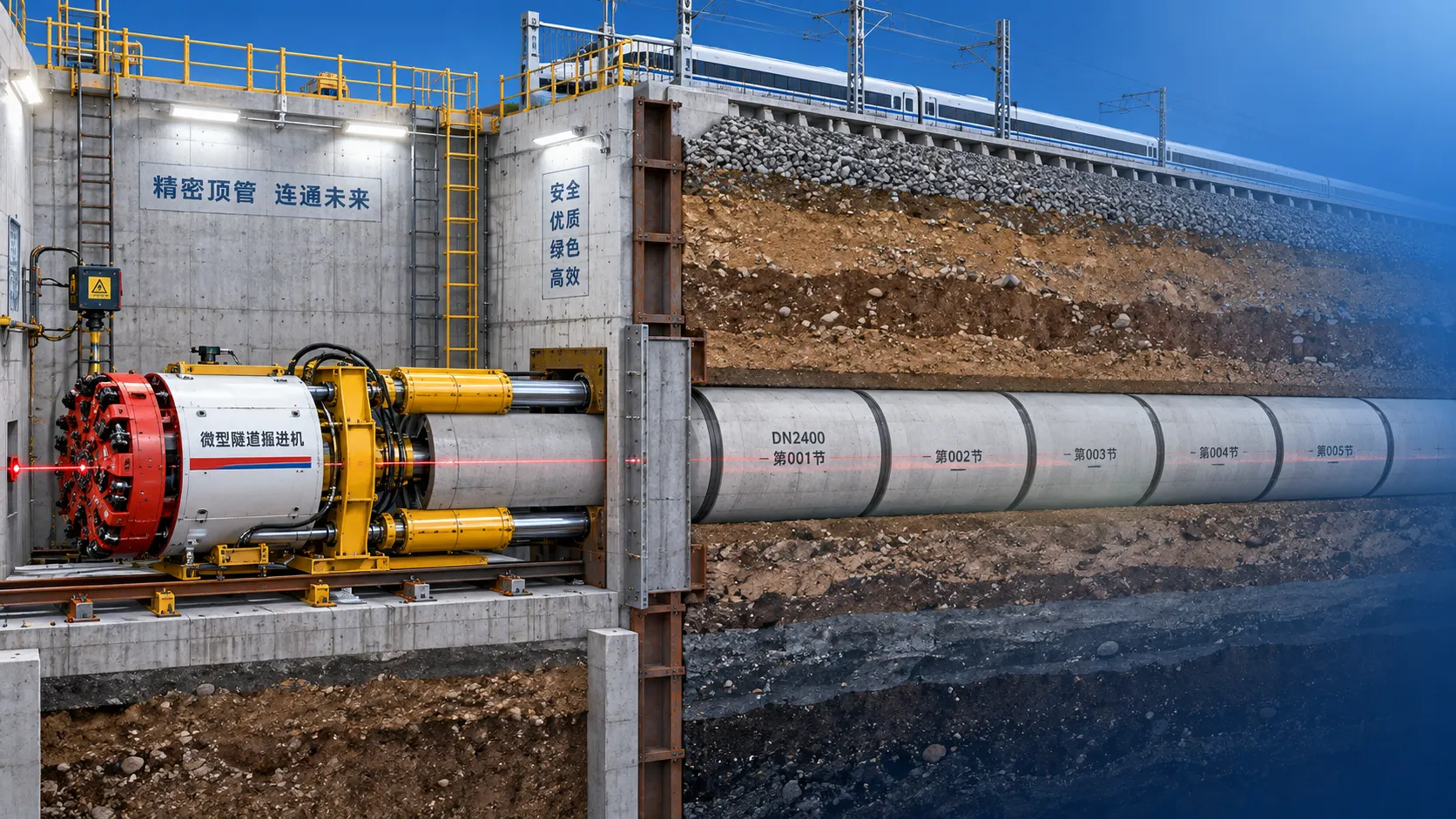
Which Trenchless Construction Technique Fits Your Utility Crossing Conditions?
Trenchless construction techniques compared for utility crossings: choose HDD, microtunnelling, pipe jacking, or auger boring based on ground, accuracy, access, and risk.
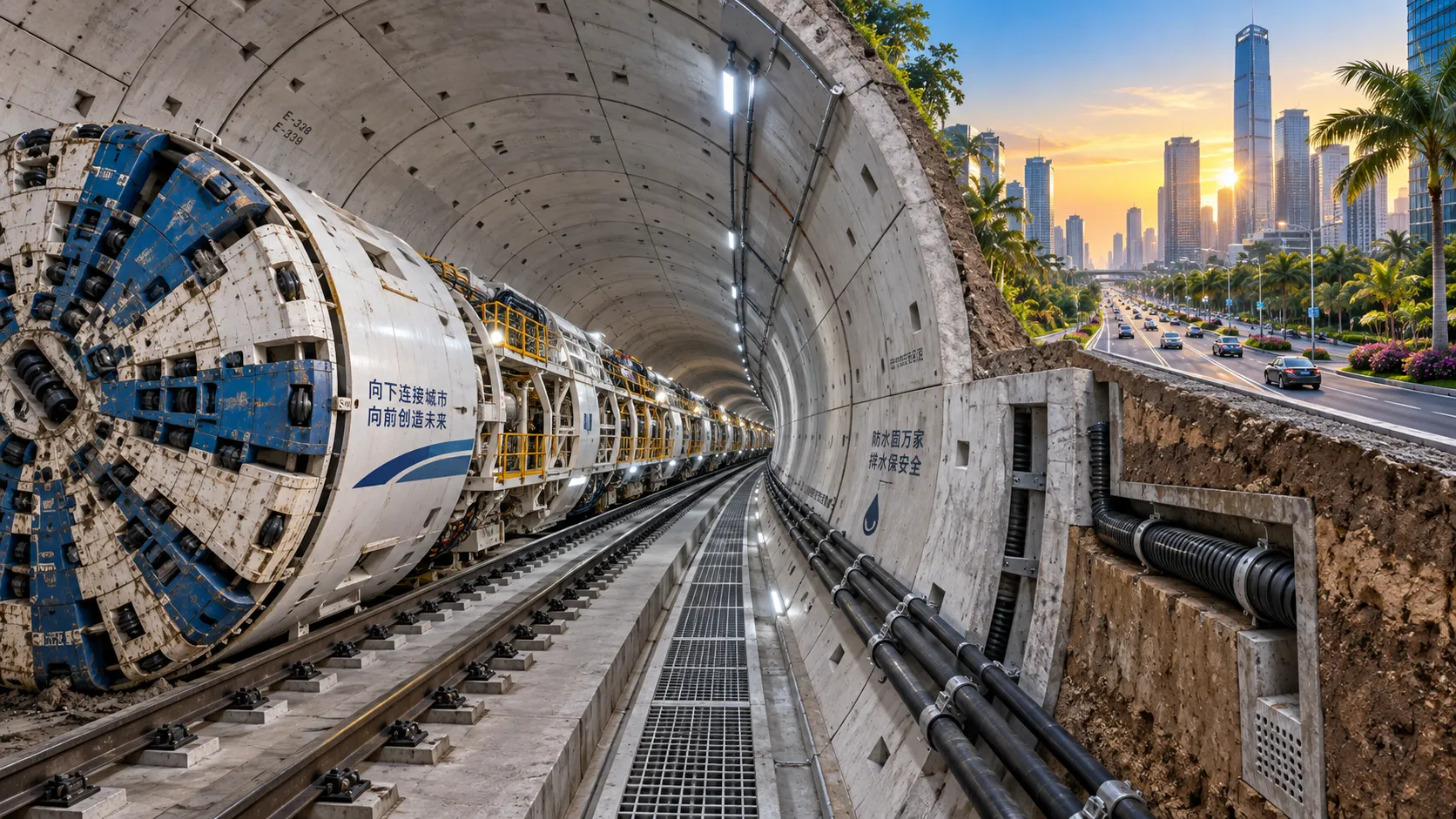
What Is Driving Metro Tunnelling Demand Across Southeast Asia’s Major Cities?
Metro tunnelling Southeast Asia is accelerating as major cities tackle congestion, flooding, and connectivity. Explore the market forces, technical risks, and opportunities shaping demand.
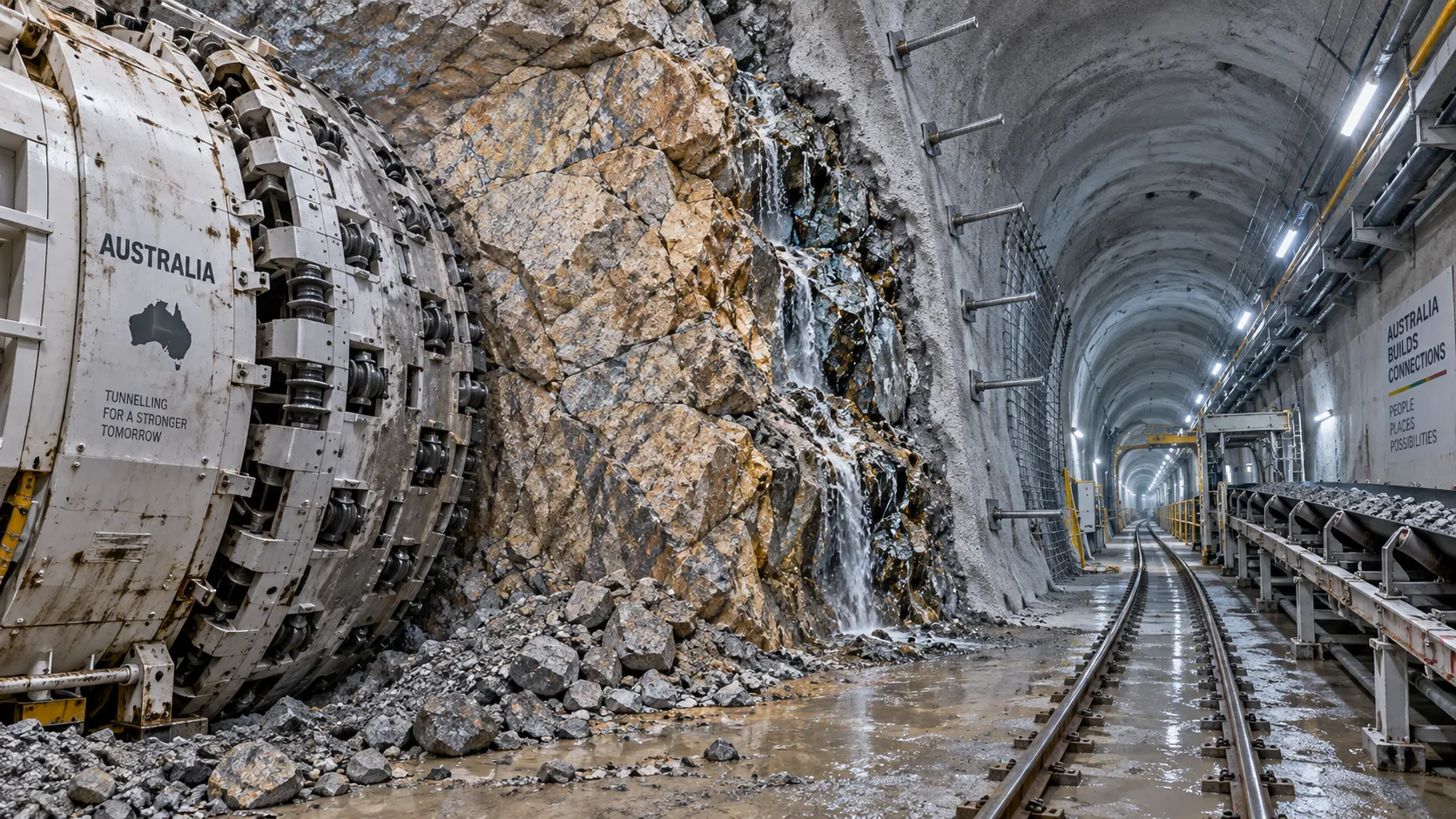
Hard Rock Tunnelling in Australia: Selecting Methods for Variable Ground Conditions
Hard rock tunnelling in Australia: compare TBM, drill-and-blast and hybrid methods to manage variable ground, reduce risk and protect project costs.
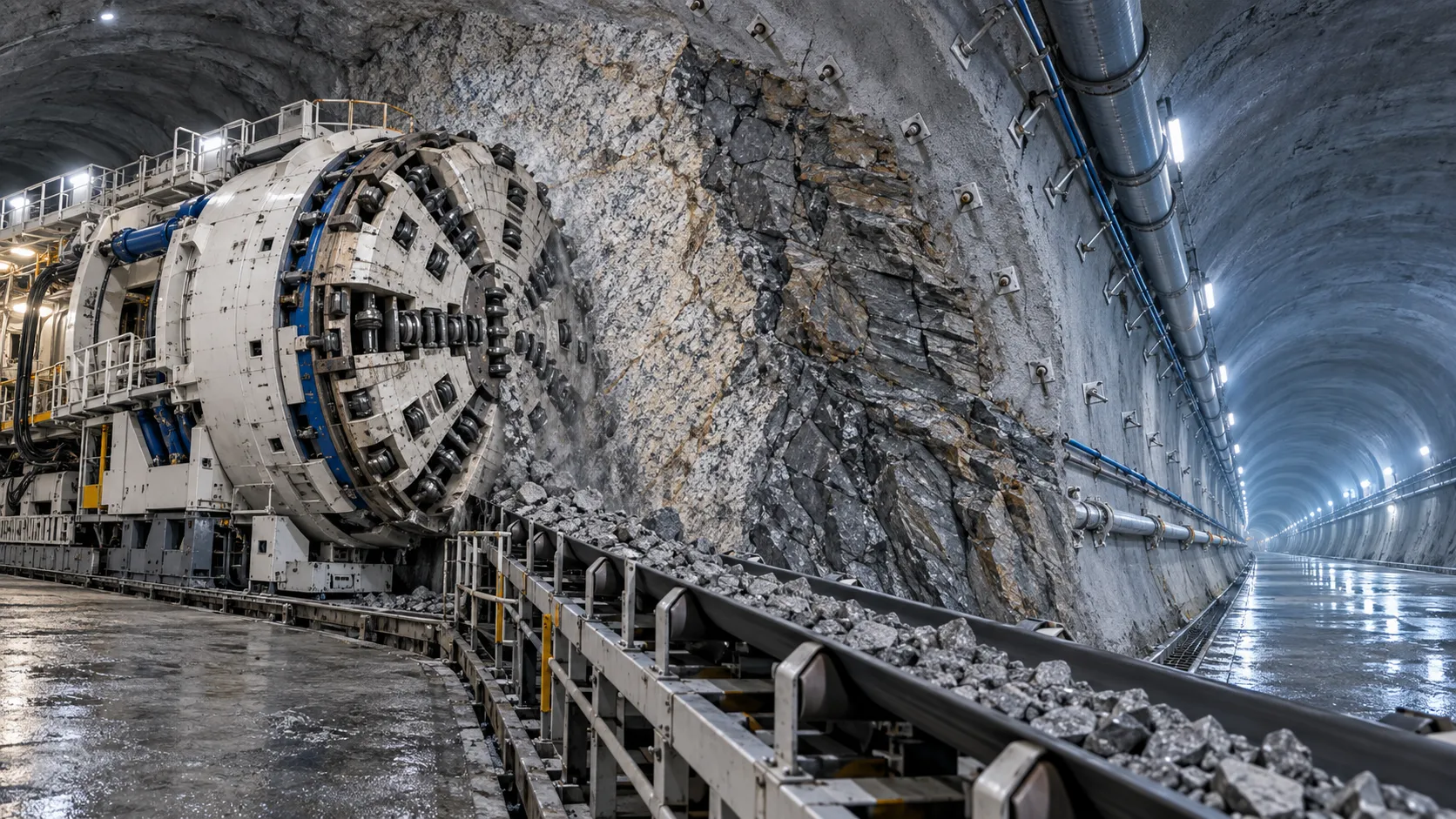
Hydropower Tunnel Excavation: Selecting Methods for Variable Rock Conditions
Hydropower tunnel excavation methods for variable rock conditions: compare TBM, drill-and-blast, and hybrid strategies to improve safety, progress, and project control.
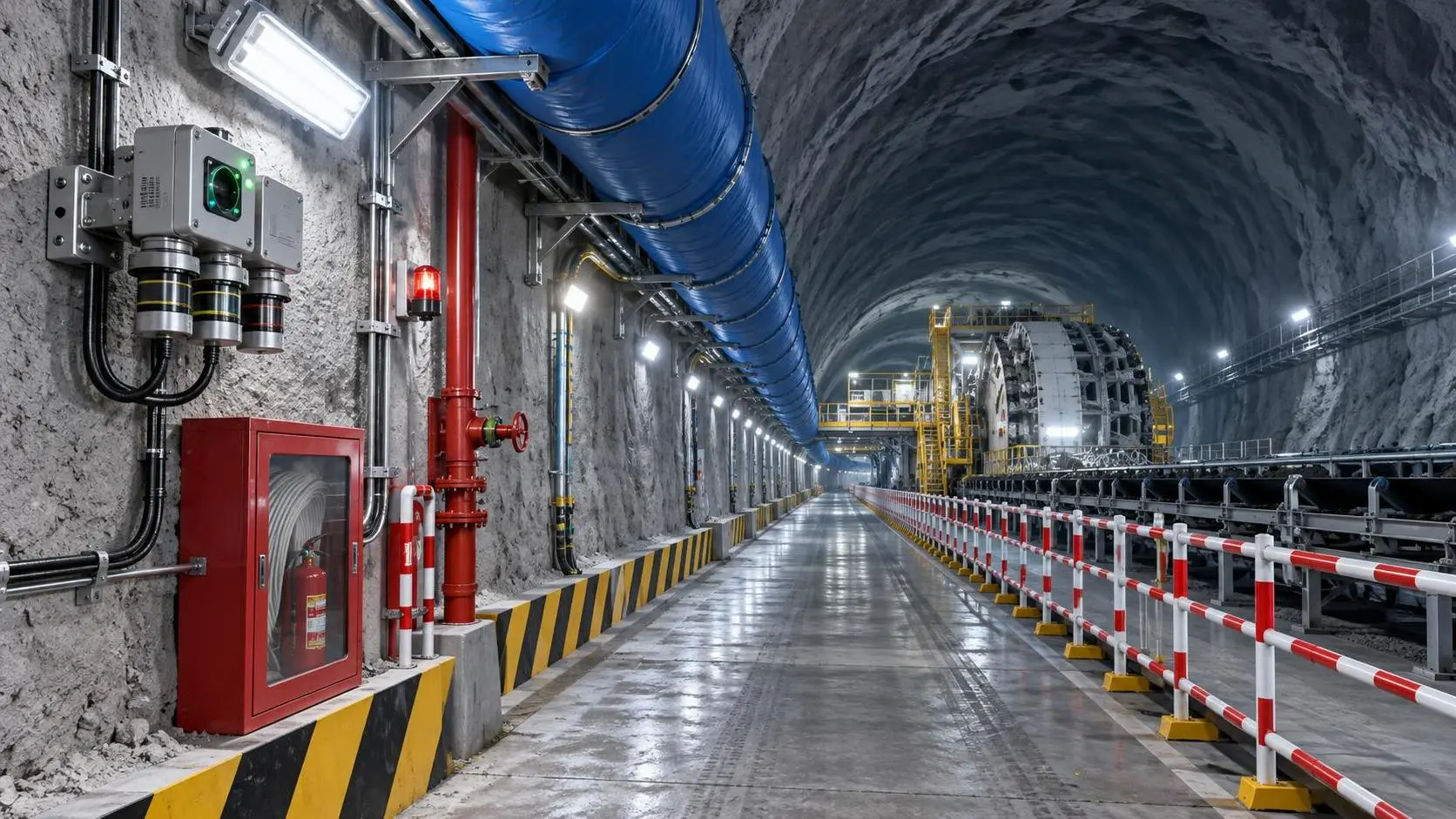
How to Select Underground Safety Equipment for Tunnelling by Hazard and Work Zone
Underground Safety Equipment for tunnelling: match protection to hazards, work zones, compliance, and emergency needs with this practical selection guide.
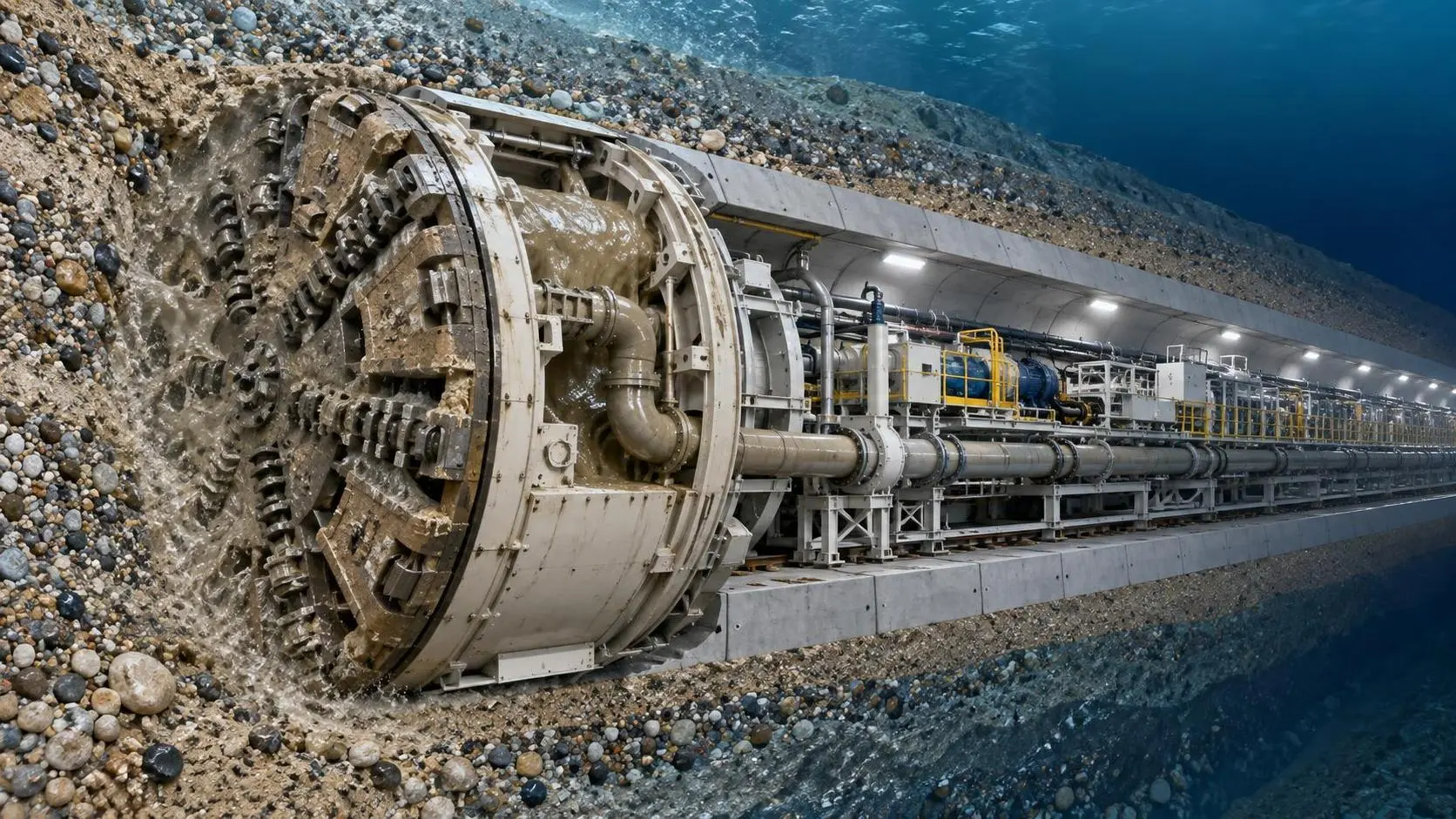
EPB or Slurry Shield? Selecting Soft-Ground Tunnelling Equipment by Soil Conditions
Tunnel Excavation Equipment for soft ground: compare EPB and slurry shields by soil, groundwater, settlement risk, and project logistics to choose confidently.
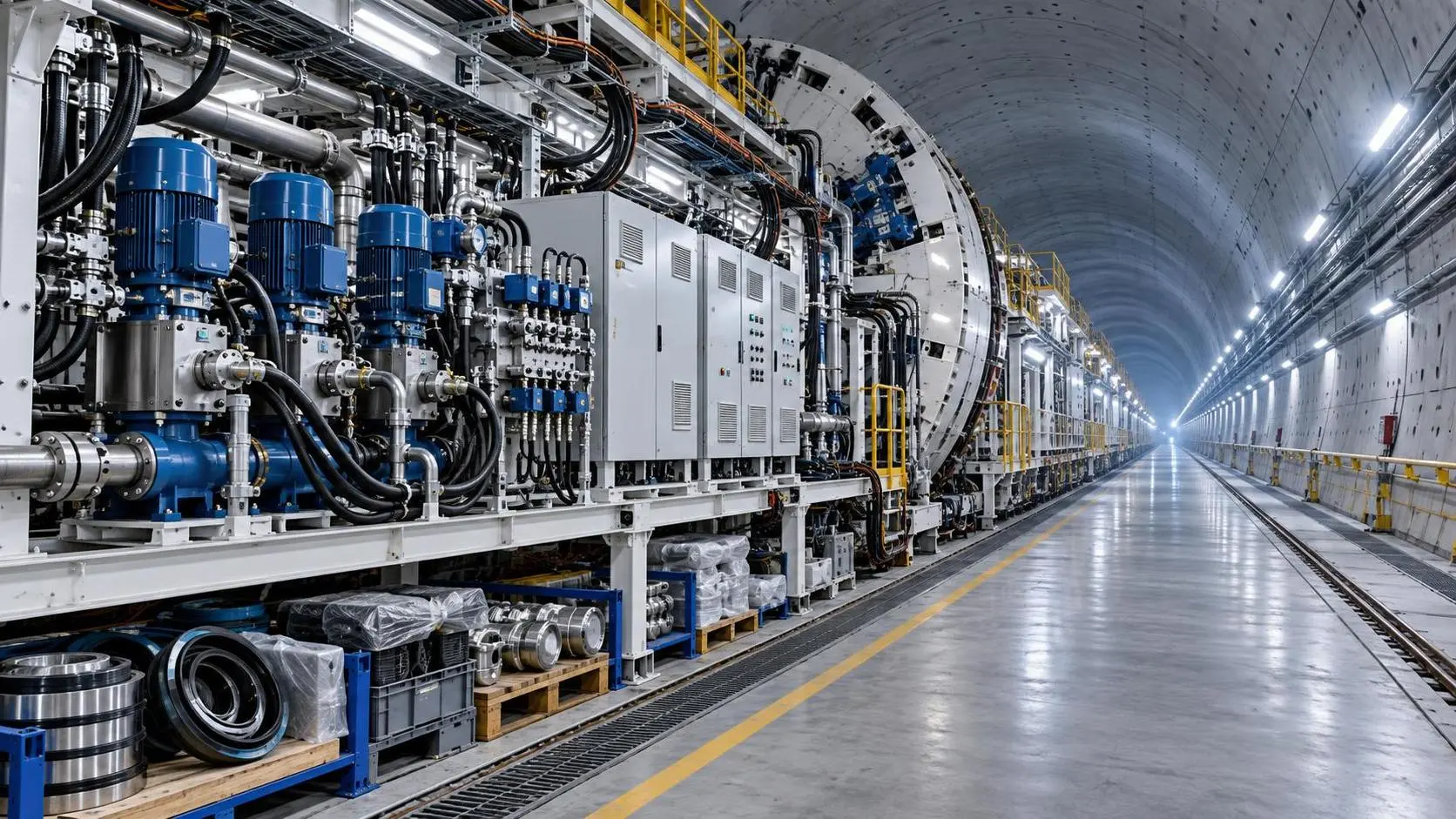
How to Specify TBM Backup System Parts for Reliable Long-Distance Tunnelling
TBM backup system parts: learn how to specify reliable spares for long-distance tunnelling, reduce downtime, ensure compatibility, and speed underground recovery.

How to Size Open Pit Mining Trucks for Haul Distance, Grade, and Payload?
Open Pit Mining Trucks: learn how to match payload, haul distance, grade, road resistance, and loading capacity for safer, lower-cost mine operations.
Related News
- 00
0000-00
How to Evaluate European Drill-and-Blast Tunnelling Contractors for Complex Projects - 00
0000-00
Which Trenchless Construction Technique Fits Your Utility Crossing Conditions? - 00
0000-00
What Is Driving Metro Tunnelling Demand Across Southeast Asia’s Major Cities? - 00
0000-00
Hard Rock Tunnelling in Australia: Selecting Methods for Variable Ground Conditions - 00
0000-00
Hydropower Tunnel Excavation: Selecting Methods for Variable Rock Conditions
Weekly Insights
Stay ahead with our curated technology reports delivered every Monday.