
EU Updates EMC Rules for Underground Loaders





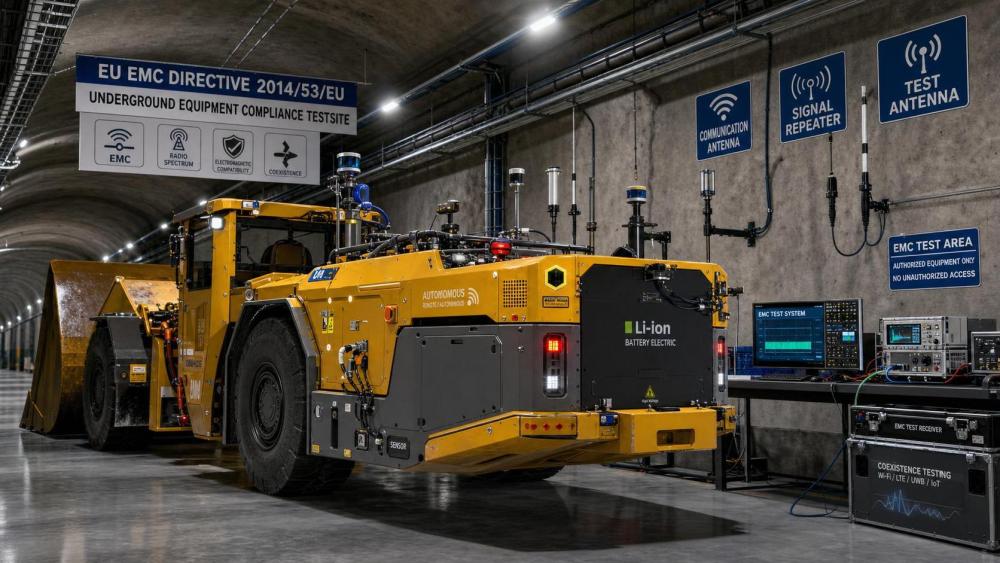
On July 18, 2026, the European Commission issued Regulation (EU) 2026/1897, introducing a targeted update to Annex II of the Electromagnetic Compatibility Directive (2014/30/EU) for certain underground mining equipment. For manufacturers, exporters, certification teams, and EU-bound buyers dealing with Battery LHDs, Autonomous LHDs, and Flameproof Loaders, the development deserves attention because it ties product compliance more closely to defined interference-resistance scenarios and may affect approval timing ahead of the rule’s mandatory application from January 2027.
What the new regulation changes
According to the information provided, Regulation (EU) 2026/1897 was formally adopted by the European Commission on July 18, 2026. It amends Annex II of the EMC Directive (2014/30/EU) and adds dedicated immunity testing requirements for Battery LHDs, Autonomous LHDs, and Flameproof Loaders used in underground mining settings.
The updated requirements specifically cover coexistence scenarios involving 5G remote-control frequencies in the 3.4-3.8 GHz band and narrowband LoRa communications used in mines. The regulation is set to become mandatorily applicable from January 2027.
The provided summary also makes clear that the change directly affects the compliance pathway and type-approval timeline for Chinese manufacturers exporting underground loading equipment to the EU market.
Where the impact is likely to appear first
Export-facing equipment manufacturers
From an industry perspective, companies shipping underground loaders to the EU are the most immediate group affected because the rule is tied directly to product compliance. The likely pressure point is not only product design, but also the sequencing of testing, technical documentation, and certification preparation for equipment categories named in the regulation.
Certification and compliance functions
Teams responsible for EMC assessment and type-approval preparation may need to pay closer attention to how interference-resistance testing is interpreted for the newly specified communication environments. What deserves closer attention is the practical effect on test planning and certification lead time, since the summary explicitly notes an impact on approval cycles.
EU importers and procurement-side stakeholders
Buyers and market-entry partners connected to underground mining equipment may also feel the effect through delivery planning and model qualification. Where a product is intended for the EU market and falls within the named categories, procurement decisions may become more closely linked to confirmation of EMC readiness under the revised Annex II framework.
Supply-chain and project delivery coordination
Observably, the rule may also affect the handoff between manufacturing, compliance, and delivery teams. Even without adding facts beyond the provided summary, it is reasonable to note that when a regulation changes test requirements and approval timing, scheduling, customer communication, and shipment readiness tend to become more sensitive operational points.
What companies should watch now
Check whether product scope is clearly affected
The first practical question is whether a company’s EU-bound products fall within the named categories: Battery LHDs, Autonomous LHDs, or Flameproof Loaders. This matters because the regulatory change described in the input is category-specific rather than a broad statement about all mining machinery.
Review test preparation against the stated scenarios
Companies should focus on the testing scenarios explicitly referenced in the summary, especially coexistence involving 5G remote-control frequencies at 3.4-3.8 GHz and mine narrowband LoRa communications. Analysis shows that the key issue is not general EMC awareness, but whether current validation and documentation are aligned with the newly specified interference conditions.
Reassess certification timing for EU market access
Because the provided information states that the new rule affects compliance pathways and type-certification cycles, firms with near-term EU delivery plans should pay attention to timing risk. The core operational concern is whether existing project schedules, customer commitments, or product launch sequences assume a shorter approval process than the updated rule may allow.
Keep customer and partner communication evidence-based
It is also important to distinguish between what is already confirmed and what still needs further clarification. The confirmed points are the issuance date, the amendment to Annex II, the covered equipment categories, the named communication scenarios, and the mandatory application from January 2027. Companies should avoid overstating downstream consequences before official implementation details and market practice are fully verified.
Why this matters beyond a single testing update
Analysis shows that this development should be read as more than a routine wording change, because the amendment identifies specific underground equipment types and specific wireless coexistence environments. That suggests regulatory attention is moving closer to the real operating conditions of connected and remotely controlled underground machinery.
At the same time, it is more appropriate to understand this as a concrete compliance signal rather than a complete market outcome. The regulation has been issued, but the broader commercial effect will depend on how manufacturers, testing bodies, and EU market participants translate the updated Annex II requirements into certification schedules and product access decisions.
How to read the signal at this stage
For the industry, the immediate significance lies in compliance planning rather than market speculation. The confirmed change is clear enough to warrant internal review by exporters and certification teams, especially where EU-bound underground loaders are involved. A neutral reading is that this is a regulatory development with short-term operational consequences and longer-term relevance for how wireless functionality in underground equipment is assessed.
Current attention is best placed on scope, timing, and documentation readiness. Whether the change becomes a broader sector benchmark is something that still needs continued observation.
Basis of this article
This article is based on the user-provided news title, event date, and event summary concerning Regulation (EU) 2026/1897, issued on July 18, 2026, and its amendment to Annex II of the EMC Directive (2014/30/EU). In this type of industry update, relevant source categories typically include official regulatory notices, company disclosures, industry association updates, authoritative media reporting, and standards-related documents.
A specific official source link was not provided in the input, so the precise source document link still requires follow-up verification. Areas that merit continued monitoring include any further official wording, implementation interpretations, and how certification timing is handled in practice for affected underground mining equipment entering the EU market.
Related News
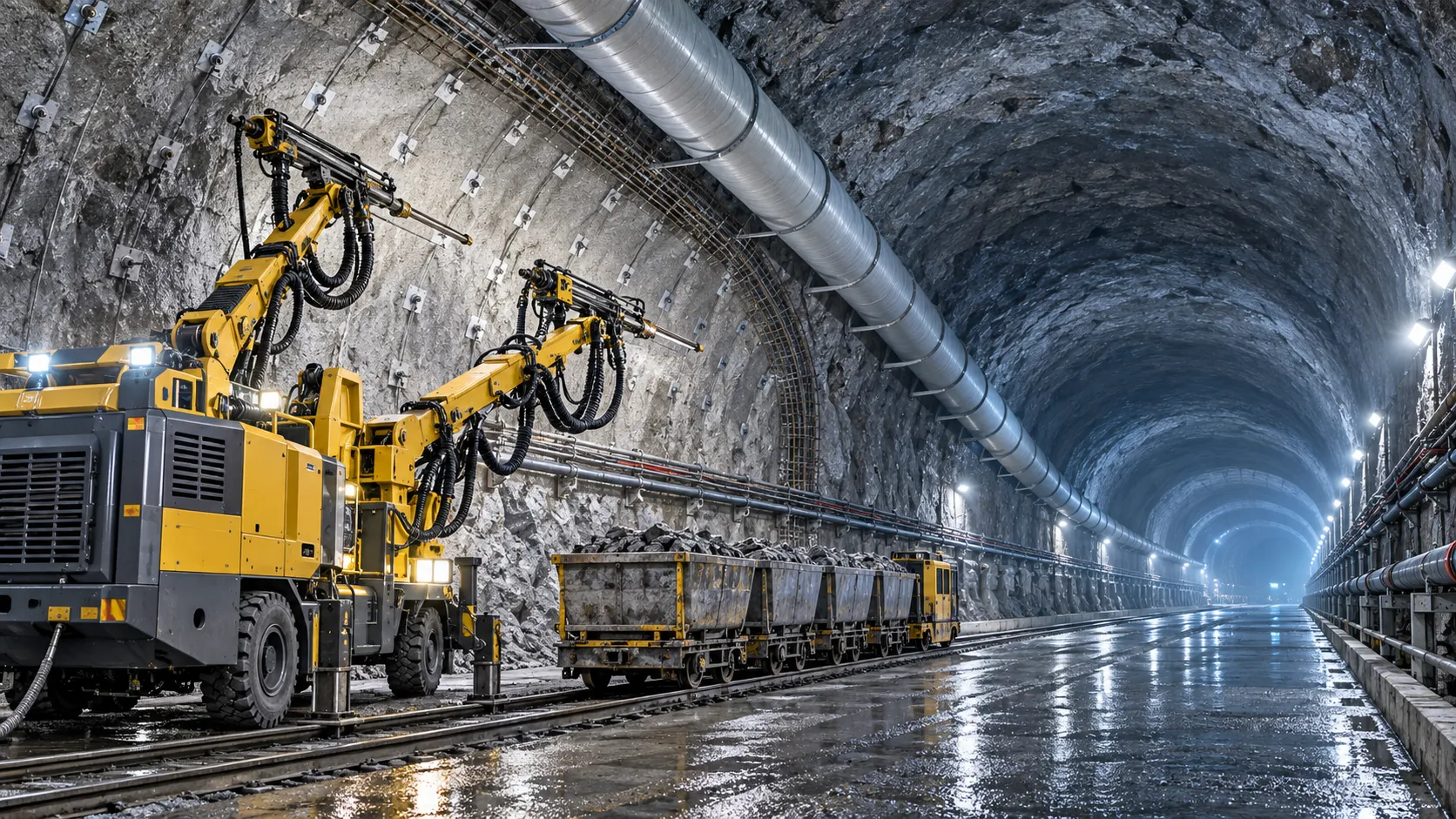
How to Evaluate European Drill-and-Blast Tunnelling Contractors for Complex Projects
Drill and blast tunnelling contractors Europe: learn how to assess geology expertise, blast control, equipment reliability, safety, and programme resilience for complex projects.
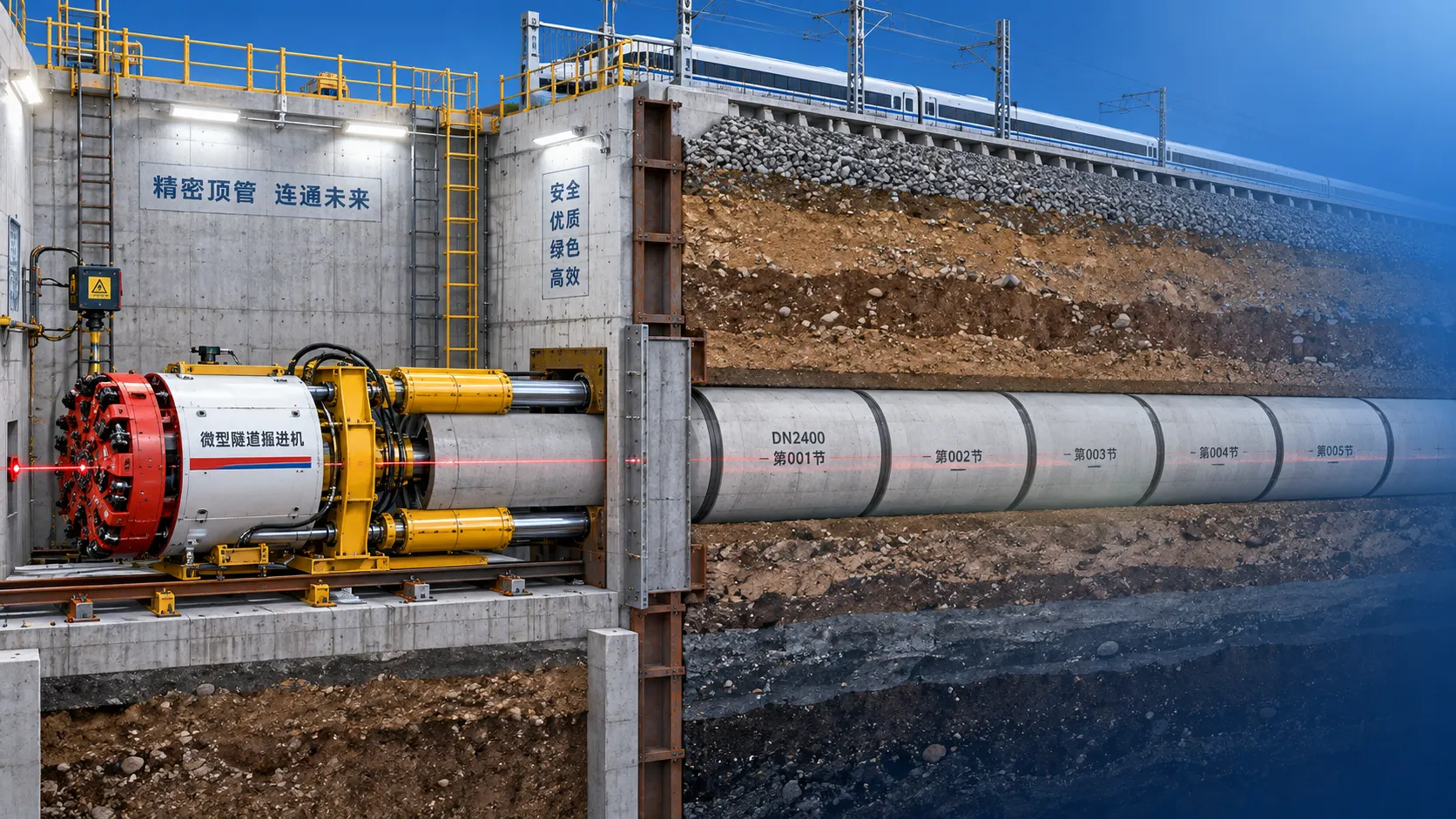
Which Trenchless Construction Technique Fits Your Utility Crossing Conditions?
Trenchless construction techniques compared for utility crossings: choose HDD, microtunnelling, pipe jacking, or auger boring based on ground, accuracy, access, and risk.
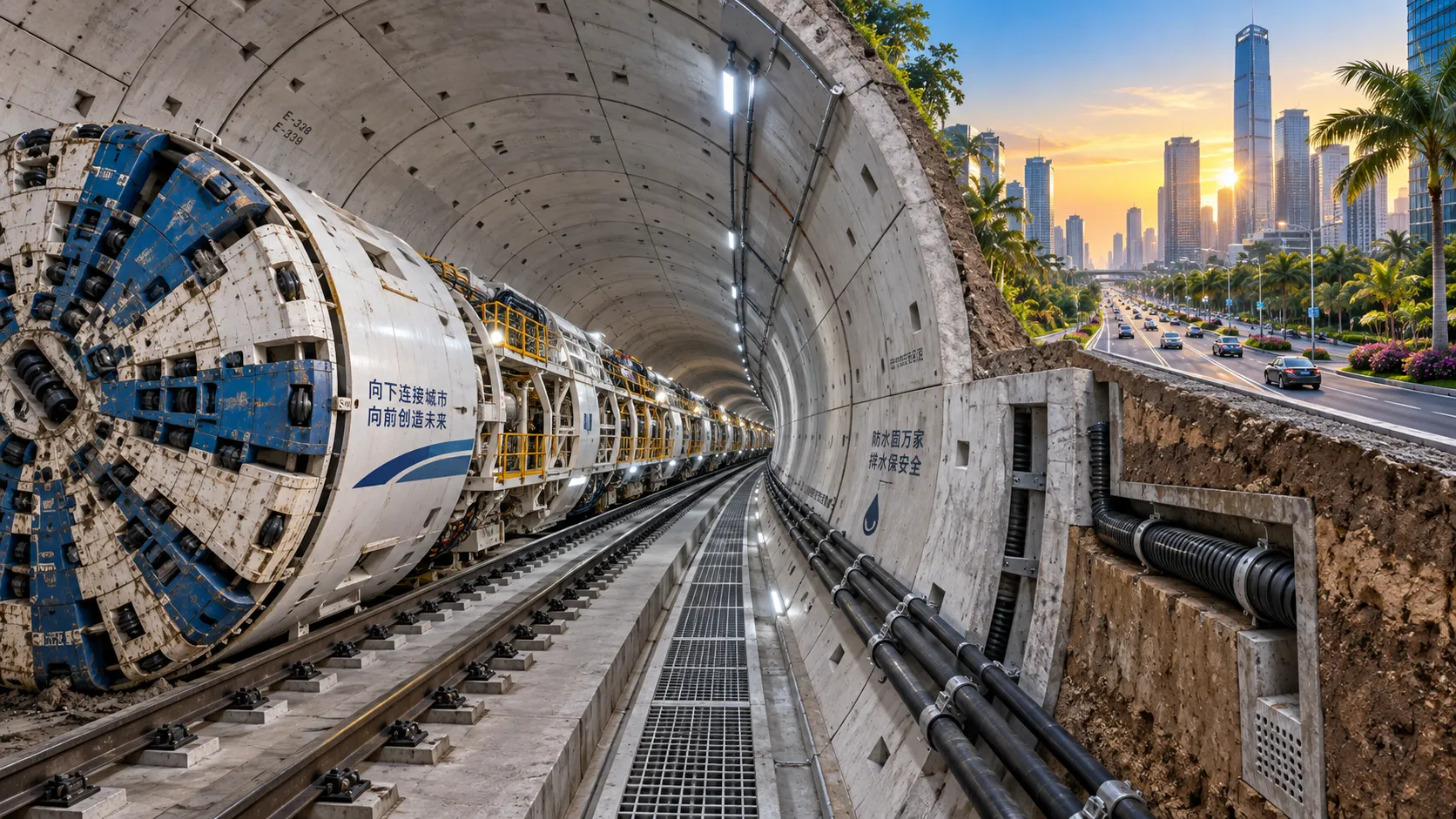
What Is Driving Metro Tunnelling Demand Across Southeast Asia’s Major Cities?
Metro tunnelling Southeast Asia is accelerating as major cities tackle congestion, flooding, and connectivity. Explore the market forces, technical risks, and opportunities shaping demand.
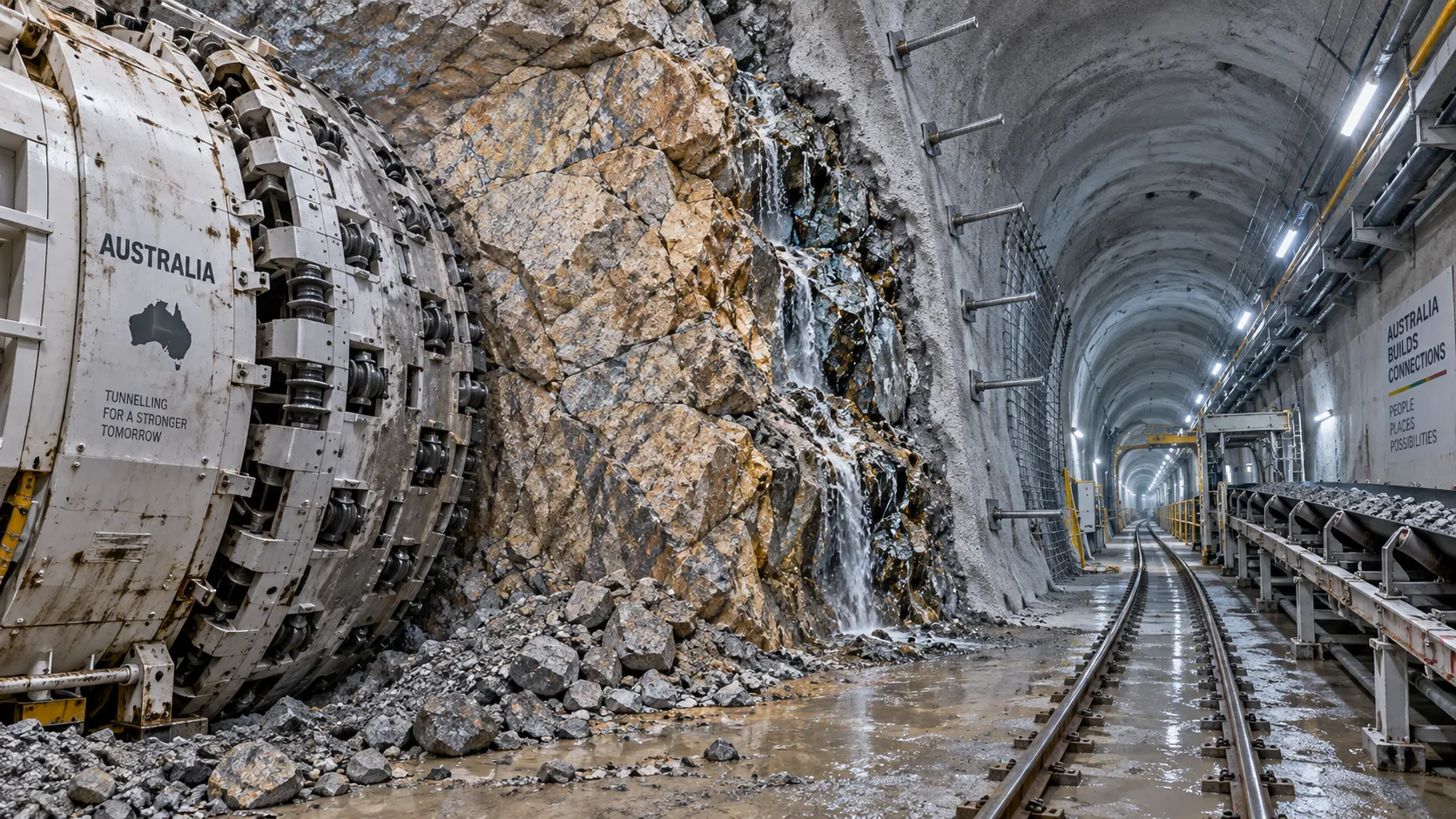
Hard Rock Tunnelling in Australia: Selecting Methods for Variable Ground Conditions
Hard rock tunnelling in Australia: compare TBM, drill-and-blast and hybrid methods to manage variable ground, reduce risk and protect project costs.
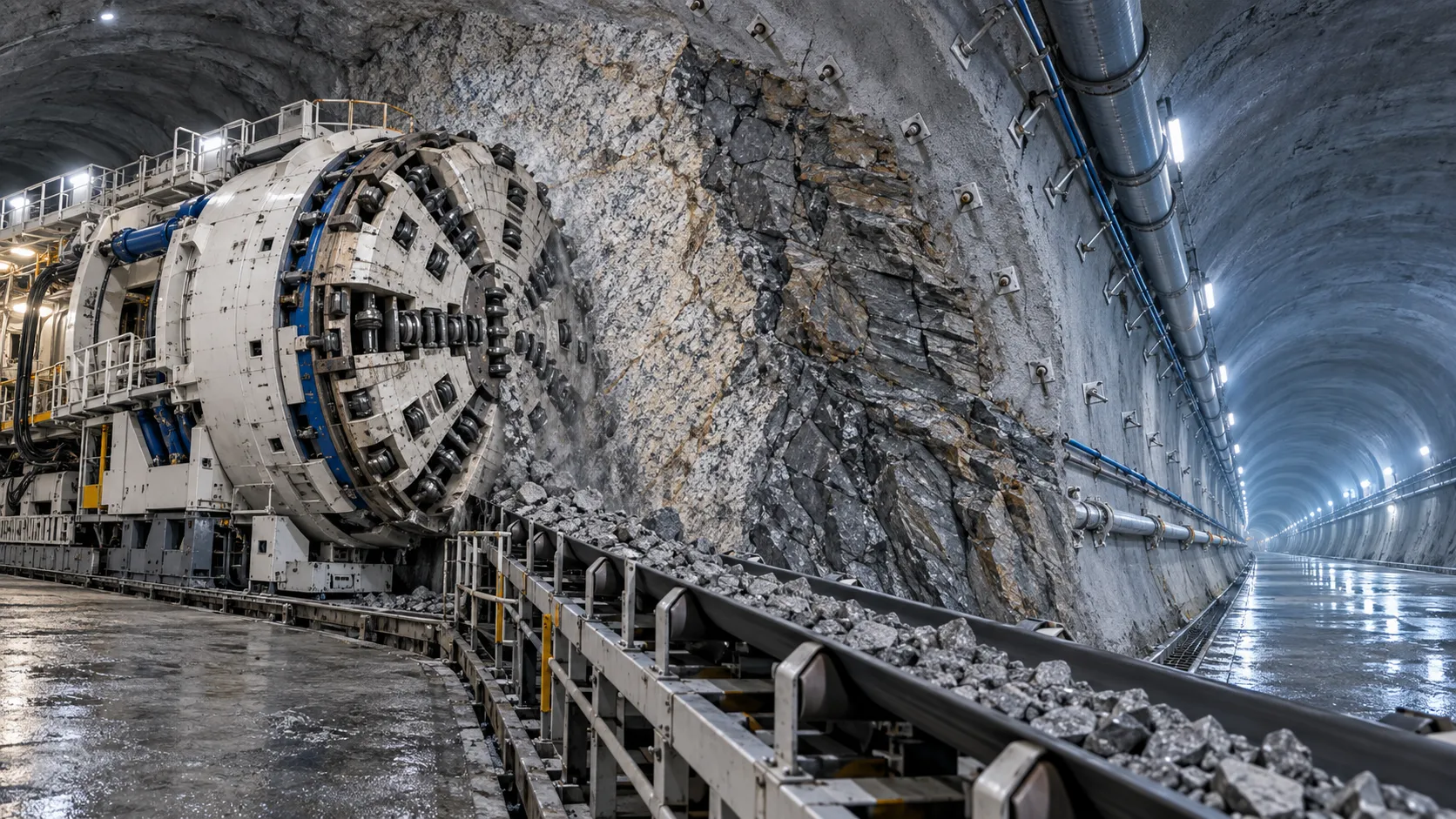
Hydropower Tunnel Excavation: Selecting Methods for Variable Rock Conditions
Hydropower tunnel excavation methods for variable rock conditions: compare TBM, drill-and-blast, and hybrid strategies to improve safety, progress, and project control.
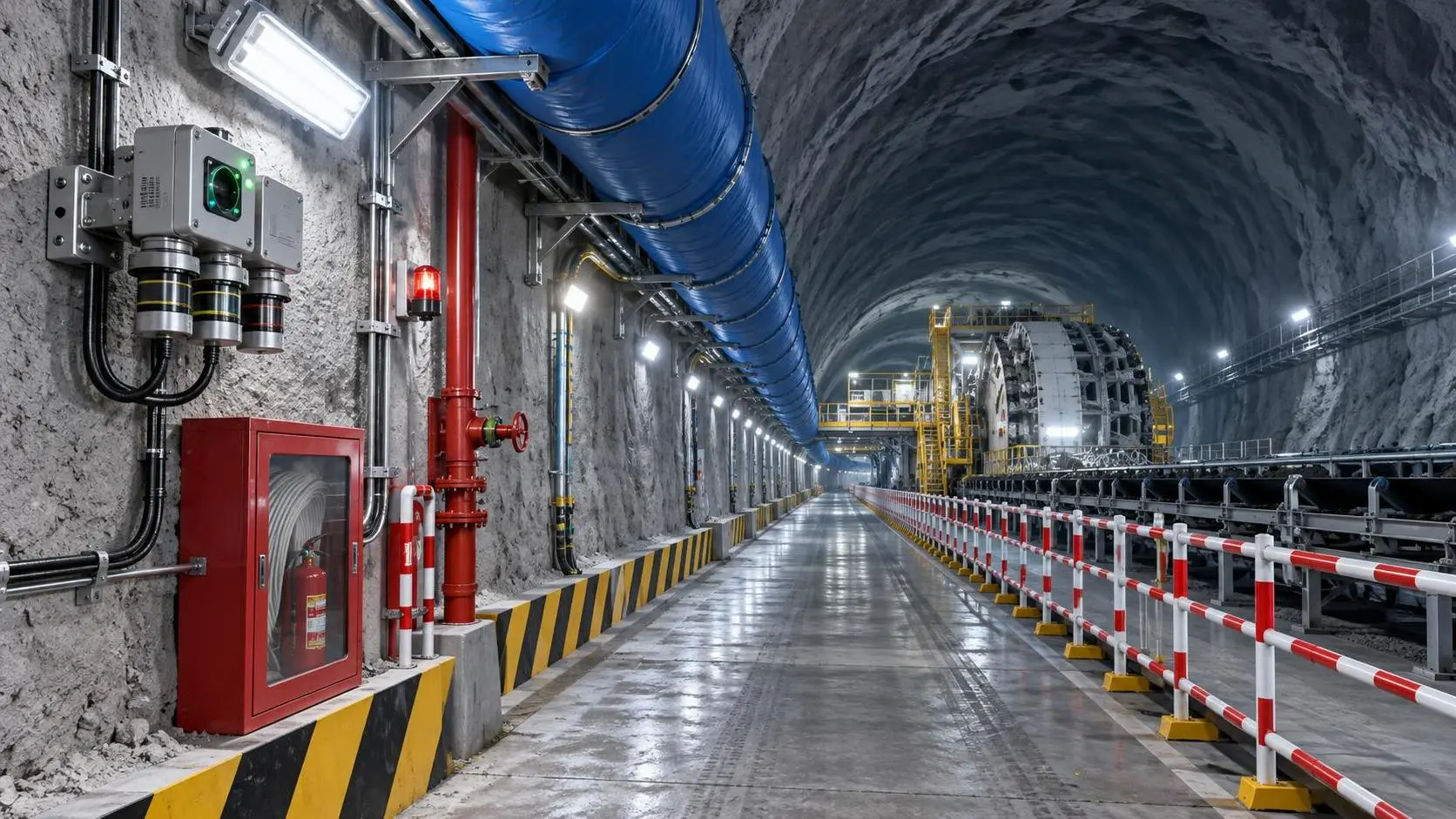
How to Select Underground Safety Equipment for Tunnelling by Hazard and Work Zone
Underground Safety Equipment for tunnelling: match protection to hazards, work zones, compliance, and emergency needs with this practical selection guide.
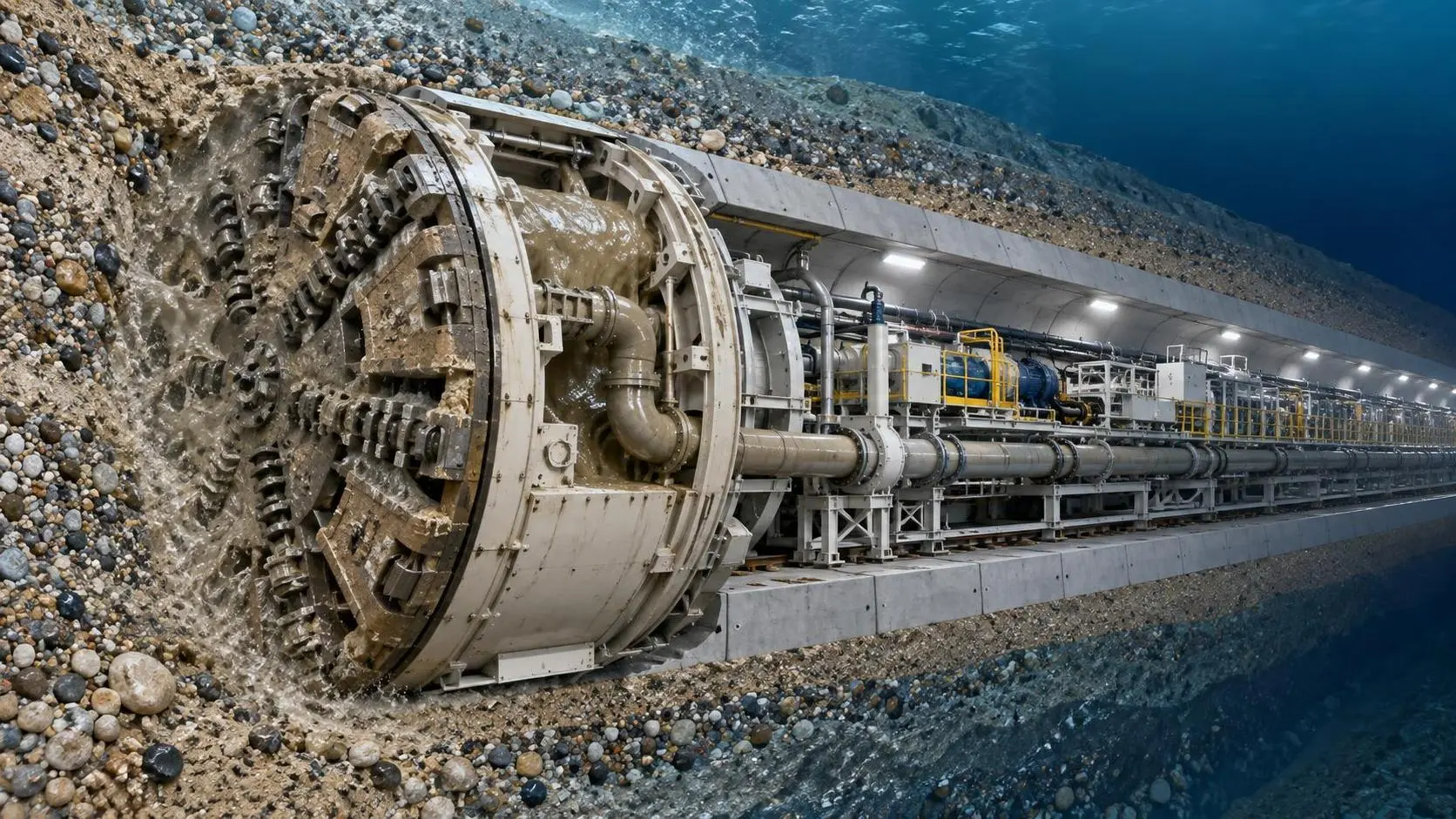
EPB or Slurry Shield? Selecting Soft-Ground Tunnelling Equipment by Soil Conditions
Tunnel Excavation Equipment for soft ground: compare EPB and slurry shields by soil, groundwater, settlement risk, and project logistics to choose confidently.
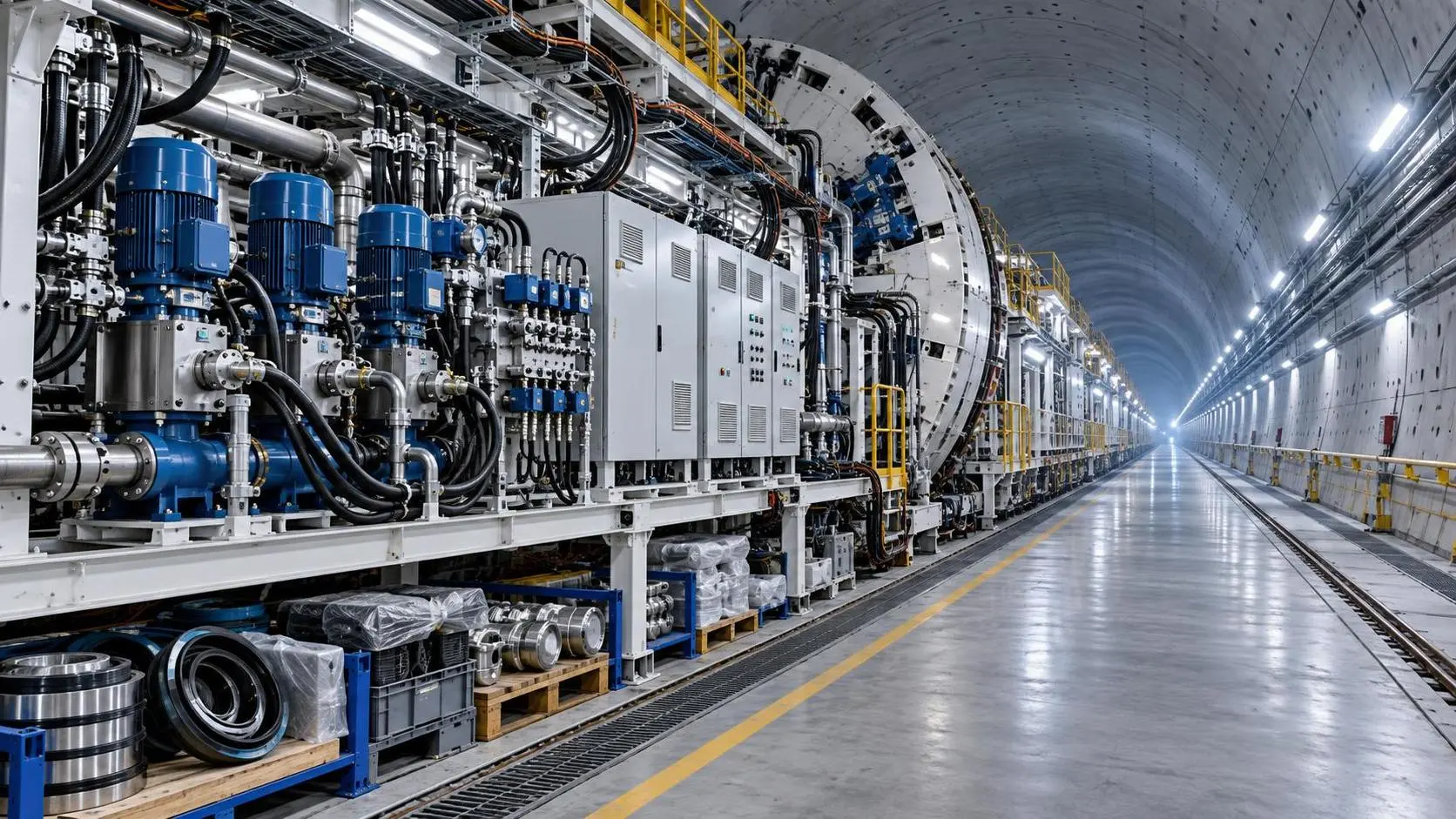
How to Specify TBM Backup System Parts for Reliable Long-Distance Tunnelling
TBM backup system parts: learn how to specify reliable spares for long-distance tunnelling, reduce downtime, ensure compatibility, and speed underground recovery.

How to Size Open Pit Mining Trucks for Haul Distance, Grade, and Payload?
Open Pit Mining Trucks: learn how to match payload, haul distance, grade, road resistance, and loading capacity for safer, lower-cost mine operations.
Related News
- 00
0000-00
How to Evaluate European Drill-and-Blast Tunnelling Contractors for Complex Projects - 00
0000-00
Which Trenchless Construction Technique Fits Your Utility Crossing Conditions? - 00
0000-00
What Is Driving Metro Tunnelling Demand Across Southeast Asia’s Major Cities? - 00
0000-00
Hard Rock Tunnelling in Australia: Selecting Methods for Variable Ground Conditions - 00
0000-00
Hydropower Tunnel Excavation: Selecting Methods for Variable Rock Conditions
Weekly Insights
Stay ahead with our curated technology reports delivered every Monday.