
Municipal Trenchless Construction Methods: How to Choose the Right Approach by Project Conditions





Municipal Trenchless Construction Methods: How to Choose the Right Approach by Project Conditions
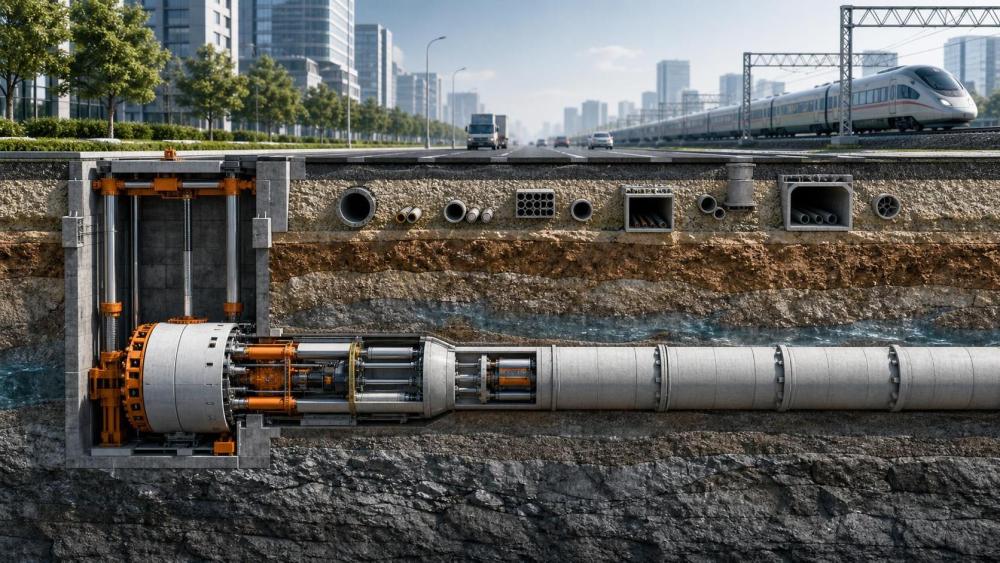
Choosing among municipal trenchless construction methods is rarely about equipment alone. Ground behavior, utility congestion, tolerance, traffic exposure, and risk allocation usually drive the final answer.
That is why method selection should begin with project conditions, not vendor preference. A strong match reduces claims, protects buried assets, and improves schedule reliability.
In municipal work, the most common municipal trenchless construction methods include pipe jacking, microtunneling, horizontal directional drilling, auger boring, and cured-in-place pipe rehabilitation.
Each method solves a different field problem. The better question is not which method is best, but which method is best under specific constraints.
From a delivery standpoint, municipal trenchless construction methods should be judged against geology, depth, diameter, drive length, settlement risk, access windows, spoil handling, and public sensitivity.
This guide breaks down those decision points and connects them to practical trenchless choices used in municipal sewer, water, stormwater, and utility corridor projects.
Start With the Conditions That Actually Control Method Selection
A useful evaluation starts with five project realities. These usually matter more than initial unit price.
- Ground conditions: clay, sand, cobbles, mixed face, rock, groundwater, and loss-of-ground potential.
- Geometry: required depth, length, curvature, diameter, and alignment tolerance.
- Surface sensitivity: live traffic, rail crossings, hospitals, heritage zones, and dense utilities.
- Construction access: shaft space, launch and reception constraints, spoil removal, and working hours.
- Commercial exposure: contingency level, delay damages, permit risk, and subcontractor capability.
When these factors are mapped early, municipal trenchless construction methods become easier to compare. The shortlist becomes smaller and the decision becomes more defendable.
In practice, the biggest failures happen when teams focus on nominal diameter and ignore groundwater, shaft logistics, or utility strike exposure.
When Pipe Jacking or Microtunneling Makes the Most Sense
Pipe jacking and microtunneling are often the preferred municipal trenchless construction methods for gravity sewers, large storm lines, and high-consequence urban crossings.
They are especially strong when alignment accuracy matters and surface disruption must stay low. That makes them common below arterial roads, railways, and built-up districts.
Best-fit conditions
- Medium to long drives with strict line and grade requirements.
- Deeper installations where open trenching becomes costly or disruptive.
- Urban corridors with settlement sensitivity and limited traffic closure tolerance.
- Projects requiring robust control in mixed soils or pressurized groundwater.
Main advantages
These municipal trenchless construction methods deliver strong steering control, stable excavation support, and better protection of overlying assets than many simpler approaches.
Microtunneling becomes more attractive as groundwater pressure rises or ground variability increases. The additional control often offsets higher setup cost.
Watch-outs
The method usually needs shafts, slurry handling, and tighter site management. If the jobsite is too constrained, shaft construction can become the real bottleneck.
Commercially, teams should also check local subcontractor depth, spare parts access, and spoil treatment rules before locking the method.
Where Horizontal Directional Drilling Works Better
Horizontal directional drilling is one of the most flexible municipal trenchless construction methods for pressure pipes, conduits, and cable installations.
It performs well when a curved alignment is acceptable and the product pipe can be pulled back without damage. River crossings and long road crossings are common examples.
Best-fit conditions
- Pressure mains, sleeves, ducts, and telecom routes.
- Sites where entry and exit pits are easier than deep shafts.
- Long crossings where some curvature helps avoid obstacles.
- Corridors with fewer grade-critical requirements than gravity sewers.
Decision risks
HDD is not automatically the cheapest choice. Frac-out risk, bore stability, and pullback loads can quickly change the cost profile.
In loose sands, cobbles, or heavily congested streets, other municipal trenchless construction methods may offer more predictable control and lower public exposure.
This also means drilling fluid management, environmental permits, and pipe stress checks should be part of selection, not left for later design stages.
When Auger Boring or Guided Boring Is the Pragmatic Option
Auger boring and guided boring sit in a practical middle ground among municipal trenchless construction methods. They are often selected for short, straight installations.
They are useful beneath roads or rail spurs where the crossing is limited and the alignment is relatively simple.
Best-fit conditions
- Short drives with modest diameter requirements.
- Straight crossings where launch and reception pits are feasible.
- Projects that need lower setup complexity than microtunneling.
Where caution is needed
These methods can be efficient, but they are less forgiving in unstable ground or high groundwater. Accuracy also becomes harder over longer distances.
If settlement consequences are high, the apparent cost savings may disappear after mitigation, monitoring, and contingency are added.
Do Not Overlook Rehabilitation Methods for Municipal Networks
Not all municipal trenchless construction methods involve new installation. Rehabilitation can be the better decision when the corridor is crowded and the alignment already works.
CIPP, sliplining, and pipe bursting are common choices for aging municipal networks. They reduce excavation while extending service life.
Best-fit conditions
- Existing pipes with structural decline but recoverable alignment.
- Built-up districts where open cut impacts are politically difficult.
- Programs that need faster block-by-block renewal with limited access.
The key decision here is condition assessment. If the host pipe has severe deformation, collapse risk, or capacity limits, rehabilitation may not be enough.
For asset owners, this is where inspection data matters. Method selection improves when CCTV, infiltration evidence, and loading history are reviewed together.
A Practical Comparison Table for Faster Decision-Making
This table is a shortcut, not a substitute for engineering review. Municipal trenchless construction methods still need geotechnical, hydraulic, and commercial validation.
How to Make the Final Selection With Less Risk
A disciplined decision process usually outperforms a technology-first discussion. The following sequence works well for municipal programs and one-off capital projects.
- Define the non-negotiables: service need, alignment envelope, settlement tolerance, and operational constraints.
- Rank the project hazards: groundwater, utilities, traffic exposure, contaminated spoil, and permit complexity.
- Shortlist two or three municipal trenchless construction methods that fit the risk profile.
- Compare total delivery cost, not just production rate or equipment price.
- Check local execution capability, because method quality depends heavily on crew experience and support chain.
- Stress-test the preferred option against worst-case ground behavior and third-party claims.
This is also where market intelligence helps. Providers tracking pipe jacking systems, microtunneling trends, and trenchless equipment maturity can spot risk earlier.
For teams following global underground delivery patterns, UTMD’s coverage of trenchless engineering equipment and project signals can support more grounded selection discussions.
Choose the Method That Fits the Ground, the Street, and the Risk
The right municipal trenchless construction methods are the ones that match real field conditions with acceptable delivery risk. There is no universal winner.
Pipe jacking and microtunneling lead where precision and urban protection matter most. HDD fits flexible pressure installations. Auger boring suits short, simpler crossings. Rehabilitation wins when existing assets remain structurally recoverable.
Before committing, bring geology, utilities, access, and commercial assumptions into the same review. That step usually determines whether municipal trenchless construction methods deliver certainty or create avoidable surprises.
A better selection process starts with sharper project questions. Once those are clear, the right trenchless approach usually becomes obvious.
Related News

How to Evaluate European Drill-and-Blast Tunnelling Contractors for Complex Projects
Drill and blast tunnelling contractors Europe: learn how to assess geology expertise, blast control, equipment reliability, safety, and programme resilience for complex projects.

Which Trenchless Construction Technique Fits Your Utility Crossing Conditions?
Trenchless construction techniques compared for utility crossings: choose HDD, microtunnelling, pipe jacking, or auger boring based on ground, accuracy, access, and risk.

What Is Driving Metro Tunnelling Demand Across Southeast Asia’s Major Cities?
Metro tunnelling Southeast Asia is accelerating as major cities tackle congestion, flooding, and connectivity. Explore the market forces, technical risks, and opportunities shaping demand.

Hard Rock Tunnelling in Australia: Selecting Methods for Variable Ground Conditions
Hard rock tunnelling in Australia: compare TBM, drill-and-blast and hybrid methods to manage variable ground, reduce risk and protect project costs.

Hydropower Tunnel Excavation: Selecting Methods for Variable Rock Conditions
Hydropower tunnel excavation methods for variable rock conditions: compare TBM, drill-and-blast, and hybrid strategies to improve safety, progress, and project control.

How to Select Underground Safety Equipment for Tunnelling by Hazard and Work Zone
Underground Safety Equipment for tunnelling: match protection to hazards, work zones, compliance, and emergency needs with this practical selection guide.

EPB or Slurry Shield? Selecting Soft-Ground Tunnelling Equipment by Soil Conditions
Tunnel Excavation Equipment for soft ground: compare EPB and slurry shields by soil, groundwater, settlement risk, and project logistics to choose confidently.
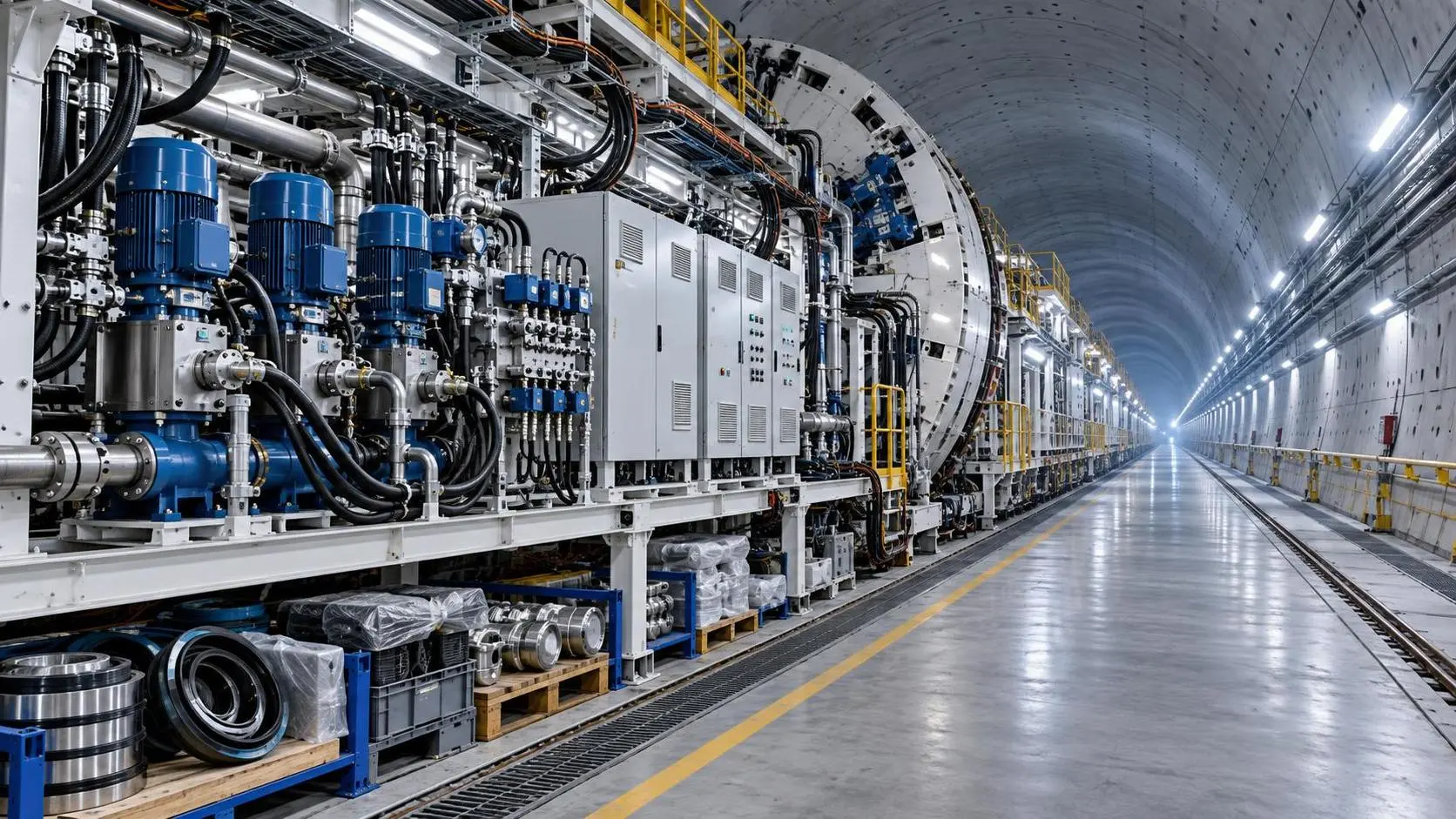
How to Specify TBM Backup System Parts for Reliable Long-Distance Tunnelling
TBM backup system parts: learn how to specify reliable spares for long-distance tunnelling, reduce downtime, ensure compatibility, and speed underground recovery.
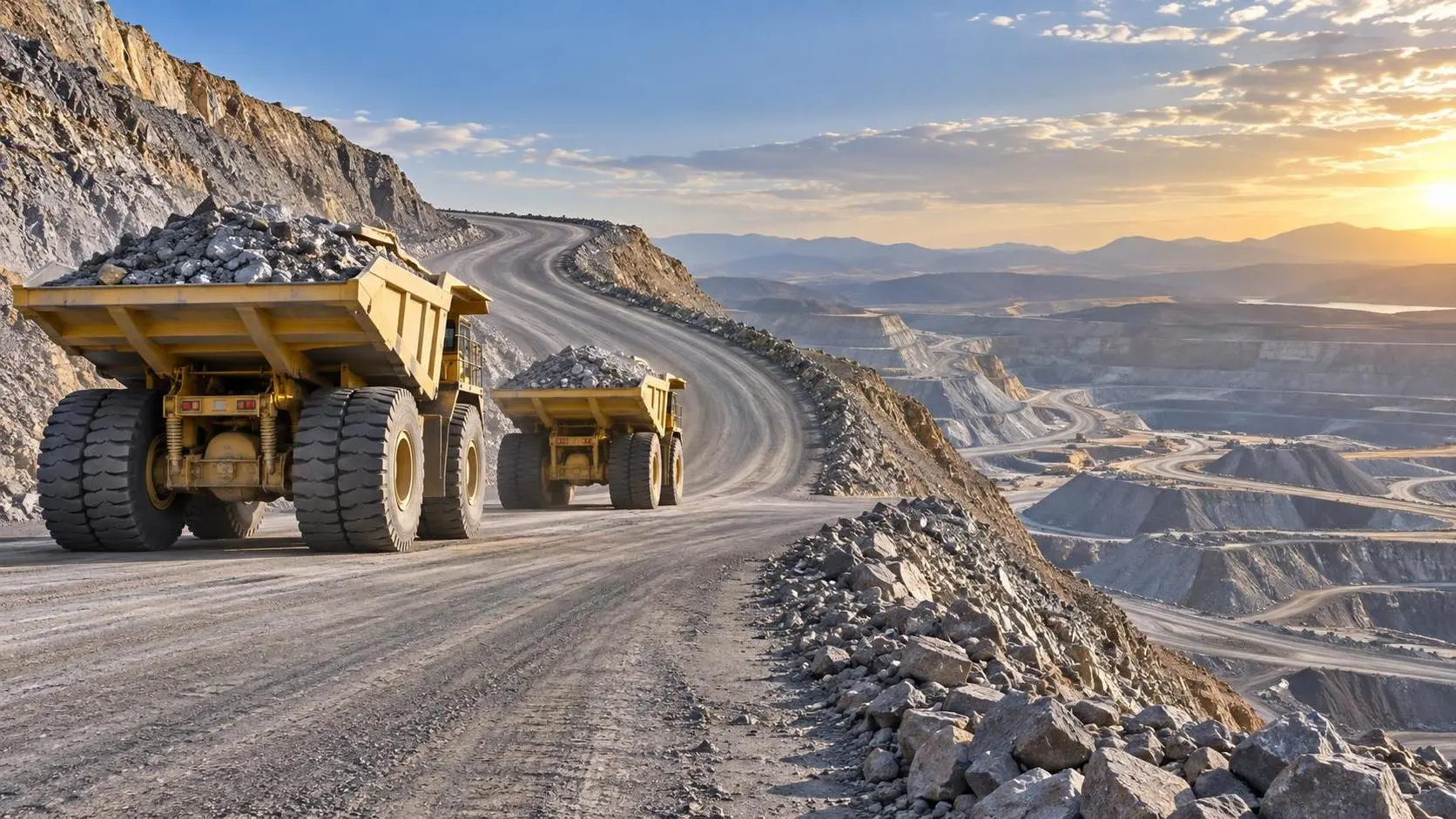
How to Size Open Pit Mining Trucks for Haul Distance, Grade, and Payload?
Open Pit Mining Trucks: learn how to match payload, haul distance, grade, road resistance, and loading capacity for safer, lower-cost mine operations.
Related News
- 00
0000-00
How to Evaluate European Drill-and-Blast Tunnelling Contractors for Complex Projects - 00
0000-00
Which Trenchless Construction Technique Fits Your Utility Crossing Conditions? - 00
0000-00
What Is Driving Metro Tunnelling Demand Across Southeast Asia’s Major Cities? - 00
0000-00
Hard Rock Tunnelling in Australia: Selecting Methods for Variable Ground Conditions - 00
0000-00
Hydropower Tunnel Excavation: Selecting Methods for Variable Rock Conditions
Weekly Insights
Stay ahead with our curated technology reports delivered every Monday.