
Battery Swapping Technology Cost: What Drives CAPEX, Downtime Savings, and ROI?





Battery Swapping Technology Cost: What Finance Teams Need to See First
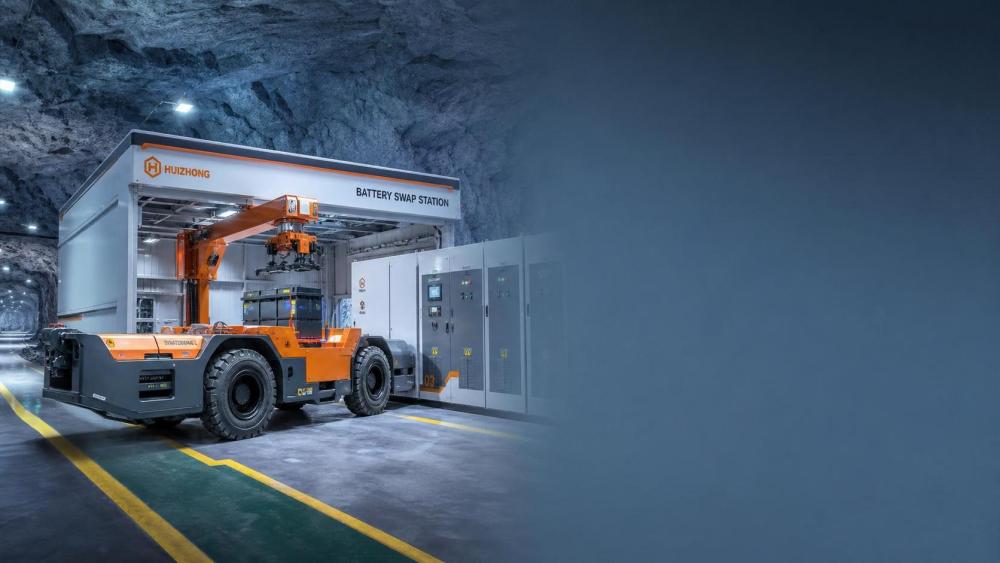
For underground electrification, battery swapping technology cost is not just a procurement figure.
It influences capital timing, equipment utilization, maintenance planning, and production continuity.
That is especially true in tunnelling and mining, where idle assets burn money fast.
A realistic review of battery swapping technology cost starts with one practical question.
What is the business paying for beyond the battery itself?
In most underground fleets, the answer includes swap stations, spare packs, charging infrastructure, software, ventilation benefits, labor changes, and downtime reduction.
This also means the return case rarely sits in a single department.
It usually spans operations, engineering, energy management, and finance approval.
From a procurement standpoint, the strongest approvals happen when battery swapping technology cost is tied to measurable site economics.
That means fewer assumptions and clearer links between CAPEX, uptime, and payback.
What Drives Battery Swapping Technology Cost in Real Projects
The biggest mistake is treating battery swapping technology cost as a simple vehicle upgrade.
In reality, the cost structure is layered.
Some costs are visible during purchase.
Others appear later through site integration and operating discipline.
- Vehicle premium for swap-ready LHDs, trucks, or support machines.
- Battery inventory sized for peak shift demand and reserve coverage.
- Swap station hardware, lifting systems, automation, and safety controls.
- Charging systems, power distribution, transformers, and load management.
- Mine layout modifications for battery handling, staging, and traffic flow.
- Software for battery health, charging cycles, and utilization analytics.
For underground operations, site geometry matters more than many buyers expect.
A compact drift with limited turning space can increase civil and installation complexity.
Power availability also changes the equation.
If the site already has robust electrical capacity, battery swapping technology cost becomes easier to absorb.
If not, upstream grid upgrades can materially stretch total CAPEX.
This is why the best cost models separate equipment cost from enabling infrastructure cost.
Why Downtime Savings Often Matter More Than Purchase Price
Finance reviews often start with CAPEX.
But underground economics are usually decided by time.
That is where battery swapping technology cost must be weighed against avoided idle hours.
A well-designed swap can take minutes.
Conventional charging can remove a unit from production for much longer windows.
That difference compounds quickly across shifts, headings, and fleet size.
In actual business terms, faster swaps can support:
- Higher daily asset utilization without buying extra machines.
- Better shift continuity in production-critical zones.
- Reduced waiting time for operators and haulage crews.
- More stable output planning during ventilation constraints.
- Lower risk of bottlenecks when several units need energy access together.
This is the point many ROI models miss.
Battery swapping technology cost may look higher at the start.
Yet the total cost of lost production from slower charging can be much higher over time.
For high-value ore zones or schedule-sensitive tunnel drives, uptime usually carries more financial weight than sticker price.
How to Build a Defensible CAPEX Case
A strong approval case translates battery swapping technology cost into decision-ready categories.
That keeps discussions focused on business outcomes, not only equipment features.
- Define baseline cost per operating hour for current diesel or charge-based equipment.
- Measure current downtime from refueling, charging, queuing, and ventilation delays.
- Estimate required battery pool size using shift pattern, duty cycle, and reserve margin.
- Separate one-time infrastructure spending from recurring battery lifecycle costs.
- Assign a production value to each hour recovered through faster energy turnaround.
- Stress-test the model under low utilization and ramp-up scenarios.
This approach makes battery swapping technology cost easier to compare with alternatives.
It also surfaces whether the project is really buying energy flexibility, labor efficiency, or output stability.
From recent market shifts, one clearer signal stands out.
Electrification projects are being approved faster when ventilation savings are included.
In deep mines and enclosed tunnelling works, lower exhaust handling can materially improve the financial case.
A Simple ROI Lens for Procurement Reviews
A practical model does not need to be complicated.
It needs to be honest about cash flows and operational reality.
If the value side is not quantified, battery swapping technology cost will almost always look heavier than it really is.
Hidden Cost Risks That Distort the Decision
Not every project underestimates cost in the same way.
Some underestimate infrastructure.
Others overestimate utilization gains.
Both errors can weaken procurement confidence.
- Undersized spare battery inventory during peak demand periods.
- Poor swap-station placement that creates internal traffic delays.
- Weak battery data visibility, leading to uneven lifecycle performance.
- Ignoring training time for operators and maintenance teams.
- Assuming all duty cycles suit the same battery swapping design.
- Missing permitting, ventilation redesign, or fire-safety compliance costs.
In underground fleets, logistics discipline matters as much as hardware quality.
A premium system can still disappoint if battery circulation is poorly managed.
That is why battery swapping technology cost should be reviewed together with operating rules.
The goal is not only to buy assets, but to protect throughput from day one.
Where Battery Swapping Technology Cost Creates the Best Returns
Battery swapping technology cost tends to deliver the strongest returns in operations with three characteristics.
First, the fleet must run hard across multiple shifts.
Second, downtime must carry real production penalties.
Third, ventilation or emission constraints must already be expensive.
That makes underground LHDs an especially strong fit.
It also explains rising interest in electric haulage systems for constrained mine layouts.
In tunnelling support fleets, the case can also be attractive when schedule certainty is worth more than low initial spend.
More importantly, the best returns usually come from system thinking.
That means aligning machine count, battery pool, charger capacity, and shift sequence.
When those pieces match, battery swapping technology cost becomes a productivity investment, not merely an electrification expense.
A Smarter Approval Path
The most effective approval path is simple.
Evaluate battery swapping technology cost as a full operating system, not a battery purchase.
Test the CAPEX against uptime gains, ventilation relief, labor flow, and production resilience.
In practice, that leads to better vendor comparison and fewer surprises after commissioning.
It also creates a more defensible ROI story for internal review.
For underground projects, the strongest question is rarely, “What does it cost?”
It is usually, “What does delay cost if we choose the slower energy model?”
Once that question is answered clearly, battery swapping technology cost becomes much easier to judge.
The next step is practical: build the business case with site-specific downtime values, battery circulation assumptions, and phased infrastructure scenarios before final procurement.
Related News
Where Autonomous Mining Loaders Deliver the Most Value in Underground Operations
Autonomous Mining Loaders deliver greater underground value through safer blast-zone work, repeatable haul cycles, and improved ventilation efficiency. Discover the best deployment zones.
Underground Drilling for Mining: Selecting Methods for Rock Conditions and Mine Layout
Underground drilling for mining: learn how to match drilling methods to rock conditions, mine layout, accuracy needs, ground support, and cycle efficiency.
Underground Mine Electrification: How to Size Battery Fleets and Charging Capacity
Mining electrification for underground mines: learn how to size battery fleets, chargers, and power capacity to prevent queues, peak-load issues, and production downtime.
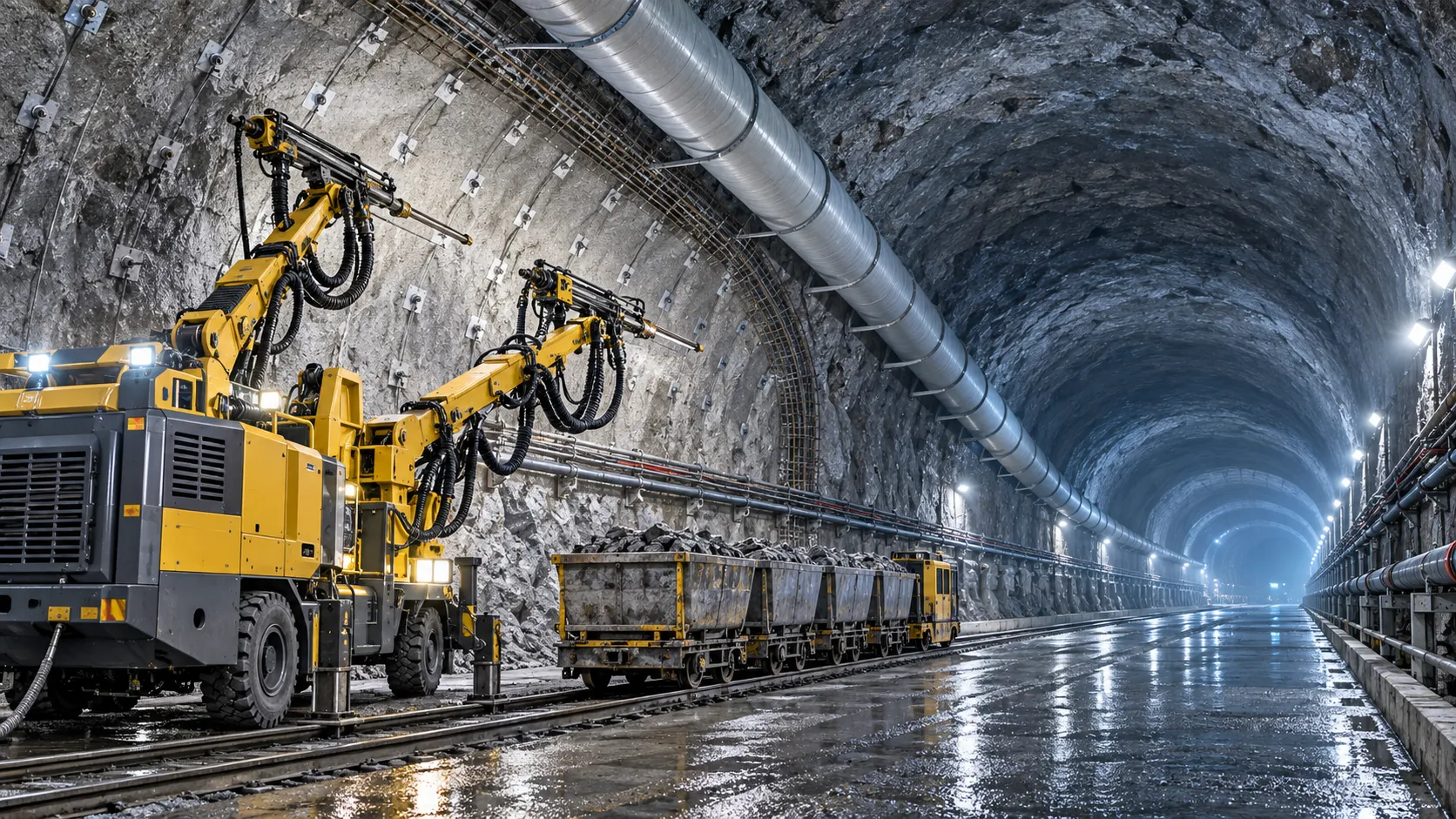
How to Evaluate European Drill-and-Blast Tunnelling Contractors for Complex Projects
Drill and blast tunnelling contractors Europe: learn how to assess geology expertise, blast control, equipment reliability, safety, and programme resilience for complex projects.
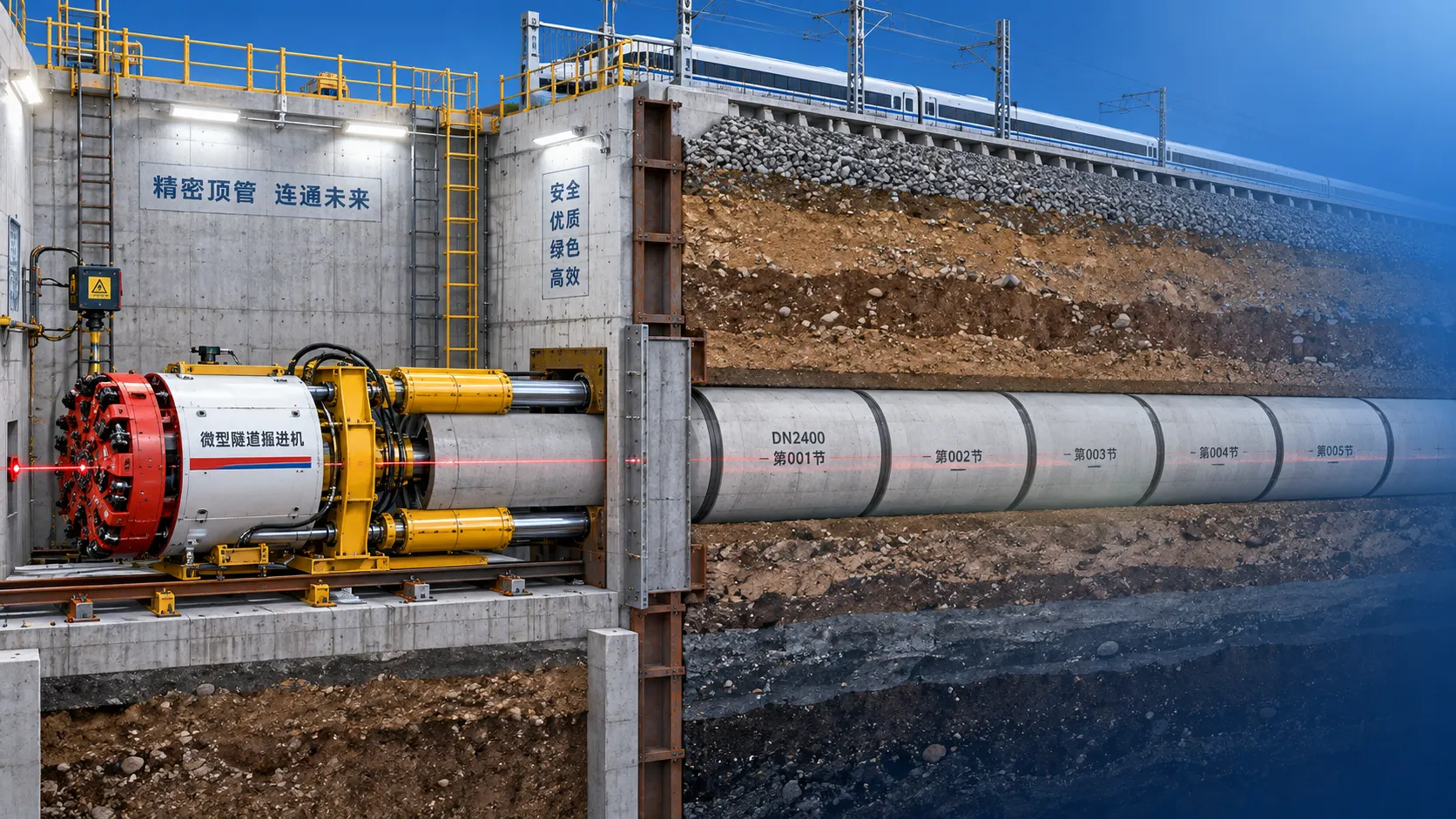
Which Trenchless Construction Technique Fits Your Utility Crossing Conditions?
Trenchless construction techniques compared for utility crossings: choose HDD, microtunnelling, pipe jacking, or auger boring based on ground, accuracy, access, and risk.
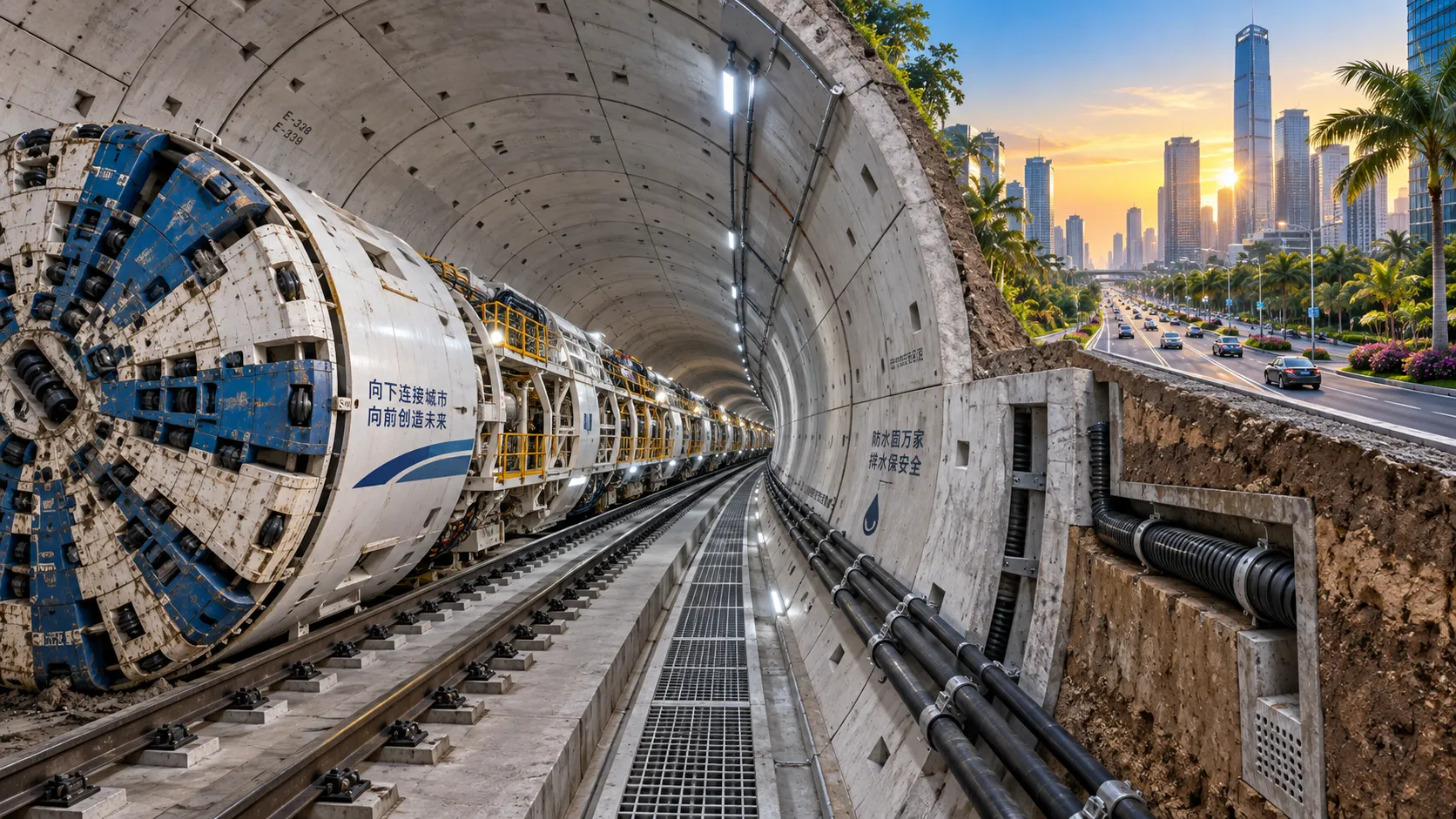
What Is Driving Metro Tunnelling Demand Across Southeast Asia’s Major Cities?
Metro tunnelling Southeast Asia is accelerating as major cities tackle congestion, flooding, and connectivity. Explore the market forces, technical risks, and opportunities shaping demand.
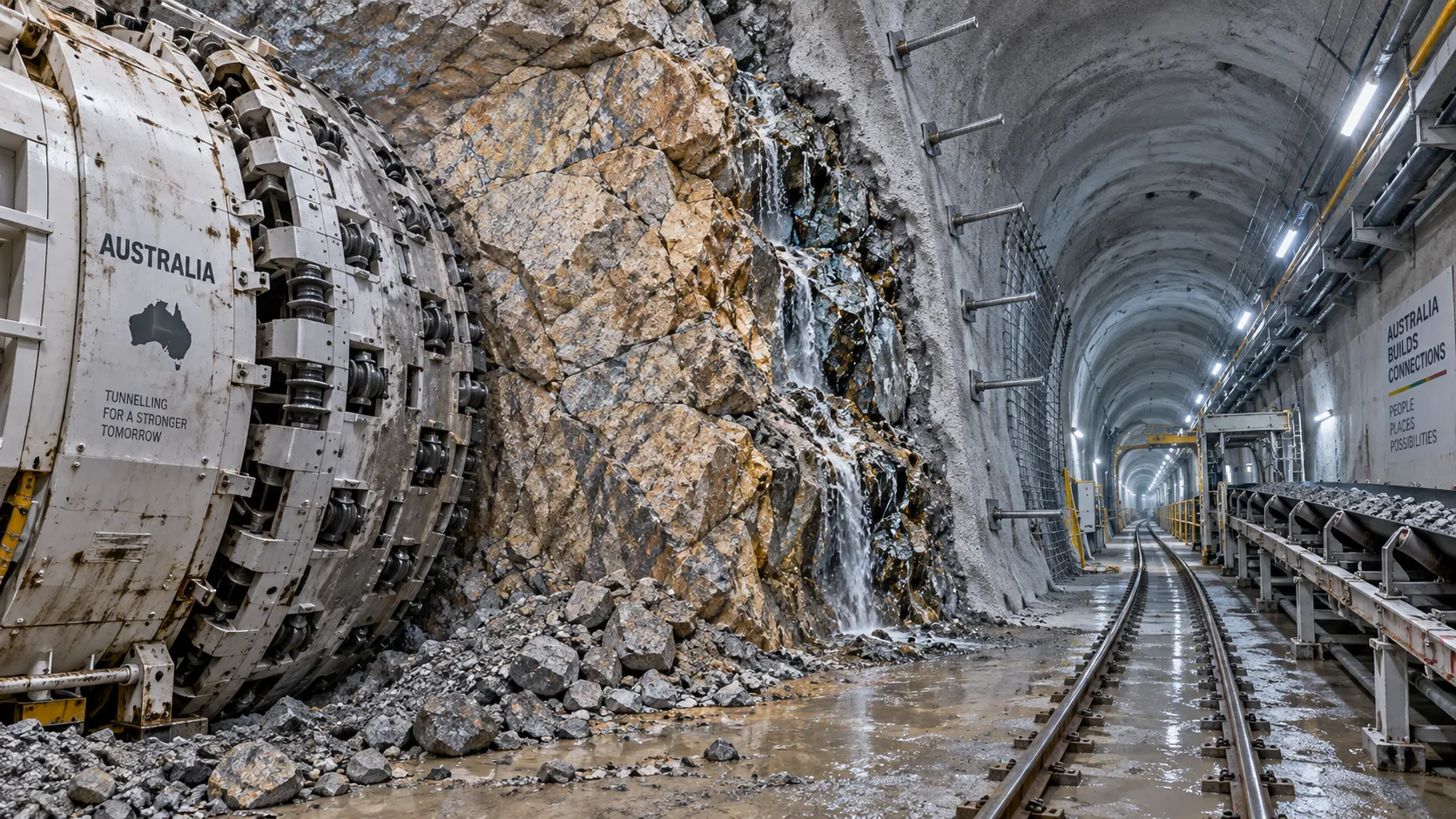
Hard Rock Tunnelling in Australia: Selecting Methods for Variable Ground Conditions
Hard rock tunnelling in Australia: compare TBM, drill-and-blast and hybrid methods to manage variable ground, reduce risk and protect project costs.
Hydropower Tunnel Excavation: Selecting Methods for Variable Rock Conditions
Hydropower tunnel excavation methods for variable rock conditions: compare TBM, drill-and-blast, and hybrid strategies to improve safety, progress, and project control.
How to Select Underground Safety Equipment for Tunnelling by Hazard and Work Zone
Underground Safety Equipment for tunnelling: match protection to hazards, work zones, compliance, and emergency needs with this practical selection guide.
Related News
- 00
0000-00
Where Autonomous Mining Loaders Deliver the Most Value in Underground Operations - 00
0000-00
Underground Drilling for Mining: Selecting Methods for Rock Conditions and Mine Layout - 00
0000-00
Underground Mine Electrification: How to Size Battery Fleets and Charging Capacity - 00
0000-00
How to Evaluate European Drill-and-Blast Tunnelling Contractors for Complex Projects - 00
0000-00
Which Trenchless Construction Technique Fits Your Utility Crossing Conditions?
Weekly Insights
Stay ahead with our curated technology reports delivered every Monday.