
EN 14488-7 Rule Takes Effect for Slurry Pipe Jacking





From June 20, 2026, the revised EN 14488-7:2026 becomes mandatory for slurry pipe jacking equipment entering the EU market, adding a strengthened dynamic anti-seepage pressure test to the compliance threshold. For manufacturers, exporters, certification-related businesses, buyers, and delivery teams, this is not just a technical update: it directly affects CE certification routing, type testing timing, and whether equipment can clear customs or remain on the market.
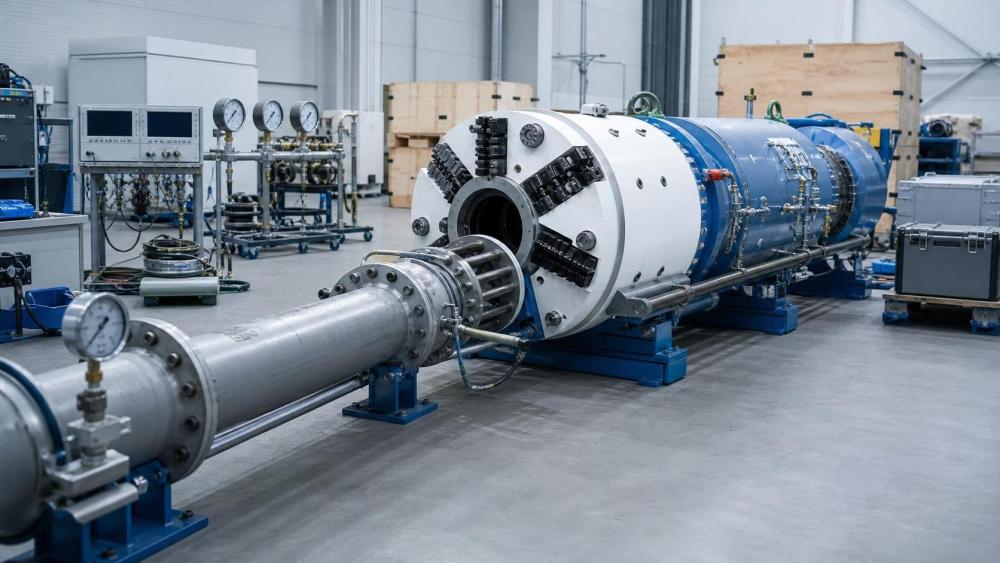
What the revised standard now requires
According to the confirmed information provided, the EU starts mandatory implementation of the revised EN 14488-7:2026 on June 20, 2026. The new requirement applies to slurry pipe jacking equipment placed on the EU market and adds a dynamic anti-seepage pressure reinforcement test.
The test threshold stated in the input is at least 1.2 MPa for 30 minutes without leakage. The standard was published by CEN. The provided summary also states that the revision directly affects the CE certification path and the cycle for type inspection.
The confirmed enforcement consequence is also clear in the input: products that do not meet the requirement will be unable to clear customs or may be removed from the market by market surveillance authorities.
Where the immediate pressure is likely to appear
Market-entry documentation becomes more sensitive
From an industry perspective, exporters and companies directly trading slurry pipe jacking equipment are likely to face the most immediate impact at the market-entry stage. The reason is straightforward: the new test becomes part of the compliance threshold tied to access to the EU market. What deserves closer attention is whether technical files, test reports, and product conformity documentation are fully aligned with the revised standard before shipment and customs procedures begin.
Manufacturing and testing schedules may need adjustment
For equipment manufacturers and testing-related service providers, the main effect is likely to appear in product verification and delivery preparation. Analysis shows that once a new mandatory test is introduced and linked to CE certification routing and type inspection cycles, companies may need to reassess sample preparation, verification timing, and the sequencing between factory completion and conformity review. The confirmed facts do not specify execution timelines beyond the effective date, so this should be understood as a practical compliance consideration rather than a confirmed outcome.
Buyers and project-side procurement may tighten specifications
Procurement teams, project owners, and channels handling equipment sourcing may also need to pay closer attention to specification alignment. Observably, when a revised mandatory standard changes the certification path, purchasing decisions can become more dependent on whether suppliers can present compliant test evidence and updated technical documentation. In practical terms, this may affect bid documents, pre-shipment checks, acceptance conditions, and delivery coordination.
After-sales and traceability risks do not end at import
For after-sales service providers and companies managing installed or newly delivered equipment, the issue is not limited to the border stage. The confirmed summary states that non-compliant products may also be removed from the market by surveillance authorities. Analysis shows that this makes document retention, traceability, and support readiness more relevant wherever EU market placement is involved.
What companies should review now
Recheck certification and conformity files
What deserves closer attention is whether existing CE-related documentation and type inspection arrangements still match the revised EN 14488-7:2026 requirement. Companies involved in exports, certification support, or market placement should review whether the new anti-seepage pressure test has been properly reflected in technical and conformity materials.
Watch for changes in test evidence and submission expectations
The confirmed information states that the new rule affects the CE certification path and type inspection cycle, but it does not provide the detailed execution method. For that reason, companies should focus on tracking how test evidence, supporting reports, and technical submissions are expected to reflect the strengthened requirement in actual certification and compliance workflows.
Check delivery plans against compliance timing
Analysis shows that firms with equipment scheduled for EU delivery around or after June 20, 2026 should pay close attention to the interaction between testing completion, certification readiness, shipment timing, and customs clearance risk. This is especially relevant where procurement commitments or delivery windows leave little room for re-testing or document updates.
Review supplier readiness and contract language
Buyers and supply chain service providers may also need to confirm whether supplier qualifications, acceptance clauses, and compliance commitments adequately address the revised standard. Since the input does not provide detailed enforcement guidance, the practical priority is to reduce uncertainty in contracts, technical appendices, and document handover expectations.
Why this looks like an execution signal, not a distant policy debate
Analysis shows that this development is better understood as an already landed rule change rather than a preliminary policy discussion. The effective date is defined, the technical requirement is defined in the input, and the compliance consequence is also defined. At the same time, it is still appropriate to keep watching how certification practice, market surveillance action, procurement specifications, and industry feedback develop after implementation, because those operational details are not included in the provided information.
How the market may need to interpret this change
A cautious reading of this update is that the revised EN 14488-7:2026 raises a concrete compliance checkpoint for slurry pipe jacking equipment entering the EU market. The immediate significance lies less in broad market prediction and more in execution: test compliance, certification sequencing, customs readiness, and document consistency. It is more appropriate to understand this as a rule already in force with practical compliance implications, while keeping later enforcement practice and market response under continued observation.
Basis of this article and what still needs verification
This article is generated on the basis of the user-provided news title, event date, and event summary. For events of this kind, commonly relevant source categories may include official notices, regulatory releases, customs or trade authority information, industry association updates, standards organization documents, and reporting by authoritative trade media.
No specific official source link was provided in the input, so the exact official reference path still requires further verification. What still merits ongoing attention includes any detailed implementation language, certification interpretation, changes in tender or procurement documents, market feedback, and how companies execute against the revised requirement in practice.
Related News
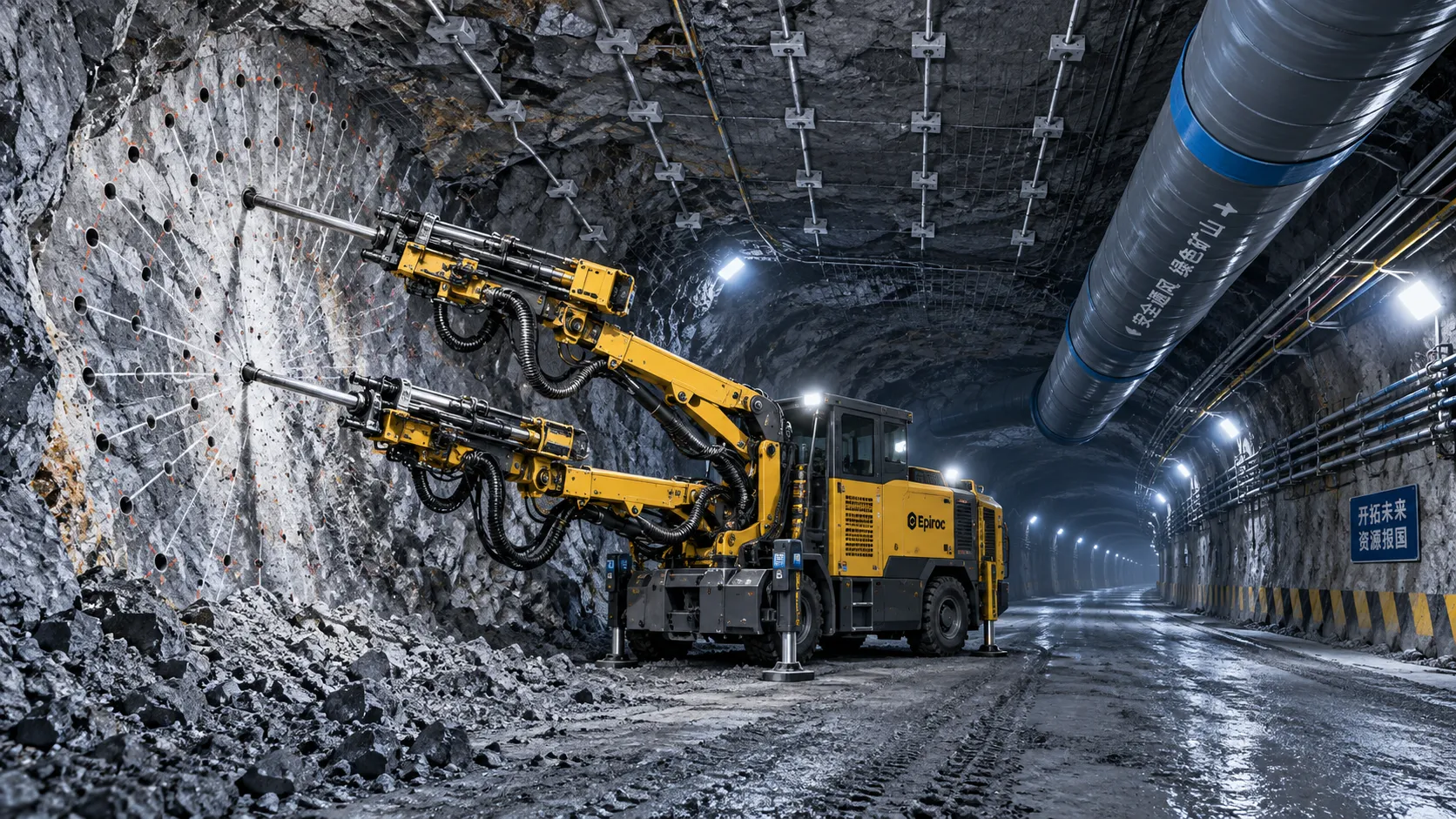
Underground Drilling for Mining: Selecting Methods for Rock Conditions and Mine Layout
Underground drilling for mining: learn how to match drilling methods to rock conditions, mine layout, accuracy needs, ground support, and cycle efficiency.
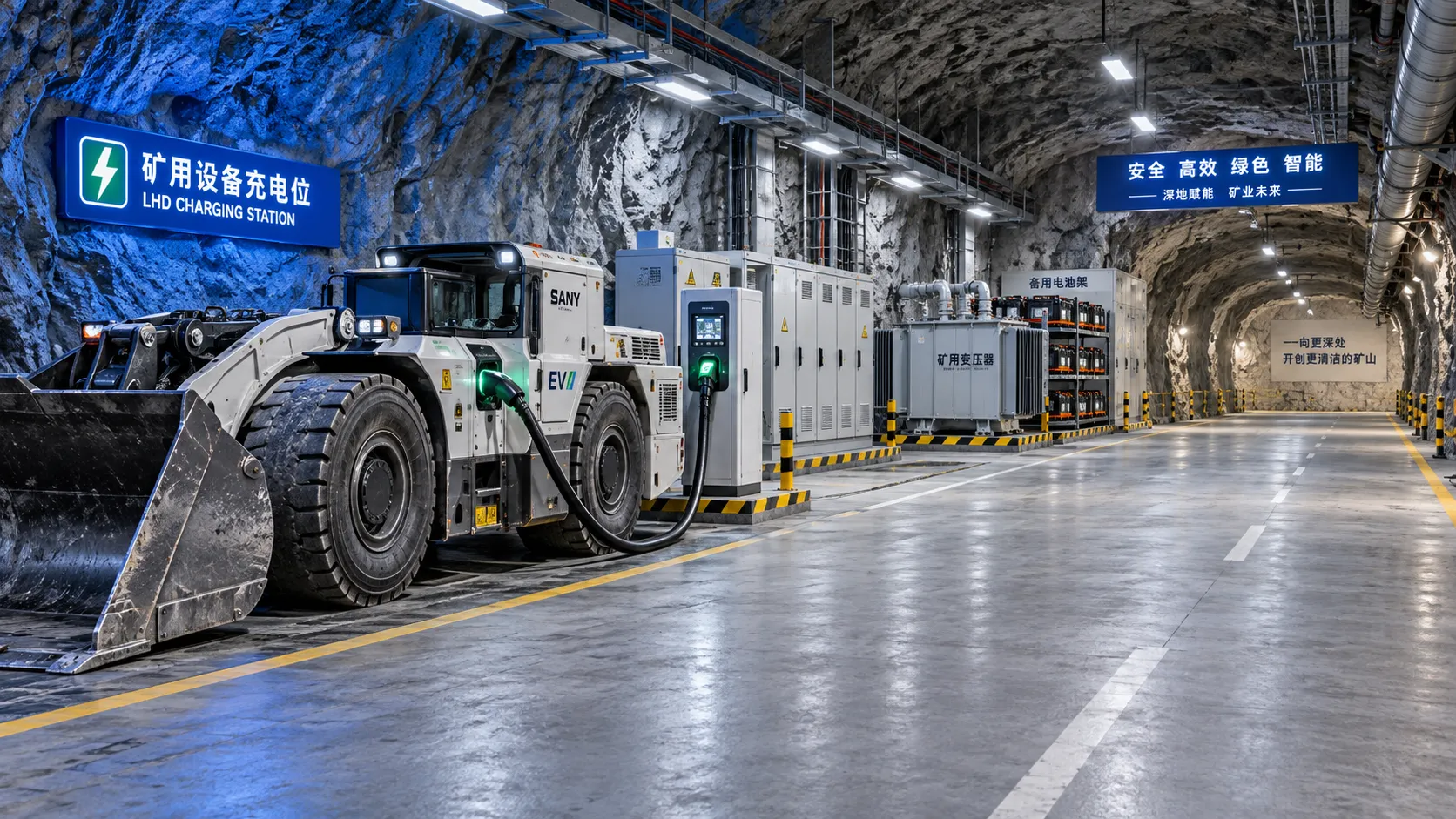
Underground Mine Electrification: How to Size Battery Fleets and Charging Capacity
Mining electrification for underground mines: learn how to size battery fleets, chargers, and power capacity to prevent queues, peak-load issues, and production downtime.
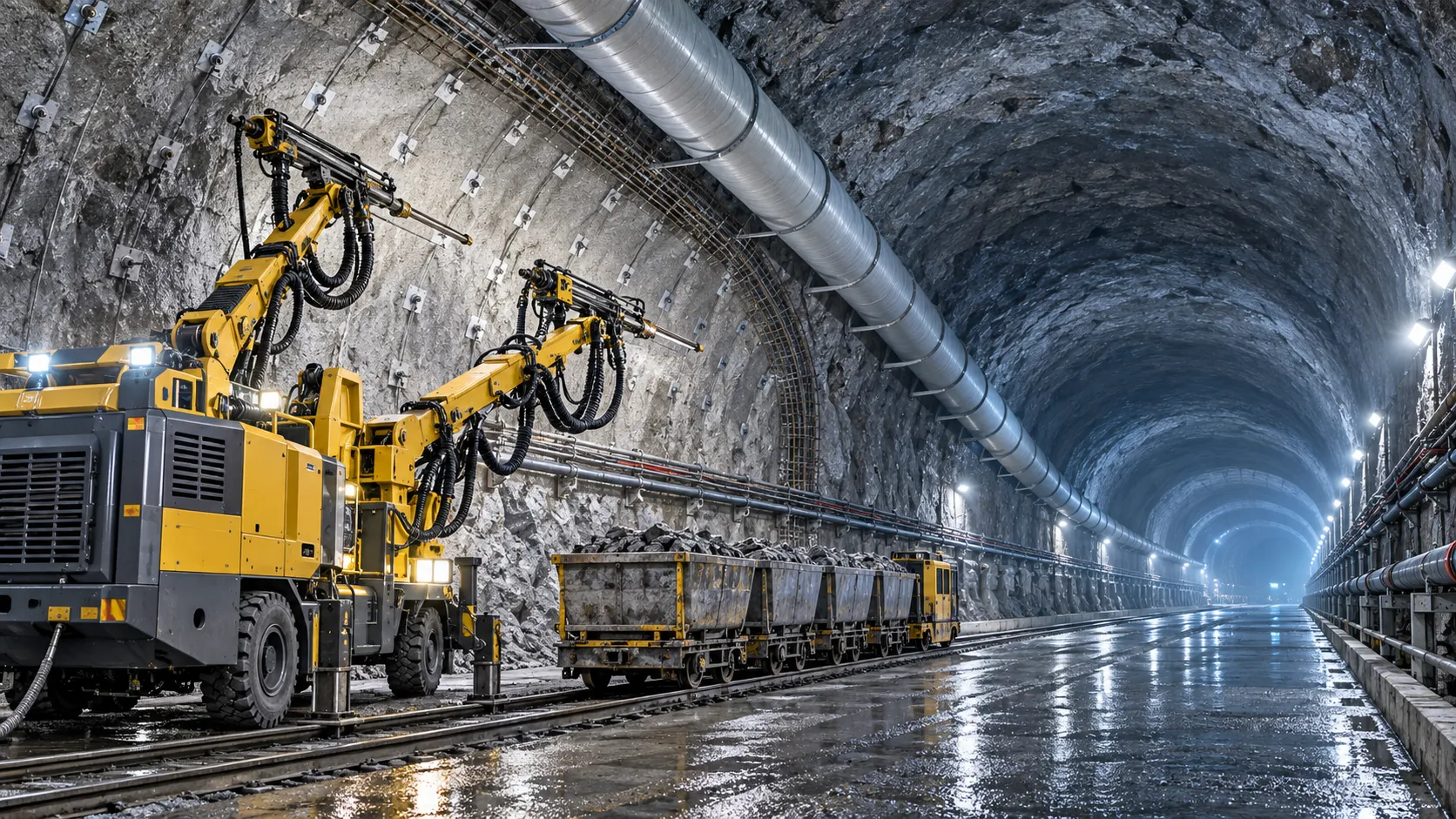
How to Evaluate European Drill-and-Blast Tunnelling Contractors for Complex Projects
Drill and blast tunnelling contractors Europe: learn how to assess geology expertise, blast control, equipment reliability, safety, and programme resilience for complex projects.
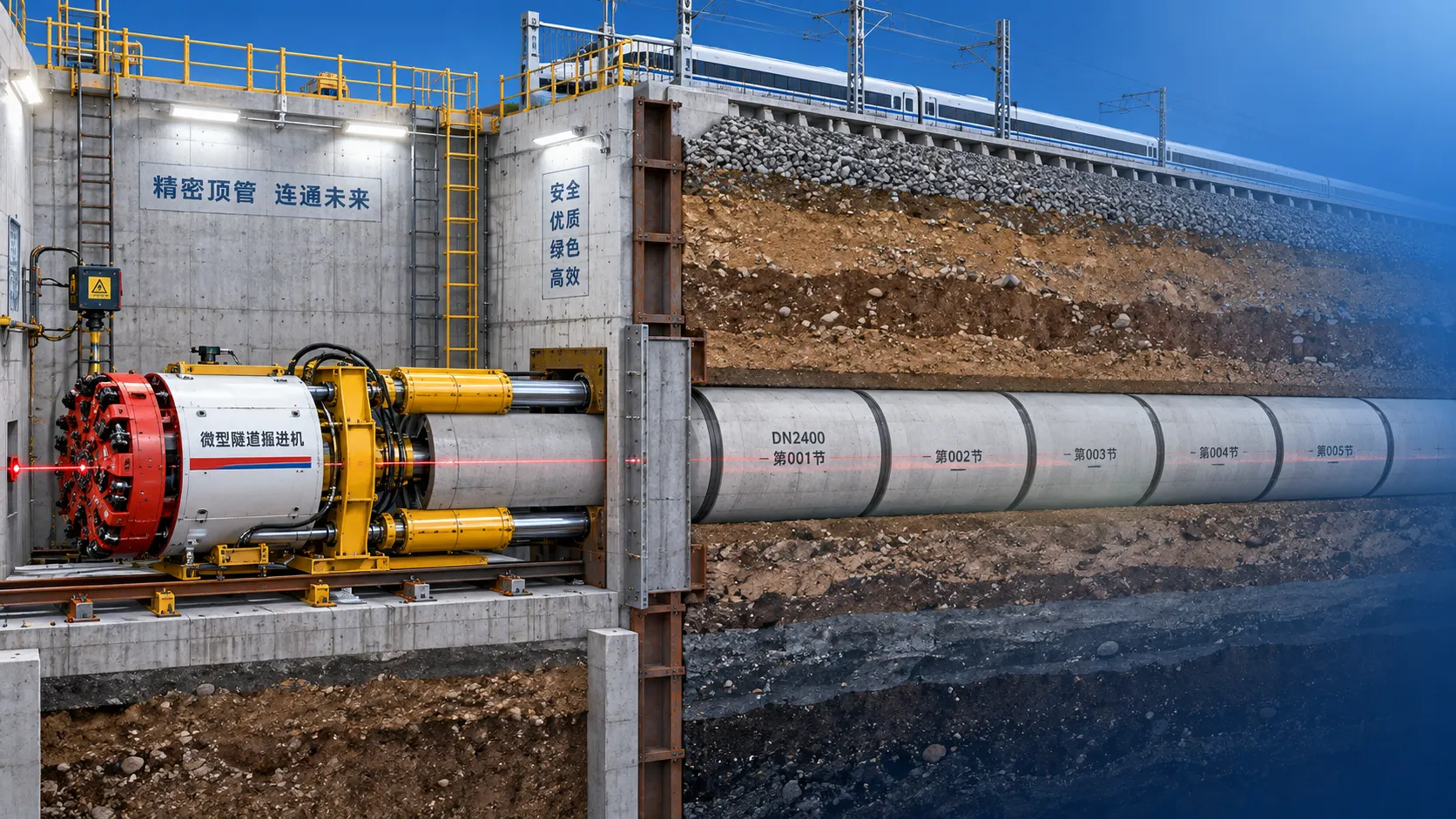
Which Trenchless Construction Technique Fits Your Utility Crossing Conditions?
Trenchless construction techniques compared for utility crossings: choose HDD, microtunnelling, pipe jacking, or auger boring based on ground, accuracy, access, and risk.
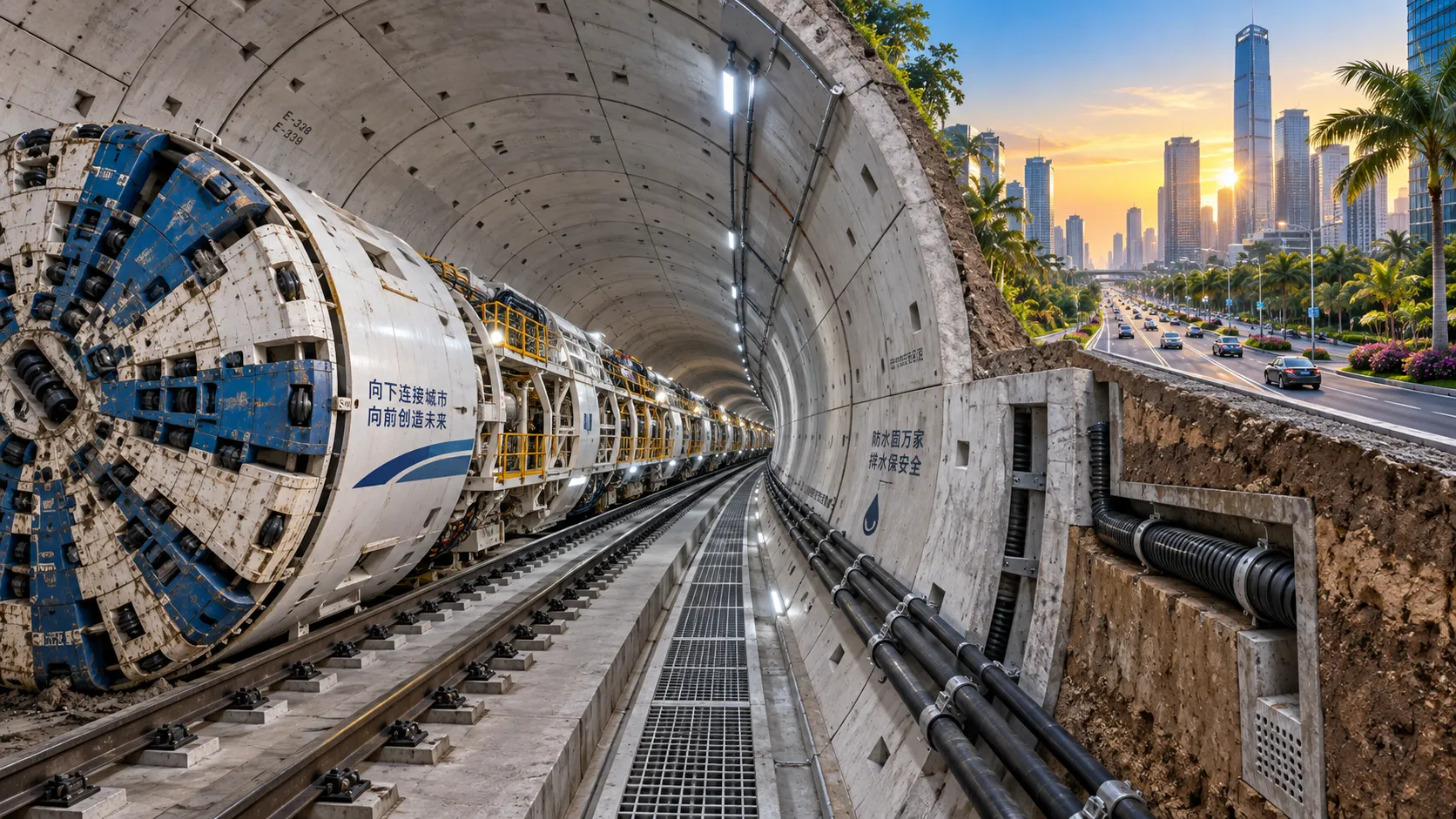
What Is Driving Metro Tunnelling Demand Across Southeast Asia’s Major Cities?
Metro tunnelling Southeast Asia is accelerating as major cities tackle congestion, flooding, and connectivity. Explore the market forces, technical risks, and opportunities shaping demand.
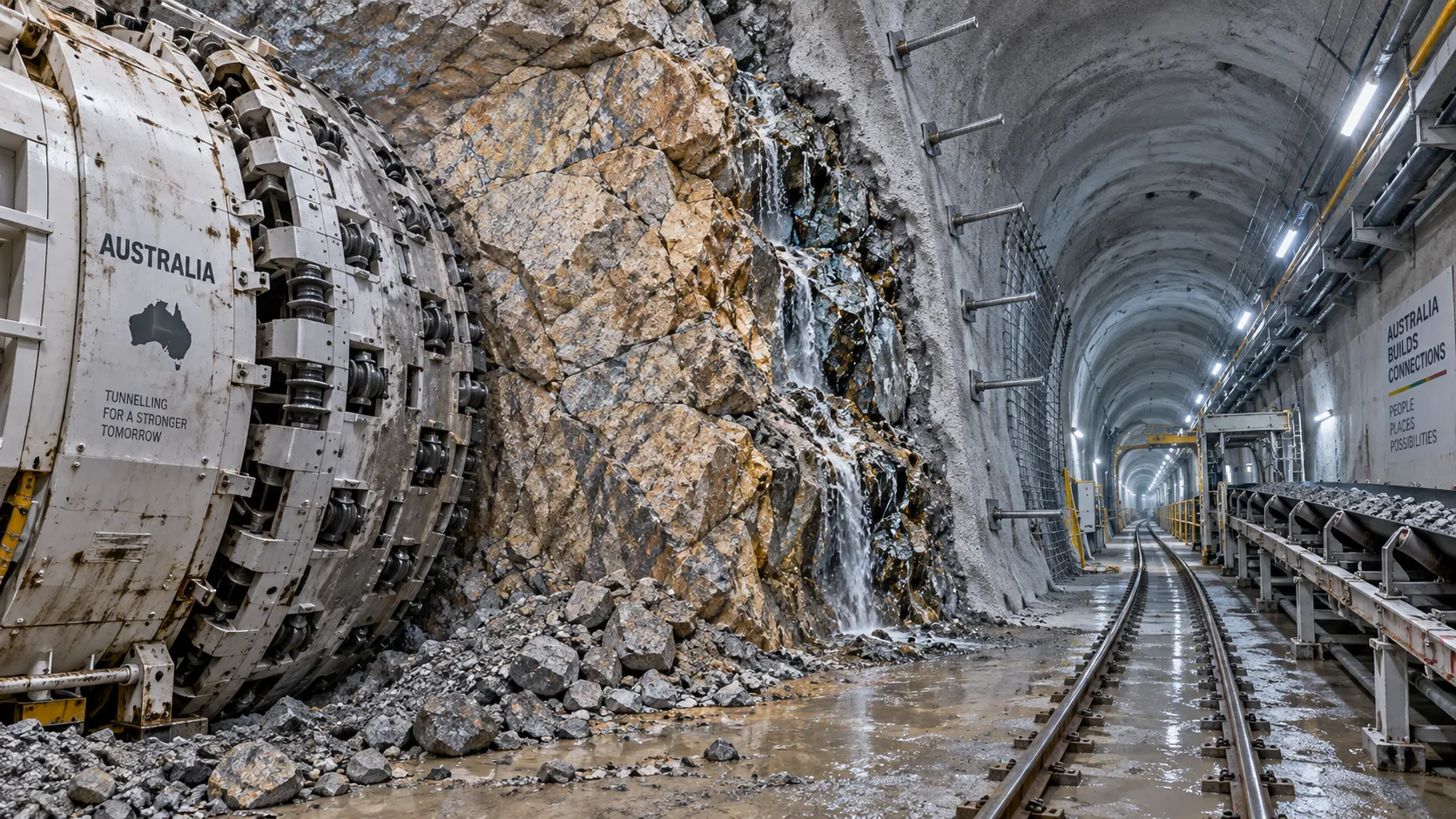
Hard Rock Tunnelling in Australia: Selecting Methods for Variable Ground Conditions
Hard rock tunnelling in Australia: compare TBM, drill-and-blast and hybrid methods to manage variable ground, reduce risk and protect project costs.
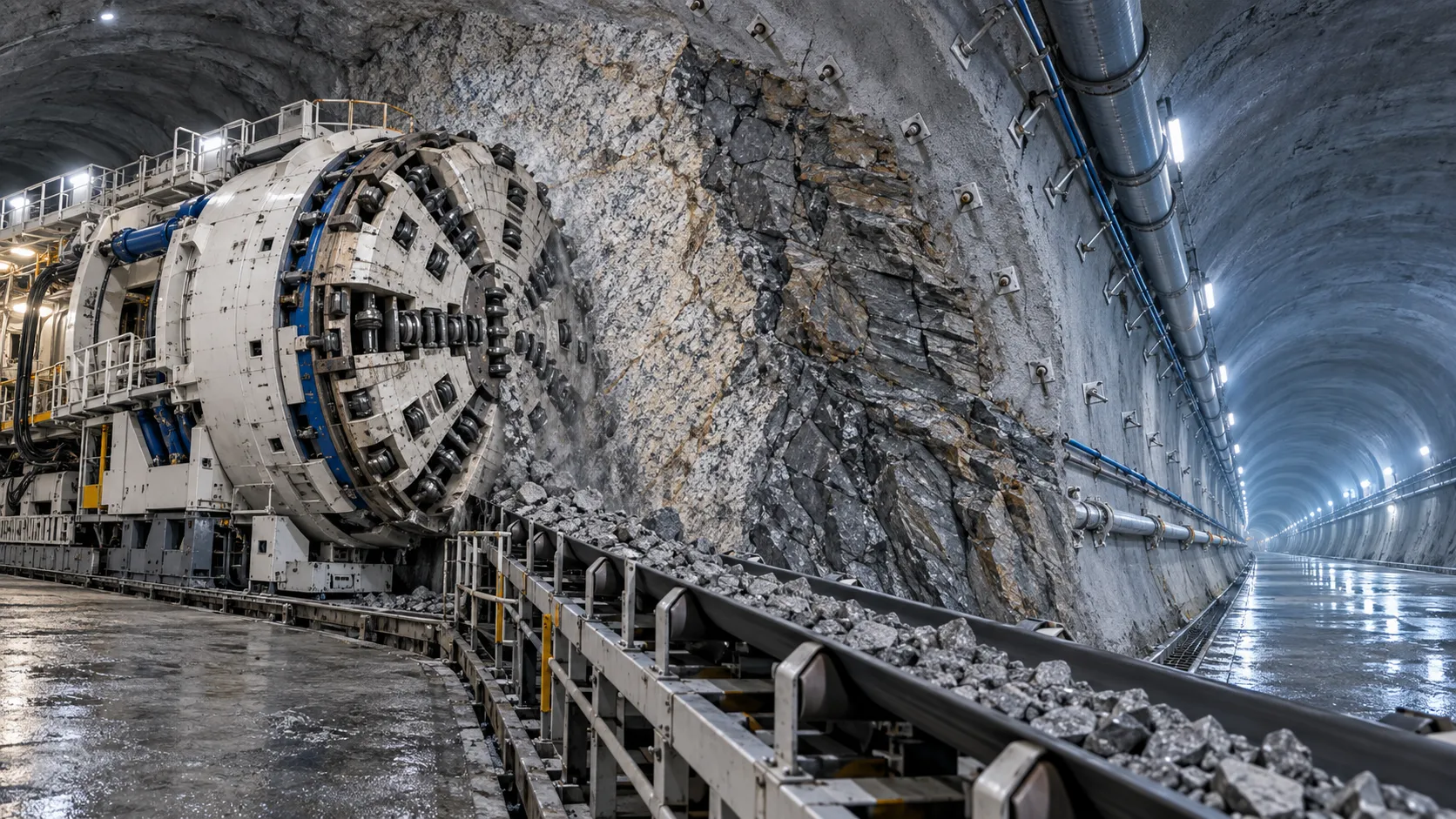
Hydropower Tunnel Excavation: Selecting Methods for Variable Rock Conditions
Hydropower tunnel excavation methods for variable rock conditions: compare TBM, drill-and-blast, and hybrid strategies to improve safety, progress, and project control.
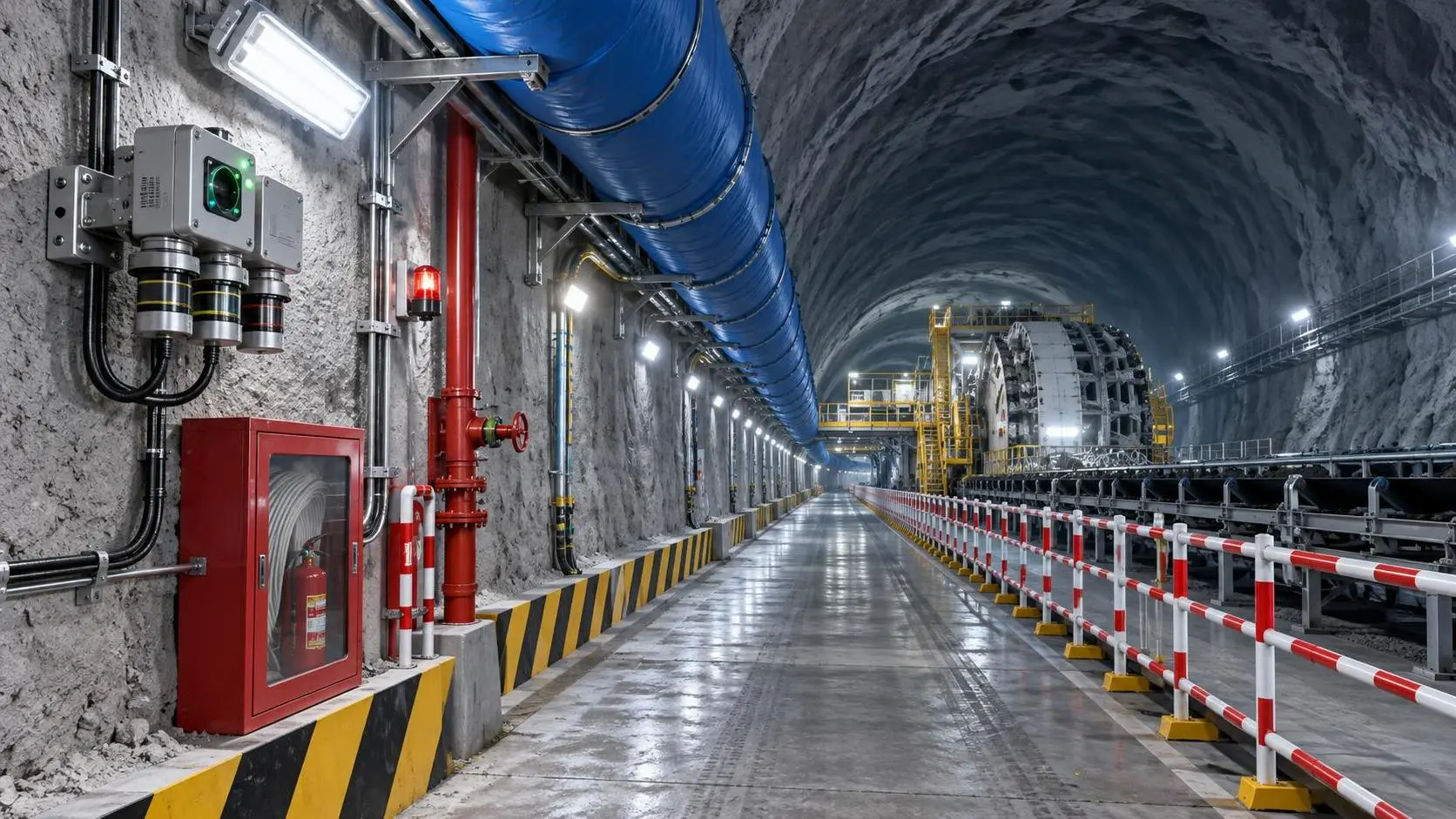
How to Select Underground Safety Equipment for Tunnelling by Hazard and Work Zone
Underground Safety Equipment for tunnelling: match protection to hazards, work zones, compliance, and emergency needs with this practical selection guide.
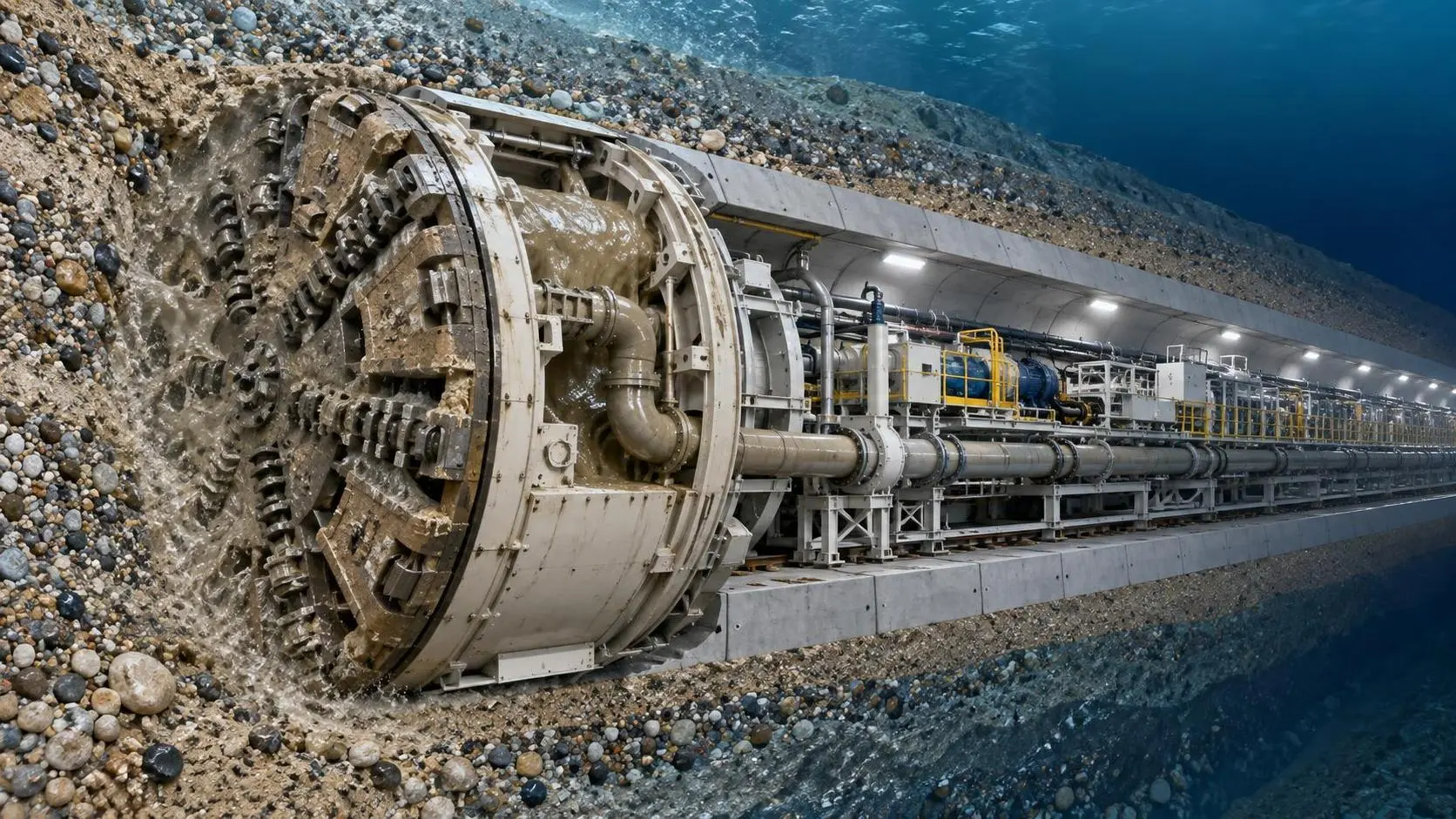
EPB or Slurry Shield? Selecting Soft-Ground Tunnelling Equipment by Soil Conditions
Tunnel Excavation Equipment for soft ground: compare EPB and slurry shields by soil, groundwater, settlement risk, and project logistics to choose confidently.
Related News
- 00
0000-00
Underground Drilling for Mining: Selecting Methods for Rock Conditions and Mine Layout - 00
0000-00
Underground Mine Electrification: How to Size Battery Fleets and Charging Capacity - 00
0000-00
How to Evaluate European Drill-and-Blast Tunnelling Contractors for Complex Projects - 00
0000-00
Which Trenchless Construction Technique Fits Your Utility Crossing Conditions? - 00
0000-00
What Is Driving Metro Tunnelling Demand Across Southeast Asia’s Major Cities?
Weekly Insights
Stay ahead with our curated technology reports delivered every Monday.