
How to Choose a Pipe Jacking Guidance System for Accuracy in Curved and Long Drives





Why does a pipe jacking guidance system matter more on curved and long drives?
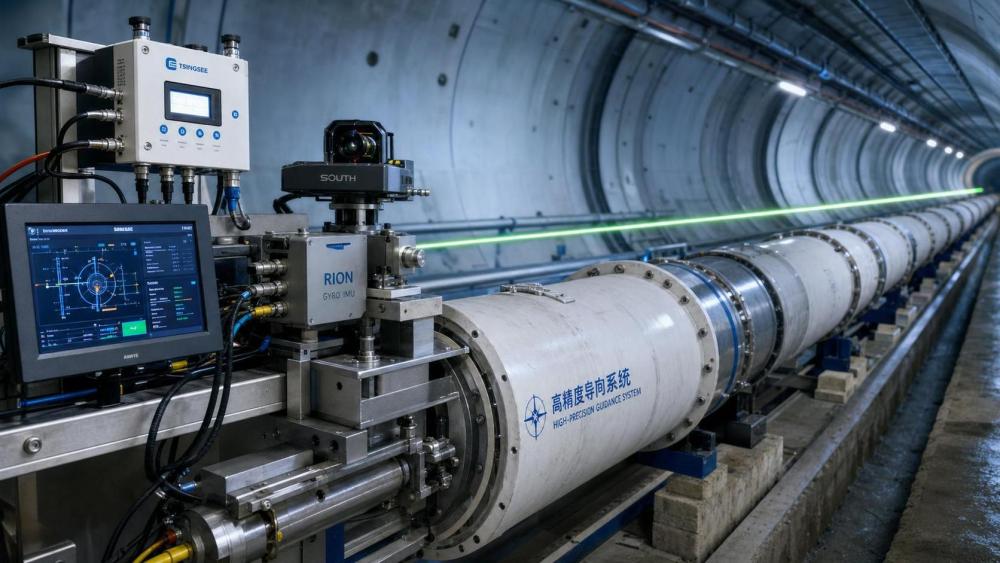
Accuracy becomes expensive the moment a drive gets longer or introduces curvature.
A small deviation at launch can grow into a major alignment problem underground.
That is why the right pipe jacking guidance system is not just a navigation tool.
It influences steering confidence, jacking force control, intervention frequency, and schedule risk.
In straight, short municipal runs, many systems can appear acceptable on paper.
In curved and long drives, weak sensing, poor calibration, or unstable data quickly show up.
The more challenging the geology, the tighter the tolerance window becomes.
This is especially true in dense urban corridors where surface settlement, utility conflicts, and recovery shaft tolerances leave little room for error.
UTMD often tracks how trenchless equipment decisions connect with bigger underground project outcomes.
The same intelligence logic used for TBM performance also applies here.
Reliable underground progress depends on the quality of machine control, sensing, and decision support.
So the real question is not whether to buy a guidance solution.
It is which pipe jacking guidance system can hold line and grade when the drive stops being simple.
What should you actually compare when evaluating a pipe jacking guidance system?
A practical comparison starts with performance under difficult conditions, not brochure claims.
For curved and long drives, five areas usually decide whether a system performs well.
- Measurement stability over distance, including drift resistance and repeatability after rechecks.
- Guidance visibility in curves, where line of sight, data refresh, and steering response matter.
- Compatibility with machine controls, articulation, and slurry or auger operating conditions.
- Setup speed, recalibration workflow, and tolerance to site vibration or restricted shaft space.
- Service support, spare parts, software updates, and operator training quality.
More advanced systems may combine laser, gyro, target sensing, and digital logging.
That combination can be valuable, but only if it reduces field uncertainty.
A feature-rich system with slow calibration may lose its value during shift changes or launch delays.
A simpler system with proven robustness can outperform it on real sites.
The table below helps turn technical discussion into a more disciplined buying checklist.
Which guidance technologies make sense for different project conditions?
Not every pipe jacking guidance system is built for the same operational envelope.
That is where many buying mistakes begin.
For shorter, relatively straight drives, laser-based guidance remains common because it is familiar and cost-efficient.
Once curvature increases, or distance stretches, supplemental gyro-based referencing often becomes more attractive.
Gyro-supported systems help where line-of-sight limitations or cumulative error become harder to manage.
In practical terms, the choice should reflect three site realities.
- Alignment geometry, including radius, depth, and allowable deviation.
- Ground behavior, especially mixed face, water pressure, and settlement sensitivity.
- Operational discipline, including crew experience and calibration routines.
A sophisticated pipe jacking guidance system cannot fully compensate for weak site procedures.
Still, a better system can reduce correction cycles and improve decision speed.
That matters in urban trenchless work where each stoppage has schedule and community cost.
UTMD’s broader view of underground machinery highlights the same pattern across sectors.
Whether the platform is a TBM, drilling jumbo, or guided jacking machine, reliable sensing is what turns mechanical capacity into controlled production.
Is the lowest price ever the lowest project cost?
Usually not, especially for long drives where delay costs are hidden at the bidding stage.
A lower-priced pipe jacking guidance system may look attractive if the comparison stops at equipment purchase.
The financial picture changes when you include deviation recovery, stoppages, recalibration labor, and risk exposure.
One missed alignment window can trigger extra jacking loads, intermediate shaft changes, or costly retrieval work.
That is why lifecycle thinking matters more than entry price.
A better buying comparison often includes these cost lines.
- Initial system price, software licensing, and sensor package scope.
- Commissioning time and operator training requirements.
- Expected downtime from maintenance, recalibration, or component failure.
- Access to local technical support and replacement parts.
- Data reporting quality for dispute prevention and project documentation.
In many tenders, the difference between two systems looks small as a capital item.
It becomes large when the project enters constrained ground or strict completion windows.
This is also where supplier credibility matters.
A vendor that understands trenchless engineering, not only instrumentation, usually gives more useful pre-bid guidance.
Where do selection mistakes happen most often?
The most common mistake is buying by specification sheet alone.
Quoted accuracy in ideal conditions does not equal accuracy inside a difficult shaft or a long curved bore.
Another frequent issue is ignoring crew usability.
If the interface is slow to interpret, operators may react too late to steering changes.
There is also a tendency to undercheck compatibility with the jacking machine and site workflow.
That can lead to workarounds, manual data transfer, and inconsistent records.
A useful way to avoid these mistakes is to pressure-test each candidate system against a realistic scenario.
This kind of review is more reliable than generic claims about precision.
It also keeps the buying decision tied to field outcomes.
What is the smartest next step before finalizing a purchase?
Start by defining the most demanding drive condition you expect, not the easiest one.
That single step improves the quality of every supplier conversation.
Then compare each pipe jacking guidance system against the same operational brief.
Include drive length, minimum curve radius, geology, shaft limits, reporting needs, and support expectations.
If possible, ask for reference projects with matching complexity.
The strongest suppliers can explain not only where their system works, but where extra planning is needed.
That kind of honesty is useful.
It reflects the same engineering depth that UTMD values across underground equipment intelligence.
In other words, choose with the whole underground system in mind.
A pipe jacking guidance system should support accuracy, uptime, documentation, and future learning across projects.
When those elements are reviewed together, curved and long drives become more predictable.
And the final decision is based less on assumptions, more on measurable project fit.
Before signing off, build a short comparison sheet, verify support response terms, and confirm how the system performs under your toughest alignment case.
Related News
Underground Mine Electrification: How to Size Battery Fleets and Charging Capacity
Mining electrification for underground mines: learn how to size battery fleets, chargers, and power capacity to prevent queues, peak-load issues, and production downtime.
How to Evaluate European Drill-and-Blast Tunnelling Contractors for Complex Projects
Drill and blast tunnelling contractors Europe: learn how to assess geology expertise, blast control, equipment reliability, safety, and programme resilience for complex projects.
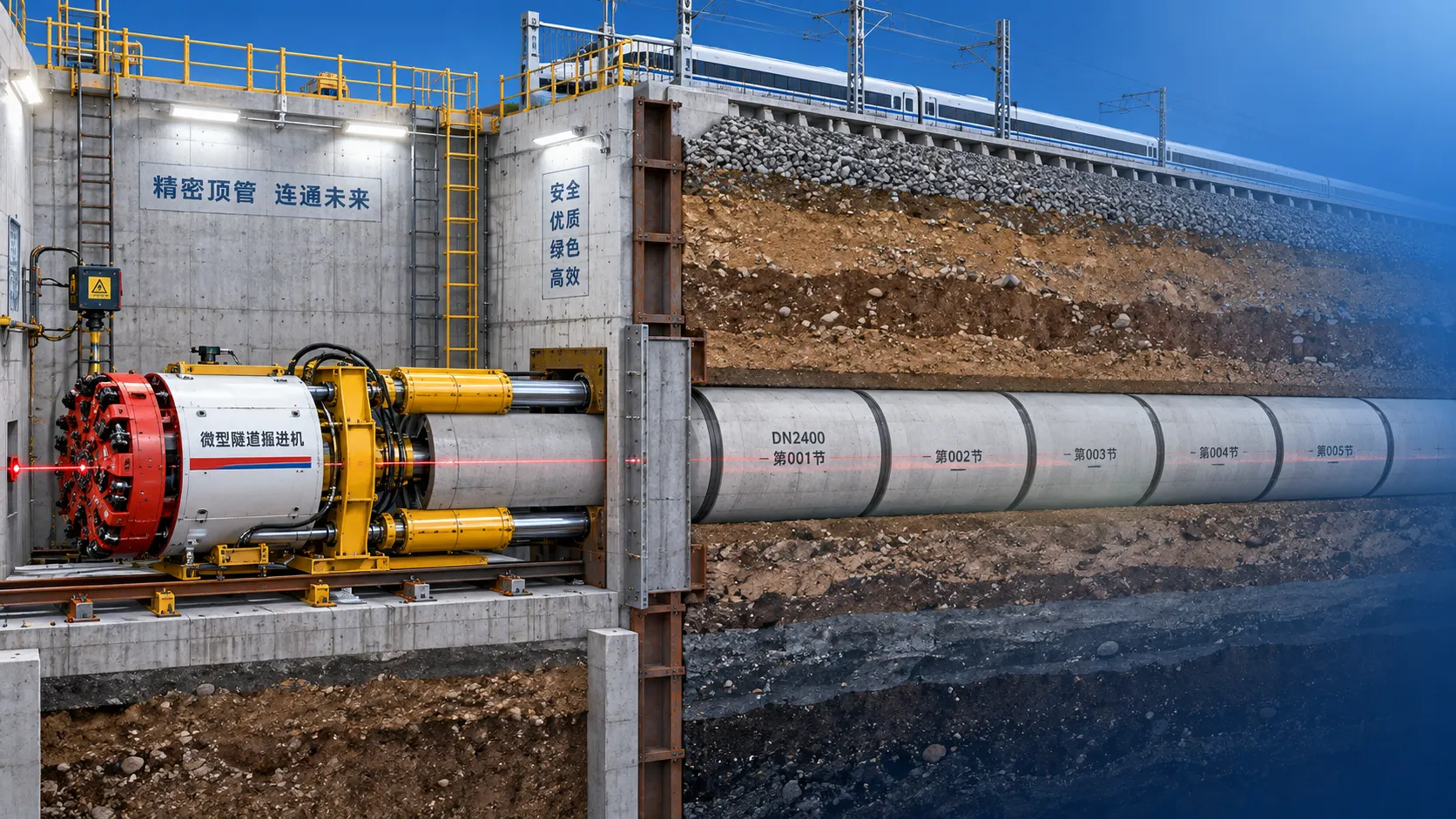
Which Trenchless Construction Technique Fits Your Utility Crossing Conditions?
Trenchless construction techniques compared for utility crossings: choose HDD, microtunnelling, pipe jacking, or auger boring based on ground, accuracy, access, and risk.
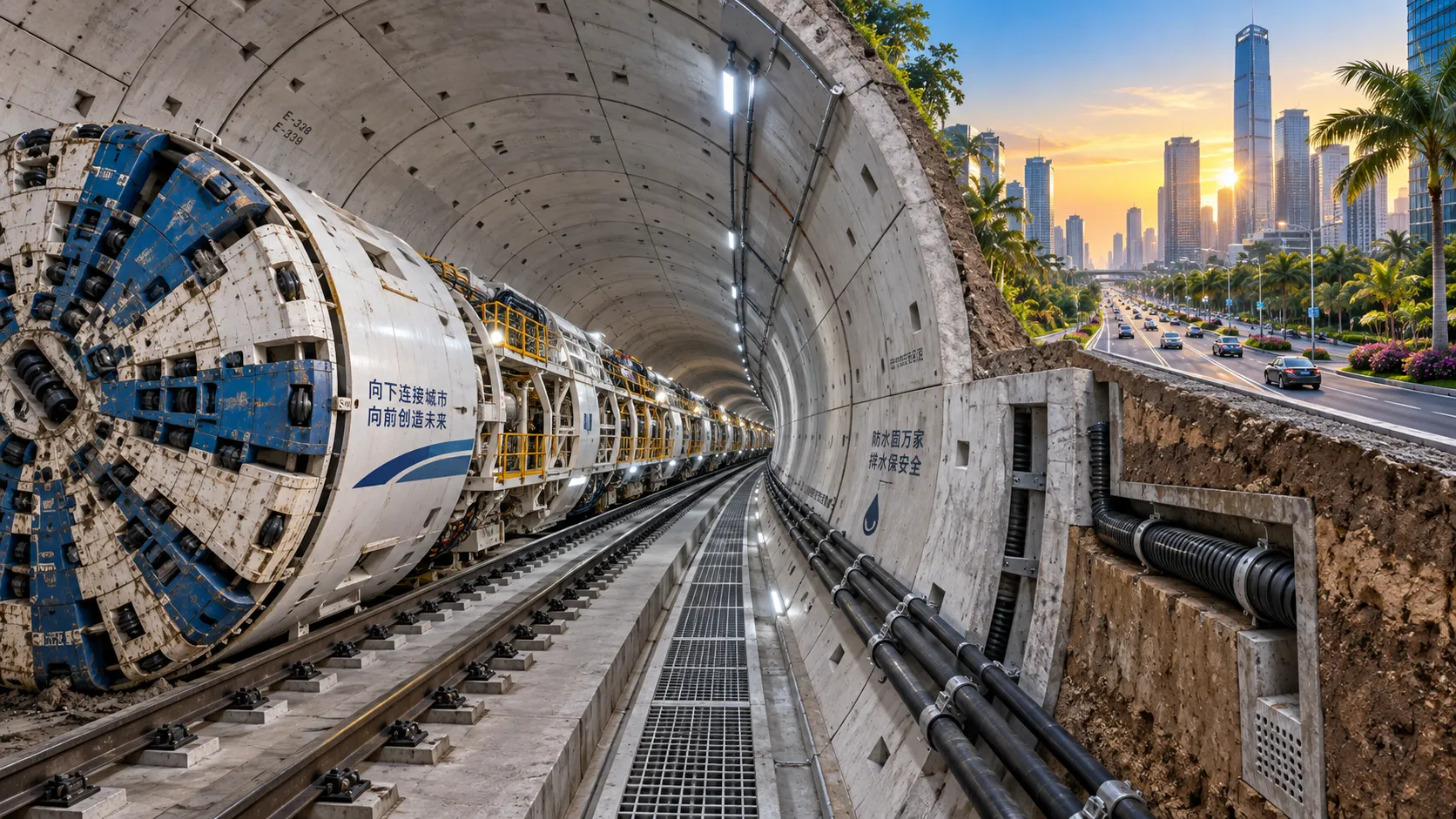
What Is Driving Metro Tunnelling Demand Across Southeast Asia’s Major Cities?
Metro tunnelling Southeast Asia is accelerating as major cities tackle congestion, flooding, and connectivity. Explore the market forces, technical risks, and opportunities shaping demand.
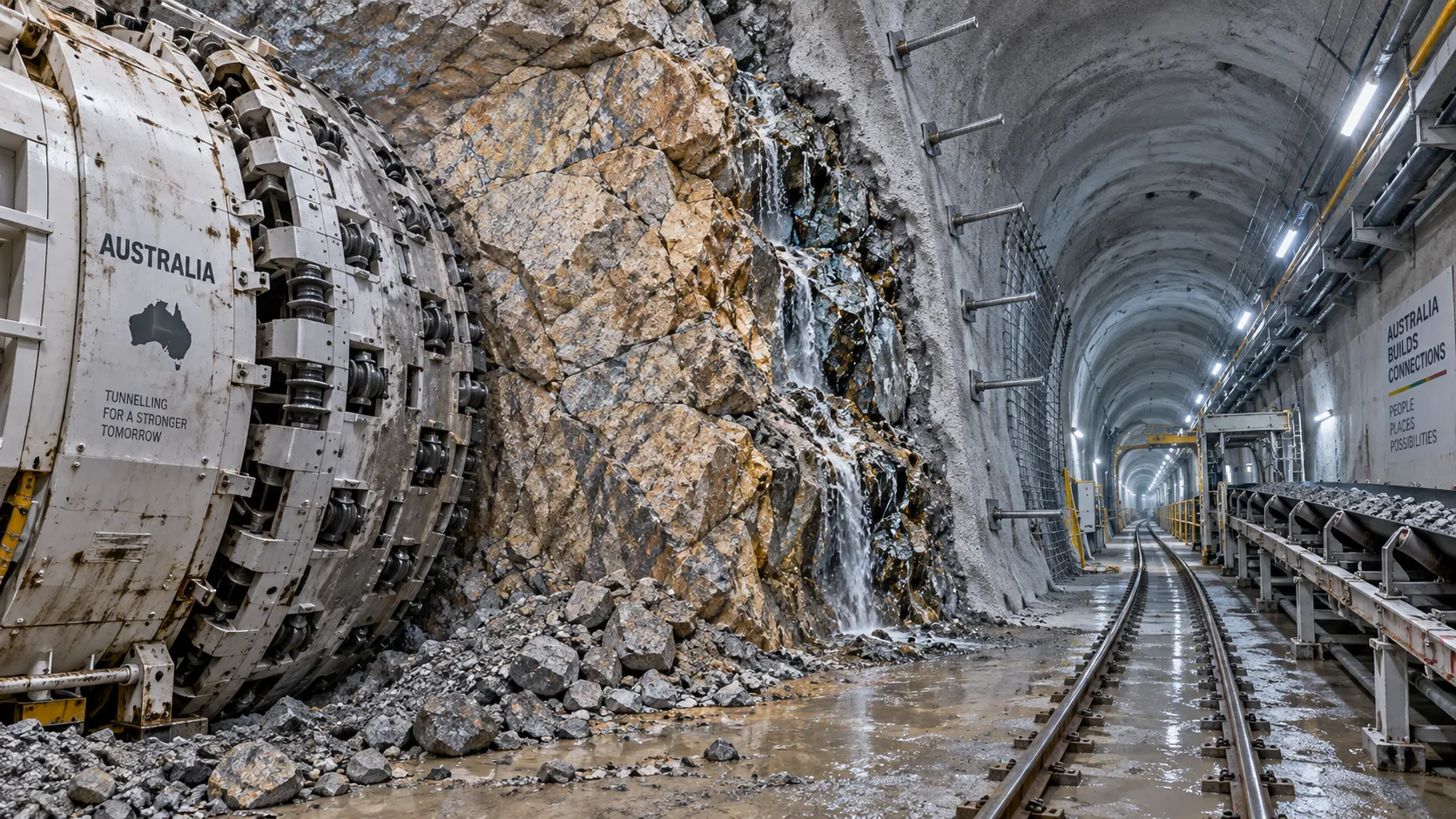
Hard Rock Tunnelling in Australia: Selecting Methods for Variable Ground Conditions
Hard rock tunnelling in Australia: compare TBM, drill-and-blast and hybrid methods to manage variable ground, reduce risk and protect project costs.
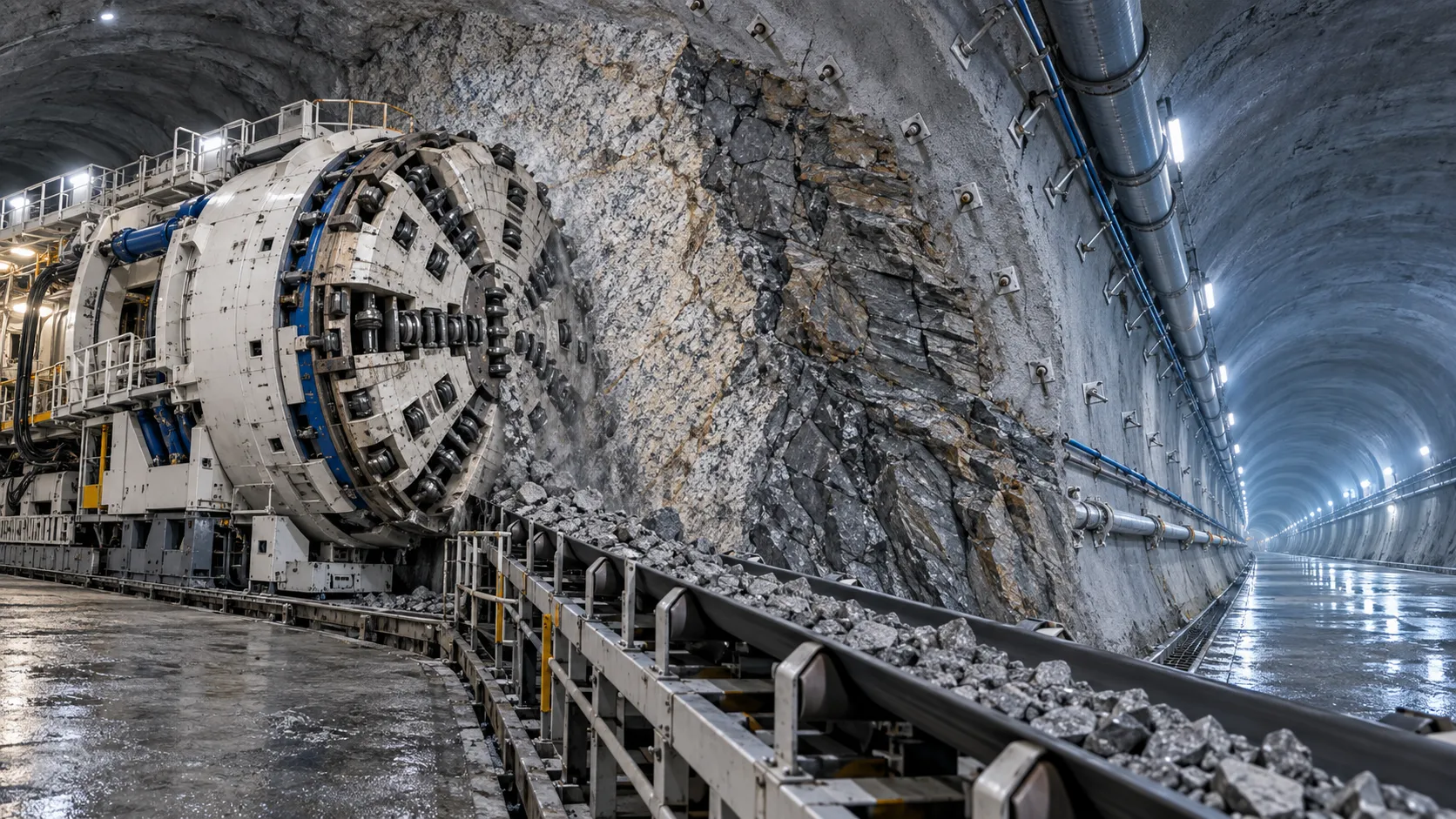
Hydropower Tunnel Excavation: Selecting Methods for Variable Rock Conditions
Hydropower tunnel excavation methods for variable rock conditions: compare TBM, drill-and-blast, and hybrid strategies to improve safety, progress, and project control.
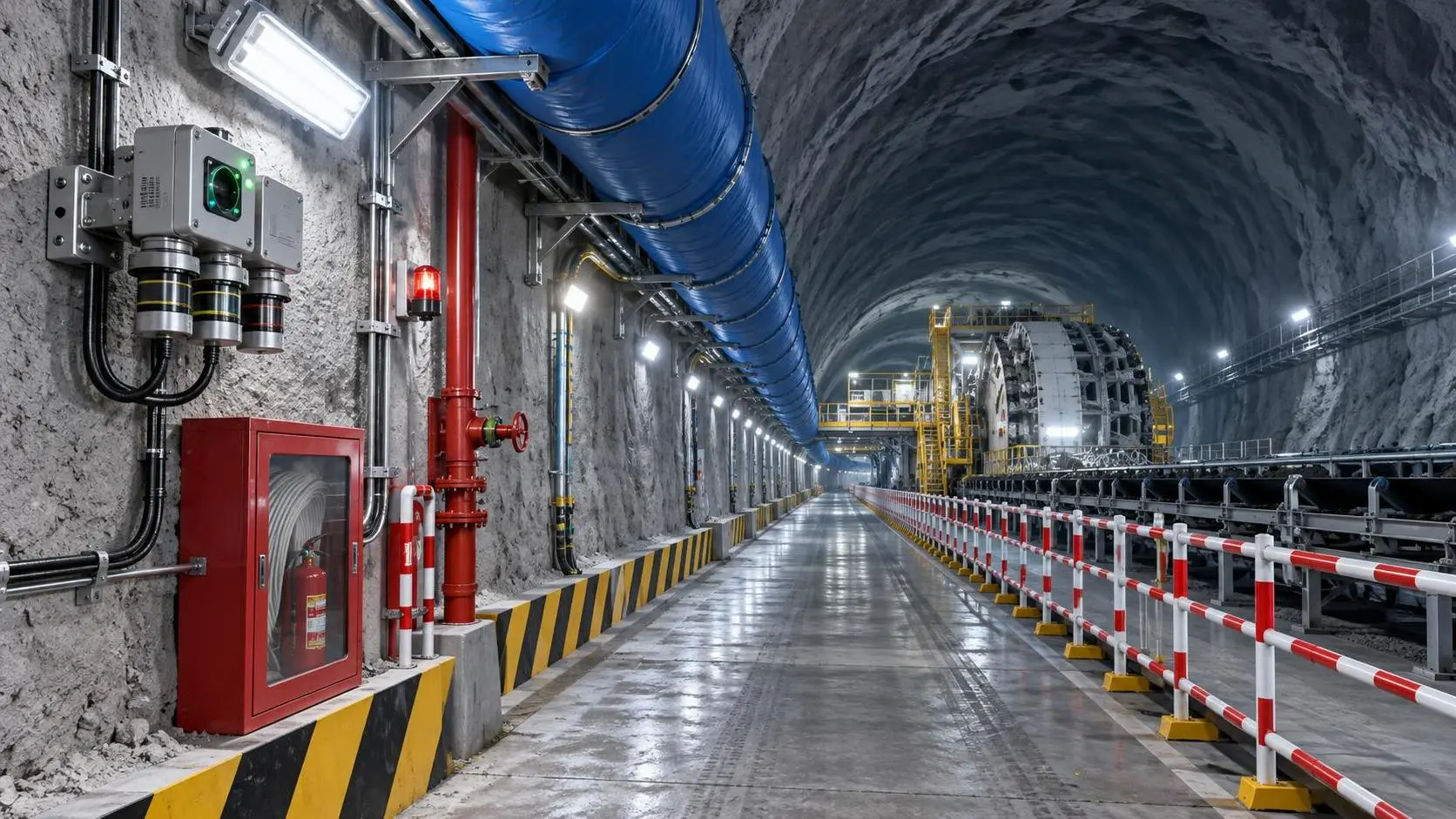
How to Select Underground Safety Equipment for Tunnelling by Hazard and Work Zone
Underground Safety Equipment for tunnelling: match protection to hazards, work zones, compliance, and emergency needs with this practical selection guide.
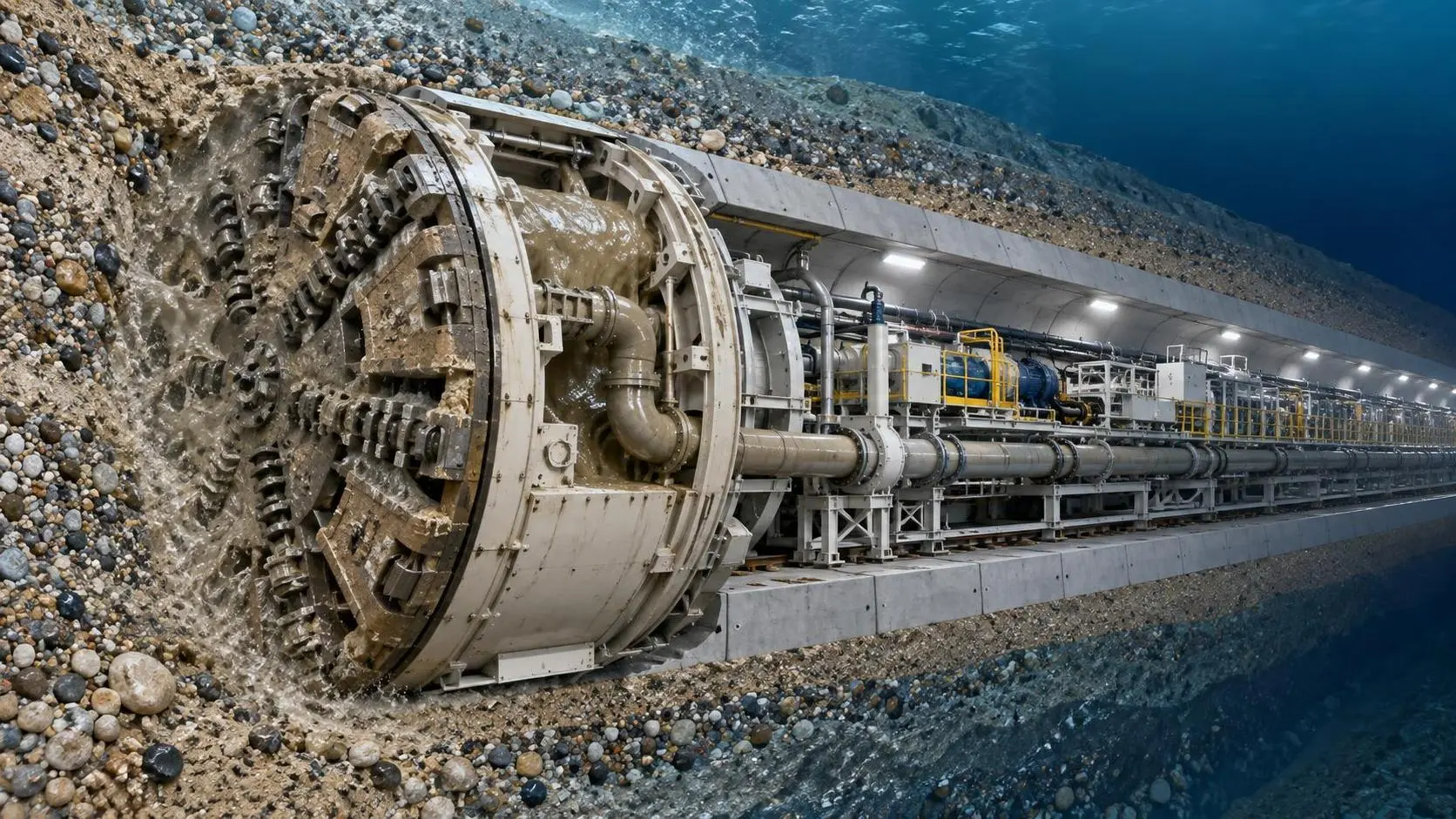
EPB or Slurry Shield? Selecting Soft-Ground Tunnelling Equipment by Soil Conditions
Tunnel Excavation Equipment for soft ground: compare EPB and slurry shields by soil, groundwater, settlement risk, and project logistics to choose confidently.
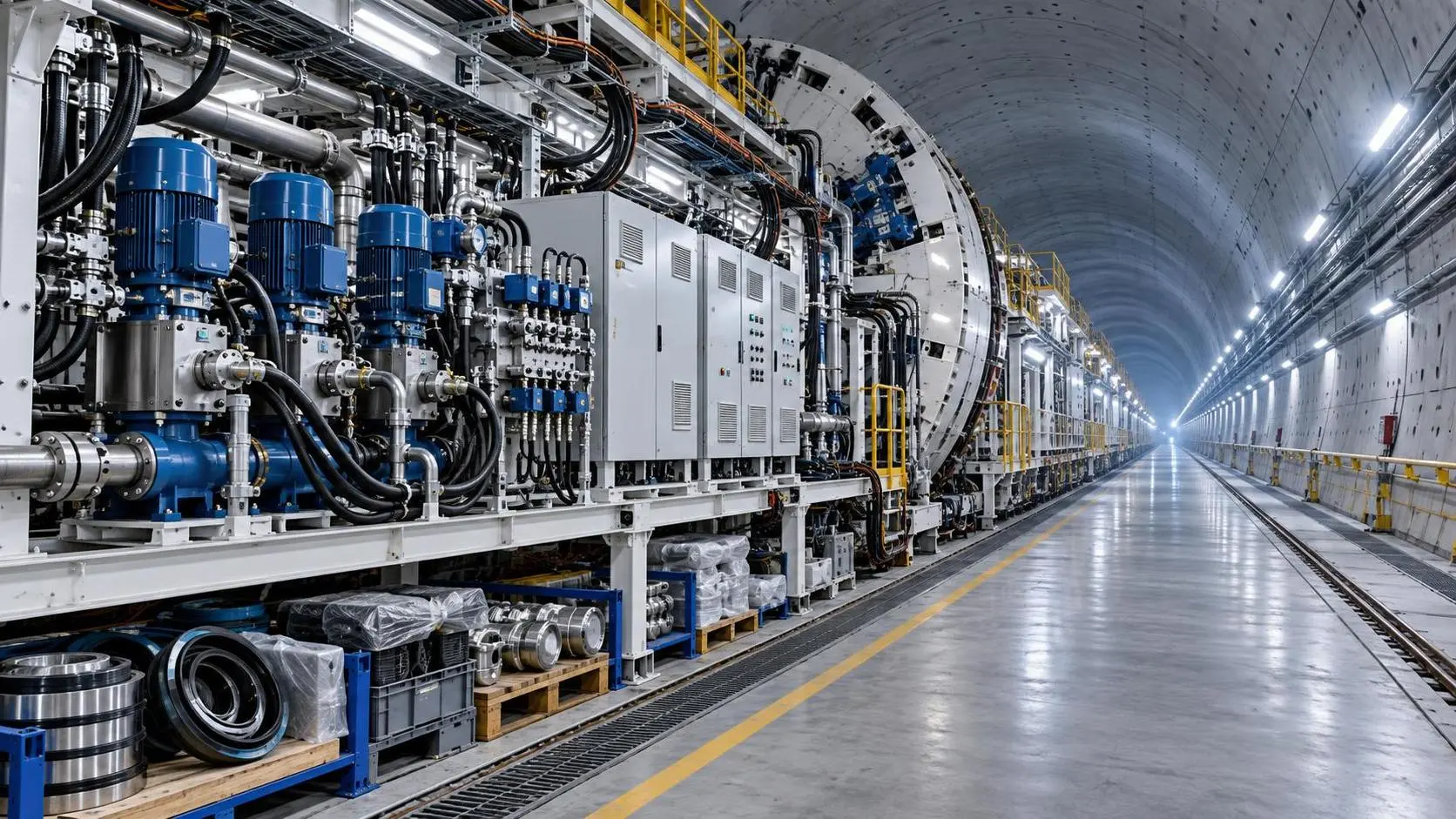
How to Specify TBM Backup System Parts for Reliable Long-Distance Tunnelling
TBM backup system parts: learn how to specify reliable spares for long-distance tunnelling, reduce downtime, ensure compatibility, and speed underground recovery.
Related News
- 00
0000-00
Underground Mine Electrification: How to Size Battery Fleets and Charging Capacity - 00
0000-00
How to Evaluate European Drill-and-Blast Tunnelling Contractors for Complex Projects - 00
0000-00
Which Trenchless Construction Technique Fits Your Utility Crossing Conditions? - 00
0000-00
What Is Driving Metro Tunnelling Demand Across Southeast Asia’s Major Cities? - 00
0000-00
Hard Rock Tunnelling in Australia: Selecting Methods for Variable Ground Conditions
Weekly Insights
Stay ahead with our curated technology reports delivered every Monday.