
EN 14488-7 Rule Takes Effect for Slurry Pipe Jacking





On June 21, 2026, the revised EU standard EN 14488-7:2026 became mandatory for Slurry Pipe Jacking equipment entering the EU market, turning sealing performance into a clearer market-entry requirement. For manufacturers, exporters, buyers, testing-related service providers, and delivery teams, the change deserves attention because it affects not only product testing but also the supporting documentation needed for compliance review and shipment acceptance.
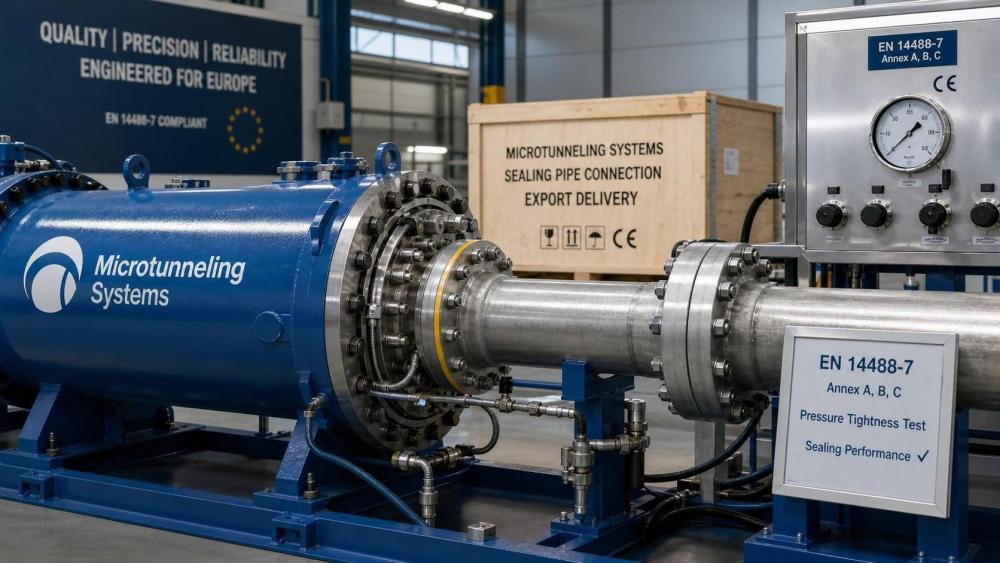
A stricter entry condition is now in force
According to the provided event information, EN 14488-7:2026 was made compulsory on June 21, 2026.
The revised standard requires all Slurry Pipe Jacking equipment entering the EU market to pass an enhanced impermeability pressure test at no less than 1.2 MPa for 30 minutes.
The same event information states that a sealing attenuation curve report issued by a third-party laboratory must also be provided.
The rule was led by CEN/TC 104 and is intended to improve the safety of trenchless construction for urban underground pipeline networks.
The provided summary also notes that major Chinese export companies have already started adaptation work for the revised standard, and that products delivered from Q3 are expected to comply fully with the new requirement.
Where the rule change is likely to be felt first
Export transactions are no longer only about product shipment
From an industry perspective, exporters are likely to feel the impact first because EU market access now depends not only on the equipment itself but also on whether the required test evidence can be presented in a form acceptable to buyers and compliance reviewers. What deserves closer attention is the combination of technical proof and delivery readiness, especially where shipment schedules depend on third-party laboratory output.
Manufacturing and specification alignment move upstream
Analysis shows that manufacturers may need to focus more closely on sealing performance during product adaptation, because the new rule ties market access to a defined pressure threshold, duration, and supporting report format. This could affect internal verification, technical documentation, and specification alignment for equipment intended for EU-bound orders.
Procurement and project acceptance may become more document-driven
For buyers, contractors, and channel participants, the practical impact may appear in supplier qualification review, order confirmation, and acceptance checks. It is more appropriate to understand this as a documentation-sensitive change: procurement teams may need to look not only at equipment parameters, but also at whether the third-party sealing attenuation curve report is available and consistent with bid or delivery requirements.
Testing-related services gain a more visible role
Observably, testing and certification-related service providers may see greater attention because the rule explicitly requires a third-party laboratory report. The immediate issue is not simply testing capacity in general, but whether reports can support compliance communication, tender review, and cross-border delivery documentation in a timely way.
What companies should monitor in current practice
Check whether compliance files are complete before shipment
Analysis shows that companies serving the EU market should pay close attention to whether the enhanced impermeability test record and the third-party sealing attenuation curve report are prepared as part of the shipment file set. If these materials are missing or inconsistent, the issue may surface in buyer review, technical clarification, or delivery acceptance rather than only at the production stage.
Track wording changes in tenders and technical documents
What deserves closer attention is whether procurement documents, technical specifications, and order attachments begin to reference EN 14488-7:2026 more directly. Even where the market reaction is still forming, any shift in tender language could quickly turn the standard from a compliance matter into a bidding prerequisite.
Reassess delivery planning around testing lead time
Observably, the new requirement may affect delivery planning because compliance now depends on both product readiness and third-party reporting readiness. Companies may need to monitor whether testing arrangements, document issuance, and shipment scheduling remain aligned for EU-bound orders.
Prepare for closer post-delivery traceability discussions
From an industry perspective, suppliers and after-sales teams should also watch for more detailed requests around technical records and quality traceability. The event information does not define a specific enforcement pathway beyond the new requirement, so this remains an area to monitor rather than a confirmed outcome.
Why this looks more like an execution signal than a policy draft
Analysis shows that this development is better understood as an implemented rule change rather than an early consultation signal, because the revised standard has already become mandatory as of June 21, 2026. At the same time, it would be premature to treat every downstream consequence as settled, since the provided information does not describe detailed enforcement practice, procurement interpretation, or uniform market response.
Observably, the most important near-term signal is that compliance evidence has become more specific: a pressure threshold, a test duration, and a third-party sealing attenuation curve report are now explicitly tied to EU market entry for this equipment category. That makes the issue relevant not only for engineering teams, but also for export documentation, supplier review, and contract execution.
How to read this change at the current stage
At this stage, the event is best understood as a concrete compliance threshold taking effect for Slurry Pipe Jacking equipment entering the EU market. Its significance lies less in headline impact and more in the fact that testing requirements and supporting documentation are becoming more explicit in cross-border delivery. A rational reading is that companies involved in EU-facing production, export, procurement, and testing should treat the change as active and practical, while continuing to watch how market documents and execution practices evolve.
Basis of this article and items that still need verification
This article is generated on the basis of the user-provided news title, event date, and event summary. For events of this type, commonly relevant source categories may include official notices, regulator releases, trade or customs authority information, industry association updates, standard-setting organization documents, and reporting by established trade media.
No specific official source link was provided in the input, so the exact official reference path still needs to be verified on an ongoing basis. Observably, the areas that remain worth tracking include detailed implementation wording, certification and testing interpretation, changes in tender documents, market feedback, and how companies carry out the new requirement in actual delivery processes.
Related News
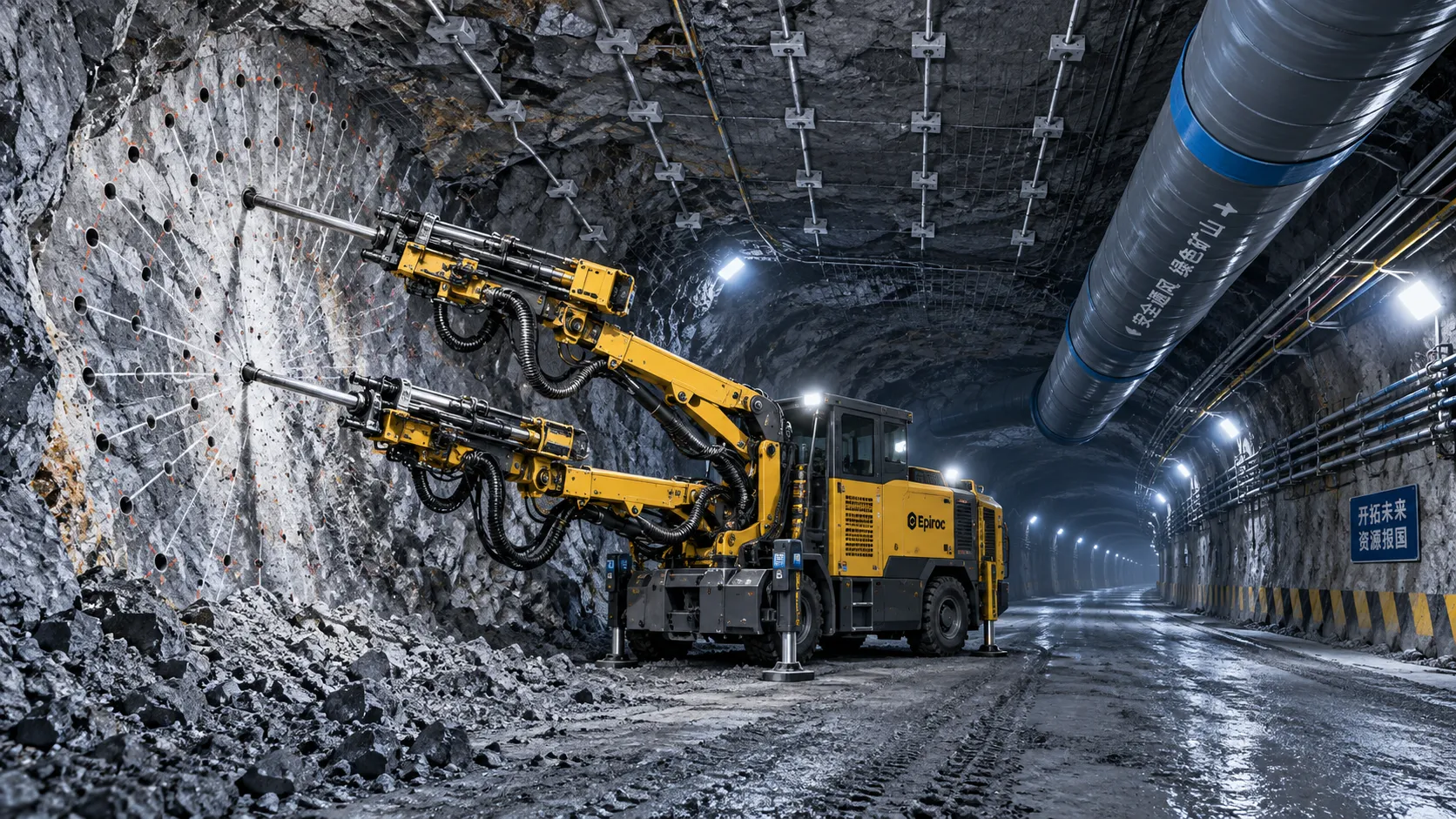
Underground Drilling for Mining: Selecting Methods for Rock Conditions and Mine Layout
Underground drilling for mining: learn how to match drilling methods to rock conditions, mine layout, accuracy needs, ground support, and cycle efficiency.
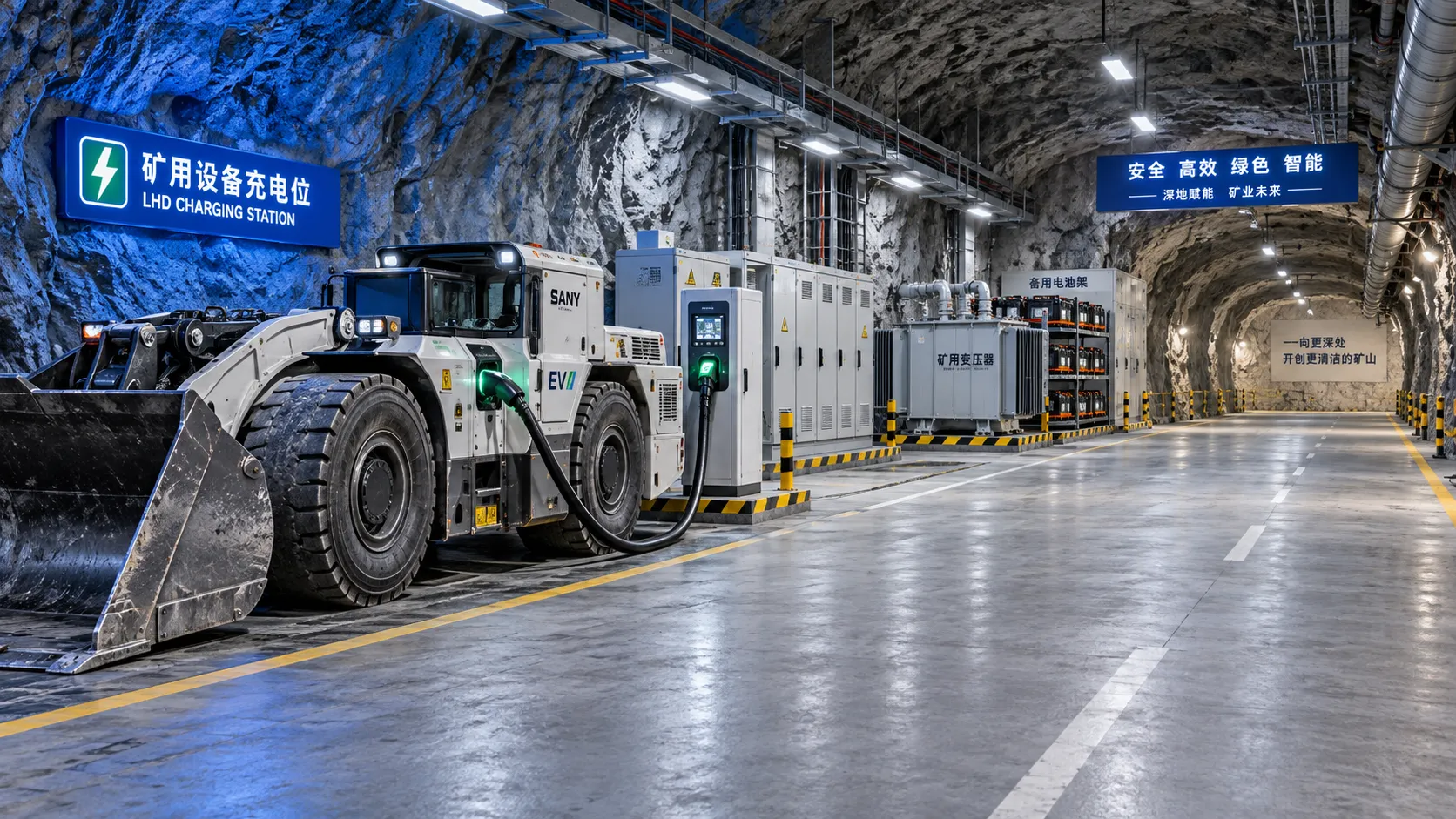
Underground Mine Electrification: How to Size Battery Fleets and Charging Capacity
Mining electrification for underground mines: learn how to size battery fleets, chargers, and power capacity to prevent queues, peak-load issues, and production downtime.
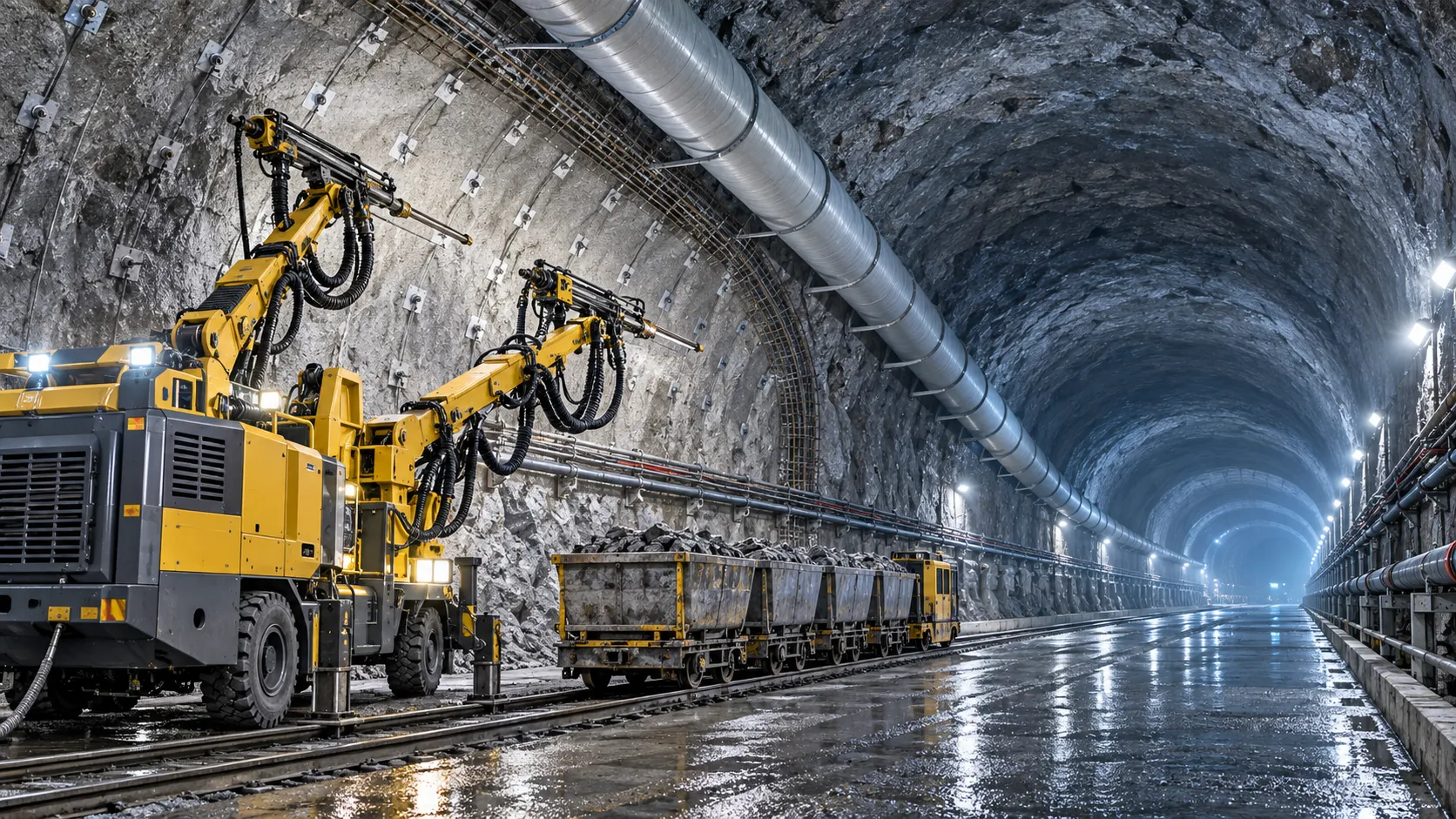
How to Evaluate European Drill-and-Blast Tunnelling Contractors for Complex Projects
Drill and blast tunnelling contractors Europe: learn how to assess geology expertise, blast control, equipment reliability, safety, and programme resilience for complex projects.
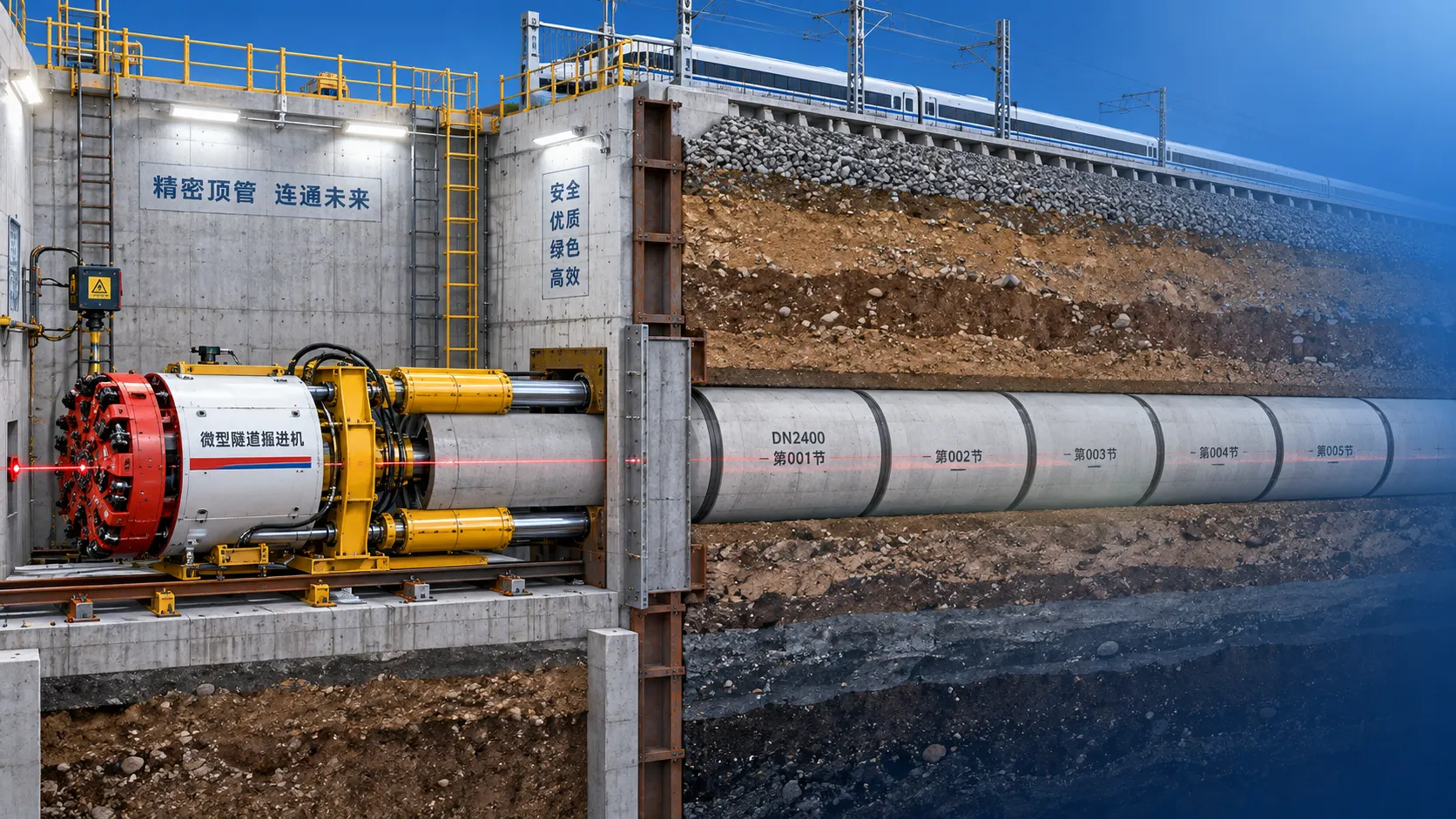
Which Trenchless Construction Technique Fits Your Utility Crossing Conditions?
Trenchless construction techniques compared for utility crossings: choose HDD, microtunnelling, pipe jacking, or auger boring based on ground, accuracy, access, and risk.
What Is Driving Metro Tunnelling Demand Across Southeast Asia’s Major Cities?
Metro tunnelling Southeast Asia is accelerating as major cities tackle congestion, flooding, and connectivity. Explore the market forces, technical risks, and opportunities shaping demand.
Hard Rock Tunnelling in Australia: Selecting Methods for Variable Ground Conditions
Hard rock tunnelling in Australia: compare TBM, drill-and-blast and hybrid methods to manage variable ground, reduce risk and protect project costs.
Hydropower Tunnel Excavation: Selecting Methods for Variable Rock Conditions
Hydropower tunnel excavation methods for variable rock conditions: compare TBM, drill-and-blast, and hybrid strategies to improve safety, progress, and project control.
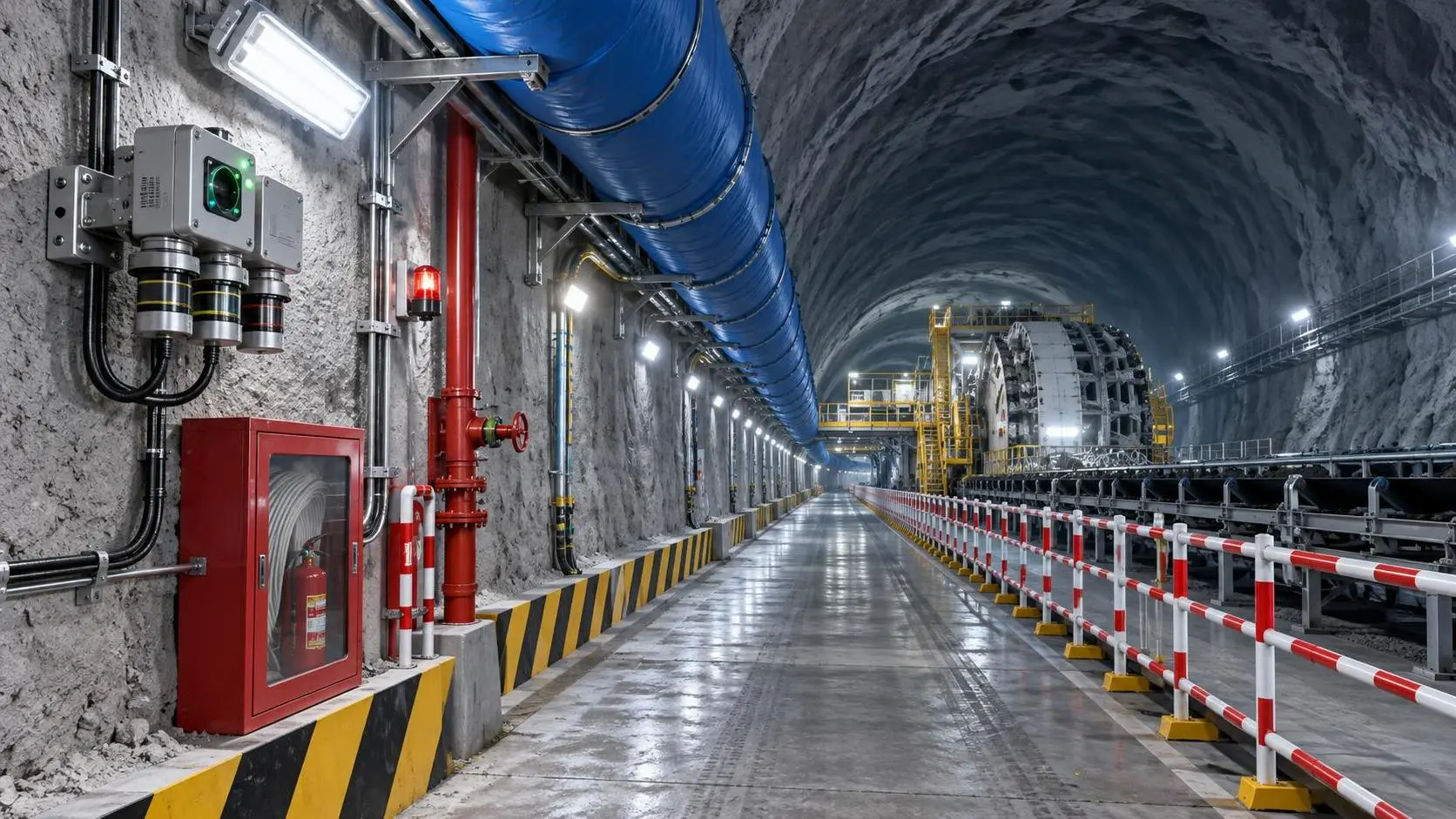
How to Select Underground Safety Equipment for Tunnelling by Hazard and Work Zone
Underground Safety Equipment for tunnelling: match protection to hazards, work zones, compliance, and emergency needs with this practical selection guide.
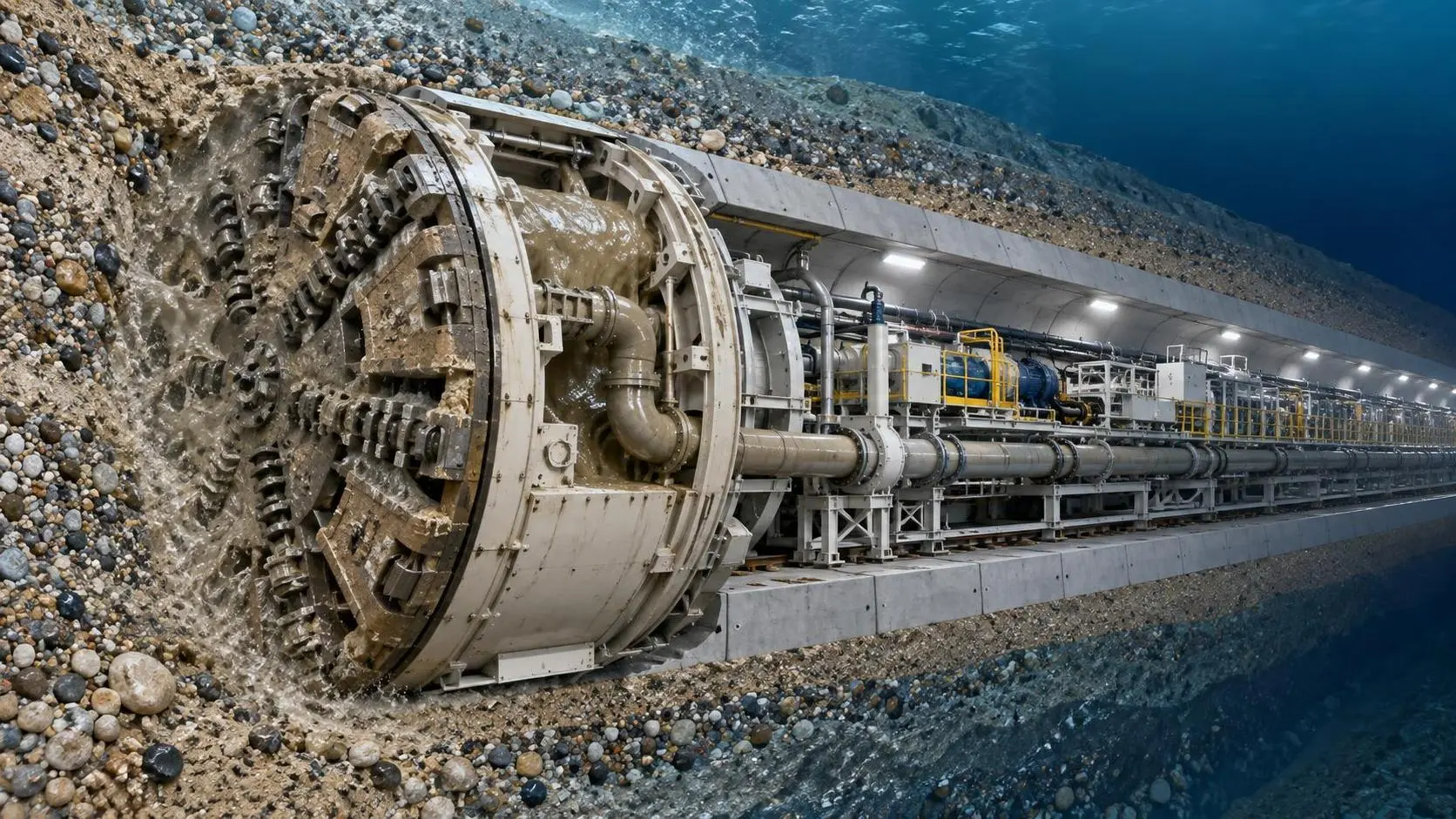
EPB or Slurry Shield? Selecting Soft-Ground Tunnelling Equipment by Soil Conditions
Tunnel Excavation Equipment for soft ground: compare EPB and slurry shields by soil, groundwater, settlement risk, and project logistics to choose confidently.
Related News
- 00
0000-00
Underground Drilling for Mining: Selecting Methods for Rock Conditions and Mine Layout - 00
0000-00
Underground Mine Electrification: How to Size Battery Fleets and Charging Capacity - 00
0000-00
How to Evaluate European Drill-and-Blast Tunnelling Contractors for Complex Projects - 00
0000-00
Which Trenchless Construction Technique Fits Your Utility Crossing Conditions? - 00
0000-00
What Is Driving Metro Tunnelling Demand Across Southeast Asia’s Major Cities?
Weekly Insights
Stay ahead with our curated technology reports delivered every Monday.