
What Drives Trenchless Pipe Installation Cost? 7 Factors That Change Project Budgets





Why does Trenchless Pipe Installation cost vary so much from one project to another?
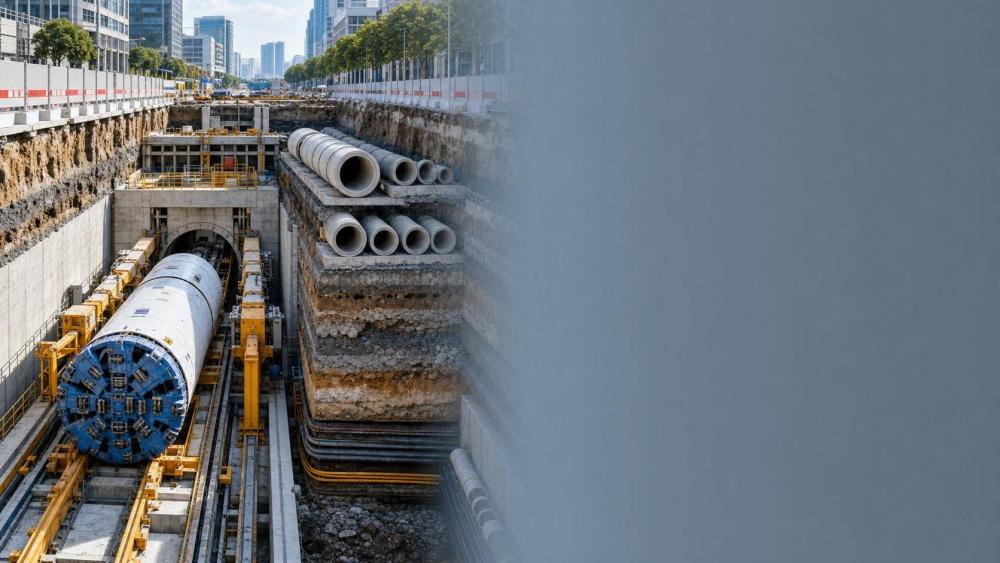
Trenchless work is often described as less disruptive, but that does not mean the budget is simple. Trenchless Pipe Installation cost moves with underground risk, not just pipe length.
In practical terms, a short urban crossing can cost more than a longer suburban run. Access limits, ground instability, and utility congestion can outweigh distance.
That is why cost review should focus on the full installation environment. Bids that look similar on paper may carry very different exposure once drilling starts.
Across the underground sector, UTMD often tracks this same pattern in pipe jacking and tunnel equipment analysis. The machine matters, but the geology-machine-site combination matters more.
A reliable budget usually comes from understanding seven drivers together: ground conditions, pipe size, drive length, access constraints, equipment choice, labor conditions, and permitting.
How much do geology and subsurface conditions change the final budget?
More than most early estimates admit. Geology is usually the first place where Trenchless Pipe Installation cost can move sharply upward.
Stable, predictable soil supports smoother boring, easier steering, and lower wear. Mixed ground, cobbles, hard rock, or unexpected groundwater create slower production and more intervention.
Harder formations also raise cutter wear, torque demand, and spoil handling complexity. That is familiar territory in UTMD reporting, where rock-cutting mechanics often determine equipment economics.
The real budget issue is not only drilling difficulty. Difficult ground often triggers secondary costs, including added geotechnical investigation, contingency tooling, dewatering, and schedule extension.
A useful way to test a proposal is to ask what subsurface data supports it. If the ground model is thin, the quoted Trenchless Pipe Installation cost may be carrying hidden uncertainty.
A quick screening table for the biggest cost shifts
Before approving budget ranges, it helps to separate manageable variables from true escalation triggers.
Do pipe diameter and drive length affect cost in the same way?
They both increase Trenchless Pipe Installation cost, but not for the same reasons. Diameter changes physical scale. Length changes operational exposure.
A larger pipe usually requires bigger launch and reception shafts, heavier lifting, stronger jacking capacity, and more spoil movement. Those are visible cost items.
Longer drives tend to affect accuracy, friction, lubrication demand, and the probability of delay. The budget impact is sometimes less obvious until the schedule slips.
More common in real projects is a compounding effect. Large diameter plus long drive can push teams into different equipment classes and tighter engineering tolerances.
When comparing quotations, check whether unit pricing assumes the same shaft depth, intermediate jacking need, and allowable tolerance. Those assumptions shape actual cost more than headline price.
Why do access limitations and urban conditions inflate trenchless budgets?
Because trenchless reduces surface disruption, many people expect site conditions to matter less. In reality, constrained access can significantly raise Trenchless Pipe Installation cost.
A narrow downtown site may require night work, phased deliveries, compact support equipment, temporary decking, and stricter spoil removal planning. None of that is cheap.
Existing utilities create another layer of uncertainty. Verifying clearances, protecting nearby lines, and adjusting alignment often add engineering time before installation even begins.
Noise, vibration, traffic, and settlement controls can also change the method selection. A contractor may price extra monitoring or choose slower operations to reduce public and structural risk.
For budget review, it helps to ask a simple question: is the bid based on easy access assumptions, or on the actual logistics of the site?
What role do equipment choice and crew conditions play in Trenchless Pipe Installation cost?
Equipment choice often explains why two technically acceptable methods return different prices. The lowest equipment rate does not always produce the lowest installed cost.
Microtunneling, pipe jacking, and guided boring each carry different strengths. Some methods cost more upfront but reduce alignment risk, rework, and disruption in difficult conditions.
UTMD follows these tradeoffs closely in trenchless equipment coverage. Better machine control, telemetry, and wear management can improve predictability, especially where tolerance matters.
Crew availability also matters. Specialized operators, safety requirements, shift premiums, and local labor agreements can materially change project economics.
In markets facing infrastructure surges, labor rates rise quickly. The Trenchless Pipe Installation cost may then be driven less by materials and more by skilled execution capacity.
- Confirm whether the method matches the stated ground profile.
- Check if standby time, tooling wear, and specialist support are included.
- Review schedule assumptions against local crew availability.
Are permitting and compliance small line items, or real budget drivers?
They are real drivers, especially when a crossing touches regulated corridors or sensitive assets. Permitting delays can quietly become one of the largest indirect cost components.
A road crossing permit is one thing. A rail, river, highway, or environmentally constrained crossing is another. Each may require extra design review, monitoring, and insurance obligations.
Compliance now reaches beyond paperwork. Emissions rules, spoil disposal controls, groundwater handling, and community impact conditions can affect equipment selection and site hours.
This links with broader underground trends tracked by UTMD. Zero-emission expectations and smarter equipment deployment are shaping both mine transport and urban trenchless operations.
If a proposal treats permits as a minor allowance, it is worth checking what has actually been confirmed and what remains provisional.
How can you judge whether a trenchless quote is realistic before approval?
A realistic quote explains its assumptions clearly. An unrealistic one looks neat but leaves major variables unresolved.
The strongest way to review Trenchless Pipe Installation cost is to compare assumptions, exclusions, and risk ownership, not just totals.
Useful checkpoints include the following.
- Ground data quality: Are bore logs, water conditions, and obstructions defined?
- Method fit: Does the selected trenchless method match diameter, alignment, and risk?
- Temporary works: Are shafts, dewatering, traffic control, and spoil handling covered?
- Schedule realism: Does the timeline reflect permit lead times and crew constraints?
- Contingency logic: Is there a reasoned allowance for wear, delay, or changed conditions?
One useful final step is to ask for a sensitivity view. Even a simple range for geology, access, and permit timing gives a better basis for capital planning.
In the end, Trenchless Pipe Installation cost is best understood as a risk-weighted construction budget. The more transparent the assumptions, the fewer surprises after mobilization.
For the next review cycle, organize bids around the seven drivers, compare what is included, and test where cost could move. That approach usually leads to better decisions than comparing headline numbers alone.
Related News
Tunnel Boring Machine Costs: Budgeting for Purchase, Operation, and Project Risk
Tunnel Boring Machines cost more than purchase price. Learn how to budget lifecycle costs, downtime, logistics, wear, and project risk for smarter TBM decisions.
Open-Pit Haulage Cost Analysis: How Mine Managers Can Cut Cost per Tonne
Open pit haulage cost analysis: discover practical ways to reduce cost per tonne through payload control, cycle-time optimization, road performance, and smarter fleet decisions.
Tunnel Construction Innovations That Reduce Risk and Schedule Delays on Urban Projects
Tunnel construction innovation for urban projects: discover smarter TBMs, real-time monitoring, trenchless methods, and automation that reduce risk and protect schedules.
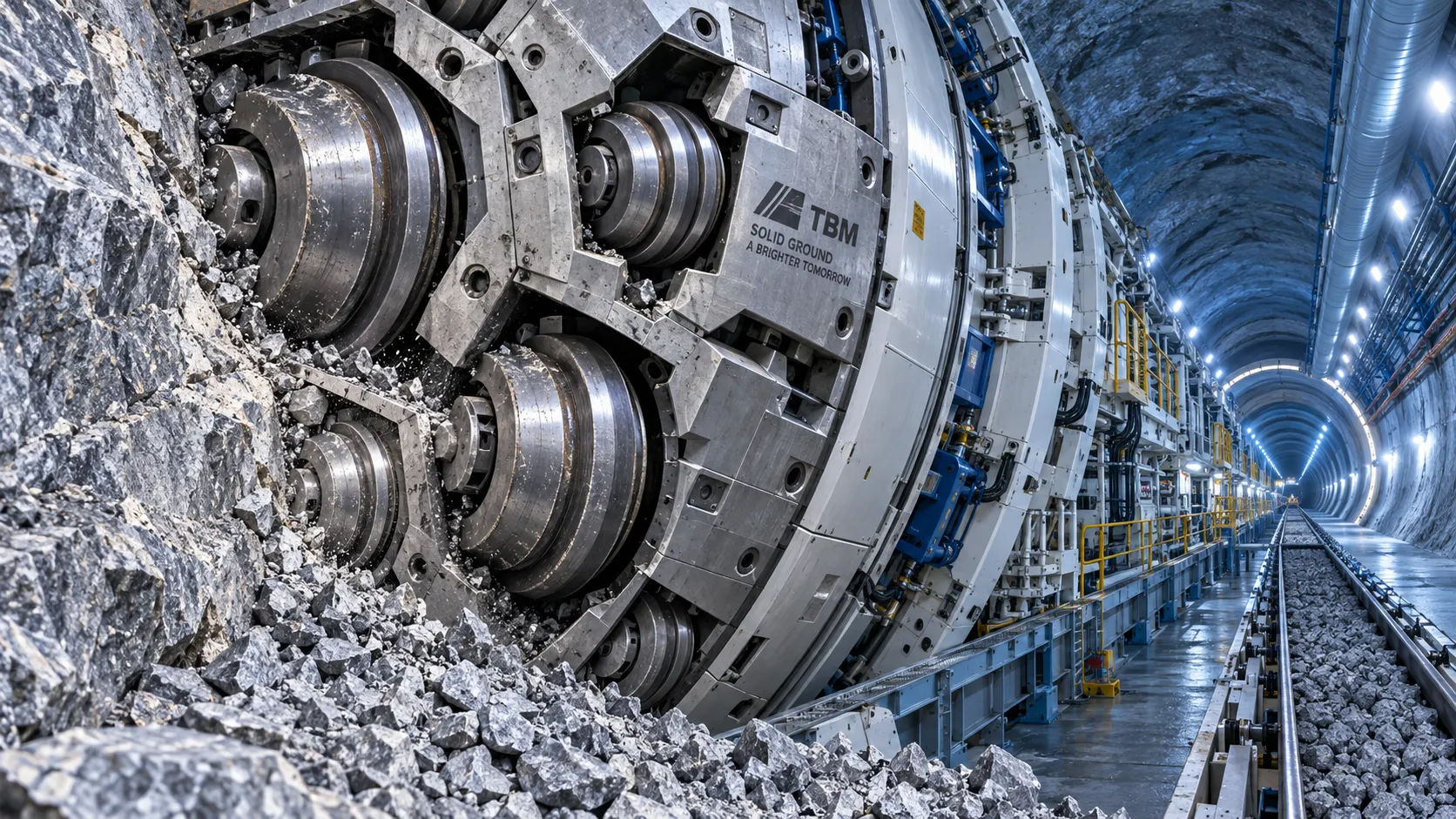
TBM Disc Cutter Design: Key Geometry and Load Factors for Hard Rock Tunnelling
TBM disc cutter design explained: explore geometry, spacing, load distribution and maintenance factors for reliable, efficient hard-rock tunnelling performance.
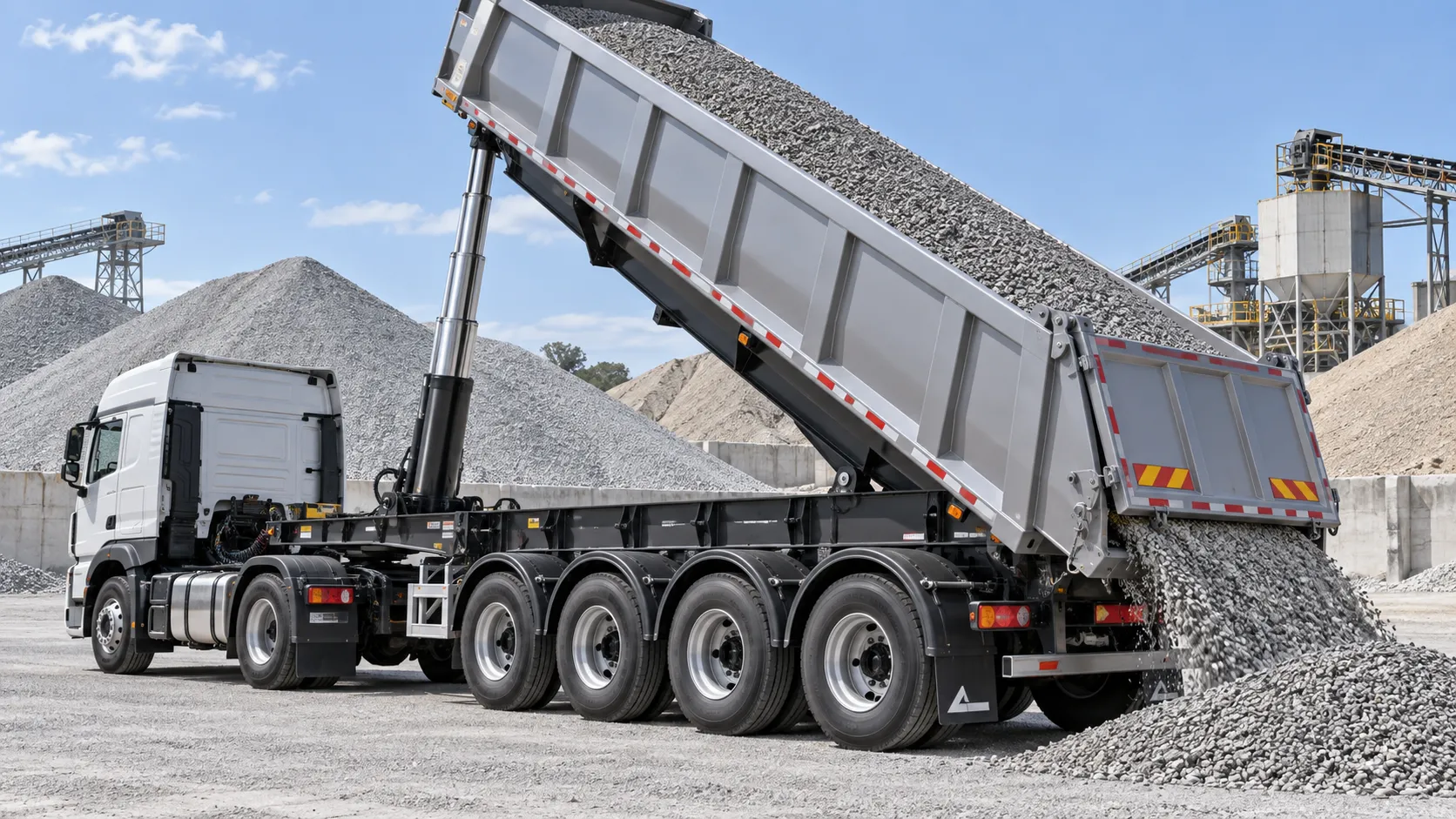
Hydraulic Tipping Stability Risks in Multi-Axle Dump Special Trailers
Dump special trailers: discover key hydraulic tipping stability risks, multi-axle load dynamics, and practical safety controls for safer, smarter bulk hauling.
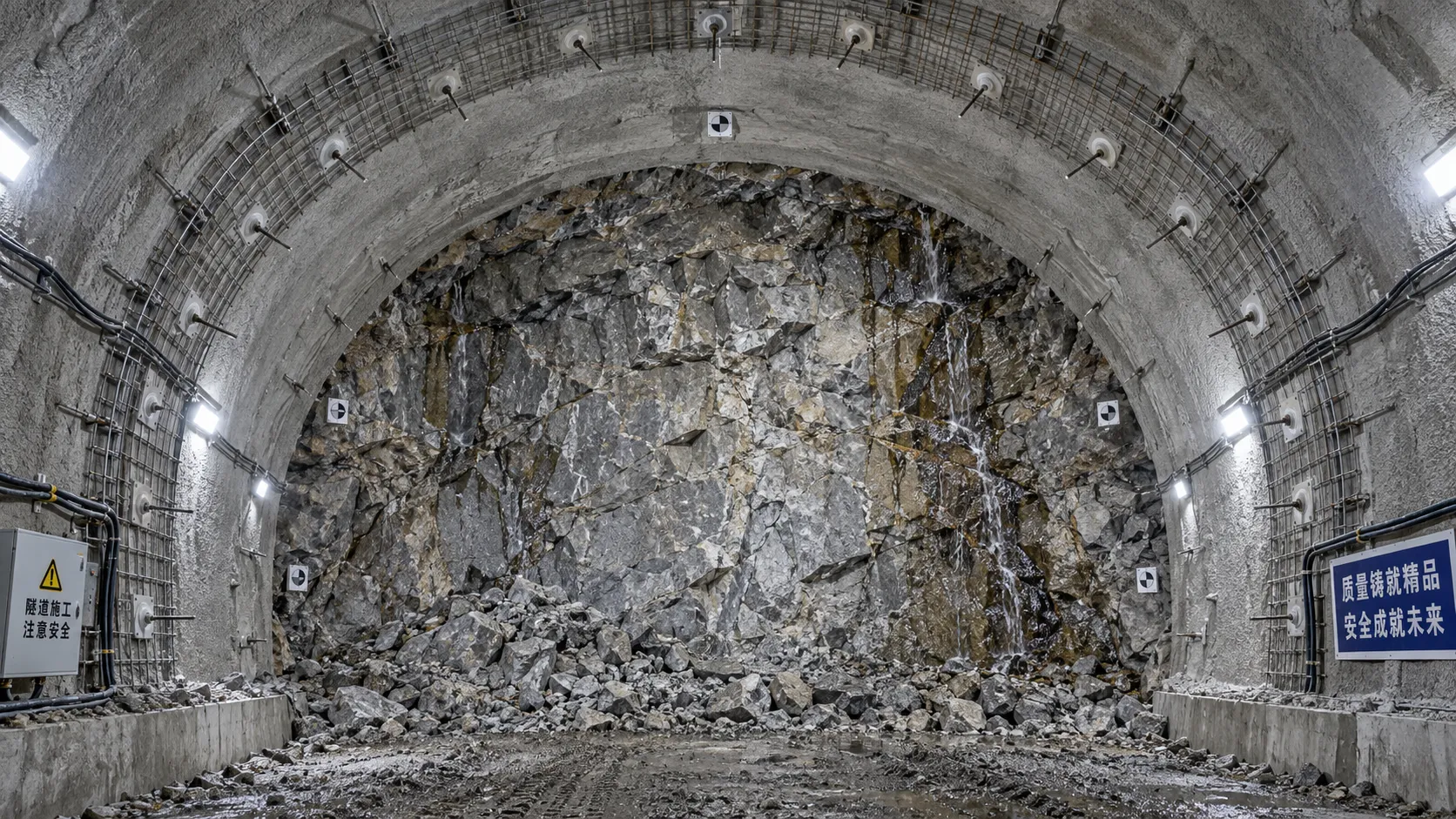
When rock reinforcement in tunnel construction must change after blasting
Rock reinforcement in tunnel construction must change when blasting reveals overbreak, weak joints, water inflow, or deformation. Discover key post-blast support decisions.
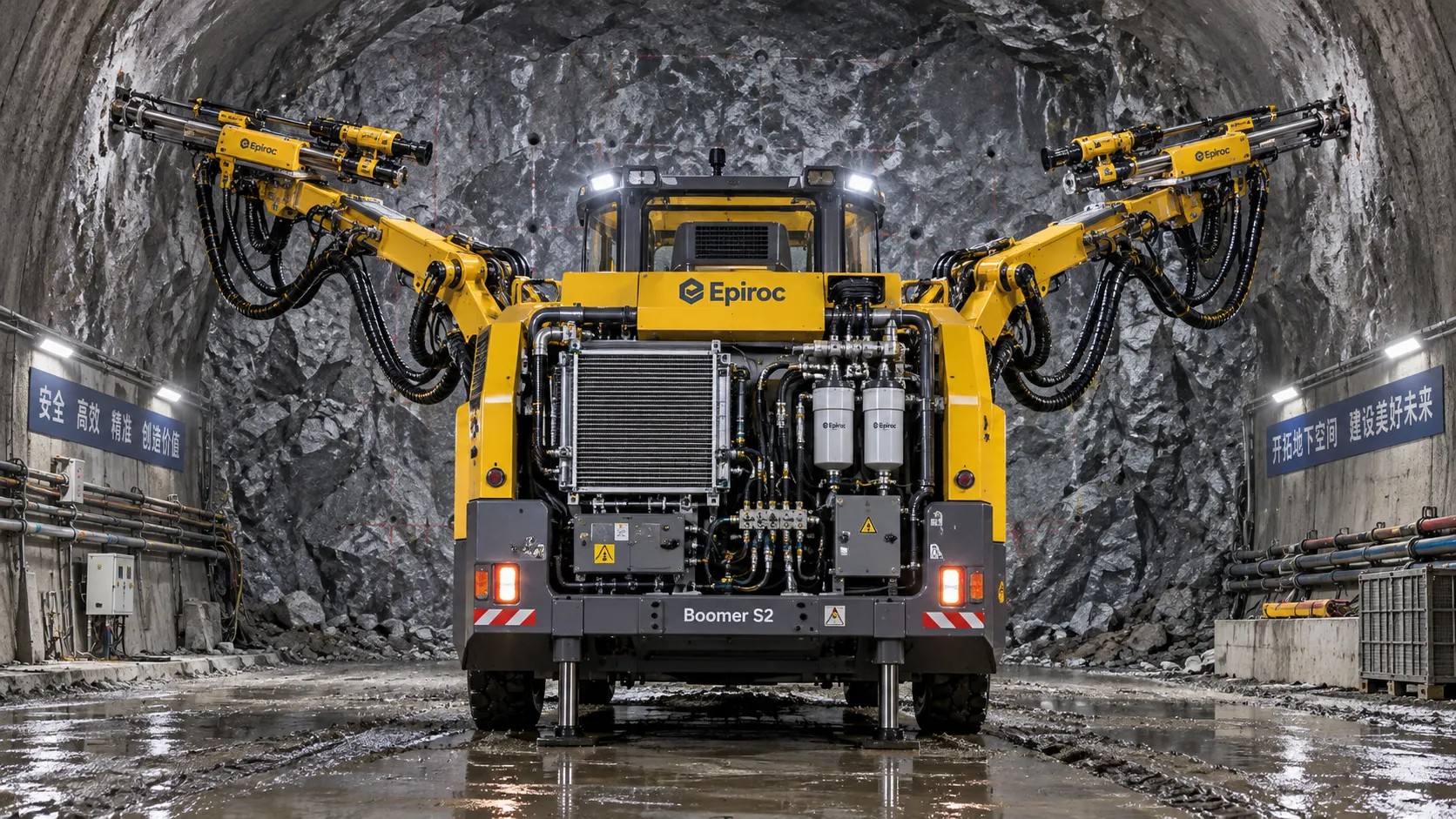
How tunnel hydraulic systems influence drill jumbo uptime underground
Tunnel hydraulic systems directly influence drill jumbo uptime. Explore how stable pressure, clean oil, cooling, and maintainable design reduce underground downtime.
What to verify before appointing a tunneling vehicles manufacturer
Choosing a tunneling vehicles manufacturer? Verify application fit, reliability, compliance, parts support, training, and channel terms before appointing a partner.
Selecting K9 Ductile Iron Pipe for Buried Water Pipeline Conditions
K9 ductile iron pipe selection for buried water pipelines: compare pressure duty, joints, soil loads, corrosion protection, and installation controls for reliable long-term performance.
Related News
- 00
0000-00
Tunnel Boring Machine Costs: Budgeting for Purchase, Operation, and Project Risk - 00
0000-00
Open-Pit Haulage Cost Analysis: How Mine Managers Can Cut Cost per Tonne - 00
0000-00
Tunnel Construction Innovations That Reduce Risk and Schedule Delays on Urban Projects - 00
0000-00
TBM Disc Cutter Design: Key Geometry and Load Factors for Hard Rock Tunnelling - 00
0000-00
Hydraulic Tipping Stability Risks in Multi-Axle Dump Special Trailers
Weekly Insights
Stay ahead with our curated technology reports delivered every Monday.